Telavi
🇬🇪 Georgia
The Soul of Kakheti
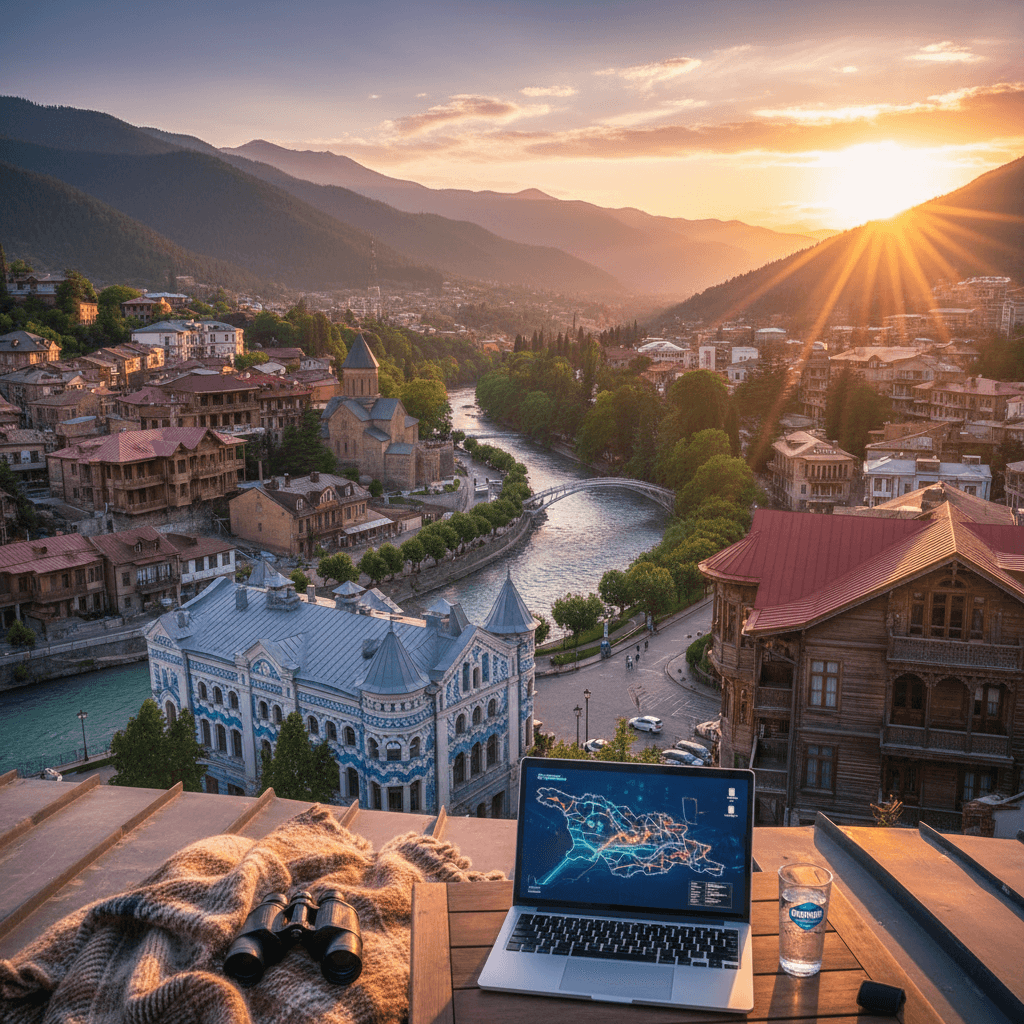
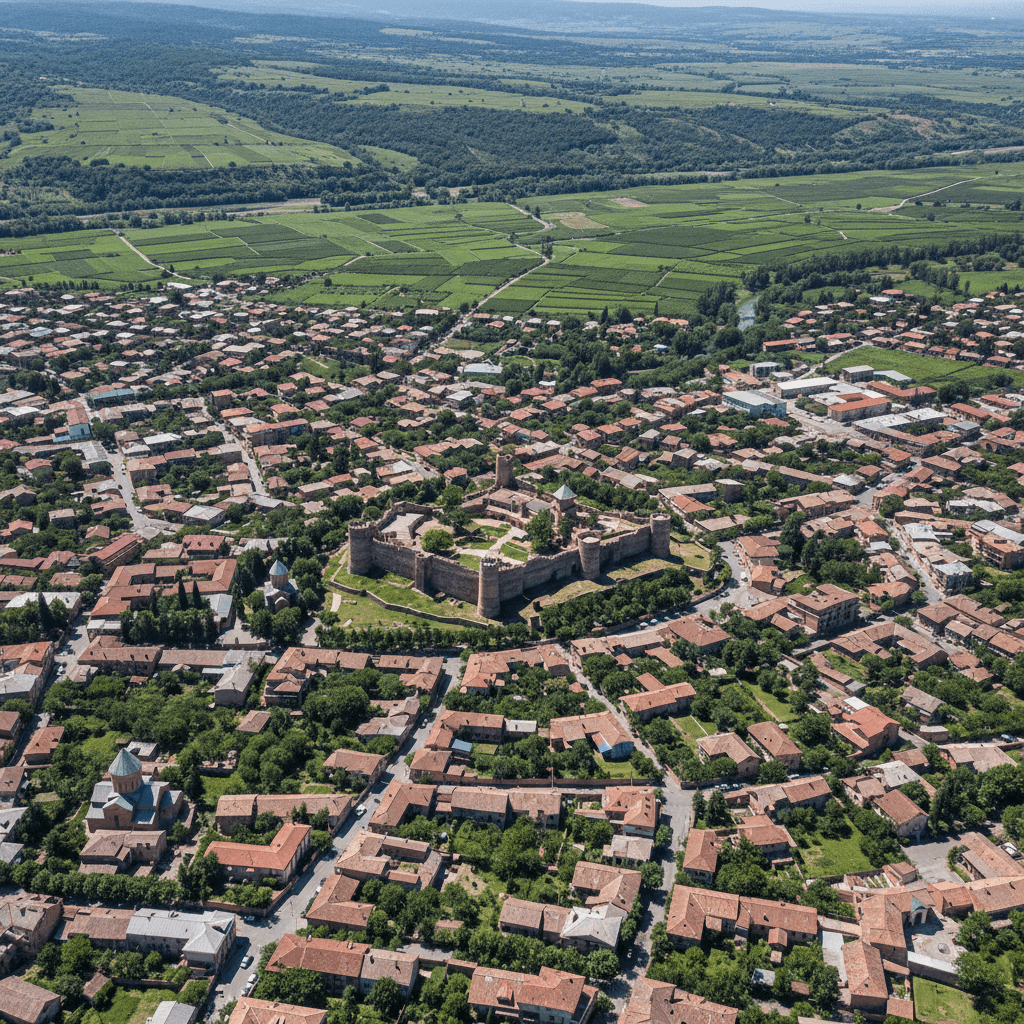
If Tbilisi is the pounding heart of Georgia, Telavi is its deep, steady breath. Perched on a hill overlooking the vast Alazani Valley, this is a place where the 2025 digital nomad goes to disappear from the grind. You won't find the glass skyscrapers or the frantic Bolt scooter traffic of the capital here. Instead, you get the shadow of the 900 year old giant plane tree in the city center and the faint scent of fermenting grapes in the autumn air.
The vibe is unapologetically rural and slow. It is the kind of town where the person selling you tomatoes at the bazaar might invite you for a glass of homemade wine before noon. For nomads, it is a trade-off. You give up the high speed fiber optics and the specialty coffee shops for a life that feels authentic and remarkably grounded. It is perfect for writers, deep thinkers, or anyone who has reached their limit with urban noise.
The Daily Rhythm
Living here feels like stepping back into a more intentional era. Most travelers spend their mornings wandering the Batonis Tsikhe fortress or walking the narrow, cobblestone streets of the old town. By afternoon, the heat usually settles over the valley, and the city retreats into a quiet siesta. You will see locals gathered on benches, playing backgammon or debating politics, while the Caucasus Mountains loom in the distance, often capped with snow even when the valley is warm.
The emotional experience of Telavi is one of radical hospitality. You aren't just a tourist here; you're a guest. While English isn't widely spoken, a few words of Georgian like Gamarjoba (hello) or Madloba (thank you) go a long way. Expect a lot of gesturing, warm smiles, and perhaps more wine than you intended to drink on a Tuesday.
Cost of Living Breakdown
Telavi is significantly more affordable than Tbilisi or Batumi. While there aren't many formal luxury apartments, your money stretches remarkably far in the local economy. Most nomads opt for guesthouses or private rentals found through local connections.
- Budget Tier: 1,200 to 1,800 GEL ($440 to $660) per month. This covers a modest room in a shared house, plenty of market produce, and occasional transport.
- Mid-range Tier: 2,000 to 3,000 GEL ($730 to $1,100) per month. This allows for a private one bedroom apartment near the center, daily meals at local taverns, and weekend trips to nearby monasteries.
- Comfortable Tier: 4,000+ GEL ($1,460+) per month. You'll be living in the best available housing, dining at upscale winery restaurants like those at Tsinandali, and using private drivers for regional exploration.
Connectivity and Workspace
This is the reality check. Telavi does not have dedicated coworking spaces like LOKAL or Impact Hub. You will be working from your accommodation or local cafes. Internet reliability can be hit or miss, and fiber is rare. Most serious remote workers rely on a Magti or Beeline SIM card with a heavy data plan as a backup. A starter plan usually costs around 20 GEL. If your job requires constant high definition video calls, Telavi might be a better weekend retreat than a permanent base.
Getting Around and Staying Safe
The city center is compact and very walkable. For longer trips, the marshrutka (minibus) is the king of the road. A ride to Tbilisi takes about two hours and costs roughly 10 GEL. While there isn't a massive expat community or organized nomad meetups, the safety levels are incredibly high. You can walk the streets at night without a second thought, though the biggest "danger" is usually an over-enthusiastic local trying to pour you another glass of Saperavi.
Weather and When to Go
The climate is temperate but can get spicy in the summer. July and August often see highs of 32°C, making the shaded courtyards of the city essential. September and October are the golden months, coinciding with the Rtveli (grape harvest), when the city comes alive with celebration. Winters are chilly but rarely brutal, with highs around 6°C in January, though the dampness from the valley can make it feel colder.
The Kakheti Discount
Living in Telavi feels like stepping into a more affordable, slower version of Georgia. While Tbilisi has seen prices climb over the last few years, Telavi remains remarkably budget friendly. You can live a very comfortable life here for a fraction of what you would spend in Western Europe or even the Georgian capital. Most nomads find that their biggest savings come from housing and fresh produce, especially if you shop at the local bazaars rather than smaller neighborhood markets.
For a solo traveler or remote worker, your monthly expenses will likely fall into one of these three brackets:
- Budget: 1,200 to 1,800 GEL ($440 to $660 USD). This covers a modest apartment or a long term guesthouse arrangement, plenty of home cooked meals from the market, and local transport.
- Mid-range: 2,000 to 3,000 GEL ($730 to $1,100 USD). This is the sweet spot for most. You'll get a nice one bedroom apartment in the center, eat out several times a week, and have a healthy budget for wine tours and weekend trips.
- Comfortable: 4,000+ GEL ($1,460+ USD). At this level, you're living in the best available housing, dining at upscale winery restaurants like those at Schuchmann or Tsinandali Estate, and likely hiring private drivers for regional exploration.
Housing and Utilities
The rental market in Telavi is informal compared to Tbilisi. You won't find many listings on international sites, so most expats recommend checking myhome.ge or local Facebook groups. The center of town, particularly the streets surrounding the Batonis Tsikhe fortress, is the most convenient area for walkability. If you want more space and a garden, the outskirts offer better value, though you'll be further from the few cafes with decent internet.
- One-Bedroom Apartment (City Center): 500 to 800 GEL ($185 to $295 USD).
- Studio or Guesthouse Room: 300 to 600 GEL ($110 to $220 USD).
- Utilities (Electricity, Water, Heating): 150 to 250 GEL ($55 to $90 USD), though heating costs spike in the winter.
Food and Dining
Telavi is the heart of wine country, so high quality bottles are often cheaper than bottled water in other countries. Local produce is exceptional. A massive bag of seasonal vegetables from the central market will rarely cost more than 15 GEL. When eating out, you'll find that traditional spots are very affordable, while the specialized "wine tourism" restaurants carry a premium.
- Quick Lunch (Khachapuri or Lobiani): 5 to 10 GEL ($2 to $4 USD).
- Mid-range Dinner for Two: 40 to 70 GEL ($15 to $26 USD).
- Local Liter of Wine: 5 to 10 GEL ($2 to $4 USD) at the market or small shops.
- Coffee in a Cafe: 5 to 8 GEL ($2 to $3 USD).
Connectivity and Transport
This is where you need to be careful. Telavi lacks the high speed fiber infrastructure found in Tbilisi. Most nomads rely on mobile data as a backup. Expats suggest getting a SIM card from Magti or Beeline immediately. A solid data plan usually runs between 10 and 30 GEL per month. There are no dedicated coworking spaces in Telavi yet, so you'll likely be working from your apartment or local cafes.
Getting around the city itself is mostly done on foot because it's quite compact. For longer trips, the marshrutka (minibus) is the standard. A ride to Tbilisi takes about two hours and costs roughly 10 to 12 GEL. While apps like Bolt dominate the capital, they aren't reliable here; you'll likely end up negotiating with local taxi drivers for short trips around town, which should cost about 3 to 5 GEL.
Practical Essentials
Healthcare in Telavi is fine for basic needs and pharmacies are everywhere, but for anything serious, travelers usually head back to Tbilisi. Banking is straightforward; Bank of Georgia and TBC have branches in the center with reliable ATMs. Most shops take cards, but you'll definitely need cash for the markets and smaller guesthouses. If you're coming for the long haul, expect to spend about 20 GEL for a basic starter SIM and 100 GEL for a month of decent mobile data and local calls.
The City Center (Near Batonis Tsikhe)
If you are heading to Telavi, the area surrounding the Batonis Tsikhe fortress is your best bet. It is the most walkable part of town, putting you within a five minute stroll of the local markets and the famous 900 year old Giant Plane Tree. Most travelers find that staying here is the only way to ensure a decent connection to the outside world, as the guest houses near the square are more likely to have upgraded their Wi-Fi for visitors.
Living in the center is incredibly affordable compared to the capital. You can expect a solid one bedroom apartment or a high end guest house suite for 300 to 600 GEL (roughly $110 to $220 USD) per month. While there are no dedicated coworking spaces yet, various wine bars near the fortress are laptop friendly if you buy a few coffees or a glass of Kisi wine. Just keep a Magti SIM card handy for tethering, as the local infrastructure can be spotty during storms.
For Digital Nomads
Nomads usually prefer the streets branching off Cholokashvili Street. This area has been restored with traditional wooden balconies and feels like a mini version of Old Tbilisi but without the tourist crowds. It is the most "connected" part of the city, making it easier to network with the few other remote workers who pass through.
- Monthly Rent: 400 to 700 GEL for a renovated space.
- Vibe: Historic, quiet, and very photogenic.
- Connectivity: Best chance for stable DSL or 4G signals.
For Expats and Long Termers
If you are planning to stay for a season, look toward the neighborhoods near the Telavi State University. This area feels more like a lived in community than a tourist stop. You will find better access to local grocery stores and the main vegetable markets where prices are lower than the shops on the main square. Expats recommend this area because it offers a glimpse into real Kakhetian life, where neighbors will likely invite you over for a supra (feast) once they recognize your face.
- Monthly Rent: 300 to 500 GEL.
- Pros: Authentic atmosphere and proximity to the best produce markets.
- Cons: Very little English is spoken here; you will need some Georgian or Russian phrases to get by.
For Families
Families often gravitate toward the quieter outskirts or the residential pockets near Nadikvari Park. This is the city's green lung, featuring playgrounds, walking paths, and stunning views of the Alazani Valley. Staying near the park gives kids room to run around and keeps you away from the main road traffic. It is a peaceful choice, though you will likely want to use the local marshrutka (minibus) or a taxi to get to the center for dinner, which usually costs about 2 to 5 GEL.
- Atmosphere: Safe, suburban, and family oriented.
- Activities: Easy access to the park and open air theaters.
- Housing: Larger homes with gardens are common here, often for 700 to 900 GEL.
For Solo Travelers
If you are rolling solo, stick to the guesthouses right on the edge of the Old Town. Since Telavi does not have a massive nightlife scene, staying central means you are close to the wine bars where people actually congregate. It is the easiest way to meet locals and other travelers. Solo travelers often say that the hospitality here is the main "social network," so choosing a spot with a communal terrace is key for making friends.
- Daily Cost: 40 to 70 GEL for a private room in a high quality guesthouse.
- Dining: A mid range meal with wine will run you about 20 to 40 GEL.
- Travel: Easy walking distance to the bus station for day trips to Sighnaghi or Ikalto.
The Connectivity Reality Check
If you're coming from Tbilisi, prepare for a digital gear shift. Telavi is the heart of Georgia's wine country, not a tech hub. While the capital is swimming in fiber optics, Telavi's infrastructure is still catching up. Most guesthouses and hotels rely on standard ADSL or basic cable connections. You'll find speeds are fine for emails and the occasional Zoom call, but heavy video editing or massive file uploads might test your patience.
The most reliable way to stay online is a local SIM card. Don't rely on your accommodation's router as your only lifeline. Magti is the undisputed king of coverage here, offering the most stable 4G/LTE signal in the Kakheti region. Silknet is a decent backup, while Cellfie (formerly Beeline) is often the cheapest but can be spotty once you head toward the Alazani Valley floor. You can pick up a SIM with a generous data package for about 15 to 30 GEL at any small mobile shop in the city center.
Coworking and Laptop-Friendly Spots
You won't find a dedicated coworking space in Telavi like the ones in Tbilisi or Batumi. There are no hot desks or community managers here yet. Instead, the local nomad scene revolves around "cafe hopping" and hotel lobbies. Most travelers find that working from their guesthouse balcony is the most peaceful option, but if you need a change of scenery, several local cafes and hotel common areas in the city center are welcoming to the laptop crowd.
Digital Nomad Costs and Logistics
Living in Telavi is significantly lighter on the wallet than staying in Tbilisi's Vake or Vera neighborhoods. Because there isn't a formal nomad infrastructure, you won't be paying "expat prices" for desks or networking events. You'll likely spend your budget on great food and local wine instead.
- Mobile Data: Expect to pay 7 to 15 GEL for a weekly unlimited data bolt-on or about 30 GEL for a monthly high-capacity plan.
- Cafe Spend: A solid lunch with coffee will run you about 20 to 35 GEL. Most owners won't mind you staying for two or three hours if you keep the orders coming.
- Home Internet: If you're renting a long-term apartment, a basic 20 Mbps package costs around 40 GEL per month, but installation can be a bureaucratic hurdle for short stays.
Pro Tips for Remote Workers
Power outages aren't a daily occurrence, but they happen more frequently in Kakheti than in the capital, especially during summer storms or heavy winter snow. Always keep your laptop and power banks fully charged. If the house Wi-Fi dies, your Magti hotspot will be your best friend.
Since English isn't widely spoken among the older generation of shopkeepers and landlords, have Google Translate downloaded for offline use. Most nomads find that a little effort in Georgian goes a long way. If you're planning on staying more than a week, join local Facebook groups like "Expats in Georgia" to see if anyone else is currently in town; the community is small but incredibly helpful when it comes to finding the best signal in a pinch.
Personal Safety and Local Vibes
Telavi is one of those places where you can breathe easy. It lacks the frantic energy and occasional tourist scams of Tbilisi or Batumi. Most nomads find it exceptionally safe, even at night. The local culture is deeply rooted in hospitality; if you look lost, someone will likely try to help you, even if they don't speak a word of English. Petty crime is rare, and violent crime against foreigners is almost unheard of in this part of Kakheti.
You won't find specific "no-go" neighborhoods here. The area around the Batonis Tsikhe fortress is the most active, while the residential streets stretching toward the foothills are quiet and residential. Your biggest safety concerns will likely be uneven sidewalks, dimly lit streets after dark, and the occasional stray dog. While most of these dogs are tagged and friendly, it is smart to give them a bit of space if you are walking alone at night.
If you are driving, be alert. The road from Tbilisi through the Gombori Pass is beautiful but can be treacherous in winter or heavy rain. Local driving styles are aggressive, so if you're renting a car to visit wineries, stay focused and never drink and drive. The blood alcohol limit in Georgia is effectively zero, and police in the region are strict about it.
Healthcare Facilities and Logistics
For minor issues, Telavi is well equipped. You'll find plenty of pharmacies, known locally as Aversi or PSP, scattered around the city center. Most pharmacists speak some Russian and a little English, and they can provide over the counter help for basic ailments. Prices are low; expect to pay 10 to 20 GEL for standard cold or stomach meds.
For more serious medical needs, the Telavi Referral Hospital is the primary facility. It is adequate for emergencies and basic diagnostics, but it won't feel like a Western private clinic. If you have a complex or chronic condition, expats almost always recommend making the two hour drive back to Tbilisi. The capital has international grade facilities like American Hospital Tbilisi or Evexe, where English speaking specialists and modern equipment are the standard.
Emergency Information
- Universal Emergency Number: Dial 112 for police, fire, or ambulance services. The operators usually have English speakers available.
- Health Insurance: While Georgia doesn't strictly require it for entry on the one year visa, you should have a policy that covers medical evacuation to Tbilisi or abroad.
- Water Safety: The tap water in Telavi is generally considered safe to drink, coming from mountain springs. However, many nomads stick to bottled water like Nabeghlavi or Borjomi for the first week to let their systems adjust.
Staying Healthy in Wine Country
The biggest "health risk" in Telavi is actually the legendary Georgian hospitality. You will frequently be invited to supras (feasts) where the wine flows endlessly and the food is heavy on salt, walnuts, and dough. It is perfectly acceptable to pace yourself. If you need to stay active, the city is walkable, and the nearby Nadikhvari Park offers great trails for a morning run with views of the Alazani Valley.
For dental work or routine checkups, costs are significantly lower than in Europe or the US. A basic cleaning might only run you 50 to 80 GEL. Just keep in mind that for any specialized procedure, your best bet is to hop on a 10 GEL marshrutka to Tbilisi to access the country's top tier medical infrastructure.
Getting Around Telavi
Telavi is the kind of place where your own two feet are usually your best asset. The city center is compact and surprisingly walkable, centered around the Batonis Tsikhe fortress. Most nomad essentials, like the few cafes with decent Wi-Fi or the local produce markets, are within a fifteen minute stroll of the main square. The terrain can be a bit hilly, so wear shoes with a decent grip if you plan on exploring the residential backstreets.
Public Transport and Marshrutkas
You won't find an underground metro or a complex bus network here. Instead, life revolves around the marshrutka, those yellow or white minibuses that are the lifeblood of Georgian transit. They don't really follow a digital schedule you can track on an app; you just head to the main bus station and look for the sign in the window. A ride within the city or to nearby villages usually costs less than 1 GEL. It is cheap, chaotic, and incredibly efficient once you get the hang of it.
- Telavi to Tbilisi: Minibuses leave frequently from the main market area. The trip takes about 2 hours and costs roughly 10 to 12 GEL.
- Regional Travel: If you want to visit the wineries in Tsinandali or the Alaverdi Monastery, expect to pay between 2 and 5 GEL for a one way trip.
- Payment: Cash is king. Always keep small bills and coins on hand, as drivers rarely have change for a 50 GEL note.
Taxis and Ride-Hailing
While Tbilisi and Batumi are dominated by apps like Bolt or Yandex, they haven't quite taken over Telavi yet. You might occasionally find a driver on the app during peak tourist season, but you are more likely to rely on local "street" taxis. You will see them clustered near the fortress and the bazaar. Since there are no meters, you have to negotiate the price before you get in the car. A quick trip across town should cost about 3 to 5 GEL.
Driving and Car Rentals
If you are planning to stay for a month or more, renting a car is the best way to see the Alazani Valley on your own terms. Driving in the Kakheti region is generally more relaxed than the madness of Tbilisi, but you still need to watch out for wandering livestock and the occasional erratic overtaking. Most travelers rent their vehicles in Tbilisi and drive them up, as local rental agencies in Telavi are sparse and often more expensive.
- Fuel: Petrol is roughly 3 GEL per liter.
- Parking: Generally free and easy to find throughout Telavi, though the narrow streets near the old town can get tight.
- Road Conditions: The main highway from Tbilisi is well paved, but secondary roads leading to remote vineyards can be rough. A 4WD isn't strictly necessary for the city, but it's a lifesaver for mountain detours.
Arrival and Departure
Most nomads arrive via Tbilisi International Airport. From there, you can take a private transfer for about 80 to 120 GEL, which is the most comfortable way to handle the winding Gombori Pass with luggage. Alternatively, take a 25 GEL taxi from the airport to the Isani or Samgori bus stations in Tbilisi to catch a marshrutka heading east. If you are coming from the airport at night, a private car is your only real option, as public transit stops running late in the evening.
The Language Barrier
In Telavi, you aren't in the international bubble of Tbilisi. While the capital has a growing English speaking population, Telavi remains deeply rooted in Georgian traditions. You'll find that younger people might know basic English, but for the most part, you'll be communicating with smiles, hand gestures, and Google Translate. It's the kind of place where the local baker might not understand your request for a specific pastry, but they'll happily offer you a sample until you find what you need.
Russian is still widely understood, especially by the older generation. However, given the geopolitical climate, it's always more respectful to lead with Georgian. Even a clumsy attempt at the local language opens doors and softens the initial barrier. Expect to hear Kartuli (Georgian) everywhere, from the marshrutka stations to the wine cellars. It’s a beautiful, unique language with its own script that looks like a series of elegant swirls, though it's notoriously difficult for foreigners to master.
Essential Georgian Phrases
If you want to get by in Kakheti, you need a few survival words. Locals appreciate the effort, and it often leads to an invitation for a glass of wine. Keep these in your back pocket:
- Gamarjoba: Hello. (The most important word you'll learn).
- Madloba: Thank you.
- Ra ghiris?: How much does it cost? (Vital for the local markets).
- Ki / Ara: Yes / No.
- Ara peris: You're welcome.
- Nakhvamdis: Goodbye.
Staying Connected
Digital nomads often struggle with the infrastructure here. While Tbilisi is a tech hub, Telavi is still catching up. High speed fiber isn't a guarantee in every guesthouse. Most travelers recommend getting a local SIM card immediately rather than relying on hotel WiFi, which can be spotty during the occasional afternoon storm. Magti is generally considered the gold standard for coverage in the Kakheti region, followed by Beeline (branded as Cellfie).
Expect to pay around 10 to 30 GEL ($4 to $11 USD) for a solid data plan. Having a local number also makes it easier to coordinate with guesthouse owners or drivers who might not be on WhatsApp. If you're planning on taking Zoom calls, always do a speed test before settling into a cafe; many of the smaller spots near the Batonis Tsikhe fortress have decent signals, but they aren't dedicated workspaces.
Communication Etiquette
Communication in Telavi is often more about the "supra" than the screen. If you're invited to a meal, the language of the table is wine and toasts. The Tamada (toastmaster) leads the conversation, and it’s considered polite to listen to the toasts before drinking. Even if you don't understand the words, the sentiment of hospitality is clear.
For navigating the city and surrounding wineries, download Google Translate with the Georgian offline pack. It’s also helpful to have the Bolt app if you're coming from Tbilisi, though inside Telavi, you'll likely be negotiating prices with local taxi drivers in person. A trip across town usually shouldn't cost more than 5 to 7 GEL, but it helps to agree on the price before you get in the car.
The Sweet Spot: September and October
If you ask any expat in Georgia when to head to the Alazani Valley, they'll point you toward the autumn harvest, known locally as Rtveli. This usually kicks off in late September and runs through October. The air is crisp, the humidity of summer has vanished, and the entire city smells like fermenting grapes. It's the most social time of year; you'll likely be invited to a supra (a traditional feast) where the wine flows as freely as the toasts.
For those working remotely, this is also the most comfortable time for your hardware. Telavi sits higher than the valley floor, but it can still get sticky. In the fall, temperatures hover around 20°C (68°F) during the day, making it perfect for working from a guesthouse balcony without needing to hunt for a fan or air conditioning.
Spring Blooms and Mild Days
May and June are the runners-up for the best time to visit. The Caucasus Mountains in the distance are still capped with snow while the valley turns a neon green. You'll see daily highs around 18°C to 24°C. It's a quiet time before the summer heat hits, ideal if you prefer hiking to the nearby monasteries like Ikalto or Alaverdi without breaking a sweat.
One thing to keep in mind is that May can be a bit damp. You'll want to pack a light waterproof jacket for those sudden afternoon showers that roll off the mountains. Travelers often find these months the most peaceful for long-term stays before the weekend crowds from Tbilisi start arriving in July.
The Reality of Summer and Winter
July and August in Telavi are no joke. Temperatures frequently climb to 32°C (90°F) or higher. Since many traditional guesthouses and older apartments lack modern insulation, you might find yourself sluggish during peak work hours. If you're here in the summer, do what the locals do: take a long siesta in the afternoon and head out for dinner and wine after 8:00 PM when the breeze finally kicks in.
Winter, from December through February, is quiet and cold. Highs stay around 6°C (43°F), and lows often dip just below freezing. While it doesn't get the heavy snow of the mountains, it can feel grey and isolated. Most nomads head back to Tbilisi during this time for better heating and more social interaction, as many of the smaller wine cellars and cafes in Telavi may reduce their hours or close for the season.
Seasonal Climate Breakdown
- Spring (March to May): Expect temperatures between 10°C and 18°C. It's a mix of sunny days and rain, with the landscape looking its best in late May.
- Summer (June to August): Hot and dry with peaks of 35°C. Best for those who enjoy warm nights and don't mind a slower pace of life.
- Autumn (September to November): The golden season. Temps range from 15°C to 25°C. This is the peak of Kakhetian culture and the most expensive time for accommodation.
- Winter (December to February): Chilly and quiet. Expect 0°C to 8°C. Great for deep work if you don't mind the solitude and have a reliable heater.
Packing Essentials
Because Telavi is a walking city with uneven cobblestones, leave the fancy shoes in Tbilisi. You'll want sturdy sneakers or boots. Even in the summer, bring a light sweater; the temperature drops quickly once the sun goes behind the mountains. If you're planning to visit the stunning Orthodox cathedrals nearby, women should carry a light scarf to cover their heads, and men should avoid wearing shorts, as some monks are strict about dress codes.
Money and Cost of Living
Telavi is significantly more affordable than Tbilisi, making it a dream for those on a strict budget. While you won't find high-end luxury lofts here, your money goes incredibly far. Most expats find that 2,000 to 3,000 GEL ($730 to $1,100 USD) covers a very comfortable mid-range lifestyle, including a private apartment and frequent dinners out.
Rent for a decent one-bedroom apartment in the city center typically runs between 300 and 600 GEL ($110 to $220 USD). If you are looking for something more modern, you might pay slightly more, but prices rarely touch the highs of the capital. Dining is equally cheap; a quick khachapuri or street snack costs about 5 to 10 GEL, while a full meal at a local tavern with wine usually lands between 20 and 40 GEL.
- Budget Tier: 1,200 to 1,800 GEL per month. Best for those sharing a house and cooking most meals.
- Mid-Range Tier: 2,000 to 3,000 GEL per month. Covers a private flat, cafe work sessions, and weekend trips.
- Comfortable Tier: 4,000+ GEL per month. This buys an upscale lifestyle with the best available housing and daily dining at top wine estates.
Connectivity and Remote Work
This is the main hurdle for nomads. Telavi doesn't have dedicated coworking spaces like LOKAL or Coffee LAB in Tbilisi. Most remote workers set up shop in guesthouses or local cafes. Internet reliability can be hit or miss, and fiber optic connections aren't guaranteed once you leave the main town center. If your job requires constant high-speed video calls, always ask your host for a speed test before booking.
Your best bet for staying connected is a local SIM card. Travelers recommend Magti for the best coverage in the Kakheti region, though Beeline is a solid backup. Expect to pay around 20 to 30 GEL for a generous data plan. Use your phone as a hotspot if the cafe WiFi starts to crawl.
Getting Around
Telavi is small enough that you can walk almost everywhere within the center, especially around the old fortress. For longer distances, the marshrutka (minibus) is the local lifeline. You can catch one to Tbilisi for about 10 GEL, and the trip takes roughly two hours depending on the driver's mood and the Gombori Pass weather.
Unlike Tbilisi, you won't find apps like Bolt or Yandex operating reliably here. You will need to rely on local taxi drivers, so it helps to know a few words of Georgian or Russian to negotiate a price. If you are arriving from the airport, a private transfer from Tbilisi International usually costs between 20 and 30 GEL and takes about 90 minutes.
Language and Local Life
English proficiency is much lower here than in the capital. While younger people in tourist spots might speak some English, you will mostly encounter Georgian and Russian. Learning basic phrases like Gamarjoba (hello) and Madloba (thank you) goes a long way with the locals. Use Google Translate for anything more complex.
The social scene revolves around wine and food. There aren't many organized nomad meetups, so you will likely make friends with guesthouse owners or fellow travelers over a glass of Saperavi. If you need a break from the quiet, Tbilisi is close enough for a weekend dose of city energy.
Weather and Planning
The Alazani Valley gets hot. If you visit in July or August, expect temperatures to soar between 25 and 35°C. The most pleasant times for a long stay are May, June, September, and October. Winters are cold but relatively short, with January and February seeing lows around -1°C. Most nomads find the autumn harvest season (Rtveli) the most rewarding time to be in town, as the energy is high and the wine is flowing.
- Spring (April to June): Mild and green, though April can be rainy.
- Autumn (September to October): Best for wine culture and comfortable temperatures.
- Winter (December to February): Quiet and chilly; ensure your accommodation has reliable heating.
Need visa and immigration info for Georgia?
🇬🇪 View Georgia Country GuideHidden Gem
Worth the effort
Monthly Budget Estimates
More cities in Georgia
Batumi
🇬🇪 Georgia
Mestia
🇬🇪 Georgia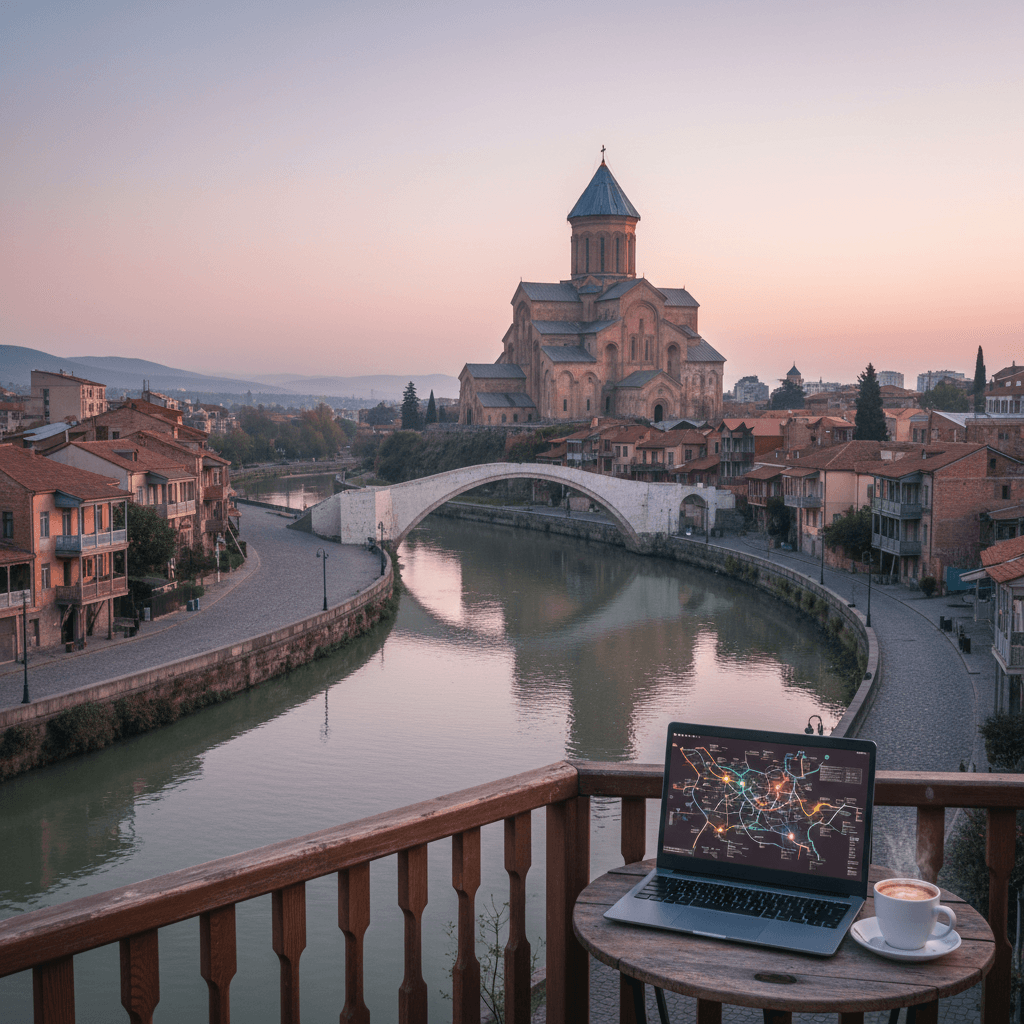
Kutaisi
🇬🇪 Georgia