Tbilisi
🇬🇪 Georgia
The Vibe: Where Old World Grit Meets New World Tech
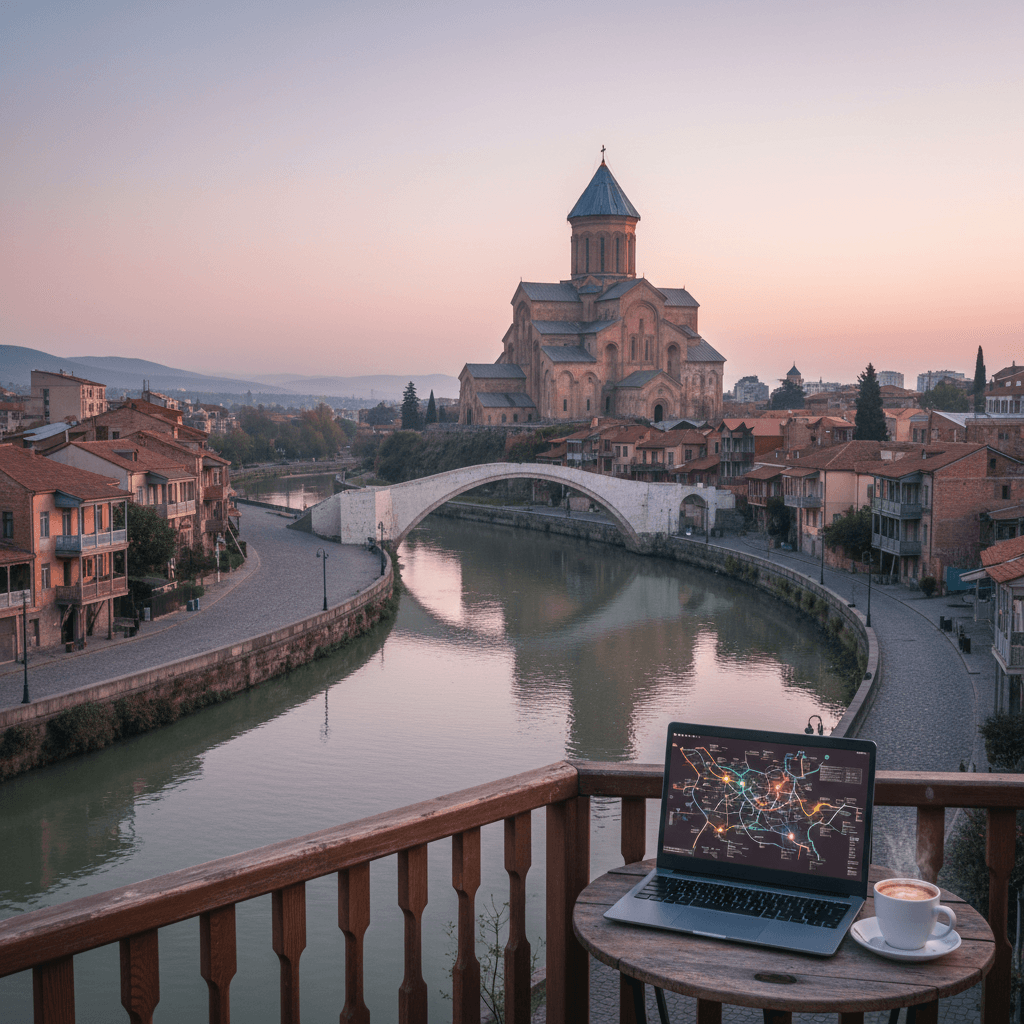
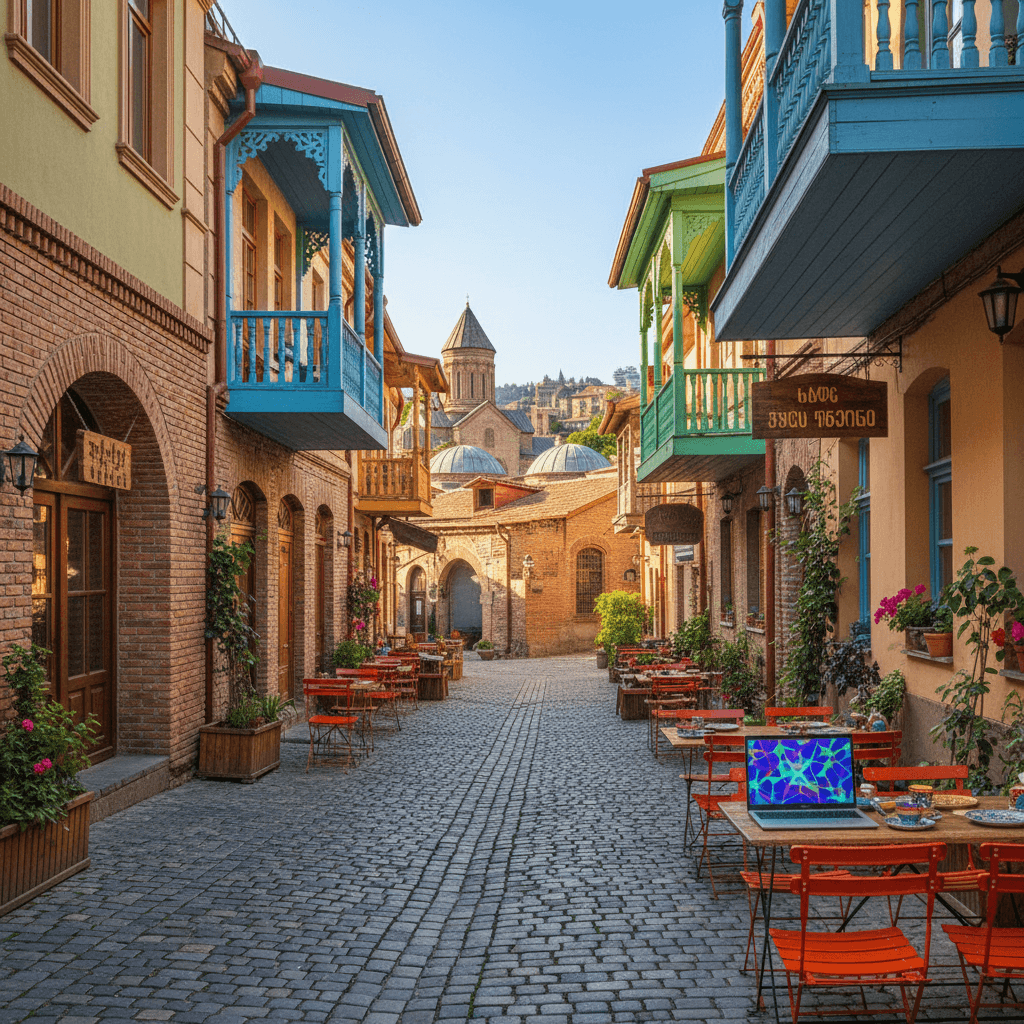
Tbilisi doesn't feel like your typical European capital. It’s a city that wears its history on its sleeve, with crumbling 19th-century balconies leaning over cobblestone streets just blocks away from futuristic glass bridges. For nomads, the draw isn’t just the sense of creative energy. You’ll find yourself working from a 100 year old courtyard in the morning and a high tech coworking space by the afternoon, all while surrounded by a local culture that treats hospitality as a sacred duty.
The city has a relaxed, unhurried pace. You might head out for a quick lunch of khinkali and find yourself three carafes of wine deep into a conversation with a shopkeeper two hours later. It’s this blend of ancient tradition and favorable tax conditions for freelancers that makes Tbilisi a magnet for those who want a high quality of life without the frantic hustle of Western Europe.
Cost of Living & Logistics
Your money goes incredibly far here. Most nomads find they can live comfortably on a modest budget, and even those who splurge on a luxury apartment in Vake and eat out every night will find the city remarkably affordable compared to other capitals.
- Rent: Expect to pay between $500 and $800 for a solid one bedroom in the most popular districts.
- Daily Life: A ride on the metro or bus is only $0.50, while a typical Bolt ride across town rarely exceeds $5.
- Food: You can grab a khachapuri on the street for $2, or enjoy a full mid range dinner for $15.
- Connectivity: Fiber internet is cheap at $15 to $18 a month, but speeds can be temperamental for heavy video calls. Grab a Magti SIM card at the airport for about $10 to ensure you have a reliable backup.
Where to Plant Your Flag
Choosing a neighborhood defines your Tbilisi experience. While the city is walkable, each district has a distinct personality.
Vera
This is the heart of the nomad scene. It’s hilly, green, and packed with the city’s best cafes. It’s walkable and social, though it can get a bit noisy at night. Most solo travelers start here to find their feet.
Vake
If you want a more polished, upscale experience, Vake is the spot. It’s popular with families and long term expats because of its large parks and high end grocery stores. Rents are higher here, usually $600 to $800, but it feels more like a quiet European suburb.
Sololaki
This is the historic core. It’s atmospheric, crowded, and perfectly located for foodies. You’ll be living in old buildings with massive character, though you might trade away green space and quiet for that central location.
Saburtalo
A more modern, residential district that offers the best value. It’s further from the old town but well connected by the metro. It’s the go to choice for nomads on a budget who want a standard apartment without the "Old Town" price tag.
Productivity & Community
Tbilisi has one of the most welcoming nomad communities in the region. The Tbilisi Digital Nomads Facebook group is the go to resource for everything from finding a flat to joining a weekend hike. For work, the infrastructure is surprisingly robust.
- Impact Hub: Located in the Fabrika complex, this is the social epicenter for remote workers. Monthly memberships from ~$110 (300 GEL).
- Terminal Khorava: A stunning architectural space in Vera that’s perfect for deep focus. Expect to pay $150 to $200 a month.
- LOKAL Tbilisi: Part coliving, part coworking, this spot is famous for its community events and pub crawls. It’s the easiest place to make friends quickly.
The best time to visit is during the Spring (March to May) or Fall (September to November). The weather is mild, usually between 15°C and 25°C, and the city is at its most beautiful. Summers can be punishingly hot, while winters are chilly but rarely see heavy snow. No matter when you arrive, the one year visa free stay for most nationalities means you’ll have plenty of time to settle in and find your rhythm.
Budgeting for the Bohemian Life
Living in Tbilisi is a bit like finding a cheat code for a high quality lifestyle. Most digital nomads find they can live comfortably on about $1,404 a month, though you can definitely scrape by on $800 if you are sticking to khinkali and budget guesthouses. If you want a sleek apartment in a trendy district and frequent wine bar visits, $1,500 covers just about everything.
Rent will be your biggest variable. In upscale Vake, expect to pay between $500 and $800 for a modern one-bedroom. If you head to Saburtalo, you can find similar quality for less, though you will be further from the historic center. Utilities are generally a steal, and fiber internet usually costs around $15 to $18 monthly for speeds up to 230 Mbps.
Neighborhood Breakdown
Where you drop your bags depends on whether you want leafy parks or crumbling 19th-century charm. Expats and families often gravitate toward Vake because it feels polished and has the best grocery stores, while solo travelers usually prefer the creative energy of Vera.
Vera
- Best For: Walkability and cafe culture.
- Pros: Packed with coworking spaces and nightlife.
- Cons: It can get noisy and lacks green space.
- Typical Rent: $500 to $750.
Saburtalo
- Best For: Budget-conscious nomads and long-term stays.
- Pros: Modern infrastructure and great metro access.
- Cons: Feels like a residential suburb rather than "Old Tbilisi."
- Typical Rent: $400 to $600.
Sololaki
- Best For: Foodies and history buffs.
- Pros: Stunning architecture and the city's best restaurants.
- Cons: Touristy, crowded, and hilly.
- Typical Rent: $600 to $800.
Eating and Socializing
Food is where your budget really stretches. A quick lunch of street food or a massive khachapuri will only set you back $2 to $5. A mid-range dinner at a nice sit-down spot usually lands between $10 and $15, while even a high-end meal with local wine rarely exceeds $30. For groceries, sticking to local markets like Dezerter Bazaar instead of international supermarkets will save you a fortune.
The social scene is incredibly active. Most nomads join the Tbilisi Digital Nomads Facebook group to find housing and meetups. If you want to network, head to Impact Hub at Fabrika or LOKAL Tbilisi, which is famous for its community events and co-living vibe. Terminal Khorava is another favorite for those who need a quiet, beautiful space to focus for about $150 to $200 a month.
Getting Around and Logistics
You won't need a car here. The metro and buses cost a flat $0.50 per ride. For everything else, download Bolt or Yandex Go. A cross-town trip rarely costs more than $3 to $5. Even an airport run is affordable, usually costing around $10 to $15 via Bolt.
For your phone, grab a SIM card from Magti or Beeline at the airport. You can get 20GB of data for about $10. One of the biggest perks for freelancers is the 1% tax rate for Small Businesses. If you earn under 500,000 GEL, you can register as an Individual Entrepreneur and keep almost everything you earn. Combined with a one-year visa-free stay for citizens of over 90 countries, it is one of the most friction-free places to base yourself globally.
The Nomad Hub: Vera and Saburtalo
If you're in Tbilisi to work hard and socialize harder, Vera is usually the first stop. It's the city's creative heart, packed with mid-century architecture and the highest density of laptop-friendly cafes. Most nomads gravitate here because it's walkable and sits right next to the city center without feeling like a tourist trap. You'll find Terminal Khorava here, an architectural stunner of a coworking space where memberships run between $150 and $200 a month.
For those watching their bank balance, Saburtalo is the pragmatic choice. It's a massive residential district further from the old town, but it's served by a fast metro system and modern infrastructure. You'll get more square footage for your money here, with modern apartments often costing less than the $500 to $800 range typical of the more historic districts. It's less "charming" in the traditional sense, but it's where real life happens, and the grocery stores and gyms are top tier.
- Vera Pros: Incredible walkability, home to Impact Hub, and a high concentration of English speaking locals.
- Vera Cons: Can get noisy at night; lacks large green spaces.
- Saburtalo Pros: Most affordable rent, modern buildings, and great transport links via the metro.
- Saburtalo Cons: Lacks the historic aesthetic of the center; requires a commute for social events.
The Expat Choice: Vake
Expats who plan on staying for the full one year visa-free period often end up in Vake. It’s the city’s upscale neighborhood, known for being a bit more polished and quiet than the bohemian center. It feels more European than other districts, with wide sidewalks and high-end boutiques. It's also home to Vake Park, a massive green space perfect for clearing your head after a day of video calls.
Living here comes with a premium. Expect to pay $500 to $800 for a quality one bedroom apartment. The area is also where you'll find the best international clinics and specialty grocery stores. While it's not on the metro line, ride-hailing apps like Bolt make getting around easy for about $3 to $5 per trip.
- Rent: $500 to $800 for a 1BR/studio.
- Vibe: Upscale, quiet, and professional.
- Amenities: Best parks, international pharmacies like PSP and Avers, and premium gyms.
Solo Travelers and Foodies: Sololaki
If you want to step out of your front door and be seconds away from the best wine bars and khinkali spots, Sololaki is the spot. It's the oldest residential neighborhood, characterized by crumbling Italian-style courtyards and carved wooden balconies. It’s incredibly central, making it the best base for solo travelers who want to explore on foot.
The neighborhood is home to LOKAL Tbilisi, a coliving and coworking space that acts as a social anchor for the community. It’s one of the best places to find a "built-in" friend group, as they host frequent events and pub crawls. Just be aware that the historic charm means some apartments are drafty or have older plumbing, so check the heating situation before signing a lease.
- Best For: History buffs, social butterflies, and short term stays.
- Internet: Reliable fiber is common, but always ask for a speed test to ensure it hits that 100+ Mbps mark.
- Social: Join the Tbilisi Digital Nomads Facebook group to find meetups in the area.
Families: Mtatsminda
Mtatsminda is the largest district and is often favored by families who want a mix of city access and fresh air. It stretches up the hillside, offering some of the best views in Georgia. It’s generally quieter than the lower districts, though the hills can be a workout if you're pushing a stroller. You'll have easy access to the funicular and the amusement park at the top of the mountain, providing plenty of outdoor space for kids.
- Pros: Fresh air, great views, and a more residential, safe feel.
- Cons: Very hilly; you'll rely heavily on Bolt or Yandex Go to get to the grocery stores in the valley.
- Cost: Variable, but generally offers better value for larger multi-bedroom homes.
Connectivity and Speed
Reliable internet is the backbone of the Tbilisi nomad experience. Most apartments and cafes come equipped with fiber optic connections hitting speeds between 108 Mbps and 230 Mbps. While these speeds are great for standard tasks, travelers often mention that upload speeds and video call stability can fluctuate during peak hours. If your job involves heavy rendering or constant Zoom calls, having a backup plan is a smart move.
Public WiFi is available in most parks and squares, but security is a known issue. Expats recommend using a VPN for any open networks. For a more stable setup, a local SIM card is your best friend. Magti and Beeline are the primary providers, and you can pick up a card at the airport or any city shop for about $10, which usually nets you around 20GB of data. Magti is generally cited as having the best coverage if you plan to work from the mountains on weekends.
Top Coworking Spaces
Tbilisi has a sophisticated coworking scene that feels more like a community than just a place to plug in. Most spaces charge between $100 and $200 per month, depending on how much flexibility you need.
- Impact Hub: Located in the Fabrika complex, this is the social heart of the nomad community. It costs roughly $150 a month and includes free tea and coffee. It is the go-to spot if you want to network with local entrepreneurs and other remote workers.
- Terminal Khorava: If you appreciate aesthetics, this is your spot. It is known for its cozy atmosphere and stunning architectural design. Monthly memberships range from $150 to $200, offering a quieter, more focused environment than the Hub.
- LOKAL Tbilisi: Community hub hosting events (coworking on hiatus). It's a favorite for newcomers looking to find their footing quickly.
The Cafe Culture
If you prefer a change of scenery, Tbilisi is incredibly welcoming to laptop users. Unlike some European cities where you might get side-eyed for staying too long, many cafes in Vera and Vake are designed with nomads in mind. You'll find plenty of power outlets and staff who won't rush you after your first americano.
The Sololaki district also has a high density of "work-friendly" spots, though these can get crowded in the afternoons. Most nomads find that as long as they order a meal or a few coffees, they can comfortably camp out for three or four hours without issue.
Practical Tips for Remote Workers
Setting up your "office" here involves more than just finding a desk. The Tbilisi Digital Nomads Facebook group is an active resource for troubleshooting everything from power outages to finding a second monitor. For financial logistics, most expats use the Bank of Georgia app alongside fintech tools like Wise or Revolut to manage their spending.
One of the biggest draws for long-term stayers is the 1% tax rate for those registered as an Individual Entrepreneur. If you're earning up to 500,000 GEL, this setup is hard to beat and makes the city one of the most tax-friendly hubs in the region. Combining this with the one-year visa-free stay for over 90 countries, it's easy to see why the community is growing so fast.
Safety in Tbilisi
Tbilisi is remarkably safe, often surprising newcomers with its relaxed atmosphere. You can walk through most central neighborhoods at any hour without feeling on edge. While the city has a gritty, bohemian look in some areas, the crime rate is low and violent incidents involving foreigners are rare. Most nomads feel comfortable staying in Vera or Sololaki, where the streets stay active well into the evening.
That said, keep your wits about you in crowded spots like the Dezerter Bazaar or on the Metro, where pickpocketing can occasionally happen. The biggest physical "danger" you will likely face is the traffic. Georgian drivers are aggressive, and pedestrian crossings are often treated as suggestions. Always use the underground walkways when available, or wait for a clear gap before stepping off the curb.
If you are working from cafes or using public hotspots, be wary of open WiFi networks. Cybersecurity is a frequent topic in local expat groups, so it is best to use a VPN or stick to your own mobile data via a Magti or Beeline SIM card. If you ever run into a serious problem, the emergency number for police, fire, or ambulance is 112. Most operators speak enough English to get help to your location quickly.
Healthcare Infrastructure
The healthcare system in Tbilisi is a mix of older state facilities and modern private clinics. For anything beyond a minor cold, expats almost exclusively use private providers. These clinics are concentrated in the Vake and Saburtalo districts and offer high standards of care at prices that will seem like a bargain if you are coming from the US or Western Europe.
Most doctors in the top tier private hospitals speak excellent English. You can usually book an appointment online or via phone for the same or next day. For routine checkups or specialist consultations, expect to pay between $30 and $60 out of pocket if you don't have international insurance.
- MediClub Georgia: Often the first choice for expats, located in Saburtalo. They provide Western style emergency services and family medicine.
- American Hospital Tbilisi: A newer, high end facility in the city center with a wide range of specialists.
- Evexhospitals: A large network with various locations across the city, reliable for diagnostics and lab work.
Pharmacies and Medication
Pharmacies are everywhere in Tbilisi, often staying open 24/7. Look for the bright signs of PSP, Avers, or Pharmadepot. These shops are well stocked with international brands, and pharmacists are generally very helpful, though their English levels can vary.
Many medications that require a prescription elsewhere are available over the counter here. However, Georgia has strict laws regarding "psychotropic" drugs, including some common painkillers and allergy meds. If you are bringing specific prescriptions with you, keep them in their original packaging and carry a copy of your doctor's note to avoid any issues at the border.
Practical Health Tips
While the tap water in Tbilisi is generally considered safe to drink, many nomads prefer filtered or bottled water for the taste and to avoid any potential issues with old pipes in historic buildings. You can pick up a large 5 liter jug at any Spar or Carrefour for about $1.
Air quality can be a concern during the peak of summer when the city sits in a heat trap and traffic exhaust lingers. If you have asthma or respiratory sensitivities, consider staying in Vake near Vake Park or up the hill in Mtatsminda where the air is noticeably fresher than in the valley floor of the Old Town.
Getting Around the City
Navigating Tbilisi is a mix of old world charm and modern efficiency. While the city's hilly geography can be a workout for your calves, the central districts are surprisingly walkable. If you're staying in Vera or Sololaki, you'll find that most of your daily needs, from coffee shops to grocery stores, are just a short stroll away.
Public Transit and the Metromoney Card
The backbone of local transport is the Tbilisi Metro and a fleet of blue and green buses. To use any of them, you'll need a Metromoney card. You can pick one up at any metro station for 2 GEL and top it up with credit as you go. One ride costs just $0.50 (1 GEL) and includes free transfers for 90 minutes.
- The Metro: It's fast, deep underground, and avoids the city's notorious rush hour traffic. The two lines cover most major hubs, though the Saburtalo line is the one you'll use to reach the more residential, budget friendly neighborhoods.
- Buses and Minibuses: Modern buses run on set schedules, which you can track via Google Maps. You might also see yellow minibuses called marshrutkas. They're a bit more chaotic but can get you into narrower streets where the big buses don't fit.
Ride-Hailing Apps
When you're running late or carrying groceries, ride-hailing is the way to go. It's incredibly affordable compared to Western Europe or the US. Most nomads rely on Bolt, which is the gold standard here for reliability and safety. Yandex Go is another popular alternative that often has slightly lower rates.
- City Trips: A typical ride across the center usually costs between $3 and $5.
- Airport Transfers: Expect to pay around $10 to $15 for a Bolt from the airport to the city center. Avoid the persistent drivers at the arrivals hall who quote flat rates; they'll almost always charge double what the app does.
Micromobility and Walking
If you prefer two wheels, Lime scooters are scattered throughout the flatter parts of the city. You'll pay about $1 to unlock them, plus a per minute fee. They're great for zipping along the Rustaveli Avenue sidewalks or through Vake Park, but be careful on the cobblestones of the Old Town, they can be a literal headache.
Walking is the best way to soak in the atmosphere, but keep an eye on the pavement. Sidewalks in older areas can be uneven, and drivers aren't always quick to stop at zebra crossings. Expats recommend making eye contact with drivers before stepping out into the street to ensure they've actually seen you.
Leaving the City
For weekend escapes to the mountains or wine regions, you've got a few solid options. The train station at Station Square has daily departures to Batumi on the coast for about $15 to $35 depending on the class. For more rugged trips to places like Kazbegi, head to the Didube bus station. It's a bit hectic, but you can find shared taxis or marshrutkas heading north every hour for just a few dollars.
The Language Landscape
You'll find that getting around Tbilisi is a bit of a linguistic adventure. Georgian, or Kartuli, is the primary language and it uses its own unique script that looks like a series of beautiful, swirling curls. While it's visually stunning, it's notoriously difficult for foreigners to read. The good news is that most signs in the city center and metro stations are also written in English, so you won't feel completely lost.
Among the younger generation and the hospitality industry, English proficiency is moderate to high. In nomad hotspots like Vera and Vake, the staff at cafes and coworking spaces usually speak English fluently. You'll have no trouble ordering a flat white or troubleshooting your WiFi connection in these neighborhoods. However, as you head further out into residential areas like Saburtalo or visit the local markets (bazari), English becomes less common.
Russian is still widely understood and spoken, especially by older Georgians, due to the country's history. While it can be a useful bridge if you happen to speak it, many younger locals prefer to speak English if they can. It's always best to lead with Georgian or English first to be respectful of the local sentiment.
Communication Essentials
Don't expect to rely solely on your home SIM card unless you want to pay a fortune in roaming fees. Tbilisi has excellent mobile infrastructure, and getting connected is one of the first things you should do after landing. Most nomads recommend picking up a physical SIM or setting up an eSIM immediately.
- Top Providers: Magti is generally considered the gold standard for coverage and speed, though Beeline (now Cellfie) is a popular budget alternative.
- Cost: You can get a solid data package with around 20GB for ~$9-11.
- Where to buy: There are kiosks at the airport, but you'll often find better deals at official brand stores on Rustaveli Avenue or in the malls. Bring your passport for registration.
Digital Tools and Apps
Since the Georgian alphabet is unique, Google Translate is your best friend. The "camera" feature in the app is particularly helpful for translating restaurant menus or grocery labels. For daily communication, WhatsApp is used, but many locals and the expat community rely heavily on Telegram for group chats and neighborhood updates.
If you're trying to meet people, the Tbilisi Digital Nomads Facebook group is the go-to hub for events and advice. For getting around, don't bother trying to explain your destination to a driver in broken Georgian; just download Bolt or Yandex Go. These apps are the standard for ride-hailing and cost about $3 to $5 for most trips across the city.
Useful Phrases for Your Stay
Georgians are incredibly proud of their culture and language. Even if you only master three or four words, the effort goes a long way in building rapport with locals. If you're invited to a supra (a traditional feast), knowing how to say "cheers" is practically mandatory.
- Gamarjoba: Hello (The universal greeting)
- Madloba: Thank you
- Ki / Ara: Yes / No
- Gaumarjos: Cheers (Used during toasts)
- Bodishi: Sorry / Excuse me
Most nomads find that a combination of English, a few Georgian pleasantries, and a translation app is more than enough to live comfortably. In the coworking scene at Impact Hub or LOKAL, English is the unofficial language of business, so you'll never feel isolated in your work life.
When to Touch Down
Timing your arrival in Tbilisi can make or break your initial experience. The city sits in a valley, which means it traps heat in the summer and stays relatively mild, if a bit gray, in the winter. Most nomads agree that May, June, September, and October are the sweet spots. During these months, temperatures hover between 15°C and 25°C, making it perfect for walking between cafes in Vera or taking your laptop to a park in Vake.
Spring brings a fresh energy to the city, though you should expect short, sudden rain showers in May and June. It is rarely enough to ruin a day of exploring, but keep an umbrella handy. Autumn is arguably the most festive time to arrive. This is harvest season, and the city fills up with wine festivals and outdoor markets. The air is crisp, the humidity of summer has faded, and the surrounding mountains start showing off their fall colors.
Surviving the Extremes
If you are planning to stay through the summer, prepare for July and August to be intense. Temperatures frequently climb between 25°C and 35°C. The air can get quite dry and dusty, and many locals flee to the mountains or the Black Sea coast to escape the heat. If you stick around, make sure your apartment has reliable air conditioning, as many older buildings in Sololaki might only have thick stone walls for cooling.
Winter in Tbilisi, running from December through February, is chilly but rarely brutal. You will see temperatures between 0°C and 10°C. Snow is infrequent and usually melts quickly, though the humidity can make the cold feel like it is biting through your coat. It is a quiet, moody time to be in the city, perfect for hunkering down at Impact Hub or Terminal Khorava to get deep work done without the distraction of patio weather.
Seasonal Pricing and Crowds
While Tbilisi is affordable year round, you will notice slight shifts in the market depending on when you book. Short term rentals on Airbnb tend to spike during the peak summer months and the December holiday season. If you are looking for a long term lease, arriving in the "shoulder" months of March or November can give you more leverage when negotiating with landlords in neighborhoods like Saburtalo.
- High Season (June to August): Expect the most tourists, higher short term rental prices, and hot, dry days.
- Shoulder Season (April to May, September to October): Best weather for walking, moderate prices, and active social meetups.
- Low Season (November to March): Coldest weather, lowest demand for housing, and a great time for mountain day trips to go skiing.
The Digital Nomad Calendar
Your social life will likely follow the weather. During the warmer months, the Tbilisi Digital Nomads Facebook group is packed with invites for hiking trips to Mtskheta or weekend runs to the Kakheti wine region. LOKAL Tbilisi often hosts outdoor community events when the weather is nice. If you arrive in the dead of winter, the scene moves indoors to the city's famous wine bars and underground techno clubs, which stay packed regardless of the temperature outside.
Living Costs and Budgeting
Tbilisi remains one of the most affordable hubs for remote work in Europe. Most nomads thrive here on a monthly budget of $1,200 to $1,400, though you can scrape by on $800 if you stick to local markets and Saburtalo rentals. If you want a high end lifestyle in a renovated Vake apartment with daily dinners out, expect to spend closer to $1,500.
- Rent: A decent one bedroom in popular areas ranges from $500 to $800.
- Food: Street food like fresh khachapuri costs $2 to $5; a solid mid range dinner is usually $10 to $15.
- Transport: Metro and bus rides are a flat $0.50, while a cross town Bolt ride rarely exceeds $5.
Where to Plant Your Flag
Choosing the right neighborhood changes your entire experience. Most solo travelers gravitate toward Vera because it is walkable and packed with the city's best cafes. It has an artsy, slightly gritty soul that feels authentic without being overwhelming.
Vake serves as the upscale expat enclave. It is greener and quieter, featuring high end grocery stores and the sprawling Vake Park. It is the most expensive district, but the infrastructure is the most reliable. Families often choose this area or the hilly Mtatsminda for the views and cleaner air.
For those on a tighter budget, Saburtalo is a massive residential district with modern apartments and excellent metro links. It lacks the historic charm of the center but offers the best value for your money. If you want to be in the thick of the tourist action and historic architecture, Sololaki is the place to be, though it can get crowded and noisy.
Internet and Productive Spaces
Fiber internet is standard in most apartments, typically offering speeds between 108 and 230 Mbps. While downloads are snappy, some nomads find upload speeds inconsistent for heavy video calls. It is smart to use a VPN on public networks for security. For a mobile backup, grab a Magti or Beeline SIM card at the airport; 20GB of data costs about $10.
- Impact Hub: Located in the Fabrika complex, this is the social heart of the nomad scene. Monthly hot desks run around $150.
- Terminal Khorava: A favorite for its stunning interior design and quiet atmosphere. Expect to pay $150 to $200 a month.
- LOKAL Tbilisi: Part coliving, part coworking. It is the best spot to meet people quickly through their weekly community events.
Bureaucracy and Taxes
Georgia is famous for its one year visa free stay for citizens of over 90 countries. This makes it incredibly easy to stay long term without constant paperwork. If you decide to make it official, the Individual Entrepreneur status is a game changer. It allows freelancers to pay just 1% tax on turnover up to 500,000 GEL, making it one of the most tax friendly spots on the planet.
Getting Around and Staying Safe
The city is generally very safe, even late at night. Stick to the central districts and you will rarely have an issue. For transport, download Bolt or Yandex Go immediately; they are much cheaper and more reliable than hailing cabs on the street. If you prefer public transit, buy a Metromoney card at any station to use on the metro and the blue buses.
While youth and hospitality workers speak English well, learning a few Georgian phrases goes a long way. "Gamarjoba" for hello and "Madloba" for thanks will earn you plenty of smiles. For everything else, Google Translate is your best friend.
When to Visit
The sweet spots are Spring (March to May) and Fall (September to November). Temperatures hover between 15°C and 25°C, perfect for exploring the city on foot. Summers can be punishingly hot, often climbing past 35°C, while winters are chilly and grey but rarely drop deep below freezing.
Need visa and immigration info for Georgia?
🇬🇪 View Georgia Country GuideNomad Haven
Your home away from home
Monthly Budget Estimates
More cities in Georgia
Batumi
🇬🇪 Georgia
Mestia
🇬🇪 Georgia
Telavi
🇬🇪 Georgia