Tauranga
🇳🇿 New Zealand
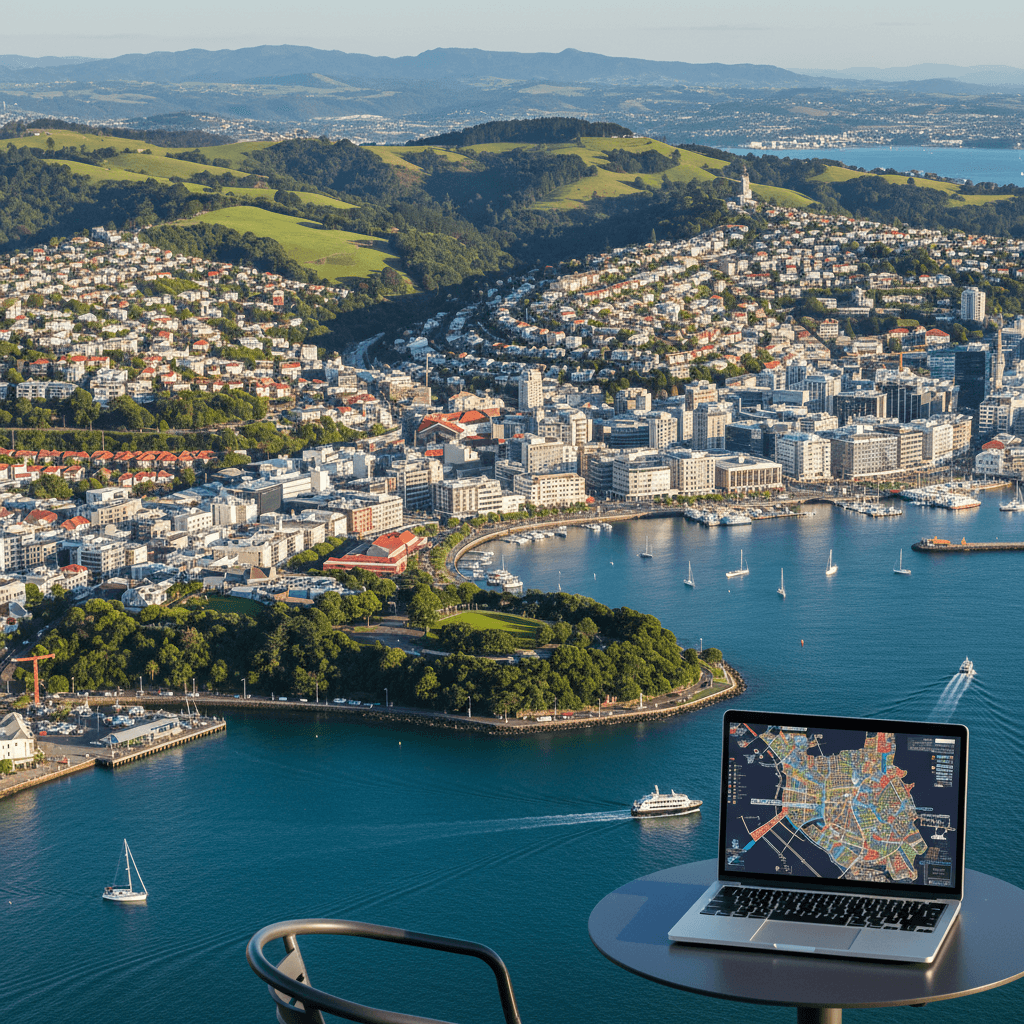
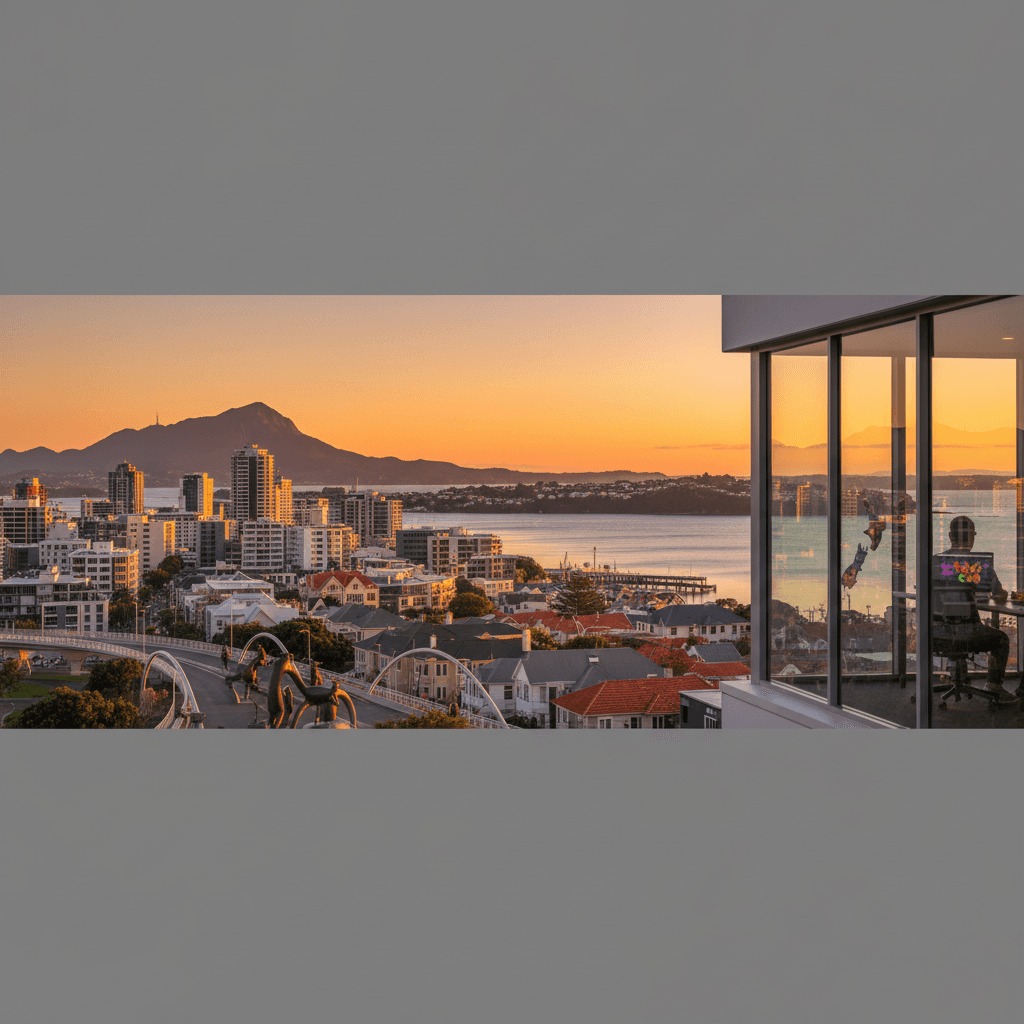
Tauranga feels like a place where people actually leave work at work. The air smells like salt and sunscreen near Mount Maunganui, trucks hum through the CBD and by late afternoon the whole city starts sliding toward the beach, the surf or a long coffee that somehow turns into dinner.
It’s a mid-sized harbor city of about 161,000 people, so you get enough infrastructure to live comfortably, but not the relentless noise, queueing and late-night chaos of a bigger NZ city. That said, it isn’t cheap and anyone coming from Asia or parts of Europe will feel the rent bite fast.
Most nomads come here for the outdoors and honestly, that’s the main draw. Mount Maunganui gives you a beach run before breakfast, a hike after lunch and a sunset swim if the wind isn’t too sharp, while Papamoa feels calmer, more suburban and easier on the nerves.
What It Feels Like
- Daily rhythm: Slow, outdoor-heavy and work-life balanced, with plenty of early coffees and early nights.
- Best for: Surf, walks, beach time and people who’d rather hear gulls than sirens.
- Downside: Nightlife is thin and the CBD can feel a bit dead after dark.
Mount Maunganui is the obvious postcard choice, but it’s pricey and crowded on good weekends, so don’t assume the buzz is always charming, sometimes it’s just traffic, parking stress and a line for every decent brunch spot. Otumoetai and Tauranga CBD are more practical if you want walkability and better rent, though the center has a rougher edge than the beach suburbs, especially late at night.
On a budget, shared housing and buses can keep you around $2,000 to $3,000 NZD a month, but a decent one-bedroom near the water pushes things up quickly. Frankly, if you want beachfront life and regular cafe lunches, you’ll feel the cost every single week.
Quick Vibe Check
- Mount Maunganui: Best beach energy, highest rents, busiest weekends.
- Papamoa: Safer, quieter, family-friendly, but you’ll drive more.
- Otumoetai: More affordable, good for nomads, solid cafes, less glam.
The city works best for people who like nature close by and don’t need a big-city buzz. If you want beach, decent coffee, safety and a cleaner, slower pace, Tauranga makes a lot of sense, though if you’re chasing nightlife or bargain rent, you’ll get annoyed pretty fast.
Tauranga isn’t cheap and that surprises people who expect a sleepy beach town. A solo renter usually lands around $1,740 NZD a month including rent, though you can trim that to about $659 if you’ve already sorted housing and keep your spending tight. That’s the real split.
Rent is where the budget gets punched in the ribs. In Otumoetai, studios and one-bedrooms often sit around $410 to $700 a week, Mount Maunganui is pricier at roughly $650 to $850 a week for a decent one or two-bed place and Papamoa can be softer on the wallet with studios near $330 a week, which, surprisingly, still buys you beach air and a calmer street.
Typical monthly budget
- Budget tier: $2,000 to $3,000, usually shared housing, bus rides and cheap lunches.
- Mid-range: $3,000 to $4,500, enough for an outer suburb 1BR, regular cafe stops and the odd Uber.
- Comfortable: $5,000+, if you want beachfront living, a car and nicer dinners without watching every receipt.
Food is manageable if you cook, though eating out adds up faster than you’d think. A cheap lunch runs about $13.60, fast food around $9.37 and a mid-range dinner for two lands near $58.90, so those casual brunches on The Strand can quietly eat your week, honestly, if you’re not paying attention.
Coffee culture is alive here, because of course it's and a cappuccino is about $3.48. Internet comes in around $49.50 a month for solid speeds and a monthly transport budget can sit near $65 if you mix buses and the occasional ride, which feels decent until you start taking taxis home after a wet night in the CBD.
Where your money goes furthest
- Mount Maunganui: Best lifestyle, worst rent. Great if you want surf, cafes and noise.
- Papamoa: Better value, family friendly and a bit more spread out.
- Tauranga CBD and Otumoetai: More walkable, more practical and generally better for solo nomads who care about cafes over parking.
If you’re after a premium beach life, Tauranga delivers, but you’ll pay for the sand and the view. The city feels relaxed, the sea breeze is real and the bill usually is too.
For nomads
Mount Maunganui is the obvious pick if you want beach mornings, cafe work sessions and a bit of social life after dark, but it isn’t cheap. Studios and 1BRs here often land around $650 to $850 a week and weekends get busy enough that parking can be annoying and the main strip feels packed with sunscreen, surfboards and takeaway coffee cups.
CBD and Otumoetai make more sense if you care about walkability and keeping rent lower, honestly. Otumoetai studios can sit around $410 to $700 a week, you’re close to harbor views and central cafes and places like Elizabeth Street Larder or Soul Boul usually have decent WiFi, so you can work without living in a bunker of beige home office furniture.
For expats
Papamoa suits expats who want a slower pace, good schools nearby and easy beach access without the Mount’s weekend noise, though you’ll probably want a car. The tradeoff is simple, you’re looking at a longer drive into town and fewer late-night options, but the area feels calmer and less sweaty in summer when the sea breeze comes in and the streets smell faintly of salt and sunscreen.
If you’re settling in for a while, Pyes Pa and Welcome Bay are worth a look, especially if you’d rather have space, lower rents and quiet streets than nightlife. They’re more suburban and a bit car-dependent, which, surprisingly, suits a lot of families and remote workers who just want a proper fridge, a backyard and fewer people honking outside at 11 p.m.
For families
Papamoa, Pyes Pa and Welcome Bay are the safest bets for family life, because they’re quieter, greener and easier to live with when you’ve got kids, groceries and school runs to juggle. The beaches are close, but you won’t have to deal with the constant foot traffic and weekend chaos that comes with Mount Maunganui, which is nice when you’re trying to hear yourself think.
- Papamoa: Laidback, beachy, family-friendly, with better access to everyday amenities.
- Pyes Pa: Quiet suburbs, schools, more space and lower rents than the beach areas.
- Welcome Bay: Green pockets, calmer streets, good for people who want room to breathe.
For solo travelers
If you’re on your own and want easy social energy, Mount Maunganui is still the best bet, because you can walk to cafes, bars and the beach without thinking too hard about transport. Tauranga CBD works too, though it can feel a bit rougher at night, so don’t wander around empty blocks after dark just because the harbor lights look pretty.
Solo nomads usually like CBD or Otumoetai for the mix of affordability and convenience, then head to the Mount when they want surf, sand and a louder night out. That balance works and honestly, it’s probably the closest Tauranga gets to a real all-rounder neighborhood choice.
Tauranga’s internet is solid and most nomads won’t have to baby their connection. Home broadband now averages hundreds of Mbps for around $70 a month, which is decent for video calls, cloud work and the odd file upload that shouldn’t have taken that long anyway. Cafes usually have free WiFi too, so you can park up with a flat white and hear the soft clink of cups, the low hiss of the grinder and the usual laptop crowd pretending they’re not checking email.
The coworking scene, turns out, is better than people expect for a mid-sized beach city. Bloom Co, Impact383, 3Nine5, Base Station and The Kollective are the names worth knowing and casual access can run about $50 a day if you just need a desk and a reliable chair. Monthly hot desks are typically $300+, so it’s not cheap, but if your apartment WiFi is flaky or you need a proper place for calls, it saves a lot of frustration.
Best places to work
- Elizabeth Street Larder: Good for cafe work, free WiFi, central and easy for a short session.
- Soul Boul: Another reliable cafe option, decent for lighter admin and a coffee-fuelled morning.
- Bloom Co: Strong all-round coworking choice if you want structure, quieter focus and fewer distractions.
- The Kollective: Handy if you like a more community-minded setup, though the rate can sting.
For mobile data, Spark, One NZ and Vodafone all work and prepaid plans around $30 a month with unlimited data are what many nomads go for. Honestly, that’s the easiest backup to keep in your pocket, because even good cafes can get patchy when half the room is on Zoom and the other half is streaming.
The main annoyance is price creep. Tauranga isn’t a bargain city and if you want the Mount Maunganui lifestyle with beach views, a good desk and strong WiFi, you’ll pay for it, so budget accordingly and don’t assume coastal living comes with cheap internet just because the vibe is relaxed.
Tauranga feels relaxed, but don't mistake that for sleepy. The beaches, Mount Maunganui walks and all the everyday foot traffic mean you usually feel fine in daylight, though the central CBD gets a bit rougher after dark, with more petty theft, drunken arguments and the occasional shaky vibe near late-night bars.
Stay sharp in the CBD at night. That’s the main rule. Most nomads and expats stick to Mount Maunganui, Papamoa or quieter parts of Otumoetai once the sun drops, because you can hear the difference, fewer scooters buzzing past, less shouting, fewer car doors slamming at 1 a.m.
- Best for peace of mind: Mount Maunganui and Papamoa, especially if you want beach access and a calmer night scene.
- Use extra caution: Tauranga CBD after dark, particularly around bars and quieter side streets.
- Good practical move: Keep your phone tucked away, don’t leave bags on café chairs and take a rideshare home if you’ve been out late.
Tauranga Hospital handles the serious stuff and locals generally trust the care, though wait times can be annoying for non-urgent issues. A new 24/7 urgent care service is scheduled to open by mid-2026, which should take some pressure off the system, because right now you can still end up sitting around for ages with a fever, a sprained ankle or a kid with a nasty cough.
Pharmacies are easy to find around the city, so grabbing basic meds, sunscreen or after-hours advice usually isn’t a drama. If you need emergency help, call 111 and don’t second-guess it if someone’s breathing is off, there’s heavy bleeding or you think it’s more serious than “let’s wait and see.”
- Emergency number: 111
- Common pharmacy options: Chemist Warehouse, Unichem, Life Pharmacy, plus smaller local shops in shopping centers
- For minor issues: Use a pharmacy first, then urgent care or a GP if it’s dragging on
For nomads, the healthcare setup is decent without being flashy. It’s the sort of place where you can get seen, get your prescription and get on with your day, though frankly you’ll still need patience if you turn up at the wrong time, especially during winter when sniffles, sore throats and chest bugs seem to hang in the air everywhere.
Don’t be careless. Lock your place, keep an eye on your stuff at the beach and avoid wandering back alone through quiet central streets after a long night. Tauranga isn’t hard to live safely in, but it rewards basic common sense and punishes sloppy habits pretty quickly.
Tauranga is easy to move around, but don’t expect a slick big-city system. Baybus covers the main routes, the CBD is walkable and if you’re staying near Mount Maunganui or the central harbour, you’ll probably just use your feet, a bike or the occasional Uber. Not cheap. Not hard either.
For buses, the usual adult cash fare within Tauranga is $3.80, but the Bee Card standard is $3, dropping to $1.80 off-peak (free after 9am weekdays, all day weekends/public holidays with registered Bee Card) and the Tauranga Daysaver is $8.60. The nice bit, honestly, is that travel can be free after 9am on weekdays and weekends on some services, so morning commuters feel the pinch more than casual movers do. If you’re heading around town a few times a week, get the card.
Here’s how most nomads break it down:
- CBD and Otumoetai: Best if you want cafés, the harbor and simple errands on foot, though parking and petty theft are more annoying here than in the suburbs.
- Mount Maunganui: Great for beach walks, surf checks and café hopping, but weekends get crowded fast and rents are brutal.
- Papamoa: Quieter, roomy and good for long stays, though you’ll need more planning if you work in the center.
- Pyes Pa and Welcome Bay: Cheaper and calmer, turn out to be car-first areas, so don’t pick them if you hate driving.
Cars make life easier once you’re outside the core, because Tauranga spreads out in a way that feels harmless until you’re trying to get groceries in the rain. A rental car can run around $60 a day and that sounds fine until you add fuel, parking and the weird little errands that always need doing on opposite sides of town. Bikes and e-scooters work well in flatter areas and the sea air on a morning ride can smell salty and clean, which, surprisingly, makes commuting feel less like a chore.
For arrivals, Tauranga Airport is only about 6 km from the city, so taxis, shuttles or Uber from the terminal are quick and painless, usually around a 10-minute hop if traffic behaves. If you’re flying in with bags and laptop gear, that short transfer is a relief, because you won’t be wrestling with a long suburban slog after landing. Frankly, that’s one of the nicer things about baseing yourself here.
Internet is decent, with home plans around $49.50 a month and speeds often above 50 Mbps, so working from cafés or your apartment isn’t a gamble. Bloom Co, Impact383, 3Nine5, Base Station and The Kollective are the names people pass around and if you just need a desk for the day, casual passes around $50 are common. Spark, One NZ and Vodafone all have prepaid options too, which helps if you’re moving around and don’t want fuss.
English is the default everywhere in Tauranga, so you won’t be scrambling to translate menus, bus timetables or a rental listing. People speak fast, though, with that easy Kiwi shorthand that can leave newcomers nodding along while missing half the sentence. Honestly, that’s usually the only communication hurdle.
You’ll hear a few Māori phrases in everyday life and it’s worth learning the basics because locals appreciate the effort. Kia ora means hello, thanks or even goodbye, depending on the moment and ka pai means good, nice or all good. Weirdly, those two words can smooth over a lot of social friction before it starts.
Work chats are generally straightforward, but Kiwi communication leans indirect, so a “yeah, nah” can mean “no,” and a polite “maybe” often means “don’t count on it.” That relaxed style is fine once you get used to it, but if you want a clean answer, ask directly and give people a second to think. The silence isn’t rude, it’s just how conversations breathe here.
What nomads usually do
- Learn: Kia ora, ka pai and basic numbers for buses or takeaways.
- Use: Speak & Translate offline, especially if your phone signal drops near the beach.
- Ask: Clear follow-up questions in rentals, coworking spaces and doctor visits, because vague answers happen.
For day-to-day life, you won’t need fancy language skills, but you do need patience. Cafe staff in Mount Maunganui and the CBD are friendly, yet they’re busy and the sound of grinders, clattering cups and traffic on Cameron Road can make quick exchanges feel rushed. Frustratingly, a “sort you out later” can stretch longer than you’d like.
If you’re dealing with banking, visas or anything official, keep your wording simple and get things in writing. Email is safer than a phone call when details matter, because nobody remembers a vague conversation three days later and honestly, that saves arguments. Most expats recommend repeating dates, prices and addresses back to the person on the spot.
For social life, Tauranga is easy enough if you’re willing to say yes to meetups, surf sessions or a beer at the Mount Tavern. The accent gets easier, the slang starts to click and after a while you’ll barely notice it at all. That part’s pretty painless.
Tauranga’s weather is one of the city’s best selling points and it’s why a lot of people end up staying longer than planned. The Bay of Plenty gets a warm, coastal climate, so you’re usually dealing with mild winters, bright shoulder seasons and summer days that feel made for the beach, even if the humidity sticks to your skin by afternoon. Not cheap. But pleasant.
For most nomads, January to May is the sweet spot. Mornings can sit around 12°C, rain is lighter than in winter and you can actually plan a hike up Mount Maunganui without getting blasted by wind or soggy tracks, which, surprisingly, makes a big difference when you’re trying to work and still have a life.
June through September is the rougher stretch. It’s cooler, wetter and the sky can sit flat and grey for days, with that damp coastal air clinging to clothes and making café chairs feel colder than they should. Still, it’s not miserable, just less beach-friendly and honestly the city’s pace doesn’t really change much.
Best Time to Visit
- January to March: Warmest beach weather, good for surfing, swimming and long evenings near the Mount.
- April to May: My pick, still mild, fewer crowds and easier on your budget than peak summer.
- June to September: Cheapest and quietest, but expect more rain and a colder feel, especially at night.
- October to December: Spring starts to lift the mood, though rain can still jump around and catch you out.
If you want the most comfortable work-play balance, aim for autumn. Cafes like Elizabeth Street Larder and Soul Boul are easier to enjoy when you’re not sweating through your shirt and the beaches still look good enough to make a late arvo swim tempting after emails. Summer gets crowded around Mount Maunganui, so book early if you want decent rent and don’t fancy weekend traffic crawling past the surf club.
Weather by Season
- Summer: Hotter, brighter and better for the beach, though the midday sun can be brutal.
- Autumn: Mild, stable and ideal for outdoor work breaks.
- Winter: Cool and damp, with more rain and less of that easy coastal glow.
- Spring: Changeable, a bit messy, but usually fine if you don’t mind a rain jacket in your bag.
Pack for layers, because Tauranga can flip from warm sun to chilly shade fast, especially near the harbour where the breeze cuts through. That’s the real trick here, don’t overthink the forecast, just plan for a bit of everything and you’ll be fine.
Tauranga moves at a slower clip than Auckland, but don’t mistake that for cheap or sleepy. The beaches are gorgeous, the air smells like salt and sunscreen and the trade-off is simple: you get more calm, then you pay for it in rent and, frankly, in fewer late-night options.
If you’re staying more than a week, get sorted early. Buy a prepaid SIM from Spark or One NZ and set up Wise for transfers and day-to-day spending, because card payments are everywhere and ATM fees add up fast when you keep using your home bank card.
Housing: Check Trade Me and myRent.co.nz first, then move quickly when something decent pops up. Mount Maunganui is the flashy choice, but $650-plus a week for a small place can sting, while Otumoetai and Papamoa usually give you more breathing room for less money.
Budget: A solo nomad can scrape by on about $2,000 to $3,000 a month with shared housing and a lot of self-catering, but most people spend closer to $3,000 to $4,500 once they add a one-bedroom, cafe lunches and the odd Uber when the bus feels like a hassle. That’s the real number.
Getting connected
- SIM: Spark, One NZ or Vodafone prepaid plans are easy to find and around $30 can get you unlimited data.
- Internet: Home broadband averages around $49.50 a month, with decent speeds in town.
- Coworking: Bloom Co, Impact383, 3Nine5, Base Station and The Kollective are the names to know, though a hot desk can run $300 plus a month.
Cafes can work too, if you don’t mind the grinder noise and the smell of toast drifting past your laptop. Elizabeth Street Larder and Soul Boul are solid for a few hours and most nomads find the Wi-Fi good enough as long as you buy a coffee and don’t camp there all day.
Getting around
- Bus: Baybus fares start at $1.80 off-peak with a Bee Card.
- Ride-share: Uber’s handy for late returns or airport runs.
- Bike: Good for the CBD and Mount, though suburbs get annoying without a car.
Safety is decent, but don’t wander the CBD late at night, especially after a few drinks, because that’s where the petty stuff and occasional trouble tend to show up. English is universal, so you’ll get by easily and tossing in a quick “Kia ora” or “Ka pai” never hurts, honestly, people do notice.
Weather matters here. Summer is the sweet spot, winter gets damp and grey and if you hate humidity sticking to your skin while the windows fog up, plan your longer stay for the warmer months.
Need visa and immigration info for New Zealand?
🇳🇿 View New Zealand Country GuideHidden Gem
Worth the effort
Monthly Budget Estimates
More cities in New Zealand
Wanaka
🇳🇿 New Zealand
Christchurch
🇳🇿 New Zealand
Hamilton
🇳🇿 New Zealand