Tartu
🇪🇪 Estonia
The City of Good Thoughts
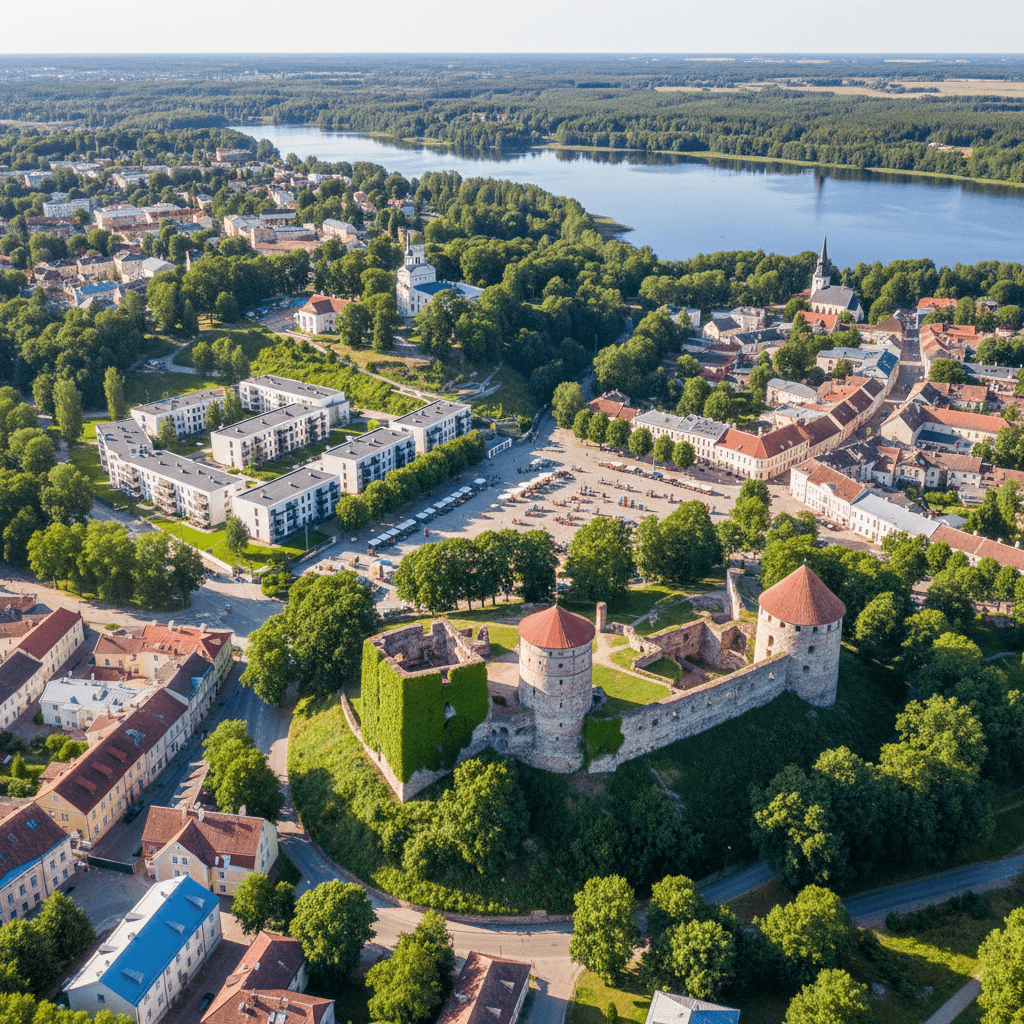
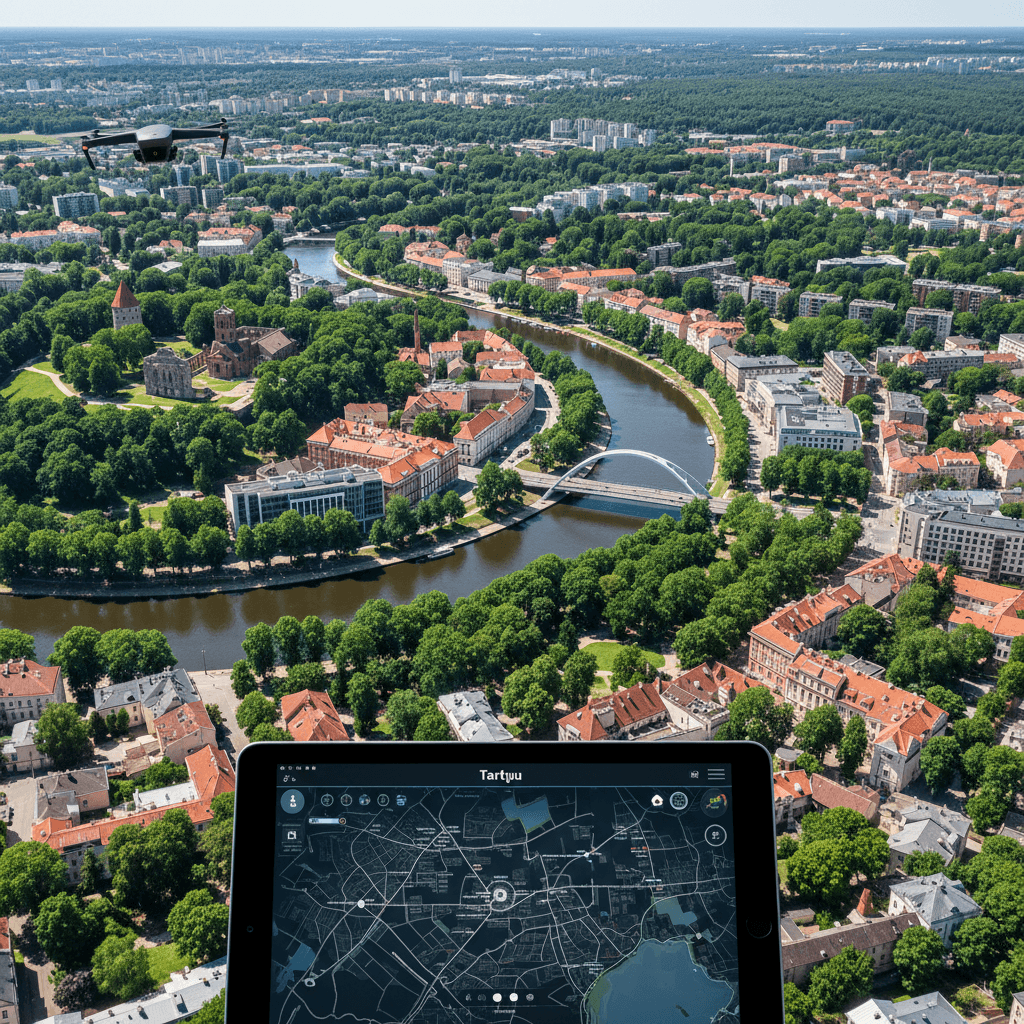
If Tallinn is Estonia's slick, tech focused older brother, Tartu is the creative middle child who stayed in university for ten years because they liked the library vibe too much. Known locally as the "City of Good Thoughts," it is a place where 17th century academic prestige meets a gritty, bohemian startup culture. It feels less like a capital and more like a massive campus, where the energy of 20,000 students keeps the streets alive even when the Baltic winter tries to freeze everything solid.
Nomads usually choose Tartu when they want to escape the "hustle" of digital nomad hubs without losing the infrastructure. It is incredibly walkable, remarkably safe, and significantly more affordable than Tallinn. You'll spend your mornings working in a cafe near the pink Raekoja Square and your afternoons walking through the ruins of a 13th century cathedral. The pace is slow, the air is clean, and the community is tightly knit, especially if you show up for events like Tartu Digital Nomad Week.
The Financial Reality
Your money goes further here than in almost any other Northern European tech hub. Most nomads find they can live a high quality life on €1,800 to €2,500 per month. While locals can be reserved at first, the "university town" effect means English is spoken everywhere, from the smallest coffee shop to the main hospital.
- Budget Tier: Around €1,200 per month. This covers a room in a shared apartment, plenty of street food like €6 soups, and a basic coworking membership.
- Mid-range Tier: Around €1,800 to €2,000 per month. This gets you a private one bedroom apartment in a central area, regular meals out at spots like Püssirohu, and a full time desk.
- Comfortable Tier: €2,500+ per month. You'll be living in a designer flat in the Old Town, dining at fusion restaurants, and taking weekend trips across the Baltics without checking your bank balance.
Where to Plant Your Flag
Tartu is small, but its neighborhoods have distinct personalities. Choosing where to live changes your experience entirely.
Raekoja Square & Old Town
- The Vibe: The heart of the action. Cobblestones, historic architecture, and the constant hum of student life.
- Rent: Expect to pay €500 to €800 for a studio or small one bedroom.
- Pros: You are steps away from the best cafes and the University of Tartu. Great for networking and solo travelers.
- Cons: It can get loud on weekends and carries a slight "tourist" premium on prices.
Supilinn (Soup Town)
- The Vibe: This is Tartu's hipster soul. It is famous for its colorful, historic wooden houses and streets named after vegetables (like Pea Street and Potato Street).
- Rent: More affordable, usually €400 to €600 for older buildings.
- Pros: Very artistic, bohemian atmosphere. It feels like a village within a city.
- Cons: Many houses are old; nomads often complain about the draftiness during the -15°C winter nights.
Connectivity and Deep Work
Estonia is a digital society, and Tartu doesn't miss a beat. You'll find "flawless connectivity" according to most travelers, with average fixed broadband speeds around 40-50 Mbps, with fiber up to 500+ Mbps. For a professional setup, Lift99 is the go to for those who want the startup energy, while CoWorkNordic offers a more focused environment with day passes around €15 to €25.
When you aren't at a desk, the social scene revolves around tech mixers and pub culture. Use the Bolt app for everything from €4 rides across town to renting electric scooters in the summer. Just be prepared for the seasonal shift. While the summer is a dream of mild 16°C days and outdoor festivals, the winter is a serious test of character. If you can handle the dark, snowy months of January and February, you'll find a city that is warm, welcoming, and intellectually stimulating in a way few other places can match.
The Tartu Advantage
While Tallinn grabs the headlines for its tech scene, Tartu is where the soul of Estonia lives. It is significantly more affordable than the capital, making it a favorite for nomads who want a high quality of life without the "capital city" surcharge. You can comfortably live here on €1,500 to €2,000 per month, though budget conscious travelers often squeeze by on €1,200 by sharing flats and sticking to the city's legendary soup spots.
The pace here is slower, and your money goes further. Most nomads find they don't need a car at all; the city center is compact and the Bolt app offers cheap rides for those rare rainy days. It’s a place where you can afford to live in the heart of the action without draining your savings.
Monthly Budget Tiers
Your spending will largely depend on how much you value privacy and dining out. Here is how the monthly costs typically break down:
- Budget: €1,200. This covers a room in a shared wooden house in Supilinn for about €400, cooking most meals at home with a €300 grocery budget, and using a €20 seat at a local cafe rather than a dedicated desk.
- Mid-range: €1,800. This is the sweet spot. It gets you a private one bedroom apartment for €600, a €200 full time coworking membership, and plenty of €15 dinners at spots like Püssirohukelder.
- Comfortable: €2,500+. At this level, you’re looking at a modern, central apartment near Raekoja Square for €800, frequent upscale fusion dining, and weekend trips across the Baltics.
Housing and Neighborhoods
Rent is your biggest variable. Most expats recommend searching through Facebook groups like "Digital Nomads in Estonia" or "Expats in Tartu" to find flexible short term leases. If you prefer a traditional rental, expect to pay between €500 and €800 for a central studio.
Raekoja Square (Old Town) is the hub for solo nomads. It is walkable and surrounded by the best cafes, but you will pay a premium for the historic charm. Supilinn (Soup Town) is the neighborhood with the most character. It is famous for its colorful 19th century wooden houses and bohemian vibe. It is more affordable, but be warned: those historic houses can get drafty during the -17°C winter stretches.
Food and Connectivity
Eating out is surprisingly varied. A quick lunch at a street food stall costs about €5 to €8. A mid-range dinner with a drink usually lands between €15 and €25. For groceries, local markets and supermarkets are high quality and reasonably priced.
Work life is seamless here. Estonia is famous for its internet, and Tartu holds its own with average speeds between 16 and 57 Mbps. Most nomads find the connectivity flawless. You can grab a day pass at CoWorkNordic or similar hubs for €15 to €25, or just camp out in a cafe. For mobile data, pick up a Telia or Elisa prepaid SIM at an R-kiosk for about €10, which usually includes 20GB to 50GB of data.
Transportation and Extras
Public transport is a breeze. A single bus trip is €1.50, but a monthly pass for €20 is the smarter move if you aren't walking. Since Tartu is a university town, there are plenty of free or cheap networking events, especially during Tartu Digital Nomad Week. These events are great for breaking through the initially reserved exterior of the locals. Just remember to budget extra for high quality winter gear; the cold is no joke, and a good coat is a non-negotiable investment here.
For Solo Travelers and First-Timers: Raekoja Square (Old Town)
If you want to be in the thick of the action, the area surrounding the pink and red Town Hall is your best bet. This is the historic heart of Tartu, where the 13th century cathedral ruins meet the energy of the University of Tartu. It's incredibly walkable, meaning you can ditch the bus and reach most cafes or university buildings in under ten minutes.
The vibe here is jovial and academic. You'll find yourself working alongside students in historic libraries or sipping coffee in Raekoja Square. Most solo nomads prefer this area because it's the easiest place to network. You're never more than a few steps from a tech meetup or a casual bar. The main downside is the price tag; expect to pay between €500 and €800 for a central studio. It can also get a bit touristy during the summer festival months, but the convenience usually outweighs the crowds.
For Creative Nomads and Hipsters: Soup Town (Supilinn)
Just a short walk from the center lies Supilinn, affectionately known as Soup Town because the streets are named after soup ingredients like Oa (Bean) and Herne (Pea). This is Tartu's bohemian soul. It's famous for its colorful, historic wooden houses and backyard gardens that feel like a village tucked inside a city. It's the neighborhood of choice for artists, writers, and digital nomads who want a more authentic, local experience.
Expats recommend this area for its creative energy and lower costs. Rent here is often more affordable, typically ranging from €400 to €600 for a one bedroom apartment. However, keep in mind that many of these are older buildings. While they have immense charm, they can get quite chilly during those -17°C winter nights. If you're staying here in January, make sure your flat has modern heating or a very reliable wood stove.
For Families and Long-Term Expats: The University Area and Tähtvere
For those traveling with a partner or children, the quieter residential pockets near the university and the Tähtvere district are ideal. These areas are lush, green, and significantly more peaceful than the Old Town. You'll find plenty of parks and safe, quiet streets that are perfect for morning runs or pushing a stroller. It’s a very safe environment where the crime rate is practically non-existent.
While you're further from the late night bars, you're close to high quality healthcare like the Tartu University Hospital. Rent in these leafy outskirts settles around €400 to €600. The trade-off is a slightly longer commute. You’ll likely want to use the Bolt app for quick €3 to €5 rides or grab a monthly bus pass for €20 to get into the city center for coworking sessions at spots like Lift99.
Neighborhood Comparison and Costs
- Old Town: Best for networking and nightlife. Expect to spend €2,500+ per month for a comfortable lifestyle including central housing and frequent dining out.
- Supilinn: Best for a bohemian, artistic vibe. A mid-range budget of €1,500 to €2,000 goes a long way here, covering a private apartment and plenty of meals at local cafes.
- Tähtvere/Outskirts: Best for peace, quiet, and families. Budget conscious nomads can live here for around €1,200 a month by choosing shared housing and cooking at home.
Most travelers find that no matter where they stay, Tartu's compact size makes it easy to explore. The city is highly bike-friendly, and you can rent a scooter via Bolt or Twenty for just €2 to €5 an hour to zip between the wooden houses of Soup Town and the sleek coworking spaces downtown. Connectivity is rarely an issue regardless of the neighborhood; you'll find reliable speeds between 16 and 57 Mbps almost everywhere.
Connectivity in the Smart City
Estonia is famous for its digital infrastructure, and Tartu lives up to the reputation. You can expect reliable, high speed fiber across the city. While national averages hit 93 Mbps, real world tests in Tartu usually land between 16 and 57 Mbps. It is more than enough for seamless Zoom calls or uploading large files from a cafe in the Old Town.
Public Wi-Fi is practically a human right here. You will find "flawless connectivity" in almost every public square, park, and library. Most nomads find they rarely need to rely on their phone's data plan while working from local haunts, but having a backup is easy.
For your mobile setup, skip the expensive roaming. You can grab a prepaid SIM from Telia or Elisa at any R-kiosk for about €10 to €20, which usually nets you 20GB to 50GB of data. If you prefer to be connected the moment you land, Holafly eSIMs are the go to choice for most travelers.
Top Coworking Spaces
Tartu's startup scene is anchored by a few key hubs that feel more like communities than just offices. The vibe is academic yet entrepreneurial, fueled by the university's innovation labs.
- Mobispace: A centrally located hub popular with developers and creatives. It offers a professional environment with flexible desk options and is a staple for those looking for a dedicated workspace in the heart of the city.
- sTARTUp Day Hubs: During the city's major tech festivals, several pop up spaces appear, offering great temporary spots to grind between sessions.
- Tallinn's Lift99: While not located in Tartu, this famous hub is easily accessible by bus or train for those looking to tap into the capital's networking events and mixers.
The Cafe Office Culture
If you prefer the hum of a coffee shop over a formal desk, Tartu is incredibly welcoming. Unlike some European cities where staff might glare if you stay past one espresso, Tartu's "hipster capital" status means laptop culture is embraced.
Expats recommend heading to Raekoja Square for the most options, though prices there are slightly higher. For a more creative, bohemian atmosphere, walk over to Supilinn (Soup Town). The cafes inside these historic wooden buildings offer a cozy, quiet retreat, especially during the -10°C winter days when you need a warm corner and a strong signal.
Practical Tech Tips
- Banking: If you are staying long term, look into E-Residency. Most nomads use Wise or Revolut for daily transactions, as they work seamlessly with Estonian payment systems.
- Power: Estonia uses standard European Type F plugs. Power outages are extremely rare, even during heavy snowstorms.
- Apps: Download Bolt immediately. It is the local unicorn app for everything from ride hailing (trips usually cost €3 to €5) to food delivery and scooter rentals.
The general consensus among the community is that Tartu offers the perfect middle ground. It has the tech reliability of a major capital but at a price point that is roughly 20% cheaper than Tallinn. You get the fast internet and the networking opportunities without the frantic pace of a larger metro area.
A Safe Haven for Deep Work
Tartu is one of those rare cities where you can wander home at 2:00 AM after a few drinks at a university pub and feel completely at ease. Crime rates are remarkably low, even compared to other major European hubs. Most nomads report that the city feels more like a quiet academic village than a bustling urban center. While there are no specific "no-go" zones to worry about, it’s always smart to stay on well lit streets during the long winter nights.
The air quality is another major perk for your health. With an AQI between 8 and 32, the air is crisp and clean, particularly if you spend time near the Emajõgi River or the green spaces around the University area. If you’re coming from a smoggy metropolis, your lungs will notice the difference within forty eight hours of arriving.
World Class Healthcare and the University Hospital
As the medical hub of Estonia, Tartu offers a standard of care that punches way above its weight class. The Tartu University Hospital is the premier medical institution in the country. It operates to high EU standards, and because of the academic setting, many of the specialists are researchers at the cutting edge of their fields. You’ll find that almost all doctors and high level staff speak excellent English, so there’s rarely a communication barrier when explaining symptoms.
For everyday issues, pharmacies like Benu and Apotheka are scattered throughout the city center and in malls like Tartu Kaubamaja. Pharmacists are highly trained and can often provide advice for minor ailments without a doctor's visit. If you do have an urgent medical need, the EU wide emergency number is 112.
Practical Health and Safety Tips
- Health Insurance: If you're on the Digital Nomad Visa, you'll need private insurance that covers at least €30,000. Nomads often use providers like SafetyWing or World Nomads, but make sure your policy specifically covers Estonia.
- Winter Safety: The real danger in Tartu isn't crime; it's the ice. Between December and February, temperatures can drop to -17°C. Locals recommend wearing reflectors on your jacket, it’s actually a legal requirement in Estonia to help drivers see you during the dark winter months.
- Water Quality: The tap water in Tartu is perfectly safe to drink. Skip the bottled water and save some money while reducing your plastic footprint.
- Dental Care: Dental services are high quality and significantly cheaper than in the US or UK. Many expats schedule their routine cleanings or more intensive work here to take advantage of the lower costs.
Quick Reference: Emergency and Health
- Emergency Services: Dial 112 for police, ambulance, or fire.
- Non-Emergency Health Line: Dial 1220 for a 24/7 medical advice line that offers service in English.
- Primary Hospital: Tartu University Hospital (L. Puusepa 8).
- Typical Doctor Visit: Private clinics usually charge between €50 and €80 for a consultation without local state insurance.
Expats frequently mention that the "reserved" nature of Estonians actually contributes to the sense of safety. People generally mind their own business, and the social atmosphere is respectful and orderly. Once you get past the initial cold exterior of the locals, you'll find a community that looks out for one another, making it an ideal spot for solo travelers who want peace of mind while they work.
Getting Around the City
Tartu is remarkably compact. You can cross the historic center on foot in about 15 minutes, making it one of the most walkable nomad hubs in Northern Europe. Most expats find that if they live in Raekoja Square or the University area, they rarely need to check a bus schedule.
When you do need to cover more ground, the public bus system is your best friend. It is clean, punctual, and easy to use. A single ride costs about €1.50, but if you are staying for a month, you should check for monthly passes which are typically around €30-€40 for non-residents. You can manage tickets through the Bolt app, which is the local gold standard for everything transport related.
For those who prefer two wheels, Tartu has a fantastic bike share program and plenty of dedicated paths. During the warmer months, you will see nomads and students alike zipping around on electric scooters. Rentals through Bolt or Twenty usually cost between €2 and €5 per hour depending on how fast you ride.
Ride-Hailing and Taxis
Since Estonia is the birthplace of Bolt, the app works flawlessly here. It is significantly cheaper than traditional taxis and usually arrives within three to five minutes. A typical cross-town trip rarely exceeds €5. While Uber exists, Bolt almost always has better coverage and more available drivers in the Tartu area.
Reaching the City
Getting into town from the airport or other cities is straightforward. If you are flying directly into Tartu Airport, the trip to the city center takes about 20 to 35 minutes, though many travelers choose to fly into Tallinn instead. You have two main options:
- Bolt: Expect to pay between €10 and €15 for a direct ride to your accommodation.
- Airport Bus: A budget friendly choice at €2 to €4 per ticket.
Many nomads actually fly into Tallinn and take the train or bus down to Tartu. The Lux Express bus is a favorite for remote workers because it has reliable Wi-Fi, power outlets, and comfortable seats. The journey takes about two and a half hours and costs roughly €10 to €15.
Winter Logistics
The transport experience shifts when the temperature drops. Between December and February, temperatures can plummet to -17°C. While the buses remain heated and efficient, walking becomes a bit of an endurance sport. Expats recommend investing in shoes with good grip, as the charming cobblestones of the Old Town can get incredibly slick when iced over. During the peak of winter, you will likely find yourself relying on Bolt cars more often than the bike share program.
Practical Transport Tips
- Download the Bolt app before you arrive; it handles rides, scooters, and food delivery.
- Use Google Maps for bus routes; the real time tracking is surprisingly accurate for local lines.
- If you plan on exploring the Estonian countryside or visiting nearby national parks, consider a short term car rental through Bolt Drive, which allows you to unlock cars parked on the street via your phone.
The Linguistic Landscape
You won't have much trouble getting by in Tartu. As the intellectual heart of Estonia, the city is home to a massive student population and the prestigious University of Tartu. This academic energy means English proficiency is exceptionally high, especially among anyone under 50. Most nomads find they can handle everything from opening a bank account to ordering a craft beer in Soup Town without knowing a word of the local tongue.
That said, Estonian is the official language. It's a Finno-Ugric language, which means it sounds melodic but looks intimidating to English speakers. It isn't related to Indo-European languages like German or Spanish, so don't expect to guess your way through a menu based on Latin roots. While you'll hear some Russian and Finnish on the streets, Estonian remains the pride of the locals.
Social Nuances and the "Cold" Start
Expats often describe Estonians as reserved or even stoic at first. Don't mistake this for rudeness. It's a cultural preference for privacy and quiet. In a cafe or at a coworking space like Lift99, people generally keep to themselves. However, once you break the ice, usually through a shared interest in tech or a few drinks at a bar in Raekoja Square, they're incredibly loyal and helpful friends.
The "hipster" side of Tartu is much more open. If you're hanging out in the creative hubs or attending events like sTARTUp Day or Nomad Summit in Estonia, the communication style is direct, efficient, and very international. Digital nomads frequently say that while the locals warm up slowly, the professional community is one of the most welcoming in Northern Europe.
Essential Phrases to Know
While you can survive on English alone, throwing out a few Estonian words goes a long way in softening that famous Baltic reserve. It shows you aren't just passing through. Focus on these basics:
- Tere (Te-re): Hello. Use this everywhere, from the grocery store to the bus.
- Aitäh (Ay-tah): Thank you. This is the most important word in your vocabulary.
- Terviseks (Ter-vi-seks): Cheers. You'll need this if you're hitting the pubs near the university.
- Palun (Pa-lun): Please or You're welcome.
- Jah / Ei: Yes / No.
Practical Tools for Nomads
Technology bridges any remaining gaps. Estonia is arguably the most digitized country on earth, so you'll find that communication for services is often handled via apps rather than phone calls. For everything else, these tools are standard:
- Google Translate: The camera feature is a lifesaver for reading labels at the Selver supermarket or signs in older parts of the city.
- Bolt: This is the go-to app for ride-hailing and food delivery. Since everything is handled within the interface, you don't need to worry about language barriers with drivers.
- Facebook Groups: Join Digital Nomads in Estonia. It's the primary way expats and locals communicate about housing, meetups, and legal questions.
- WhatsApp and Slack: Most local networking and coworking groups coordinate through these platforms.
Navigation and Signs
Navigating the city is a breeze. Public transport signs and digital displays on buses are clear, and most menus in the city center are bilingual. If you're heading to the pharmacies like Benu or Apotheka, the pharmacists almost always speak fluent English and can help with specific medical needs. Travelers often say the ease of communication makes Tartu feel much more accessible than other Eastern or Central European cities of the same size.
When to Pack Your Bags
Timing your arrival in Tartu is the difference between falling in love with its bohemian charm and questioning your life choices while shivering in a wooden house. Because it's a university town, the city follows a distinct rhythm. The vibe shifts dramatically between the sleepy, snowy winters and the high energy of the academic year and summer festival season.
June to August is the sweet spot for most nomads. This is when Tartu is at its most livable, with mild temperatures hovering between 10°C and 16°C. While that might sound chilly if you're coming from the tropics, it's perfect for exploring the street art in Supilinn or biking along the Emajõgi River. The sun barely sets during the "White Nights," giving you plenty of daylight to network after work. This is also the peak time for events like Tartu Digital Nomad Week, where the community really comes alive.
If you prefer a bit of moodiness, September and October offer a beautiful transition. The student population floods back into the city, reopening the bars around Raekoja Square. Just be prepared for rain; October is notoriously wet with temperatures swinging wildly from -9°C to 16°C. You'll want a solid waterproof jacket if you're commuting to a coworking space like CoWorkNordic.
January and February are the "hard mode" months. Temperatures frequently drop to a bone-chilling -10°C, and with the wind chill, it can feel like -17°C. Unless you're a fan of cross-country skiing or intense sauna sessions, the darkness and cold can be isolating. Most travelers recommend avoiding this window unless you have a high tolerance for winter and a very well-insulated apartment.
Seasonal Breakdown
- Spring (April to May): The thaw begins. It's still crisp, but the city starts blooming. Rent prices are stable before the summer rush.
- Summer (June to August): The gold standard. Expect the best weather, outdoor cafes, and the highest concentration of digital nomad meetups.
- Autumn (September to November): Academic energy is high, but the weather turns grey and rainy. Great for focusing on deep work in cozy cafes.
- Winter (December to March): Harsh and dark. The Christmas market in the Town Hall Square is beautiful, but the sub-zero temperatures make long-term stays difficult for many.
Air Quality and Comfort
One thing you won't have to worry about is pollution. Tartu consistently records a low AQI between 8 and 32, meaning the air is some of the cleanest you'll find in Europe. Whether it's the dead of winter or the height of summer, the air quality remains excellent.
Expats who've lived here long-term suggest investing in high-quality wool layers if you're staying past October. While the locals are reserved, they're active year-round, and you'll still see people cycling to the university in the snow. If you can handle the chill, the city's "hipster soul" shines through even when the temperature hits -15°C.
Getting Connected and Staying Productive
Estonia is famous for its digital infrastructure, and Tartu lives up to the hype. You can expect reliable speeds between 16 and 57 Mbps, though many central apartments and cafes hit much higher. Most nomads grab a prepaid SIM from Telia or Elisa at an R-kiosk for around €10 to €20, which usually nets you up to 50GB of data. If you prefer hitting the ground running, an eSIM via Holafly is the go to move.
When you need a professional setup, CoWorkNordic is a solid pick with day passes around €15 to €25. If you are looking for that specific startup energy, keep an eye on Lift99 events. The city is small enough that many nomads just rotate between cafes in Raekoja Square, where the WiFi is almost always free and fast. Local remote workers often suggest Säde or Werner for a laptop friendly atmosphere and great coffee.
Cost of Living Breakdown
Your money goes significantly further here than in Tallinn or Western European hubs. A comfortable lifestyle usually sits between €1,800 and €2,500 per month, though budget conscious travelers can make €1,200 work by sharing housing and sticking to street food.
Monthly Budget Estimates
- Budget (€1,200): Shared room for €400, basic groceries and street food for €300, and €100 for a part time coworking desk.
- Mid-range (€1,800): Private 1BR apartment for €600, frequent mid-range dining for €400, and a full time coworking membership for €200.
- Comfortable (€2,500+): Prime Old Town apartment for €800, upscale dining and cocktails for €500, and plenty of budget left for weekend trips.
Choosing Your Neighborhood
Raekoja Square (Old Town)
- Vibe: The historic and intellectual heart of the city.
- Pros: Everything is walkable, high density of cafes, and you are right next to the University of Tartu.
- Cons: Rent is at a premium and it can feel a bit touristy during graduation season.
Supilinn (Soup Town)
- Vibe: Bohemian, artistic, and full of character.
- Pros: Famous for its colorful wooden houses and community gardens. It is the city's creative soul.
- Cons: Those charming wooden houses can be drafty. Check the heating situation before signing a winter lease.
Navigating the City
Tartu is incredibly walkable, but when the weather turns, the Bolt app is your best friend. A short ride across town usually costs between €3 and €5. For public transit, a single bus trip is about €1.50, or you can grab a monthly pass for €20. During the summer, the city's bike share program and Bolt scooters are the preferred way to get around the leafy university paths.
Safety and Social Life
This is one of the safest cities you will visit. Crime is very low, and the air quality is fantastic, with an AQI often sitting between 8 and 32. If you need medical care, Tartu University Hospital meets high EU standards and most staff speak excellent English. For prescriptions, look for Benu or Apotheka pharmacies.
Making friends takes a little effort because Estonians can be reserved at first. Your best bet is joining the Digital Nomads in Estonia Facebook group or attending events like Tartu Digital Nomad Week. The tech scene is tight knit, and once you attend a few mixers at local bars or coworking hubs, you will find the community is actually very welcoming. Don't be discouraged by the quiet exterior; just mention you are working in tech or academia and the locals will usually warm up quickly.
Weather Realities
The biggest hurdle is the winter. From December to February, temperatures can drop to -17°C with the wind chill. It is dark and snowy, so high quality layers are mandatory. Most nomads prefer visiting between June and August when the days are long, the weather hits a pleasant 16°C, and the city parks are full of life. If you stay for autumn, be ready for plenty of rain in October and November.
Need visa and immigration info for Estonia?
🇪🇪 View Estonia Country GuideEasy Landing
Settle in, no stress
Monthly Budget Estimates
More cities in Estonia
Pärnu
🇪🇪 Estonia
Kuressaare
🇪🇪 Estonia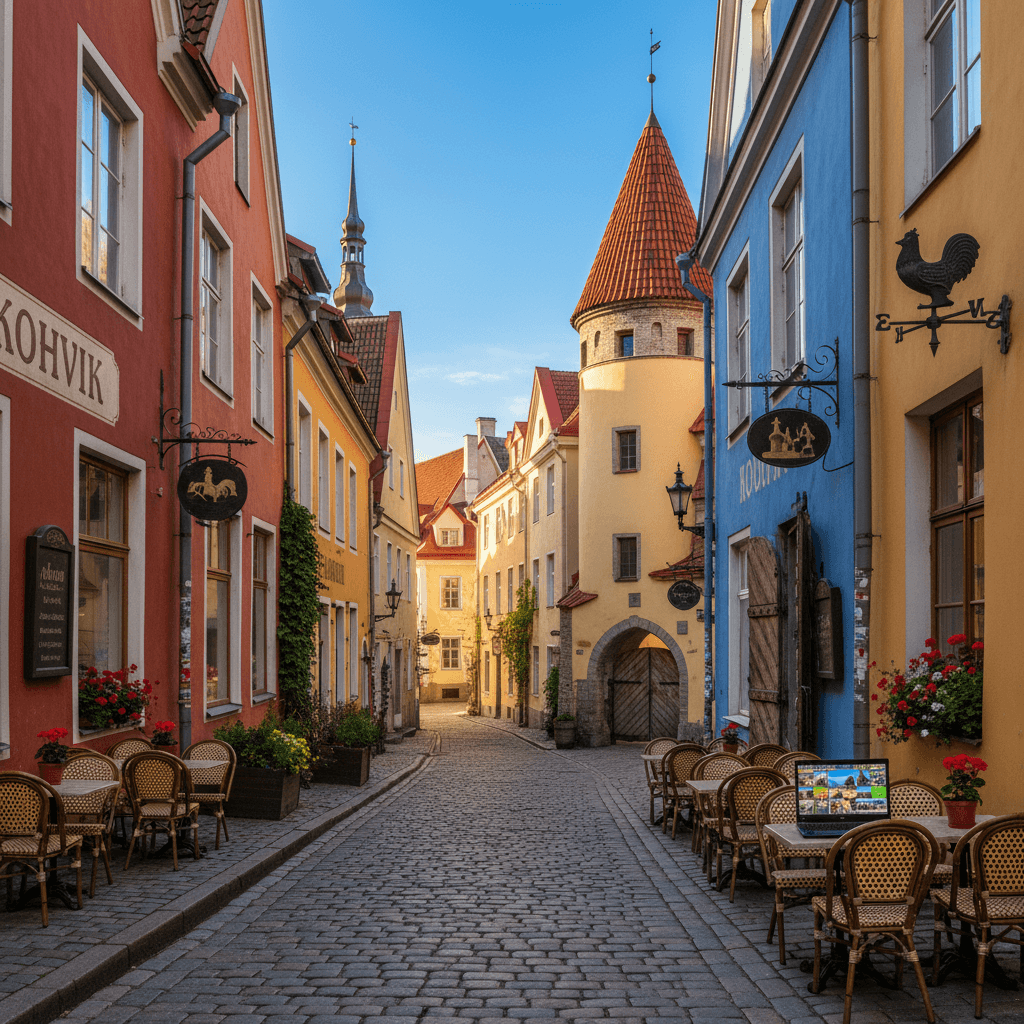
Tallinn
🇪🇪 Estonia