Tallinn
🇪🇪 Estonia
The Silicon Valley of the North with a Medieval Heart
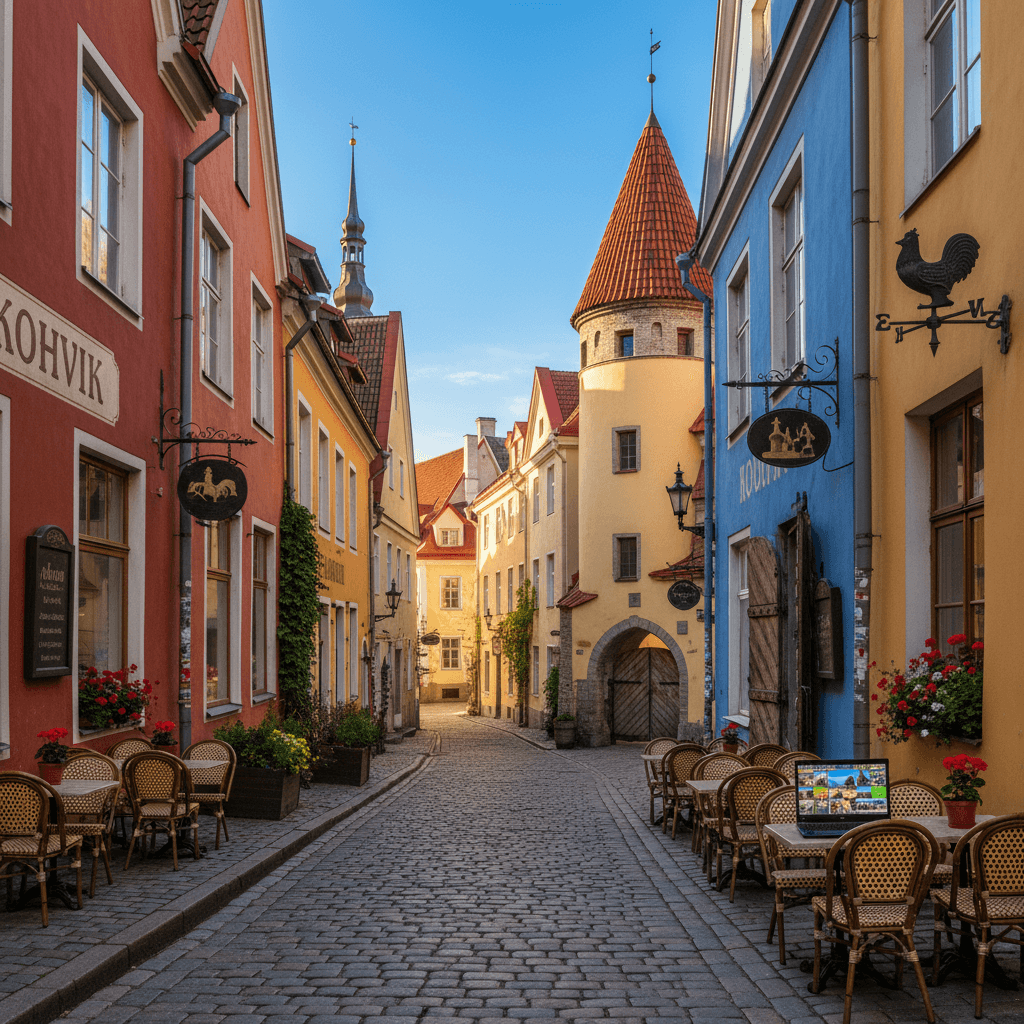
Tallinn is a city that lives in two timelines simultaneously. On one hand, you have the UNESCO-listed Old Town, a preserved fortress of winding cobblestone alleys and candlelit taverns. On the other, you have a hyper-efficient digital society where everything from voting to signing contracts happens online. For nomads, this creates a unique friction. You might spend your morning coding from a sleek, glass-walled office and your afternoon drinking honey beer in a 15th-century cellar.
The vibe here is understated and calm. Estonians aren't known for being overly chatty with strangers, but the city itself is incredibly welcoming. It feels safe, functional, and surprisingly quiet for a European capital. Most nomads find the pace of life refreshing; there is a distinct lack of the frantic energy found in London or Berlin. Instead, you get a city that works perfectly, where the WiFi is fast even in the middle of a public park or on a ferry crossing the Baltic Sea.
Living Costs & Budgeting
While Tallinn used to be a budget secret, prices have crept up to meet its growing tech status. You should plan your budget based on your lifestyle tier:
- Budget Tier (€1,500/month): This involves staying in a shared hostel or a modest room further out, relying on street food like €5-8 meals, and using the excellent public transit system.
- Mid-Range (€2,500/month): The sweet spot for most nomads. This covers a nice one-bedroom in a trendy area like Kalamaja, regular dining at mid-range spots (€15-25 per meal), and a dedicated coworking desk.
- Comfortable (€4,000+/month): High-end living in a modern Kesklinn apartment, frequent upscale dining, and plenty of weekend trips to nearby nature parks or Helsinki.
Where to Plant Your Flag
Choosing a neighborhood defines your Tallinn experience. The city is compact, so you are never truly isolated, but each pocket has a different soul.
Kalamaja
- The Vibe: The creative heart of the city, full of colorful wooden houses and converted industrial spaces.
- Rent: €600 to €900 for a studio or small apartment.
- Pros: Home to Telliskivi Creative City, the best cafés, and a high concentration of other remote workers.
- Cons: Can get a bit loud on weekends near the bars.
Old Town (Vanalinn)
- The Vibe: Living inside a history book. It is beautiful, atmospheric, and very walkable.
- Rent: €800 to €1,200 for central flats.
- Pros: You are steps away from everything; great for short stays where you want maximum charm.
- Cons: Heavily touristy and the cobblestones are a nightmare for suitcases or heels.
Kesklinn & Kadriorg
- The Vibe: Kesklinn is the modern business hub, while Kadriorg is a refined, leafy district near the palace.
- Rent: €800 to €1,200 in the center; €500 to €800 in quieter residential pockets.
- Pros: Access to high-end gyms, shopping malls, and the city's best park spaces.
- Cons: Kesklinn can feel a bit corporate and lacks the "nomad" character of Kalamaja.
The Digital Infrastructure
Estonia is famous for its Digital Nomad Visa, which allows non-EU citizens to live and work here for up to a year. The application process is straightforward via the police.ee website. Once you arrive, you'll notice the infrastructure is built for you. Coworking spaces like Lift99 are legendary for their community events and networking.
If you prefer working from cafés, you'll be spoiled for choice. Fika Café and RØST Bakery in the Rotermann Quarter are favorites for their €4 lattes and reliable speeds. For getting around, download the Bolt app. It originated here, so rides are cheap (€5-10) and scooters are everywhere. A monthly transit pass is only €30, though the city center is so small you might rarely need it.
The Reality Check
The biggest hurdle for most is the weather. If you visit between June and August, you'll experience the "White Nights" where the sun barely sets and the temperature sits at a comfortable 15 to 25°C. However, the winters from January to February are dark and biting, often dropping to -5°C. Most nomads recommend using the winter months to lean into the cozy "hygge" culture of Tallinn's libraries and saunas, or taking a €10 bus trip to Lahemaa National Park to see the frozen bogs.
The Price of Living in the Tech Capital
Tallinn is no longer the budget secret it once was, but it remains one of the most balanced capital cities in Europe for your wallet. While prices have crept up, you're paying for a high standard of living, reliable infrastructure, and a society that functions with digital precision. Most nomads find they can live comfortably here for significantly less than in London, Stockholm, or Berlin.
Monthly Budget Tiers
- The Budget Nomad (€1,500): You'll likely be staying in a private room in a high end hostel or a shared apartment, eating plenty of street food from the Balti Jaam Market, and sticking to free public spaces for work.
- The Mid-Range Lifestyle (€2,500): This is the sweet spot. It covers a modern one bedroom apartment in a trendy area like Kalamaja, daily coworking desk fees, and frequent dinners out at mid range bistros.
- The High End Experience (€4,000+): This budget secures a premium penthouse in the Old Town or a sleek Kesklinn high rise, fine dining, and private office space at a hub like Lift99.
Rent and Neighborhoods
Housing will be your biggest expense. Prices fluctuate based on how close you are to the medieval walls or the sea. Expats recommend looking on local sites like City24.ee or KV.EE for better deals than Airbnb if you're staying for several months.
Kalamaja
- Best For: Creative vibes and the nomad community.
- Rent: €600 to €900 for a one bedroom.
- Vibe: Wooden houses, industrial cafes, and the Telliskivi Creative City.
Old Town (Vanalinn)
- Best For: History lovers and short term stays.
- Rent: €800 to €1,200 for a studio.
- Vibe: Cobblestones and tourists, but incredibly walkable.
Kesklinn (City Center)
- Best For: Modern amenities and proximity to business hubs.
- Rent: €800 to €1,200.
- Vibe: High rises, shopping malls, and efficient transit.
Pirita and Kadriorg
- Best For: Families and those who want quiet parks or the beach.
- Rent: €500 to €800.
- Vibe: Green, residential, and a bit further from the nightlife.
Food and Social Life
Eating out is a highlight of the Tallinn experience. A coffee at Fika or RØST will set you back about €4. For lunch, street food or a quick bite at the market costs €5 to €8. A proper mid range dinner with a drink usually lands between €15 and €25, while upscale multi course meals start at €40.
The social scene is accessible and relatively affordable. You can find event tickets for Tallinn Music Week ranging from €5 to €20. Drinks are cheaper than in Scandinavia, with local craft beers usually priced around €5 to €7 in bars.
Connectivity and Transport
Digital nomads often praise Tallinn for its "WiFi everywhere" policy. You'll find fast, free connections in parks, on ferries, and in almost every cafe. If you need a dedicated workspace, hubs like Lift99 offer various membership options for residents and visitors.
Getting around is simple. The Bolt app is the king of transport here; a typical ride across town costs €5 to €10. If you prefer public transit, a monthly pass for the trams and buses is €30. For those who like to stay active, City Bike rentals are available for €10 a day, though the city center is small enough that you'll mostly be on foot.
Practical Essentials
- Mobile Data: Pick up a local SIM from Elisa or Tele2 at the airport for roughly €10 to €20 per month for unlimited data.
- Banking: Wise and Revolut work perfectly here, which isn't surprising given Estonia's status as a fintech powerhouse.
- Healthcare: Modern EU standard facilities are the norm. Pharmacies like Benu are easy to find and well stocked.
The Creative Hub: Kalamaja
If you're landing in Tallinn as a solo nomad, head straight for Kalamaja. This former fishing village has transformed into the city's creative engine, characterized by colorful wooden houses and a laid back, artsy energy. It's the most popular neighborhood for remote workers because everything you need is within a ten minute walk.
Most nomads find the vibe here perfect for deep work, especially with Telliskivi Creative City at its heart. You'll spend your mornings at Fika Café or RØST Bakery, where the cinnamon buns are legendary and the WiFi is fast enough for video calls. For a dedicated desk, Lift99 is the local gold standard for the startup crowd, costing between €200 and €300 per month.
- Rent: Expect to pay €600 to €900 for a stylish studio or one bedroom apartment.
- Food: Local spots offer meals for €15 to €25, while street food at the Balti Jaam Market runs about €5 to €8.
- Pros: Highly walkable, incredible café culture, and a young, international community.
- Cons: Weekend nightlife around the bars can get a bit loud if your windows face the street.
The Historic Heart: Old Town (Vanalinn)
Living in the Old Town feels like stepping into a medieval fairytale, but with 5G connectivity. It's a UNESCO World Heritage site filled with cobblestone streets and hidden courtyards. This area is best for travelers who want to be in the center of the action and don't mind sharing their neighborhood with plenty of tourists during the peak summer months.
While it's the most expensive area for housing, the convenience is hard to beat. You're steps away from the best bars and historic landmarks like the Viru Gate. Many nomads choose to stay in modern hostels here that offer private rooms and coworking spaces for €20 to €50 per night, making it a solid choice for shorter stays.
- Rent: Prices are higher here, typically starting at €800 and climbing to €1200 for central flats.
- Food: Dining is pricier; expect to pay €40+ for upscale dinners, though coffee stays around €4.
- Pros: Unmatched atmosphere, extremely safe, and the highest concentration of amenities.
- Cons: Crowded in the summer and the cobblestones can be a nightmare for rolling suitcases.
The Modern Professional: Kesklinn
Expats who prefer a more polished, contemporary lifestyle usually gravitate toward Kesklinn. This is the city's central business district, featuring glass skyscrapers, shopping malls, and high end gym facilities. It's less about "bohemian charm" and more about efficiency and luxury.
You'll find the most modern apartments here, often with floor to ceiling windows and underground parking. It's the logistical center of Tallinn, making it easy to hop on a tram to any other part of the city for €30 a month. Most expats recommend this area if you want to be close to the major tech offices and international schools.
- Rent: Similar to the Old Town, expect €800 to €1200 for modern builds.
- Food: A mix of quick lunch spots for €10 and high end business dining.
- Pros: Near all major transport links and modern conveniences.
- Cons: More traffic and a bit less "soul" than the historic districts.
The Quiet Retreat: Pirita and Kadriorg
For families or those who need a break from the city pulse, Pirita and Kadriorg are the top picks. Kadriorg is famous for its massive park and palace, offering a refined, quiet atmosphere just a short tram ride from the center. Pirita is further out, sitting right on the coast with a long sandy beach and pine forests.
Life moves slower here. You'll see locals jogging through the park or heading to the beach in the summer. It's much quieter at night, which is a major plus for families, though you'll rely more on the Bolt app for rides into town, which usually cost €5 to €10 per trip.
- Rent: More affordable options can be found between €500 and €800.
- Food: Fewer options than the center, mostly residential grocery stores and a few seaside cafés.
- Pros: Fresh air, green spaces, and very peaceful.
- Cons: A bit of a commute to the coworking hubs and limited nightlife.
Digital Infrastructure
Tallinn is often called the Silicon Valley of Europe for good reason. The internet isn't just a utility here; it is treated like a human right. You will find reliable, fast WiFi in almost every public square, park, and even on the ferries heading to Helsinki. Spears of 5G coverage blanket the city, and even the most basic Airbnb usually comes with a fiber connection capable of handling heavy video calls or large file uploads without a hiccup.
For your mobile data, don't overthink it. Most nomads grab a local prepaid SIM from providers like Elisa or Tele2 at the airport or a R-Kiosk for about €10 to €20 a month. If you prefer to hit the ground running, an eSIM from Holafly works perfectly. Since Estonia is a fintech leader, you can pay for almost everything with Wise or Revolut, so you rarely need to carry physical cash.
Top Coworking Spaces
The coworking scene in Tallinn is professional and community-driven. You won't just find a desk; you'll find a network of founders and tech talent.
- Lift99: Located in the trendy Telliskivi Creative City, this is the gold standard for startups. It's where the "Skype Mafia" and early Unicorn founders hang out. Contact them directly for current membership pricing.
- Workland: With multiple locations in Kesklinn and Vanalinn (Old Town), these spaces offer a more corporate, polished environment. They are perfect if you need a quiet, high-end office feel.
- Palo Alto Club: Another Telliskivi favorite, this spot has a more relaxed, creative energy. It's great for freelancers who want to be surrounded by designers and artists.
Laptop-Friendly Cafés
If you prefer the hum of a coffee shop over a dedicated office, Tallinn has plenty of spots that won't give you the side-eye for staying a few hours. Just remember to keep the coffee flowing; a standard latte usually costs around €4.
- Fika Café: Situated in the heart of Kalamaja, it’s a minimalist dream with excellent pastries and steady WiFi. It gets busy, so arrive early if you want a table near a power outlet.
- RØST Bakery: Located in the Rotermann Quarter, this bakery is famous for its sourdough and cinnamon rolls. The seating is a bit tighter, so it's better for short bursts of admin work rather than an eight-hour shift.
- Kohvipaus: A reliable local chain that nomads frequent for its no-nonsense atmosphere and strong connection speeds.
The Nomad Experience
Living and working here feels incredibly efficient. Most nomads find that the proximity of Kalamaja to the Old Town means they can walk from their apartment to a world-class coworking space in under fifteen minutes. If you are staying further out, the Bolt app is the local go-to for quick rides, usually costing between €5 and €10 per trip.
The community is quite active, especially around Lift99. You will likely find yourself invited to a sauna session or a tech meetup within your first week. While the locals might seem reserved at first, the shared remote-work culture makes it easy to break the ice. Just be prepared for the winter months; when the sun sets at 3:00 PM, those cozy, well-lit coworking spaces become your second home.
Peace of Mind in the Digital Hub
Tallinn is widely regarded as one of Northern Europe's safest capitals. Whether you are wandering through the medieval alleyways of the Old Town at midnight or catching a tram back to Kalamaja after a late session at Lift99, the vibe is consistently secure. Solo travelers and nomads frequently report feeling comfortable walking alone at nearly any hour, a rarity for many major European hubs.
While the city center and tourist areas are exceptionally low-risk, it is smart to keep your wits about you in isolated outer districts late at night. Petty crime like pickpocketing is rare but can happen in crowded spots like Viru Gate during the peak summer season. Most nomads find that the biggest "danger" in Tallinn is actually the icy cobblestones in January; a good pair of boots with grip is more important than a money belt here.
Healthcare Standards and Access
If you get sick, you are in good hands. Estonia's healthcare system meets modern EU standards, with high-quality facilities and doctors who almost always speak excellent English. Most digital nomads rely on private clinics for faster service, though public hospitals are well-equipped for emergencies. The universal emergency number is 112, which works across the EU.
- Pharmacies: Look for the Benu or Apotheka chains. They are widespread across Kesklinn and the shopping centers. Many pharmacists can offer solid advice for minor ailments without a doctor's visit.
- Insurance: If you are applying for the Digital Nomad Visa, you will need valid health insurance covering your stay (check current requirements on official site). Many residents use SafetyWing or World Nomads, but local providers like Ergo or Salva are also popular.
- Digital Health: True to its tech-forward reputation, Estonia uses electronic prescriptions. Once you are in the local system, your doctor sends your script directly to a central database, and you can pick it up at any pharmacy by showing your ID.
Practical Safety Tips for Nomads
The local culture is reserved and respectful. You won't find much aggressive street hassling or "tourist traps" common in Southern Europe. However, there are a few practicalities to keep in mind to stay on the right side of local norms and safety.
- Reflectors: In the dark winter months, Estonian law requires pedestrians to wear a small "reflector" (helkur) pinned to their coat. It helps drivers see you on dimly lit roads. You can buy them for €2 to €5 at any supermarket.
- Ride-Hailing: Use the Bolt app. It was founded here, so the service is incredibly reliable and safe. A trip across town usually costs between €5 and €10, and it's much safer than flagging down an unmarked car.
- Tap Water: The water in Tallinn is perfectly safe to drink. Skip the plastic bottles and refill your flask at your coworking space or apartment; it will save you money and help the environment.
Overall, the combination of a high-tech infrastructure and a low-stress environment makes Tallinn a top-tier choice for safety-conscious nomads. You get the efficiency of a Nordic capital without the frantic energy of a metropolis like London or Berlin.
The Logistics of Getting Around
Tallinn is a rare city where you can actually ditch the car without feeling stranded. The layout is compact, especially in the areas most nomads frequent like Kalamaja and the Old Town. Most days, your own two feet are the best way to navigate the cobblestones, though you will want a solid pair of boots if you are visiting during the snowy months between December and February.
Public Transit and Smart Cards
The city runs a remarkably efficient network of buses, trolleys, and trams. If you are staying for a month or more, skip the single tickets and grab a Smartcard (Ühiskaart) at any R-Kiosk. You can load it with a monthly pass for €30, which gives you unlimited rides across the entire network. The trams are particularly useful for getting from the city center out to the creative hubs or the airport. They are punctual, clean, and rarely feel overcrowded outside of the morning rush.
Ride-Hailing and Apps
Since Estonia is a massive tech hub, it is no surprise that ride-hailing is the local standard. Bolt is the king here, which makes sense given the company was founded in Tallinn. Most trips within the central neighborhoods will cost you between €5 and €10. It is often faster and cheaper than a traditional taxi, and the app is the go-to for almost everyone living in the city. You can also use the same app to rent electric scooters, which are scattered everywhere during the warmer months from June to August.
Cycling and Micro-Mobility
When the ice melts, the city opens up to cyclists. You can use the City Bike app to rent wheels for about €10 a day if you want to explore the coastal paths out toward Pirita or the leafy streets of Kadriorg. The infrastructure is improving every year, and drivers are generally respectful of cyclists. Just be mindful of the Old Town; those medieval stones are brutal on thin tires, so it is better to park the bike at the Viru Gate and walk from there.
Airport and Regional Travel
Getting into the city from Tallinn Airport (TLL) is one of the easiest arrivals in Europe. A Bolt ride to the Kesklinn district takes about 15 minutes and usually costs €10 to €15. If you are watching your budget, the Number 2 bus or the Number 4 tram will get you to the center for just €2.
For weekend trips, the transport links are just as simple:
- Ferries: High-speed boats run to Helsinki daily. The trip takes about 2 hours, and the WiFi on board is strong enough to get a full morning of work done while crossing the Baltic.
- Buses: Lux Express is the preferred choice for heading to Pärnu or across the border to Riga. Tickets to the beach in Pärnu usually run around €10.
- Trains: Use the Elron trains from the main station (Balti Jaam) for quick escapes to Lahemaa National Park or the university town of Tartu.
Most nomads find that between the €30 monthly transit pass and the occasional Bolt ride, their transport budget stays well under €100 a month. It is an easy city to master, leaving you more time to focus on your work at Lift99 or finding the best cinnamon bun at RØST.
The Linguistic Landscape
You won't have much trouble getting by in Tallinn with just English, especially if you spend your time in tech hubs like Kalamaja or the Old Town. Estonia is one of the most digitally advanced nations on earth, and that tech forward mindset extends to language. Most locals under 40 speak excellent English, and in the startup scene centered around spaces like Lift99, it is the default language for business and socializing.
The primary language is Estonian, a Finno-Ugric tongue that sounds melodic but famously difficult to learn. It shares roots with Finnish, so if you have spent time in Helsinki, some words might look familiar. You will also hear plenty of Russian, particularly among older generations and in specific districts like Lasnamäe, though it is less common in the nomad heavy central areas.
Navigating Daily Life
While you can easily order a coffee at RØST Bakery or Fika Café in English, learning a few Estonian basics goes a long way. Locals can sometimes come across as reserved or direct, but they usually appreciate the effort when a visitor tries a few words. It breaks the ice quickly.
- Tere: Hello (The most useful word you will learn)
- Aitäh: Thank you
- Terviseks: Cheers
- Jah / Ei: Yes / No
For everything else, Google Translate is your best friend. It handles Estonian quite well for menus or street signs. If you are looking at long term residency via the Digital Nomad Visa, you might eventually want to take a basic course, but for a six month stay, you can navigate the city's infrastructure entirely in English.
Digital Communication and Connectivity
Tallinn is a place where you are never truly offline. The city treats internet access almost like a human right. You will find fast, free WiFi in public squares, parks, and even on the ferries to Helsinki. Most nomads don't even bother asking for a password in restaurants because the connection is usually open and reliable.
To stay connected when you are away from a router, pick up a local SIM card immediately. You can grab one from providers like Elisa or Tele2 at the airport or any convenience store. A prepaid card with unlimited data usually costs between €10 and €20 per month. If you prefer the convenience of an eSIM, Holafly is a popular choice among travelers arriving for short stints, though local physical SIMs are generally cheaper for longer stays.
Socializing and Networking
The nomad community in Tallinn is tight knit and very active online. Most communication happens in Facebook groups like Work in Estonia or through community channels at coworking hubs. If you are looking to meet people, the Kalamaja neighborhood is the place to be. It has a high concentration of English speaking expats and creative types who hang out at the bars around Telliskivi Creative City.
The local culture is punctual and straightforward. If you are meeting a local for a project or a coffee, being five minutes late is noticed. They value clear, honest communication over small talk. This directness makes professional networking here very efficient; people get to the point quickly, which most remote workers find refreshing compared to the more performative networking cultures in other European capitals.
Timing Your Stay
Tallinn is a city of dramatic shifts. You might find yourself working under twenty hours of daylight in the summer or huddled in a cozy cafe while the sun sets at 3:00 PM in December. Most nomads agree that June through August is the sweet spot. The weather is mild, usually hovering between 15°C and 25°C, and the city sheds its quiet winter skin for a season of outdoor festivals and beach days in Pirita.
If you enjoy the crisp, postcard version of Northern Europe, the winter months have their own appeal. Between December and February, temperatures often sit between -5°C and 5°C. The Old Town looks spectacular under a blanket of snow, and the Christmas market is world-famous. Just be ready for the darkness; the lack of sunlight is the biggest complaint from expats during the winter stretch. Pack high-quality thermal layers and a solid waterproof coat if you plan to stay through the shoulder seasons.
Seasonal Highlights for Nomads
- Summer (June-August): This is peak season for a reason. You can take your laptop to the terraces in Kalamaja or work from the ferries heading to Helsinki. It is dry, bright, and perfect for weekend trips to Lahemaa National Park.
- Autumn (September-November): Expect more rain, especially in October. The city turns orange and gold, and the coworking spaces like Lift99 start getting busier as people move their social lives indoors.
- Winter (December-February): It is cold and dark, but the indoor infrastructure is excellent. Everywhere is well-heated, the WiFi remains flawless, and the cafe culture at spots like RØST Bakery becomes a lifeline for social interaction.
- Spring (March-May): A bit of a wildcard season. You will see slushy streets in March, but by May, the city begins to bloom, and the energy picks up significantly.
The Logistics of When to Arrive
If you are eyeing a long-term stay on a Digital Nomad Visa, aim to arrive in late spring. This gives you time to settle into a neighborhood like Kalamaja or Kesklinn before the summer rush drives up short-term rental prices. Finding an apartment through sites like City24.ee is much easier when you aren't competing with the July tourist crowds.
For those on a tighter budget, visiting during the shoulder months of September or May can save you money on Airbnbs while the weather is still manageable for walking the cobblestone streets. Avoid January and February unless you specifically want the snowy aesthetic, as the biting wind off the Baltic Sea can make the daily commute to a coworking space feel like a chore.
Practical Packing for the Baltic
The maritime climate means the weather can change fast. Even in the height of summer, a cool breeze often rolls in from the water. Travelers recommend a "layering" strategy regardless of the month. You will want a light windbreaker for summer evenings and heavy-duty boots for the winter slush. If you are here for the tech scene, the dress code is generally casual; a clean hoodie and jeans will get you through most networking events at the startup hubs.
Making the Move
Tallinn is the kind of place where 13th-century stone walls house ultra-modern tech incubators. It's efficient, safe, and wildly connected. You'll find free WiFi in parks, on ferries, and in almost every café. Most people speak excellent English, especially in the tech and hospitality sectors, so you won't struggle to get by while you learn basic phrases like Tere (hello) and Aitäh (thanks).
Cost of Living and Neighborhoods
Your budget depends heavily on your neighborhood choice. Most nomads gravitate toward Kalamaja or the Old Town, but each has a distinct price point and personality.
- Kalamaja: This is the creative heart of the city. It's filled with colorful wooden houses, trendy bars, and the Telliskivi Creative City. Expect to pay €600 to €900 for a studio. It's walkable and full of life, though some find the weekend nightlife a bit loud.
- Old Town (Vanalinn): Living here feels like being in a movie set. It's the most convenient for short stays but pricier, with rents starting at €800. It gets crowded with cruise ship tourists during the day, but it's magical at night.
- Kesklinn: The central business district. It's modern and practical with great amenities, though it lacks the character of the older districts. Rents average €800 to €1,200.
- Pirita or Kadriorg: Best for those who want quiet, parks, and proximity to the beach. It's a bit further out, with rents between €500 and €800.
For daily expenses, a mid-range meal costs €15 to €25, while a coffee at a specialty spot like RØST Bakery or Fika is about €4. If you're on a budget, street food runs €5 to €8. A comfortable monthly budget for a solo nomad is roughly €2,500.
Workspace and Connectivity
The coworking scene is world-class. Lift99 is the heavy hitter for networking. If you prefer a café vibe, Kohvipaus is a reliable spot with solid internet. For data, grab an eSIM from Holafly or a local SIM from Elisa or Tele2 at the airport. You can get unlimited data for as little as €10 to €20 a month.
Getting Around
You probably won't need a car. The core of Tallinn is highly walkable. For longer trips, the Bolt app is king here since the company was founded in Estonia. A typical ride costs €5 to €10. Public transport is excellent; a monthly pass is €30, though residents get it for free. If you're coming from the airport, a 15 minute Bolt ride is about €10, or the bus is just €2.
Safety and Health
Tallinn is one of the safest cities in Northern Europe. Solo travelers frequently report feeling comfortable walking alone at night. Healthcare meets high EU standards. If you need a pharmacy, look for the Benu chain. In any emergency, dial 112.
The Digital Nomad Visa
Estonia was a pioneer with its Digital Nomad Visa. It allows non-EU citizens to live and work there for up to one year. You'll need to prove a monthly income threshold and apply through the Police and Border Guard Board website. For banking, most expats use Wise or Revolut, which integrate perfectly with the local tech-first economy.
When to Go
Timing is everything. Summer, from June to August, is spectacular with mild temperatures between 15°C and 25°C and nearly endless daylight. This is when the city truly wakes up with festivals and beach days. Conversely, January and February are dark and freezing, often dropping below -5°C. If you visit in winter, bring high-quality layers and prepare for very short days.
Local Customs
Estonians are direct and value punctuality. If you meet at 9:00, be there at 9:00. Always remove your shoes when entering someone's home. While tipping isn't mandatory, leaving 10% for good service at restaurants is a common practice among locals and expats alike.
Need visa and immigration info for Estonia?
🇪🇪 View Estonia Country GuideNomad Haven
Your home away from home
Monthly Budget Estimates
More cities in Estonia
Pärnu
🇪🇪 Estonia
Kuressaare
🇪🇪 Estonia
Tartu
🇪🇪 Estonia