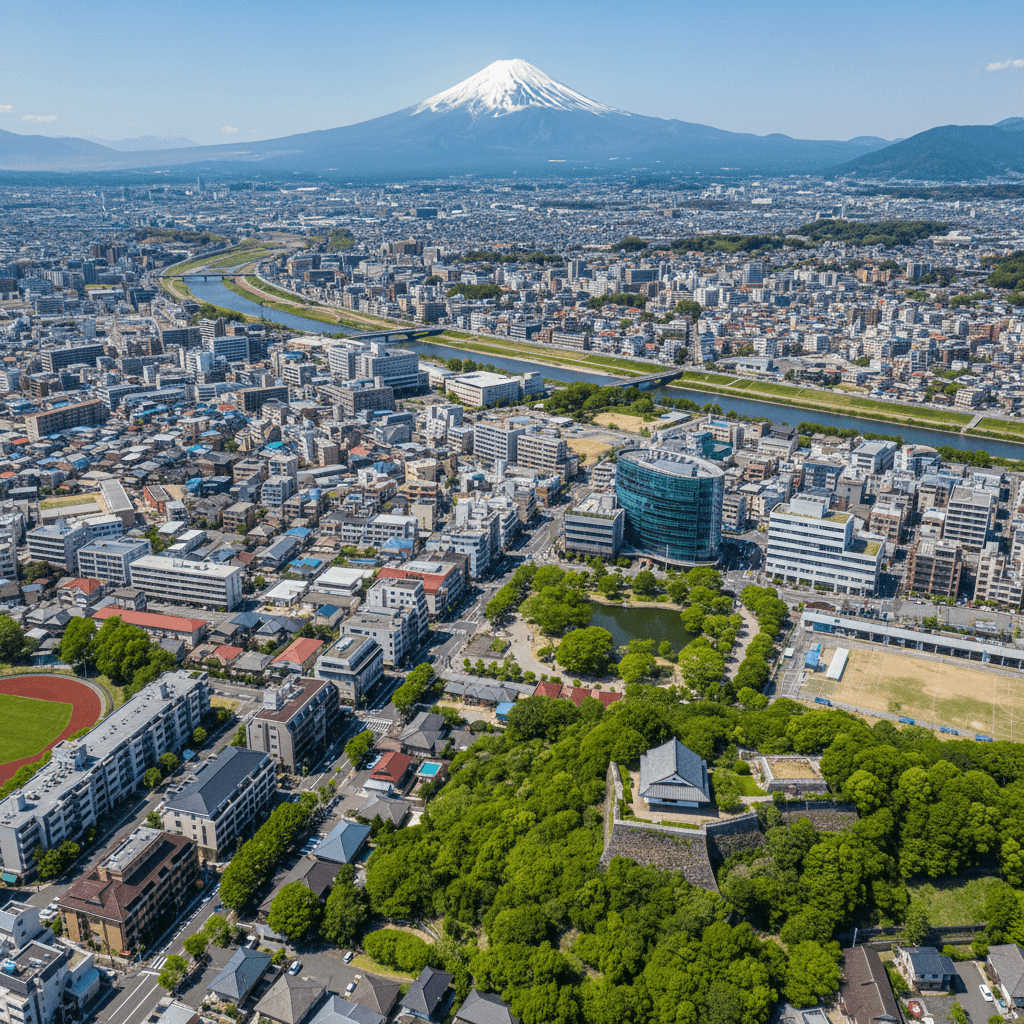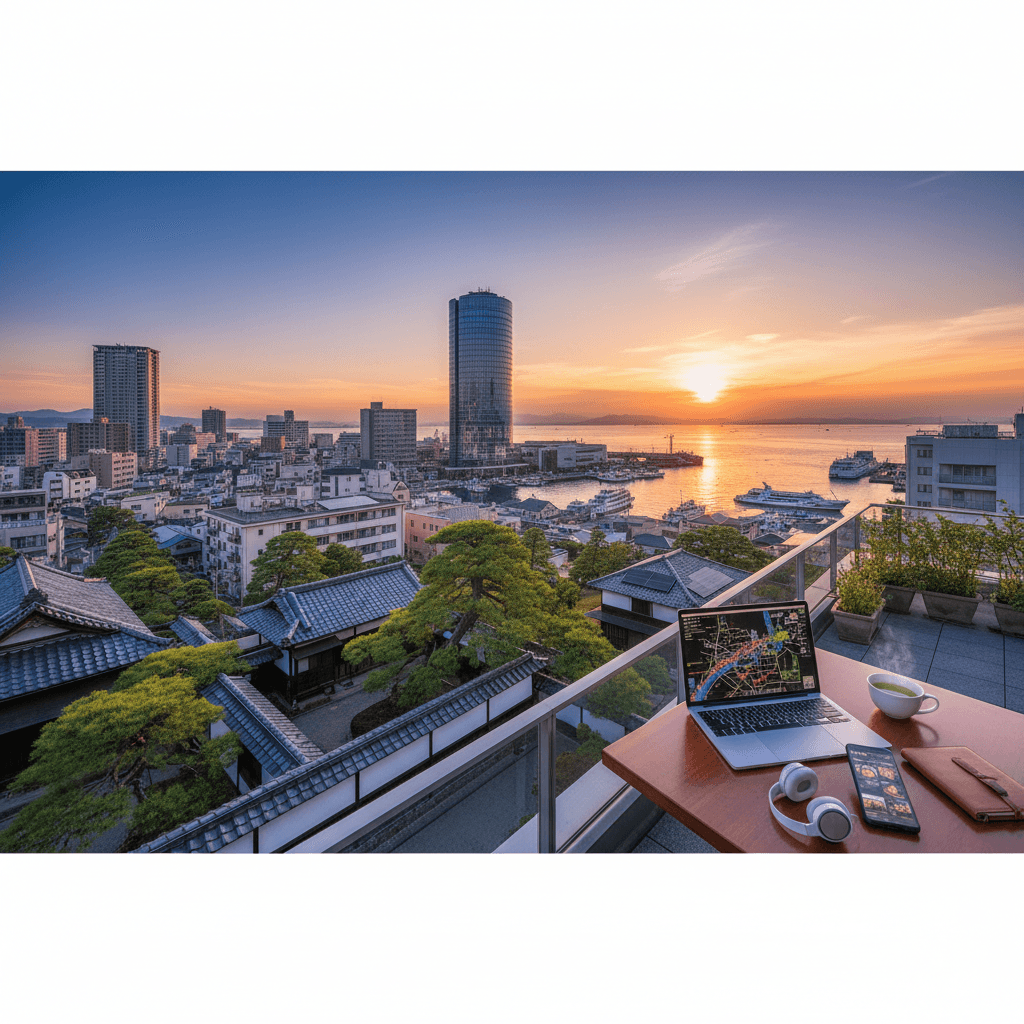
Takamatsu
🇯🇵 Japan
The Gateway to Shikoku Soul
If Tokyo is a high speed rail and Osaka is a neon lit street party, Takamatsu is the deep breath you take after the noise fades. It is a city that feels intentionally lived in. As the capital of Kagawa Prefecture, it serves as the primary entry point to Shikoku island, but it doesn't have the frantic energy of a transit hub. Instead, you'll find a seaside city where the salt air from the Seto Inland Sea mingles with the steam from thousands of udon bowls.
Nomads usually land here when they're looking for "Real Japan" without the isolation of a mountain village. You get the infrastructure of a modern city, fiber optic internet, and punctual trains, but you also get a pace of life that allows for a morning walk through Ritsurin Garden, one of the most stunning landscape gardens in the country. It is a place where locals are genuinely curious about why you've stayed for a month rather than just a weekend.
The Cost of Living Breakdown
Living here is significantly easier on the wallet than the mainland hubs. Many travelers report saving 30% to 50% compared to Tokyo prices. Here is what you can expect for a monthly budget in 2025:
- The Budget Tier (¥150,000 to ¥200,000): This covers a studio in the suburbs like Tamamo-cho for about ¥50,000, plenty of ¥400 udon meals, and relying on the excellent bike rental system.
- The Mid-Range Tier (¥200,000 to ¥300,000): This gets you a 1BR in central Chuo-ku for ¥80,000 to ¥120,000, a dedicated coworking membership, and regular izakaya dinners where you'll spend ¥2,000 to ¥3,000.
- The Comfortable Tier (¥300,000+): You'll be looking at luxury apartments near the station, private coliving arrangements, and high end kaiseki dining that starts around ¥10,000.
Where to Plant Your Flag
The city is compact, but each pocket has a distinct personality. Most nomads gravitate toward Chuo-ku, the central heart around Takamatsu Station. It is walkable, packed with shops, and gives you the fastest access to the ferries. You'll pay a bit more, sometimes ¥100,000 or more for a nice 1BR, but the convenience is hard to beat.
For something more atmospheric, Tamamo-cho sits near the old castle ruins and the coast. It is quieter and more affordable, with studios often listed around ¥60,000. If you want a true community vibe, look 20 minutes out toward the Kotohira outskirts. This area has become a magnet for remote workers thanks to the Kotori Digital Nomad Program, which offers structured coliving and events in a more rural, nature focused setting.
Work, Connectivity, and Community
The internet here is rock solid. Fiber connections typically clock in between 200 and 500 Mbps, so Zoom calls and heavy uploads won't be an issue. While the nomad community is smaller than what you'll find in Kyoto, it is tight knit. The Kotori Digital Nomad Program in nearby Kotohira is the current gold standard for meeting people, offering 24/7 workspace access and all inclusive monthly plans around ¥100,000.
In the city center, you'll find reliable WiFi at Starbucks Takamatsu and various local cafes in the covered shopping arcades. For mobile data, pick up a SIM from Rakuten Mobile or IIJmio for about ¥2,000 to ¥4,000 per month. Just keep in mind that English isn't widely spoken outside of these nomad hubs, so having Google Translate downloaded for offline use is a must.
The Daily Rhythm
Takamatsu is a city of simple pleasures. Your lunch will almost certainly be Sanuki udon, the local obsession. Local udon shops serve bowls for a few hundred yen, like many Sanuki udon spots, and part of the fun is learning the specific self service etiquette of each shop. When the workday ends, the social scene is low key. You won't find mega clubs here; instead, you'll find small bars in Chuo-ku where the same three people might be sitting every Tuesday night.
Getting around is a breeze. The Kotoden train lines are charming and efficient, and a monthly bike rental via Docomo Bike costs around ¥3,000. If you need to clear your head, the ferries at the port can whisk you away to Naoshima or Teshima for a weekend of world class art and island hiking. It is this balance, the ability to work hard in a functional city and disappear into the Seto Inland Sea on a whim, that makes Takamatsu a sleeper hit for the long term traveler.
The Shikoku Discount
If you're coming from the neon haze of Tokyo or the crowded alleys of Osaka, your wallet is about to breathe a massive sigh of relief. Takamatsu maintains a medium low cost profile that makes it one of the most accessible regional capitals in Japan. Most nomads find they can save between 30% and 50% compared to Tokyo prices without sacrificing the high quality infrastructure Japan is known for.
The city's affordability doesn't just come from lower rent; it's baked into the local lifestyle. This is the udon capital of the world, and that translates to high quality, filling meals for the price of a coffee. You can live quite comfortably here on a budget that would barely cover a shoebox apartment in Shinjuku.
Monthly Budget Tiers
To give you a realistic idea of what your bank statement might look like, here is how the numbers break down for a solo nomad in 2025:
- The Budget Tier (¥150,000 to ¥200,000): This is perfect for those who don't mind living like a local student. You'll likely settle in a studio in suburbs like Tamamo-cho with rent around ¥50,000 to ¥70,000. You'll eat plenty of ¥400 Sanuki udon, use free WiFi in public libraries or cafes, and get around with a ¥5,000 monthly bus pass.
- The Mid-range Tier (¥200,000 to ¥300,000): Most digital nomads land here. It covers a nicer 1BR in Chuo-ku for about ¥100,000, a dedicated coworking membership at a spot like Kotori for ¥20,000, and regular dinners at local izakayas where a meal and a drink run about ¥2,500.
- The Comfortable Tier (¥300,000+): If you want a luxury apartment near the station for ¥150,000, private coliving arrangements, and frequent upscale dining like kaiseki multi course meals starting at ¥10,000, this is your bracket. You'll likely rely on taxis or the GO app for transport and enjoy weekend island hopping without checking your balance.
Housing and Neighborhoods
Rent is your biggest variable. Chuo-ku is the heart of the action near Takamatsu Station. It is walkable and packed with shops, but you will pay a premium for the convenience. Expats often look toward Tamamo-cho near the castle for a more historic vibe and coastal views with studios starting as low as ¥60,000.
For those who want a community focus, the Kotori Digital Nomad Program in the Kotohira outskirts is a popular choice. They offer all inclusive monthly plans for around ¥100,000 that cover your housing, 24/7 coworking access, and community events. It's a bit of a train ride from the city center, but the social payoff is huge for solo travelers.
Food, Tech, and Transit
Dining out is surprisingly cheap if you stick to the local specialties. A bowl of world class udon at Nakano Udon costs about ¥500. If you're heading out for drinks, a night at a local izakaya rarely exceeds ¥3,000. For groceries, sticking to local chains like Matsumoto Kiyoshi for basics helps keep the daily spend low.
Connectivity is world class despite the slower pace of life. Fiber internet averages 200 to 500 Mbps, and a local SIM from Rakuten Mobile or IIJmio with 20GB of data will cost you roughly ¥3,000 per month. For getting around, many nomads skip the ¥10,000 monthly bus pass and opt for a Docomo Bike rental for about ¥3,000 a month, as the city center is incredibly flat and bike friendly.
Practical Savings Tips
- Eat seasonally at local markets to avoid the high cost of imported fruit and veg.
- Use Wise or Revolut for daily spending to avoid the steep foreign transaction fees at local banks.
- If you're staying more than three months, look for apartments on Oakhouse or Suumo.jp rather than relying solely on Airbnb, which carries a heavy tourist tax.
- Take advantage of the ¥800 airport limo bus instead of a ¥5,000 taxi when you first arrive.
The Central Nomad Hub: Chuo-ku
If you want to be where the action is, Chuo-ku is your best bet. This central district surrounds Takamatsu Station and the Port, making it the most convenient base for anyone working remotely. You're within walking distance of the massive Marugamemachi covered shopping arcade, which is packed with cafes and shops that stay dry even during the June rainy season.
- Rent: Expect to pay ¥100,000 or more for a modern one bedroom apartment.
- Vibe: Urban and efficient. It's the only part of the city that feels truly connected to the mainland.
- Best for: Digital nomads who prioritize fast fiber internet and proximity to the ferry terminals for weekend island hopping to Naoshima.
Most nomads spend their afternoons at the Starbucks in the Tsutaya bookstore or head to Ritsurin Garden for a screen break. While it's the priciest area, the time you save on logistics usually makes up for the rent. Just be prepared for a bit more street noise than the sleepy outskirts.
The Culture Seekers: Tamamo-cho
Located right against the coast and near the historic castle ruins, Tamamo-cho is perfect for solo travelers who want a more authentic Japanese atmosphere without sacrificing convenience. It's quieter than the station area but still offers stunning sea views and easy access to the water.
- Rent: You can find functional studios for around ¥60,000 per month.
- Food: Home to legendary udon spots like Nakano where a bowl costs about ¥500.
- Best for: Solo travelers and budget conscious nomads who prefer history over high rises.
The terrain here can be a bit hilly, so many expats recommend renting a bike through the Docomo Bike share program for about ¥3,000 a month. It's the most scenic way to get around, especially when the sea breeze picks up in the evening.
The Community Focus: Kotohira Outskirts
While technically a 20 minute train ride from the city center via the Kotoden line, the Kotohira area has become the de facto headquarters for the local nomad community. This is largely thanks to the Kotori Digital Nomad Program, which has turned this traditional shrine town into a remote work hotspot.
- Cost: All inclusive coliving plans run around ¥100,000 a month, including workspace and community events.
- Networking: This is where you'll find yoga workshops, sake tastings, and fellow remote workers.
- Best for: Expats and long term nomads who find Takamatsu's city center a bit too isolating or quiet.
The pace here is much slower. You'll trade convenience stores for mountain views and temple stairs. If you're staying through November or December 2025, keep an eye on the local event calendars; the community vibe peaks during these months with dedicated nomad meetups.
The Residential Retreat: Ban-cho
For families or those planning a stay longer than six months on a nomad visa, Ban-cho offers a residential feel that's hard to beat. It's tucked away from the tourist path but remains close to schools and larger grocery stores.
- Rent: Spacious multi room apartments go for ¥120,000 to ¥150,000, offering significantly more square footage than downtown.
- Transport: A monthly bus pass for ¥10,000 is a must here, as it's less walkable than the port area.
- Best for: Families and slow travelers who want a "real life" Japanese neighborhood experience.
Expats often choose this area because it's near the Takamatsu Red Cross Hospital and several larger parks. It's the kind of place where you'll actually get to know your neighbors, provided you've brushed up on basic phrases like "Sumimasen" to navigate the local shops.
Connectivity and Speed
You won't have to worry about the "island life" stereotype affecting your zoom calls here. Takamatsu is wired with fiber internet that consistently hits between 200 and 500 Mbps. Most nomads find the reliability on par with Tokyo or Osaka, which is impressive given the much slower pace of life. Whether you are staying in a central apartment in Chuo-ku or a seaside studio in Tamamo-cho, the connection is rock solid for heavy uploads and video conferencing.
For mobile data, expats usually recommend picking up a SIM from Rakuten Mobile or IIJmio. You can expect to pay between ¥2,000 and ¥4,000 per month for a decent 20GB data plan. If you are heading out to the more rural parts of Shikoku for a weekend, NTT Docomo or SoftBank offer the most reliable coverage in the mountains and on the ferries.
Top Coworking Spots
The coworking scene in Takamatsu is smaller than in Japan's major hubs, but it is high quality and community focused. Most digital nomads gravitate toward Kotori Coworking. While it is technically a short train ride away in nearby Kotohira, it is the heart of the local remote work community. They offer 24/7 access, high speed WiFi, and a collaborative environment that feels less like a sterile office and more like a creative hub.
- Kotori Coworking: This is the go to for those wanting a community. They host regular events like yoga and workshops. Kotori Coworking offers monthly memberships from ¥8,800; check for seasonal nomad programs.
- Starbucks Takamatsu: Located in the central shopping arcades, this is a reliable fallback. It has plenty of power outlets and the "at_STARBUCKS_Wi2" network is usually fast enough for general tasks.
- Local Udon Shops: While not a place to spend four hours, many modern udon spots in the city center now offer free WiFi. It is perfect for a quick email check over a ¥500 bowl of Sanuki udon.
Cafe Culture and Etiquette
Takamatsu has a fantastic mix of traditional kissaten (old school coffee shops) and modern cafes. If you are working from a local shop, travelers often say it is best to stick to the newer, "laptop friendly" spots in Chuo-ku. While power outlets are becoming more common, always ask before plugging in. A quick "Sumimasen" followed by pointing at your charger usually does the trick.
The vibe in these spaces is generally very quiet. Most nomads avoid taking calls in public cafes out of respect for the local "quiet culture." If you have a day full of meetings, sticking to a dedicated coworking space or your own rental is the better move. The libraries and community centers near Ritsurin Garden are also great for deep work, though they rarely have open WiFi, so bring your own hotspot.
Practical Tools for Nomads
Managing your tech and finances in Takamatsu is straightforward if you use the right apps. Most travelers rely on Wise or Revolut for daily spending to avoid high bank fees. For getting around between work sessions, the Docomo Bike rental app is a lifesaver. You can grab an electric bike for around ¥3,000 a month, which is the most efficient way to hop between cafes in the flat city center.
- JapanTaxi / GO App: Essential for getting home after a late night work session when the buses stop running.
- Google Translate: Download the offline Japanese pack. English proficiency is lower here than in Tokyo, and you will need it for reading signs in smaller coworking spaces or cafes.
- 7-Eleven App: Their ATMs are the most reliable for international cards and the WiFi at their stores is a great emergency backup.
Safety in the Udon Capital
Takamatsu is incredibly safe, even by Japan's high standards. You'll quickly notice locals leaving their bikes unlocked outside convenience stores or using their laptops to save a seat in a cafe. While the city has a relaxed, coastal vibe, it's still a functioning capital. There aren't any "no go" zones or dangerous neighborhoods to avoid. Most nomads feel perfectly comfortable walking home from a late night izakaya session in Chuo-ku or Tamamo-cho without a second thought.
Petty theft is exceptionally rare here. If you happen to lose your wallet or phone, your first stop should be the nearest Koban (police box). The local police are helpful and approachable, though their English might be limited to basic phrases. For emergencies, memorize these two numbers: 110 for the police and 119 for an ambulance or fire emergency.
Healthcare and Medical Services
The healthcare infrastructure in Takamatsu is excellent, though the language barrier is your biggest hurdle. Most clinics operate on a walk-in basis, but larger hospitals are better equipped for complex issues. Takamatsu Red Cross Hospital is the primary facility for high quality care, though you should bring a translation app like Google Translate to help bridge the gap with staff.
For minor ailments, look for a Matsumoto Kiyoshi or a Walgreens style pharmacy. These are everywhere in the city center. While pharmacists can help with basic over the counter needs, they rarely speak fluent English, so have a photo of your symptoms or the specific medication you need ready on your phone.
- Travel Insurance: Most nomads use SafetyWing or World Nomads. Ensure your policy covers "reimbursable" visits, as you'll likely pay upfront at the clinic.
- Payment: While many hospitals are modernizing, some smaller clinics still prefer cash. Always carry at least ¥10,000 to ¥20,000 just in case.
- Pharmacies: Look for the "Drugstore" sign. They carry everything from cold medicine to high quality Japanese skincare.
Digital Nomad Wellness
Takamatsu's "healthcare" extends to its lifestyle. The city's slower pace is a massive draw for those feeling burnt out by Tokyo's intensity. Expats often mention that the proximity to the Seto Inland Sea and the daily ritual of a ¥500 bowl of udon does wonders for mental health. If you need a community focused wellness boost, the Kotori Digital Nomad Program in nearby Kotohira integrates yoga and group workshops into their coliving stays.
Practical Safety Tips
Natural disasters are a reality across Japan. Takamatsu is relatively sheltered by the mountains of Shikoku, but it can still experience heavy rains and typhoons during July and August. Download the NERV Disaster Prevention app; it provides real time English alerts for earthquakes, tsunamis, and weather warnings that are often faster than the news.
Overall, your biggest safety concern in Takamatsu isn't crime, it's making sure you don't trip over a curb while staring at the beautiful views of the islands. It is a city that allows you to keep your guard down, which is exactly why so many remote workers are starting to choose it over the mainland hubs.
The Pulse of the City
Takamatsu is a dream for those who hate the sensory overload of Shinjuku. The city center is remarkably walkable, especially around the Chuo-ku district. You can easily bounce between your apartment, a coworking space, and a 400 yen bowl of udon without ever needing a set of wheels. The streets are flat, clean, and far less crowded than what you'll find on the mainland.
Most nomads find that the city's efficiency is its biggest selling point. Everything runs with that famous Japanese punctuality, but the atmosphere is distinctly relaxed. You'll see locals cycling to the ferry terminals or strolling through Ritsurin Garden, and it won't take long before you adopt that same slower pace.
Trains and the Kotoden
While JR Takamatsu Station is your gateway to the rest of Shikoku and the mainland via the Great Seto Bridge, the Kotoden (Takamatsu Kotohira Electric Railroad) is the real hero for daily life. These charming, brightly colored trains connect the city center to the suburbs and the spiritual hub of Kotohira.
- Daily costs: Expect to spend between 500 and 1,000 yen for a day of hopping around.
- The Kotoden Line: This is your primary link to the Kotori Digital Nomad Program area, a 20 minute ride that many remote workers frequent for community events.
- IC Cards: You can use standard cards like Suica or Pasmo, but locals often use the IruCa card for small discounts on the Kotoden lines.
Two Wheels are Better Than Four
If you ask any long term expat, they'll tell you to rent a bike immediately. Takamatsu is one of the most bike friendly cities in Japan. The Docomo Bike share program is ubiquitous, and you can grab a monthly rental for roughly 3,000 yen. It's often faster than the bus for short trips, and the city has extensive underground bicycle parking near the main stations to keep the sidewalks clear.
Airport Connections and Ride-Hailing
Getting into town from Takamatsu Airport is straightforward. The airport limousine bus is the standard choice, costing ¥1,000 for a 40 minute ride that drops you right at the main station or major hotels. It’s reliable and has plenty of room for luggage.
For late nights or grocery hauls, don't expect to hail a cab on every corner like in Manhattan. Instead, download the JapanTaxi or GO apps. Ridesharing like Uber isn't really a thing here in the Western sense; these apps simply summon a licensed taxi to your GPS location. It's efficient, though the base fares can eat into a budget traveler's funds quickly.
Island Hopping
Part of "getting around" in Takamatsu involves the sea. The ferry terminal is a short walk from the JR station and serves as the launchpad for the Seto Inland Sea islands. Nomads often spend Saturdays taking the 60 minute ferry to Naoshima or Teshima to see the art installations. It's a commute, sure, but it's one with some of the best coastal views in the country.
Practical Transport Tips
- Walking: Stick to the covered shopping arcades (shotengai) like Hyogomachi during the June rainy season to stay dry while crossing the city.
- Buses: Local buses are great for reaching the suburbs like Ban-cho, with monthly passes averaging around 10,000 yen.
- Navigation: Google Maps is exceptionally accurate for train and bus schedules, though it sometimes struggles with the smaller ferry timings.
The Local Linguistic Landscape
In Takamatsu, Japanese is the undisputed king of communication. Unlike the neon-soaked streets of Shinjuku or the tourist-dense alleys of Kyoto, this is a city where life moves to a local rhythm. While you'll find English signage at JR Takamatsu Station and major landmarks like Ritsurin Garden, the language barrier becomes a real factor once you step into a neighborhood udon shop or a local pharmacy like Matsumoto Kiyoshi.
Most residents have a basic grasp of English from school, but they're often hesitant to use it. You won't find a high level of fluency in daily life, so expect to rely on a mix of polite gestures and technology. It’s a trade-off for the authentic, low-key vibe that draws nomads here in the first place. Travelers often say that a little effort goes a long way; learning even a few words of Japanese will transform your interactions from transactional to genuinely warm.
Essential Tools for Your Pocket
Because English support is limited, your smartphone is your best friend. Nomads in the area swear by a few specific setups to keep things running smoothly:
- Google Translate: Download the Japanese offline pack immediately. The camera feature is a lifesaver for deciphering menus at traditional izakayas or reading labels at the grocery store.
- Voice-to-Voice: Don't be shy about using the microphone feature. Many locals are used to tourists using translation apps and will patiently wait while you play back your request.
- DeepL: For more nuanced communication, like emailing a landlord or messaging a coworking host, DeepL provides much more natural Japanese translations than other platforms.
Communication in Work and Social Circles
If you're worried about feeling isolated, look toward the emerging nomad hubs. The Kotori Digital Nomad Program in nearby Kotohira is a standout because it offers bilingual support. They host events like yoga and workshops where the staff bridge the gap between international visitors and the local community. It’s one of the few places in the region where you can reliably find English-speaking peers and facilitators.
For healthcare, communication can be a hurdle. If you need to visit Takamatsu Red Cross Hospital, be prepared for limited English. Expats recommend using a translation app to pre-write your symptoms or bringing a local friend if the situation isn't an emergency. Most digital nomads find that while the infrastructure is excellent, the "language gap" is the primary reason the community here remains smaller and more tight-knit than in Japan's larger hubs.
Navigating Social Etiquette
Communication in Takamatsu isn't just about the words you say; it's about the "air" you read. The culture here is polite and quiet. You'll notice people speaking in hushed tones on the Kotoden trains and in cafes. Following these unspoken rules is the best way to blend in. A simple "Sumimasen" (excuse me) is the most powerful word in your vocabulary. Use it to get a server's attention, apologize for a minor bump, or preface a question.
When you're out for Sanuki udon, remember that many of the best shops are self-service. Watch the person in front of you to see how they order and pay. Usually, it’s a quick exchange of 400 to 800 Yen and a polite nod. You don't need a degree in linguistics to enjoy the food, but knowing "Eigo ga hanasemasu ka?" (Do you speak English?) will help you quickly determine if you need to switch to your translation app.
The Nomad Advantage
Despite the challenges, the lack of English is actually a perk for some. It forces a slower pace and a deeper immersion into the culture. If you're planning to stay for the duration of an up to 6-month digital nomad visa, consider enrolling in a few basic Japanese lessons. Even a week of study will help you navigate the Chuo-ku district or negotiate a bike rental for 3,000 Yen a month with much more confidence. The locals are incredibly friendly, and they'll appreciate any attempt you make to meet them halfway.
The Seasonal Rhythm
Takamatsu sits on the edge of the Seto Inland Sea, which acts as a giant climate buffer. This means the weather is generally milder and drier than the Pacific coast of Japan. You won't deal with the constant gray drizzle of London or the brutal snows of Hokkaido, but you still need to time your arrival to avoid the extremes of the Japanese summer.
Most nomads aim for the shoulder seasons. March to May and October to November are the golden windows. During these months, temperatures hover between 15°C and 25°C. It is perfect for biking to your favorite udon shop or taking the ferry to Naoshima without dripping in sweat. The spring brings the cherry blossoms to Ritsurin Garden, while the autumn turns the surrounding mountains into a wall of deep reds and oranges.
Handling the Heat and Humidity
If you're planning to stay through July and August, be prepared for a tropical punch. Temperatures regularly climb above 30°C with high humidity that makes it feel much hotter. This is the rainy season's tail end, and it is also the peak of typhoon season. While Takamatsu is somewhat shielded by the Shikoku Mountains, heavy rains can occasionally disrupt ferry schedules to the islands.
During this peak heat, you'll find most expats retreating to air-conditioned coworking spaces like Kotori or sticking to the covered shopping arcades in Chuo-ku. If you are here in August, the trade-off for the heat is the festival season; the city comes alive with traditional dances and fireworks over the water.
Winter in Takamatsu
Winter from December to February is chilly but rarely miserable. Daytime highs usually sit between 5°C and 10°C. You might see a dusting of snow once or twice a year, but it rarely sticks. It is a quiet, contemplative time in the city. Rent prices in areas like Tamamo-cho can be easier to negotiate, and the popular tourist spots are practically empty. It is the best time to soak in a local onsen or enjoy a steaming bowl of Sanuki udon for about ¥500.
Best Times for Digital Nomads
When you choose to visit depends on your work-life priorities. Most travelers and remote workers find the following periods best for specific goals:
- For Socializing: Aim for October and November. The Kotori Digital Nomad Program often runs events during this window, and the cooler weather brings people out to the cafes and Ritsurin Garden.
- For Budgeting: The winter months of January and February are the quietest. While Japan doesn't have a massive "off-season" discount culture, you'll find better availability and occasionally lower rates on short-term stays and Airbnbs.
- For Nature and Island Hopping: May and June are ideal. The ferry rides to the art islands are pleasant before the summer swelter hits, and the landscape is incredibly lush.
Avoid the Golden Week holidays in early May and the Obon week in mid-August if you can. Prices for transport and accommodation spike, and the quiet, relaxed vibe that makes Takamatsu attractive to nomads gets replaced by domestic crowds. If you do visit then, book your Shinkansen or bus tickets at least a month in advance via apps like JapanTaxi or GO to ensure you can actually get around.
The Nomad Lowdown
Living in Takamatsu feels like discovering a glitch in the expensive Japanese matrix. You get the polish and efficiency of a major city at about 30% to 50% less than Tokyo prices. It is the kind of place where you can grab a bowl of world class Sanuki udon for ¥400 and then hop on a ferry to see contemporary art on Naoshima Island. While the English proficiency is lower than in the capital, the locals are famously patient with foreigners trying to navigate the Shikoku lifestyle.
Cost of Living Breakdown
Most nomads find they can live comfortably here on ¥200,000 to ¥300,000 per month. If you are on a tighter budget, ¥150,000 is doable if you stick to the suburbs and eat at the local noodle shops. Here is how the monthly math usually works out:
- Budget Lifestyle: Total ¥150,000 to ¥200,000. Expect a studio for ¥50,000 in Tamamo-cho, ¥500 street meals, and a ¥5,000 bus pass.
- Mid-range Lifestyle: Total ¥200,000 to ¥300,000. This covers a central 1BR for ¥80,000, frequent ¥2,000 izakaya dinners, and a ¥20,000 coworking membership.
- Comfortable Lifestyle: Total ¥300,000+. You will get a luxury apartment near the station for ¥150,000, high end kaiseki meals, and plenty of weekend trips to the islands.
Where to Set Up Base
Chuo-ku is the heartbeat of the city. It is central, walkable, and puts you right next to Ritsurin Garden. You will pay a premium for rent, usually ¥100,000 or more for a decent 1BR, but you save on transport costs because everything is at your doorstep.
Tamamo-cho is the choice for sea lovers. It is near the old castle grounds and the ferry port. It is a bit hillier and has fewer convenience stores, but you can find affordable studios for ¥60,000 with views of the Seto Inland Sea.
Kotohira is technically a 20 minute train ride away, but it is becoming a nomad favorite. It is quieter and more rural, but it hosts the Kotori Digital Nomad Program. Expats recommend it for the community events and the 24/7 coworking access, though you will definitely want a bike to get around.
Connectivity and Workspaces
Internet speeds in Takamatsu are remarkably consistent, averaging between 200 and 500 Mbps. You won't have trouble with video calls or heavy uploads. For a dedicated office vibe, the Kotori Digital Nomad Program in Kotohira is the gold standard, often offering all inclusive monthly packages for around ¥100,000 that include housing and events.
If you prefer cafe hopping, Starbucks Takamatsu and various udon shops near the station offer free WiFi. For mobile data, nomads usually pick up a Rakuten Mobile or IIJmio SIM. You can expect to pay ¥2,000 to ¥4,000 for a 20GB monthly plan.
Getting Around
The city is highly walkable, but the Kotoden train lines are the easiest way to reach the outskirts. A day pass usually runs between ¥500 and ¥1,000. Many long term residents rent a bike through Docomo Bike for about ¥3,000 a month; it is the most efficient way to zip between the central shopping arcades and the waterfront.
Health and Safety
Takamatsu is incredibly safe, even by Japanese standards. You can walk home alone at 2:00 AM without a second thought. If you get sick, the Takamatsu Red Cross Hospital is the primary facility. It provides excellent care, though you should keep the Google Translate app handy as English speaking staff are not always on shift.
Practical Cheat Sheet
- Visa: Japan's digital nomad visa requires an annual income of ¥10 million. Many travelers enter on a tourist waiver first and then apply.
- Banking: Use Wise or Revolut to avoid hefty conversion fees. 7-Eleven ATMs are your best friend for cash withdrawals.
- Apps: Download JapanTaxi or GO for rideshare, and Suumo.jp if you are hunting for local apartment listings.
- Weather: Visit in March to May or October to November for the best weather. Avoid July and August unless you enjoy 30°C heat and high humidity.
Need visa and immigration info for Japan?
🇯🇵 View Japan Country GuideEasy Landing
Settle in, no stress
Monthly Budget Estimates
More cities in Japan
Kumamoto
🇯🇵 Japan
Sendai
🇯🇵 Japan
Kamakura
🇯🇵 Japan