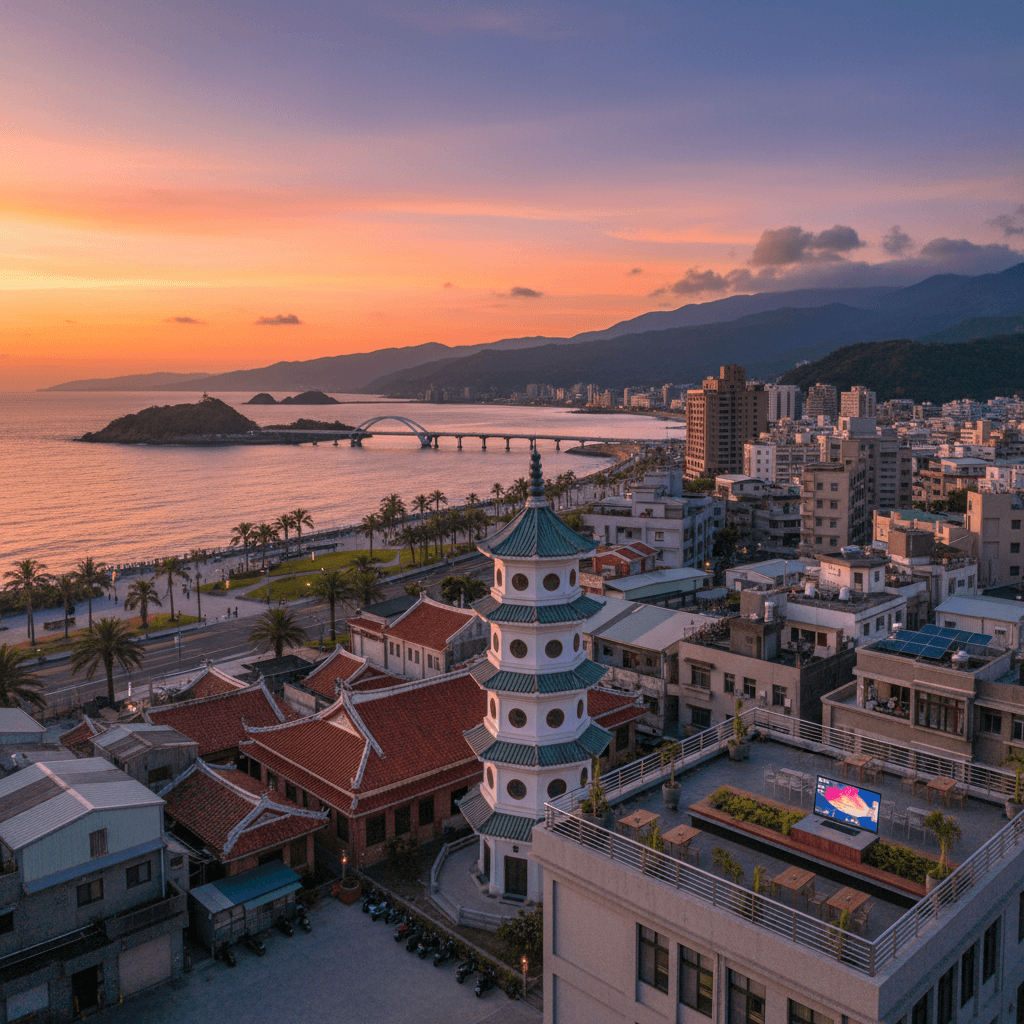
Taitung City
🇹🇼 Taiwan
The Slow Coast Alternative
If Taipei is Taiwan's high-octane engine, Taitung City is its deep, steady breath. Located on the rugged east coast, this isn't a place where you come to "hustle" in the traditional sense. Instead, most nomads find themselves trading fluorescent-lit coworking spaces for ocean-view stools at Cafe 5181. It is a city defined by the Pacific breeze and the looming presence of the Central Mountain Range, offering a lifestyle that feels more like a long-term retreat than a standard urban base.
The vibe here is unapologetically chill. You'll notice the difference the moment you step off the train. The pace of life slows down, the air smells of salt and woodsmoke, and the local Amis indigenous culture brings a grounded, soulful energy you won't find in the concrete jungles of the west coast. It’s a community-driven spot where people actually look you in the eye, and the TTNomads initiative has done wonders to bridge the gap between visiting remote workers and local business owners.
What Sets It Apart
Taitung occupies a unique niche in the 2025 nomad circuit. With the launch of the Taiwan Digital Nomad Visa, it has emerged as the primary choice for those who want to stay in Taiwan without the high costs or sensory overload of the capital. It’s a "slow food" city. Taiwan's world-class fiber infrastructure provides reliable high-speed internet for your morning deep-work sessions, leaving your afternoons free for surfing at nearby Dulan or soaking in the local hot springs. It’s the kind of place where your "office" might be a quiet table at the Taitung Night Market while you wait for a NT$100 plate of local delicacies.
However, it isn't for everyone. If you need a high-energy networking scene or a different nightclub for every day of the week, you’ll likely feel isolated here. English proficiency is lower than in the north, so you'll be relying on Google Translate or Pleco to get by. But for the traveler who prefers a mountain bike to a subway car, the trade-off is more than worth it.
Cost of Living & Logistics
Living here is remarkably affordable compared to global nomad hubs. You can live comfortably on about $1,923 USD (roughly NT$60,000) per month, though budget-conscious travelers can easily get by on much less. Downtown is the most practical area for newcomers because it’s walkable and puts you near the best cafes and markets.
- Downtown Living: Expect to pay between NT$15,000 and NT$20,000 for a central studio. It’s the sweet spot for proximity to transport and the TTNomads community.
- Coastal Rentals: If you want to wake up to the ocean, prices for nicer spots can jump to NT$20,000 or more, and you'll likely need a scooter to get around.
- Daily Expenses: A solid mid-range meal at a local restaurant costs around NT$300, while street food snacks rarely cross the NT$100 mark.
The Emotional Landscape
There is a specific kind of peace that comes with being "isolated" on Taiwan's east coast. Travelers often talk about a sense of safety that borders on the surreal. You can leave your laptop on a cafe table to grab a refill without a second thought. Crime is virtually non-existent, and the local hospitality is legendary. You aren't just a tourist here; you're a guest of the coast. Whether you’re navigating the city on a rented iRent scooter or joining a weekend meetup organized by the Crossroads nonprofit, you’ll feel a sense of belonging that larger cities often strip away.
The best time to experience this is during the shoulder seasons of March to April or October to November. The weather sits at a perfect 20 to 25°C, avoiding the sweltering humidity of July and the occasional typhoons of late summer. It’s during these quiet, breezy months that Taitung truly shines, offering a glimpse into a version of Taiwan that is raw, beautiful, and perfectly paced for the modern remote worker.
The Bottom Line
Living in Taitung is significantly more affordable than in Taipei or even the western hub of Taichung. Most digital nomads find they can live comfortably on an average of $1,923 USD (roughly NT$60,000) per month. This figure covers a private central apartment, plenty of local meals, and the occasional weekend trip to the nearby hot springs or coastal cafes.
The beauty of Taitung is that your money goes toward quality of life rather than just survival. While you won't find the high-end luxury infrastructure of the north, you'll get far more space and a much slower pace for your New Taiwan Dollars. Most transactions still happen in cash at local markets, though Apple Pay and credit cards are becoming common in chain stores like Cosmed and 7-Eleven.
Monthly Budget Tiers
Your lifestyle determines where you fall on the spending spectrum. Here is how the local costs generally break down for a month of remote work:
- The Budget Traveler (NT$30,000): You're sticking to street food, staying on the edges of the downtown area, and getting around via the YouBike app or local buses.
- The Mid-Range Nomad (NT$50,000): This covers a central studio apartment, a monthly scooter rental, regular visits to ocean view cafes like Cafe 5181, and a mix of local and Western dining.
- The Comfortable Expat (NT$70,000+): At this level, you're likely renting an ocean view property, taking taxis or Ubers frequently, and dining at upscale "slow food" restaurants or hotel bistros.
Housing and Accommodation
Rent is your biggest variable. Most expats recommend using Facebook groups like TTNomads or Room Abroad to find mid-term rentals, as traditional platforms often require year-long leases. If you're staying shorter than three months, Agoda and Booking.com remain the most reliable tools, though they come at a premium.
- Downtown Studios: Expect to pay between NT$10,000 and NT$15,000. These are convenient for being near the main Taitung Station and local markets.
- Central 1-Bedroom Apartments: Prices range from NT$15,000 to NT$20,000 for modern units with better amenities.
- Coastal Rentals: Living near the water is the dream for many, but supply is lower. Expect to pay NT$20,000 or more for a place with a view.
Food and Dining
Eating out is often cheaper than cooking for yourself in Taiwan. Street food is the backbone of the local diet, and you can grab a filling meal for under NT$100. If you're heading to the Taitung Night Market, a full evening of grazing usually costs around NT$150 to NT$200.
Mid-range restaurants, including many of the popular indigenous Amis cafes, typically charge between NT$300 and NT$500 per person. For a high-end dinner or a fancy brunch at a boutique cafe, you should budget NT$800 or more. Travelers often say that the "slow food" movement here provides some of the best value for money in the country, focusing on fresh, local ingredients that would cost double in Taipei.
Connectivity and Transport
Staying connected is surprisingly cheap. An unlimited data SIM from Chunghwa Telecom generally runs between NT$300 and NT$500 per month. If you prefer the convenience of an eSIM, Airalo or KKday are the go-to choices for nomads arriving at the airport.
Since the city is compact, many people choose to walk or use the YouBike system for short trips, which costs pennies. For more freedom, renting a scooter is the local standard. An iRent or local shop rental will set you back about NT$2,000 a month for long-term stays, or NT$300 to NT$500 for a single day. Short taxi or Uber rides within the city limits are rarely more than NT$100 to NT$200, and they are famously honest with their pricing.
Coworking and Coffee
Dedicated coworking spaces are still a bit thin on the ground in Taitung. Most nomads treat the city's vibrant cafe scene as their office. While some spots are free to work in as long as you buy a coffee, others may charge a small daily fee of around NT$200. If you join the TTNomads community, you can often find pop-up coworking events or shared spaces that cost between NT$3,000 and NT$5,000 per month.
For Nomads: Downtown Taitung
If you're coming to Taitung to work while staying connected to the local heartbeat, downtown is your best bet. This area centers around the original Taitung Station and the TTNomads community hub. It's the most practical choice because it balances affordability with the city's highest concentration of laptop friendly cafes. You won't find many traditional corporate coworking spaces here, but the local cafe culture is welcoming to remote workers.
- Rent: Expect to pay between NT$15,000 and NT$20,000 for a central studio.
- Work Spots: Most nomads gravitate toward the central district to be near the TTNomads meetups and spots like Cafe 5181, though the latter requires a short trip toward the coast.
- Vibe: Local, convenient, and surprisingly walkable. You're close to the night markets for a cheap NT$150 dinner after you close your laptop.
The main trade off here is the noise. While Taiwan is generally peaceful, the downtown streets can get buzzy with scooter traffic during peak hours. However, being within walking distance of the bus terminal makes weekend trips to the mountains or hot springs much easier without needing your own transport.
For Solo Travelers: The Coastal Strip
If you're here for the "Pacific lifestyle" and don't mind a bit of isolation, look for stays along the coastal edges of the city. This area is perfect for those who want to wake up to ocean views and spend their afternoons at seaside cafes. It's much quieter than the city center and draws a crowd of surfers and creative types.
- Rent: Prices jump here, often hitting NT$20,000 or more for units with a view.
- Transport: You'll definitely want to download the iRent app or rent a scooter for about NT$300 to NT$500 a day, as public buses to the coast are less frequent.
- Social: It's easier to meet people at the ocean view cafes, but keep in mind that popular spots often require reservations.
For Families: The Outskirts and Hot Spring Districts
Families usually find the outskirts, particularly heading toward the Zhiben hot spring areas, to be more comfortable. These neighborhoods offer more square footage and a detached feel from the urban center. You'll find larger homes and easier access to the hiking trails and parks that make Taitung famous.
- Environment: Plenty of green space and significantly less traffic than the downtown core.
- Logistics: You'll be reliant on taxis or a personal vehicle. A short taxi ride into the city will usually run you NT$100 to NT$200.
- Cost: While you get more space, you might spend more on daily logistics and groceries since you aren't as close to the traditional markets.
For Expats: The Neighborhoods near MacKay Memorial
Long term expats often settle in the residential pockets near Taitung MacKay Memorial Hospital. This area feels a bit more "established" and sits between the convenience of downtown and the quieter residential zones. It's a safe choice if you want to be near modern healthcare facilities and larger pharmacies like Cosmed.
- Community: This is where you'll find a mix of local professionals and long term foreign residents who prefer a stable, quiet neighborhood.
- Language: English proficiency is still low here, so having Google Translate or Pleco ready on your phone is a must for daily errands.
- Lifestyle: It offers a middle ground with mid range rent and easy access to both the Taitung Night Market and quieter local eateries where a meal costs around NT$100.
Connectivity and Speed
You won't have to worry about dropping off a Zoom call while watching the Pacific waves. Taitung's internet infrastructure is surprisingly robust for a city that feels this rural. Most local apartments and cafes clock in around 146 Mbps, which is plenty for heavy video editing or developer workflows. Taiwan has some of the best fiber coverage in the world, and the east coast is no exception.
For your mobile setup, don't rely on hotel WiFi alone. Verify current pricing with providers for 2026. If you want to hit the ground running, download the Airalo or KKday app and set up an eSIM before you land. You'll get a steady 5G signal even when you're exploring the coastal highways or heading toward the hot springs.
Coworking and Community
If you're looking for a traditional, glass-walled WeWork with 24/7 badge access, you're in the wrong city. Taitung's "office" scene is much more organic. The heart of the remote work community here is TTNomads. It's an initiative that connects travelers with local spaces, pop-up events, and meetups. They've been instrumental in making the city a hub for the new 180-day Digital Nomad Visa holders.
- TTNomads Platform: This is your go-to for finding temporary desk space and networking. They often organize events through the Crossroads nonprofit to help expats integrate with local business owners.
- Pop-up Spaces: Expect to pay between NT$3,000 and NT$5,000 per month if you join a community-led coworking initiative.
- The "Slow Work" Vibe: Most people here prefer working from ocean-view spots rather than enclosed offices. It's a community built on shared lunches and weekend trips rather than high-pressure networking.
The Laptop-Friendly Cafe Scene
Since dedicated coworking spaces are limited, the local cafe culture does the heavy lifting. The vibe is very "slow food" and relaxed, so it's polite to order a second drink if you're staying for more than a few hours. Most places are happy to have you as long as you aren't taking up a four-person table during the lunch rush.
- Cafe 5181: This is a legendary spot among the nomad crowd. It offers stunning ocean views and a reliable signal. It's popular, so travelers often recommend booking a table in advance if you're planning a full work day.
- Downtown Cafes: Near Taitung Station, you'll find plenty of smaller shops where a coffee costs NT$100 to NT$200. Many of these have power outlets tucked under the counters, though it's always good to ask first.
- Public Libraries: For a zero-cost option, the local libraries are quiet and air-conditioned, though the WiFi might require a local phone number to sign in.
Practical Workflow Tips
English proficiency is lower here than in Taipei. While the staff at Cafe 5181 can handle basic requests, having Google Translate or Pleco on your phone is a lifesaver for reading menu boards or asking about power outlets. If you're planning to work from the more remote coastal areas, definitely bring a power bank. While the internet reaches the beach, power outlets don't always follow.
Most nomads find that the best routine involves working early in the morning, then heading out for a scooter ride or a hike during the midday heat. Since the city is highly walkable and iRent or YouBike rentals are cheap (around NT$300 a day for a scooter), you can easily hop between your apartment and a favorite cafe without much friction.
A Culture of Absolute Safety
If you're coming from a major Western hub, the safety levels in Taitung might feel a little surreal. It's the kind of place where you can leave your MacBook on a cafe table at Cafe 5181 to use the restroom without a second thought. Pickpocketing is virtually non-existent, and violent crime is so rare it usually makes the evening news when it happens elsewhere in the country.
Solo travelers, particularly women, often report feeling completely at ease walking through the Downtown area or along the coastal paths after dark. There are no "no-go zones" or neighborhoods to avoid. The biggest safety concern you'll likely face isn't crime, but rather the local traffic. While the city is walkable, scooter riders can be unpredictable; always keep an eye out when crossing smaller alleys.
Healthcare Standards and Facilities
Taiwan's healthcare system is world-class, and Taitung is well-served for a city of its size. The primary facility for serious issues or specialist consultations is Taitung MacKay Memorial Hospital. It's a modern facility equipped with high-tech diagnostic tools. While the doctors usually speak a functional level of English, the administrative staff and nurses might not, so having the Google Translate or Pleco app ready on your phone is a smart move.
For minor ailments like a cold or a small skin irritation, skip the hospital and head to a local clinic. These are everywhere and usually much faster. You'll also find Cosmed and Watsons chains throughout the city for over-the-counter meds, sunblock, and basic first aid. Most pharmacies have a licensed pharmacist on-site who can give basic medical advice.
Emergency Contacts and Practicalities
In the unlikely event of an emergency, the numbers are easy to remember. Dial 119 for an ambulance or the fire department, and 110 for the police. For non-urgent police assistance, there is a dedicated English-speaking service line at 02-2556-6007.
- Ambulance/Fire: 119
- Police: 110
- Emergency Room: Taitung MacKay Memorial Hospital (open 24/7)
- Health Insurance: If you're on the new Digital Nomad Visa, check your eligibility for the National Health Insurance (NHI) scheme, which offers incredibly low co-pays. Short-term travelers should maintain private travel insurance.
Natural Hazards
Because Taitung sits on the "Wild East" coast, you need to be aware of the environment. The rainy season runs from May to October, which is also typhoon season. These storms are taken seriously; the government will often announce "typhoon days" where offices and shops close. If a typhoon is approaching, stay indoors and away from the coastline, as the waves can become extremely dangerous.
Earthquakes are also a part of life here. Most are small tremors that locals barely notice. Modern buildings in Taitung are built to strict seismic codes, so the general advice is to stay put, take cover under a sturdy table, and wait for the shaking to stop. Most nomads find the first few unsettling, but you'll quickly get used to the "Taitung shimmy."
Staying Healthy
The tap water in Taiwan is generally high quality, but most locals and expats still boil it or use a filter before drinking. Most apartments and coworking spots provide a water dispenser with hot and cold filtered water for free. To stay hydrated in the 30°C+ summer heat, carry a reusable bottle; you can refill it at almost any convenience store or public building.
The Logistics of Life in Taitung
Moving around Taitung City is a breath of fresh air compared to the frantic pace of Taipei. The city is compact and flat, which makes it incredibly accessible if you prefer to travel under your own power. Most nomads find that the downtown area is perfectly walkable, though you will definitely want some wheels to explore the dramatic coastline or the nearby hot springs.
Public Transit and the TRA
The backbone of regional travel is the Taitung Railway Station. It is a bit of a trek from the city center, so you will usually need a short taxi or bus ride to get into the heart of town. Once you are settled, local buses are reliable and cheap, typically costing between NT$20 and NT$50 per ride. While the bus network covers the main arteries, the schedules can be infrequent compared to the west coast, so it pays to keep a close eye on transit apps.
The Scooter and Bike Lifestyle
If you want to live like a local, get a scooter. It is the gold standard for flexibility here. You can find rental shops near the train station or downtown that charge between NT$300 and NT$500 per day. For long-term scooter rentals in Taitung, use local rental shops near the train station or download the KKday app, which offers scooter rentals in Taitung. If you prefer pedal power, YouBike stations are scattered throughout the city and are perfect for quick hops between your apartment and a local cafe. The coastal paths are particularly well suited for bikes, offering some of the best views in Taiwan without the stress of traffic.
Ride-Hailing and Taxis
Taxis are plentiful and honest. You won't have to worry about scams or "tourist prices" here. A short trip across the city usually lands between NT$100 and NT$200. Uber operates in the area and is a great backup if your Mandarin is rusty, though traditional taxis are often faster to hail on the street. For airport transfers from Taitung Airport (TTT/Fengbin Airport), expect to pay around NT$300-500 for the 30-40 minute drive into the city.
Car Rentals for Digital Nomads
If you are planning a weekend trip to the rice terraces of Chishang or the surfing spots in Dulan, a car is a smart investment. Discover Cars is a popular choice for expats looking to secure a vehicle. Driving in Taitung is much more relaxed than in the north, with wider roads and significantly less congestion, though you should always stay alert for scooters darting through intersections.
Practical Tools for Getting Around
- Google Maps: Generally accurate for bus timings and walking routes.
- YouBike 2.0 App: Necessary for checking bike availability at docks.
- Bus+ App: Highly recommended by expats for real time bus tracking across Taiwan.
- EasyCard or iPass: These tap and go cards are non-negotiable. You can buy them at any 7-Eleven and use them for buses, trains, and even some taxis.
Most travelers agree that while the public system is functional, the true magic of Taitung opens up once you have your own transport. Being able to ride out to Cafe 5181 for a sunset work session or zip to the Taitung Night Market for a NT$100 dinner on a whim is what makes the nomad lifestyle here so effortless.
The English Gap and Local Dialects
Expect a significant shift in communication if you are coming from Taipei or Kaohsiung. In Taitung, English proficiency is generally low. While you might find basic English at nomad hubs like Cafe 5181 or larger hotels, your daily interactions at the wet markets or local noodle stalls will likely happen in Mandarin Chinese or through a series of friendly gestures.
You will also hear indigenous languages, particularly Amis, spoken by the local community. While you aren't expected to learn these dialects, showing an interest in the indigenous culture goes a long way in building rapport with locals. Most residents are incredibly patient and will use translation apps to help you out if you're struggling to order a meal or find a bus stop.
Survival Tools for the East Coast
Since you can't rely on English signage or speakers once you leave the main tourist strips, a few digital tools are non-negotiable for a smooth stay. Most nomads and expats in the area swear by a specific toolkit to bridge the gap:
- Google Translate: The camera feature is a lifesaver for reading menus at "slow food" restaurants that don't have English versions.
- Pleco: This is the gold standard for Chinese dictionaries. It works offline, which is great if you're out exploring the rice terraces and lose signal.
- Line: This is the primary communication app in Taiwan. If you meet local friends or need to message a landlord, they will almost certainly ask for your Line ID rather than your phone number or WhatsApp.
Key Phrases to Know
While you can get by with technology, learning a few Mandarin basics will make your life much easier. Local vendors appreciate the effort, even if your tones aren't perfect. Start with these essentials:
- Nǐ hǎo: Hello
- Xièxie: Thank you
- Duōshǎo qián?: How much? (Useful at the Taitung Night Market)
- Bùyào xiāngcài: No coriander/cilantro (A frequent request for many travelers)
- Tíngchē: Stop the car (Useful when taking taxis or local buses)
Cultural Etiquette and Non-Verbal Cues
Communication in Taitung is as much about what you do as what you say. The pace of life here is slower, and the social "temperature" is warmer than in the big cities. Travelers often find that a smile and a nod are the most effective ways to navigate a language barrier. When you enter a local shop or a nomad meetup organized by TTNomads, a polite bow or a small wave is the standard greeting.
Remember that Taiwan is a "no tipping" culture. Trying to leave extra cash at a family run restaurant might cause confusion rather than gratitude, as they may think you've forgotten your change. Also, keep an eye on your volume; Taitung is a peaceful place, and speaking loudly on your phone in a quiet cafe is generally seen as a bit rude.
The TTNomads Safety Net
If you find yourself truly stuck with a lease agreement or a medical issue at Taitung MacKay Memorial Hospital, where English is limited, lean on the TTNomads community. This group is specifically designed to help foreigners integrate into the local ecosystem. They often host meetups and can point you toward English speaking service providers or help translate the nuances of the 2025 Digital Nomad Visa requirements if you're planning a long term stay.
The Sweet Spot: When to Go
Taitung is a rare breed where the weather stays relatively mild year round, but timing your stay can make the difference between a productive work week and being trapped indoors by a monsoon. Most nomads agree that March to April and October to November are the absolute prime windows. During these months, you can expect dry skies and comfortable temperatures sitting between 20°C and 25°C. It is the perfect climate for taking your laptop to an outdoor table at Cafe 5181 without breaking a sweat or needing a heavy coat.
If you enjoy a bit of a crisp breeze, winter in Taitung is surprisingly pleasant. January sees highs around 21°C and lows rarely dipping below 16°C. While the rest of the northern hemisphere is shivering, you will likely just need a light hoodie for evening strolls through the Taitung Night Market. It is a quiet, contemplative time in the city that suits writers and deep-work enthusiasts perfectly.
The Summer Swelter and Typhoon Season
Be prepared for a shift starting in May. The rainy season kicks in then and lingers through October, often bringing high humidity and the occasional typhoon. July and August are the most challenging months. Temperatures frequently climb to 32°C, and the heat can feel oppressive if you are not near an air conditioner. This is also the peak of typhoon season; while Taiwan handles these storms with incredible infrastructure and efficiency, they can definitely disrupt travel plans or cause temporary power flickers.
Expats living in the area usually suggest keeping a close eye on weather apps like Windy or the Central Weather Administration site during the summer. If a big storm is rolling in, locals generally stock up on snacks and settle in for a "typhoon holiday" until the winds die down.
Seasonal Planning for Nomads
Your lifestyle in Taitung will likely shift with the seasons. Here is what to keep in mind for your calendar:
- Spring (March to May): Ideal for those who want to explore the surrounding rice terraces and mountains on a scooter. The air is clear and the landscape is lush.
- Summer (June to August): Expect hot, humid days. This is the best time for surfers and beach lovers, as long as you do your work in the early morning or late evening to avoid the midday sun.
- Autumn (September to November): The humidity drops and the "slow food" festivals often kick off. It is arguably the best time for outdoor community meetups organized by groups like TTNomads.
- Winter (December to February): Very dry and mild. It is the peak season for visiting the nearby hot springs, which are a favorite weekend escape for the expat community.
While the city is gaining traction as a remote work hub, remember that Taitung is fundamentally a nature focused destination. If you visit during the rainy peaks of June or September, you might miss out on the coastal views and hiking trails that make this part of Taiwan so special. Aim for the shoulder seasons to get the best of the 146 Mbps internet speeds and the great outdoors simultaneously.
Connectivity and Data
You won't have to worry about the internet here. Taiwan's infrastructure is world class, and Taitung is no exception with average speeds hitting around 146 Mbps. Verify current pricing with Chunghwa Telecom or other providers (Taiwan Mobile, FarEasTone) for 2026 unlimited data plans. If you prefer to hit the ground running, grab an eSIM through Airalo or KKday before you land.
Money and Banking
While Taiwan is increasingly digital, Taitung still leans on cash for night markets and smaller local eateries. ATMs are everywhere, especially inside 7-Eleven and FamilyMart stores which are open 24/7. Most expats use Wise or Revolut to avoid heavy conversion fees. Apple Pay works in larger supermarkets and chain cafes, but always keep a few NT$100 bills in your pocket for street food and bus fares.
Getting Around
The city center is surprisingly walkable, but you'll want wheels to explore the coastline. Verify current 2026 pricing with local rental shops. If you have a local phone number, the iRent app is a lifesaver for short term rentals. For public transit, the YouBike system is great for quick hops across town, and the local buses are affordable at NT$20 to NT$50 per ride.
- Taxis and Uber: Reliable and safe. A short trip across town usually costs between NT$100 and NT$200.
- Airport Transfers: Fengbin Airport (TTN) is close by. A taxi to the city center takes about 20 minutes and costs roughly NT$300.
- Intercity Travel: The TRA train station is your gateway to the rest of the island. Book your tickets in advance on the TRA website if you're traveling on weekends.
Language and Culture
English isn't as widely spoken here as it is in Taipei. You'll find basic English at nomad hubs like Cafe 5181, but you'll definitely want Google Translate or Pleco on your phone for menus and deeper conversations. Learning a few phrases like "Ni hao" (hello) and "Duoshao qian?" (how much?) goes a long way with locals. Remember to remove your shoes before entering homes and some smaller guesthouses. Tipping isn't practiced and can sometimes even cause confusion, so just pay the sticker price.
Health and Safety
Taitung is incredibly safe. It's the kind of place where people leave their laptops on the table at a cafe while they go to the restroom. Violent crime is almost non existent. For medical needs, Taitung MacKay Memorial Hospital is the primary facility in the city. It's modern, though English support can be hit or miss depending on the staff on duty. Pharmacies like Cosmed are easy to find for basic supplies, and the emergency number for police or an ambulance is 119.
The Digital Nomad Visa
The 2025 launch of the Taiwan Digital Nomad Visa has made staying long term much easier. It allows for a 180 day stay, provided you can show proof of remote employment and meet the financial requirements. Many nomads in the TTNomads community use this as a stepping stone to the Gold Card. If you're looking for an apartment, skip the expensive agencies and check Facebook groups like "Room Abroad" or "TTNomads" for local listings that are more budget friendly than the prices on Booking.com.
Best Times to Visit
Timing your stay is everything given the tropical climate. Most travelers recommend March to April or October to November. During these windows, the weather is a comfortable 20°C to 25°C and relatively dry. Avoid July and August if you can; the heat often climbs above 30°C and it's peak typhoon season, which can occasionally disrupt travel plans on the east coast.
Need visa and immigration info for Taiwan?
🇹🇼 View Taiwan Country GuideHidden Gem
Worth the effort