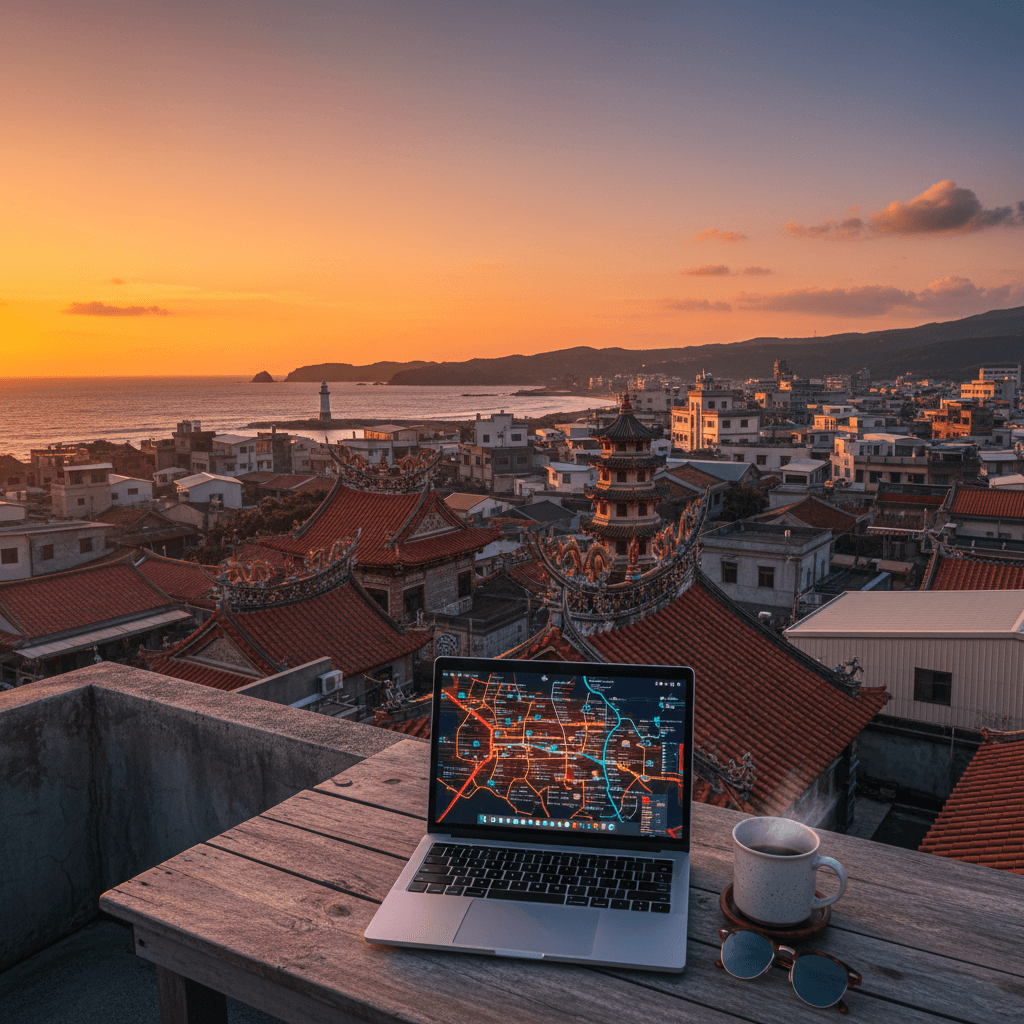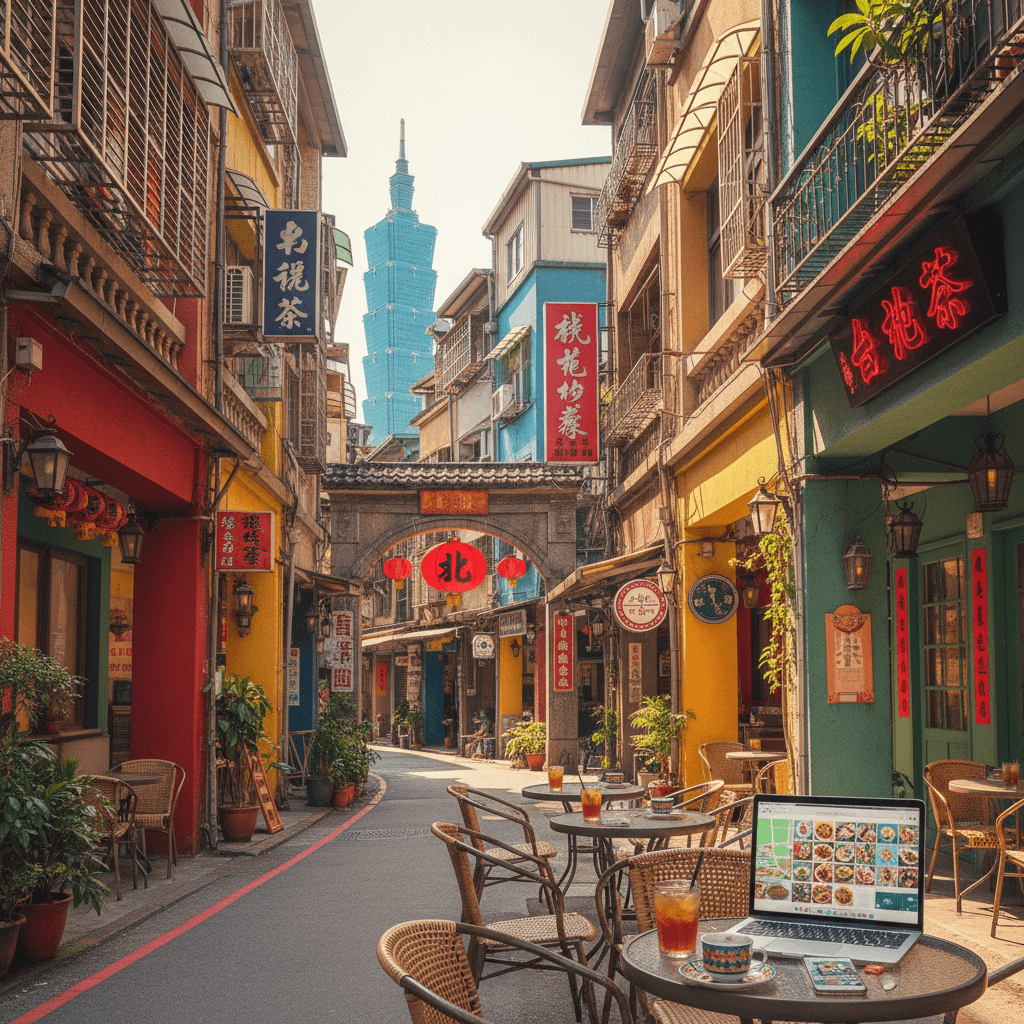
Taipei
🇹🇼 Taiwan
The Vibe: High-Tech Convenience Meets Mountain Air
Taipei feels like a city that finally figured out how to be modern without losing its soul. It lacks the frantic, neon-soaked exhaustion of Tokyo or the gritty chaos of Bangkok. Instead, you get a clean, hyper-functional metropolis where the metro arrives every 2 minutes and you can hike a lush mountain trail before your first 10:00 AM Zoom call. It is a place characterized by extreme politeness, a total lack of street crime, and a deep obsession with convenience stores.
The emotional experience of living here is one of low-friction living. You'll spend your days tapped into reliable high-speed internet, with median fixed broadband speeds around 145 Mbps, using your EasyCard or LINE Pay to buy everything from a $1.50 pork bun to a taxi ride. While it doesn't have the wild party reputation of other Southeast Asian hubs, it trades late-night ragers for a sophisticated social life centered around night markets and weekend hiking groups. Most nomads find the city incredibly welcoming, even if the "nomad scene" is more about quiet productivity than beach clubs.
Cost of Living Breakdown
While prices have ticked up recently, Taipei remains significantly cheaper than Western capitals or Singapore. You can live a very comfortable life here for $1,800 to $2,200 per month, though budget-conscious travelers can scrape by on $1,200 if they stick to student areas and street food.
- Housing: Expect to pay $600 to $950 for a solid studio in trendy spots like Zhongshan. If you want to be in the shadow of Taipei 101 in Xinyi, budget at least $1,400. Students and budget-focused nomads often head to Gongguan, where rooms go for as low as $450.
- Food & Drink: You can eat like a king at night markets for $5 to $10. A mid-range sit-down dinner usually runs about $15. Local beer is cheap, but specialty coffee and imported wine will eat into your budget quickly.
- Transport: The MRT is a steal at roughly $0.60 per trip. Many expats swear by the TPASS, which gives you unlimited transit for $38 a month.
The Neighborhood Guide
Taipei is a collection of distinct pockets, each connected by a world-class transit system. You really can't pick a "bad" area, but the energy shifts significantly between districts.
Xinyi
- The Draw: This is the Manhattan of Taipei. It's where the skyscrapers, high-end malls, and best nightclubs live.
- Best For: Expats who want luxury and don't mind paying a premium for it.
- Trade-off: It can feel a bit sterile and touristy compared to the older parts of town.
Zhongshan & Yongkang
- The Draw: These areas are the sweet spot for the creative crowd. Think boutique cafes, hidden cocktail bars, and the famous Ningxia Night Market.
- Best For: Solo travelers and nomads who want to be in the thick of the "cool" Taipei.
- Trade-off: Streets get very crowded on weekend evenings.
Gongguan & Tech Building
- The Draw: Home to the major universities, this area is packed with cheap eats, bookstores, and a younger, high-energy crowd.
- Best For: Budget-conscious nomads and those who want easy access to the southern hiking trails.
- Trade-off: Housing is often older and a bit noisier.
The Digital Nomad Reality Check
The internet here is world-class, but the "laptop cafe" culture is still evolving. In many cities, you might feel guilty taking up a table for four hours, but in Taipei, places like Louisa Coffee or even the seating areas in upscale 7-Elevens are fair game. Coworking spaces exist but aren't as ubiquitous as in Bali or Chiang Mai; most nomads here prefer the flexibility of "work-friendly" cafes where a single latte buys you a day of productivity.
One thing to keep in mind is the weather. The "best" window is October through April, when the air is crisp and the temperatures hover around 24°C. If you arrive in July, be prepared for oppressive humidity and the occasional typhoon. It’s the kind of heat that makes you plan your entire day around which buildings have the strongest air conditioning.
The Bottom Line
Taipei is a rare find for nomads who want Japanese-level infrastructure without the Tokyo price tag. It's affordable, safe, and incredibly efficient. You can live well here on $1,500 to $2,200 per month, though budget-conscious travelers can squeeze by on $1,000 if they stick to student areas and night market stalls.
The city's "convenience store culture" keeps costs down. With a 7-Eleven or FamilyMart on every corner, you have access to cheap coffee, bill-pay services, and decent pre-made meals 24/7. Most expats find that while housing is the biggest expense, everything else feels like a bargain compared to Western hubs.
Monthly Budget Breakdown
- Budget: $1,000 to $1,500 (Shared housing, night market meals, MRT/bus)
- Mid-range: $1,500 to $1,800 (Private studio, mix of local and Western food)
- Comfortable: $2,000 to $2,200 (Modern apartment in Xinyi or Da’an, coworking desk, frequent dining out)
Housing and Neighborhood Costs
Rent varies wildly depending on how close you are to an MRT station. Expect to pay a premium for "elevator buildings" with trash rooms, as older walk-ups require you to chase the musical garbage trucks yourself.
Zhongshan and Yongkang
- Vibe: Trendy, central, and packed with boutique cafes.
- Monthly Rent: $600 to $950 (NT$20,000 to $30,000) for a standard studio.
Xinyi District
- Vibe: The upscale heart of the city near Taipei 101.
- Monthly Rent: $950 to $1,400 (NT$30,000 to $45,000) for high-rise living.
Gongguan and Tech Building
- Vibe: Student-heavy and high energy.
- Monthly Rent: $450 to $800 (NT$15,000 to $25,000) for modest apartments.
Food and Drink
Eating out is often cheaper than cooking at home, especially if you embrace the night markets. Michelin-recognized stalls at Ningxia or Raohe serve up bowls of beef noodles or braised pork rice for $1.50 to $5 (NT$50 to $150). A mid-range dinner at a sit-down restaurant usually lands between $9 and $15.
Coffee is a bit of a splurge. While a basic latte at Louisa Coffee or 7-Eleven is affordable, specialty beans at nomad-favorite cafes in Da'an can run $5 to $7. Alcohol is also pricier than in Southeast Asia; expect to pay $8 to $12 for a craft beer or cocktail in Xinyi's bar scene.
Transport and Connectivity
Public transit is where Taipei shines. The MRT is spotless and cheap, with most trips costing less than $1. For frequent travelers, the TPASS is a steal at $38 (NT$1,200) for a full month of unlimited rides on the MRT, buses, and even some light rail.
- YouBike: $0.30 per 30 minutes. It's often free for the first stretch if you've just hopped off the train.
- Coworking: Hot desks average $9 to $19 per day, or $250 for a monthly pass. Many nomads skip these and work from 7-Eleven seating areas or cafes like Notch, where buying one drink lets you camp out for hours.
- Phone Plans: A local SIM from Chunghwa Telecom with 10GB to 30GB of data costs roughly $10 to $16 per month.
Expats often mention that the lack of tipping and the inclusion of tax in most prices makes budgeting straightforward. What you see on the menu is exactly what you'll pay at the register.
For Trend-Seekers and Solo Nomads: Zhongshan and Yongkang
If you want to step out of your apartment and immediately find a pour-over coffee or a boutique shop, these are your spots. Zhongshan is a favorite for its mix of Japanese-influenced alleys and trendy cafes. It's perfectly balanced for those who need a central MRT hub but want a neighborhood that feels alive after work hours.
Yongkang, located near the Dongmen station, is arguably the most walkable pocket of the city. It's famous for high-end tea houses and the original Din Tai Fung, but nomads love it for the quiet side streets where you can work from a laptop for hours. Expect to pay between NT$20,000 and NT$30,000 ($600 to $950) for a decent studio here. It gets crowded on weekend evenings when the foodies descend, but the weekday vibe is sophisticated and productive.
For Corporate Expats and Nightlife Lovers: Xinyi
Xinyi is the face of modern Taipei. If your budget allows for NT$30,000 to NT$45,000 ($950 to $1,400) in rent, you'll be rewarded with luxury high-rises, massive department stores, and the city's best nightclubs. It is the most "international" feeling district, dominated by the Taipei 101 tower and wide, clean sidewalks.
Expats choose Xinyi because everything is convenient. You have high-end gyms, English-speaking services, and the city's premier cocktail bars all within a ten-minute walk. While it can feel a bit sterile or touristy compared to the older districts, the sheer efficiency and proximity to the red line MRT make it the easiest place to settle into if you aren't on a tight budget.
For Students and Budget-Conscious Travelers: Gongguan and Tech Building
Located near National Taiwan University, these neighborhoods offer the best value in the city. The vibe is youthful, energetic, and unpretentious. Because of the massive student population, you can find incredible street food and local "biandang" (lunch boxes) for as little as NT$100 to NT$150 ($3 to $5).
Rent is significantly lower here, often ranging from NT$15,000 to NT$25,000 ($450 to $800). It is also a prime spot for anyone who likes the outdoors, as it provides quick access to riverside bike paths and hiking trails. The social scene is more about casual beer bars and late-night study cafes than flashy clubs. It can be a bit noisier and the buildings are often older, but the savings and local energy make it a top pick for long-term stays.
For Families and Peace-Seekers: Da’an
Da’an is the green lung of the city. Centered around the massive Da’an Forest Park, this district is where you go for a quieter, more residential pace. It’s widely considered the most prestigious residential area due to its top-tier schools and abundance of parks. Families appreciate the wider strollers-friendly sidewalks and the lower density of neon lights and 24-hour markets.
While it lacks the heavy-duty nightlife of Xinyi or the grit of the older northern districts, it’s incredibly safe and well-connected. You’ll find plenty of organic grocery stores and quiet brunch spots. It’s a premium area, so don't expect many bargains, but for those staying several months with children, the quality of life is hard to beat.
For Long-Term Expats on a Budget: New Taipei City
Technically a separate city that wraps around Taipei, areas like Banqiao or Yonghe are becoming massive draws for expats. The secret is the MRT; you can live in a much larger, modern apartment for 30% less than downtown prices and still be at Taipei Main Station in 15 minutes.
- Banqiao: A mini-metropolis with its own shopping districts and high-speed rail access.
- Yonghe: One of the most densely populated places on earth, famous for its breakfast soy milk and labyrinthine alleys.
- Perks: Many New Taipei areas offer free YouBike incentives and more spacious public sports centers.
If you don't mind a short commute to meet friends for drinks, New Taipei City is the smartest way to stretch a $2,000 monthly budget into a truly comfortable lifestyle.
Connectivity Without the Firewall
Taipei is a dream for anyone who relies on a stable connection. Unlike its neighbor across the strait, there is no Great Firewall here. You can access all your usual tools and social media without a VPN. Speeds are impressive, with median fixed broadband speeds around 145 Mbps, and 5G coverage is remarkably consistent across the city.
Most apartments come with "crazy fast" wired fiber, but you aren't tethered to your desk. The government provides iTaiwan, a free public WiFi network with over 10,000 hotspots in MRT stations, parks, and libraries. It's a reliable backup when you're between meetings.
For mobile data, skip the roaming charges and grab a local SIM at Taoyuan International Airport. Chunghwa Telecom and FarEasTone are the top picks for coverage. You'll need a local number to register for the YouBike app, which is the best way to move between cafes. Expect to pay between NT$300 and NT$500 for a monthly data package. If you prefer the digital route, Airalo eSIMs work perfectly for immediate data upon landing.
The Coworking Scene
Taipei is still catching up to places like Bali or Chiang Mai when it comes to dedicated nomad hubs. While the community is growing, you won't find a coworking space on every corner. Most nomads here prefer a hybrid approach, using dedicated spaces for deep work and cafes for lighter tasks.
- Hot Desk Rates: Usually range from NT$300 to NT$600 per day.
- Monthly Memberships: Expect to pay around NT$8,000 for a dedicated spot.
- Vibe: Professional and quiet. These aren't party spots; they are places where local startups and freelancers actually get things done.
If you need a professional environment, look for spaces in the Zhongshan or Xinyi districts. These areas house the bulk of the city's modern offices and offer better networking opportunities with the local tech crowd.
The Cafe Office Culture
The real remote work heart of Taipei beats in its coffee shops. While some cities frown on laptop users, Taipei is incredibly accommodating. It’s common practice to buy one coffee and work for several hours. Many shops even provide power outlets at almost every seat.
Louisa Coffee is the local staple. It’s affordable, ubiquitous, and almost always has decent WiFi. For a more "office-lite" experience, head to a 7-Eleven or FamilyMart. The convenience store culture here is next level; many larger branches have dedicated seating areas with WiFi and plugs where you can knock out a few emails while eating a NT$50 bento box.
The only downside is the weekend rush. Locals love their cafe culture for socializing, so finding a quiet table on a Saturday afternoon can be a challenge. Most nomads recommend sticking to dedicated coworking spaces or your apartment on weekends and saving the trendy Yongkang Street cafes for Tuesday mornings.
Essential Digital Tools
To stay productive and mobile, your phone needs a few specific apps. LINE is non-negotiable. It is used for everything from messaging and paying for groceries to hailing taxis via LINE Taxi. For navigation, Google Maps is surprisingly accurate for MRT schedules and bus routes.
- EasyCard: While it’s a physical card, you’ll manage your life around it. Top it up at any 7-Eleven to pay for the MRT, buses, and even snacks.
- Uber: Very reliable in Taipei and often cheaper than standard taxis for longer cross-city trips.
- Foodpanda/Uber Eats: The two dominant delivery players. If you're in the middle of a deep work session, they'll bring night market food directly to your door.
Expats also suggest joining the Taipei Digital Nomads Facebook group. Since the community is more spread out than in other nomad hubs, these digital groups are where most of the weekday networking and co-working meetups are organized.
A Gold Standard for Safety
Taipei is consistently ranked as one of the safest cities on the planet, and you will feel it the moment you land. Whether you are walking through Xinyi at 2:00 AM or exploring the narrow alleys of Wanhua, the risk of violent crime is nearly zero. Most nomads feel comfortable leaving their laptop on a table at Louisa Coffee to use the restroom, though common sense still applies.
The biggest "danger" you will likely face is the traffic. While the city is walkable, scooter culture is intense. Always look twice before crossing, even if you have a green light, as scooters often turn right through pedestrian crossings. If you are out late in older market areas, you might see some grit, but "no-go zones" simply do not exist here.
World Class Healthcare and the NHI
The healthcare system is a major draw for expats and those on the Gold Card visa. Taiwan’s National Health Insurance (NHI) is legendary for its efficiency and low cost. If you are on a Gold Card, you get access from day one. For everyone else, "out of pocket" prices are still shockingly affordable compared to Western standards. A typical visit to a local clinic might only set you back $15 to $30 USD.
The city is packed with specialized clinics for everything from dental work to dermatology. You will find pharmacies like Cosmed or Watson’s on almost every block for basic needs, and they are often open late. For serious issues, the major hospitals are top tier:
- Taipei Veterans General Hospital: Massive facility with many English speaking staff.
- National Taiwan University Hospital (NTUH): Centrally located and highly prestigious.
- Adventist Hospital: Very popular with the expat community for its streamlined English services.
Emergency Essentials
If things go sideways, the emergency numbers are easy to remember. Dial 119 for an ambulance or fire, and 110 for the police. Many dispatchers speak English, or they can quickly transfer you to someone who does. If you are just looking for general info or non-emergency help, the 1999 Citizen Hotline is a lifesaver for navigating city services.
For minor ailments, don't overlook the "clinic" system. Instead of hitting a massive hospital for a cold or a minor scrape, look for the small neighborhood clinics. They are faster, cheaper, and usually don't require an appointment. Just bring your passport or NHI card and some cash.
Natural Precautions
Since Taipei is in a subtropical zone, you should keep an eye on the Taiwan Weather app, especially during typhoon season from July to October. The city is built to handle heavy rain, but typhoons can shut down the MRT and offices for a day or two. Earthquakes are also common; most are minor tremors you won't even feel, but it's smart to familiarize yourself with the "drop, cover, and hold on" protocol in your apartment.
Lastly, the tap water is technically drinkable in many parts of the city because it's treated properly, but most locals and expats still boil it or use a filter because of the aging pipes in older buildings. Most high end apartments and coworking spaces will have a dedicated filtered water dispenser for you to use for free.
The Masterpiece of Public Transit
Taipei is one of those rare cities where you genuinely don't need a car or a scooter to live a full life. The MRT (Mass Rapid Transit) is the backbone of the city, and it is arguably the cleanest and most efficient system in the world. Trains arrive every 2 to 4 minutes, and the stations are so well-mapped that even a total newcomer can find their way around in minutes. Expect to pay between NT$20 and NT$60 ($0.60 to $2) per trip depending on the distance.
For nomads staying longer than a week, the TPASS is a total game changer. For NT$1,200 ($38), you get unlimited rides on the MRT, local buses, and even the regional trains for an entire month. It takes the stress out of budgeting for transport and encourages you to explore further out areas like Tamsui or New Taipei City without watching your balance.
The EasyCard Lifestyle
Before you even leave the airport, grab an EasyCard. You can buy one at any station or 7-Eleven for NT$100. This isn't just a transit pass; it is a digital wallet. You can tap it to pay at convenience stores, vending machines, and even some taxis. Top it up in NT$100 increments at any kiosk or convenience store counter. If you lose it, you lose the balance, so treat it like cash.
Two Wheels and the YouBike System
Taipei is surprisingly bike friendly thanks to the YouBike program. You will see the distinctive yellow and white bikes docked at almost every major intersection and MRT exit. It costs a mere NT$10 per 30 minutes, and there is often a discount if you transfer to or from the MRT. To use them, you will need a local SIM card to register on the YouBike app, as it requires a Taiwanese phone number for verification. Once you are set up, it is the fastest way to bridge the "last mile" between the station and your apartment.
Ride Hailing and Taxis
When the MRT shuts down around midnight, or if you are carrying groceries, ride-hailing is the way to go. Uber works perfectly here and is integrated with local taxi fleets, so you rarely wait more than five minutes for a ride. Alternatively, LINE Taxi is massive. Since everyone in Taiwan uses the LINE app for messaging, it makes sense to use their built-in taxi service too. Local taxis are yellow, metered, and generally very honest. You don't have to worry about scams here, but having your destination written in Chinese characters on your phone is a smart move since many older drivers don't speak much English.
Walking and Wayfinding
In neighborhoods like Yongkang or Zhongshan, walking is the best way to soak in the atmosphere. The sidewalks in the main districts are wide and well-maintained, though you should keep an eye out for scooters when crossing smaller alleys. For navigation, Google Maps is incredibly accurate for MRT and bus schedules. If you want to dive deeper into the train system, download the Go! Taipei Metro app for real-time arrival data and station maps.
Getting to and from the Airport
Taoyuan International Airport (TPE) is about 40 kilometers outside the city, but getting in is simple. You have two main options:
- The Airport MRT: The "Express" train (purple) gets you to Taipei Main Station in about 35 minutes for NT$150 ($5). It is the most reliable way to beat traffic.
- Taxis/Uber: A direct ride to central districts like Xinyi or Da’an will cost around NT$1,000 to NT$1,300 ($30 to $40). It is worth it if you have heavy luggage or are arriving late at night.
If you are heading to other parts of Taiwan for a weekend trip, the High Speed Rail (HSR) departs from Taipei Main Station. Use the T Express app to book tickets in advance. It can whisk you down to the southern tip of the island in under two hours, making Taiwan one of the easiest countries to explore in its entirety.
The Language Landscape
Mandarin is the official language in Taipei, and while it's the primary way locals communicate, the city is remarkably navigable for those who don't speak a word of it. In major hubs like Xinyi or Zhongshan, you'll find that younger staff at cafes and most employees at MRT stations speak decent English. Most signage, including street names and public transit maps, is bilingual. However, as you head into local neighborhoods like Gongguan or wander through the smaller stalls at Ningxia Night Market, English proficiency drops significantly.
Expats often find that Taiwanese people are incredibly patient and helpful. If you're struggling to communicate, locals will frequently use a translation app or find a nearby student to help bridge the gap. That said, learning a few basics goes a long way. Use Xièxiè for thanks and Duōshǎo qián? when asking for prices. It isn't just about utility; it's a sign of respect that opens doors in social settings.
The Digital Toolkit
In Taipei, your phone is your most important communication tool. You'll want to download Pleco immediately. It's the gold standard for Chinese dictionaries and works offline, which is a lifesaver when you're deep in a basement food court. Google Translate with the camera feature is also vital for reading menus that don't have English subtitles or pictures.
- LINE: This is the "everything app" of Taiwan. It's more than just a messenger; it's how you'll book taxis, pay at convenience stores, and join local nomad communities. If you meet someone new, they won't ask for your number; they'll ask for your LINE ID.
- Google Maps: Unlike some other Asian cities where local maps are better, Google Maps is highly accurate in Taipei for both walking directions and real time MRT schedules.
- Taiwan Weather: This app provides hyper local alerts, which is helpful during the Plum Rain season (May-June) and typhoon season (July-October).
The Social Connection
While Taipei doesn't have the massive, daily nomad meetup scene you might find in places like Bali, the community is active if you know where to look. Most social coordination happens in Facebook Groups like "Taipei Digital Nomads" or "Room Abroad." These are the best places to find weekend hiking trips to Qingtiangang Grassland or casual coffee meetups.
For long term stays, the Gold Card community is a fantastic resource. Since this visa attracts high earners and specialized talent, the associated LINE groups and Slack channels are full of practical advice on everything from tax filings to the best dentist in Da’an. If you're looking to network, these professional circles are often more productive than the general tourist meetups.
Practical Communication Tips
To get the most out of the city's infrastructure, you'll need a local SIM card. While Airalo eSIMs are great for a quick backup, a local number from Chunghwa Telecom or FarEasTone is required to register for YouBike, the city's ubiquitous bike sharing system. You can pick these up at the airport for around NT$300 to NT$500 for a month of data.
Communication in Taipei also involves understanding local etiquette. Tipping is not practiced and can actually cause confusion. Queueing is a national pastime; whether you're waiting for the MRT or a famous scallion pancake, follow the lines marked on the ground. It's a quiet, polite society where keeping your voice down on public transport is the norm. Adapting to these non verbal cues will make your stay much smoother than any phrasebook ever could.
Understanding the Subtropical Cycle
Taipei doesn't do "mild" very well. Because of its location in a basin, the city traps heat and moisture like a giant steamer basket. You'll experience a subtropical climate that swings from surprisingly chilly, damp winters to summers where the humidity makes it feel like you're walking through warm soup. If you're planning a stint here, timing your arrival is the difference between enjoying a hike up Elephant Mountain and being trapped in your apartment with the AC on blast.
Most nomads and expats agree that October through April is the sweet spot. During these months, temperatures usually hover between 20°C and 28°C. The air is crisp, the rainfall is manageable, and you can actually walk to a night market without needing a second shower afterward.
The Best Times to Visit
- Autumn (October to December): This is the undisputed champion of Taipei weather. The typhoons have usually cleared out, and the "Great Humidity" begins to break. Expect clear skies and comfortable afternoon highs around 23°C. It’s the perfect window for outdoor work sessions at sidewalk cafes in Yongkang.
- Spring (March to May): A close runner-up, though it brings the "Plum Rain" season toward the end. You'll see the city bloom, but keep the Taiwan Weather app handy. It’s a great time for day trips to Jiufen or hiking the Qingtiangang Grassland before the summer heat turns the trails into saunas.
- Winter (January to February): Don't let the 14°C to 19°C averages fool you. Taipei’s winter is a wet, biting cold that gets into your bones because most apartments lack central heating. You'll want a solid jacket and perhaps a space heater from a local electronics shop. On the plus side, it’s the driest time of year.
The "Avoid If Possible" Window
If you have the flexibility, try to avoid the peak summer months of June through August. Temperatures regularly hit 34°C, but the humidity makes the "feels like" temperature soar past 40°C. This is also peak typhoon season. While Taipei’s infrastructure is built to handle massive storms, a direct hit can shut down the MRT and keep you indoors for 48 hours.
Expats often joke that July is "mall season" because the only way to survive is hopping from one air-conditioned 7-Eleven or department store to the next. If you do visit then, plan your social life for after sunset when the night markets like Raohe or Tonghua finally become bearable.
Seasonal Checklist for Nomads
- The Lunar New Year Factor: Usually falling in late January or February, this is a week where the city goes quiet. Many family-run restaurants and shops close, and transport out of the city (like the HSR) gets booked weeks in advance. It’s a unique cultural experience, but not the best time for a first-week arrival.
- Packing Essentials: Even in the "dry" season, Taipei is rainy. A high-quality, compact umbrella is a local requirement. You’ll also want layers; the transition from a 30°C street to a 18°C MRT carriage is a shock to the system.
- Air Quality: While much better than many other Asian hubs, winter can bring occasional smog from the mainland. Most locals use the Taiwan Air Quality app to check if it’s a good day for a mountain trek.
Overall, aiming for a late October arrival allows you to settle into a neighborhood like Zhongshan just as the weather turns perfect, giving you a solid six-month window of prime outdoor living before the summer steam returns.
Connectivity and Tech Setup
Taipei is a dream for high speed internet, but the setup requires a specific sequence. Don't leave the airport without a local SIM card from Chunghwa Telecom or FarEasTone. While you can get an eSIM for data, a local phone number is mandatory to register for YouBike and certain food delivery apps. Expect to pay between NT$300 and NT$500 for a month of data.
The city doesn't have a massive "laptop cafe" culture like Chiang Mai or Bali, but the infrastructure is actually better. Speeds average 217 Mbps and there's no firewall to worry about. If you need a reliable spot, Louisa Coffee is the local standby; they're everywhere, they have power outlets, and nobody will kick you out for staying three hours. For a focused environment, coworking spaces like Keepworking or Home Sweet Home offer day passes for roughly NT$300 to NT$600.
Money and Payments
Cash is still king at night markets, but for everything else, your life will revolve around the EasyCard and LINE Pay. Pick up an EasyCard at any 7-Eleven or FamilyMart for NT$100 and load it with credit. You'll use this for the MRT, buses, and even buying snacks at convenience stores. If you're staying for a full month, grab the TPASS for NT$1,200, which gives you unlimited transit across the city.
For larger transfers, Wise works perfectly here. Tipping isn't part of the culture and can actually be awkward for the staff, so just pay the sticker price. Most nomads budget between $1,500 and $2,200 per month for a comfortable lifestyle, which covers a decent studio in a spot like Zhongshan and plenty of dinners out.
Logistics and Daily Life
The Gold Card is the holy grail for long term nomads. If you can prove a monthly income of roughly $5,700 (NT$160,000), you get a flexible work permit and immediate access to the National Health Insurance system. Even without it, healthcare is world class and affordable. If you get a cold, head to a local clinic; you'll often see a doctor and get medication for under $20 out of pocket.
Navigating the city is straightforward if you download the Go! Taipei Metro app and Google Maps, which is surprisingly accurate for bus timings. For taxis, don't hail them on the street. Use Uber or the LINE app to book a ride; it's safer, the price is fixed, and you won't have a language barrier regarding your destination.
Cultural Nuances
- Trash Protocol: You can't just throw trash in street bins because they barely exist. Follow the yellow trash trucks that play Beethoven's Fur Elise. You'll need specific blue trash bags bought from convenience stores.
- Escalator Etiquette: Always stand on the right, walk on the left. This is strictly followed in every MRT station.
- The "Convenience" Life: Use 7-Eleven for everything. You can pay utility bills, call a taxi, print documents, and pick up packages there 24/7.
- Shoes Off: This applies to homes and even some traditional cafes or clinics. Always check the floor for a pile of slippers before walking in.
Weather Strategy
The best time to be here is October through April, when the air is crisp and the temperature sits between 20 and 28 degrees Celsius. Avoid June through August if you can. The humidity is intense, and typhoon season can occasionally shut the city down for a day or two. Keep the Taiwan Weather app on your home screen for real time rain alerts, as Taipei weather changes in minutes.
Need visa and immigration info for Taiwan?
🇹🇼 View Taiwan Country GuideNomad Haven
Your home away from home
Monthly Budget Estimates
More cities in Taiwan
Zhubei
🇹🇼 Taiwan
Hualien City
🇹🇼 Taiwan
Yilan City
🇹🇼 Taiwan