Taichung
🇹🇼 Taiwan
The Balanced Alternative
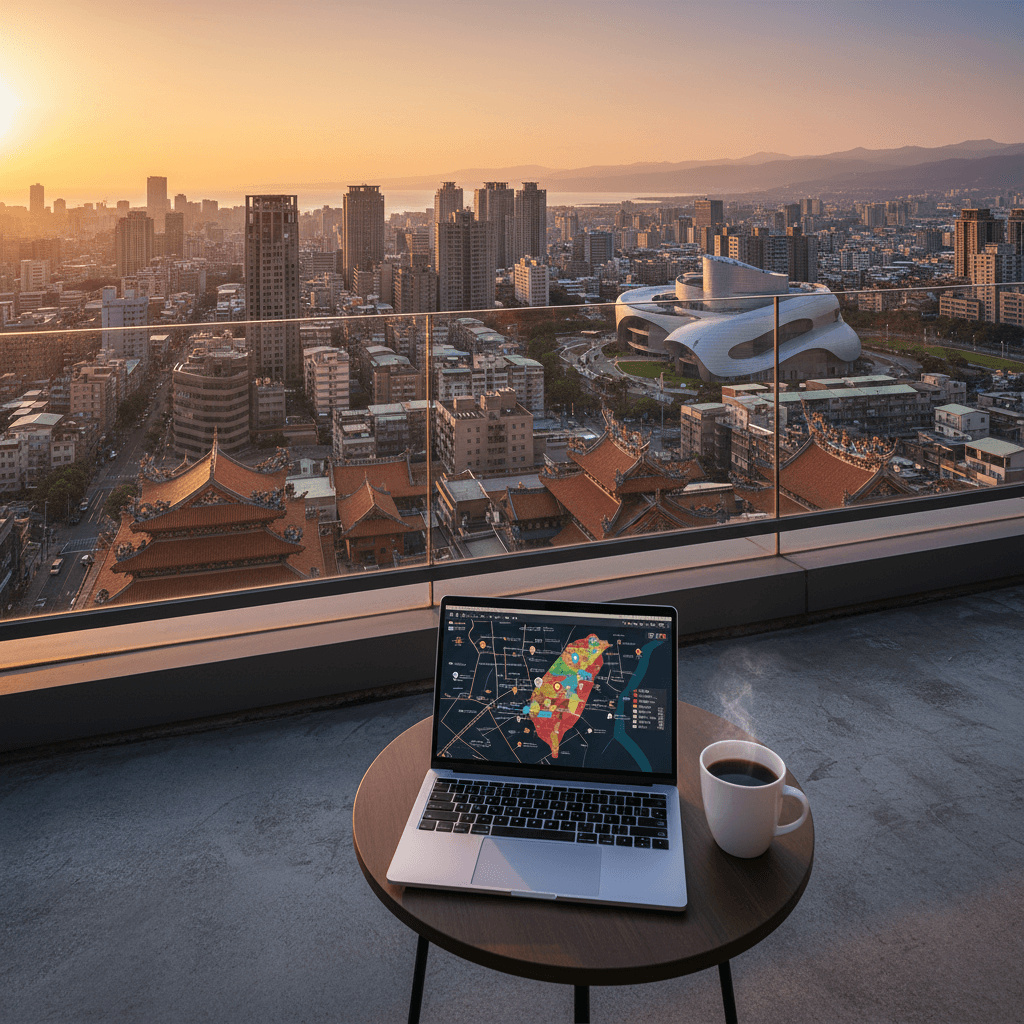
While Taipei gets the international headlines, Taichung is where people go when they want to actually live. It sits right in the middle of Taiwan, acting as a sunny, spacious buffer between the hectic north and the industrial south. For nomads, it strikes a rare balance: it feels like a major city with its speeds typically between 90-165 Mbps and modern skyscrapers, but the pace is noticeably slower. You aren't constantly dodging scooters on every sidewalk, and there is a genuine sense of breathing room that Taipei lacks.
The city's personality is defined by a weirdly perfect mix of high-end aesthetics and gritty street life. You might spend your morning working in a minimalist roastery like Phase Coffee Roasters in Central District, then grab a NT$50 bowl of lu rou fan (braised pork rice) from a plastic stool at the Taichung Morning Market for lunch. It is a place that values the "slow life" without being boring. Most expats find that the city’s safety is almost startling; you can leave your laptop on a table to use the restroom without a second thought.
The Daily Vibe
Life here revolves around the outdoors and the appetite. The city is famous for being the birthplace of bubble tea, and that cafe culture has evolved into a serious obsession with design. You'll see nomads and locals alike treating coffee shops like second living rooms. Because the city is more bike-friendly than its neighbors, the YouBike system becomes your best friend. For NT$10 per half hour, you can zip between the greenery of the West District and the neon lights of the night markets.
The weather is generally more favorable than Taipei’s constant drizzle, though you’ll still deal with high humidity and the occasional typhoon between July and September. The best times to be here are March through May or September through November, when the air is mild and you can actually walk to your coworking space without needing a second shower by the time you arrive.
Living Costs & Neighborhoods
Taichung is significantly more affordable than the capital. A typical nomad budget ranges from $900 to $1,800 USD per month, depending on how much you prioritize luxury. Your money simply goes further here, especially when it comes to square footage.
- Xitun District: This is the modern face of the city. It is home to the high-end malls and the famous Fengjia Night Market. Expect to pay NT$15,000 to NT$25,000 for a nice one-bedroom apartment. It is busy and polished, making it the top choice for those who want everything within walking distance.
- West District: This is the soul of Taichung. It is packed with creative parks, independent bookstores, and the best street food. It is slightly more affordable, with studios starting around NT$12,000, and it feels much more "local" and artistic.
- Beitun: A quieter, residential area favored by families and long-term expats. It is further from the action but offers more green space and peace for around NT$18,000 for a larger flat.
Practical Realities
While the infrastructure is top-tier, there are a few hurdles. English proficiency isn't as high as it is in Taipei, so you will want Google Translate and the LINE app ready. LINE isn't just for chatting; it is how you book taxis and pay for things. You will also need an EasyCard, which you can grab and top up at any 7-Eleven, to handle the buses and the MRT.
The social scene is welcoming but requires a bit of effort. There aren't massive nomad "hubs" yet, so most people connect through Facebook expat groups or by frequenting the same three or four specialty coffee shops. It is a city that rewards the curious; the more you explore the back alleys and the smaller markets, the more Taichung starts to feel like home.
The Price of Living Well
Taichung hits a sweet spot for nomads who find Taipei a bit too taxing on the wallet. You can expect to live comfortably here for anywhere between $1,200 and $1,800 USD per month. It is a city where your money stretches significantly further, especially when it comes to housing and the legendary local food scene.
Most expats find that their biggest savings come from rent. While Taipei prices can feel like a punch to the gut, Taichung offers modern studios and one bedroom apartments in desirable areas for a fraction of the cost. You can easily find a high quality lifestyle without the capital city premium.
Monthly Budget Tiers
Your lifestyle determines your burn rate, but here is how the numbers typically break down for a single person:
- The Budget Nomad ($900 to $1,200): This covers a modest studio in the outskirts like Xitun for about $300 to $450. You will be eating primarily at night markets and local stalls where a bowl of lu rou fan (braised pork rice) costs around $1.50. You will mostly rely on the bus system and YouBikes.
- The Mid-Range Professional ($1,200 to $1,800): This is the most common tier. You can snag a nice one bedroom in central Taichung or Beitun for $450 to $750. This budget includes regular cafe work sessions, a coworking membership at around $90, and frequent meals at mid-range spots like Phase Coffee Roasters.
- The Comfortable Expat ($1,800+): If you want an upscale high rise in the Xitun District, expect to pay $750 or more. This allows for frequent Uber rides, high end dining at places like Fourth Credit Union, and weekend trips to Sun Moon Lake or Taipei via the High Speed Rail.
Housing and Neighborhoods
Where you plant your flag changes your overhead. Most nomads gravitate toward these specific pockets:
Xitun District
- Rent: $450 to $750 for a modern 1BR
- Vibe: The modern heart of the city, close to coworking spaces and major night markets. It is the most convenient but also the priciest.
Central Taichung
- Rent: $350 to $400 for a vintage studio
- Vibe: Historic, gritty, and full of character. It is perfect if you want to be steps away from the Taichung Morning Market and old school bookstores.
West District
- Rent: $300 to $500
- Vibe: The creative hub. It is famous for its cafe culture and cheap street eats, though apartments here tend to be older and a bit noisier.
Daily Expenses and Connectivity
Local transport is incredibly cheap if you use an EasyCard. You can grab one at any 7-Eleven for about $3 and top it up as you go. Most nomads spend less than $30 a month on public transit. If you prefer wheels, renting a Gogoro electric scooter usually runs about $15 per day.
Internet is rarely an issue. Most apartments come with high speed fiber, but if you are out and about, a local SIM from Chunghwa Telecom costs roughly $15 for 30 days of data. Alternatively, many travelers use the Airalo app for an eSIM before they even land. If you are working from cafes, a coffee usually sets you back about $3 to $5, and most owners are perfectly happy to let you park with a laptop for a few hours.
Food is where Taichung shines. You can eat like a king on a pauper's budget at the markets for $5 to $10 a day. If you prefer sit down restaurants, a solid meal usually lands between $6 and $12. Tipping is not part of the culture here, so the price you see on the menu is exactly what you pay.
For Nomads: Xitun District
If you're looking for the pulse of the city's modern growth, Xitun is where you'll likely land. It's the primary hub for remote workers who want to be within walking distance of sleek cafes and the famous Fengjia Night Market. The area feels polished and international, making it easy to find your footing if you're new to Taiwan.
- Typical Rent: Expect to pay between NT$15,000 and NT$25,000 for a modern one bedroom apartment.
- Work and Coffee: Most nomads congregate in the cafes here. While dedicated coworking spaces are still emerging, spots like Starbucks or local independent roasters are welcoming to laptop users for the price of a NT$100 coffee.
- The Vibe: It's high energy and convenient. You'll have easy access to the LINE taxi app services and plenty of YouBike stations for quick trips. The trade off is heavier traffic and slightly higher prices than the rest of the city.
For Solo Travelers: West District
The West District is the soul of Taichung's creative scene. It's less about high rises and more about character, filled with renovated old buildings and narrow alleys. Solo travelers thrive here because the neighborhood is incredibly walkable and packed with social spots where it's easy to meet locals and other travelers.
- The Food Scene: This is the home of some of the city's best pork chop stands. You can grab a filling meal for under NT$100 and spend your afternoons gallery hopping.
- Daily Life: It's a bit noisier at night due to the concentration of bars and late night eateries, but the trade off is a neighborhood that feels lived in and authentic.
- Budgeting: Studios can be found for around NT$12,000 if you're willing to live in an older building with a bit more "character."
For Expats: Central District
For those who want to be in the middle of everything without the Xitun price tag, the Central District is undergoing a fascinating revival. Expats often choose this area for its proximity to the main transportation hubs and the vintage charm of its historic bookstores and markets. It's a mix of the old Taichung and new, trendy businesses moving into heritage spaces.
- Local Flavor: You're right next to the Taichung Morning Market and Phase Coffee Roasters. Whether you want a bowl of lu rou fan (braised pork rice) for NT$50 or a specialty brew, it's the perfect spot for soaking up the local pace of life.
- Accessibility: Living here means you're steps away from the train station, making weekend trips to Taipei or Kaohsiung via the High Speed Rail incredibly simple.
- Considerations: It gets very crowded on weekends with tourists visiting spots like the Fourth Credit Union for ice cream. Green space is also more limited here compared to the outskirts.
For Families: Beitun District
If you're moving with kids or just prefer a quiet night's sleep, Beitun is the residential favorite. It's located further north and offers a much slower pace than the city center. You'll find wider streets, more parks, and a community that feels established and safe.
- Family Living: A spacious one bedroom or small two bedroom apartment typically goes for around NT$18,000. You get significantly more square footage for your money here.
- The Atmosphere: It's peaceful and green, but you'll find less English spoken in the local shops compared to Xitun. It's a great place to practice your Mandarin phrases like "Xie xie" or "Ni hao."
- Commuting: You'll likely want to use an EasyCard for the bus system or the MRT to get into the central districts for nightlife, as Beitun is purely focused on quiet residential life.
Connectivity and Speeds
Taichung is a powerhouse for remote work, largely because the infrastructure is rock solid. You can expect average speeds of 90-165 Mbps depending on provider and connection type across the city. Fiber is the standard in most modern apartments in Xitun and West District, so video calls and heavy uploads rarely glitch. Unlike some neighboring countries, there is no internet firewall here; everything is open and accessible.
For those times you are between meetings, the government provides free iTaiwan hotspots in public libraries, train stations, and government buildings. While these are great for a quick email, they aren't meant for heavy lifting. Most nomads rely on their own data or the excellent WiFi found in nearly every independent cafe.
Coworking Spaces and Laptop Culture
The coworking scene in Taichung is more intimate than the massive hubs in Taipei. Dedicated spaces usually cost between NT$3,000 and NT$5,000 ($90 to $150 USD) for a monthly hot desk. Many expats prefer the flexibility of the city's "cafe office" culture. It is perfectly acceptable to post up in a cafe for several hours, provided you buy a drink or a snack.
- Phase Coffee Roasters: A favorite in the West District. It has a minimalist vibe, reliable WiFi, and coffee starts around NT$100. It gets busy, so arriving early is a smart move.
- Starbucks: While it lacks local character, the branches in Xitun are massive, air conditioned, and dependable for long sessions.
- Fourth Credit Union: For a more upscale environment, this converted bank offers plenty of seating and a unique historic atmosphere, though it is better for light admin work than deep focus.
A local etiquette tip: if you need to step away for a moment, it is common practice to "reserve" your spot by leaving your laptop or bag on the table. Taiwan is incredibly safe, and people generally don't worry about theft in these environments.
Mobile Data and SIM Cards
Do not rely on your home roaming plan; it will be slow and expensive. You have three main paths for staying connected on the move:
- Airalo: This is the easiest "set and forget" option. You can download the eSIM before you land and have data the second the plane touches the tarmac. It is perfect for short stays or until you get a local number.
- Local SIMs: Visit a 7-Eleven or a Chunghwa Telecom storefront. You can grab a prepaid card with 10GB to 30GB of data for NT$300 to NT$500. You will need your passport for registration.
- Pocket WiFi: If you are traveling in a group or have multiple devices, you can rent these at the airport, though most solo nomads find a local SIM more convenient.
Digital Tools for Taichung
Living here effectively requires a few specific apps. LINE is the undisputed king of communication. You will use it for everything from chatting with landlords to paying for coffee via LINE Pay. It is also how you hail taxis if you aren't using Uber.
For navigation, Google Maps is accurate for bus timings and walking routes. If you plan to use the YouBike system, which costs only NT$10 for 30 minutes, download the official app to see station locations and bike availability in real time. For food, Foodpanda and Uber Eats dominate the city, making it easy to stay fueled during a long coding session without leaving your desk.
Personal Safety and Street Smarts
Taichung is remarkably safe, even by high international standards. You won't find the aggressive pickpocketing or tourist scams common in European capitals. Most nomads feel comfortable walking home alone at 2:00 AM or leaving their laptop on a table at Phase Coffee Roasters while they grab a refill. It is a city where the biggest safety concern is often a loose paving stone or a rogue scooter on a sidewalk rather than violent crime.
While there are no "no-go" zones, keep your wits about you in the crowded night markets like Fengjia or Yizhong Street. These areas get packed, and while theft is rare, it is always smart to keep your bag zipped. If you do run into trouble, the police are generally helpful and professional. You can reach them by dialing 110 from any phone.
The real safety hazards in Taichung are environmental. During the rainy season from May to October, typhoons can occasionally shut down the city. Always follow local weather advisories on these days and stay indoors. Traffic is also a factor; pedestrian right-of-way is a relatively new concept here, so always look twice before crossing, even when you have a green light.
Healthcare Quality and Access
Taiwan's healthcare system is world-class and surprisingly affordable. Taichung is home to top-tier facilities like Taichung Veterans General Hospital, where many doctors speak excellent English and have trained abroad. If you need a specialist or an emergency room, this is your best bet for high-quality care with minimal language barriers.
For minor issues like a cold or a skin rash, you don't need a hospital. Small clinics are tucked into almost every neighborhood. You can usually walk in without an appointment, pay a small fee, and see a doctor within 30 minutes. Pharmacies like Cosmed or Watson's are everywhere for over-the-counter needs, though you'll find local independent pharmacies often have a pharmacist on-site who can give basic medical advice.
- Emergency Medical Services: Dial 119 for an ambulance.
- Police: Dial 110 for non-medical emergencies.
- Pharmacy Chains: Look for Cosmed or Watson's for toiletries and basic meds.
Insurance for Expats and Nomads
If you are in Taichung on a Gold Card and are employed or self-employed, you can enroll in the National Health Insurance (NHI) program immediately. This is widely considered one of the best insurance schemes in the world. Once you have your NHI card, a standard doctor's visit might only cost you around NT$150 to NT$200 ($5 to $7 USD), including medication.
Short-term nomads and those on tourist visas won't have access to NHI. In this case, you should carry private travel insurance. Even without insurance, out-of-pocket costs for a basic consultation are rarely more than NT$1,000 to NT$2,000 ($30 to $60 USD). Most hospitals accept credit cards, but smaller neighborhood clinics are strictly cash-only, so keep some NT$500 or NT$1,000 bills handy.
Health and Wellness Tips
The air quality in Taichung can fluctuate, especially in the winter months when smog settles into the central basin. If you have asthma or sensitive lungs, check the AQI (Air Quality Index) apps before heading out for a long run. On high pollution days, you will notice many locals wearing masks, which is a practical habit to adopt.
Tap water is generally not recommended for drinking directly. Most apartments come with a filtration system, or you can find water dispensers in coworking spaces and convenience stores. If you are ever unsure, a 2-liter bottle of water at 7-Eleven costs about NT$35 ($1 USD).
Taichung is a city that rewards those who lean into its local rhythms. Unlike Taipei’s dense subway network, Taichung’s layout is more spread out, making your choice of transit a defining part of your daily routine. Most nomads find that a mix of the new MRT line, an incredibly efficient bus system, and the ubiquitous orange bikes is the best way to conquer the city without breaking the bank.
The EasyCard Lifestyle
Your first order of business is picking up an EasyCard. You can grab one at any 7-Eleven or FamilyMart for NT$100. This plastic lifesaver works for almost everything: buses, the MRT, YouBikes, and even your morning coffee at convenience stores. You’ll want to keep it topped up in NT$100 increments to avoid any awkward moments at the turnstile.
Public Transit: Buses and the MRT
The city recently debuted its first MRT line, which is sleek, fast, and costs between NT$20 and NT$60 per trip. While it’s great for getting between the High Speed Rail station and the city center, it doesn’t cover every corner yet. For everything else, the bus system is your workhorse.
- The 10km Rule: Taichung used to offer free bus rides for the first 10 kilometers. While policies shift, the fares remain incredibly low, usually around NT$15 to NT$30.
- Bus Strategy: Use Google Maps to track arrivals in real time. Drivers can be aggressive, so plant your feet and hold on once the doors close.
- Signaling: Always wave your hand to flag down an approaching bus, or it might sail right past your stop.
Two-Wheeled Freedom: YouBike and Scooters
If you’re staying in the West District or near Xitun, YouBikes are often faster than sitting in traffic. You’ll see docking stations every few blocks. It costs about NT$10 per 30 minutes, and the first 30 minutes are often discounted or free if you’ve registered your EasyCard via the YouBike app.
For those looking for more horsepower, Gogoro rentals are the local favorite. These electric scooters are silent and punchy. You can rent them through various apps for around NT$500 per day, though you’ll need an International Driving Permit (IDP) with a motorcycle endorsement to stay legal.
Ride-Hailing and Taxis
When it’s raining or you’re heading home after a late night at a West District bar, Uber is reliable and widely used. However, the LINE app is the real MVP here. By using LINE Taxi, you can summon a cab and pay directly through the app’s interface. A typical cross-town trip usually lands between NT$150 and NT$300.
Getting to and from the City
If you're arriving at Taichung International Airport (RMQ), a taxi into the city center takes about 30 minutes and costs NT$500 to NT$800. If you're on a budget, the bus into town is only NT$100 but takes significantly longer.
For weekend escapes, the High Speed Rail (HSR) is a marvel. You can reach Taipei in under an hour for about NT$700, or take the slower, more affordable local TRA train for a fraction of the price. If you’re heading to Sun Moon Lake, the tourist shuttle buses leave regularly from the Gancheng Station and cost roughly NT$200.
Pedestrian Reality Check
While central areas like the West District are walkable, Taichung isn't always pedestrian-friendly in the traditional sense. Sidewalks can be uneven or blocked by parked scooters, forcing you into the street. Most expats recommend wearing comfortable shoes and staying alert. Drivers don't always yield to pedestrians, so wait for a clear gap before stepping off the curb.
The Language Divide
Mandarin Chinese is the heartbeat of Taichung. While you'll find English signage in the MRT stations and major department stores, the city feels significantly more "local" than Taipei. In neighborhoods like Beitun or the traditional markets, English proficiency is quite low. Most nomads find that while people are incredibly patient and helpful, you shouldn't expect the average shopkeeper or bus driver to be fluent.
You'll also hear plenty of Taiwanese Hokkien, especially among the older generation at spots like the Taichung Morning Market. You don't need to learn Hokkien to get by, but picking up a few Mandarin basics goes a long way. Locals genuinely appreciate the effort, and a simple "Ni hao" (hello) or "Xie xie" (thank you) instantly thaws any initial social awkwardness.
Essential Digital Tools
Technology bridges the gap where vocabulary fails. Most expats consider these three apps non-negotiable for daily life in Taichung:
- Google Translate: The camera feature is a lifesaver for reading menus at street food stalls or instructions on utility bills. Since there's no internet firewall in Taiwan, it works flawlessly.
- LINE: This isn't just a chat app; it's the city's primary communication infrastructure. You'll use it to book hair appointments, talk to your landlord, and even pay for coffee via LINE Pay.
- Uber Eats or Foodpanda: These apps are great for more than just food; they provide a translated interface for ordering groceries and household items when you aren't ready to tackle the local supermarket aisles.
Communication in the Workspace
If you're working from laptop-friendly cafes like Phase Coffee Roasters in Central District or Fourth Credit Union, you'll find the staff usually speaks enough English to handle your order. The "nomad etiquette" here is often non-verbal. For instance, it's common practice to reserve your seat by leaving a jacket or even your laptop while you go to the counter, a testament to the city's high safety levels.
For more complex needs, like visiting Taichung Veterans General Hospital, you'll find that medical staff and specialists generally speak excellent English. However, for administrative tasks like setting up a local SIM card at a Chunghwa Telecom shop, having a translation app ready is a smart move.
Key Phrases for Your Pocket
While you can survive on gestures and smiles, memorizing these few phrases will make your life in Xitun or the West District much smoother:
- "Duoshao qian?": How much? (Useful at night markets where prices aren't always posted).
- "Zhege": This one. (Perfect for pointing at delicious looking items in a glass display).
- "Wo yao...": I want...
- "Bu yao la": No spicy. (Crucial if you aren't a fan of heat, as Taichung street food can pack a punch).
- "Tai bang le": Awesome. (Great for complimenting a chef or a helpful local).
Social Integration
Connecting with the community often happens through Facebook groups or local meetups. Because the expat scene is smaller than Taipei's, it's tight-knit and welcoming. Most communication within these groups happens in English, making them a great resource for finding apartment leads or EasyCard tips. If you're staying long-term, consider a few classes at a local language center; it's the fastest way to turn a "tourist" experience into a "local" one.
The Sweet Spot of Taiwan Weather
Taichung is often called the most liveable city in Taiwan for a reason. While Taipei gets soaked by constant drizzle and Kaohsiung bakes in the tropical heat, Taichung sits in a geographical sweet spot. Protected by the Central Mountain Range, it avoids the worst of the northern rains and the southern humidity. Most nomads find the climate here much more manageable for long term stays than other parts of the island.
The best time to plan your arrival is during the autumn (September to November) or spring (March to May). During these months, temperatures hover between a comfortable 20°C and 28°C (68°F to 82°F). You can comfortably work from an outdoor table at Phase Coffee Roasters or bike through the West District without needing a second shower by noon. The air is crisp, the skies are generally clear, and the rainfall is at its lowest.
Seasonal Breakdown
- Winter (December to February): Expect mild days around 18°C (64°F). It rarely gets "cold" by international standards, but the humidity can make the air feel nippier than the thermometer suggests. You won't see snow, but you'll want a light jacket for evening strolls through the night markets.
- Spring (March to May): This is prime time for travelers. The weather is warming up but hasn't hit the oppressive humidity of summer yet. It is the perfect window for day trips to Sun Moon Lake before the crowds and heat peak.
- Summer (June to August): This is the toughest season for digital nomads. Temperatures regularly hit 32°C (90°F) with high humidity. You will find yourself hopping from one air conditioned cafe to another. This is also the start of the typhoon season, which can occasionally disrupt travel plans.
- Autumn (September to November): Many expats consider this the goldilocks zone. The summer heat breaks, the typhoon risk fades, and the city becomes incredibly walkable again.
Dealing with the Rainy Season
Rain is a reality in Taiwan, but Taichung handles it better than its neighbors. The wettest months are typically May through September. During this window, you will experience the "Plum Rain" season, followed by the occasional typhoon. While typhoons sound intimidating, the city is highly prepared. Most nomads just use these days to catch up on deep work indoors.
Local life doesn't stop for a bit of water. You will see locals expertly navigating scooters with specialized ponchos. If you are out and about, the LINE app is your best friend for calling an Uber or taxi to stay dry. Most cafes and coworking spaces are used to people hunkering down for the afternoon when a storm rolls through.
What to Pack
Pack for layers. Even in the heat of July, the air conditioning in malls, trains, and offices is often set to "arctic." A light hoodie or cardigan is a nomad staple here. If you are visiting in the summer, moisture wicking fabrics are a lifesaver. For the winter months, a windbreaker or a light down jacket is usually enough to get you through the coolest nights.
Keep a sturdy umbrella or a quality raincoat in your bag if you are visiting between June and August. If you get caught off guard, you can always duck into a 7-Eleven or FamilyMart to grab a cheap umbrella for about NT$100 to NT$200. Most long term residents eventually invest in a pair of waterproof shoes to navigate the occasional puddles in the older parts of Taichung Central.
Connectivity and Workspace
You'll find reliable internet here, with average speeds of 90-170 Mbps depending on provider. Most nomads skip the hunt for traditional offices and head straight to the city's cafe scene. Places like Phase Coffee Roasters are local favorites because they don't mind you staying for hours with a laptop, provided you buy a NT$100 coffee. If you need a dedicated desk, national coworking brands offer monthly memberships starting around NT$3,000 ($90 USD).
For mobile data, don't wait until you're in the city center. Grab an eSIM through the Airalo app before you land, or pick up a physical Chunghwa Telecom SIM at the airport or any 7-Eleven for about NT$500 for a 30 day unlimited plan. Public iTaiwan hotspots are also scattered throughout parks and government buildings if you're in a pinch.
Money and Monthly Costs
Taichung is significantly more affordable than Taipei, making it a sweet spot for those staying long term. A comfortable lifestyle usually runs between $1,200 and $1,800 USD per month. Cash is still king at night markets, but for everything else, you'll want to set up LINE Pay or use an EasyCard. Use Wise for international transfers to keep fees low.
- Budget ($900 to $1,200): Focus on studios in Xitun for NT$10,000 and stick to NT$50 lu rou fan bowls at the Taichung Morning Market.
- Mid-range ($1,200 to $1,800): A nice 1BR in Beitun for NT$20,000, frequent cafe meals at NT$300, and regular Uber trips.
- Comfortable ($1,800+): Upscale living in Xitun for NT$25,000+, dining at spots like Fourth Credit Union, and weekend trips via the High Speed Rail.
Getting Around the City
The first thing you should do is buy an EasyCard for NT$100 at any convenience store. This card works for the MRT, the extensive bus network, and YouBike rentals. The YouBike system is incredibly convenient; it costs just NT$10 for 30 minutes and there are docking stations everywhere. For longer distances, the LINE app is mandatory for calling taxis, though Uber works well in the central districts.
If you're brave enough to tackle the traffic on two wheels, Gogoro electric scooter rentals cost about NT$500 a day. To leave the city, the High Speed Rail gets you to Taipei in under an hour for NT$150, while buses to Sun Moon Lake cost around NT$200.
Health and Safety
Taiwan is famously safe, and Taichung is no exception. You can walk home alone at 2:00 AM without a second thought. If you do run into trouble, dial 110 for police or 119 for medical emergencies. The healthcare system is world class; many doctors at Taichung Veterans General Hospital speak excellent English. For minor issues, look for Cosmed or Watson's pharmacies on almost every corner.
Language and Local Customs
While Mandarin is the main language, English is common in nomad friendly cafes and hotels. In local markets, a few phrases go a long way. Use Ni hao for hello and Xie xie for thank you. Download Google Translate for reading menus and use LINE for all your local communication, as almost no one uses WhatsApp or SMS here.
- Shoes: Always remove them before entering a home or certain traditional businesses.
- Tipping: It is not expected and sometimes even refused.
- Queuing: People here take lines seriously; always wait your turn at bus stops and food stalls.
Weather Windows
The best time to visit is March to May or September to November. During these months, temperatures hover between 20 and 28°C with low humidity. Avoid July and August if you can; the combination of 32°C heat and typhoon season can make outdoor exploration a literal wash out.
Need visa and immigration info for Taiwan?
🇹🇼 View Taiwan Country GuideEasy Landing
Settle in, no stress
Monthly Budget Estimates
More cities in Taiwan
Zhubei
🇹🇼 Taiwan
Hualien City
🇹🇼 Taiwan
Yilan City
🇹🇼 Taiwan