Taghazout
🇲🇦 Morocco
The Salt-Air Sanctuary
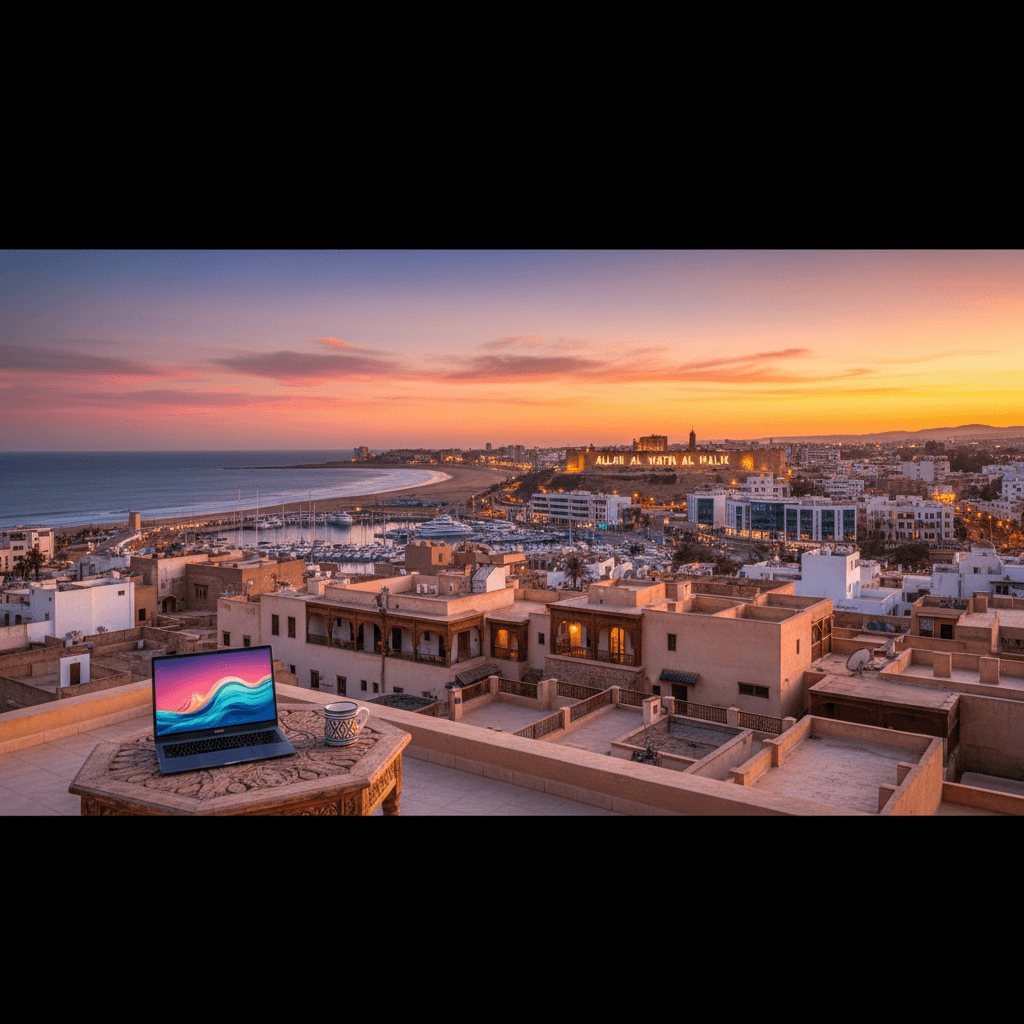
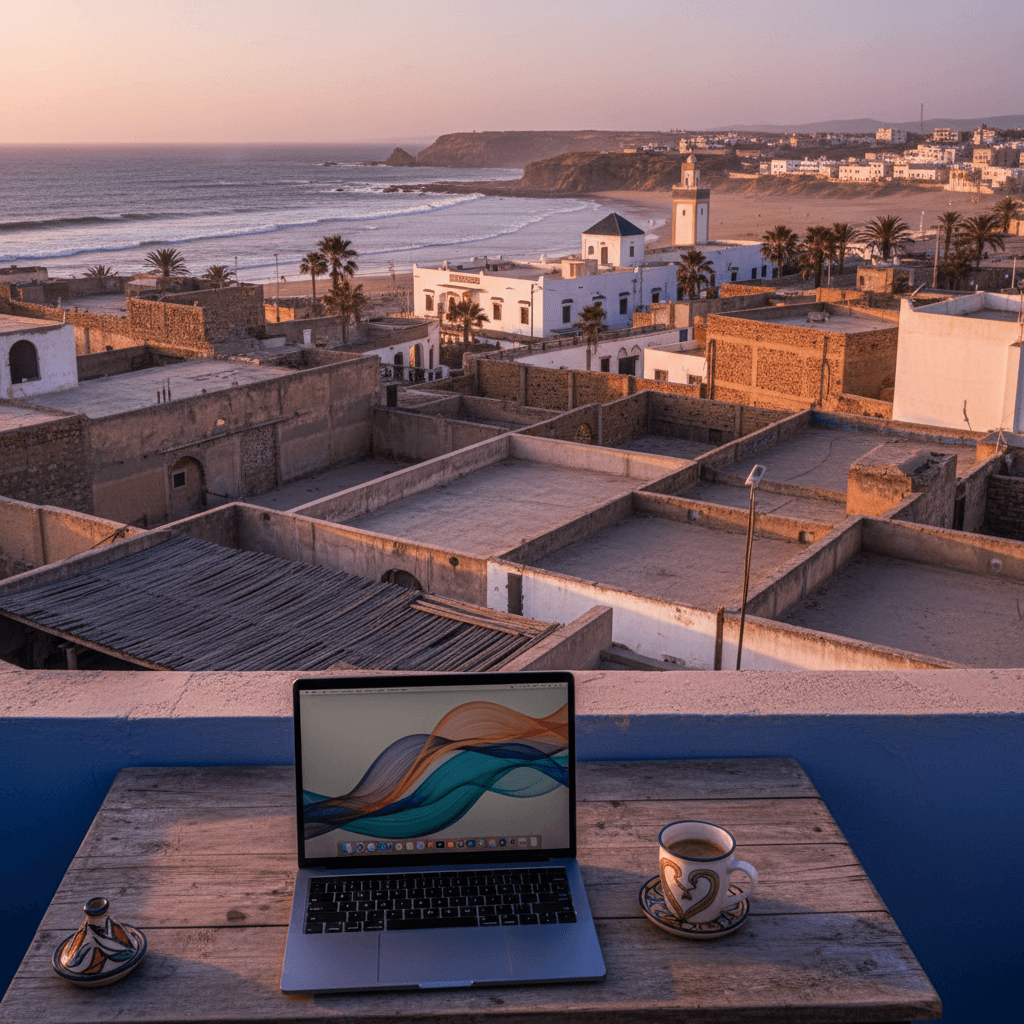
Taghazout is a rare breed of nomad destination where the morning alarm is usually the sound of the Atlantic hitting the shore. This former fishing village north of Agadir has shed its skin as a sleepy outpost, evolving into a premier hub for remote workers who prefer wetsuits to blazers. It is small, walkable, and unapologetically laid-back, blending traditional Moroccan hospitality with a modern, laptop-friendly infrastructure. You are just as likely to see a local fisherman hauling in the day's catch as you are a software engineer joining a stand-up call from a rooftop terrace.
The vibe here is defined by "productivity with a view." Most nomads find that the 2 to 6 week window is the sweet spot for a stay. It is long enough to find your rhythm between the tides but short enough that the occasional power outage or the hunt for a working ATM feels like a charming quirk rather than a logistical headache. While the winter surf season brings more crowds and higher energy, the shoulder months of March to May and September to November offer the best balance of warm weather and quiet corners.
Cost of Living and Budgeting
While Morocco remains affordable compared to Southern Europe, Taghazout’s popularity has pushed prices up, especially for housing with reliable connectivity. Most travelers find that cash is still king here; while cards are gaining ground in coworking spaces, you will need dirhams for almost everything else.
- Budget Tier (€800 to €1,200/month): Staying in basic studios, eating €3 to €5 street food like tagines or harira soup, and using shared taxis.
- Mid-Range Tier (€1,500 to €2,000/month): A 1-bedroom apartment with decent WiFi, mixing home cooking with dinners at spots like Dar Josefine where a meal runs €12 to €18.
- Comfort Tier (€2,500+/month): Living in high-end co-living spaces like SunDesk, frequenting upscale seafood spots, and taking private airport transfers.
Where to Plant Your Flag
The region is split into three main pockets, each catering to a different flavor of nomad life. Your choice depends on whether you want to be in the heart of the action or tucked away in a quieter village.
Taghazout Central
- The Vibe: The epicenter of the nomad scene. It is dense, social, and packed with cafes.
- Rent: €600 to €1,000 for mid-range apartments.
- Pros: Home to SunDesk, the village's most famous coworking hub. Everything is walkable.
- Cons: Can feel cramped and noisy during the peak winter surf season.
Tamraght
- The Vibe: A quieter, more authentic alternative just down the road. It feels more like a local neighborhood than a tourist hub.
- Rent: €400 to €700 for a decent flat.
- Pros: Better value for money and a more relaxed, "slow living" atmosphere.
- Cons: Fewer dedicated workspaces; you will likely rely on a Maroc Telecom SIM hotspot for heavy lifting.
Imi Ouaddar
- The Vibe: A growing area about 10 minutes north, popular with families and those seeking more space.
- Pros: Incredible food scene, specifically Happy Calamar, which serves legendary fish fritures for €10 to €20.
- Cons: You will need a car or frequent taxi rides to reach the main nomad community in Taghazout.
Connectivity and Work Culture
Internet in Taghazout has made massive leaps recently. While many apartments still hover around 15 to 35 Mbps, fiber optic is rolling out across the village. For guaranteed stability, most nomads head to SunDesk. They offer weekly packages between €100 and €150, but you need to book weeks in advance during peak months. If you prefer cafes, the seaside spots offer views that make spreadsheets much more tolerable. Always pick up a local Maroc Telecom SIM card for about €10 as a backup for the occasional village-wide outage.
The Social Landscape
Socializing here happens naturally. You will meet people during community dinners at coworking spaces, during sunset yoga sessions, or while waiting for a wave at Anchor Point. English is widely spoken in the nomad bubbles, though learning a few Darija phrases like "Shukran" (thank you) or the greeting "Salaam Alaikum" goes a long way with the locals. It is a safe environment, though expats recommend respecting local customs by dressing modestly once you leave the beach sand. Avoid isolated spots at night, keep some cash on hand, and you will find Taghazout to be one of the most welcoming corners of North Africa.
The Nomad Budget
Living in Taghazout is remarkably affordable compared to European surf hubs, but the local economy still runs heavily on cash. You'll find that your Dirhams go a long way if you're eating like a local, though costs creep up quickly if you're eyeing high-end co-living spaces or westernized brunch spots.
Most nomads find they can live comfortably on one of three tiers:
- Budget: €800 to €1,200 per month. This covers a basic apartment in Tamraght or central Taghazout, plenty of street food tagines, and shared taxi rides.
- Mid-range: €1,500 to €2,000 per month. This is the sweet spot for most. It includes a private one-bedroom apartment with decent WiFi, regular dinners at spots like Dar Josefine, and a dedicated desk at a coworking space.
- Comfortable: €2,500+ per month. At this level, you're looking at premium co-living setups, frequent surf lessons, and upscale seafood dinners in Imi Ouaddar.
Housing and Rent
Rent is your biggest variable. Prices fluctuate based on your proximity to the waves and whether the building has fiber internet. Central Taghazout is the most expensive area because everything is walkable, while Tamraght offers more space for your money.
- Basic Studios: €300 to €600. These are often traditional Moroccan apartments. They're charming but might lack consistent hot water or high-speed routers.
- Mid-range Apartments: €600 to €1,000. You'll usually get better furniture, a balcony with a sea view, and more reliable utilities.
- Co-living Spaces: €1,000+. Places like SunDesk are popular because they bundle housing, high-speed internet, and a built-in community. They book up months in advance during the peak winter surf season.
Food and Dining
Eating out is a highlight of the Moroccan experience. If you stick to the village "holes-in-the-wall," a filling meal of harira soup or a small tagine will only set you back €3 to €5. It's the easiest way to keep your daily spend low.
For a proper sit-down dinner at a mid-range restaurant, expect to pay between €10 and €18. Expats often head to Happy Calamar in Imi Ouaddar for legendary fried fish platters, which usually fall in this price range. If you're craving upscale fusion or fresh seafood with a view, budgets of €20 or more are common for a single meal.
Transport and Utilities
Getting around is cheap if you're willing to hop into a "grand taxi." These shared vehicles are the lifeblood of the coast. A trip between Taghazout and Agadir typically costs under €5. If you prefer more independence, scooter rentals from local surf shops run about €10 to €20 per day.
Coworking is a specific expense to plan for. SunDesk offers weekly packages between €100 and €150, which many find worth the price for the guaranteed 35 Mbps speeds and community dinners. For your phone, a Maroc Telecom SIM card with 10GB of data costs roughly €10. Travelers often recommend keeping a loaded SIM as a backup hotspot for those occasional village-wide power blips.
Practical Money Tips
The village is still very much a cash-first society. While some coworking spaces and larger hotels accept cards, you'll need physical Dirhams for almost everything else. There are ATMs in the village, but they occasionally run dry on weekends, so it's smart to carry a backup from Agadir. Apps like Wise or Revolut work well for withdrawals, but always keep enough cash on hand for your rent and daily market runs.
The Digital Nomad Hub: Central Taghazout
If you want to be in the thick of the action, Central Taghazout is where the community gathers. It is the most developed part of the coast, packed with seaside cafés, surf shops, and the village square where locals and travelers mingle. This is the best spot for nomads who prioritize networking and reliable infrastructure. You will find the highest density of fiber optic internet here, making it easier to handle Zoom calls without the stress of a drop out.
Most nomads gravitate toward SunDesk, a legendary coworking and coliving space known for its community dinners and productive atmosphere. Living here means you can walk everywhere, from your morning surf session to your favorite tagine spot. The downside is the winter crowd; between December and February, the village gets packed with surfers chasing the best swells, and prices for short term rentals tend to spike.
- Rent: Expect to pay €600 to €1,000 for a mid range apartment with decent WiFi, or €100 to €150 per week for a desk and community package at a coworking space.
- Vibe: High energy, social, and surf centric.
- Best for: Remote workers who need a solid community and the fastest available internet.
The Solo Traveler’s Retreat: Tamraght
Just a few kilometers down the road, Tamraght offers a quieter, more authentic alternative to the Taghazout core. It feels more like a traditional Moroccan village and less like a tourist hub. Solo travelers often prefer it here because the pace is slower and it is easier to strike up conversations with locals and long term expats in the smaller cafés.
The housing is generally more affordable than in central Taghazout, but you trade off some convenience. While fiber is arriving, many apartments still rely on 4G hotspots, so keeping a Maroc Telecom SIM card as a backup is a smart move. It is a hilly neighborhood, so be prepared for a bit of a leg workout when walking back from the beach after a sunset session.
- Rent: Budget studios start around €300 to €600, though high end villas are also available.
- Vibe: Laid back, authentic, and slightly rugged.
- Best for: Surfers on a budget and solo travelers looking for a peaceful home base.
The Family and Comfort Zone: Imi Ouaddar
For those traveling with family or anyone who wants a bit more breathing room, Imi Ouaddar is the go to choice. Located about 10 minutes north of Taghazout by car, this area feels more spacious and modern. It lacks the narrow, crowded alleys of the main village, offering better parking and larger apartment layouts that actually have proper kitchens and living rooms.
The food scene here is a major draw. You will find Happy Calamar, a local favorite where a massive seafood friture costs between €10 and €18. While you are further from the main coworking hubs, the peace and quiet make it much easier to focus if you are working from home. You will likely want to rent a car or scooter for about €15 a day to zip back and forth to Taghazout for social events.
- Rent: Comfortable, family sized apartments or modern builds usually run €1,000+ per month.
- Vibe: Quiet, residential, and culinary focused.
- Best for: Families, couples, or anyone who prefers a quiet night over a village party.
The Expat and Long-Termer Choice: Banana Village (Aourir)
Technically called Aourir, this town is famous for its banana plantations and its Wednesday souk. Expats who stay for six months or longer often settle here because it is a "real" town with lower prices and better access to groceries and hardware stores. It is not as pretty as the beach front villages, but it is incredibly practical.
Living in Aourir gives you a front row seat to Moroccan daily life. You are a short shared taxi ride away from the surf, but you pay local prices for everything from produce to haircuts. It is the best place to practice your Darija or French and escape the nomad bubble for a while.
- Rent: Very affordable, with basic apartments often found for €250 to €450.
- Vibe: Practical, local, and unpretentious.
- Best for: Long term expats looking to minimize costs and integrate into the local culture.
The Connectivity Reality
Internet in Taghazout has historically been a bit of a gamble, but the situation shifted significantly in 2024 with the rollout of fiber optics across the village. You can now expect average speeds between 15 and 35 Mbps in most professional spaces. However, don't take "high-speed WiFi" at face value when booking a private apartment. Many local rentals still rely on 4G routers that struggle with the thick stone walls of traditional Moroccan buildings.
Most nomads rely on a dual-setup to stay online. Local SIM cards from Maroc Telecom are the gold standard for reliability. You can pick one up for about €10 with 10GB of data at the airport or small shops in the village. It's smart to keep an eSIM as a backup, but for heavy lifting like Zoom calls or uploading video, you'll want to head to a dedicated workspace.
Power outages do happen, particularly during the winter storm season. They usually don't last long, but they can be a headache if you're on a deadline. If you're planning to stay for a month or more, it's worth checking if your accommodation has a backup power solution or just plan to spend those days at a major coworking hub.
Top Coworking Spots
The coworking scene here is intimate and community-focused. You won't find massive corporate offices; instead, you'll find rooftops with ocean views and communal lunch tables.
- SunDesk: This is the undisputed heart of the nomad community in Taghazout. It's more than just a desk; it's a social ecosystem. SunDesk offers daily packages from €32 including coworking, breakfast, and accommodation; check site for current rates. It fills up months in advance during the peak surf season from December to March, so book early.
- CoworkSurf: Located slightly further out, this spot is perfect if you want to balance deep work with immediate access to the waves. It attracts a slightly more active crowd who prioritize dawn patrols before logging on.
Laptop-Friendly Cafés
If you prefer a change of scenery, Taghazout has several seaside spots where "laptop lingering" is tolerated as long as you keep the mint tea flowing. Most nomads head to the cafés lining the main beach for the view, though the sea breeze can be a literal distraction for your hardware.
- World of Waves: A popular beachfront spot with decent WiFi and plenty of power outlets. It gets busy around lunchtime, so arrive early to snag a corner spot.
- Teapot: Great for a quick hour of emails and a healthy breakfast. The connection is usually stable enough for light tasks.
- Let’s Be Café: Located in nearby Tamraght, this is a favorite for the health-conscious crowd. The WiFi is snappy and the atmosphere is slightly calmer than the central Taghazout spots.
Practical Tech Tips
Cash is still king in the village. While coworking spaces and upscale hotels take cards, most local cafés and grocery stores do not. The village has a limited number of ATMs that frequently run out of cash on weekends. Use Wise or Revolut for better exchange rates, but always keep a few hundred Dirhams in your pocket for emergencies.
For those working on US or Asian time zones, be mindful of the local rhythm. Taghazout wakes up late and stays active well into the evening. If you're taking calls at 10:00 PM, you'll likely have the company of a few other nomads doing the exact same thing on a nearby rooftop.
Taghazout maintains a reputation as one of the safest hubs for remote workers in North Africa. Because the village economy relies heavily on surf tourism and the growing nomad community, locals are generally protective of visitors. You'll find a relaxed, communal atmosphere where people look out for one another, and violent crime is almost non-existent in the village core.
General Safety and Local Customs
Most nomads feel comfortable walking through Taghazout and Tamraght at any hour. However, the village lights are dim after dark, so it is smart to stick to the main paths rather than wandering into isolated beach areas or unlit outskirts late at night. Petty theft can happen, though it's rare; just keep an eye on your tech gear when working in open-air cafés.
The real "safety" trick here is cultural respect. While Taghazout is laid-back, it remains a traditional Moroccan village. Expats recommend dressing modestly once you leave the immediate beach area. Covering your shoulders and knees when walking through the village streets or visiting local shops prevents unwanted attention and shows respect for the community. During Ramadan, avoid eating or drinking publicly during daylight hours out of courtesy to those fasting.
Healthcare and Medical Access
For minor ailments like "Taghazout tummy" or a surf scrape, the village pharmacies are excellent. Moroccan pharmacists are highly trained and can provide many medications over the counter that would require a prescription elsewhere. You'll find several pharmacies along the main road in Taghazout and Tamraght that stay well-stocked with basics.
For more serious medical needs, you will need to head to Agadir, which is a 20 to 30-minute drive south. The city has modern private clinics and hospitals that offer high-quality care for emergencies or specialist consultations. Most nomads use these private facilities for faster service and better equipment.
- Emergency Police: Dial 19
- Ambulance/Fire: Dial 15
- Nearest Major Hospital: Agadir (approx. 20km away)
- Pharmacy Hours: Generally 9:00 AM to 8:00 PM, with rotating "on-call" pharmacies for night service.
Practical Wellbeing
The most common health issue for travelers is dehydration or reactions to tap water. Always stick to bottled or filtered water, even for brushing your teeth if you have a sensitive stomach. If you're staying for a few months, most nomads buy the large 5-liter water jugs from local convenience stores for about €1 to €2.
Sun protection is the other big one. The Atlantic breeze is deceptive; it feels cool, but the UV index is often extreme. Stock up on high-quality sunscreen before you arrive, as imported brands can be pricey in the village shops. If you're surfing, keep an eye on local water quality reports after heavy rains, as runoff can occasionally make the water near the village less than ideal for a day or two.
Emergency Contacts and Apps
While ride-hailing apps are still emerging in the region, having a local SIM card from Maroc Telecom is your best safety tool. It ensures you can call a Grand Taxi or use Google Maps if you get turned around in the winding alleyways. Most expats also join local Facebook groups or WhatsApp communities hosted by coworking spaces like SunDesk, which are invaluable for real-time safety updates or medical recommendations from people who have lived in the village for years.
Navigating the Village on Foot
Taghazout is a classic pedestrian town. Once you're in the village center, your own two feet are the most reliable way to get around. Most of the coworking spots, surf shops, and seaside cafés are tucked away in narrow, winding alleys where cars can't easily go anyway. If you're staying in the core village, you can reach almost anything in a 10 to 15 minute walk. It's the same story in Tamraght, though keep in mind that Tamraght is built on a steeper hill, so your daily walk to the beach will definitely double as a leg workout.
Shared Taxis (Grands Taxis)
The backbone of local transport is the Grand Taxi system. These are usually older Mercedes sedans or larger vans that run set routes between Taghazout, Tamraght, and Agadir. You'll find the main taxi stand near the village entrance. They don't run on a fixed schedule; they leave when they're full.
- Cost: A seat to Agadir usually costs under €5.
- How it works: You'll share the car with locals and other travelers. If you're in a hurry or want more space, you can pay for the remaining empty seats to "privatize" the cab.
- Route: They primarily run along the N1 coastal road, making them perfect for hopping between surf spots like Anchor Point or Killer Point.
Scooters and Bikes
If you want more freedom to explore the coastline or head up to Imi Ouaddar for a seafood lunch at Happy Calamar, renting a set of wheels is the move. Local surf shops are the go-to for rentals. A scooter usually runs between €10 and €20 per day, depending on how long you keep it. While the coastal road is paved and easy to ride, watch out for occasional sand drifts on the asphalt and the somewhat aggressive driving style of local bus drivers. For those staying in Tamraght, a bike is a great way to bridge the gap to Taghazout's coworking scene without relying on taxis.
Ride-Hailing and Apps
Don't expect to open Uber or Lyft here; they don't have a presence in the region. There are a few local ride-hailing startups trying to gain traction, but they're inconsistent at best. Most nomads stick to the local "Petit Taxis" (small orange cars) when they are actually inside Agadir city limits, or stick to the shared Grand Taxis for the commute back to the village. For airport runs, it's much better to pre-arrange a transfer through your accommodation or a coworking space like SunDesk.
Airport Transfers
Agadir Al Massira Airport (AGA) is about 44km away, a 40-minute drive from Taghazout. While you can haggle with drivers at the arrivals gate, you'll likely overpay. Most expats and long term nomads book a private transfer in advance.
- Private Transfer: Expect to pay between €20 and €30 for a direct ride to your door.
- Budget Route: Take a bus or taxi from the airport to Agadir city center, then catch a shared Grand Taxi to Taghazout. It's much cheaper but can take over two hours with all the switching.
Practical Transit Tips
Always carry small change. Taxi drivers rarely have change for large 100 or 200 dirham notes, and it's a "cash is king" environment. If you're heading out to Paradise Valley for a day trip, the shared taxis are still your best bet, but you'll need to head into Agadir first or negotiate a half day rate with a driver in the village square. Most nomads find that after a week or two, they develop a rhythm with the local drivers and often end up swapping WhatsApp numbers with a favorite cabbie for reliable pickups.
The Linguistic Landscape
In Taghazout, your ears will catch a rhythmic blend of Darija (Moroccan Arabic), Tashelhit (the local Berber language), and French. While the village is deeply rooted in traditional fishing culture, the explosion of the surf and nomad scene has made English surprisingly common. In the coworking spaces, surf camps, and seaside cafes, you can get by almost exclusively in English without a hitch.
Once you step away from the digital nomad hubs, French remains the primary bridge for more complex interactions like long term lease negotiations or visits to the pharmacy. Most locals are incredibly multilingual and will switch between three or four languages mid sentence to help you understand. It is a laid back environment where communication is more about the connection than perfect grammar.
Key Phrases for Your Stay
While you don't need to be fluent, learning a few words of Darija goes a long way in building rapport with the shopkeepers and taxi drivers who keep the village running. It changes the dynamic from being a temporary tourist to a respected guest.
- Salaam Alaikum: The standard greeting, literally meaning peace be upon you. Use this every time you enter a shop or greet a neighbor.
- Shukran: Thank you. You will use this constantly.
- Shnu smiytek?: What is your name? Great for breaking the ice with your surf instructor.
- Kifash?: How are you? or How's it going?
- La bas: Everything is fine. This is the most common response to almost any greeting.
Digital Communication and Connectivity
For most nomads, the real language of Taghazout is data. While fiber is becoming more common in 2025, many apartments still rely on ADSL that can be temperamental during the occasional power flicker. Most remote workers find that a local SIM card is their best friend for those high stakes Zoom calls.
- Maroc Telecom: This is the gold standard for coverage. Maroc Telecom SIMs with 10GB start around €20 at airports; prices vary.
- eSIMs: These are great for a backup, but they often lack the raw speed of a physical local card when you are tethering from a rooftop.
- Google Translate: Download the French and Arabic offline packs. It is particularly helpful for reading menus at traditional spots or deciphering signs at the Agadir bus station.
Social Nuances
Communication in Morocco isn't just about words; it is about pace. Expect interactions to take longer than they do in London or Berlin. A simple transaction at the grocer often involves a few pleasantries about the weather or the waves. Expats recommend leaning into this slower rhythm rather than rushing for efficiency.
During Ramadan, communication styles shift. The village is much quieter during the day, and it is respectful to keep your voice down in public spaces. Most nomads find that a simple "Ramadan Mubarak" is a warmly received gesture during this holy month. Whether you are at SunDesk or grabbing a tagine in the village square, a smile and a patient "Salaam" will solve almost any communication barrier you encounter.
The Sweet Spot: Shoulder Seasons
If you want the perfect balance of productive workdays and sunset surf sessions, aim for the shoulder seasons. March through May and September through November are the goldilocks months. During these windows, temperatures hover comfortably between 20°C and 28°C (68°F to 82°F). You'll get plenty of Vitamin D without the oppressive heat that makes staring at a laptop screen feel like a chore.
Most nomads prefer the autumn months because the Atlantic starts to wake up, delivering consistent swells that aren't too intimidating for intermediate surfers. The air is crisp, the water is still relatively warm, and the village isn't yet overrun by the winter peak crowds.
Winter: The Peak Surf Season
From December to February, Taghazout transforms into a global surf hub. This is when the big swells hit, attracting pros and serious hobbyists from across Europe. Expect daytime highs around 18°C to 22°C (64°F to 72°F), but don't let the sunny photos fool you. Once the sun drops behind the horizon, the desert air cools down fast. Many traditional Moroccan apartments lack central heating, so you'll want to pack a heavy hoodie or a wool sweater for those chilly evenings at SunDesk or your terrace.
Winter is also the rainy season, though "season" is a generous term. You might see short, intense showers that turn the dusty streets into mud for a few hours, but extended gray periods are rare. This is the busiest time for the village, so if you're planning a stay between Christmas and February, book your co-living space or apartment at least two months in advance.
Summer: Heat and Calm Seas
July and August are the least popular months for the nomad community. Temperatures frequently climb to 35°C (95°F), and the ocean often goes flat, which takes away half the appeal of living here. While the coastal breeze helps, the midday sun can be brutal if your workspace isn't well-ventilated.
The village also changes character during these months as domestic tourists from Agadir and Marrakech head to the coast to escape the inland heat. If you're looking for a quiet, focused "deep work" retreat and don't care about surfing, you can often find better deals on rent during the summer, but most expats find the heat and the lack of waves a dealbreaker.
Timing Your Stay with Local Customs
When planning your trip, check the dates for Ramadan, which shifts every year. While Taghazout is more relaxed than conservative inland cities, the pace of life slows down significantly during the holy month. Many local cafés and restaurants close during daylight hours, and it's respectful to avoid eating or drinking in public. Some nomads love the quiet focus of Ramadan, while others find the limited food options and adjusted coworking hours a bit restrictive.
Weather Breakdown at a Glance
- Best for Work/Life Balance: April, May, October, November.
- Best for Expert Surfing: December through February.
- Highest Temperatures: July and August (up to 35°C).
- Coolest Nights: January and February (lows of 10°C).
- Rainy Window: November to March, mostly short bursts.
The Nomad Lifestyle and Costs
Taghazout is a unique intersection of traditional Moroccan fishing life and a modern remote work hub. You'll spend your mornings watching local fishermen haul in their catch and your afternoons on Zoom calls from a terrace overlooking the Atlantic. Most nomads find the pace of life here refreshing, though it does require some flexibility with infrastructure. Power outages happen, and the village still largely runs on cash.
Your monthly budget depends heavily on how much of the "resort" experience you want. A budget tier of €800 to €1,200 covers a basic studio and plenty of street food tagines. Mid-range living sits between €1,500 and €2,000, which gets you a reliable 1BR apartment with better WiFi and regular dinners out. For those wanting the full community experience, comfortable co-living setups often exceed €2,500 per month.
- Rent: Basic studios start at €300, while nomad-friendly apartments near the beach run €600 to €1,000.
- Food: Local street eats cost €3 to €5. A nice dinner at a spot like Happy Calamar in Imi Ouaddar will cost about €15.
- Coworking: Weekly passes at SunDesk usually fall between €100 and €150.
Where to Set Up Your Base
Choosing a neighborhood changes your daily experience significantly. The core of Taghazout is where the action is, but nearby villages offer different speeds of life.
Taghazout Central
- Best for: Socializing and networking.
- The Vibe: High energy, packed with cafes, and home to the main coworking scene.
- Pros: Everything is walkable; you'll meet other nomads within ten minutes of arriving.
- Cons: It gets very crowded and noisy during the peak winter surf season.
Tamraght
- Best for: A quieter, more authentic stay.
- The Vibe: A sleepy hillside village about 10 minutes south of Taghazout.
- Pros: More affordable housing and a chilled, local atmosphere.
- Cons: Fewer dedicated workspaces and more frequent utility flickers.
Imi Ouaddar
- Best for: Families or those seeking comfort.
- The Vibe: A developing area known for its seafood and open space.
- Pros: Home to Happy Calamar and less "touristy" than the main village.
- Cons: You'll need a car or taxi for most nomad meetups.
Connectivity and Work
Internet speeds generally hover between 15 and 35 Mbps. While fiber optics have started rolling out recently, apartment WiFi remains a gamble. Most expats recommend SunDesk as the gold standard for reliable work; it’s famous for its community dinners and ocean-view desks. It fills up months in advance for the winter, so book early.
For a backup, grab a Maroc Telecom SIM card immediately. You can get 10GB of data for about €10 at the airport or local shops. Using your phone as a hotspot is often faster than your apartment's router. If you prefer working from cafes, the seaside spots offer incredible views, but they are better for light tasks than heavy video calls.
Navigation and Safety
The village is extremely safe, and the community looks out for one another. Standard travel sense applies: don't walk alone on isolated stretches of beach after dark. For healthcare, you'll find small pharmacies in town for basics, but the nearest hospital is in Agadir, about 20 to 30 minutes away. In an emergency, dial 19 for police or 15 for an ambulance.
Getting around is simple. Shared "grands taxis" are the local lifeline, costing under €5 for a trip to Agadir. If you want more freedom, surf shops rent scooters for €10 to €20 a day. Private transfers from Agadir Airport (AGA) cost €25-€35 and take about 40 minutes.
Cultural Etiquette
While Taghazout is a surf town, it remains a conservative Muslim area. Dress modestly when you aren't on the sand; covering your shoulders and knees is a sign of respect. During Ramadan, be mindful that many cafes will close during the day, and eating or drinking in public is discouraged until sunset. A simple "Salaam Alaikum" goes a long way with the locals, and while English is common in coworking spaces, a few words of Darija or French will make your life much easier.
When to Visit
The sweet spot for weather and waves is March to May or September to November. Temperatures stay between 20°C and 28°C, and the sun is almost guaranteed. July and August can get uncomfortably hot, often hitting 35°C, while the winter months of December through February bring the best surf but cooler nights and occasional rain.
Need visa and immigration info for Morocco?
🇲🇦 View Morocco Country GuideHidden Gem
Worth the effort
Monthly Budget Estimates
More cities in Morocco
Imsouane
🇲🇦 Morocco
Ouarzazate
🇲🇦 Morocco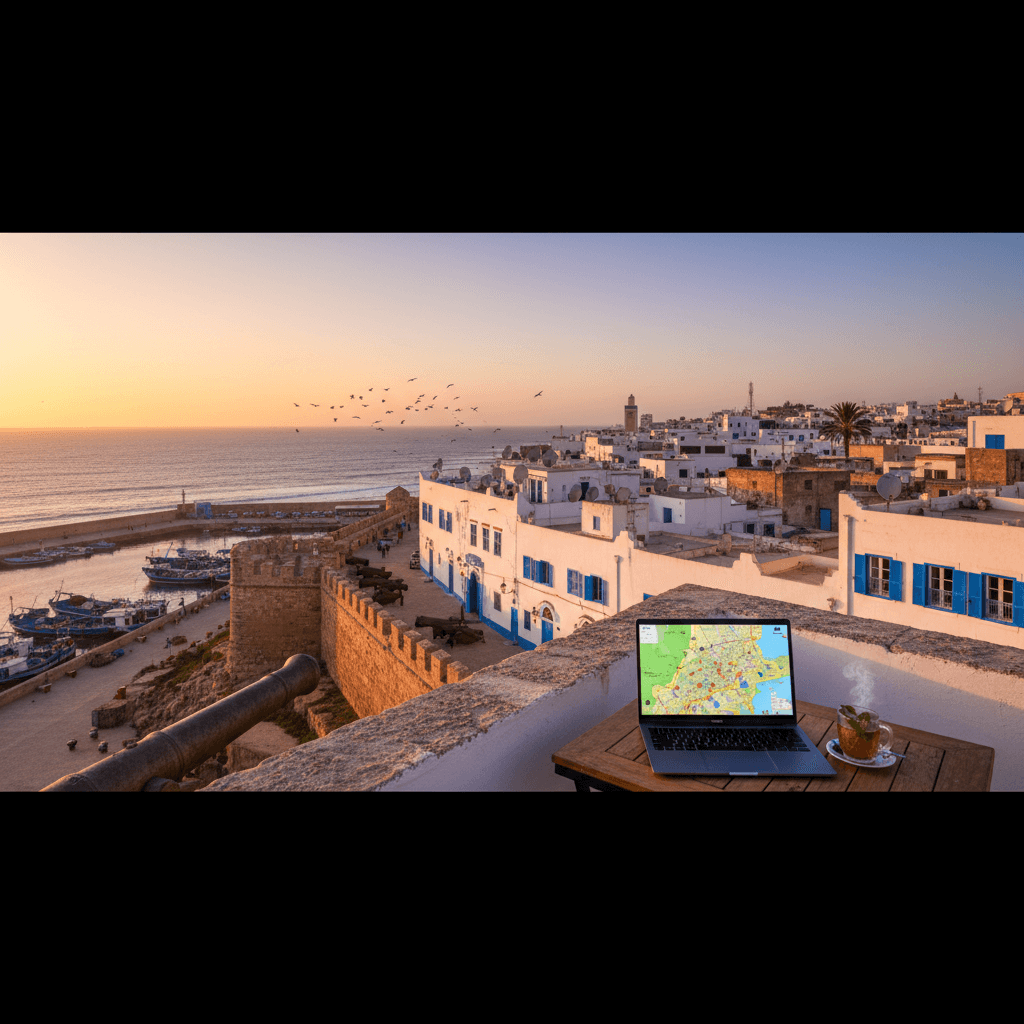
Essaouira
🇲🇦 Morocco