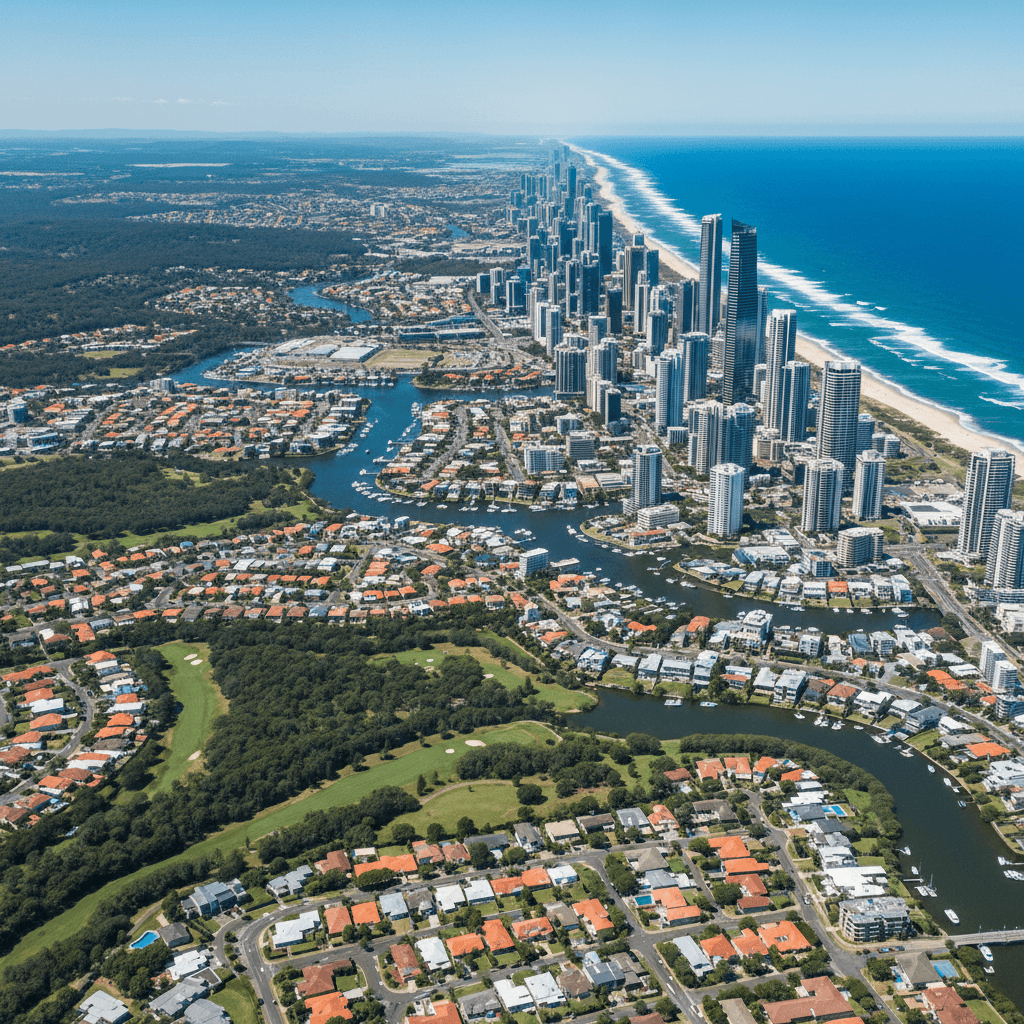
Sunshine Coast
🇦🇺 Australia
The Anti-Metropolis
If Sydney is the high-energy boardroom and Melbourne is the moody art gallery, the Sunshine Coast is the barefoot afternoon you never want to end. Spanning over 25,000 km of coastline, this stretch of Queensland isn't just a holiday spot; it's a legitimate base for nomads who've traded the grind for a surfboard and a 5G connection. You won't find the frantic pace of Brisbane here. Instead, you get a collection of distinct coastal villages connected by a shared obsession with the ocean and a surprisingly sharp entrepreneurial edge.
The vibe is unapologetically laid-back. It’s common to see people taking Zoom calls in linen shirts from breezy cafes before heading out for a midday surf. Most nomads find the "Sunny Coast" offers a more authentic, community-focused alternative to the influencer-heavy scene in Byron Bay. There’s a quiet confidence to the place, fueled by a mix of local creatives, tech expats, and "sea-changers" who have moved here to reclaim their time. You'll feel it the moment you land, a tangible shift toward a slower, more intentional way of living.
The Neighborhood Breakdown
Choosing where to drop your bags depends entirely on how much "urban" you want in your coastal life. Each pocket has a different personality and price point.
- Noosa: The crown jewel. It’s bohemian, high-end, and eco-conscious. Expats love it for the world-class hiking in Noosa National Park and the high concentration of coworking spaces, but be prepared for the "Noosa Tax" on rent and dining.
- Maroochydore: This is the region’s emerging CBD. It feels more like a modern mini-city with new tech hubs and government infrastructure. It’s the best spot if you need to be near the Sunshine Coast University Hospital or want a more balanced coastal-urban lifestyle.
- Mooloolaba: Ideal for those who want everything within walking distance. It’s got a great beachfront esplanade and a high density of apartments, making it a favorite for solo travelers who want to be near the action.
The Cost of Living
Australia isn't a budget destination, and the Sunshine Coast reflects that. You’re paying for safety, incredible infrastructure, and a climate that stays mild even in the dead of winter. Most nomads recommend budgeting for the following tiers:
- The Budget Tier (AUD 3,000 to 4,500/month): This usually involves a room in a shared house, cooking at home, and using the Translink bus system or a bike to get around.
- The Mid-Range Tier (AUD 5,000 to 7,000/month): You’ll get a private one-bedroom apartment in a spot like Maroochydore, eat out a few times a week, and likely use ride-sharing apps like Uber or DiDi.
- The Comfortable Tier (AUD 8,000+/month): This covers beachfront living in Noosa, a car rental for weekend trips to the Glass House Mountains, and dining at upscale spots like Noosa Boathouse.
Work, Connectivity, and Community
The internet here is reliable and fast, with 5G coverage hitting speeds of 100 to 500 Mbps in the main beach areas. If your Airbnb WiFi fails, the local libraries and cafes are very nomad-friendly. For a dedicated desk, The Commons is a popular choice for those seeking a professional community, with monthly memberships starting around AUD 350.
Socializing happens outdoors. While the nightlife is quieter than the Gold Coast, the social scene revolves around "Sunday Sessions" at beach bars, morning coffee runs, and local Meetup.com groups. The Sunshine Coast Digital Nomads Facebook group is the go-to for finding local events or advice on short-term rentals. Travelers often say the locals are incredibly welcoming, provided you respect the environment and keep the pace slow. It’s a place where "no worries" isn't just a phrase; it’s the local operating system.
Practical Logistics
- Best Time to Visit: Aim for May to October. The weather is dry and pleasant, avoiding the intense humidity and rain of January and February.
- Getting Around: While buses are frequent between major hubs, travelers often recommend a campervan or car rental (starting around AUD 21/day) to truly explore the hinterland and hidden surf breaks.
- Staying Connected: Grab a Telstra prepaid SIM for about AUD 30 for the best regional coverage, or use a Holafly eSIM if you want to hit the ground running with data.
- Entry: Most nomads arrive on a 90-day ETA or tourist visa. Just remember, these don't allow you to work for local Australian companies.
The Cost of Coastal Living
Living on the Sunshine Coast isn't exactly a budget backpacker's dream, but it provides significantly better value than the cramped apartments of Sydney or Melbourne. You're paying for the lifestyle here: the ability to surf at 6:00 AM and be at your desk by 8:30 AM. Most nomads find that while the prices are Australian-standard high, the quality of life justifies the spend.
For a comfortable stay, you should plan for three main budget tiers based on your lifestyle choices:
- The Budget Conscious: AUD 3,000 to 4,500 per month. This usually involves a room in a shared house, hitting up local markets for produce, and relying on the Translink bus system.
- The Mid-Range Nomad: AUD 5,000 to 7,000 per month. This covers a private one bedroom apartment in areas like Maroochydore, frequent cafe lunches, and the occasional Uber or DiDi ride.
- The Premium Experience: AUD 8,000+ per month. This is for those who want a beachfront balcony in Noosa, a dedicated car rental for weekend trips, and dinners at upscale spots like Noosa Boathouse.
Housing and Neighborhoods
Rent is your biggest hurdle. The market is competitive, especially in Noosa, where short term stays are in high demand. If you want a more "local" feel with slightly better prices, look toward the emerging CBD in Maroochydore. It's less touristy and has a growing tech scene thanks to recent government relocations.
Noosa
- Rent: expect to pay AUD 3,000 to 4,000 for a studio or small apartment near the beach.
- Vibe: High end, bohemian, and very relaxed.
- Best for: Expats who want high speed internet and a premium beach atmosphere.
Maroochydore
- Rent: typically AUD 2,200 to 3,200 for a modern one bedroom unit.
- Vibe: Urban coastal, balanced, and professional.
- Best for: Remote workers who need proximity to business hubs and modern amenities.
Food, Drink, and Socializing
Eating out is a staple of the Sunshine Coast culture. You can grab a quick takeaway meal or street food for AUD 10 to 15, but a standard mid-range dinner with a drink will usually set you back AUD 30 to 50. Coffee is a serious business here; expect to pay AUD 5 to 6 for a flat white.
Socializing often revolves around the outdoors or the "surf club" culture. Joining a local Facebook group like Sunshine Coast Digital Nomads is the fastest way to find meetups. If you're looking for heavy nightlife, you might find the Coast a bit quiet. Many locals prefer a sunset beer at a beach bar over a 2:00 AM club session.
Getting Around and Staying Connected
Public transport is decent but can be slow if you're trying to move between different coastal pockets. A monthly bus pass costs between AUD 100 and 200. Many nomads recommend renting a car or a campervan for at least part of your stay to explore the Glass House Mountains or the Noosa Everglades. Daily car rentals start around AUD 50, though long term deals are better.
Internet is rarely an issue. Most coworking spaces like The Commons or local hubs in Noosa offer reliable 5G and fiber connections. A hot desk typically starts at AUD 350 per month. For your phone, grab a Telstra or Optus prepaid SIM for about AUD 30, which usually includes plenty of data for a few weeks of work on the go.
Practical Essentials
- Healthcare: The Sunshine Coast University Hospital in Maroochydore is world class. Pharmacies like Chemist Warehouse are everywhere for affordable basics.
- Banking: Use Wise or Revolut to avoid the high currency conversion fees at local Australian banks.
- Safety: It's an incredibly safe region. Just stick to the standard rule of avoiding isolated beach paths alone after dark.
Digital Nomads: Noosa
Noosa is the undisputed crown jewel for the remote work crowd. It captures that elusive bohemian spirit without sacrificing the infrastructure you need to actually get things done. You'll find a mix of surfers, entrepreneurs, and creatives who moved here to trade city stress for a surfboard and a high speed connection.
The lifestyle centers around Hastings Street and Noosa Main Beach, though most nomads prefer the slightly more grounded vibe of Noosa Junction. It's where the best coffee shops and local hangouts are tucked away. Expect to pay a premium for the privilege of living here; a studio or one bedroom apartment typically runs between AUD 2,500 and 3,500 per month.
- Coworking: The Commons is the go-to for a professional desk, costing around AUD 350 per month. For a more casual afternoon, the local public libraries offer reliable free WiFi.
- Connectivity: 5G coverage is excellent, especially if you're on the Telstra or Optus networks. Many nomads opt for a Holafly eSIM for around AUD 30 to 50 to keep things simple.
- The Vibe: Relaxed, eco-conscious, and early to bed. If you're looking for 3:00 AM clubs, you won't find them here, but the morning surf culture is unmatched.
Expats and Tech Workers: Maroochydore
If you need to be in the heart of the action, Maroochydore is the place to be. It’s the Sunshine Coast's emerging CBD and tech hub. It feels more like a mini-metropolis than a beach town, but the water is still just a short walk away. It's a popular choice for expats who want a modern apartment and proximity to the Sunshine Coast University Hospital.
The area is undergoing significant development, so you'll see a fair amount of construction, but that also means newer amenities and better public transport links. It's the most practical base if you plan on traveling to Brisbane or the Gold Coast frequently, with bus and train connections easily accessible via the Translink network.
- Rent: Slightly more affordable than Noosa, with modern rentals ranging from AUD 2,000 to 3,000.
- Dining: Ocean Street is the local culinary center, featuring spots like Noosa Boathouse for fresh seafood and plenty of mid-range cafes where lunch averages AUD 25 to 40.
- Networking: This is where the Sunshine Coast Digital Nomads Facebook group often hosts meetups, making it easy to build a social circle quickly.
Families: Mooloolaba and Buderim
Families often gravitate toward Mooloolaba for its sheltered beaches and walkable esplanade. The surf is calmer here than at the northern beaches, making it safer for kids. For those who prefer a bit of elevation and cooler air, the hilltop suburb of Buderim offers larger family homes and a quiet, leafy atmosphere just a ten minute drive from the coast.
Living here requires a car. While the coastal strips are walkable, getting to schools or the larger shopping centers is much easier with your own wheels. Car rentals start at about AUD 50 per day, but most long term residents find buying a used vehicle or leasing a campervan more economical for weekend trips to the Glass House Mountains.
- Safety: These areas are incredibly safe and family friendly. Standard precautions apply at night, but the community feel is very strong.
- Healthcare: Access to the Sunshine Coast University Hospital in nearby Maroochydore is a major plus for peace of mind.
- Activities: Sea Life Aquarium and the Mooloolaba Spit are staples for weekend outings.
Solo Travelers: Surfers Paradise and the Gold Coast
Technically a neighbor to the south, the Gold Coast is where solo travelers head when the Sunshine Coast feels a bit too quiet. Surfers Paradise is the high energy alternative. It’s built for social butterflies, with a dense concentration of hostels, bars, and late night entertainment that the Sunshine Coast lacks.
It’s much busier and can feel a bit more "touristy," but the convenience is hard to beat. You can walk everywhere, and the nightlife scene is the most active in Queensland outside of Brisbane. It’s a great spot to land for a week or two to meet people before heading north to the more chilled out Sunshine Coast towns.
- Transport: Excellent light rail and bus systems. You can get around for about AUD 5 to 10 per ride.
- Social Life: High. Between the beach clubs and organized pub crawls, you'll never be short of company.
- Budget: Can be cheaper for solo travelers due to the high volume of hostels and shared housing options, with budget tiers starting at AUD 3,000 per month.
Staying Connected in Paradise
The Sunshine Coast isn't just a place to surf and hike; it's a legitimate base for remote work where the infrastructure actually keeps up with the lifestyle. You won't find the patchy connectivity often associated with coastal towns. Most of the region, especially around the coastal hubs, is serviced by high-speed 5G and fiber connections that make video calls and large uploads seamless.
For your mobile data, don't rely on international roaming. Most nomads pick up a local SIM from Telstra or Optus to get the best coverage. If you're staying in urban areas like Maroochydore or Noosa, a Holafly eSIM is a popular choice for unlimited data, usually costing between AUD 30 and AUD 50 per month. If you plan on heading into the hinterland or the Glass House Mountains, Telstra provides the most reliable signal in the bush.
Top Coworking Spots
The coworking scene here is split between the professional, corporate energy of the new CBD and the barefoot-professional vibe of the northern beaches. You'll find that many spaces prioritize community, hosting Friday afternoon drinks or networking events that help you break into the local expat circle.
- WOTSO Sunshine Coast: Located in the heart of the region, it offers a polished, ergonomic environment. It's perfect if you need a dedicated desk and a quiet atmosphere. Monthly memberships typically start around AUD 350.
- Noosa Boardroom: A staple for the Noosa crowd. It feels less like an office and more like a collaborative hub for entrepreneurs. It's a great place to meet local business owners and fellow nomads who prefer a relaxed pace.
- Junction 2 Coworking: A solid option that caters to startups and creative freelancers. It's often praised for its fast internet and friendly management.
The Cafe Office Culture
If you prefer the hum of a coffee machine to a quiet office, the "Coast" is incredibly welcoming to laptop users. Most cafes offer free WiFi, though it's good etiquette to buy a coffee or a meal every couple of hours. In Noosa, the cafes along Hastings Street are great for a quick email session, though they can get loud during the lunch rush.
For a quieter, free alternative, the public libraries in Maroochydore and Noosa are excellent. They offer reliable, high-speed internet and air conditioning, which is a lifesaver during the humid months of January and February. You'll often see other remote workers tucked away in the corners here.
Internet & Tech Quick Specs
- Average Mobile Speed: 100 to 500 Mbps in 5G zones.
- Coworking Day Pass: Expect to pay AUD 30 to AUD 50.
- Monthly Hot Desk: Usually ranges from AUD 300 to AUD 450.
- Best SIM for Coverage: Telstra (Prepaid plans around AUD 30 for 28 days).
- Power Outlets: Type I (three-flat-pin plug). You'll need an adapter if you're coming from the US, UK, or Europe.
The general consensus among the nomad community is that while Noosa is the most beautiful place to work, Maroochydore is the most practical. If your work requires heavy bandwidth and frequent meetings, basing yourself near the Maroochydore CBD ensures you have the best tech support and the fastest speeds available on the coast.
Staying Safe on the Sunshine Coast
The Sunshine Coast is widely considered one of the safest regions in Australia for remote workers. The vibe is significantly more relaxed than the Gold Coast or Brisbane, and most travelers find the locals to be genuinely helpful. It's the kind of place where you can leave your surfboard on the roof of your car while grabbing a coffee without much worry, though common sense still applies.
Walking around beachfront areas like Noosa or Maroochydore is safe at nearly any hour. However, nomads often suggest avoiding isolated beach tracks or dark parklands alone after midnight. Petty crime is rare, but it's always smart to keep your laptop and tech gear out of sight when parked in public beach lots. If you ever find yourself in a serious pinch, the emergency number in Australia is 000.
The biggest safety risks here aren't from people, but from the environment. The sun is incredibly strong in Queensland, and heatstroke is a real risk for those not used to the climate. Always wear high SPF sunscreen and stay hydrated. When swimming, stick to patrolled beaches and stay between the red and yellow flags. The Pacific can have strong "rips" or currents that can pull even strong swimmers out to sea in seconds.
Healthcare Infrastructure
The healthcare system on the Sunshine Coast is world class, so you won't need to worry about medical standards. The Sunshine Coast University Hospital in Birtinya (near Maroochydore) is a massive, state of the art facility that handles most major emergencies and specialist needs. For those based in the northern end near Noosa, the Noosa Hospital provides excellent private and public services.
If you have a minor illness, like a sinus infection or a localized rash, you'll want to visit a General Practitioner (GP). There are dozens of medical centers scattered through the coastal suburbs. Most clinics require an appointment, but some offer "walk in" slots for a higher fee. Expect to pay between $80 and $120 AUD for a standard consultation if you aren't covered by Medicare, Australia's public system.
- Sunshine Coast University Hospital: The primary trauma and emergency hub located in the southern end of the coast.
- Chemist Warehouse: The go to chain for affordable prescriptions and over the counter meds. They have massive branches in Maroochydore and Kawana.
- 13SICK: A useful after hours service that sends a doctor to your accommodation if you're too ill to travel, though wait times can be long.
Insurance and Pharmacies
Since Australia doesn't have a specific digital nomad visa with built in healthcare, you'll need private travel insurance or global health coverage. Most expats and long term nomads use providers like SafetyWing or World Nomads. If your country has a Reciprocal Health Care Agreement with Australia (like the UK, New Zealand, or several EU nations), you might be eligible for some subsidized services under Medicare, but it's usually limited to "medically necessary" treatment.
Pharmacies, locally called "chemists," are everywhere. You can find them in every shopping center from Noosa Junction to Mooloolaba. Most are open until 6:00 PM or 7:00 PM, but some in larger hubs stay open later. You'll need a physical or digital prescription from an Australian doctor for most medications, as pharmacists generally won't accept foreign scripts for anything beyond basic asthma inhalers or insulin.
Nomad Health Tips
- Water Quality: Tap water is perfectly safe to drink and tastes great. Save your money and the planet by skipping the bottled stuff.
- Wildlife: While Australia has a reputation for dangerous animals, you're unlikely to encounter anything scary in the suburbs. Just watch for "No Swimming" signs regarding jellyfish (stingers) during the warmer months.
- Mental Health: The Sunshine Coast has a strong wellness community. If you're feeling the "nomad blues," look for yoga studios in Noosa or community run meditation groups in the Hinterland to stay grounded.
The Lay of the Land
The Sunshine Coast isn't a single city; it’s a 60-kilometer stretch of coastal towns linked by the David Low Way and the Sunshine Motorway. While the vibe is famously relaxed, the geography is spread out. You can’t just walk from the Noosa National Park to the tech hubs of Maroochydore. Most nomads find that while the beachfronts are walkable, seeing the best of the region requires a mix of wheels and apps.
Public Transport: The Translink Network
The regional bus system, managed by Translink, is the backbone of local transit. It’s reliable but operates on "island time" compared to Sydney or Melbourne. Buses connect the major hubs like Noosa Heads, Coolum, and Maroochydore. You’ll want to grab a Go Card or just tap your credit card to pay. A typical ride costs between AUD 5 and AUD 10, and if you’re commuting to a coworking space daily, expect to spend about AUD 50 a week on fares.
- The Train: The rail line sits further inland. It’s perfect for a day trip to Brisbane, taking about 2 hours, but it won’t help you get between beach towns.
- The Airport Connection: If you fly into Sunshine Coast Airport (MCY), a shuttle to Noosa will set you back AUD 30 to AUD 50. An Uber is faster but costs closer to AUD 80.
Wheels for the Weekend
If you want to explore the Glass House Mountains or the Noosa Everglades, public transport won't cut it. Renting a car or a campervan is the standard nomad move here. Local rentals start around AUD 50 to AUD 100 per day for a standard car, but long-term nomads often find better deals on campervans starting at AUD 21 a day if they book for a week or more. It’s the best way to chase the surf without being tied to a bus schedule.
Ride-Hailing and Micro-Mobility
Uber and DiDi are both active across the coast, though wait times can stretch to 15 minutes during the off-peak hours in quieter suburbs. For short hops along the esplanade in Maroochydore or Mooloolaba, look for available e-scooters like Lime if operating locally. They usually cost about AUD 5 to AUD 10 for a quick 20-minute zip down the coast. It’s a great way to get from your Airbnb to a morning meeting at The Commons without breaking a sweat.
Walking and Biking
Noosa and Maroochydore are highly walkable if you stay right on the coast. Most expats recommend choosing a base within two blocks of the water so you can reach cafes, grocery stores, and the beach on foot. Biking is also huge here. The terrain is mostly flat along the coast, and dedicated bike paths run for miles. You can rent a cruiser for the day or buy a cheap second-hand bike on Facebook Marketplace if you're staying for a month or two.
Getting Around Costs at a Glance
- Local Bus Fare: AUD 5 to AUD 10 per trip.
- Weekly Transport Pass: AUD 50 plus.
- E-Scooter Rental: AUD 5 to AUD 10 per hour.
- Daily Car Rental: AUD 50 to AUD 100.
- Airport Uber (to Noosa): AUD 60 to AUD 80.
Most travelers agree that while the bus gets the job done, having your own transport makes the Sunshine Coast experience. If your budget allows, a car for at least a few days each week opens up the hidden surf breaks and mountain trails that make this region so special for remote workers.
Communication Basics
You won't have any trouble getting your point across on the Sunshine Coast. English is the only language you'll need, and the local proficiency is absolute. The vibe here is famously laid-back, which reflects in how people talk. Expect a lot of "G'days" and "No worries" when you're out grabbing a flat white or checking into your coworking space.
While the language is familiar, the Australian accent can sometimes be thick, especially once you head slightly inland toward the Glass House Mountains. Locals tend to shorten words whenever possible, so don't be surprised if your breakfast is called "brekkie" or your afternoon is "arvo." Most nomads find that a simple Google Translate app is more than enough for any technical or medical translations if they aren't native English speakers.
Staying Connected
Internet speeds are generally excellent, making this a top tier spot for remote work. In hubs like Maroochydore and Noosa, you'll reliably find 5G coverage with speeds ranging from 100 to 500 Mbps. Most cafes and public libraries offer free high-speed WiFi, though it's always polite to buy a coffee first.
- Local SIMs: Telstra is the gold standard for coverage if you plan on exploring the hinterlands. A prepaid plan usually costs around AUD 40-45 for 28 days.
- eSIM Options: If you want to hit the ground running, Holafly offers unlimited data plans between AUD 30 and AUD 50 per month.
- Network Providers: Optus and Vodafone are solid alternatives in urban beachfront areas, often offering competitive data bundles for short-term stays.
Coworking and Networking
The Sunshine Coast has moved beyond just being a holiday destination; it's a legitimate tech hub. Maroochydore is the center of this evolution, acting as the region's CBD. You'll find plenty of ergonomic setups and meeting rooms designed for professional use rather than just casual browsing.
The Commons is a popular choice for those familiar with the Sydney or Melbourne coworking scenes. They offer community-focused desks starting at AUD 350 per month. For a more beach-town atmosphere, Noosa has several smaller, boutique spaces where the networking often happens over a surfboard at lunch. Most expats recommend joining local Facebook groups like Sunshine Coast Digital Nomads to keep track of informal meetups and beach events.
Social Etiquette and Apps
Communication here is direct but incredibly friendly. Travelers often praise the locals for being approachable, whether you're at a bar in Mooloolaba or a cafe in Noosa Junction. Tipping isn't mandatory in Australia, though it's common to leave about 10% at upscale restaurants if the service was exceptional.
To get around and stay in the loop, make sure your phone is loaded with the right apps. Translink is the go-to for bus and train schedules connecting you to Brisbane. For transport, Uber and DiDi are the dominant ride-hailing services. If you're looking for a more active way to see the coast, download the Lime or Beam apps to grab an e-scooter for about AUD 5 to AUD 10 per hour.
The Sweet Spot: May to October
If you're looking for the absolute best time to set up your remote office on the Coast, aim for the months between May and October. This is the dry season, where you'll get those iconic crisp blue skies and mild temperatures ranging from 15°C to 24°C (59°F to 75°F). It is perfect weather for a morning surf at Noosa Main Beach before jumping on a Zoom call.
Expats and long-term nomads prefer this window because the humidity drops significantly. You can actually sit in an outdoor cafe like Noosa Boathouse without breaking a sweat. The evenings get cool enough for a light jacket, but the days remain warm enough for the beach. It is also the prime time for whale watching, which is a great weekend distraction if you're base-camping in Maroochydore.
Summer Heat and Tropical Rain
Summer runs from December through February, and it is a different beast entirely. Temperatures frequently hit 30°C (86°F) or higher, and the humidity can be intense. This is also the peak of the rainy season. While you'll still see plenty of sun, you should expect sudden, heavy tropical downpours, especially in January and February.
Nomads often find summer a bit challenging for productivity if their accommodation doesn't have reliable air conditioning. If you're staying in a more bohemian, eco-friendly rental in the Noosa hinterland, check the cooling situation before you book. The upside? The ocean is like bathwater, and the afternoon storms usually clear the air for a beautiful sunset over the Glass House Mountains.
Seasonal Crowds and Costs
Timing your arrival isn't just about the thermostat; it's about your budget. The Sunshine Coast is a massive holiday destination for Australians. You'll see prices for short-term rentals on Airbnb or Domain skyrocket during the Christmas and New Year period, as well as during the two-week school holiday breaks in April, June/July, and September.
- High Season (Dec to Jan): Expect to pay a premium for everything. Coworking spaces like The Commons or local hubs get busier, and traffic between Maroochydore and Noosa can become a crawl.
- Shoulder Season (Feb to April & Oct to Nov): This is when savvy remote workers arrive. The weather is still warm, but the families have gone home and rental availability opens up.
- Low Season (June to August): While it's "winter," it's nothing like Europe or North America. It's the cheapest time to secure a monthly rate on a beachside apartment, with daily highs still reaching a very comfortable 21°C (70°F).
What to Pack for the Coast
The vibe here is incredibly casual. Even in the professional tech hubs of Maroochydore, the "uniform" is often a linen shirt and chinos or a sundress. For your work-from-anywhere kit, make sure you have a high-quality sun hat and 50+ sunscreen. The Queensland sun is exceptionally strong, even on overcast days.
If you're visiting in the winter months, bring a few layers. Locals start wearing puffer vests the moment it drops below 18°C, but most nomads find a hoodie or a light sweater plenty for the cooler mornings. If you plan on doing day trips in a campervan, pack a rain shell for those unpredictable coastal showers that can pop up any time of year.
Climate and Best Times to Visit
The Sunshine Coast lives up to its name with a subtropical climate that keeps things bright most of the year. If you want the sweet spot for weather, aim for May to October. These months are dry and mild, with temperatures hovering between 15°C and 22°C, making it perfect for morning coastal runs or working from a cafe deck without breaking a sweat.
Summers from December to February get sticky. Temperatures often hit 30°C with high humidity, and this is when the tropical rains peak. If you're here in January, expect afternoon storms and a lot of moisture in the air. Most nomads prefer the shoulder seasons to avoid both the humidity and the school holiday crowds that swarm the beaches in mid-summer.
Cost of Living Benchmarks
Australia isn't a budget destination, and the Sunshine Coast is no exception. Your biggest expense will be housing, especially if you insist on a view of the Pacific. Most digital nomads find they need a monthly budget between AUD 4,000 and AUD 6,000 to live comfortably without constantly checking their bank balance.
- Budget Tier (AUD 3,000 to 4,500): This usually involves a room in a shared house, cooking most meals, and relying on the Translink bus system.
- Mid-Range (AUD 5,000 to 7,000): This gets you a private one-bedroom apartment in a spot like Maroochydore, regular dinners out, and the occasional ride-share.
- Comfortable (AUD 8,000+): Expect beachfront living in Noosa, a rental car for weekend trips, and high-end dining at spots like Noosa Boathouse.
Connectivity and Coworking
Internet speeds are generally excellent, especially in the newer developments around Maroochydore. For a reliable setup, The Commons is a popular choice for those who need a professional desk and a community vibe, with monthly memberships starting around AUD 350. If you prefer a more casual afternoon of work, the public libraries and local cafes offer free high-speed WiFi that's usually fast enough for video calls.
For mobile data, don't rely on international roaming. Pick up a local Telstra or Optus prepaid SIM for about AUD 30, which usually includes plenty of 5G data for a month. If you want to hit the ground running, an eSIM from Holafly is a seamless way to get connected the moment you land.
Getting Around
While the beachfront areas of Noosa and Maroochydore are highly walkable, you'll want wheels to see the best of the region. Many long-termers recommend renting a campervan for weekend trips to the Glass House Mountains or the Noosa Everglades, with prices starting around AUD 21 per day for basic models.
- Public Transport: Use a Go Card for Translink buses and trains. A weekly pass typically runs over AUD 50.
- Ride-hailing: Uber and DiDi are the dominant players here. An Uber from Sunshine Coast Airport to Noosa costs roughly AUD 60 to 80.
- Micromobility: Look for Lime or Beam scooters for quick trips along the coast, usually costing AUD 5 to 10 per hour.
Health and Safety
This is one of the safest regions in Australia. Locals are famously friendly, and the vibe is incredibly relaxed. Standard common sense applies; keep an eye on your belongings at the beach and avoid poorly lit parks at night. For medical needs, the Sunshine Coast University Hospital in Maroochydore provides world-class care. Pharmacies like Chemist Warehouse are everywhere for over-the-counter essentials. If you have an emergency, dial 000.
Practical Essentials
- Visas: Most nomads enter on an ETA or Tourist Visa, which allows for a 90-day stay. Remember that these technically don't allow you to work for local Australian companies.
- Banking: Use Wise or Revolut to avoid the hefty conversion fees at local banks. Tap-to-pay is used everywhere, even at small coffee carts.
- Tipping: It isn't mandatory in Australia. However, leaving a 10% tip at upscale restaurants for great service is a nice gesture that's becoming more common.
- Customs: Keep it casual. Beachwear is the unofficial uniform, but remember to respect the local wildlife. Never feed the birds or goannas, no matter how much they linger around your cafe table.
Need visa and immigration info for Australia?
🇦🇺 View Australia Country GuideEasy Landing
Settle in, no stress
Monthly Budget Estimates
More cities in Australia
Geelong
🇦🇺 Australia
Launceston
🇦🇺 Australia
Townsville
🇦🇺 Australia