Stellenbosch
🇿🇦 South Africa
The Winelands Pace
If Cape Town is the high-energy, caffeinated heart of South Africa’s nomad scene, Stellenbosch is the sophisticated, slightly slower glass of Chenin Blanc. It is only about 50 kilometers from the city center, but the vibe shifts the moment you drive past the first rows of trellised vines. You aren't here for the underground rave scene or the Atlantic surf; you come here because you want to breathe clean air and actually hear yourself think while you work.
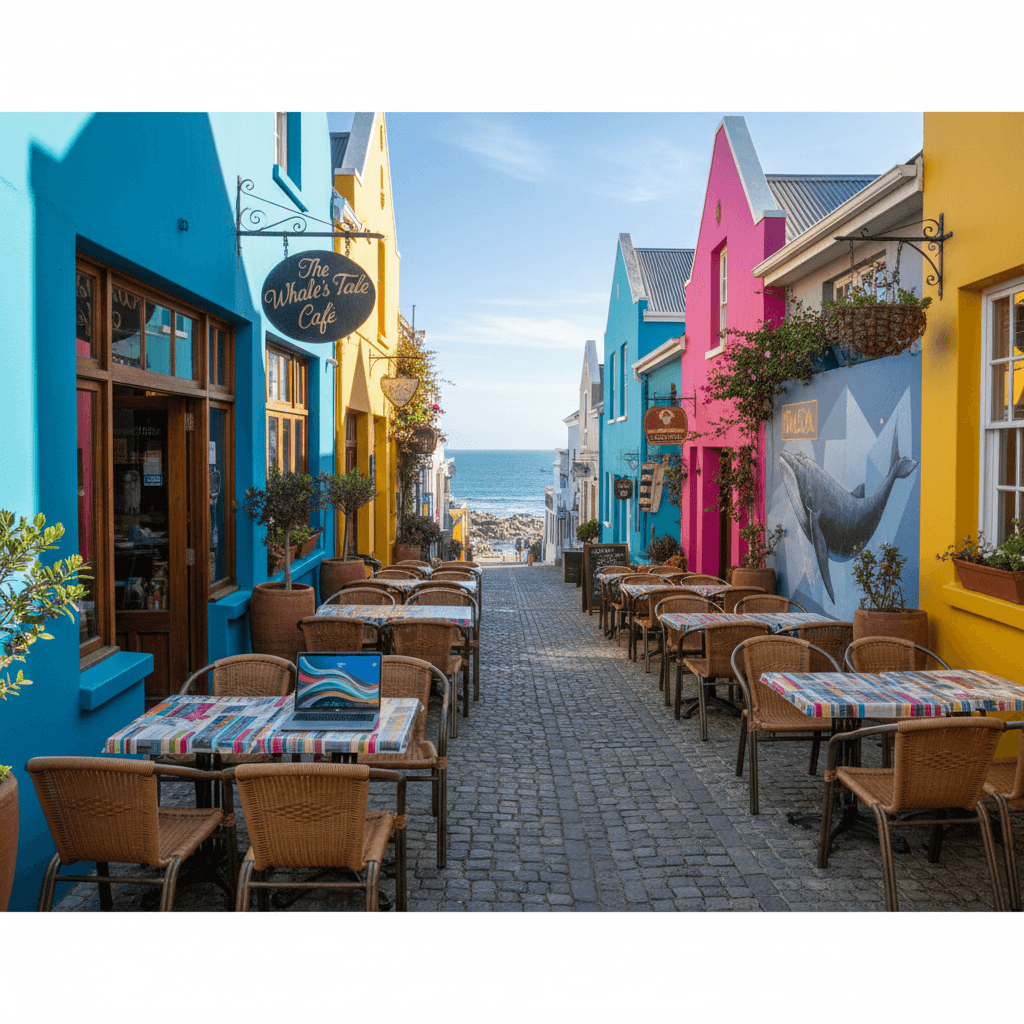
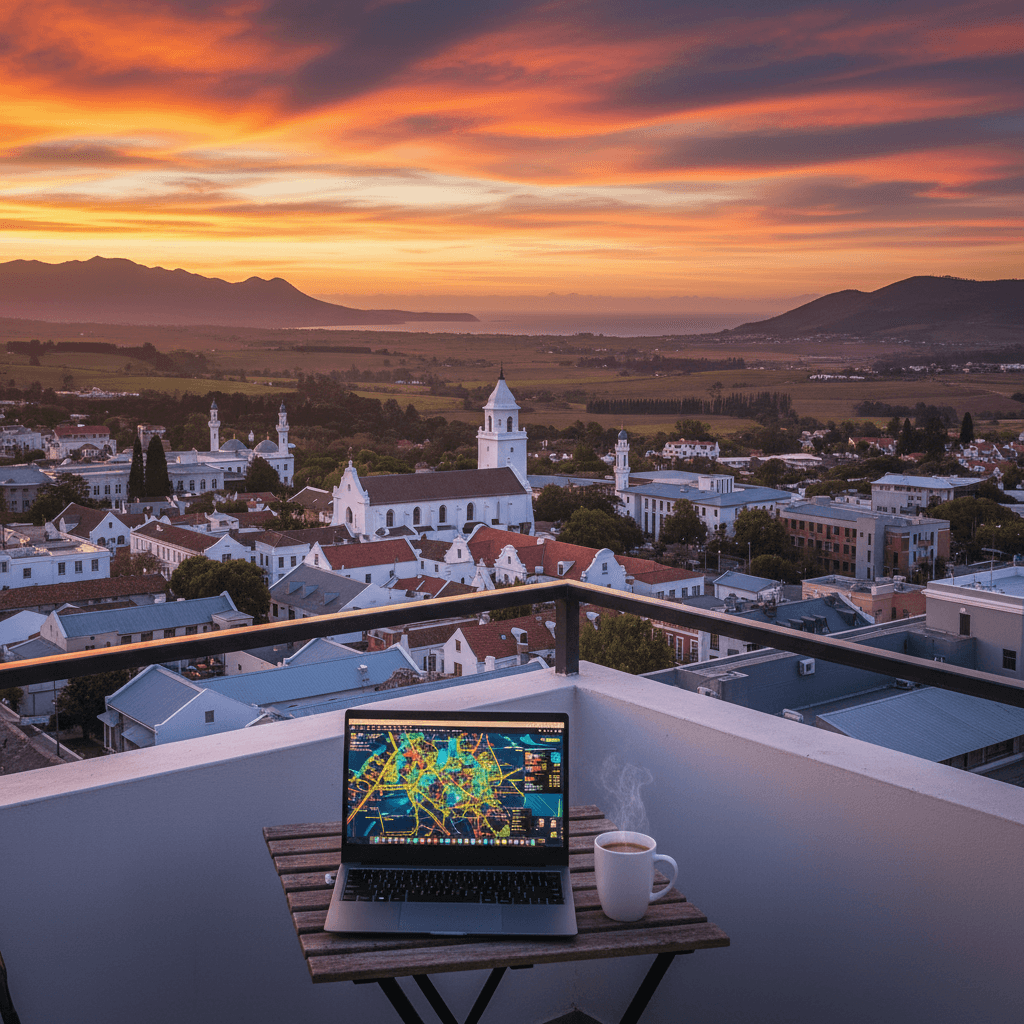
The town feels like a living museum of Cape Dutch architecture, with white gabled buildings and oak-lined streets that have been there for centuries. It is a university town at its core, which keeps the energy youthful and the coffee shops plentiful. You’ll find yourself sharing a sidewalk with students from Maties (Stellenbosch University) and winemakers in dusty boots. It’s a place where the morning fog clings to the mountains and the evenings are reserved for long, slow dinners.
Work-Life Balance, Redefined
Living here means trading the grit of a major metropolis for a lifestyle focused on the outdoors and epicureanism. Nomads typically find their rhythm by tackling deep work in the early hours when the town is quiet. By the afternoon, the heat usually kicks in, often reaching 30°C to 36°C in the summer months. That is your cue to shut the laptop and head to a wine estate for a tasting or a mountain bike trail in the Jonkershoek Nature Reserve.
The social scene is intimate. Instead of massive networking events, you’ll find yourself making connections over a shared table at a local bistro or during a weekend market. It is the kind of place where the barista remembers your name by day three. While it’s quieter than the capital, it doesn’t feel isolated. There is a polished, upscale feel to the town center that makes even a simple Wednesday feel like a vacation.
What Sets It Apart
The "Stellies" experience is defined by a few specific factors that you won't find in other African hubs:
- The Walkability: Much of the town center is easily navigable on foot, which is a rarity in South African cities. You can live, work, and eat within a 15 minute radius.
- Uninterrupted Focus: The town is favorites by "deep work" advocates. With reliable internet hitting 79 Mbps and a lack of big-city distractions, your productivity usually skyrockets.
- The Backyard: You have over 150 wine farms in the immediate vicinity. Your "local park" is a world class vineyard with mountain views.
The Nomad Reality
Expect a monthly burn rate of around $2,400 if you want to live comfortably. This isn't a budget backpacker destination; it’s a place for established remote workers who value quality of life and safety. Most people find that the higher price tag compared to other regional spots is a fair trade for the peace of mind and the scenery. You’ll spend your weekends exploring the surrounding valleys or taking the short drive to the coast, but you’ll always be happy to return to the quiet, leafy streets of the village.
It is a refined version of the nomad life. You’re trading the "hustle" for a sense of permanence and tradition, even if you’re only staying for a month or two. It feels like a secret that the rest of the world hasn't quite caught onto yet, tucked away behind the Hottentots Holland Mountains.
The Price of the Winelands Lifestyle
Living in Stellenbosch feels like a luxury upgrade compared to the grit of Cape Town, but your bank account will feel the difference. While South Africa generally offers great value for those earning in Dollars or Euros, Stellenbosch is one of the most expensive pockets in the country. You should budget approximately $2,400 per month to live comfortably here without constantly checking your banking app.
The town operates on a seasonal rhythm that dictates pricing. During the university semesters, affordable student housing vanishes, and during the peak summer months, tourists drive up the prices of short term rentals. Most nomads find that while groceries and wine are remarkably cheap, the "lifestyle tax" comes from dining out and high quality accommodation.
Housing and Neighborhoods
Your biggest expense will be rent. Because the town is compact and highly desirable, landlords can afford to be picky. Most expats recommend looking for places that include "inverter" systems or backup power, as national power outages can disrupt your workday if you aren't prepared.
- Die Weides and Central: This is the heart of the action. You can walk to every cafe and coworking space, but you'll pay for the privilege. A modern one bedroom apartment or a high end studio here typically ranges from $950 to $1,300 per month.
- Mostertsdrift: This is the leafy, prestigious side of town. It is incredibly quiet and safe, perfect if you have a higher budget. Expect to pay $1,500+ for larger garden cottages or standalone homes.
- Paradyskloof: Located a bit further out toward the mountains, this area is popular with nomads who want to be closer to the bike trails. Prices are slightly lower, around $800 to $1,100 for a quality rental, but you will definitely need a car.
Food and Drink
If you enjoy world class wine and farm to table dining, you are in paradise. You can grab a high quality flat white at a spot like Blue Crane Coffee for about $2.50. A casual lunch at a local cafe will set you back roughly $10 to $15, while a high end, three course dinner at a wine estate might cost $40 to $60 per person, which is a steal considering the quality.
Groceries are where you can save a lot of money. If you shop at Checkers or Woolworths, a weekly haul for one person usually totals around $50 to $70. Local tip: buy your produce at the Saturday Slow Market at Oude Libertas for better prices and fresher quality than the supermarkets.
Connectivity and Workspace
Reliable internet is non negotiable for us. A dedicated desk at a coworking space like Work Shack or Space Case is a smart investment to ensure you stay online during load shedding. Expect to pay around $150 to $200 per month for a full time hot desk. If you prefer working from cafes, most places offer free Wi-Fi, but they expect you to order something every 90 minutes or so.
Transportation
Stellenbosch is very walkable if you stay central, but for everything else, you will need wheels. Uber is available but can be sparse late at night. Most long term nomads suggest renting a small car, which will cost about $450 to $600 per month including insurance. This gives you the freedom to explore the surrounding Franschhoek and Paarl valleys on the weekends without relying on expensive private transfers.
The Central Core (Town Center)
If you want to be in the thick of the action, the Town Center is where you'll spend your days. This area is perfect for solo travelers and digital nomads who don't want to rely on a car. You can walk from your apartment to Work Shack or Hello Work in under ten minutes. The streets are lined with oak trees and historic Cape Dutch architecture, making your morning coffee run feel like a stroll through a museum.
- The Vibe: Academic, historic, and lively. You'll hear a mix of Afrikaans and English while students and tourists fill the sidewalk cafes.
- Monthly Rent: Expect to pay around $1,100 to $1,400 for a modern one bedroom apartment.
- Best For: People who want to be steps away from De Akker for a post work pint or Schoon for fresh bread.
Die Boord and Paradyskloof
These neighborhoods sit just south of the center and are the go to spots for expats and long term nomads. They offer a bit more breathing room without losing the mountain views. It's much quieter here at night compared to the student heavy center. You'll find more spacious homes and gated complexes that feel very secure.
- The Vibe: Upscale, suburban, and peaceful. It's the kind of place where people know their neighbors and jog at sunset.
- Monthly Rent: A decent two bedroom house or large apartment usually runs between $1,500 and $1,900.
- Best For: Remote workers who need a quiet home office and easy access to the Eden Forest trails for afternoon mountain biking.
Mostertsdrift
This is arguably the most prestigious pocket of town. It's within walking distance of the university and the Stellenbosch Botanical Garden, but it feels worlds away from the noise. Families often choose this area because of the large gardens and proximity to top tier schools. The streets are wide, and the security presence is high, which brings a lot of peace of mind to newcomers.
- The Vibe: Established, wealthy, and very green. It's the "old money" part of town where the gardens are perfectly manicured.
- Monthly Rent: Larger family homes start around $2,200 and go up significantly from there.
- Best For: Families or groups who want high end living and don't mind paying a premium for the best location in the valley.
Simonswyk
Located on the eastern edge of town, Simonswyk is a smart choice for budget conscious nomads or those staying for several months. It's a bit of a hike to the very center, so having a bike or using Uber is helpful. However, you're closer to the start of the Jonkershoek Nature Reserve, which is a massive perk if you spend your weekends hiking or trail running.
- The Vibe: Residential and unpretentious. It's a mix of younger professionals and long time residents.
- Monthly Rent: You can often find studios or garden cottages for $700 to $900.
- Best For: Outdoor enthusiasts who prefer being close to the mountains rather than the bars.
Wine Estate Living
For a truly unique experience, some luxury travelers and high income nomads opt to live on the estates surrounding the town, like De Zalze or Spier. These are essentially private, high security villages surrounded by vineyards. You'll need a car for everything, but the trade off is living in a postcard. Many of these estates have their own restaurants, golf courses, and even small coworking hubs.
- The Vibe: Exclusive, resort style, and incredibly safe.
- Monthly Rent: Short term rentals on estates can easily exceed $3,000 per month.
- Best For: Those who prioritize security and want the classic Cape Winelands lifestyle right outside their front door.
Connectivity and Speed
Stellenbosch proves that you don't have to sacrifice bandwidth for vineyard views. While it lacks the sheer volume of fiber hubs found in Cape Town, the town center is well-equipped for heavy lifting. You can expect average download speeds around 61 Mbps, which is more than enough for seamless Zoom calls or uploading large files to the cloud. Most modern guesthouses and apartments in areas like Die Boord or Brandwacht come with fiber as a standard amenity now.
Load shedding remains a factor to plan for in South Africa. When the power grid takes a scheduled break, the better coworking spaces and upscale cafes switch over to inverters or generators immediately. If you're booking an Airbnb, always ask the host if they have a backup power solution for the Wi-Fi router. Without it, you might find yourself offline for two to four hours at a time during higher stages of load shedding.
Top Coworking Spots
The coworking scene here is intimate and professional, reflecting the town's mix of tech startups and academic prestige. These spaces are generally quieter than their urban counterparts, making them ideal for deep work sessions.
- Work Shack: Located right in the heart of town, this is the go-to for many nomads. It has a sleek, modern aesthetic and offers flexible day passes or monthly memberships. The community is a mix of local entrepreneurs and visiting remote workers.
- Hello Work: This space leans into the collaborative side of things. It’s known for having ergonomic setups and reliable backup power, which is the ultimate luxury here. It’s a great spot if you want to network with the local creative crowd.
- Space Case: If you prefer a boutique feel, this spot offers a more curated environment. It feels less like a corporate office and more like a high-end studio. It’s perfect for those who find large open-plan offices distracting.
The Cafe Office Culture
Stellenbosch is a university town at its core, so sitting with a laptop is widely accepted in most cafes, provided you’re ordering more than just a single espresso. The oak-lined streets are packed with spots that offer free Wi-Fi, though it’s polite to move on after a couple of hours if the place gets busy during the lunch rush.
Many nomads head to the cafes along Dorp Street or Church Street for a morning session. The atmosphere is generally relaxed, and the coffee quality is exceptionally high. Just keep in mind that cafe Wi-Fi can be hit or miss during power outages, so having a local SIM card with a data roaming plan is a smart move for a backup hotspot.
Mobile Data and SIMs
For the most reliable mobile internet, grab a SIM card from Vodacom or MTN. You can find kiosks for both at the Eikestad Mall in the center of town. Expect to pay around $10 to $15 for a decent chunk of data to get you through the month. Signal strength is excellent throughout the town center, though it can dip slightly once you head further out into the deeper valley wine estates.
Most travelers find that a combination of a dedicated coworking desk for big meeting days and cafe hopping for lighter tasks provides the perfect balance. It allows you to soak in the mountain scenery without missing a deadline.
Staying Safe in the Winelands
Stellenbosch feels worlds away from the grit of Cape Town, but you still need to keep your wits about you. It is a university town, which means it has a lively, youthful energy, but it also attracts opportunistic crime. Most nomads feel perfectly comfortable walking around the Village Museum area or Church Street during the day. However, once the sun goes down, it is smarter to call an Uber rather than walking, even if your destination is only a few blocks away.
Property crime is the most common issue here. If you are renting a standalone house or a ground-floor apartment, ensure it has "trellidors" (security gates) and a working alarm system. When you are out at a cafe like Blue Crane Coffee Lab, never leave your phone or laptop unattended on the table while you grab a napkin. Locals use the "out of sight, out of mind" rule; if you are driving to a trailhead for a hike, leave absolutely nothing on your car seats.
Common sense goes a long way. Stay on well-traveled paths if you are hiking in Jonkershoek Nature Reserve and try to go in a group. While the town center is generally safe, avoid wandering into less developed outskirts or townships without a local guide. If you stick to the main hubs and keep your valuables tucked away, you likely won't have any issues.
Healthcare and Medical Facilities
The standard of private healthcare in Stellenbosch is excellent and significantly more affordable than in the US or Europe. If you have a minor ailment or need a prescription, Mediclinic Stellenbosch is the primary private hospital. It is modern, efficient, and staffed by specialists who usually speak perfect English. For a standard GP consultation, expect to pay around R600 to R800 (roughly $32 to $43) out of pocket if you don't have local insurance.
For quick fixes or over-the-counter meds, look for a Clicks or Dis-Chem pharmacy. These are located in most shopping centers like Eikestad Mall. They often have an in-house clinic nurse who can handle basic vaccinations or blood pressure checks for a small fee, saving you a full doctor's visit.
- Emergency Number: Dial 10111 for police or 10177 for an ambulance.
- Private ER: Mediclinic Stellenbosch on Die Boord is open 24/7 for emergencies.
- Dental Care: Stellenbosch Dental Studio is a popular choice for expats needing routine work.
- Water Safety: The tap water in town is generally safe to drink, though many nomads prefer a filter or bottled water for the taste.
Digital nomads should always carry comprehensive travel insurance like SafetyWing or World Nomads. While private care is great, it requires upfront payment or proof of a guarantee from your insurer. Keep a digital copy of your policy and your blood type on your phone just in case. Most pharmacies are open until 6:00 PM, though some in the malls stay open later until 8:00 PM.
Walking the Oak-Lined Streets
Stellenbosch is one of the most walkable towns in South Africa, especially if you stay within the historic center. The grid like layout of the town makes it easy to navigate on foot between cafes, boutiques, and the university campus. You will find that most digital nomads choose accommodation near Dorp Street or Church Street so they can walk to their morning coffee or coworking session at Work Shack without needing a car.
While the center is pedestrian friendly, remember that the sun can be intense. Even a fifteen minute walk in the afternoon heat can be draining. Locals usually stick to the shade of the ancient oak trees that line the sidewalks. If you are heading out to the surrounding wine estates, walking is rarely an option as the farms are spread out along winding roads with limited sidewalk space.
Ride Hailing and Apps
For getting around quickly or returning home after a wine tasting, Uber is the most reliable tool in your pocket. It operates consistently within the town limits and to nearby estates like Lanzerac or Spier. A short trip within the town usually costs between $3 and $5, making it an affordable way to avoid the hassle of local parking.
Another popular option in South Africa is Bolt. It often comes in slightly cheaper than Uber, though some travelers find the vehicle standards vary more on this platform. If you are planning a trip into Cape Town, an Uber will typically cost around $25 to $35 depending on the time of day and demand. It is a solid choice for a day trip if you do not want to deal with the highway traffic yourself.
Cycling Through the Vineyards
Cycling is a massive part of the local culture, both for commuting and recreation. Many nomads rent a bicycle for their entire stay to get between their apartment and spots like Space Case or Hello Work. You can expect to pay around $15 to $20 per day for a standard mountain bike rental, though long term rates are much better if you negotiate with local shops.
For a more leisurely experience, look into the Vinehopper. It is a hop on hop off bus service that follows specific routes through the various wine wards. It is a smart way to see multiple estates without worrying about driving under the influence. It is popular with the expat community for weekend outings because it takes the logistics out of a day spent tasting Chenin Blanc and Pinotage.
Car Rentals and Driving
If you plan to stay for more than a week and want to explore the Jonkershoek Nature Reserve or the Garden Route, renting a car is a necessity. Public transport like the Metrorail is generally avoided by travelers due to safety and reliability concerns. Having your own wheels gives you the freedom to explore the Helshoogte Pass at your own pace.
Standard car rentals from agencies at Cape Town International Airport or within Stellenbosch town start at roughly $25 per day for a small manual hatchback. Keep these tips in mind for driving in the region:
- Drive on the left: This is the standard across South Africa.
- Car Guards: When you park in town, you will see people in reflective vests. They are unofficial car guards who watch your vehicle. It is customary to tip them R5 to R10 (about $0.30 to $0.60) when you return to your car.
- Fueling Up: Gas stations are not self service. An attendant will fill your tank, check your oil, and wash your windshield. A small tip for them is also standard practice.
- Traffic: Avoid the main roads leading into Cape Town during the morning rush between 6:30 AM and 8:30 AM, as the commute can triple your travel time.
Private Shuttles
For airport transfers, many nomads prefer booking a private shuttle over a standard Uber for the extra luggage space and peace of mind. Services like Shuttle Up or Stellenbosch Cab offer fixed rates to the airport. Expect to pay about $30 for a one way trip. It is a hands off way to start your stay without navigating the highway system immediately after a long flight.
The Linguistic Landscape
You'll find that Stellenbosch is a fascinating linguistic crossroads. While South Africa has 11 official languages, the trio you'll hear most often in the Winelands are Afrikaans, English, and isiXhosa. Afrikaans is the historic heartbeat of the town and the primary language for many locals, but English is the universal bridge for business, tourism, and the university scene.
Most nomads find that getting by with only English is perfectly fine. Shop owners, waiters, and professionals are almost all fluently bilingual. However, you'll notice a distinct shift in the air when you step into a local "braai" or a traditional pub; the conversation often slips into Afrikaans. It's a guttural, expressive language, and learning a few words goes a long way in building rapport with the locals.
The Social Nuances of Communication
South Africans are generally warm and direct, but there's a specific "Stellies" politeness you'll encounter. People value a proper "Good morning" or "How are you?" before diving into a transaction. It's not just a formality; it's the local pace. If you rush straight into your coffee order without a greeting, you might find the service becomes noticeably cooler.
You should also get used to the unique South African "time" system, which can be confusing for newcomers. If someone tells you they'll help you "now-now," it doesn't actually mean right this second. It usually means in a little while. If they say "just now," it could be anytime from ten minutes to two hours from now. It's a quirk of the local dialect that reflects the town's slower, more relaxed rhythm.
Staying Connected
Communication isn't just about talking; it's about your data. While your home SIM might work, the roaming charges are usually eye-watering. Most expats recommend picking up a local SIM card immediately. The big players are Vodacom, MTN, and Telkom. Vodacom generally has the best coverage in the more rural vineyard areas, while MTN often wins on data speeds within the town center.
- Vodacom: Best for those planning to hike in Jonkershoek or visit remote wine farms.
- MTN: Often cited by nomads for having the most reliable LTE speeds for "hotspotting" during load shedding.
- eSIMs: Apps like Airalo work well here, but you'll pay a premium compared to a local physical SIM.
To buy a SIM, you'll need to go through the RICA process. This is a legal requirement where you provide your passport and proof of accommodation, like an Airbnb receipt or a hotel booking. It usually takes about 24 hours for the card to be fully activated, so don't expect instant service the moment you leave the shop.
Essential Local Slang
To sound less like a tourist and more like a resident, pepper your speech with these common terms. You'll hear them everywhere from the Work Shack coworking space to the Sunday markets.
- Lekker: This is the ultimate South African adjective. It means good, great, tasty, or pleasant. "The coffee at Blue Crane is lekker."
- Is it?: Often pronounced as one word (izzit?), this is used in place of "Really?" or "Is that so?"
- Braai: Never call it a BBQ. A braai is a social institution involving fire, meat, and usually a few hours of standing around with a cold drink.
- Robot: This is the local word for a traffic light. If someone tells you to "turn left at the second robot," they aren't giving you sci-fi directions.
- Howzit: The standard, informal greeting. It's a contraction of "How is it going?" and usually doesn't require a detailed medical report in response; a simple "Good, thanks" will do.
Communication in Stellenbosch is as much about the "vibe" as it is about the words. The town moves at a different speed than Cape Town, and your communication style should mirror that. Be patient, be friendly, and don't be afraid to ask someone to repeat themselves if the Afrikaans accent gets a bit thick. You'll find the locals are more than happy to help you find your feet.
The Seasonal Rhythm
Stellenbosch follows the classic Mediterranean climate of the Western Cape, which means you get hot, dry summers and cool, wet winters. If you are coming from the northern hemisphere, remember the seasons are flipped. Most nomads aim for the window between November and March. This is when the winelands are at their peak, the sun stays out until 8:00 PM, and the social scene moves entirely outdoors.
The heat can get intense in January and February, with temperatures often spiking to 35°C (95°F) or higher. Since many of the historic Cape Dutch buildings in the town center don't have modern HVAC systems, you will want to confirm your Airbnb has air conditioning or at least high quality ceiling fans before booking for mid summer. It is a dry heat, though, so it is usually manageable if you stay hydrated and plan your outdoor activities for the early morning.
Winter and the Green Season
From June through August, the landscape shifts from golden brown to a lush, vivid green. This is the rainy season. While it doesn't rain every day, you will experience cold fronts that bring grey skies and a damp chill that gets into your bones. Temperatures during the day hover around 16°C (61°F), dropping to 6°C (43°F) at night.
The upside to visiting in winter is the atmosphere. Stellenbosch is famous for its cozy wine bars and restaurants with oversized fireplaces. You will also find that accommodation prices drop significantly, and the popular tasting rooms at the wine estates are much quieter. If you don't mind wearing a raincoat and enjoy a moody, misty mountain backdrop while you work from a cafe, the winter months offer incredible value.
The Best Months for Remote Work
If you want the perfect balance of weather and lifestyle, aim for October, November, or April. These shoulder months are the sweet spot for digital nomads. You avoid the peak tourist crowds of the December holidays, but the weather is still warm enough for vineyard cycles and outdoor dinners.
- October and November: Spring brings blooming flowers and mild temperatures around 22°C to 25°C. It is perfect for hiking the Jonkershoek Nature Reserve before starting your work day.
- December and January: Peak summer and very hot. The town gets busy with local holidaymakers, so book your desk at Work Shack or Space Case well in advance.
- March and April: Harvest season. The vineyards are active, the air starts to crisp up, and the autumn colors in the valley are spectacular.
- June to August: Wet and chilly. Great for deep focus work by a fire, but less ideal if you are here for the outdoor lifestyle.
What to Pack
Layers are your best friend here. Even in the height of summer, the temperature can drop quickly once the sun dips behind the Simonsberg mountains. A light jacket is a staple for evening sundowners. If you are visiting in the winter, bring a high quality waterproof shell and warm socks. South African houses are often better at staying cool than staying warm, so a cozy hoodie for your indoor work hours is a must during the colder months.
Don't forget a sturdy pair of walking shoes or trail runners. Stellenbosch is a very walkable town, and the proximity to mountain trails means you will likely spend your lunch breaks or weekends on the dirt paths. Sunscreen is non negotiable year round, as the African sun is notoriously strong even on overcast days.
Getting Connected
Staying online is straightforward here, but you'll want to set up a local SIM immediately for those times you're working from a vineyard cafe. Pick up a Vodacom or MTN SIM card at the Eikestad Mall or the Neelsie Student Centre. Most nomads opt for prepaid data bundles; expect to pay around R150 ($8) for 5GB of data. If you're staying in a guesthouse or Airbnb, ask specifically if they have fiber internet. While the town average is around 61 Mbps, some older Cape Dutch buildings have thick walls that can mess with Wi-Fi signals.
Money and Banking
South Africa uses the Rand (ZAR). You won't need much physical cash as almost every coffee shop and wine estate accepts card payments or SnapScan, a local mobile payment app you should download before arriving. For withdrawing cash, use ATMs inside malls like Stellenbosch Square rather than street-side machines to avoid card skimming. If you're staying longer than a month, a Bank Zero or TymeBank account is easy to set up digitally, but most expats just stick with Revolut or Wise, which work perfectly at local point-of-sale terminals.
Getting Around
The town center is extremely walkable, but the best parts of Stellenbosch are the wine farms on the outskirts. Uber is reliable and affordable for short trips around town. For a full day of vineyard hopping, the Vine Hopper is a hop-on, hop-off service that costs about R350 ($19) and covers several different routes. If you're planning to stay for a few months, consider a cheap car rental. You can often find monthly deals for around R6,000 ($320) through local agencies like Around About Cars. Just remember that South Africans drive on the left side of the road.
Safety and Health
Stellenbosch feels much safer than central Cape Town, but you still need to be sensible. Don't walk alone at night on quiet streets, especially after a few glasses of Pinotage. Keep your laptop bag out of sight when driving and never leave valuables in your car at trailheads. For healthcare, the Mediclinic Stellenbosch is a world-class private hospital. Make sure your travel insurance covers private facilities, as public hospitals can be crowded and under-resourced. Most nomads find that a standard consultation at a private GP costs around R600 to R800 ($32 to $43).
Finding a Place to Live
Finding a short-term rental can be competitive because of the massive student population. Most digital nomads avoid the loud student areas near Victoria Street and head for Mostertsdrift or Die Boord for more peace. Check Property24 for long-term stays, but for a month-long stint, local Facebook groups like Stellenbosch Expats or Stellenbosch Accommodation are better bets. You'll likely pay between $900 and $1,400 for a high-end apartment with backup power, which is vital because of South Africa's occasional power outages, known locally as loadshedding.
Useful Apps for Your Stay
- EskomSePush: An absolute necessity for tracking power outage schedules.
- SnapScan: The primary way to pay for everything from coffee to parking.
- Checkers Sixty60: For grocery deliveries to your door in under an hour.
- Mr D Food or UberEats: The main platforms for restaurant delivery.
Need visa and immigration info for South Africa?
🇿🇦 View South Africa Country GuideEasy Landing
Settle in, no stress
Monthly Budget Estimates
More cities in South Africa
Knysna
🇿🇦 South Africa
Durban
🇿🇦 South Africa
Johannesburg
🇿🇦 South Africa