Skopje
🇲🇰 North Macedonia
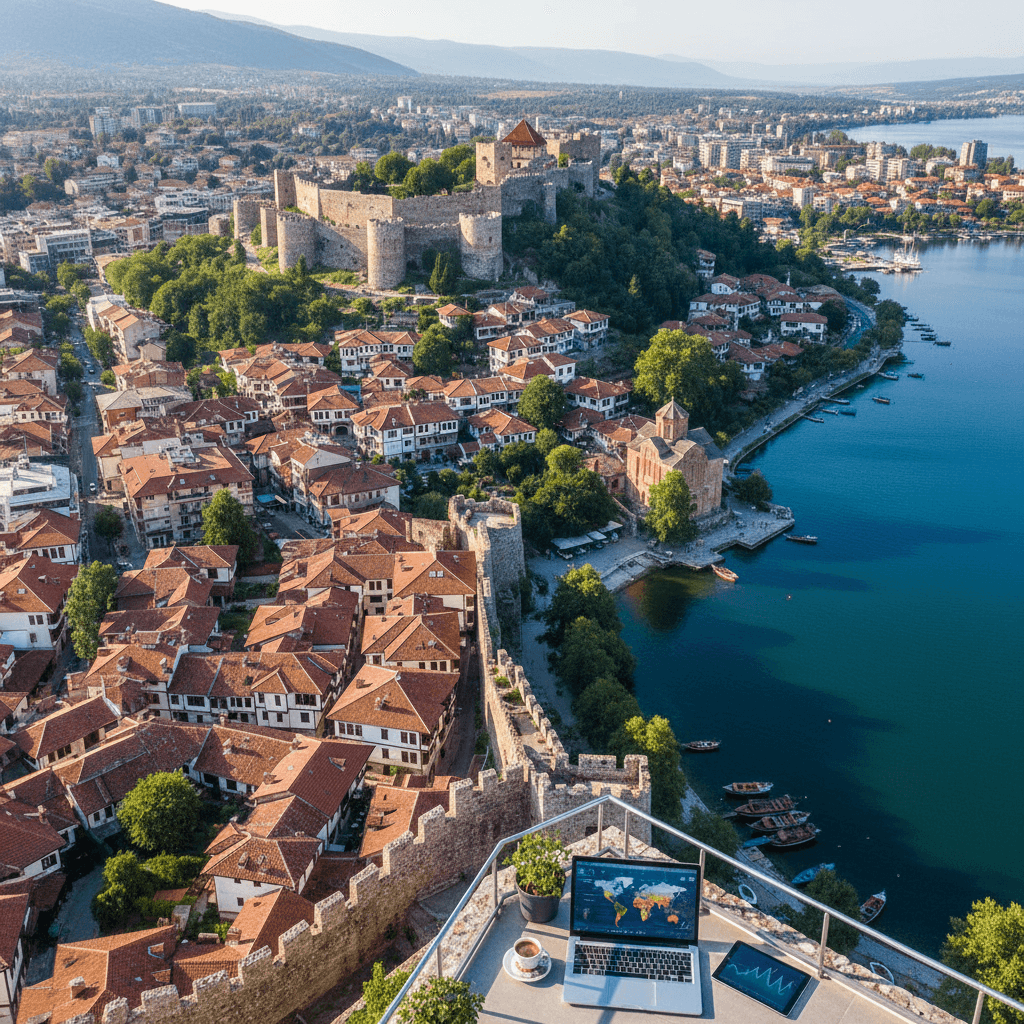
Skopje feels like two cities arguing in public and somehow it works. You’ve got the faux-grand statues and neoclassical facades of Skopje 2014, then five minutes later you’re in the Old Bazaar, hearing metal clatter from workshops, smelling kebapi smoke and passing mosque courtyards that slow the whole street down. It’s cheap, scrappy and a bit odd, which is exactly why a lot of nomads stick around.
It isn’t polished. Winters can be bleak, the air gets nasty and the nightlife gets overhyped by people who’ve clearly never lived in Belgrade. Still, if you want a Balkan base with low costs, decent internet and locals who don’t treat remote workers like a nuisance, Skopje makes a solid case for itself.
The city’s pace is relaxed, sometimes almost sleepy, then suddenly loud with honking taxis, café chatter and a call to prayer drifting over the bazaar. Summer is hot and dry enough to make the stone pavements feel like radiators, while January brings cold tile floors, gray skies and that gritty air that sits in your throat.
- Budget monthly life: €600 to €750 if you share rent, eat street food and use buses.
- Comfortable monthly life: Around €800 to €1,000 for a one-bedroom outside the center, a few meals out and coworking.
- Living well: €1,200+ gets you a central apartment, taxis or Bolt rides and nicer dinners in Debar Maalo.
Debar Maalo is where most nomads end up, because the cafés are close together and you can work, eat and drink coffee without crossing the city. Aerodrom is cleaner and more modern, Taftalidže feels calmer and more residential and the Old Bazaar is the move if you care more about atmosphere than convenience.
The practical side is easy enough. Fiber internet usually runs 50 to 80 Mbps, Drama Coffee House is a common fallback when your apartment WiFi acts up and coworking spots like Innox, Konnectivity and Coffice give you options if you want a proper desk, not a wobbly chair under fluorescent light.
Food is cheap and honest. Tavče gravče in the Old Bazaar costs a few euros, kebapi are still a bargain and a mid-range dinner for two doesn’t sting the way it does in much of Europe, though you’ll pay for the nicer places in Debar Maalo. The city’s not flashy, but it’s easy to live in and that counts for a lot.
Skopje is cheap, but not in a fake cheap way where you end up spending anyway. A single person can live here for around $887 a month with rent and that number feels real if you’re not splurging on taxis and imported groceries. The city’s low costs are one reason nomads stick around, though the winter air can be nasty and the entertainment scene, frankly, gets thin fast.
If you want a rough monthly budget, start here. Budget: €600 to €750 if you’re sharing a flat, eating kebapi and riding buses. Mid-range: €800 to €1,000 for a one bedroom outside the center, some coworking and a few nicer dinners. Comfortable: €1,200 and up if you want central rent, Bolt rides and regular meals in Debar Maalo without sweating every bill.
Rent is where Skopje still feels like a bargain. A one bedroom in the city center runs about 23,000 MKD, roughly €375, while the same place outside the center can drop to around 17,000 MKD, about €277 and studios are usually a bit cheaper still. The catch is that good apartments go fast and some of the cheaper ones come with cold tile floors, dated bathrooms and heating that sounds like it’s fighting you.
Food stays friendly to your wallet. Street food and kebapi can be around €3, a mid-range meal for two is about €9 and a nicer dinner is still often only €20 or a little more, which is weirdly refreshing when you’ve been paying Western European prices for weeks. Coffee is cheap, portions are solid and the smell of grilled meat drifting out of Old Bazaar at dinner time will make you forget your budget for a minute.
What you’ll actually pay
- Utilities: about 8,566 MKD, around €140
- Transport pass: about 1,500 MKD a month
- Coworking: roughly €80 to €200 monthly
- Bolt ride: often €2 to €3 for short trips
Debar Maalo costs more, but many nomads still pick it because the cafés are walkable and the evenings have actual life, not just traffic noise and shuttered storefronts. Aerodrom is easier on the budget and feels more modern, while Kisela Voda is where people go when they want lower rent and can live with fewer amenities. Skopje doesn’t drain your account, though winter heating, air quality headaches and the occasional lack of things to do can make the savings feel earned.
Nomads
Debar Maalo is the easiest base for remote workers, full stop. You get café tables, decent walkability and enough late-night noise to feel alive, but rent climbs faster here and the bars can get loud enough to rattle your windows, honestly.
- Best for: Digital nomads who want coffee, errands and a social life within one square mile.
- Watch for: Pricier apartments, street noise and winter air that can feel gritty in your throat.
- Good nearby: Drama Coffee House, coworking at Innox and easy walks into the center.
Expats
Aerodrom makes sense if you want modern apartment blocks, wider streets and a calmer daily rhythm, though you’ll trade some character for convenience. It’s closer to the city center than it feels on a map and the green pockets help when Skopje turns hot and dusty.
- Best for: Expats staying longer than a few months, especially anyone who likes newer buildings.
- Rent: Around €277 outside the center or about €375 for a central one-bedroom.
- Downside: You’ll commute more often to Old Bazaar and Debar Maalo for better food and nightlife.
Families
Taftalidže is the sensible pick, because it’s calmer, greener and easier to live with if you’ve got kids and a stroller. The vibe is residential rather than exciting, which, surprisingly, is exactly why a lot of families like it and the parks help break up all the concrete.
- Best for: Families who want schools, parks and a quieter street scene.
- Feel: Safe and orderly, but a bit sleepy after dark.
- Trade-off: You won’t get much café buzz or nightlife within walking distance.
Solo Travelers
The Old Bazaar area is the most memorable place to stay if you’re alone and want texture, history and easy food. You’ll hear prayer calls, vendors shouting over clinking dishes and the smell of grilled meat drifting through narrow lanes, but at night some streets feel empty, so keep your wits about you.
Kisela Voda is the budget move and it works if you’d rather save cash than sit in a polished neighborhood all day. It’s cheaper, a little rough around the edges and still growing, though you won’t find the same density of cafés or things to do.
- Best for: Solo travelers who want atmosphere, low prices or a quieter long stay.
- Budget: Best odds of finding cheaper rent and simpler apartments.
- Downside: Fewer amenities, so you’ll rely more on Bolt, buses and planning ahead.
Skopje’s internet is, honestly, better than the city’s reputation suggests. In most apartments and cafés you’ll get fiber often 100 Mbps or higher and that’s enough for video calls, uploads and a normal workday without babysitting the connection.
The real win is price. A comfortable month here can still land under €900 if you’re sensible, so the trade-off is straightforward: cheap rent, decent WiFi and a few rough edges, like winter pollution that hangs in the air and makes your throat feel dusty by noon.
Cafés are part of the rhythm. Drama Coffee House is a solid fallback for free WiFi, noisy espresso machines and the low hum of laptops, though you’ll want to test the signal before you settle in because some places slow down when the lunch crowd rolls through.
Best coworking spots
- Innox: Around €80/month for unlimited access, with a more casual setup that works well if you don’t need a fancy scene.
- X Desk at Innox: About €100/month for a private desk, better if calls matter and you hate café chaos.
- Konnectivity: Roughly €200 for a dedicated desk, pricier, but quieter and more stable for long-term remote work.
- Coffice: About €5 per day, good for a short work sprint or a trial day before committing.
- Sky Office: Also around €5 per day, handy if you want a cheap desk and don’t care about polish.
Most nomads split their week between a coworking desk and neighborhood cafés in Debar Maalo, where the smell of grilled kebapi mixes with coffee and cigarette smoke and the sidewalks stay lively well into the evening. It’s a good area for working, though noise can creep in fast, so don’t expect monastery-level calm.
Mobile data and backup plans
- A1 prepaid: 20GB for about 399 MKD, roughly €6.50, for the first two weeks.
- Top-up plans: From about 99 MKD for 1GB after that.
- Telekom: Similar prepaid options, useful if A1 coverage feels patchy where you’re staying.
If you’re working from home, get both fiber and a local SIM, because apartment internet can be fine until a storm hits and the whole building starts acting weirdly old-school. That backup saves you when Slack won’t load and you’ve got a call in ten minutes.
My take, skip the flashy setups and go straight to the places that remote workers actually use. Skopje isn’t trying to be Lisbon and that’s fine, because the internet’s reliable, the coworking prices are low and you won’t cry when you leave your laptop out for lunch.
Skopje feels fairly safe in the center, but it isn’t the kind of place where you should get sloppy. Petty theft happens, especially around bus and train stations, underpasses and quiet parks after dark and frankly the city can feel a bit too empty in those spots once the lights go out. Violent crime against travelers is low.
Most nomads stick to Debar Maalo, the central streets or the area around the Old Bazaar, then take Bolt or a taxi back if they’re out late, because wandering half-lit side streets with your phone out is asking for trouble. That said, daytime walking is easy and the city center has enough foot traffic that it feels fine, just don’t assume every corner is equally relaxed.
What to watch:
- Unlit parks after dark
- Bus and train stations
- Underpasses and quiet side streets
- Phones, bags and jackets in cafés
Healthcare is mixed. Public clinics can be slow and staff can be stretched thin, so expats usually go private for anything beyond the basics and a private visit often runs about €15 to €25, which, surprisingly, isn’t bad if you just need a prescription or a quick look at a rash. Pharmacies are everywhere, so minor stuff is easy to sort out.
Healthcare basics:
- Private doctor visit: €15 to €25
- Emergency numbers: 112 or 194
- Pharmacies: Easy to find across the city
- Public system: Slower, with staff shortages
Air quality is the real drag here, honestly, especially in winter when the cold hangs low and the smoke and exhaust sit in the streets like a dirty blanket. If you’re sensitive to pollution, keep an air purifier in your apartment and check the AQI before long walks, because some days the crisp Balkan air turns gritty fast.
If something feels off, go private first, then use the hospital system only when you really need it. Skopje isn’t dangerous, but it isn’t carefree either and the smartest people here are the ones who stay aware, keep their valuables tucked away and don’t make a routine of late-night shortcuts through empty places.
Skopje is easy to move through, mostly because the center is compact and the buses are cheap, though the system can feel a bit old-school if you’re used to spotless metro networks. The SkopjeBus app (or current JSP app) handles tickets and routes, and if you’re staying in Debar Maalo or near the center, you’ll walk more than you think. Short rides usually run about €2 to €3 and the airport into town is typically €15 to €20 by taxi, which, honestly, beats fiddling with a luggage-heavy bus arrival.
The city has a decent rhythm for day-to-day movement. You can get across the central area on foot, hear traffic honking around Makedonija Street, then duck into a café before the heat or winter cold gets annoying and that’s the real advantage here, not some polished transport fantasy.
Public transport
- Ticket: 40 MKD per ride
- Monthly pass: 1,500 MKD
- Best use: Cross-town errands, airport-adjacent links, rainy days
Buses are cheap and useful, but they’re not charming. Schedules can be patchy and in winter you may be standing with cold air cutting through your jacket while the bus lurches in late, so don’t plan anything tight around them if you can help it.
Walking and neighborhoods
- Best on foot: Center, Debar Maalo, parts of the Old Bazaar
- Less walkable: Outer residential zones, especially if you’re hauling groceries
- Vibe: Flat, manageable, but sidewalks can be uneven
Walkability is one of Skopje’s better tricks, weirdly enough for a city that doesn’t always feel especially organized. Debar Maalo works well if you like café hopping and late dinners, while the Old Bazaar is better for wandering past stone lanes, spice smells and the sound of shopkeepers calling to each other.
Rides, bikes and scooters
- Bikes/scooters: Limited, but improving
- Best for: Late nights, airport runs, awkward weather
Bike and scooter options exist, but they’re still thin compared with bigger European cities, so don’t bank on them as your main plan. If you’re heading home after a long dinner in Debar Maalo or if rain starts tapping on the pavement, a taxi is usually the move and frankly it saves time and irritation.
Skopje’s language scene is pretty manageable for outsiders, honestly. Macedonian is the main language, Albanian is widely spoken too and English is decent in cafés, coworking spaces and anywhere that sees younger people or business traffic, though it drops off fast once you’re dealing with older shop owners or public offices.
Hola won’t get you far here, but Zdravo does. Fala mnogu means thanks and Kako ste? is the polite version of how are you, which locals actually appreciate when you use it instead of just firing off English and hoping for the best.
Most daily life is easy enough in the center, then turns slightly awkward in ministries, clinics and bus stations where the English can get patchy and the bureaucracy, frankly, can feel like it’s designed to test your patience. Keep Google Translate handy, download a Macedonian-English dictionary too and don’t expect every taxi driver, landlord or pharmacy assistant to switch languages for you.
How people communicate
- English: Moderate-good in Skopje, strongest with younger locals, remote workers and service staff in central neighborhoods.
- Macedonian: The default for signs, paperwork and most daily interactions, so learning a few phrases helps a lot.
- Albanian: Common in parts of the city and useful in mixed neighborhoods, especially if you’re staying longer.
Signage around central Skopje can be a mixed bag, which, surprisingly, makes navigation easier than you’d think because landmarks matter more than street names anyway. People will usually help if you ask and they tend to point with their whole arm, not just vaguely nod at the pavement.
Best approach: keep your phone charged, use translation apps for anything official and speak slowly when you’re asking for directions or prices. In cafés, you can usually get by with English plus a smile and you’ll hear the room buzzing with Macedonian, Albanian, clinking glasses and the hiss of espresso machines.
Useful phrases
- Zdravo: Hello
- Kako ste? How are you?
- Fala mnogu: Thanks a lot
- Kolku čini? How much does it cost?
If you’re planning to stay a while, pick up the basics early, because it changes how people respond to you and honestly, it makes Skopje feel less like a stopover and more like a place you can actually function in. You don’t need perfect Macedonian here, just enough to show you’re making an effort.
Skopje has proper seasons and they show up hard. Summers are hot and dry, with July and August often hitting 30 to 31°C, while January sits around 4°C and feels colder because the air gets damp, the streets go quiet and the city sometimes hangs under that gritty winter haze. Not cute.
The best window is May to October. Spring and early autumn are the sweet spot, with warm days, decent evenings and less of the weird winter smog that can make a simple walk through Debar Maalo or the Old Bazaar feel a bit grim, honestly. You can sit outside for coffee, hear cutlery clinking on terraces and actually want to stay out after dark.
Winter can be a drag. January and February are cold, rainy and the air quality is often the city’s worst problem, so if you’re sensitive to pollution or you like clear skies, skip that stretch unless you’ve got a strong reason to be there. The upside is lower crowds and cheap long stays, but you’ll still be stuck with cold tile floors and that stale indoor heating smell.
Month-by-month feel
- January to February: Cold, gray and often polluted, fine for cheap apartment hunting, less fun for wandering around.
- March to May: Rain starts to ease, terraces reopen and the city feels softer and more liveable, which, surprisingly, makes a big difference.
- June to August: Hot, dry and sometimes punishing by midday, so plan your cafe runs and errands early.
- September to October: The best balance, warm afternoons, cooler nights and enough sun to keep outdoor life going.
- November to December: The chill comes back fast, rain picks up and the air can get stale again.
If you’re working remotely, aim for late spring or early autumn. Internet stays solid, cafés like Drama Coffee House are still easy to work from and you won’t get cooked on the walk back from a Bolt ride or a bus stop, because Skopje’s heat on asphalt can feel like it’s bouncing straight back at you. Summer works, but only if you’re fine moving slowly and hiding indoors by mid-afternoon.
My blunt take, if you want the nicest version of the city, come in May, June, September or early October. Skip deep winter unless cheap rent matters more than comfort, because Skopje can be charming then, but it’s cold, a little smoky and frankly not trying very hard.
Skopje is cheap, straightforward and a little rough around the edges. You can live well here for under €900 a month, but winter air gets nasty, traffic honks nonstop and the entertainment scene can feel thin if you’re used to Belgrade or Budapest.
The practical upside is simple, things work. Fiber internet is usually solid in the center, cafés stay laptop-friendly and SIM cards are easy to buy once you walk into an A1 or Telekom shop with your passport, honestly it’s one of the least painful setup jobs in the Balkans.
Money and Banking
- Cash: Carry some for bakeries, taxis and small cafés, though cards are accepted in most proper restaurants and shops.
- Banking: Stopanska Banka is a common local choice, but a lot of nomads just run things through Revolut and pull cash from ATMs.
- Costs: A decent 1BR in the center runs about 23,000 MKD, outside the center closer to 17,000 MKD and utility bills sit around 8,566 MKD.
Apartment hunting takes patience. Pazar3.mk, Facebook expat groups and NomadStays are the main places people actually use and the good listings go fast, especially in Debar Maalo and Aerodrom.
Neighborhood Pick
- Debar Maalo: Best for cafés, walking and late dinners, but it’s noisier and rent’s higher.
- Aerodrom: Cleaner, newer, more residential, good if you want modern flats and don’t mind a commute.
- Taftalidže: Quiet, green and family-friendly, though it feels sleepy at night.
- Kisela Voda: Cheaper and improving, weirdly, but you’ll notice fewer amenities.
Getting around is easy enough. The SkopjeBus app covers public buses, a monthly pass is about 1,500 MKD and Bolt usually gets you across town for around €2 to €3, which is handy when the wind is cold and the sidewalks are full of puddles.
Local Know-How
- Coffee culture: Don’t rush people, lingering over espresso is normal and nobody thinks it’s strange.
- Home visits: Take your shoes off indoors, it’s expected.
- Hospitality: If someone offers rakija, accept it or politely refuse once, then smile.
- Day trip: Matka Canyon is the easy escape, about an hour by bus and the air smells better there.
For workdays, settle near Drama Coffee House or one of the smaller coworking spots like Innox and Konnectivity. The internet is usually good, the espresso is strong and the city has that mix of cigarette smoke, roasted coffee and street grills that sticks to your jacket by the end of the day.
Frequently asked questions
How much does it cost to live in Skopje as a digital nomad?
How fast is the internet in Skopje for remote work?
Which neighborhood is best for digital nomads in Skopje?
How much is rent in Skopje?
Is Skopje safe for solo travelers and remote workers?
How much does a private doctor visit cost in Skopje?
What is the cheapest way to get around Skopje?
Need visa and immigration info for North Macedonia?
🇲🇰 View North Macedonia Country GuideEasy Landing
Settle in, no stress