Shymkent
🇰🇿 Kazakhstan
An Untapped Frontier with Soul
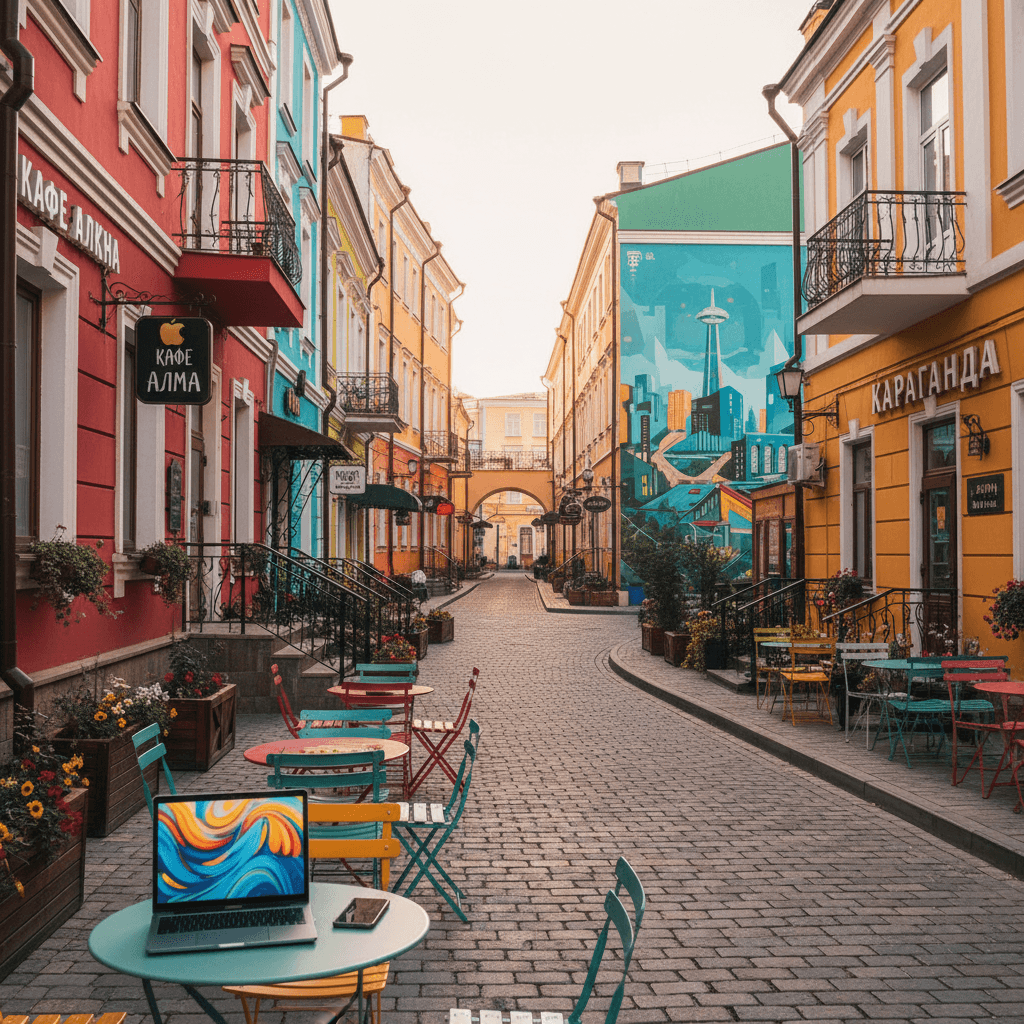
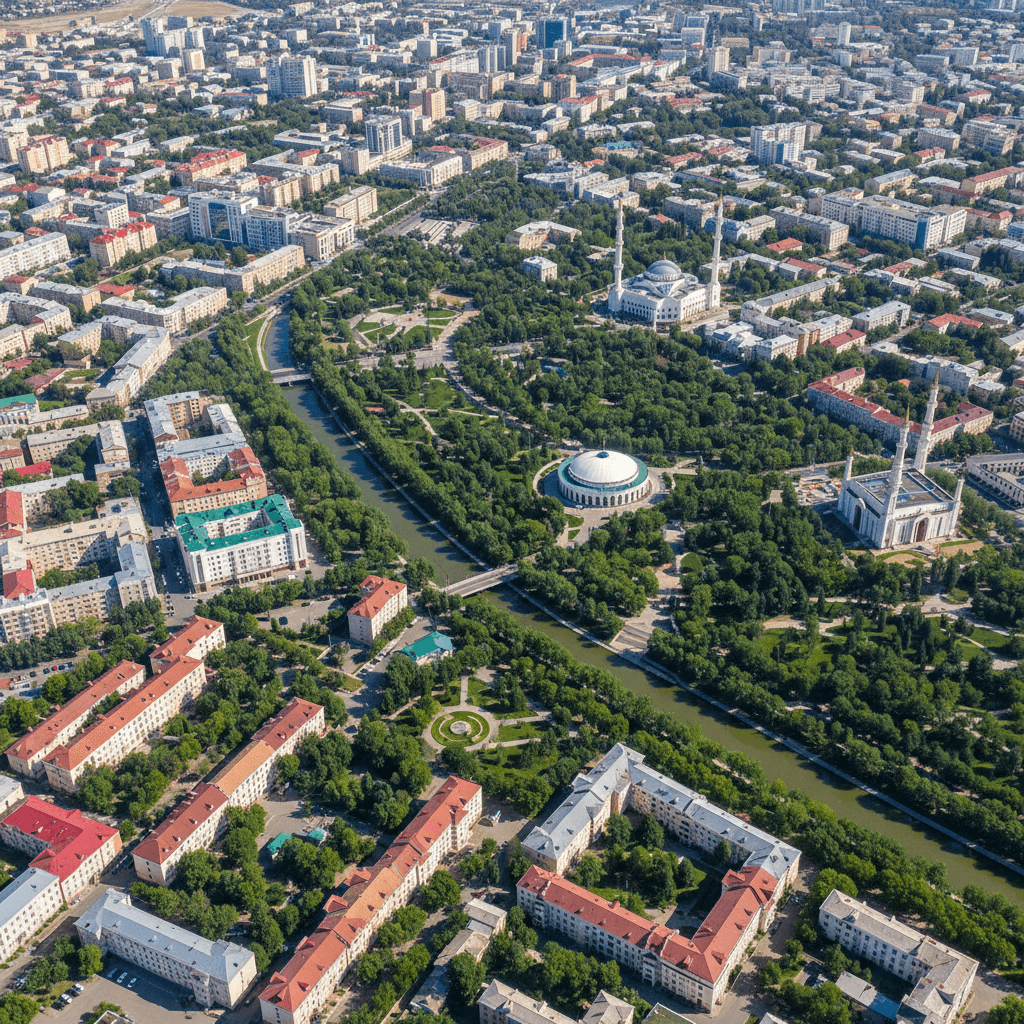
If Almaty is Kazakhstan's sophisticated elder sister and Astana is the shiny, futuristic newcomer, Shymkent is the heart of the country. It feels different the moment you step off the plane. There is a warmth here that goes beyond the southern sun; it is a city that trades the frantic pace of a tech hub for a slower, more intentional rhythm. For nomads tired of the "Chiang Mai bubble," Shymkent offers a rare chance to be a pioneer in a city that is just beginning to realize its own potential as a remote work destination.
The vibe is a unique blend of Soviet structure and Silk Road hospitality. You will see grand, wide avenues flanked by brutalist apartment blocks, but you will also find bustling bazaars where the air smells of fresh lepeshka bread and cumin. It is less "polished" than the northern cities, which is exactly why nomads are starting to gravitate here. It feels authentic, gritty in a charming way, and incredibly welcoming to those willing to navigate the language barrier.
The Daily Emotional Experience
Living in Shymkent feels like being part of a community rather than just a visitor. Locals are genuinely curious about why you have chosen their city, and "hospitality" isn't a buzzword here, it is a lifestyle. You might go for a quick coffee and end up in a twenty minute conversation with a student eager to practice English or a business owner offering you a bowl of shubat. It is a place where your morning walk to a cafe involves dodging friendly street cats and seeing elders play chess in the parks.
There is a distinct lack of pretension. While Almaty nomads might be focused on the latest cocktail bar, Shymkent nomads are usually found at a plastic table in a backyard cafe, eating the best plov of their lives for $4. It is a city that rewards the curious. If you crave the anonymity of a massive metropolis, Shymkent might feel small, but if you want a base where the cost of living is low and the quality of human connection is high, it hits the spot.
The Logistics of the Southern Hub
The city serves as the gateway to the south, making it the perfect launchpad for weekend trips to the ancient city of Turkestan or the snow capped peaks of the Sayram-Ugam National Park. Because Shymkent is a key player in Kazakhstan’s new Neo Nomad Visa ecosystem, the infrastructure is catching up fast. You are looking at average Wi-Fi speeds of 52 Mbps, which is more than enough for Zoom calls or heavy uploads.
- Digital Nomad Visa: The Neo Nomad Visa allows remote workers to stay up to 1 year (renewable), with a minimum income of $3,000 monthly.
- Tech Focus: The B9-1 visa for IT professionals offers up to 1 year residency via Astana Hub.
- Connectivity: Grab a SIM from Beeline or KCell at the airport for about $15 a month for nearly unlimited data.
What It Costs to Live Well
Shymkent is arguably the most affordable major city in Kazakhstan. Your dollar stretches significantly further here than in Almaty. Most nomads find they can live a very comfortable, "upper middle class" lifestyle for under $1,500 a month, while budget conscious travelers can easily get by on $900.
- Housing: A modern one bedroom apartment in the city center typically runs between $350 and $550 per month.
- Dining: A hearty meal at a local spot costs $3 to $6, while a high end dinner for two rarely exceeds $40.
- Transport: Yandex Go is the lifeline here. Most cross city rides cost between $1.50 and $3.
- Coworking: Dedicated desks are emerging for around $120 monthly, though many nomads prefer the growing "third wave" cafe scene.
The trade off for these low prices is the language gap. English proficiency is low, so you will rely heavily on Google Translate and the universal language of pointing and smiling. But for many, that is part of the draw. Shymkent isn't a city that has been curated for tourists; it is a living, breathing piece of Central Asia that invites you to pull up a chair and stay a while.
The Affordability Advantage
Shymkent is arguably the best value play in Central Asia right now. While Almaty and Astana are seeing prices creep up due to the influx of remote workers and international tech talent, Shymkent remains stubbornly affordable. You get the same fast internet and modern infrastructure for about 20% to 30% less than you'd pay in the northern hubs. Most nomads find they can live a very high-quality life here for between $1,000 and $1,500 per month without even trying to budget.
The city operates heavily on the Kaspi app. It is the lifeblood of the local economy. You'll use it for everything from splitting a dinner bill to paying for a ride-hailing trip or buying groceries. While international cards work in most modern establishments, having a local bank setup makes life significantly smoother for long-term stays.
Monthly Budget Tiers
- The Budget Traveler ($800 to $1,000): You're looking at a modest one-bedroom apartment slightly outside the immediate city center, sticking to the incredible local street food like plov and somsa, and using the very efficient bus system.
- The Mid-Range Nomad ($1,000 to $1,500): This is the sweet spot. You can snag a modern, renovated apartment in the center, eat out at nice cafes daily, use Yandex Go for every trip, and maintain a full-time desk at a coworking space.
- The High-End Expat ($1,800+): At this level, you're living in the most upscale developments, dining at the city's top-tier international restaurants, and taking weekend trips to the nearby mountains or Turkistan without glancing at your bank balance.
Housing and Utilities
Rent is your biggest variable. In central Shymkent, a modern one-bedroom apartment typically runs between $350 and $550 per month. If you're willing to live in older Soviet-style buildings, prices can drop well below $300. Most expats recommend using Krisha.kz to browse listings, though you'll likely need a Russian or Kazakh speaker to help you negotiate the final contract.
Utilities are surprisingly cheap. Expect to pay around $40 to $70 per month for electricity, water, and heating. Heating is usually centralized, so it's a flat fee during the winter months. High-speed home internet is reliable and will only set you back about $10 to $15 a month for speeds that easily handle video calls and heavy uploads.
Food and Dining
Shymkent is famous across Kazakhstan for having the best food in the country. It's also incredibly cheap. A massive plate of shashlik or lagman at a local spot will cost you about $3 to $5. If you're heading to a mid-range cafe for a latte and a sandwich, expect to pay around $6 to $8.
Grocery shopping is equally affordable if you stick to local markets like the Upper Bazaar. Fresh produce, bread, and dairy are pennies compared to Western prices. Even at modern supermarkets like Magnum, a full week of groceries for one person rarely exceeds $40 or $50.
Transport and Connectivity
Public buses cost less than $0.25 per ride, but most nomads rely on Yandex Go. It's the local version of Uber and it's incredibly cheap; a ten-minute cross-town trip usually costs about $2 or $3. For those staying a month, a total transport budget of $50 covers almost daily taxi use.
Mobile data is another win. You can pick up a SIM card from Beeline or KCell at the airport or any mall. A monthly plan with 20GB to 50GB of data generally costs between $10 and $15. The coverage in the city is excellent, often hitting 4G+ speeds that are faster than the hotel Wi-Fi.
Coworking and Workspaces
While Shymkent doesn't have the sheer volume of spaces found in Almaty, the scene is growing. Expect to pay around $100 to $150 for a monthly hot desk. Many nomads prefer the "cafe office" route, as the city has a burgeoning coffee culture with plenty of laptop-friendly spots that don't mind if you linger for a few hours over a $2 Americano.
The City Center (Al-Farabi District)
For most nomads, the Al-Farabi District is the default choice. It's the most walkable part of Shymkent, centered around the intersection of Tauke Khan Avenue and Kunayev Boulevard. You'll find the highest concentration of coffee shops with reliable Wi-Fi, like the popular Global Coffee chain or Madlen, which is a local institution for working lunches.
- Rent: $450 to $600 for a modern one-bedroom apartment.
- Vibe: Urban and active; you're close to Central Park and the Shymkent Plaza mall.
- Best for: Digital nomads who need to be within a five-minute walk of a caffeine fix and a coworking desk.
Living here means you can rely on your own two feet rather than constantly hailing a Yandex Go. While there aren't massive dedicated coworking hubs yet, the IT Hub Shymkent (part of the national Astana Hub network) is the go-to spot for meeting local developers and fellow remote workers. It's affordable, usually costing around $100 a month for a desk.
Nursat and the New City
If you prefer wide boulevards, glass buildings, and a more "planned" feel, head north to the Nursat neighborhood. This is Shymkent's administrative heart and where much of the new money is flowing. The apartments here are generally newer, with better insulation and more modern floor plans than the Soviet-era blocks downtown.
- Rent: $400 to $550 for a high-end new build.
- Vibe: Quiet, spacious, and slightly sterile compared to the old center.
- Best for: Expats on long-term contracts and those who want a quieter environment for deep work.
The trade-off is that you'll be more dependent on apps to get around. A ride from Nursat to the city center usually costs less than $3 on Yandex, so it's not a dealbreaker, but you won't find the same "stumble out of bed and into a cafe" lifestyle here.
The Sayram Road Area
For families or travelers looking for a more authentic, residential feel, the areas along Sayram Road offer a glimpse into the city's soul. This neighborhood feels closer to the Silk Road history of the region. It's famous for its food; some of the best shashlik and plov in the country are tucked away in unassuming courtyards here for about $5 a plate.
- Rent: $300 to $450 for larger, often multi-room apartments.
- Vibe: Traditional, family-oriented, and very green.
- Best for: Families and slow travelers who want to save money and sharpen their Russian or Kazakh skills.
The pace is slower here, and you'll find more local markets (bazars) than supermarkets. It's a great spot if you want to escape the "nomad bubble," though you'll definitely need Google Translate pinned to your home screen, as English is rarely spoken in the local shops.
Microdistricts (Vostok and North)
Solo travelers on a tight budget often gravitate toward the various numbered microdistricts. These are classic residential clusters with everything you need tucked into the courtyards: small grocery stores, pharmacies, and hair salons. While the exteriors can look a bit grey, many interiors have been renovated into stylish, minimalist pads perfect for a solo occupant.
- Rent: $250 to $350.
- Vibe: Authentic local life; you'll see kids playing soccer and seniors playing chess in the courtyards.
- Best for: Budget-conscious solo travelers and those staying for the full one-year Neo Nomad visa duration.
Safety is rarely an issue in these areas, as they are very communal. Just keep in mind that the internet quality can vary by building, so always ask for a speed test (aim for that 50 Mbps national average) before signing a lease on Krisha.kz.
Connectivity on the Ground
Shymkent hits a sweet spot for nomads who need to stay online without the Almaty price tag. Average Wi-Fi speeds in central areas are around 70-80 Mbps in most central apartments and modern cafes. While it isn't a fiber optic playground yet, the connection is stable enough for Zoom calls and heavy uploads. If you're coming from Southeast Asia, you'll find the stability here surprisingly reliable.
Mobile data is where Kazakhstan really shines. You should pick up a local SIM immediately upon arrival. Most expats lean toward Beeline or KCell. You can snag a monthly plan with a massive data allowance for between $10 and $20. The 4G coverage across the city center is excellent, though it can get spotty if you head out toward the Sayram outskirts or the mountains.
One pro tip for your wallet: download the Kaspi app. It’s the backbone of the local economy. Once you have a local number, Kaspi allows you to pay for almost everything via QR code, from your internet bill to your coffee. It makes managing your daily expenses much smoother than fumbling with cash.
Where to Get Work Done
The coworking scene in Shymkent is still finding its feet compared to the capital, but the infrastructure is growing thanks to the national push for the Neo Nomad Visa. You won't find a huge variety of dedicated "nomad hubs" yet, but the existing spaces are functional and very affordable. Expect to pay between $100 and $200 for a monthly hot desk.
- Astana Hub Ecosystem: Keep an eye out for regional branches or partner spaces linked to this national tech initiative. They offer the most reliable infrastructure and are the best places to meet local developers and entrepreneurs.
- Modern Business Centers: Many nomads rent small private offices in central business districts for a few hundred dollars a month. It’s often cheaper than a dedicated coworking membership in Western Europe.
- Hotel Lounges: Places like the Rixos or Shymkent Grand Hotel have reliable lobbies if you need a quiet morning with high speed internet and a professional atmosphere.
The Cafe Office Culture
If you prefer the hum of a coffee shop, Shymkent’s cafe culture is surprisingly robust. Most mid-range and upscale spots expect people to linger with laptops, provided you keep the coffee flowing. The staff are generally hospitable and won't rush you out the door.
- Central Cafes: Look for spots along Tauke Khan Avenue. These areas have the highest density of Wi-Fi enabled shops and are popular with the local student and freelancer crowd.
- The "Plov" Factor: While traditional teahouses (chaikhanas) are great for a long lunch, they aren't ideal for work. Stick to the modern bakeries and European style cafes for the best power outlet situations.
- Peak Hours: Most cafes get busy after 6:00 PM. If you have a late night shift for a US or European time zone, you'll likely have the pick of the best seats and the fastest bandwidth during the afternoon.
Digital Nomad Logistics
Living here long term is becoming much easier. The Neo Nomad Visa now allows remote workers to stay for up to a year, and it's renewable. If you're in the tech sector, the B9-1 visa is even more lucrative, potentially offering a 10 year residency. Most nomads find that Shymkent is the perfect "budget" base to pair with these visas, as your dollars or euros stretch significantly further here than in Astana.
If you encounter a language barrier while setting up your home router or troubleshooting a connection, Google Translate is your best friend. English proficiency is still low among technical support staff, so having a few Russian or Kazakh phrases for "the internet is down" will save you a lot of stress.
Staying Safe in the Third City
Shymkent feels considerably more laid back than the high energy streets of Almaty. Most nomads find the city surprisingly welcoming, characterized by a brand of Southern hospitality that means locals are more likely to offer you directions or tea than give you any trouble. It is a stable, family oriented city where you can generally walk around central districts at night without looking over your shoulder.
The biggest safety "risk" you'll face isn't crime; it's the traffic. Like much of Central Asia, driving styles are assertive. Use the Yandex Go app for rides rather than hailing random cars off the street. It keeps a GPS record of your trip and ensures you're paying the local rate, which usually sits between $2 and $5 for a cross-town hop. If you're walking, don't assume a car will stop at a zebra crossing unless there's a red light involved.
- Emergency Numbers: Dial 103 for an ambulance or 102 for police.
- Common Scams: These are rare here, but always double check your change in smaller "magazin" corner stores.
- Solo Travelers: Women traveling alone report feeling safe, though you might get some curious questions about why you aren't married. It's usually harmless small talk.
Healthcare and Medical Services
For minor issues like a cold or a stomach bug, Shymkent has a pharmacy (Apteka) on almost every corner. Many are open 24/7. You won't need a prescription for basic meds, and prices are incredibly low. For anything more serious, the city has a range of public and private facilities, though English proficiency among medical staff is hit or miss.
Expats usually head to private clinics for a more seamless experience. While Shymkent's facilities are adequate for routine checkups or stitches, nomads often travel to Almaty or Astana for complex surgeries or specialized care. If you're here on the Neo Nomad Visa, you'll need to show proof of health insurance, so make sure your policy covers medical evacuation just in case.
Practical Health Tips
- Tap Water: It's generally better to stick to bottled or filtered water. A 5-liter jug at the supermarket costs less than $1.
- Air Quality: Winters can get a bit hazy due to coal heating in some districts, but it's rarely as severe as the smog in Almaty or Bishkek.
- Daily Costs: A standard consultation at a private clinic will usually run you between $20 and $40.
The local fintech scene is a lifesaver for healthcare payments. Almost every clinic and pharmacy accepts Kaspi, the national super-app. Even if you don't have a local bank account yet, carrying a Visa or Mastercard is usually fine in the city center. Just keep a bit of cash (Tenge) if you're heading to the outskirts or visiting the older bazaars.
Getting Around Shymkent
Shymkent is a sprawling city, but its core is surprisingly manageable once you understand the local rhythm. It doesn't have the subway system of Almaty, so you'll rely on a mix of very affordable buses, ubiquitous ride-hailing apps, and your own two feet in the central districts.
Ride-Hailing and Taxis
The absolute gold standard for nomads here is Yandex Go. Download it before you arrive and link your card; it saves you from haggling or language barriers. Expect to pay between $1.50 and $3.00 for most trips within the city center. If you're heading out to the airport (CIT), the fare usually lands between $5 and $10 depending on the time of day.
- Yandex Go: The most reliable app for cars and occasionally food delivery.
- Indrive: A popular alternative where you suggest the price and drivers bid on your trip. It's great for longer distances or trips to nearby towns like Sayram.
- Street Taxis: You'll see locals waving down unmarked cars. Unless your Russian or Kazakh is fluent, stick to the apps to avoid the "foreigner tax."
Public Transit
The bus network is extensive and incredibly cheap, costing roughly $0.20 per ride. Most buses are modern, though they can get packed during the afternoon rush. To pay, most locals use the Tolem card or simply scan a QR code via the Kaspi app, which is the backbone of the Kazakh digital economy. If you're staying for more than a week, getting a Kaspi account is a total game changer for transit and daily shopping.
Micromobility and Walking
Shymkent is flatter than Almaty, making it decent for walking if you stay near the Central District. The city has been investing in wider sidewalks and greener boulevards, particularly around Abay Park and Independence Park. You'll see electric scooters (Jet or Whoosh) scattered around the center. These are fun for short bursts, but the pavement quality can be hit or miss once you leave the main drags, so watch out for unexpected potholes.
Regional Travel
Shymkent is the gateway to Southern Kazakhstan, and the train station is a major hub. For trips to Almaty or Astana, the Talgo high-speed trains are the way to go. They're clean, fast, and offer a much better experience than the older Soviet-style sleepers. If you're headed to the mountains or the ancient city of Turkistan, marshrutkas (minibuses) depart from the Samal bus station. They don't have set schedules; they just leave when they're full, which usually takes about 15 to 20 minutes during daylight hours.
Practical Navigation Tips
Don't rely solely on Google Maps. While it works for basic street names, 2GIS is the app everyone actually uses in Kazakhstan. It has much more accurate data for bus routes, building entrances, and even which floor a specific business is on. It works offline too, which is a lifesaver if your data connection drops while you're exploring the outskirts.
- 2GIS: Essential for finding specific shop entrances and precise bus schedules.
- Kaspi.kz: Use the "City" section in the app to track buses in real-time.
- Walking: Stick to the Tauke Khan Avenue area for the most pedestrian-friendly experience.
The Language Gap
In Shymkent, language is going to be your most significant hurdle and your greatest bridge to the local culture. Unlike Almaty, where you might stumble into an English speaking bubble, Shymkent is deeply rooted in Kazakh and Russian. Kazakh is the primary soul of the city, but Russian remains the lingua franca for business and daily logistics. If you're coming in with only English, expect a steep but rewarding learning curve.
Most nomads find that English proficiency is quite low once you step away from tech hubs or high end hotel lobbies. You won't find many menus in English, and your delivery driver almost certainly won't speak it. However, the locals are famously hospitable. They'll often go out of their way to help you via hand gestures or by calling over a younger student who might know a few English phrases.
Survival Tech and Apps
You shouldn't try to navigate the city without a few specific tools on your phone. These are the lifelines that make living in a non English speaking environment feasible.
- Google Translate: Download the Russian and Kazakh packs for offline use. The camera translation feature is a lifesaver for reading grocery labels or utility bills.
- Yandex Go: This is the local version of Uber. It's vital because it allows you to set your destination in the app, meaning you don't have to explain directions to a driver who doesn't speak your language.
- Kaspi.kz: While primarily a banking app, its interface is intuitive. Most expats use it for QR payments, which reduces the need for awkward cash transactions and counting change.
Key Phrases to Know
Learning a few words in Kazakh goes a long way. It shows respect for the local culture and usually results in a warmer welcome or a bigger portion of plov. While Russian is understood by almost everyone, starting with a Kazakh greeting is a pro move for any long term nomad.
- Salam / Salemetsiz be: Hello. Use the latter for a more formal, respectful greeting.
- Rahmet: Thank you. You'll use this dozens of times a day.
- Ie / Joq: Yes / No.
- Qansha turady?: How much does it cost?
- Keshirińiz: Excuse me or sorry.
Communication Logistics
Staying connected is cheap and fast. You can pick up a local SIM card at the airport or any small cell shop in the city center for about $10 to $20 per month. Providers like Beeline and KCell offer massive data packages that are perfect for tethering if your apartment Wi-Fi ever flickers. Most nomads recommend Beeline for its consistent coverage across the southern regions.
For socializing, the expat and nomad community in Shymkent is smaller than in the capital, so communication often happens in Telegram groups or through the Astana Hub network. If you're looking for English speakers, head to modern cafes like Kofemolka or Madlen. These spots serve as unofficial hubs for the city's younger, more tech savvy crowd who are often eager to practice their English with travelers.
Expect a bit of "language fatigue" during your first two weeks. It's mentally taxing to translate everything, but the affordability and warmth of the city usually make the effort feel worth it. By month two, you'll likely have your coffee order down in Russian and your greetings perfected in Kazakh.
The Shymkent Rhythm
Shymkent is a city of extremes, leaning heavily into a classic continental climate. Unlike the cooler, wind-swept plains of Astana, Shymkent sits further south, meaning it catches the heat early and holds onto it late. You'll find the local pace of life shifts dramatically with the thermometer, as residents swap afternoon errands for late-night strolls in the city's many parks when the air finally cools down.
Peak Season: May to September
If you want the best balance of outdoor access and comfortable work-from-cafe vibes, aim for May, June, or September. During these months, the city is at its most lush. The gardens are blooming, and the nearby Sayram-Ugam National Park is perfect for weekend hiking trips.
- May and June: Expect daytime temperatures between 22°C and 28°C. It's the sweet spot before the true desert heat kicks in.
- September: This is arguably the favorite month for long-term expats. The harvest is in, meaning the local markets are overflowing with incredibly cheap melons and grapes, and the temperature settles back into a manageable 25°C.
- July and August: Be warned, it gets hot. Temperatures frequently spike above 35°C or even 40°C. Most nomads find themselves working from air-conditioned apartments or spots like the city's modern malls during the day, only emerging after 8:00 PM when the city truly wakes up.
The Winter Chill: December to February
Shymkent doesn't suffer the brutal -30°C freezes of northern Kazakhstan, but it’s certainly not tropical. Winter is short but sharp. You'll see temperatures hovering around -2°C to 5°C, though it can drop lower at night.
Snow is common but rarely stays on the ground for weeks at a time. If you're here during the winter, you'll spend more on heating and less on outdoor exploration. It's a quiet, productive time for deep work, provided your apartment has "central heating," which is the standard in most Soviet-era and modern builds. Most travelers prefer to avoid this window unless they're using Shymkent as a cheap base to hop over the border to Tashkent.
Shoulder Seasons and Rainfall
Spring arrives early here, usually by late March. This coincides with Nauryz, the Persian New Year, which is a massive cultural celebration in Shymkent involving street festivals and traditional food like Nauryz kozhe. Rainfall is generally minimal throughout the year, but April is the wettest month. Even then, it's rarely enough to ruin a trip; it usually manifests as quick, heavy showers followed by sunshine.
Quick Seasonal Breakdown
- Best for Nature: May and June. The mountains are green and the wildflowers are out.
- Best for Budget: Late autumn. Rent prices stabilize after the summer rush and food costs are at their lowest.
- Best for Culture: March. The Nauryz celebrations are more traditional and vibrant in Shymkent than anywhere else in the country.
- Worst for Comfort: January (too grey) and July (too dusty and hot).
What to Pack
Layers are your best friend. Even in the heat of June, the desert influence means evenings can feel surprisingly brisk. If you're visiting in the summer, high-SPF sunscreen and a reusable water bottle are non-negotiable. For winter, a solid mid-weight parka will handle most days; you won't need the heavy-duty arctic gear required for the north. Most importantly, bring comfortable walking shoes. Shymkent is a city of parks, and you'll likely find yourself hitting 15,000 steps a day just exploring the green belts.
Money and Tech Setup
Shymkent is a cash-light city. While you'll want some Tenge for small bazaar purchases, almost everyone uses Kaspi. It is the national super-app that handles everything from QR code payments at coffee shops to splitting dinner bills. Most expats open a local account quickly, but if you're just passing through, your international Visa or Mastercard will work fine at bigger supermarkets and restaurants.
For connectivity, don't rely on roaming. Grab a local SIM from Beeline or KCell as soon as you land at the airport or head to the Shymkent Plaza mall. You can get unlimited data for about $15 to $20 a month. The Wi-Fi speeds in central apartments and cafes usually hover around 52 Mbps, which is plenty for Zoom calls or uploading large files.
Getting Around
Forget about trying to figure out the local bus routes unless you speak fluent Russian or Kazakh. Download Yandex Go. It is the Central Asian version of Uber and it is incredibly cheap. A ten minute ride across town rarely costs more than $2 or $3. If you are feeling adventurous, the city center is surprisingly walkable, especially around the parks and the Arbat pedestrian street.
- Airport Transfers: A taxi from Shymkent International (CIT) to the center should cost between $5 and $10 via the app.
- Intercity Travel: Shymkent is a major rail hub. The high speed trains to Almaty or Astana are clean and efficient, but you need to book tickets a few days in advance on the KTZ website.
- Scooters: Keep an eye out for rental apps like Jet or Whoosh, which are popping up in the central districts during the warmer months.
The Nomad Lifestyle
You won't find a massive Western expat community here like you would in Almaty, but that is part of the charm. Most remote workers set up shop in modern cafes like Madlen. While dedicated coworking spaces are still catching up with the Astana Hub ecosystem standards, you can usually find a quiet corner with a power outlet in the newer developments near the city center.
The language barrier is real. English proficiency is low, so download the offline Russian and Kazakh packs on Google Translate. Learning how to say "Rahmet" (thank you) goes a long way with the locals, who are famously hospitable once you break the ice.
Visa Logistics
Kazakhstan has become much more aggressive about courting remote workers. If you want to stay long term, look into the Neo Nomad Visa. It allows you to stay for up to a year and is renewable. For those in the tech sector, the B9-1 visa is even better, potentially offering up to 10 years of residency if you work through the Astana Hub network. Most travelers from Western countries can enter visa-free for 30 days, but always check the latest entry rules before you fly.
Daily Costs
Your dollar goes a long way here. Most nomads find they can live a very comfortable life on $1,200 to $1,500 a month without really trying to save. If you are on a strict budget, you can easily get by on $900 by eating at local canteens and staying in slightly older apartments.
- One-Bedroom Apartment: $350 to $600 per month in the city center. Use Krisha.kz to browse listings, but you might need a local friend to help with the calls.
- Local Meal (Plov or Lagman): $3 to $6 at a neighborhood spot.
- Mid-range Dinner: $10 to $15 for a full meal with drinks at a nice restaurant.
- Gym Membership: $30 to $50 per month for a modern facility.
When to Go
The best window is May through September. The weather is warm, the parks are green, and the outdoor cafes are in full swing. Winters can be biting and gray, particularly in January and February, so if you aren't a fan of the cold, that is the time to head further south toward Southeast Asia.
Need visa and immigration info for Kazakhstan?
🇰🇿 View Kazakhstan Country GuideHidden Gem
Worth the effort
Monthly Budget Estimates
More cities in Kazakhstan
Almaty
🇰🇿 Kazakhstan
Aktau
🇰🇿 Kazakhstan
Atyrau
🇰🇿 Kazakhstan