Shizuoka
🇯🇵 Japan
The Slow Burn of Shizuoka
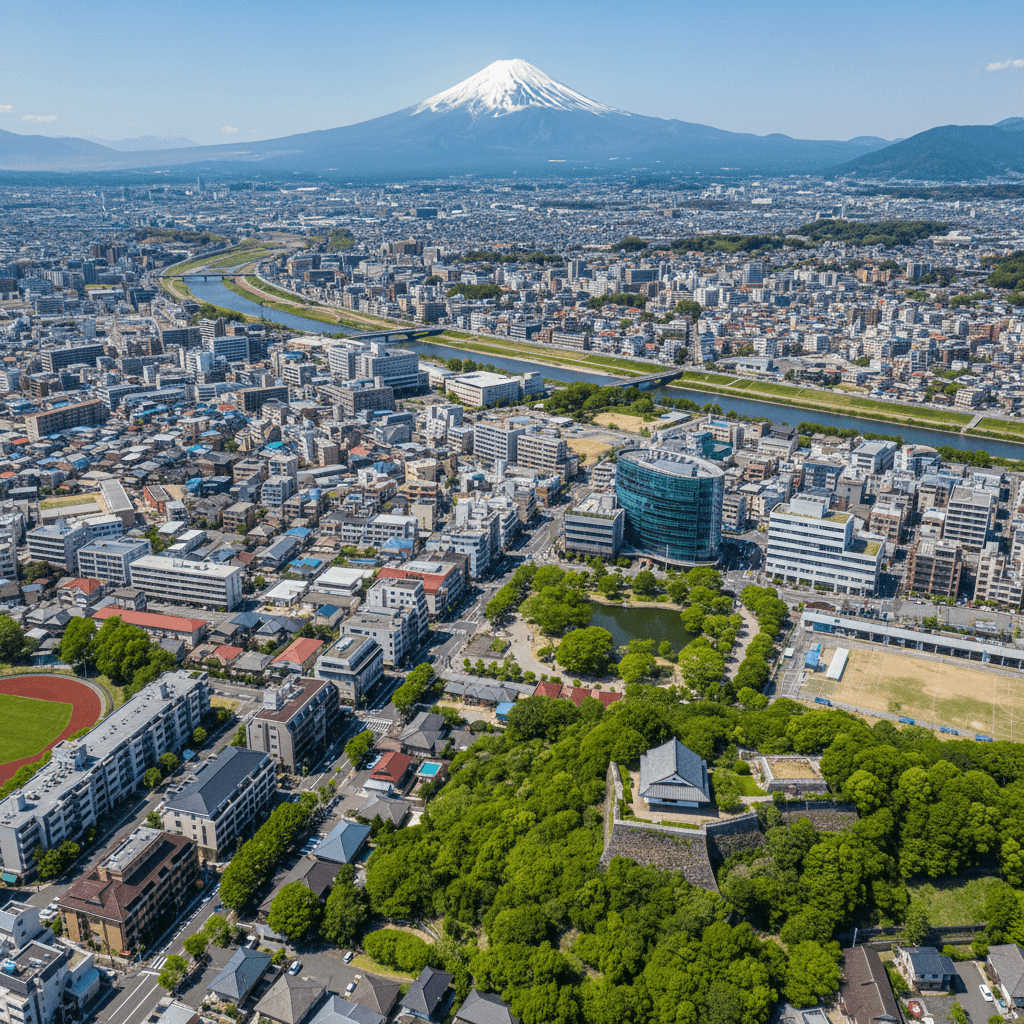
If Tokyo is a high speed chase and Kyoto is a crowded museum, Shizuoka is the deep breath you have been waiting to take. Most travelers only see this city as a blur of green tea fields from the window of a Shinkansen on their way to Osaka. For nomads who actually hop off the train, the reward is a city that feels lived in, authentic, and remarkably calm. It is a place where the air smells faintly of salt and roasted tea leaves, and the skyline is dominated by the constant, humbling presence of Mount Fuji.
The vibe here is noticeably different from the frantic energy of Japan's bigger hubs. People move a little slower. Shop owners actually have time to chat. You will find that the local community is proud of their city but not jaded by over tourism. It feels like a well kept secret, a place where you can actually integrate into a neighborhood rather than just observing it from the outside of a tourist bubble.
Life in the Shadow of the Peak
Shizuoka is defined by its geography. You are squeezed between the Suruga Bay and the mountains, which means you can spend your morning working from a cafe near the station and your afternoon surfing at Shizunami Beach or hiking through the northern foothills. This proximity to nature dictates the lifestyle. Nomads here tend to be those who value fresh air and outdoor access over neon lights and 4 am nightclubs.
The city is split into three main wards, each with a distinct personality:
- Aoi Ward: This is the heart of the city. It is where you will find the most density, the administrative buildings, and the best collection of work friendly spots. It feels like a proper city, but with wide, walkable streets and plenty of greenery around the Sumpu Castle Park.
- Suruga Ward: This area stretches toward the coast. It is quieter, more residential, and home to Shizuoka University. It has a younger, more academic energy and offers some of the best views of Fuji over the water.
- Shimizu Ward: Famous for its port and its soccer obsession. It has a slightly more industrial, gritty charm and is the gateway to the stunning Miho no Matsubara pine grove.
The Practical Reality
Living here is significantly more affordable than in the Kanto region. You aren't fighting for a seat in every coffee shop, and your yen goes much further when it comes to rent and dining. While the city is modern, it is helpful to remember that it isn't as English centric as Tokyo or Osaka. You will want to have your translation apps ready, though the locals are famously patient and helpful.
The infrastructure is exactly what you expect from urban Japan. The 5G coverage is seamless, and the city is incredibly easy to navigate by bicycle. In fact, most expats and locals rely on bikes to get around the flat coastal plains. It is the kind of place where you can find a rhythm quickly. You will have your regular vegetable stand, your favorite tiny izakaya in the Golden Gai style alleys of Aoba Oden Alley, and a quiet spot by the Abe River to clear your head after a long day of meetings.
Why Nomads are Choosing Shizuoka
The emotional draw of Shizuoka is the lack of pressure. There is no "must see" checklist that makes you feel guilty for just sitting in a park and working. It is a city that allows you to be productive without the background noise of a metropolis. You get the convenience of a major Japanese city, including high speed rail links that put you in Tokyo in approximately 1 hour, but with a cost of living and a pace of life that actually feels sustainable for the long term.
Nomads often mention that Shizuoka feels like the "real Japan." It is a city of craftsmen, tea farmers, and fishermen. When you go out for lunch, you are likely eating Sakura shrimp caught that morning or drinking tea grown on the slopes just a few miles away. It is a grounded, sensory experience that makes the digital grind feel a lot more human.
Shizuoka is the sweet spot for nomads who want the convenience of the Shinkansen line without the eye watering price tags of Tokyo or Kyoto. You are looking at a lifestyle that is roughly 30% to 40% cheaper than the capital, especially when it comes to the big three: rent, dining out, and caffeine stops. Most nomads find they can live comfortably here on a budget of $1,800 to $2,400 per month, though you can definitely trim that down if you opt for a local apartment over a serviced stay.
Housing and Neighborhoods
Your biggest saving will be on square footage. Unlike the shoebox apartments in Shibuya, Shizuoka rentals actually give you room to breathe. Most expats gravitate toward the Aoi-ku district because it keeps you within walking distance of the station and the main coworking hubs. If you want something quieter with a view of the mountains, Suruga-ku is a solid alternative.
- Aoi-ku (City Center): Expect to pay $650 to $900 for a modern, furnished one bedroom or a high end studio.
- Suruga-ku (Near the Coast/University): Prices drop to $450 to $600 for older but spacious apartments.
- Shared Housing: If you are looking to network, spots like Social Apartment Shizuoka usually run around $500 per month including utilities.
Workspace Costs
The city has leaned hard into the remote work trend lately. You won't find a massive surplus of spaces, but the ones available are high quality and rarely crowded. CO-SAKU-SA is a favorite for those who need a professional vibe, while Den Bill offers a more creative, relaxed atmosphere in the heart of the shopping district.
- Hot Desk Monthly Pass: $120 to $180
- Daily Drop-in Rate: $10 to $15
- Coffee Shop Work Session: A latte at a local spot like Hug Coffee will set you back about $4.50, and they are generally cool with you staying for a few hours if it is not peak lunch time.
Eating and Drinking
Shizuoka is the green tea capital of the world, so your tea habit will be cheap and high quality. Seafood is the other big win here. Because the city sits right on Suruga Bay, the fish is fresher and cheaper than what you will find in landlocked prefectures. Travelers often say the Shizuoka Oden stalls near Aoba Oden Alley are the best way to eat well on a budget.
- Cheap Eats (Ramen or Gyudon): $6 to $9
- Mid-range Dinner (Sushi or Izakaya): $20 to $35 per person including a couple of beers.
- Grocery Run: A weekly haul from Shizutetsu Store or MaxValu for one person usually hits $50 to $70.
- Local Specialty: A bowl of fresh Sakura Shrimp at the port will cost you about $11.
Connectivity and Transport
The city is incredibly flat, so most locals and long term nomads just buy a used bicycle for around $80 at a shop like Cycle Base Asahi. It pays for itself in a month. For longer trips, the Luup electric scooter sharing app has started popping up around the station area, which is great for quick hops across town.
- Monthly Transit Pass: $60 to $80 depending on your route.
- High Speed Data (Pocket Wi-Fi or eSIM): $30 to $50 for a generous monthly plan.
- Shinkansen to Tokyo: A one way trip on the Hikari train takes about an hour and costs roughly $45.
Overall, your money goes significantly further here. You get the 99% 5G coverage and the hyper efficient infrastructure Japan is known for, but you aren't competing with millions of tourists for a seat at a cafe or a reasonably priced Airbnb.
For Nomads: Aoi Ward (City Center)
If you want to be within walking distance of a decent flat white and a reliable desk, Aoi Ward is your base. This is the heart of Shizuoka City, where the grid layout makes it easy to navigate on a bicycle. Most nomads gravitate toward the area around Shizuoka Station and Gofukucho. It feels like a miniature version of Tokyo but without the claustrophobia or the $2,000 rent checks.
If you prefer a cafe vibe, Hug Coffee has several locations across Aoi and is generally welcoming to laptop users for an hour or two. You are close to the Sumpu Castle Park, which is the best spot in town to clear your head between Zoom calls.
- Average Monthly Rent: 65,000 to 90,000 yen for a modern studio
- Vibe: Urban, convenient, and surprisingly quiet after 9:00 PM
- Top Perk: Immediate access to the Shinkansen for weekend trips to Tokyo or Nagoya
For Expats: Suruga Ward
Long term residents often migrate south toward Suruga Ward. It is flatter, more residential, and puts you closer to the coast. This area houses Shizuoka University, so there is a steady population of international researchers and teachers. It feels less like a tourist hub and more like a functional Japanese neighborhood where people actually know their neighbors.
The area around Oya and Nakada is great if you want more square footage for your money. You can often find a two bedroom apartment here for the same price as a tiny studio in Aoi. Expats frequent Sumpu Brunch for weekend meals, and the local Aeon Mall handles most grocery and hardware needs. It is a bit of a trek to the city center, so most people living here invest in a scooter or a sturdy electric bike.
- Average Monthly Rent: 50,000 to 75,000 yen for a 1LDK or 2K apartment
- Vibe: Academic, suburban, and coastal
- Top Perk: Proximity to Mochimune, a fishing village with West Coast Brewing craft brewery
For Families: Shimizu Ward
If you are traveling with kids, Shimizu is the move. It was its own city until about twenty years ago, so it has its own distinct identity and plenty of space. The big draw here is the view. You are right on the water, and on a clear day, Mount Fuji looms over the bay like a postcard. It is significantly more relaxed than the central wards.
Families love the S-Pulse Dream Plaza area. It has a ferris wheel, a cinema, and the Chibi Maruko-chan Land museum which keeps younger kids entertained for hours. The schools here are well regarded, and there are more parks per capita than in the dense city center. The Nihondaira Plateau is a short drive away, offering some of the best hiking trails in the prefecture for a family Sunday out.
- Average Monthly Rent: 70,000 to 110,000 yen for a small house or large apartment
- Vibe: Nautical, family oriented, and scenic
- Top Perk: Easy access to the Shimizu Port for fresh seafood and ferry rides across the bay
For Solo Travelers: Miho Peninsula
Solo travelers looking for a retreat rather than a networking hub should head to the Miho area. This is famous for Miho no Matsubara, a pine fringed beach that is a UNESCO World Heritage site. It is not a place for high intensity networking, but it is perfect for writers or developers who need silence and a view of the ocean.
Accommodation here leans more toward traditional guesthouses and smaller apartments. You will spend less on rent and more on local experiences. Solo travelers often hang out at the small izakayas near the Miho Pier, where the locals are usually curious enough to strike up a conversation with a foreigner. It is a slower pace of life where the main evening activity is watching the sunset hit the peak of Fuji across the water.
- Average Monthly Rent: 45,000 to 60,000 yen for older, traditional units
- Vibe: Peaceful, outdoorsy, and slightly remote
- Top Perk: The 7km cycling track that runs along the coastline
Connectivity and Speed
Shizuoka is a sleeper hit for remote work because it sits directly on the Tokaido line between Tokyo and Nagoya. You get the same blistering internet speeds found in the capital without the crowded bandwidth issues. Fiber optic connections are common in Aoi ward, providing reliable service for most remote tasks. If you are staying near Shizuoka Station, the 5G coverage is nearly universal, making it easy to tether your laptop for a quick session at a park with a view of Mount Fuji.
Public Wi-Fi is reliable but requires a bit of setup. Most nomads use the Japan Wi-Fi auto-connect app, which handles the logins for the city's free network and various convenience store hotspots. While it is stable enough for emails, you will want a local SIM or a physical pocket Wi-Fi for video calls. Pick up a Mobal or Ubigi eSIM before you arrive; they use the NTT Docomo network which has the best penetration in the hilly areas around the city.
Top Coworking Spots
The coworking scene here is more functional than flashy, catering to a mix of local entrepreneurs and the growing number of slow travelers. Prices are significantly lower than what you will pay in Tokyo or Osaka. While the landscape of dedicated spaces is always evolving, the city center offers several professional environments for those needing a desk outside of their accommodation.
Work-Friendly Cafes
If you prefer the hum of a coffee shop, Shizuoka has several spots where staying for two or three hours with a laptop is perfectly acceptable. Just remember the local etiquette: buy a fresh drink every 90 minutes and avoid taking calls in small, quiet shops.
- Hug Coffee: There are a few locations around the city, but the one near the Denbill shopping center is the best for working. They have power outlets at the counter seats and the staff are used to seeing laptops. A latte is about 600 yen.
- Starbucks (Astty Shizuoka): It is predictable, but the Starbucks inside the station is a reliable backup. It opens early at 7:00 AM, which is perfect if you need to sync with US time zones.
Cost of Staying Connected
Budgeting for your digital setup in Shizuoka is straightforward. The city is affordable, and you won't find many hidden "service fees" at workspaces.
- Monthly Coworking Membership: 15,000 to 22,000 yen
- Daily Drop-in Rate: 1,000 to 2,500 yen
- Pocket Wi-Fi Rental (Monthly): 6,000 to 9,000 yen
- Coffee at a Work-friendly Cafe: 500 to 750 yen
Most travelers find that the Aoi Ward is the best place to base themselves for work. It is the commercial heart of the city, meaning you are never more than a five minute walk from a strong signal or a caffeine fix. If you head further out toward Shimizu or the coastal areas, the internet remains excellent, but dedicated coworking spaces disappear, leaving you dependent on your home connection or mobile data.
A Secure Base at the Foot of Fuji
Shizuoka is one of those places where you can breathe a little easier. It lacks the frantic energy of Tokyo or the tourist crush of Kyoto, which naturally translates to a very high safety profile. Most nomads find they can walk through neighborhoods like Aoi-ku or near Sunpu Castle Park at 3:00 AM without a second thought. It is the kind of city where locals still leave their umbrellas outside shop doors and bikes often go unlocked in residential alleys.
The biggest safety factor here isn't crime; it's the geography. Being on the coast near a major fault line means you need to be aware of earthquake and tsunami protocols. You'll see signs in English and Japanese throughout the Shimizu port area indicating evacuation routes to higher ground. Expats recommend downloading the NERV Disaster Prevention app or Safety tips by the Japan Tourism Agency. These provide real time alerts for tremors and weather warnings in English, which is vital if you are staying in a coastal Airbnb.
Navigating the Healthcare System
If you get a stubborn cold or need a prescription refill, you'll find the medical care in Shizuoka is top tier but can be a bit old school in its administration. Most clinics in the city center expect payment in cash, though larger hospitals like Shizuoka City Shizuoka Hospital are more likely to take international credit cards. A standard consultation fee usually runs between 3,000 and 5,000 yen if you have the National Health Insurance, or closer to 10,000 to 15,000 yen if you are paying out of pocket on a travel policy.
English proficiency among staff can be hit or miss at smaller neighborhood clinics. If your Japanese is limited to "Arigato," head to the Shizuoka Prefectural General Hospital. They have more experience dealing with international residents and often have staff who can assist with translation. For minor issues like allergies or painkillers, look for a Welcia or Hac Drug pharmacy. You can usually find a pharmacist who can help you identify over the counter meds using a translation app.
Emergency Contacts and Practicalities
It helps to keep a few key numbers saved in your phone before you settle into your coworking routine. The emergency services in Japan are efficient, but the operators may not always speak fluent English immediately.
- Police: Dial 110
- Fire and Ambulance: Dial 119
- Japan Help Line: 0570-000-911 (24 hour non profit for international residents)
For routine health checks or dental work, many nomads take the Shinkansen to Tokyo for a day trip since it only takes about 60 to 90 minutes. However, for everyday needs, the local facilities in Shizuoka are more than adequate. Just remember to carry your Residence Card or passport at all times, as it is a legal requirement in Japan and necessary for any hospital admission.
Health and Wellness Costs
Maintaining your health while working remotely in Shizuoka is relatively affordable compared to Western hubs. You can find plenty of public gyms and parks for staying active without a heavy price tag.
- Doctor Consultation (No Insurance): 10,000 to 15,000 yen
- Private Health Insurance (Monthly): 15,000 to 25,000 yen
- Gym Membership (Monthly): 7,000 to 10,000 yen
- Yoga Class: 2,500 to 3,500 yen
Most travelers say the peace of mind you get from the low crime rate and the clean air coming off the Suruga Bay is a massive perk of choosing Shizuoka over the bigger metros. It's a city that looks after you, provided you respect the local rules and keep your disaster apps updated.
Shizuoka is a city that moves at a pace halfway between Tokyo's frantic energy and the sleepy rhythm of the countryside. It is built on a flat coastal plain, which makes it incredibly easy to navigate compared to the hilly terrain of nearby Hakone. Most nomads find that once they have a handle on the local bus system and the main rail lines, the city feels much smaller than its population suggests.
The Lifeblood: Shizuoka Station
Everything centers on Shizuoka Station. This is where the Tokaido Shinkansen stops, connecting you to Tokyo in about 60 minutes. If you are planning to work from different cafes or coworking spaces like COW-N or En-shishu, you will likely pass through here daily. The station divides the city into the North Exit, which leads to the business and nightlife districts of Gofuku-cho, and the South Exit, which is more residential and quiet.
Local Trains and the Shizutetsu
While JR lines are great for longer trips to Shimizu or Fujieda, the private Shizutetsu Line is the secret weapon for daily life. It is a charming, shorter railway that runs between Shin-Shizuoka Station and Shin-Shimizu. It is reliable, frequent, and much less crowded than the JR lines during rush hour. A one way trip usually costs between 140 and 350 yen depending on the distance. Expats recommend living near a Shizutetsu stop like Hiyoshi-cho or Kasuga-cho if you want a quick commute into the city center without the high rent of the immediate downtown area.
Mastering the Bus Network
The Justline buses cover the gaps where the trains do not reach. They are particularly useful for getting to the scenic spots like Nihondaira or the Kunozan Toshogu Shrine. You enter through the middle door, take a small paper ticket with a number on it, and pay at the front when you get off. The fare display at the front of the bus shows how much you owe based on your ticket number. Most local rides within the city core will set you back about 190 to 250 yen.
Cycling and Walking
Shizuoka is remarkably flat, making it one of the best cities in Japan for cycling. Most long term residents invest in a mamachari, a standard utility bike, for about 15,000 to 20,000 yen. There are plenty of bike parking lots around the main stations, usually costing around 100 to 150 yen per day. If you prefer walking, the downtown grid is easy to follow. You can walk from the station to the ruins of Sunpu Castle in about 15 minutes, passing through the covered shopping arcades that keep you dry on rainy days.
Essential Transit Tips
- Get a Luup account: Electric kickboard and bike sharing apps like Luup have started appearing in Shizuoka, perfect for quick 10 minute hops across town.
- IC Cards: Whether you use Suica, Pasmo, or the local LuLuCa card, keep it topped up. You can use these for almost all trains, buses, and even at convenience stores like 7-Eleven.
- Taxi Apps: While you can hail a cab on the street, apps like Go or Uber (which calls local taxis) are much easier if you do not speak Japanese fluently. A typical 2 kilometer ride will cost around 800 to 1,200 yen.
- The Shinkansen "Kodama" Trick: If you are heading to Tokyo and want to save money, look for the Platt Kodama ticket. It is a discounted fare that must be bought at least one day in advance, often including a free drink voucher.
Most travelers find that they do not need a car if they stay within the city limits. The infrastructure is dense enough that your feet and a recharged IC card are all you really need to stay mobile. If you do want to explore the base of Mount Fuji or the Izu Peninsula, car rental agencies like Toyota Rent-a-Car are located right outside the South Exit of the station, with daily rates starting around 7,000 yen.
The Language Barrier in Shizuoka
Unlike the international bubbles of Tokyo or Osaka, Shizuoka remains a place where Japanese is the primary mode of life. You won't find English menus at every corner noodle shop in Aoi-ku, and the staff at local grocery stores like Shizutetsu Store likely won't speak much English. Most nomads find this is part of the charm, but it does require a bit more preparation than staying in a tourist hub.
Expats living near Shizuoka Station suggest that while basic English is understood at major hotels and the Parche shopping mall, your daily interactions will be much smoother if you learn the basics. Most locals are incredibly patient and will use translation apps or gestures to help you out. It is a polite city, and making an effort with a few Japanese phrases goes a long way in building rapport with the owners of small izakayas or coffee shops.
Digital Tools for Daily Life
Since Shizuoka is less catered to Western tourists, your smartphone is your best friend. Google Lens is the gold standard here for translating mail, utility bills, and those confusing labels on cleaning products at the drugstore. For actual conversations, VoiceTra is a popular alternative to Google Translate that often handles Japanese grammar with more accuracy.
For getting around, Japan Transit by Jorudan or Google Maps are reliable for the local bus system. While the city is very walkable, the bus routes can be tricky because the displays on older buses might only show kanji. Keeping your destination open on a map allows you to track your stops in real time without needing to understand the announcements.
Communication and Connectivity
The tech infrastructure in Shizuoka is world class. Shizuoka has good 5G coverage in urban areas, which is a lifesaver when you are working from a cafe near Sumpu Castle Park. Most coworking spaces like CO-& or Pointline offer high speed fiber optic connections that handle video calls without a hitch.
- Pocket Wi-Fi: If you plan on taking the train to nearby Shimizu or Yaizu to work with a view of the ocean, rent a Ninja WiFi unit or a Ubigi eSIM.
- Public Wi-Fi: Available at Starbucks and 7-Eleven, but it often requires a login and can be spotty for heavy workloads.
- Local SIMs: Mobal or Sakura Mobile are the go to choices for nomads because they offer English support and don't require a long term residency card.
Networking and Socializing
Finding an English speaking community takes a little more effort here than in the bigger cities. Travelers often say that the best way to meet people is through interest based groups rather than general expat meetups. Look for bouldering gyms, surf shops in Shizuoka City, or weekend hiking groups heading toward Mount Fuji views.
If you need a workspace where English is more common, head to the Shizuoka City Association for Multicultural Exchange (SAME). They provide resources for foreigners and are a great starting point for finding language exchange partners. Many nomads also frequent Hug Coffee locations, which tend to have a younger, more international vibe where you might strike up a conversation in English.
Essential Local Phrases
You don't need to be fluent, but memorizing these will change your experience at the local markets and small cafes. Locals in Shizuoka are proud of their region, and using a little Japanese shows you aren't just passing through.
- Sumimasen: Excuse me or sorry. You will use this constantly to get a waiter's attention or move through a crowd.
- Kore o onegaishimasu: This one, please. Perfect for pointing at items in a bakery or a menu.
- Wi-Fi wa arimasu ka: Do you have Wi-Fi?
- Osusume wa: What do you recommend? This is the best way to try the local shizuoka oden or green tea specialties.
- Daijoubu desu: I'm okay or no thank you. Useful when you don't need a plastic bag at the convenience store.
The Sweet Spot of Central Japan
Shizuoka is often called the land of sun and tea, and for good reason. It enjoys more sunshine hours than most of its neighbors, making it a reliable choice for nomads who get the winter blues in gloomier climates. Because it sits right on the coast between Tokyo and Nagoya, the weather stays relatively mild year round, though you will definitely feel the shift in seasons.
Most long term travelers aim for the shoulder seasons. March to May and October to November are the goldilocks zones. During these months, you can work from a cafe patio without melting or freezing, and the visibility for Mount Fuji is at its peak. If your goal is to see the mountain from your laptop screen, these are your best bets.
Spring: Cherry Blossoms and Green Tea
Spring is arguably the most beautiful time to be in the city. The cherry blossoms usually peak around late March or early April. Sunpu Castle Park becomes the local hub for hanami parties, and the air is crisp. You can expect daytime highs around 18°C (64°F), which is perfect for walking between coworking spaces like CODO or Denbe.
This is also when the first tea harvest begins. If you head up into the hills of Nihondaira, the rows of tea bushes turn a vivid, electric green. It is a busy time for tourism, so expect slightly higher prices for short term rentals and more crowded trains on the Shinkansen line.
Summer: The Humidity Factor
If you aren't a fan of humidity, July and August will be a challenge. Temperatures consistently hit 31°C (88°F), but the humidity makes it feel much hotter. Most nomads find themselves retreating to air conditioned malls like Cenova or staying indoors during the afternoon. This is the only time of year you can actually climb Mount Fuji, so if that is on your bucket list, you have to brave the heat.
The upside to summer is the festival season. The Abe River Fireworks in late July is a massive event that brings the whole city to the riverbanks. Just make sure your accommodation has a strong AC unit, as older apartments in neighborhoods like Suruga-ku can turn into ovens.
Autumn: Crisp Air and Clear Views
October brings a sigh of relief. The humidity drops, the skies clear up, and the autumn colors hit the surrounding mountains in November. This is the most productive season for many expats. The stable weather means fewer rainy days interrupting your travel plans, and the visibility of Fuji becomes much more consistent than in the hazy summer months.
Prices for mid range hotels and monthly apartments tend to stabilize after the summer rush. It is a great time to explore the coastal areas like Miho no Matsubara without the summer crowds. Daytime temperatures hover around 20°C (68°F), cooling down significantly at night.
Winter: Dry, Sunny, and Quiet
Winter in Shizuoka is surprisingly pleasant compared to Tokyo or Osaka. It rarely snows in the city center due to the coastal breeze. You will see plenty of blue skies and bright sunshine, even in January. Temperatures usually stay between 3°C and 12°C (37°F to 54°F).
While the city feels a bit quieter, it is the best time for photography. The air is at its clearest, offering those iconic, snow capped views of Fuji that you see on postcards. It is also the season for Shizuoka Oden. Locals recommend heading to Aoba Oden Alley on chilly nights to warm up with a bowl of dark broth and fish cakes. Since it is the off season, you can often find better deals on long term stays in the city center near Shizuoka Station.
Seasonal Breakdown at a Glance
- Best for Fuji Views: November through February.
- Best for Outdoor Work: April, May, and October.
- Peak Tourist Season: Late March (Sakura) and August (Fuji climbing).
- Rainiest Months: June (Tsuyu rainy season) and September (Typhoon season).
Getting Connected
You'll find that Shizuoka isn't as saturated with tourists as Tokyo, which means the public Wi-Fi can be a bit more reliable since fewer people are fighting for bandwidth. Most nomads pick up a local SIM card at the airport or use an eSIM provider like Ubigi or Airalo before arriving. If you're planning a longer stay, look into Sakura Mobile or Mobal because they offer English support and accept foreign credit cards.
The city has excellent 5G coverage, even as you move toward the foothills of Mount Fuji. For a dedicated workspace, CO-EDO Shizuoka near the main station is a favorite. It's affordable, usually charging around 2,000 yen for a full day. Another solid option is LODGE, which has a more creative, relaxed atmosphere that appeals to designers and writers.
Cost of Living Breakdown
Shizuoka is significantly cheaper than Tokyo or Osaka, especially when it comes to housing and fresh produce. You can live a very comfortable life here for about 60% of what you'd spend in the capital.
Monthly Budget Estimates
- Rent (One-bedroom apartment): 55,000 to 85,000 yen
- Coworking Membership: 15,000 to 20,000 yen
- Groceries and Local Markets: 40,000 to 50,000 yen
- Dining Out and Socializing: 30,000 to 45,000 yen
- Transportation (Local bus/train): 10,000 yen
Navigation and Transport
The city is flat, so many expats buy a cheap bicycle at Cycle Base Asahi for about 15,000 yen and sell it before they leave. It's the most efficient way to get around the downtown core. For longer trips, the Luup electric scooter sharing app has started popping up in central areas, though you'll need a valid ID to register.
For trains, grab a Suica or Pasmo card. You can load these onto your phone's digital wallet easily. While Shizuoka is a stop on the Tokaido Shinkansen, remember that the fastest Nozomi trains don't stop here. You'll be taking the Hikari or Kodama trains, which are just as comfortable but slightly less frequent.
Local Survival Tips
Cash is still used more often than you might expect in smaller neighborhood izakayas. Always keep a few 1,000 yen bills in your wallet. If you need an ATM that definitely accepts foreign cards, head to any 7-Eleven. Their 7-Bank ATMs are open 24/7 and have a clear English interface.
Trash disposal is surprisingly strict here. When you move into an apartment, your landlord will give you a complex schedule for different types of recycling. Follow it closely to stay on good terms with your neighbors. Most nomads find that using the Google Lens app is a lifesaver for translating the kanji on utility bills and grocery labels.
If you're looking for a community, the Aoi District is where most of the action happens. It's the heart of the city and where you'll find the highest concentration of English speaking locals and fellow remote workers. For a quick lunch, hit up the basement of the Matsuzakaya department store. The food halls there sell high quality bento boxes for under 1,000 yen after 6:00 PM when they start marking down prices.
Need visa and immigration info for Japan?
🇯🇵 View Japan Country GuideEasy Landing
Settle in, no stress
Monthly Budget Estimates
More cities in Japan
Kumamoto
🇯🇵 Japan
Sendai
🇯🇵 Japan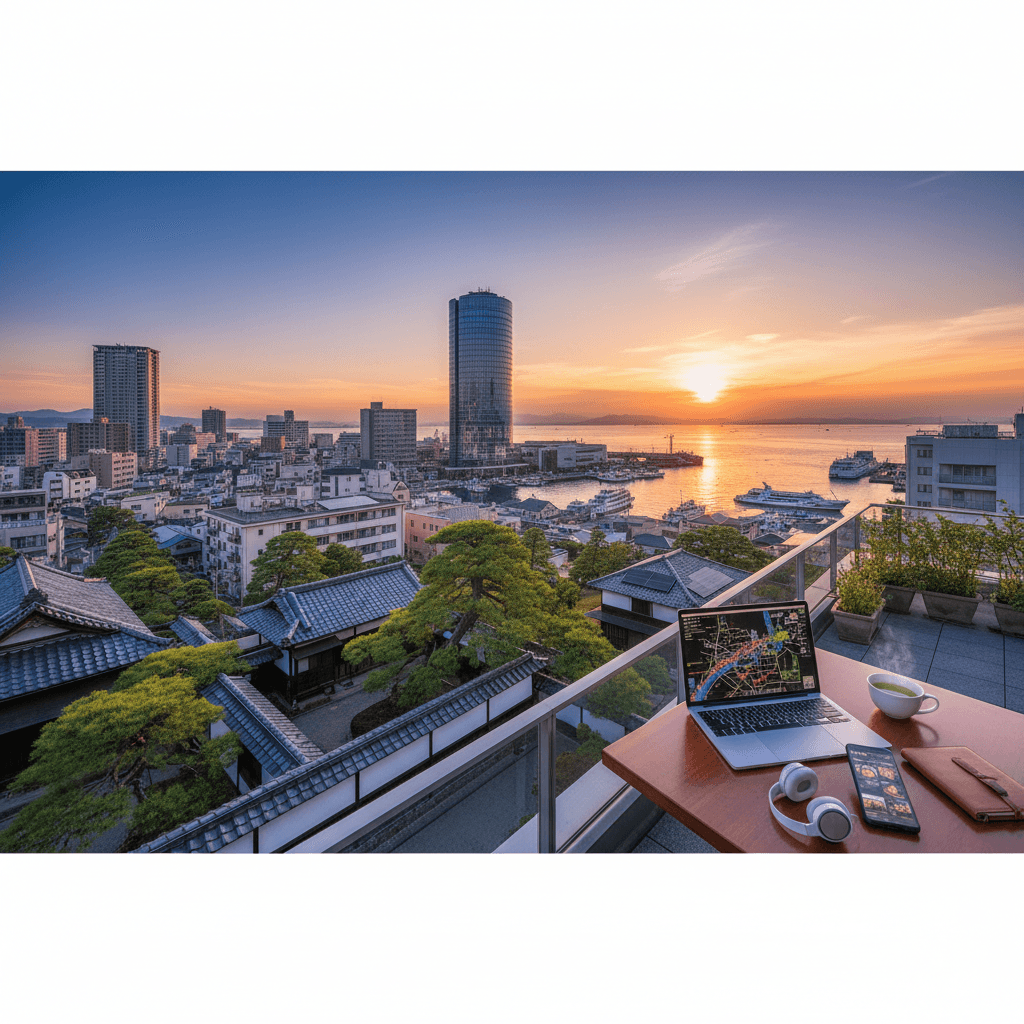
Takamatsu
🇯🇵 Japan