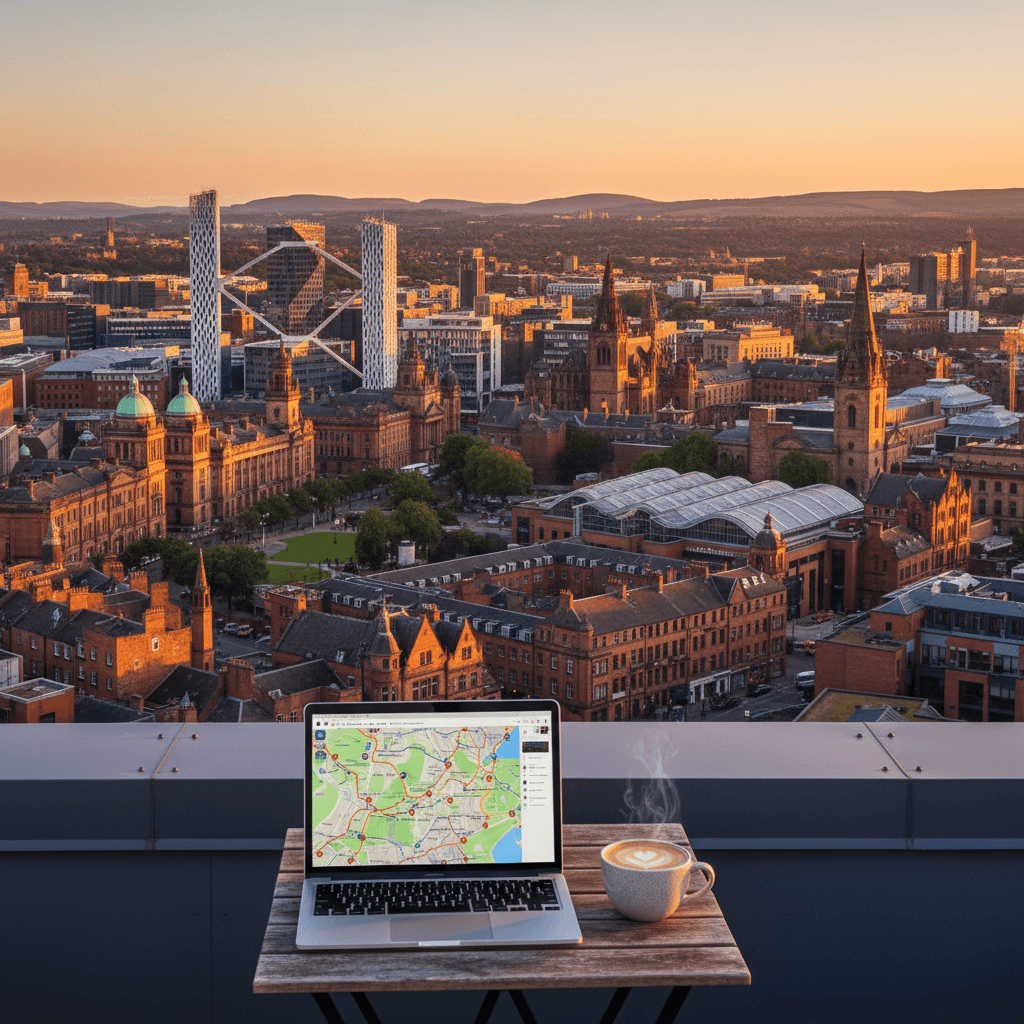
Sheffield
🇬🇧 United Kingdom
The Steel City Soul
Sheffield is a bit of a contradiction, and that is exactly why nomads are starting to pay attention. It is a major city built on heavy industry that somehow feels like a collection of hilly villages. You will hear it called the Steel City, a nod to its heritage of making the world's cutlery, but the first thing you will notice is how green it is. There are more trees per person here than in any other city in Europe, and that creates a breathable, relaxed energy you rarely find in the UK's bigger hubs.
The vibe here is fiercely independent. While London or Manchester can feel like they are trying to sell you something, Sheffield just exists. It is unpretentious and incredibly welcoming. You will find that people actually make eye contact and say hello. For digital nomads, this means a lower barrier to entry for social circles and a community spirit that feels genuine rather than curated for Instagram.
Life on Seven Hills
Living here feels like being in a constant state of transition between urban grit and wild nature. The city is famously built on seven hills, which means two things: your legs will get a serious workout, and you are never far from a panoramic view. The geography shapes the lifestyle. Most locals work hard during the day and then immediately head toward the edges of the city as soon as the sun comes out.
The proximity to the Peak District is the real game changer. You can take a 20 minute bus or train ride from the city center and find yourself standing on a gritstone edge overlooking miles of moorland. It is common to see people on the Supertram with muddy hiking boots or carrying bouldering mats. If your nomad style involves a morning of deep work followed by an afternoon of mountain biking or hiking, Sheffield is arguably the best base in England.
The Creative and Digital Pulse
While the chimneys of the past are mostly gone, the industrious spirit has moved into digital spaces. The city has a massive student population thanks to two major universities, which keeps the energy young and the prices relatively low compared to the south of England. This has birthed a thriving creative scene centered around the Cultural Industries Quarter and areas like Kelham Island.
You will find a lot of tech startups, marketing agencies, and freelance developers rubbing shoulders in the city's coffee shops. The pace of life is slower than London, but the ambition is still there. It is a place where people value "making" things, whether that is software, craft beer, or art. This makes it an easy place to find collaborators or just find a quiet corner with fast WiFi where nobody will bother you for three hours.
Navigating the Daily Grind
Getting around is straightforward, though the hills make cycling a challenge for the faint of heart. The Supertram is the pride of the city, connecting the center to the suburbs and the massive Meadowhall shopping complex. Most nomads tend to stick to the southwest or the trendy northern fringes, where the walkability is high and the coffee is strong.
- The Supertram: A reliable way to bypass traffic, with tickets usually costing a few pounds for a short hop.
- Walking: Expect steep inclines. It is the best way to see the various hidden parks and woodland trails that cut through the neighborhoods.
- The Outdoors: The Peak District is your backyard. Places like Stanage Edge and Mam Tor are local favorites for a quick escape from the screen.
The emotional experience of Sheffield is one of belonging. It does not take long to become a regular at a local pub or for the barista to remember your order. It is a city that invites you to settle in rather than just pass through. For the nomad who is tired of the frantic pace of global capitals, the Steel City offers a grounded, green, and creative alternative that feels like home almost immediately.
Living Large on a Steel City Budget
Sheffield is easily one of the most affordable major cities in the UK. While London and Manchester prices keep climbing, Sheffield remains a place where you can actually enjoy your life without constantly checking your banking app. It has that rare mix of a big city feel with a cost of living that doesn't punish you for wanting to live near the action.
Most expats and nomads find they can live comfortably here for about £1,400 to £1,800 per month. This covers a decent flat, plenty of nights out, and your transport. If you are coming from North America or Northern Europe, the local prices for a pint or a meal out will feel like a genuine bargain.
What You'll Pay for Rent
Your biggest expense will be housing, but even this is manageable compared to the national average. Neighborhood choice is everything here. If you want to be where the energy is, look at Kelham Island or the City Centre. If you prefer leafy streets and independent coffee shops, Ecclesall Road and Crookes are the go-to spots for remote workers.
- City Centre / Kelham Island: Expect to pay between £750 and £950 for a modern one-bedroom apartment. These areas are popular with young professionals and have a heavy industrial-chic vibe.
- Ecclesall Road / Hunter's Bar: A one-bedroom flat or a room in a high-end shared house usually runs between £600 and £800. This area is perfect if you want to walk to the Peak District but still have a cocktail bar on your doorstep.
- Crookes / Walkley: You can find great spots here for £550 to £700. It is a bit hillier, but the views over the city are worth the extra effort on your legs.
Eating and Drinking
Sheffield has a massive independent food scene, which keeps prices competitive. You won't find as many overpriced tourist traps here as you would in York or London. Most nomads find that cooking at home is cheap thanks to local markets like the Moor Market, but eating out is tempting enough to do several times a week.
- Casual Meal: A solid lunch at a place like Tamper Coffee or a burger at Twisted Burger Co will cost you about £10 to £15.
- Dinner for Two: A nice meal at a mid-range restaurant in Kelham Island usually lands around £45 to £60, including a couple of drinks.
- The Social Scene: A pint of local pale ale generally costs between £4.50 and £5.50. If you are a coffee fan, a flat white is usually around £3.20.
Transport and Tech
Getting around is straightforward and won't eat much of your budget. The city is incredibly walkable if you don't mind the hills, but the Supertram is the way to go for longer distances. Many long-term residents skip the car entirely and just use a combination of trams and the occasional Uber.
- Monthly Transport Pass: A Gold Card for unlimited bus and tram travel across South Yorkshire costs roughly £80 to £90 per month.
- High-Speed Internet: Standard fiber packages for your flat usually start around £25 to £35 per month.
- Gym Memberships: Big chains like PureGym or The Gym Group have locations across the city starting at £20 a month, though boutique climbing gyms like The Climbing Works will cost a bit more, usually around £50 for a monthly pass.
One thing travelers often overlook is the "Peak District Tax." While the national park is free to enter, you will likely spend a bit on train tickets to Edale or Hathersage for weekend hikes. A return ticket usually costs less than £10, making it one of the cheapest ways to spend a Saturday.
For Digital Nomads: Kelham Island
Once the industrial heart of the city's steel trade, Kelham Island has transformed into the go-to district for remote workers and creatives. It feels like a mix of Brooklyn and East London, but with a much friendlier, Northern grit. You'll find yourself working from places like Union St or visiting Cutlery Works, a massive food hall in Neepsend with a dozen independent food stalls and workspace areas. Nearby, Krynkl is a separate shipping container development that houses various business units.
- The Vibe: Industrial chic with a heavy emphasis on craft beer and specialty coffee.
- Best Perk: You are steps away from some of the best pubs in England, like The Fat Cat or Kelham Island Tavern, perfect for a post-work pint.
For Expats and Professionals: Ecclesall Road
If you prefer a more established, polished feel, the area around Ecclesall Road (locally known as "Eccy Road") is the place to be. It stretches from the city center toward the more affluent southwestern suburbs. Expats often choose this area because it balances urban life with immediate access to the Botanical Gardens. It is packed with independent boutiques, upscale grocery stores like Marks & Spencer, and plenty of brunch spots that double as quiet afternoon workspaces.
Living here means you are part of a massive international community. The rental market is competitive, with one-bedroom flats usually starting around £850 to £1,100 per month. It is well-connected by frequent bus routes, so you rarely need a car to get into the city center.
For Families: Nether Edge and Dore
Families moving to Sheffield usually look toward the leafy streets of Nether Edge. It has a distinct village feel despite being just a short distance from the center. The neighborhood is famous for its farmers' markets and tree-lined avenues. If you have a larger budget and want to be right on the edge of the Peak District National Park, Dore is the prestigious choice. It offers top-tier schools and a very quiet, safe environment.
- Nether Edge: Great for community festivals and local bakeries like Forge Bakehouse.
- Dore: Expect higher property prices, often exceeding £500,000 for family homes, but with the moors practically in your backyard.
- Transport: Dore has its own small train station that gets you into the city in under 10 minutes.
For Solo Travelers and Students: City Centre and Shoreham Street
If you want to be in the thick of it, the City Centre is your best bet. Sheffield is a massive student city, so there is a constant energy around the Devonshire Quarter. Solo travelers often find it easy to meet people at Public, a tiny, award-winning bar located in a former underground town hall toilet, or at the Showroom Cinema, which is a hub for the local film and arts scene.
The area around Shoreham Street is also seeing a lot of new development. It is close to the train station and the Leadmill, the city's most iconic music venue. Renting a room in a shared professional house here can cost as little as £500 to £600 per month, making it an affordable entry point for those arriving alone and looking to build a social circle quickly.
Sheffield isn't just a city of hills and steel; it is becoming a legitimate contender for anyone who wants a productive base without the eye-watering price tags of London or Manchester. While it might feel like a traditional industrial hub on the surface, the digital infrastructure is robust. You'll find that the city center and the creative corridors around Kelham Island are where the best connectivity lives.
WiFi and Connectivity
You won't have much trouble finding a solid connection here. Most central apartments and modern builds offer fiber optic speeds, often reaching 100 Mbps to 500 Mbps depending on the provider. If you are staying in older terraced housing in areas like Crookes or Walkley, it is worth asking your host for a speed test, as older copper wiring can occasionally cause a dip.
Public WiFi is fairly ubiquitous. The "Sheffield Free WiFi" network covers much of the city center, though travelers often find it better for checking maps than for a Zoom call. For deep work, local coffee shops are generally welcoming. Places like Tamper Coffee or 200 Degrees are favorites for nomads; just make sure you buy a flat white every couple of hours to keep the peace. You can expect average download speeds of 30 Mbps in most reputable cafes.
Top Coworking Spaces
The coworking scene in Sheffield is more about community and creative grit than corporate glass towers. There are a few standout spots where you can get a desk and a decent community vibe:
- Kollider: Located in the iconic Castle House, this is arguably the city's tech flagship. It is a massive, stylishly renovated space with a focus on high growth startups. Prices vary; contact directly for current rates.
- Union St: If you prefer a social enterprise vibe, this is the spot. It is right in the center and hosts "Co-working Wednesdays" where you can often test the waters. Monthly memberships start at £150 for 2 days/week, £200 for 3 days/week, or £250+VAT for dedicated desk access.
- Cubo: For those who need a more premium, polished environment with 24/7 access and free beer on tap, Cubo at Carver Street is the go to. It is a high-end option for those seeking extra amenities; contact Cubo directly for current pricing.
- Wizu Workspace: Situated near the Peace Gardens, Wizu offers a professional atmosphere that suits freelancers who need to take frequent private calls. Expect to pay about £200 per month for a dedicated desk.
Digital Nomad Community
Sheffield doesn't have a massive, organized "nomad" scene in the way Lisbon or Chiang Mai does, but the expat and freelancer community is very active. Most networking happens organically in the pubs of Kelham Island or through industry specific Meetup groups. You'll find plenty of software developers, digital marketers, and creative techies who are happy to share advice over a pint of local pale ale.
Expats recommend joining local Facebook groups like "Sheffield Digital" or "Sheffield Freelancers" to stay in the loop about events. The city is small enough that once you've spent a week coworking at Kollider, you'll start seeing the same faces everywhere. It's a friendly, unpretentious environment where "mardy" (grumpy) behavior is rare, and people are genuinely curious about your travels.
Practical Logistics
If you are coming from overseas, grab a local SIM card immediately. Providers like EE and Three have excellent 5G coverage across the city center. You can pick up a prepaid SIM at any grocery store for about £15 to £20, which usually nets you 30GB to 50GB of data. This is a lifesaver for tethering if your Airbnb WiFi ever decides to take a nap during a rainstorm.
For those working on a budget, the city's libraries, particularly the Sheffield Central Library, offer free seating and decent WiFi. It isn't a coworking space, but it's a quiet, free alternative for a few hours of focused writing or admin work. Just don't expect to take any loud calls there.
Staying Safe in the Steel City
Sheffield has a reputation for being one of the safest large cities in the UK, often feeling more like a collection of villages than a sprawling urban center. Most expats and digital nomads find the atmosphere relaxed, even after dark. As with any major city, you'll want to keep your wits about you in the city center late at night, particularly around West Street when the student crowds are out in force.
Neighborhoods like Ecclesall Road, Nether Edge, and Crookes are incredibly popular with the remote work crowd because they're well lit, residential, and generally very quiet. If you're staying in Kelham Island, the former industrial heart of the city, stick to the main well traveled routes back from the bars. While the area has seen massive regeneration, some of the backstreets toward Neepsend can feel a bit isolated at night.
Bike theft is probably the most common headache for locals. If you're cycling to a coworking space like Kollider or Union St, invest in a high quality D-lock. Most nomads recommend using the BetterPoints app to track your travel or Citymapper to navigate the bus and tram routes, as they're reliable and keep you on the main paths.
Navigating the NHS and Private Care
The healthcare system in Sheffield is anchored by the National Health Service (NHS). If you're in the UK on a visa for more than six months, you've likely already paid the Immigration Health Surcharge, which gives you access to NHS services at no extra cost at the point of use. For shorter stays on a visitor visa, you'll generally need private travel insurance to cover anything beyond emergency A&E visits.
Registering with a General Practitioner (GP) is your first move. Expats in the southwest of the city often suggest the Porter Brook Medical Centre or The Sloan Practice. You can check your catchment area on the NHS website by entering your postcode. If you need a prescription, the standard charge in England is £9.65 per item, regardless of the actual cost of the medicine.
- Emergency Services: Dial 999 for life threatening emergencies.
- Non-Emergency Advice: Dial 111 for 24/7 medical advice that isn't an immediate emergency.
- Walk-in Centre: The Sheffield City GP Health Centre on Broad Lane is open 8am to 10pm daily and doesn't require an appointment.
- Major Hospital: The Royal Hallamshire Hospital is centrally located, while the Northern General handles the main A&E department.
Wellness and Fitness
Maintaining your routine is easy here, especially with the city's obsession with climbing and the outdoors. For a standard gym fix, The Gym Group on West Street or PureGym at Meadowhall or South Road offer memberships starting around £20 to £30 per month with no long term contracts. These are perfect for nomads who might only be in town for a few weeks.
If you want to lean into the local culture, head to The Climbing Works or Awesome Walls; Sheffield is widely considered the climbing capital of the UK. For a mental health break, locals swear by a walk through Endcliffe Park leading out to the Peak District. The proximity to green space is a massive boost for those prone to the isolation that sometimes comes with remote work.
Pharmacies and Basic Supplies
You'll find a Boots or Superdrug on almost every major high street. These are your go to spots for over the counter meds, sunblock, and basic toiletries. Most are open until 5:30pm or 6:00pm, but the Boots at Sheffield Retail Park often stays open until midnight if you need something late. For minor ailments, pharmacists in the UK are highly trained and can often give you advice that saves you a trip to the doctor.
Getting Around the Steel City
Sheffield is built on seven hills, which is the first thing you'll notice when you step out of the station. While the geography makes for some stunning views, it also means your legs will get a serious workout if you rely solely on walking. Most nomads find the city center perfectly walkable, but to reach the creative hubs or the edge of the Peak District, you will want to get familiar with the local transport network.
The Supertram Network
The yellow and blue Supertram is the pride of Sheffield. It is reliable, clean, and far more charming than a standard bus. There are four main lines that connect the city center to the suburbs and major shopping hubs. It is especially handy if you are staying in areas like Kelham Island or heading out toward the Meadowhall shopping center.
- Pricing: A single journey usually costs around £2.80, but if you are staying for a while, grab a weekly Tram-Only Big CitySaver for about £20.00.
- How to pay: You can buy tickets from the conductor on board using contactless payment or cash. There is no need to faff around with pre-buying tickets at most stops.
- The Tram-Train: This unique service runs on both tram tracks and heavy rail lines, taking you all the way to Rotherham if you fancy a change of scenery.
Buses and the Bee Network
Buses are the backbone of Sheffield's transit, especially for reaching the leafy neighborhoods in the southwest like Ecclesall Road or Broomhill. Two main operators, First South Yorkshire and Stagecoach, run the show here. While the hills make cycling a challenge for some, the bus routes are frequent and cover almost every corner of the city.
- The £2 Fare: Most single bus journeys are currently capped at £2.00, making it the cheapest way to get across town.
- TravelMaster: If you find yourself switching between buses and trams, buy a TravelMaster Day or Week pass. It works on any bus or tram regardless of the company.
- Apps: Download the First Bus or Stagecoach apps to track your ride in real time. Google Maps is generally accurate for schedules, but the local apps are better for service disruptions.
Cycling and Walking
Locals will tell you that if you can cycle in Sheffield, you can cycle anywhere. The city is making strides with dedicated cycle lanes, particularly connecting the universities to the center. However, the gradients are steep. If you aren't an Olympic climber, an e-bike is a smart investment here. Walking is the preferred way to soak in the street art and greenery, just make sure you have sturdy boots for those incline days.
Trains and Regional Travel
Sheffield Station is a major hub, and it is incredibly easy to escape the city for a day. You can be in the heart of the Peak District at stations like Edale or Hope in under 30 minutes. For longer trips, direct trains run to London St Pancras in about 2 hours and 1 minute, while Manchester is a quick 50-minute hop through the Hope Valley. Tickets are significantly cheaper if you book a few weeks in advance via the Trainline or Northern Rail apps.
Taxis and Ridesharing
Uber operates throughout Sheffield and is usually the go-to for expats and travelers. If Uber is surging, try City Taxis, the local favorite. They have their own app and a massive fleet of cars. A typical 10-minute ride across the city usually lands between £7.00 and £12.00 depending on the time of day. Most drivers are famously chatty, so expect a bit of "Steel City" history during your ride.
Mastering the Steel City Slang
English is the language of the land, but you will quickly realize that Sheffield has a rhythm and vocabulary all its own. The local dialect, often called "Sheffieldish," is famous for its warmth. Don't be surprised if the barista or bus driver calls you "love," "duck," or "mate." It is not a sign of intimacy or over-familiarity; it is just the standard way people here acknowledge each other.
One of the most distinct quirks you will hear is the word "reight," which replaces "very" or "really." If someone says a cafe is "reight good," they are giving it a high recommendation. You might also hear "nesh," a specific local term for someone who feels the cold easily. Given Sheffield's hilly terrain and unpredictable northern weather, you will likely hear this word often during the winter months.
Digital Connectivity and Remote Work
For digital nomads, communication is more about bits and bytes than local slang. Sheffield is well-connected, with most central apartments and coworking spaces offering speeds between 50Mbps and 100Mbps. If you are staying in areas like Kelham Island or the City Centre, you will find reliable fiber connections are the norm.
When you need to get out of your flat, the city has a solid infrastructure for remote work. Local favorites for reliable WiFi and a work-friendly atmosphere include:
- Kommune: A massive food hall in the old Castle House building. It is loud during lunch, but the communal tables and fast internet make it a great spot for a few hours of afternoon work.
- Union St: A dedicated coworking space that offers "hot desk" days for around £15. It is a hub for freelancers and creatives who want a professional environment without a long-term contract.
- Tamper Coffee: Specifically the Sellers Wheel location. It brings a New Zealand vibe to Sheffield and is a popular spot for casual meetings, though it gets very busy on weekends.
Staying Connected on the Go
If you are arriving from outside the UK, grabbing a local SIM card is your first priority. Avoid the kiosks at major airports which often overcharge. Instead, head to a shop like EE, O2, or Vodafone on Fargate in the city centre. A prepaid (pay-as-you-go) SIM with 20GB to 50GB of data typically costs between £15 and £25 per month.
For a more flexible, nomad-friendly option, many expats recommend Giffgaff or Smarty. You can order these SIMs online, they use the major networks, and they offer "rolling" monthly plans that you can cancel at any time without a contract. They are significantly cheaper than the main providers, often giving you 100GB of data for about £12 to £15.
Practical Apps for Daily Life
To navigate the city and stay in the loop, you will want a few specific apps on your phone. Communication in Sheffield happens mostly through these channels:
- First Bus and Stagecoach: These apps are vital for checking real-time tram and bus schedules. The Supertram is the easiest way to get from the centre to the suburbs, and the app lets you buy digital tickets to save a few pennies.
- CityGrab: This is a local delivery app. While UberEats and Deliveroo operate here, CityGrab is run by a local taxi firm and features many independent Sheffield eateries that you won't find on the global platforms.
- WhatsApp: This is the default for almost all social and professional networking. If you join a local climbing gym or a running club in Endcliffe Park, the "community" will almost certainly live in a WhatsApp group.
While the accent might take a few days to tune into, Sheffield is widely considered one of the friendliest cities in England. If you are ever lost or confused by a local phrase, just ask. Most residents are incredibly proud of their city and will be more than happy to translate or point you toward the nearest pub.
The Seasonal Vibe
Sheffield sits at a unique crossroads in the North of England, where the industrial grit of the city meets the wild, rolling hills of the Peak District. Because of its topography, you will find that weather can change fast here. It is often a few degrees cooler than London, and the hills tend to catch the clouds, leading to a fair amount of drizzle. That said, the city is at its best when the sun hits the sandstone buildings and the millions of trees that make Sheffield one of the greenest cities in Europe.
Most nomads find that May through September is the sweet spot for a stint here. During these months, the days are long, sometimes staying light until 10:00 PM in mid June. This is when the city truly wakes up, with people spilling out of pubs in Kelham Island or heading to Endcliffe Park for late afternoon picnics. You can expect temperatures to hover between 17°C and 22°C, though heatwaves can occasionally push things into the 30s.
Winter and the Shoulder Seasons
If you arrive between November and March, prepare for the "grey." It is rarely freezing for long periods, but the damp cold can bite. Temperatures usually sit around 2°C to 7°C. Snow is common because of the elevation, especially if you are staying in higher suburbs like Crookes or Walkley. While the city looks beautiful under a blanket of white, the steep hills can make getting around on the tram or bus a bit of a gamble during a heavy flurry.
The shoulder seasons of April and October are unpredictable but often rewarding. April brings the blossom to the Botanical Gardens, while October offers some of the best hiking weather in the nearby Peaks, with crisp air and changing leaves. Just make sure your waterproof jacket is high quality; Sheffielders don't let a bit of rain stop them, and you shouldn't either.
Best Time for Digital Nomads
For those looking to balance deep work with a social life, June and July are unbeatable. The city plays host to Tramlines Festival in July, which brings a massive influx of live music and energy. If you prefer a quieter pace with lower short term rental prices, late September is excellent. The students return to the two major universities then, which means the cafes and coworking spots like Union St are lively, but the summer tourist crowds have thinned out.
What to Pack
- Layering is key: Even in July, a breeze coming off the moors can make the evenings chilly.
- Sturdy footwear: You will be walking up and down hills constantly. Leave the flimsy flats at home and opt for boots or supportive trainers.
- A compact umbrella: The wind on the hills can wreck cheap umbrellas in seconds, so a windproof version or a solid raincoat is a better investment.
Monthly Climate Snapshot
- Warmest Month: July, with averages around 21°C.
- Coldest Month: January, with averages around 4°C.
- Wettest Month: October and November usually see the most rainfall.
- Sunniest Month: May and June offer the clearest skies for outdoor working.
Expats often mention that while the weather is famously fickle, the lack of extreme heat makes it a very comfortable place to work throughout the summer. You won't find yourself melting in an unconditioned apartment like you might in Southern Europe or London. Just embrace the mist, grab a coffee from Tamper or Marmadukes, and wait ten minutes for the sky to clear.
Staying Connected and Productive
You won't struggle with internet speeds in Sheffield. Most central apartments and cafes offer fiber connections reaching 60 to 100 Mbps. If you need a dedicated desk, Kommune in the Castle House building is a favorite. It combines a massive food hall with a social workspace, making it easy to grab a pint or a bao bun after a deep work session. For a more traditional office feel, Union St near the Peace Gardens offers day passes for about £15 and has a great community vibe with local pop-up lunches.
When it comes to mobile data, don't bother with expensive roaming. Pick up a Giffgaff or EE SIM card at any local shop. You can get a monthly "goodybag" with plenty of data for around £12 to £20. Most nomads find that 5G coverage is solid throughout the city center and the main student corridors like Ecclesall Road.
Budgeting for the Steel City
Sheffield is significantly cheaper than London or Manchester, which is why it's gaining traction with the remote work crowd. You can live well here without burning through your savings. A decent one-bedroom flat in a trendy area like Kelham Island usually runs between £750 and £950 per month. If you prefer the student-meets-professional vibe of Ecclesall Road, prices are similar but the space is often a bit tighter.
- Coffee at a local roastery: £3.20 to £3.80
- Pint of local pale ale: £4.50 to £5.50
- Mid-range dinner for two: £40 to £55
- Monthly gym membership: £20 at PureGym or The Gym Group
Getting Around
The city is famously hilly. If you aren't prepared for a calf workout, you'll be using the Supertram. It's the most reliable way to get from the city center out to the Meadowhall shopping complex or the suburbs. A single journey is roughly £2.80, but most people just tap their contactless card or phone for the best daily rate. For buses, download the First Bus or Stagecoach apps to track arrivals in real time.
If you're heading to the Peak District for a weekend hike, the 218 or 272 bus routes will get you into the heart of the national park in under 40 minutes. It's one of the few places in the UK where you can finish a Zoom call at 4:00 PM and be on a limestone crag by 5:00 PM.
Visa Logistics
The UK recently clarified its rules for visitors. If you're here on a Standard Visitor Visa, you can generally handle remote work for your employer back home. The main rule is that your primary reason for being here should be tourism or visiting friends, and you shouldn't be "living" here through frequent successive visits. Most travelers from the US, EU, and Australia get six months on entry without needing a prior application, but always check the latest Home Office guidance before you fly.
Community and Safety
Sheffield is often called the largest village in England because of how friendly people are. To meet people, look for the Sheffield Digital Slack community or check Meetup.com for the "Sheffield Tech User Groups." The city is generally very safe, even at night, though you should stay alert around the Wicker area and Burngreave after dark. Stick to the well-lit paths in the city center and the busy stretches of Division Street and you'll be fine.
Need visa and immigration info for United Kingdom?
🇬🇧 View United Kingdom Country GuideNomad Haven
Your home away from home
Monthly Budget Estimates
More cities in United Kingdom
Oxford
🇬🇧 United Kingdom
Leeds
🇬🇧 United Kingdom
Edinburgh
🇬🇧 United Kingdom