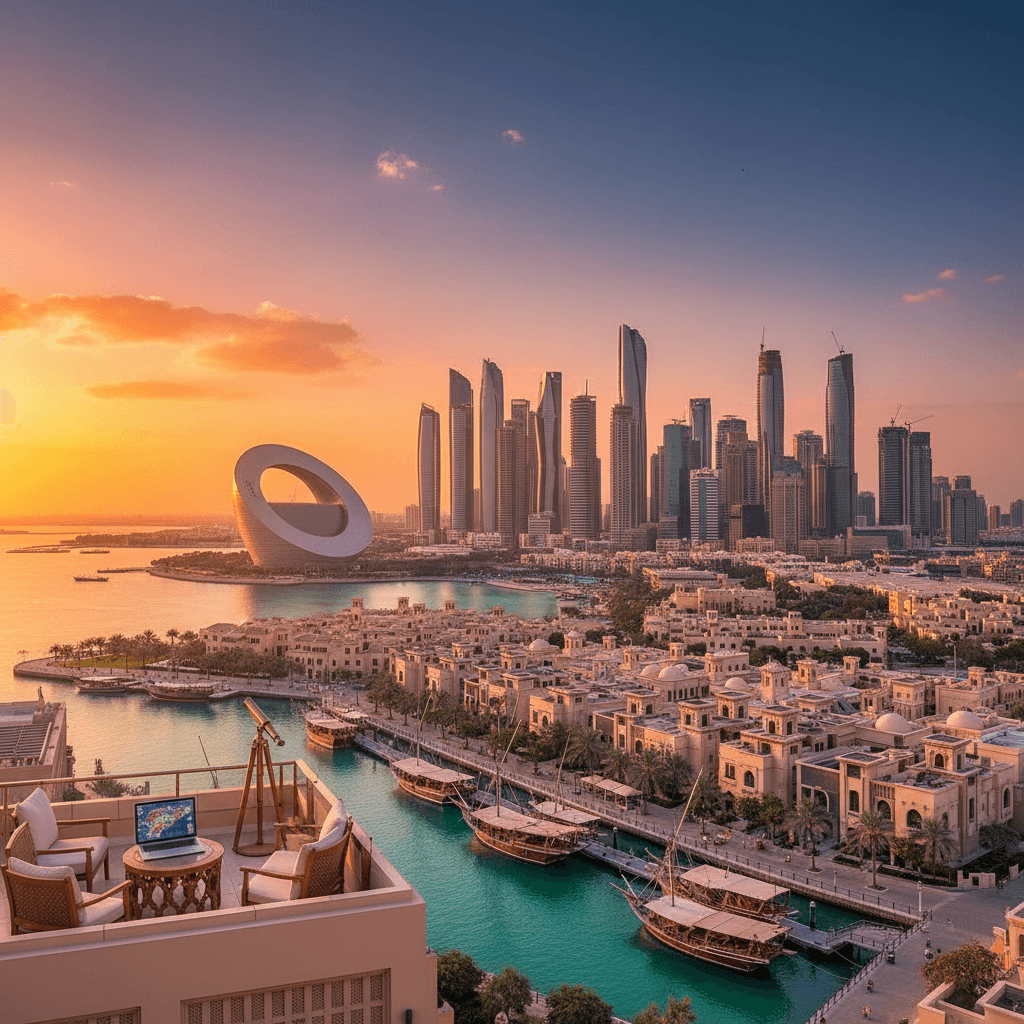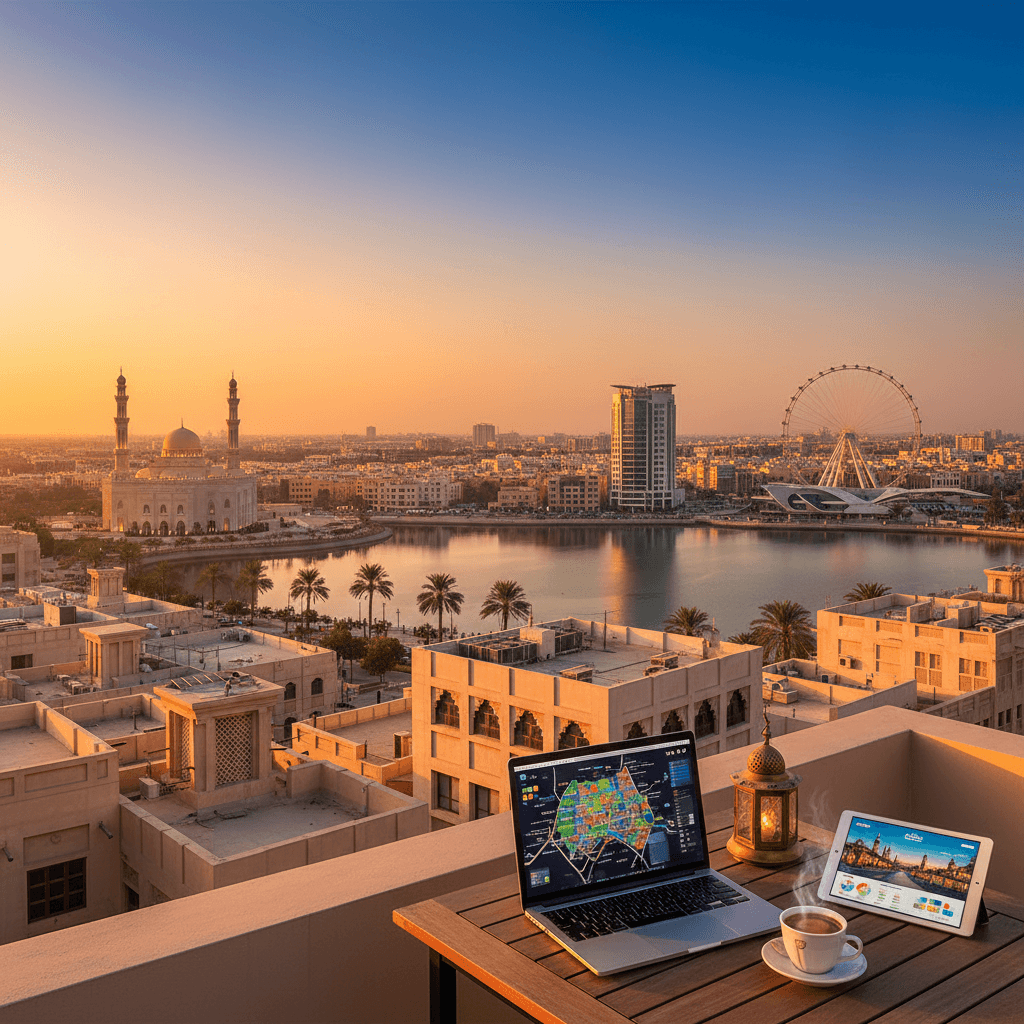
Sharjah
🇦🇪 United Arab Emirates
If Dubai is the UAE's flashy, high-octane showroom, Sharjah is its soulful, quiet library. Just a 20 to 30 minute drive from the skyscrapers of its more famous neighbor, Sharjah offers a rhythm of life that feels grounded in history rather than just glass and steel. It is the country's cultural capital, a place where the call to prayer echoes over world class art foundations and traditional souks rather than beach clubs and rooftop bars.
For a digital nomad, the vibe here is distinctly conservative and family oriented. You won't find a happy hour or a nightclub in the entire emirate due to a strict alcohol ban. Instead, you'll find a community that gathers over potent Arabic coffee and late night meals at the Al Majaz Waterfront. It is a trade off that many find refreshing; you get the infrastructure of the UAE without the relentless pressure to keep up with the "Influencer" lifestyle.
The Nomad Lifestyle and Logistics
Most nomads choose Sharjah because it makes financial sense without sacrificing proximity to Dubai's business hubs. You can live a comfortable life here for about 30 to 50 percent less than you would in Dubai. While there isn't a Sharjah specific remote work visa, you can easily apply for the UAE Virtual Work Visa. It is a one year, renewable permit that requires proof of a $3,500 monthly income, six months of bank statements, and remote work verification. Once you have that, you've got access to local banking and high speed fiber internet that consistently hits 200+ Mbps.
The daily experience involves navigating a culture that values modesty. You'll need to dress more conservatively here than in Dubai, keeping shoulders and knees covered in public. It is a safe, respectful environment where crime is virtually non existent, though the traffic between Sharjah and Dubai during peak hours is legendary and something you'll want to avoid by timing your trips carefully.
Cost of Living Breakdown
- Budget Tier: Around AED 5,000 ($1,360) per month if you're frugal, eating street food and living in Al Nahda.
- Mid Range Tier: Roughly AED 8,000 ($2,180) per month for a nice apartment in a central area and frequent cafe visits.
- Comfortable Tier: AED 12,000+ ($3,270) per month for a premium waterfront studio, car rental, and high end dining.
Where to Set Up Your Desk
The neighborhood you pick defines your experience. Al Majaz Waterfront is the top choice for expats and nomads. It is walkable, scenic, and home to Regus Al Majaz, where a desk costs about AED 1,200 a month. If you prefer a more creative atmosphere, The Hive Sharjah offers day passes for AED 50 and a monthly membership for AED 800.
For those on a tighter budget, Al Nahda is a massive hub of affordable high rises. You can find studios here for AED 1,500 to 2,500. It is busy and the traffic is heavy, but the sheer number of cheap eateries and supermarkets makes it practical. If you want something quieter and more modern, Muwaileh Commercial is an up and coming area with a great cafe culture, though it feels a bit more industrial and removed from the water.
Eating and Socializing
Social life in Sharjah revolves around food and public spaces. You can grab a shawarma for AED 5 to 10 at the Blue Souk or sit down for traditional Emirati cuisine at Al Fanar for about AED 50. For a splurge, the waterfront restaurants like Greek Mawasim will run you AED 150 or more. Since there's no traditional nightlife, nomads usually meet up at art openings at the Sharjah Art Foundation or join expat groups on Facebook to organize desert safaris and weekend trips to the Ajman beaches.
The best time to be here is between January and March, when the weather stays between 20 and 28 degrees Celsius. During the summer months of June through August, the humidity and 40+ degree heat make being outside almost impossible, so you'll spend most of your time hopping between air conditioned malls and coworking spaces.
If you have been eyeing Dubai but find the price tag a bit hard to swallow, Sharjah is the smart alternative. It is the cultural heart of the UAE, sitting just 20 minutes north of its flashier neighbor, but with a cost of living that is roughly 30% to 50% lower. You get the same high-speed infrastructure and safety without the eye-watering rent.
Accommodation and Neighborhoods
Housing will be your biggest saving. Unlike Dubai, where a decent studio can easily eat up half your budget, Sharjah offers high-quality apartments at much more accessible rates. Most nomads gravitate toward three specific areas based on their budget and lifestyle needs.
- Al Majaz Waterfront: This is the premium choice for nomads. It is walkable, scenic, and packed with cafes. Expect to pay between AED 3,500 and AED 5,000 ($950 to $1,360) for a modern one-bedroom with a view.
- Al Nahda: If you are looking to maximize your savings, this is the spot. It is very popular with expats who commute to Dubai. You can find studios here for as low as AED 1,500 to AED 2,500 ($400 to $680). Just be prepared for heavy traffic during peak hours.
- Muwaileh: This area has a more industrial, up-and-coming vibe. It is quieter and great for those who want a modern apartment away from the city center noise. Rents typically hover between AED 2,000 and AED 3,000 ($545 to $820).
Eating and Groceries
Dining out in Sharjah is a treat because of the sheer diversity of affordable options. You can grab a world-class shawarma or falafel at the Blue Souk for AED 5 to AED 10 ($1.35 to $2.70). For a proper sit-down meal at a mid-range spot like Al Fanar, you are looking at AED 40 to AED 80 ($11 to $22). If you want to splurge on waterfront dining at Greek Mawasim, budget at least AED 150 ($40). Groceries are also very reasonable, especially if you shop at local markets or hypermarkets like Lulu or Carrefour.
Remote Work Infrastructure
Internet speeds are excellent, usually averaging over 200 Mbps on fiber connections. While many nomads work from laptop-friendly cafes around Al Majaz, dedicated desk space is available. The Hive Sharjah is a popular local favorite, offering monthly memberships for around AED 800 ($218). If you need something more corporate, Regus Al Majaz charges about AED 1,200 ($327) per month. For mobile data, a 50GB prepaid SIM from Etisalat or du will cost you roughly AED 100 ($27).
Transportation and Logistics
Getting around is cheap if you stay local. Public buses cost between AED 2 and AED 5 per ride. If you are heading into Dubai, a monthly Nol card for around AED 300 ($82) is a solid investment. Most expats rely on Careem or Uber for short trips, which usually cost between AED 20 and AED 50. If you prefer to drive, car rentals are quite affordable at roughly AED 100 ($27) per day.
Monthly Budget Tiers
To give you a better idea of what to expect, here is how the monthly spending breaks down for different lifestyles:
- The Budget Nomad: AED 5,000 ($1,360). This covers a modest studio in Al Nahda, plenty of street food, and public transport.
- The Mid-Range Nomad: AED 8,000 ($2,180). This gets you a nice apartment in a central area, frequent cafe visits, a coworking membership, and regular Uber rides.
- The Comfortable Nomad: AED 12,000+ ($3,270). This allows for a high-end waterfront apartment, weekend trips to Dubai, upscale dining, and perhaps a private rental car.
Keep in mind that to stay here legally as a remote worker, you will need to apply for the UAE Virtual Work Visa. This requires proof of a $3,500 monthly income, so even if you plan to live on the budget tier, you must meet that earning threshold to qualify for residency.
The Waterfront Hub: Best for Digital Nomads
If you want to be where the action is, Al Majaz Waterfront is the undisputed champion for remote workers. It is the most walkable part of the city, centered around a massive lagoon with a park that comes alive at night. You will find plenty of other nomads here because it balances work life with actually having something to do after the laptop closes.
Most nomads spend their days at The Hive Sharjah, which is arguably the best coworking spot in the emirate with monthly memberships around AED 800. If you prefer the cafe route, the Starbucks Al Majaz has reliable WiFi and a view that beats most office cubicles. Expect to pay a premium for the location; a nice one bedroom here will run you between AED 3,500 and AED 5,000 per month.
- Pros: High concentration of cafes, great for evening walks, near Regus and The Hive.
- Cons: The most expensive rent in Sharjah, can get crowded on weekends.
The Budget Choice: Best for Solo Travelers
For those keeping a close eye on their bank balance, the Corniche Area and Al Nahda are the go to spots. Al Nahda is particularly popular because it sits right on the border with Dubai. It is a bit chaotic and the traffic can be a nightmare during rush hour, but the savings are real. You can snag a studio for as low as AED 1,500 to AED 2,500.
Solo travelers like the Corniche because it feels more scenic and connected to the city's heritage. It is easy to grab a AED 10 falafel wrap at the Blue Souk and wander through the art district. It is quieter than Al Majaz, which suits anyone looking for a deep work retreat without the distractions of a party scene.
- Pros: Extremely affordable, easy access to Dubai via bus, great street food.
- Cons: Heavy traffic congestion, older building stock, less "glitzy" than the waterfront.
The Modern Suburb: Best for Expats
Muwaileh Commercial has evolved into a trendy, industrial style neighborhood that appeals to expats who want a more contemporary vibe. It is located further inland, away from the humidity of the coast, and feels a bit more spacious. It is a great middle ground with rents for modern apartments hovering around AED 2,000 to AED 3,000.
Expats recommend this area for its growing specialty coffee scene and newer infrastructure. You are close to the University City, which keeps the energy youthful but professional. While it lacks the waterfront views, it makes up for it with easier parking and less noise. You will definitely want a Careem account or a rental car if you stay here, as it is less walkable than the coastal strips.
- Pros: Modern apartment finishes, quieter streets, plenty of new cafes.
- Cons: Far from the beach, requires a car for most errands.
The Quiet Life: Best for Families
Families usually gravitate toward the outskirts or the more established residential pockets of Muwaileh. The priority here is safety and proximity to schools, and Sharjah delivers on both. The city is extremely safe, and neighborhoods like these feel like a bubble within a bubble. You will find larger villas and three bedroom apartments that are significantly cheaper than anything comparable in Dubai.
For healthcare, families stay close to University Hospital Sharjah or Al Qassimi Hospital, both of which are top tier. Weekends usually involve trips to the Sharjah Art Foundation or family dinners at Al Fanar for traditional Emirati food. It is a slower, more conservative pace of life that suits those with kids who want to avoid the frantic energy of the neighboring emirate.
- Pros: Proximity to high quality private hospitals, large living spaces, very safe.
- Cons: Limited social scene for adults, strictly conservative dress codes enforced in public parks.
Connectivity and Speeds
You won't have to worry about the "spinning wheel of death" here. The UAE consistently ranks among the fastest countries globally for fixed broadband, and Sharjah is no exception. Most modern apartments and coworking spaces are hooked up to Etisalat or du fiber, pushing download speeds well over 200 Mbps. Even the public Wi-Fi in malls and parks is surprisingly stable, though you'll want a VPN for certain VOIP services like WhatsApp calling, which can be patchy due to local regulations.
Getting online the moment you land is easy. You can grab a prepaid SIM at Sharjah International Airport or any major mall like City Centre Sharjah. Expect to pay around AED 100 ($27) for a solid starter pack with 20GB to 50GB of data. If you're staying long term on a Virtual Work Visa, you can transition to a post-paid contract, which usually offers better rates and larger data buckets.
Top Coworking Spaces
While Sharjah doesn't have the sheer volume of spaces you'll find in Downtown Dubai, the options available are professional, quiet, and significantly more affordable. Most nomads gravitate toward the Al Majaz area because it balances work with great views of the lagoon.
- The Hive Sharjah: This is the go-to spot for the local creative community. It has a relaxed but productive energy that feels less corporate than other options. A day pass costs around AED 50 ($14), while a monthly dedicated desk sits around AED 800 ($218).
- Regus Al Majaz: If you need a more formal environment for client calls or just prefer the reliability of a global brand, this is your best bet. It’s located in the Sharjah 247 Building and offers private offices and coworking memberships starting at roughly AED 1,200 ($327) per month.
Laptop-Friendly Cafes
If you prefer the hum of a coffee shop over a quiet office, Sharjah has a thriving cafe culture. Unlike Dubai, where some spots might shoo you away during lunch hours, Sharjah’s cafes are generally more laid back about nomads lingering over a laptop.
- Starbucks Al Majaz Waterfront: It might be a chain, but the outdoor seating and reliable Wi-Fi make it a favorite. It’s perfect for morning sessions before the heat kicks in.
- Paper Fig: Located in Muwaileh, this spot is famous for its desserts, but expats frequently use it as a makeshift office. It’s bright, modern, and has plenty of power outlets.
- Ratios Coffee: Situated in the Heritage Area, this specialty coffee shop offers a more "old world" vibe with high-quality brews. It's a great place for deep work when you want to escape the more crowded mall-based cafes.
Remote Work Logistics
Living and working here on the one-year Virtual Work Visa is a smooth process, provided you meet the $3,500 monthly income requirement. Once you have your Emirates ID, everything from setting up a local bank account at Emirates NBD to signing a gym membership becomes much easier. Nomads often mention that the biggest hurdle isn't the internet speed, but the Sunday to Thursday work week. While the UAE shifted to a Monday to Friday schedule for the public sector, some local businesses still operate on older timelines, so keep that in mind when planning meetings with local partners.
For those who find themselves needing a change of pace, the 20 to 30 minute drive to Dubai means you can easily head to a high-end coworking space in the DIFC for a day and be back in the quieter, more affordable Sharjah by dinner time. It’s the best way to leverage the infrastructure of a global hub while keeping your overhead low.
Staying Safe in the Cultural Capital
Sharjah is widely regarded as one of the safest cities in the world. For digital nomads, this means you can comfortably walk through neighborhoods like Al Majaz or the Corniche late at night without looking over your shoulder. Crime rates are remarkably low, and the local police force is highly efficient and visible. Most expats feel a sense of security here that is hard to find in major Western hubs.
While the city is incredibly welcoming, it is important to remember that Sharjah is the most conservative of the seven emirates. Safety here is often tied to local etiquette. You won't run into trouble with the law if you respect the cultural norms. This means dressing modestly in public, usually covering shoulders and knees, and avoiding any public displays of affection. Alcohol is strictly prohibited throughout the emirate, so don't try to bring it in or consume it in public spaces.
The only areas where you should exercise a bit more caution are the isolated industrial zones on the outskirts of the city. These spots aren't necessarily dangerous, but they are poorly lit and lack the pedestrian infrastructure found in the city center. Stick to the well populated residential and commercial districts, and you'll likely never have a negative encounter.
World Class Medical Care
If you get sick or injured, you are in good hands. The healthcare system in Sharjah is modern and mirrors the high standards found in Dubai. Most doctors and medical staff are expats who speak perfect English, so communication is rarely a barrier. You will find a mix of public and private facilities, though most nomads prefer private hospitals for shorter wait times and more personalized service.
- University Hospital Sharjah: Located in University City, this is a top choice for expats. It is a teaching hospital with specialists in every field and a very high standard of care.
- Al Qassimi Hospital: This is the primary public hospital. It is massive and handles the majority of emergency cases in the region with state of the art equipment.
- Medcare Hospital: A private facility known for its high end service and efficient outpatient clinics.
For minor issues, pharmacies like BinSina or Aster are everywhere. They are often open late, and many pharmacists can provide over the counter advice for common ailments. If you have a true emergency, the number to dial is 999 for an ambulance or police assistance.
Insurance and Resident Requirements
Since you will likely be arriving on the UAE Virtual Work Visa, health insurance isn't just a good idea; it is a legal requirement. You must show proof of a valid health insurance policy that covers you within the UAE to get your visa approved. Most nomads opt for international plans like Cigna or SafetyWing, but you can also purchase local plans once you arrived and received your Emirates ID.
As part of your residency process, you will need to undergo a medical fitness test. This is a standard procedure across the UAE that includes a blood test and a chest X-ray to screen for communicable diseases. It is a quick process, usually taking about 20 to 30 minutes at a designated center, with results delivered via SMS or email within a few days. Once this is cleared, you are officially set to enjoy your stay in the emirate.
Navigating the Streets and Beyond
Moving through Sharjah requires a bit of strategy, especially if you plan on frequenting Dubai. While the two cities sit side-by-side, the experience of getting around is defined by heavy peak-hour traffic and a reliance on road transport. Most nomads find that once they're settled in neighborhoods like Al Majaz or the Corniche area, life becomes surprisingly walkable for daily errands, but you'll still want a solid plan for longer hauls.
Public Transit and Inter-City Links
Sharjah doesn't have its own metro system, but it integrates heavily with Dubai's network. Mowasalat buses are the backbone of local transit, with fares typically ranging from AED 2 to AED 5 per ride. If you're heading into Dubai, you'll likely use the inter-city bus routes that drop you at major metro stations like Stadium or Union. It's a budget-friendly way to travel, though seasoned expats recommend a Monthly Nol card for around AED 300 if you're commuting across the border regularly.
Ride-Hailing and Taxis
Taxis are everywhere and relatively affordable compared to Western Europe or North America. You can flag down a standard silver taxi on the street, or use the Careem app, which is the gold standard for ride-hailing in the UAE. Uber also operates here, but Careem often offers more localized options.
- Short city trips: AED 20 to AED 50
- Airport transfers: AED 30 to AED 50 from Sharjah International
- Trip to Downtown Dubai: AED 80 to AED 120, depending on traffic and tolls
Car Rentals and Driving
For nomads who want total freedom, renting a car is the most popular move. The infrastructure is world-class, though the driving style can be aggressive for newcomers. You'll find car rentals for roughly AED 100 per day, with lower rates for monthly leases. Just keep in mind that the UAE uses right-hand drive and has a strict zero-tolerance policy for traffic violations. Parking in popular spots like Al Nahda can be a headache, so check if your apartment includes a dedicated space.
Micromobility and Walking
When the weather is manageable between October and April, the waterfront areas are great for getting around on foot. For a faster pace, Careem Bike rentals are available in Al Majaz, usually costing around AED 1 per minute. It's a fantastic way to zip between a seaside cafe and your coworking space without dealing with car traffic. Electric scooters are also popping up in residential hubs, though they're more for short "last mile" trips than actual commuting.
The Traffic Factor
You can't talk about Sharjah transport without mentioning the "S-D" commute. The traffic between Sharjah and Dubai during morning and evening rush hours is legendary. A 20-minute drive can easily turn into 90 minutes. If you have meetings in Dubai, travelers often say it's better to leave very early and work from a cafe there, rather than sitting in gridlock on the E11. Planning your day around these peaks will save you hours of frustration every week.
Navigating the Local Lingo
While Arabic is the official language of the UAE, you'll quickly realize that Sharjah is a global melting pot where English acts as the primary bridge. Because the expat population is so massive, English proficiency is exceptionally high. You can easily manage your banking at Emirates NBD, negotiate a lease in Al Majaz, or order a coffee at The Hive without knowing a word of Arabic.
Most nomads find that official signage, menus, and government apps like ICP or GDRFA are all bilingual. If you're coming from Dubai, the transition is seamless. The main difference in Sharjah is the slightly more traditional atmosphere, so while people speak English, the social etiquette is a bit more formal and polite.
The Arabic Advantage
Even though you don't need it to survive, learning a few Arabic phrases goes a long way in building rapport with locals and long-term residents. It shows respect for the culture, which is particularly valued in Sharjah given its status as the UAE's cultural capital. Using a simple greeting can change the tone of a transaction at the Blue Souk or a conversation with a taxi driver.
Expats recommend keeping these basics in your back pocket:
- Marhaba: Hello. It is the standard, friendly way to start any interaction.
- Shukran: Thank you. You will use this dozens of times a day.
- Min fadlak: Please. (Use min fadlik when speaking to a woman).
- Inshallah: God willing. You will hear this constantly. It usually means "hopefully" or "we will see," often used when discussing future plans or timelines.
- Maasalaama: Goodbye.
Digital Communication and Connectivity
Reliable communication starts with a local SIM card. Don't rely on your international roaming, as it gets expensive fast. Most travelers grab a du or Etisalat (now branded as e&) starter pack at the airport or Sahara Centre. Expect to pay around AED 100 for a decent data package of 20GB to 50GB to get you through your first month.
For daily communication, WhatsApp is the undisputed king. You will use it for everything from chatting with your landlord to booking a table at Al Fanar. Be aware that while text messaging and voice notes work perfectly, the UAE often restricts Voice over IP (VoIP) features. This means standard WhatsApp video and audio calls might not work without a VPN or using government-approved apps like Botim.
Business and Social Etiquette
In a professional setting, communication is polite and indirect. It is common to spend the first few minutes of a meeting on small talk before getting down to business. In Sharjah, it is respectful to use formal titles until invited to do otherwise. If you are a man meeting a local woman, wait to see if she offers her hand for a shake; if not, a polite nod and a hand over your heart is the standard respectful greeting.
During Ramadan, communication around food and drink becomes more sensitive. It is important to be mindful of your language and behavior in public spaces during fasting hours. Most nomads find that a little bit of cultural awareness makes their stay much smoother and more rewarding.
Useful Apps for Translation
If you find yourself off the beaten path or reading a document that isn't translated, Google Translate with the camera feature is your best friend. It handles the Arabic script surprisingly well for menus and street signs. For those looking to dive deeper into the language, Duolingo or Rosetta Stone are popular among the nomad community here, though most find that daily immersion in the Muwaileh or Al Nahda neighborhoods provides the best practice.
The Sweet Spot: November to March
If you're planning a stint in Sharjah, timing is everything. Most nomads aim for the window between November and March. During these months, the weather is spectacular, with daytime temperatures hovering between 20°C and 28°C. It's the only time of year when you can actually spend your afternoons working from a cafe terrace at the Al Majaz Waterfront without breaking a sweat.
The evenings get surprisingly crisp, sometimes dipping toward 15°C, so you'll want a light jacket for walks along the Corniche. This is also when the city feels most alive. You'll find outdoor markets, art installations at the Sharjah Art Foundation, and families out in the parks until late. If you're a fan of the occasional rain shower, January and February might bring a few rare, dusty drizzles, but it's never enough to ruin your plans.
The Shoulder Season: April and October
April and October are the transition months. You'll notice the heat ramping up or cooling down, with averages sitting around 30°C to 35°C. It's still manageable for short walks, and the humidity hasn't reached its peak yet. Nomads who prefer lower prices on short term rentals often arrive in October to beat the winter rush, though you'll still be relying heavily on AC during the heat of the day.
The Summer Survival Guide: June to August
Summer in Sharjah is intense. From June through August, temperatures frequently soar above 40°C, and the humidity can make it feel even hotter. This is the "indoor season." Most expats and nomads shift their entire lifestyle inside, moving from air conditioned apartments to air conditioned coworking spaces like The Hive or malls like City Centre Sharjah.
Outdoor activity stops almost entirely during the day. If you're here during this time, you'll find yourself living like a local: staying in until the sun goes down and then heading out at 9:00 PM when the city gets a second wind. The upside? Rent prices can be more negotiable, and the popular spots aren't nearly as crowded. Just be prepared for your electricity bill to jump as the AC runs 24/7.
Nomad Timing and Cultural Events
Beyond the thermometer, you should keep an eye on the lunar calendar for Ramadan. While the dates shift every year, it profoundly changes the city's rhythm. Sharjah is more conservative than Dubai; during the fasting hours, most restaurants close or offer only delivery, and eating or drinking in public is restricted. It’s a beautiful, quiet time to experience the culture, but if you rely on working from cafes during the day, it can be a challenge.
- Best for outdoor vibes: December to February.
- Best for budget seekers: June to August (if you can handle the heat).
- Sharjah Light Festival: Held in early February (2026: February 3-15 for main displays, with Light Village extending to February 22).
- Sharjah International Book Fair: Held in November (2026: November 4-14).
Most travelers find that November is the perfect entry point. The "winter" is just beginning, the humidity has dropped, and you have five solid months of perfect weather ahead to explore the heritage sites and desert dunes before the heat returns.
Living Costs
Sharjah is the budget-friendly sibling to Dubai, offering a lifestyle that is often 30% to 50% cheaper without sacrificing quality. Most nomads find they can live comfortably here for about AED 8,000 ($2,180) per month, though you can scrape by on AED 5,000 ($1,360) if you stick to Al Nahda rentals and street food.
- Housing: A modern studio in Muwaileh costs around AED 2,000 to 3,000 ($545 to 820). For waterfront views in Al Majaz, expect to pay AED 3,500 to 5,000 ($950 to 1,360).
- Dining: You can grab a shawarma or falafel for AED 5 to 10 ($1.35 to 2.70). A nice meal at a spot like Al Fanar will run you about AED 50 ($14).
- Connectivity: A solid prepaid data plan with 50GB costs roughly AED 100 ($27).
Visa Requirements
While Sharjah doesn't have its own specific visa, you'll use the UAE Virtual Work Visa. It's a one year renewable permit that lets you live in Sharjah while working for an employer abroad. You need to prove a monthly income of at least $3,500, backed by six months of bank statements. Once you're approved through the ICP or GDRFA portals, you'll get your Emirates ID, which is the golden ticket for opening a local bank account at Emirates NBD or signing a long term lease.
Best Neighborhoods for Nomads
- Al Majaz Waterfront: This is the heartbeat of the expat community. It is walkable, packed with cafes, and offers great views of the lagoon. It is a bit pricier but worth it for the social atmosphere.
- Muwaileh: This area has a younger, more industrial vibe. It is quieter than the waterfront and popular with those who want modern apartments away from the tourist crowds.
- Al Nahda: Located right on the border with Dubai, this is the go to for those on a strict budget. Rent is low here, though the traffic can be a headache during peak hours.
Internet and Workspace
Fiber internet is standard, with speeds often hitting 200 Mbps or more. If you need a professional setup, The Hive Sharjah is a favorite for its community feel, costing about AED 800 ($218) per month. Regus Al Majaz is another solid option at AED 1,200 ($327) for a more corporate environment. For a casual afternoon of emails, the Starbucks at Al Majaz has reliable WiFi and plenty of power outlets.
Getting Around
The city is car-centric, but the public bus system is efficient for short hops, costing only AED 2 to 5 per ride. Many nomads use Careem or Uber for convenience; a typical cross-town trip costs between AED 20 and 50. If you are staying in the Corniche area, Careem Bike rentals are great for short coastal rides at AED 1 per minute. For trips into Dubai, a taxi takes about 20 to 30 minutes depending on the notorious rush hour traffic.
Cultural Etiquette
Sharjah is more conservative than its neighbors. Alcohol is completely banned in public spaces and most restaurants, though you can find bars inside high end hotels. Dress modestly in public; keep shoulders and knees covered to avoid unwanted attention. During Ramadan, be mindful of fasting hours when eating or drinking in public is restricted. These rules are part of the trade off for the city's peaceful, family oriented atmosphere.
Health and Safety
Crime is almost non-existent here. You can walk comfortably at night in most areas, though it is smart to stay in well lit places like the Al Majaz or Corniche. For healthcare, University Hospital Sharjah is the top choice for expats, offering high quality private care. Make sure your remote work insurance covers you locally, as you will need to show proof of coverage for your visa residency medical test.
Need visa and immigration info for United Arab Emirates?
🇦🇪 View United Arab Emirates Country GuideEasy Landing
Settle in, no stress
Monthly Budget Estimates
More cities in United Arab Emirates
Dubai
🇦🇪 United Arab Emirates
Ras Al Khaimah
🇦🇪 United Arab Emirates