Seville
🇪🇸 Spain
The Soul of Andalusia
Seville doesn't just welcome you; it envelops you. While Madrid is for business and Barcelona is for the beach, Seville is for the feeling. It is a city of orange blossoms, horse-drawn carriages, and a rhythm of life that refuses to be rushed. For nomads, it represents the antithesis of the "hustle culture" found in northern hubs. Here, the afternoon siesta isn't a myth for tourists; it is a functional part of the day that dictates when shops close and when the streets come alive.
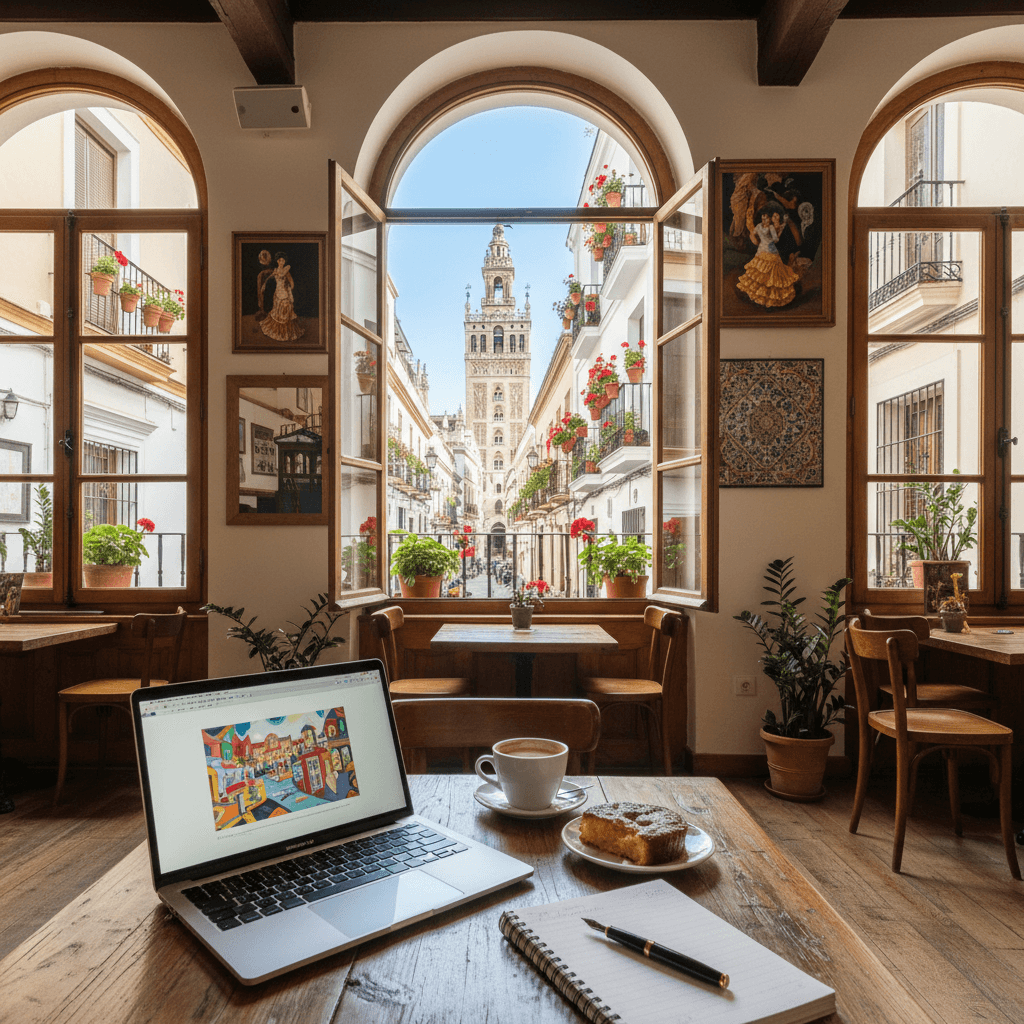
The city feels like a living film set. You will find yourself working from a laptop in a plaza where Gothic cathedrals and Islamic minarets cast long shadows over cobblestone streets. It is one of those rare places where tradition isn't performed for an audience; it is simply how people live. You will see flamenco dancers in the street and locals dressed to the nines for a simple Tuesday night dinner. It is authentic, warm, and deeply romantic in a way that makes even a mundane Monday feel significant.
A Slower Pace of Productivity
Choosing Seville means embracing a slower pace. Most nomads find that their productivity shifts here. Instead of back-to-back meetings, you learn to structure your day around the heat and the social clock. The "mañana" attitude is real, which can be a refreshing change if you are burnt out, though it requires some patience when you are trying to get a local SIM card or a lease signed.
The vibe is decidedly social. Life happens outdoors in the tapas bars and the narrow alleys of the Santa Cruz district. It is an affordable alternative to the coastal hubs, offering a much lower cost of entry for those who want a high quality of life without the price tag of a major capital. You are getting the "real" Spain, where English isn't always the default and a glass of manzanilla sherry is cheaper than a latte.
Why Nomads are Moving South
The draw for the remote work crowd usually boils down to three things: the weather, the cost, and the proximity to the coast. While Seville is inland, you are a short skip away from some of the best beaches in the country, making weekend trips to Huelva or Cádiz incredibly easy. Travelers often say that Seville feels more like a large village than a city of nearly 700,000 people because each neighborhood has such a distinct, tight-knit identity.
- The Climate: It is famously warm year-round. While summers are intense, the rest of the year offers a mild, sun-drenched lifestyle that beats the grey skies of Northern Europe.
- The Aesthetics: From the resplendent palaces to the stunning Maria Luisa Park, the city is a constant visual inspiration.
- The Tradition: It is the heart of flamenco and bullfighting culture, providing a deep sense of place that more modernized cities often lose.
- The Affordability: Your Euro goes significantly further here than in Ibiza or San Sebastián, especially when it comes to dining out and local rent.
If you are looking for a glass-and-steel tech hub, this isn't it. But if you want to spend your lunch break wandering through Moorish gardens and your evenings hopping between 3 Euro tapas spots, Seville will likely capture your heart just as it has for centuries of travelers before you.
The Price of the Slow Life
Seville is one of the most wallet-friendly hubs in Western Europe, especially when you compare it to the skyrocketing prices in Madrid or Barcelona. Most nomads find they can live a high-quality life here for significantly less than in other major Spanish cities. You aren't just paying for a place to sleep; you're paying for a lifestyle where three-euro glasses of wine and affordable tapas are the baseline, not a weekend treat.
While prices have crept up recently, a single digital nomad can live comfortably on a budget of €1,800 to €2,300 per month. If you’re frugal and stick to local markets, you can get that number even lower. The real savings come from the fact that Seville is incredibly walkable and bike-friendly, meaning you’ll rarely spend money on transport once you’ve settled into a neighborhood.
Monthly Budget Estimates
- One-bedroom apartment (City Center): €850 to €1,100
- One-bedroom apartment (Outside Center): €600 to €750
- Utilities (Electricity, Water, Heating): €120 to €160
- Coworking Hot Desk: €130 to €180
- Monthly Grocery Bill: €250 to €350
- Dinner for two with wine: €40 to €55
Housing and Neighborhoods
Your biggest expense will be rent, and the market can be competitive during the spring festival season. Most expats recommend looking in Alameda de Hércules if you want a bohemian vibe with plenty of cafes, or Triana if you want a more traditional, soulful atmosphere across the river. Prices in these areas stay relatively stable compared to the tourist-heavy Santa Cruz district.
- Alameda: Expect to pay around €900 for a decent one-bedroom. It’s the heart of the nomad scene.
- Triana: A bit more residential and authentic. You can find older apartments for €750 if you look on local sites like Idealista.
- Nervión: The modern business district. It’s less "pretty" but offers better value for money and modern amenities for around €800.
Eating and Drinking
This is where Seville shines for your bank account. The city has a deep-rooted culture of eating out, and it’s priced for locals, not just tourists. A caña (a small beer) usually costs between €1.50 and €2.20. Tapas generally run between €3 and €5 each. Most people find that three tapas are plenty for a full meal, meaning you can eat out for under €15 including a drink.
If you prefer cooking at home, the Mercado de Feria and Mercado de Triana are excellent for fresh produce. Shopping at local markets is often cheaper and higher quality than the big supermarkets like Mercadona or Carrefour. You can grab a kilo of seasonal oranges or tomatoes for just a couple of euros.
Connectivity and Workspace
Internet in Seville is generally excellent, with fiber optic available in almost every apartment. You’ll rarely struggle with speeds for video calls. If you prefer a dedicated office environment, coworking spaces like workINcompany or Arcadia Coworking are popular spots where a monthly pass won't break the bank. Most cafes are happy to let you work for an hour or two as long as you keep the coffee orders coming, and a cafe con leche will only set you back about €1.80.
The Authentic Local: Santa Cruz
If you want to feel like you are living inside a postcard, Santa Cruz is where you drop your bags. It is the old Jewish quarter, characterized by narrow cobblestone alleys and white washed buildings with wrought iron balconies. Most nomads choose this area for short stays because it puts the Cathedral and the Alcázar right at your doorstep.
Living here means trading modern convenience for atmosphere. The streets are too thin for cars, so it stays relatively quiet, though the tourist crowds pick up by midday. You will find plenty of small plazas where you can grab a coffee for €1.50 and work for an hour before the lunch rush starts.
- Average Rent: €950 to €1,300 for a one bedroom apartment.
- Atmosphere: Historic, romantic, and very walkable.
- Best for: Solo travelers and history buffs.
The Creative Hub: Alameda de Hércules
Expats and long term digital nomads usually gravitate toward the Alameda. It is a large, open plaza lined with columns and filled with cafes, bookstores, and tapas bars. This neighborhood has a gritty, bohemian energy that feels much more lived in than the tourist center. It is the heart of the city's alternative scene and is very LGBTQ+ friendly.
The WiFi in the cafes around here is generally reliable, and you will see plenty of people with laptops at places like Red House Space. It is also one of the best areas for nightlife that does not feel like a tourist trap. You can get a large beer and a tapa for about €5 while sitting outside under the trees.
- Average Rent: €800 to €1,100 for a renovated flat.
- Atmosphere: Artsy, social, and slightly edgy.
- Best for: Digital nomads and young expats.
The Independent Spirit: Triana
Located just across the Guadalquivir River, Triana feels like a separate village entirely. It is famous for its ceramics, flamenco history, and the Mercado de Triana, where you can buy fresh produce or sit for a high quality lunch. People who live here are fiercely proud of the neighborhood's identity.
Triana is great for those who want a more traditional Spanish lifestyle without the premium prices of the city center. The riverfront on Calle Betis is perfect for sunset walks, though the bars there can be pricey. If you head a few blocks inland, the prices drop significantly and the vibe becomes much more local.
- Average Rent: €750 to €1,000 for a decent sized apartment.
- Atmosphere: Traditional, proud, and lively.
- Best for: Long term residents and culture seekers.
The Practical Choice: Nervión
For families or those who need proximity to modern infrastructure, Nervión is the logical choice. It is the modern commercial heart of Seville, featuring wide avenues, large shopping malls, and the Sevilla FC stadium. It lacks the ancient charm of Santa Cruz, but it makes up for it with convenience and space.
The apartments here are typically newer, larger, and often come with elevators or central air conditioning, which is a lifesaver during the 40°C summer days. It is also the main hub for the metro and the Santa Justa train station, making weekend trips to Córdoba or Cádiz incredibly easy.
- Average Rent: €900 to €1,400 for a family sized apartment.
- Atmosphere: Modern, suburban, and efficient.
- Best for: Families and business travelers.
Connectivity and Speed
Seville might feel like a living museum, but its digital infrastructure is thoroughly modern. Spain has one of the best fiber optic networks in Europe, and Seville is no exception. You can expect standard home symmetrical speeds of 300 Mbps to 600 Mbps, and many modern apartments in neighborhoods like Los Remedios or Nervion offer up to 1 Gbps.
Public Wi-Fi is common in the city center, but it's often more of a backup than a primary workspace. Most cafes around the Cathedral or Setas de Sevilla provide free internet, though speeds can fluctuate when the tourist crowds peak in the afternoon. If you're planning to work from a terrace, a local SIM card is your best friend. Brands like Digi or Orange offer massive data packages for around 15 to 20 Euros per month, and 5G coverage is reliable throughout the metropolitan area.
Top Coworking Spaces
The coworking scene here is intimate and social. Unlike the massive corporate hubs in Madrid, Seville's spaces often occupy renovated traditional houses or industrial lofts. They serve as the primary social anchor for the nomad community.
- workINcompany: Located at Calle Rioja, 13 in the financial center of Seville, this is the original nomad hub in Seville. It has a heavy focus on community events and networking. A monthly hot desk usually runs around 160 Euros, while a day pass is roughly 20 Euros.
- Arcadia Coworking: Arcadia Coworking is located in the city center at Calle Cuna, 16, near Plaza del Salvador and the Metropol Parasol (Las Setas). This space attracts designers and writers and is known for its natural light and calm atmosphere. Expect to pay about 140 Euros for a full month of access.
- iSspaces: If you need a more corporate, polished environment, head toward the Nervion business district. It's better for those who spend their entire day on video calls and need high end soundproofing. Rates here typically start at 180 Euros per month.
- Red House: While technically a cafe/bar, it's a legendary spot for laptop workers in the Calle Amor de Dios area. It's perfect for a few hours of deep work, provided you buy a couple of coffees.
Work-Friendly Cafes
Sevillanos take their coffee breaks seriously, so "laptop squatting" is frowned upon in tiny, traditional tapas bars. However, a growing number of specialty coffee shops embrace the remote work culture. Virgin Coffee is great for a quick caffeine fix, but it's standing room only. For a proper work session, try Lalita Cafe or Torch Coffee Roasters near the river.
Torch is particularly popular because of its large communal tables and reliable outlets. Just keep in mind that many local spots have a "no laptop" policy on weekends to keep the tables free for social brunching. If you're working on a Saturday, it's always safer to stick to a dedicated coworking space or your own apartment.
Digital Nomad Community
The community in Seville is smaller than in Malaga or Barcelona, which actually makes it easier to break in. Most expats and nomads coordinate through the Sevilla Digital Nomads Facebook group or various WhatsApp chats that organize weekly "intercambios" (language exchanges) and rooftop drinks.
The pace of life here is slower, and the "siesta" is a real factor. You'll notice many coworking spaces feel empty between 2:00 PM and 5:00 PM as people head out for a long lunch. If you're working for a US-based company, this timing actually works perfectly, as you can enjoy the sun during the day and start your deep work just as the city wakes back up for the evening.
Staying Safe in the Streets
Seville is widely considered one of the safest cities in Spain, even for solo travelers and nomads working late into the night. The local culture revolves around being outdoors, so you'll find families and elderly couples walking the streets well past midnight. This constant "eyes on the street" creates a secure environment where violent crime is extremely rare.
Like any major tourist destination, petty theft is the primary concern. Pickpockets tend to frequent the high-traffic areas around the Cathedral, the Real Alcázar, and the narrow alleys of Santa Cruz. Most nomads find that as long as they don't leave their MacBook unattended on a cafe table while ordering a second café con leche, they won't have any issues. If you're staying in Alameda de Hércules, be a bit more mindful of your phone and wallet during the crowded weekend nights when the plaza gets packed.
While Seville doesn't have "no-go zones" in the traditional sense for visitors, most expats suggest avoiding the El Vacie area and parts of Los Pajaritos. These neighborhoods are far from the city center and the typical nomad hubs, so you're unlikely to stumble into them by accident. Stick to well-lit main roads if you're exploring Macarena or Polígono Sur late at night, but generally, a bit of common sense goes a long way here.
Healthcare Quality and Access
Spain's healthcare system is world-class, and Seville is no exception. The city is home to several high-quality public and private hospitals. For most digital nomads, the private system is the way to go because it's affordable and significantly faster for non-emergency appointments. Many doctors in the private sector speak English, which takes the stress out of a medical visit.
Hospital Universitario Virgen del Rocío is the largest public facility and is excellent for emergencies. For private care, many expats recommend Hospital Quirónsalud Infanta Luisa in Triana or Hospital Viamed Santa Ángela de la Cruz. These facilities are modern, efficient, and usually have English-speaking staff available to help you navigate the paperwork.
- Emergency Number: Dial 112 for all emergencies (police, fire, or medical). It's the standard European number and operators usually speak English.
- Pharmacies (Farmacias): Look for the glowing green crosses. Seville has a rotating system of Farmacias de Guardia (duty pharmacies) that stay open 24 hours a day. You can find the nearest one posted on the door of any pharmacy.
- Private Consultation Cost: A standard visit to a private GP usually costs between €60 and €100 without insurance.
Insurance for Nomads
If you're staying in Seville on the Digital Nomad Visa, you'll need private health insurance that offers full coverage in Spain with no co-payments. For those just passing through for a few months, providers like SafetyWing or World Nomads are popular choices. They cover the basics and are easy to manage from your phone.
If you're looking for local private insurance to meet visa requirements or for long-term peace of mind, Sanitas and Adeslas are the two big players. They have extensive networks in Seville, and their apps allow you to book appointments directly. Most plans for a healthy adult in their 30s range from €45 to €70 per month, which is a steal compared to US prices.
Tap Water and Environmental Safety
The tap water in Seville is perfectly safe to drink. It comes from the reservoirs in the Sierra Norte and meets all safety standards. Some people don't love the mineral taste, so you'll see locals buying bottled water, but for cooking and staying hydrated, the tap is fine. This will save you a lot of money and plastic waste over a three-month stay.
The biggest "health risk" in Seville is actually the heat. During July and August, temperatures frequently soar above 40°C (104°F). Heatstroke is a real concern for newcomers. Do what the Sevillanos do: stay indoors during the peak sun hours of 2:00 PM to 6:00 PM, drink plenty of water, and save your walking for the cooler evenings.
The Joy of Two Wheels
Seville is famously flat, making it one of the most bike friendly cities in Europe. The city invested heavily in a massive network of bright green bike lanes that are physically separated from car traffic, so you won't feel like you are risking your life just to get to a cafe. Most nomads rely on Sevici, the municipal bike sharing program. You can grab a weekly pass for about 14 Euros or an annual subscription if you are staying long term. There are stations every few hundred yards, so you are never stranded.
If you prefer having your own wheels without the maintenance, look into Bici-Activa or Center Bici for long term rentals. Expect to pay around 80 to 100 Euros per month for a decent city bike. Just remember to invest in a heavy duty lock; bike theft is the most common petty crime here, especially in the Alameda area.
Walking the Casco Antiguo
In the historic center, your own two feet are usually faster than any vehicle. The streets in neighborhoods like Santa Cruz and Alfalfa were built for donkeys and carts, not Uber drivers. They are narrow, winding, and often completely pedestrianized. You can walk from the Metropol Parasol (the Mushrooms) to the Cathedral in about 10 minutes. Wear comfortable shoes because the cobblestones are unforgiving on your ankles after a few hours.
Metro and Trams
Seville has a single metro line, which is mostly useful if you are living across the river in Mairena del Aljarafe or working near Parque de los Príncipes. It is clean, modern, and air conditioned, which is a lifesaver when July temperatures hit 45 degrees Celsius. A single trip starts at 1.35 Euros, but most residents use a Consorcio card to drop the price significantly.
The MetroCentro tram is a short, surface level line that runs through the heart of the city. It connects Plaza Nueva to the San Bernardo train station. It is slow and often crowded with tourists, but it is a scenic way to get across the center when you are carrying groceries or feeling lazy.
The TUSSAM Bus Network
The bus system, run by TUSSAM, is extensive and covers everywhere the metro doesn't. The C1, C2, C3, and C4 lines are circular routes that ring the city center and are the most useful for getting between neighborhoods like Triana and Macarena.
- Single ticket: 1.40 Euros (bought from the driver)
- Tarjeta Transbordo: About 0.70 Euros per trip (allows transfers)
- Monthly pass: Around 35 Euros for unlimited rides
Pro tip: download the App TUSSAM. It gives you real time arrivals that are surprisingly accurate, which beats standing at a hot bus stop in the afternoon sun.
Ride Hailing and Taxis
White taxis are everywhere and can be hailed on the street or found at designated ranks. They are regulated and generally honest. For apps, Uber and Cabify both operate in the city. Cabify is often the local favorite because the cars tend to be a bit nicer and the pricing is more consistent. A ride from the Santa Justa train station to the city center usually costs between 8 and 12 Euros depending on traffic.
Getting Out of Town
For weekend trips, the Santa Justa train station is your gateway to the rest of Andalusia. The high speed AVE train can get you to Cordoba in 45 minutes or Madrid in under three hours. If you are heading to the beaches in Cadiz or Huelva, the MD (Media Distancia) trains are affordable and frequent. For the cheapest travel, look at Compañía Damas or ALSA buses, which depart from the Plaza de Armas station.
The Local Linguistic Landscape
In Seville, the language is more than just a tool for communication; it is a reflection of the city's relaxed, social soul. While you can get by with English in the tourist heavy areas around the Catedral and Santa Cruz, living here as a nomad requires a different approach. The local dialect, known as Andaluz, is famous for dropping the "s" at the end of words and softening consonants. It sounds musical and fast, which can be a bit of a shock even if you studied Spanish in school.
Most locals under 30 speak some English, but the older generation and shopkeepers in residential neighborhoods like Triana or Macarena often don't. You will find that a little effort goes a long way. Learning how to order a café con leche or a caña in Spanish isn't just about getting your drink; it is about showing respect for the local pace of life. Nomads who embrace the language find that doors open much faster, often leading to invitations to neighborhood tapas crawls.
Essential Communication Apps
Staying connected in Seville is straightforward, provided you have the right digital toolkit. Most residents and expats rely on a few specific apps to keep life moving smoothly.
- WhatsApp: This is the undisputed king of communication. You will use it for everything from booking a padel court to messaging your landlord or joining local nomad meetup groups.
- Google Translate: The camera feature is a lifesaver for translating handwritten daily menus at traditional tabernas.
- DeepL: Many expats prefer this for writing more formal emails to government offices or real estate agents, as the translations feel more natural than other services.
- Meetup: Use this to find language exchange events, often called intercambios, which are held at bars across the city.
Learning the Language
Because Seville is less international than Madrid or Barcelona, it is one of the best places in Spain to actually achieve fluency. The immersion is real here. Many nomads sign up for intensive courses to kickstart their stay, which also helps with meeting people early on. Prices for group classes generally range from 150 EUR to 250 EUR per week for intensive morning sessions.
- CLIC International House: A popular choice located right in the center, known for its social atmosphere and cultural excursions.
- Giralda Center: Offers a wide range of levels and is highly regarded for its professional teaching staff.
- Private Tutors: You can find local students or qualified teachers for 15 EUR to 25 EUR per hour. This is often the most flexible way to learn if you have a busy remote work schedule.
Practical Communication Tips
Socializing in Seville usually happens outside. The concept of "sobremesa," the art of lingering at the table to talk after a meal, is a core part of the culture. If you are working from a cafe, be mindful that these spaces are often seen as social hubs rather than quiet offices. If you need to take a loud Zoom call, it is better to head to a dedicated coworking space like workINN or Arcadia Coworking to avoid the clatter of plates and loud conversation.
When it comes to paperwork, be prepared for Castellano. Official documents for your NIE or rental agreements will almost always be in Spanish. If your language skills aren't quite there yet, hiring a local "gestor" or assistant for a one time fee of 50 EUR to 100 EUR to help with translations and filings is a standard move for the nomad community. It saves hours of frustration at the foreigners' office.
The Sweet Spot: Spring and Fall
If you want to experience Seville at its absolute best, aim for the window between March and May. This is when the city truly wakes up. The orange blossoms, locally known as azahar, fill the air with a scent so thick you can almost taste it. Temperatures usually hover between 20°C and 25°C (68°F to 77°F), which is perfect for working from an outdoor cafe terrace without breaking a sweat.
This period also hosts the city's two biggest events: Semana Santa and the Feria de Abril. While these are incredible cultural experiences, be warned that the city gets packed and accommodation prices often triple. If you are a digital nomad on a budget, you might want to book your stay well in advance or arrive just after the festivities end in May.
The second peak window is September to November. The brutal summer heat begins to fade in late September, leaving behind warm, golden days and crisp evenings. You can expect temperatures around 22°C to 28°C (72°F to 82°F). It is arguably the most comfortable time for long walks through the Maria Luisa Park or day trips to the nearby coast.
The "Sarten" of Europe: Surviving Summer
Seville is often called the "frying pan" of Europe for a reason. During July and August, daily highs regularly soar past 40°C (104°F). The city takes the siesta seriously during these months; shops close in the afternoon, and the streets go quiet as everyone retreats to the shade and air conditioning.
Most nomads find that working during a Sevillian summer requires a total schedule shift. You'll likely want to get your deep work done early in the morning, hide away during the afternoon heat, and only head out for dinner after 9:00 PM when the air finally starts to cool. If you don't mind the heat, you can often find significant discounts on monthly apartment rentals during this off-peak season.
Mild Winters and Quiet Streets
Winter in Seville, running from December to February, is remarkably mild compared to Northern Europe or North America. You will rarely see the thermometer drop below 8°C (46°F), and daytime highs often reach a pleasant 17°C (63°F). It is a sun-drenched winter where you can still enjoy lunch outside in a t-shirt if you find a spot in the sun.
Rain is most common in November and December, but it rarely lasts all day. The city stays green year-round, and the lack of crowds makes it an ideal time for those who prefer a quieter, more authentic pace of life. Just keep in mind that many traditional Spanish apartments aren't great at retaining heat, so check if your rental has a decent heating system or "bomba de calor" before signing a winter lease.
Seasonal Checklist for Nomads
- Best for Work-Life Balance: April, May, and October.
- Best for Budget Travelers: January and February.
- Hottest Months: July and August (expect 40°C+).
- Peak Tourist Season: April (due to festivals).
- Beach Weather: June through September, when the nearby Huelva and Cadiz coasts are just a short train ride away.
Getting Around the City
Seville is incredibly flat, which makes it one of the most bike friendly cities in Europe. Most nomads rely on Sevici, the city's bike sharing program. You can get a weekly pass for about €14 or an annual subscription if you're staying longer. The bike lanes are separated from traffic and cover almost every major artery.
For longer distances, use the TUSSAM bus network or the single line metro. A single bus trip costs about €1.40, but you should buy a rechargeable Tarjeta Multiviaje to bring that cost down to around €0.40 per ride. If you're heading to the coast, the Santa Justa train station connects you to the beaches of Huelva or Cadiz in about 90 minutes.
Cost of Living and Budgeting
Your money goes much further here than in Madrid or Barcelona. A comfortable monthly budget for a solo nomad usually sits between €1,800 and €2,400. This covers a nice apartment, eating out frequently, and a dedicated desk at a coworking space.
- One-bedroom apartment: €750 to €1,100 per month depending on how close you are to the center.
- Menu del Día: €12 to €15 for a three course lunch with a drink.
- A Caña (small beer): €1.50 to €2.50.
- Monthly groceries: €250 to €350 for one person.
Where to Work
The internet is generally excellent across the city, with fiber optics being the standard in most apartments. If you need a professional environment, workINcompany near Plaza de la Encarnación is the original nomad hub. It has a strong community vibe and costs about €150 to €200 for a monthly hot desk. Arcadia Coworking is another solid choice in the Regina neighborhood, known for its creative atmosphere and fast 600Mbps speeds.
For cafe hopping, head to La Jerónima or Torch Coffee Roasters. They are used to laptops, though it's polite to move on during the busy lunch rush around 2:00 PM. Keep in mind that many smaller spots won't have many power outlets, so come with a full charge.
Neighborhoods to Call Home
Choosing the right area changes your entire experience. Most expats gravitate toward a few specific spots:
Alameda de Hércules
- Vibe: Alternative, bohemian, and full of nightlife.
- Pros: Best concentration of cafes and bars; very social.
- Cons: Can be noisy on weekends until 3:00 AM.
Triana
- Vibe: Traditional, soulful, and fiercely independent.
- Pros: Incredible food markets and a local feel across the river.
- Cons: A bit of a walk to the main coworking hubs.
Nervión
- Vibe: Modern, commercial, and residential.
- Pros: Close to the train station and better value for modern apartments.
- Cons: Lacks the historic charm of the old town.
Practical Essentials
Spain's healthcare is top tier. If you're an EU citizen, your EHIC card works fine. For everyone else, Sanitas or Adeslas are the go to private insurance providers. A basic policy usually runs between €50 and €80 a month and gives you access to English speaking doctors at hospitals like Quirónsalud.
Banking is easiest with Revolut or N26 to avoid high conversion fees. If you need a local IBAN for a long term lease, Banco Santander has a decent app, but expect to do some paperwork in person. Most shops and bars take card, but keep a few €5 notes for the older tapas bars that still prefer cash.
The biggest hurdle is the schedule. Seville shuts down between 2:00 PM and 5:00 PM for the siesta. This doesn't mean everyone is sleeping, but many local businesses close their doors. Plan your errands for the morning and use the afternoon for deep work while the streets are quiet.
Need visa and immigration info for Spain?
🇪🇸 View Spain Country GuideNomad Haven
Your home away from home