Seria
🇧🇳 Brunei
The Industrial Heart with a Quiet Soul
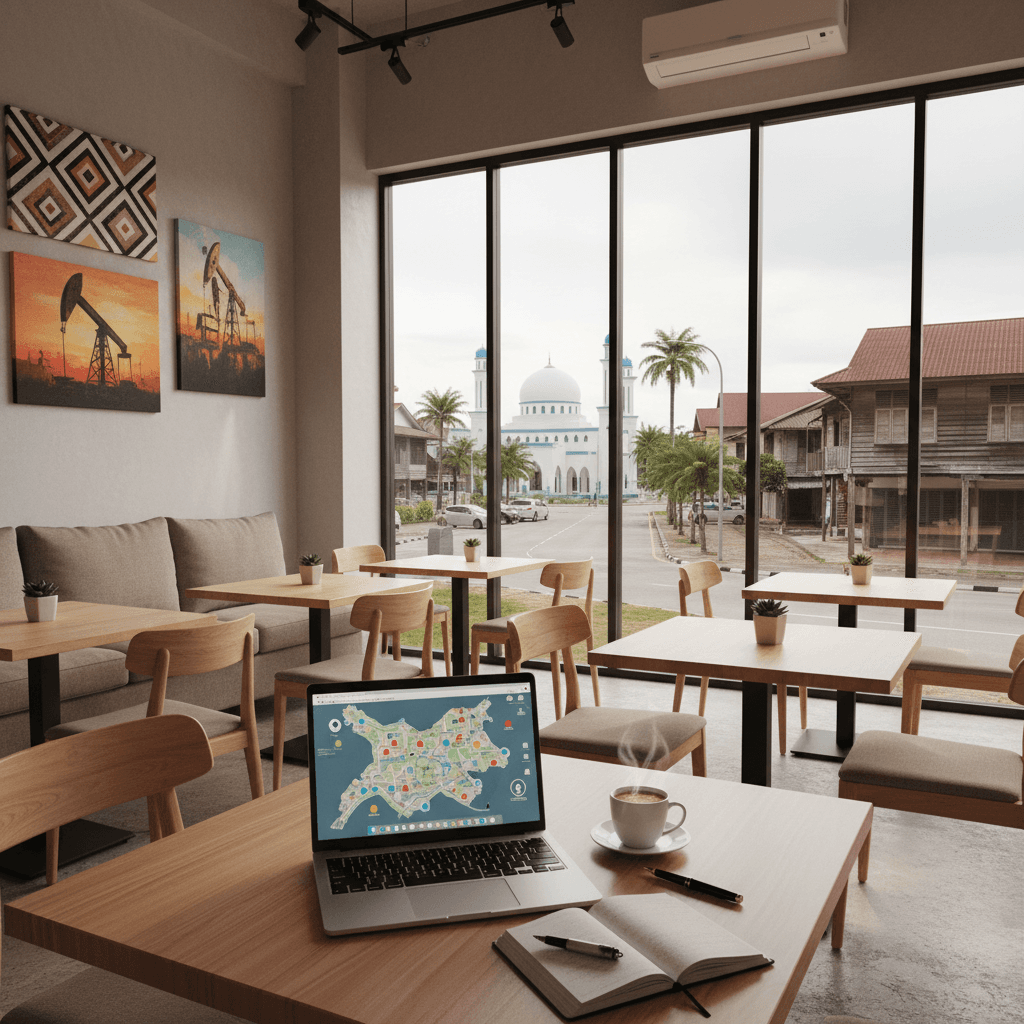
Seria isn't your typical digital nomad hub. You won't find rooftop bars or neon-lit streets here. Instead, this coastal town is defined by the steady rhythm of the oil industry and a deep sense of Islamic tradition. It feels remarkably safe and settled, a place where the air is clean and the pace of life rarely rises above a leisurely stroll. It's the kind of destination where you come to actually get work done without the distractions of a party scene.
The vibe is undeniably modest. You'll see nodding donkeys (oil pumps) scattered across the landscape, but the industrial backdrop is softened by the proximity of the South China Sea. Life here is family oriented and quiet. While Bandar Seri Begawan feels like a capital, Seria feels like a community. It’s perfect if you're looking for a low key environment where your biggest daily stress is deciding which beach to visit for sunset.
Cost of Living Breakdown
Living in Seria is surprisingly affordable compared to major hubs in Southeast Asia, especially if you embrace the local food scene. Most nomads find they can live comfortably on $1,500 to $2,000 USD per month without much effort.
- Budget Range: $800 to $1,200 USD for those sticking to shared housing and street food.
- Mid-Range: $1,500 to $2,000 USD for a private space and frequent cafe visits.
- Comfortable: $2,500+ USD for high end rentals and upscale dining.
- Rent: A basic studio or one bedroom apartment in Seria Town typically runs between $400 and $600 USD.
- Daily Meals: You can grab Nasi Katok at Restoran De' Nasi Katok for $2 to $5. A mid-range dinner usually sits around $10.
Where to Plant Your Roots
Because Seria is compact, almost everyone gravitates toward Seria Town. It’s the primary hub, putting you close to the Seria Energy Lab museum and the afternoon breeze at Pantai Seri Kenangan beach. The main downside is the industrial aesthetic, but the convenience of having the night market and grocery stores within walking distance usually wins out for most travelers.
Connectivity and the Workspace Reality
Brunei’s internet speeds are solid, averaging around 87 Mbps. While Seria doesn't have dedicated coworking spaces yet, the cafe culture is welcoming. You can post up in a local cafe for the price of a $3 coffee. Just try to avoid the peak hours of 8:00 AM and 5:00 PM when locals are grabbing their caffeine fix on the way to or from the oil fields. For data, pick up a DST or Progresif SIM for about $10 to $20 a month, or grab a GrabaSIM eSIM before you land for an easier transition.
Safety, Language, and Local Customs
Safety is a non issue here. Crime is nearly non-existent, making it an excellent choice for solo travelers. However, that safety comes with a social contract: respect the local customs. Dress modestly, covering your shoulders and knees, especially when you're near religious sites or government buildings. English is widely spoken with high proficiency, so you'll have no trouble navigating daily life. A simple "Terima kasih" (thank you) goes a long way with the locals, who are generally reserved but very kind.
The Logistics of Getting Around
You don't need a car if you stay central. Buses are cheap at $2 per ride, though they don't always run on a strict schedule. There aren't any major ride-hailing apps active in the way you might be used to in neighboring countries, so taxis are your best bet for longer trips. If you're coming from the airport, expect to pay $65-85 USD. For daily exploration, your own two feet will get you to most places in Seria Town just fine.
Eating and Socializing
Social life revolves around food rather than drinks. Since Brunei is a dry country, the nightlife is focused on the Seria Night Market. This is the heart of the community. You have to try Ambuyat, a traditional sago dish that’s as much an experience as it is a meal. While the expat and nomad community is small, you’ll find that people are approachable at the markets and local eateries. It’s a place for meaningful, quiet conversations rather than loud mixers.
Climate and Timing
It’s tropical and humid year round. The sweet spot for a visit is March, April, or October, when the weather is driest and stays between 24°C and 26°C. Avoid the peak of the rainy season from November to February if you plan on spending your afternoons at the beach. July is typically the hottest month, with temperatures climbing to 31°C, so make sure your rental has reliable air conditioning.
The Bottom Line on Seria's Budget
Living in Seria is a lesson in quiet affordability. While it doesn't have the rock bottom prices of some Southeast Asian hubs, the lack of a flashy nightlife scene and high end shopping means your bank account stays surprisingly healthy. Most nomads find they can live comfortably here for about $1,562 a month, which covers a decent apartment, plenty of local meals, and the occasional weekend trip to the capital.
The local economy is heavily tied to the oil and gas sector, which keeps the infrastructure solid and the prices stable. You aren't competing with hordes of tourists for housing, so your dollar goes further in Seria Town than it might in more popular regional destinations. Expect a lifestyle that prioritizes simple pleasures over luxury amenities.
Monthly Budget Tiers
- The Budget Nomad ($800 to $1,200): You'll likely be looking at shared housing or a very basic studio. Most of your meals will come from the night market or local spots like Restoran De' Nasi Katok, and you'll rely on the $2 bus rides to get around.
- The Mid Range Professional ($1,500 to $2,000): This is the sweet spot. You can afford a private one bedroom apartment in Seria Town, eat out at mid range restaurants regularly, and keep the air conditioning running without stressing about the utility bill.
- The Comfortable Expat ($2,500+): At this level, you're living in the best available housing, dining at the few upscale spots in town, and likely using taxis for every trip. Since Seria is small, it's actually quite difficult to spend significantly more than this unless you're traveling out of town every weekend.
Housing and Neighborhoods
Seria is compact, so most travelers and expats stick to Seria Town. It's the only real hub for dining and services, and it boasts a walkability score of 75 out of 100. You'll find that being central is worth the slightly higher rent because it puts you within walking distance of the Energy Lab and the beach at Pantai Seri Kenangan.
- Studio or 1BR Apartment: $400 to $600 per month. Most units are basic but functional.
- Utilities: Generally affordable, though heavy AC use in the tropical heat can add up.
- Short Term Stays: Options are limited; many nomads use Facebook groups or local agents to find rentals since major booking platforms have thin inventory here.
Food and Drink
Eating is the primary social activity in Seria. The local food is delicious and incredibly cheap if you stick to Bruneian staples. Street food like the famous Nasi Katok (fried chicken and rice with sambal) usually costs between $2 and $5. It's the ultimate budget fuel for a long workday.
- Local Meal: $2 to $5 at the Seria Night Market or small cafes.
- Mid Range Dinner: Around $10 for a more formal sit down meal.
- Upscale Dining: $20+ per person, though options are quite limited within the town limits.
- Daily Caffeine: A coffee at a local cafe will set you back about $3. Since there are no dedicated coworking spaces, this is essentially your "desk fee" for the day.
Connectivity and Transport
While there aren't any formal coworking hubs, the internet in Brunei is surprisingly snappy, averaging about 87 Mbps. Most nomads find the WiFi in cafes reliable enough for video calls. For mobile data, you can grab a local SIM from DST or Progresif for about $10 to $20 a month for an unlimited plan.
Getting around is straightforward. Most of Seria Town is walkable, but if you need to go further, a bus or taxi ride is usually a flat $2. There aren't any major ride hailing apps active here, so you'll want to keep a few taxi numbers in your phone or head to the main stands in town. If you're heading to the airport near Bandar Seri Begawan, expect to pay $65-85 USD.
Nomads and Remote Workers
If you're heading to Seria to get work done, you'll want to plant yourself directly in Seria Town. It is the only real choice for anyone needing to be within walking distance of a caffeine fix and a stable internet connection. While the town has an industrial backbone due to the oil industry, the atmosphere is incredibly quiet, making it easy to focus without the distractions of a major capital city.
There aren't any dedicated coworking spaces here, so you'll be joining the local cafe scene. Most nomads set up shop in central spots where a coffee runs about $3. The vibe is low-key, but avoid the morning rush between 8:00 AM and 9:00 AM if you want a quiet table. Rent for a basic studio or one-bedroom apartment in the center typically ranges from $400 to $600 per month, which is a steal compared to nearby regional hubs.
- Rent: $400 to $600 for a central 1BR
- Connectivity: 87 Mbps average download speeds
- Work Hubs: Local cafes in the town center
- Walkability Score: 75/100
Expats and Long-Term Residents
Expats moving to Seria are usually here for the energy sector, and they tend to gravitate toward the newer developments on the edges of Seria Town. It’s a tight-knit community where everyone knows their neighbors. Safety is a massive draw here; crime is almost non-existent, and you'll feel comfortable walking home at any hour.
Life here moves slowly. There is no nightlife to speak of because of the country's conservative laws, so social life revolves around dinner parties and weekend trips. For groceries and essentials, the central district has everything you need, but for a "big city" fix, you'll likely find yourself driving 45 minutes to Bandar Seri Begawan. Expats usually budget around $1,500 to $2,000 a month for a comfortable lifestyle that includes dining out and a nicer private rental.
- Monthly Budget: $1,500 to $2,000
- Primary Hub: Central Seria and surrounding residential pockets
- Transportation: Mostly taxis or private cars; buses are $2 per ride
- Atmosphere: Safe, conservative, and professional
Families
For families, Seria is often preferred over the capital because it's manageable and less congested. The town center is the place to be because it puts you close to the Seria Energy Lab, an interactive science center that is a hit with kids; check current entry fee (likely low or free). You’re also just a short trip away from Pantai Seri Kenangan, a popular beach for weekend picnics and fresh air.
The cost of feeding a family is manageable if you stick to local spots. You can grab Nasi Katok (fried chicken and rice) at Restoran De' Nasi Katok for just $2 to $5. It’s the ultimate budget-friendly family meal. Most families opt for larger houses on the periphery of the main town area where there is more green space and room for kids to play safely outdoors.
- Top Activity: Seria Energy Lab and local beaches
- Daily Food Cost: $5 to $10 per person for local eats
- Environment: Clean, modest, and family-oriented
- Healthcare: Reliable clinics in town; main hospitals in nearby Kuala Belait
Solo Travelers
Solo travelers looking for an off-the-beaten-path experience will find Seria refreshing. It’s not a party town, but the Seria Night Market is a fantastic place to mingle with locals and try Ambuyat, a traditional sago dish. Stay in the heart of Seria Town to keep your logistics simple. You can walk to most attractions, and the $2 bus system is easy enough to figure out for day trips.
The safety rating for solo travelers is exceptionally high. Since the town is small, you'll likely start recognizing faces within a few days. Just remember to pack modest clothing that covers your shoulders and knees to respect local customs. A solo budget can be as low as $800 to $1,200 a month if you're happy with shared housing and street food, making it one of the more affordable corners of the region for a quiet retreat.
- Best Social Spot: Seria Night Market
- Safety Rating: High
- Budget: $800 to $1,200 for a modest stay
- Must-Try: Nasi Katok and local Malay coffee
Connectivity in the Oil Capital
Brunei's internet infrastructure is surprisingly robust for a nation its size, and Seria benefits from the same backbone that powers the capital. You can expect average speeds ranging from 85-225 Mbps depending on whether you are using a fixed or mobile connection, which is more than enough for video calls or uploading large files. Most nomads find the connection stable, though it's always smart to have a backup for those rare tropical storm outages.
For your primary data, skip the hunt for public hotspots and grab a local SIM card immediately. DST and Progresif are the two main players. You can pick up a SIM at local shops for roughly $10 to $20, which usually nets you a month of unlimited data. If you prefer to hit the ground running, an eSIM from a provider like GrabaSIM works well, though it's often pricier than local options.
The Coworking Reality
If you're looking for a dedicated coworking space with ergonomic chairs and networking events, you won't find it in Seria. This is a company town focused on the energy sector, not a tech hub. To get work done, you'll need to embrace the local cafe culture. Most nomads gravitate toward Seria Town, where the walkability score hits a solid 75/100, making it easy to hop between spots.
The vibe in Seria's cafes is low key and unpretentious. Most shop owners won't mind you staying for a few hours if you're buying coffee, which usually runs about $3. Weekdays are your best bet for a quiet environment. Try to avoid the peak rush hours between 8:00 AM and 9:00 AM or the post work crowd around 5:00 PM when things get a bit louder.
Best Spots to Log In
- Seria Town Center: This is the heart of the action. You'll find several small, independent coffee shops here. While they don't market themselves as workspaces, the "fair" public WiFi and quiet midday atmosphere make them functional offices.
- Generic Nasi Katok stalls: These are a great place to fuel up before a deep work session elsewhere. It's a local staple that keeps your budget in check.
- Hotel Lobbies: If the cafes are too cramped, some of the mid range hotels in the area have quiet lobby seating with decent connectivity. It's a more formal alternative when you have a deadline looming.
Remote Work Logistics
Since there's no official digital nomad visa for Brunei yet, most travelers rely on standard tourist entries. Banking is straightforward; ATMs are everywhere and the Brunei Dollar is pegged to the Singapore Dollar, making it very stable. Expats and long term travelers often use Wise or Revolut to manage their funds without getting hit by heavy conversion fees.
Power outlets usually follow the British Type G standard, so bring an adapter if your gear is from elsewhere. Electricity is reliable, but if you're planning a long session at a cafe, don't count on finding a plug at every table. Carry a fully charged power bank and a multi port charger to stay mobile. The quiet, family oriented community means you won't have many distractions, making Seria an underrated spot for a "deep work" retreat where you can actually get things done.
A Peaceful Safe Haven
Seria is arguably one of the safest spots in Southeast Asia for remote workers. Because the town is so closely tied to the oil and gas industry, it maintains a structured, quiet, and family oriented atmosphere. Crime is exceptionally low, and most nomads feel perfectly comfortable walking through Seria Town at night. You won't find the aggressive touts or tourist scams common in other regional hubs; instead, the local community is respectful and tends to keep to themselves.
The real "safety" rules here are cultural rather than criminal. Brunei is a conservative Islamic nation, and Seria reflects that. You'll want to dress modestly, covering your shoulders and knees, especially when you're near religious sites or government buildings. Since there's no alcohol sold in the country and no real nightlife scene, the streets stay calm after dark. Solo female travelers often report feeling very secure here, though it's always smart to stay aware of your surroundings as you would anywhere else.
Healthcare and Medical Services
While Seria is a small town, you aren't stranded when it comes to medical needs. The healthcare system in Brunei is high quality and well funded. For minor issues, you'll find plenty of pharmacies in the center of town where staff speak excellent English and can provide over the counter advice. If you need a doctor or more serious treatment, most expats and nomads head to the nearby Suri Seri Begawan Hospital in Kuala Belait, which is just a short drive away.
The medical facilities are modern and efficient. If you have a complex emergency, you might be transported to the capital, Bandar Seri Begawan, which has world class specialized centers. It's worth remembering that while public healthcare is nearly free for citizens, as a visitor, you'll be paying out of pocket. Prices are reasonable compared to Western standards, but having a solid international health insurance policy is still the smartest move.
Emergency Contacts and Practicalities
It's a good idea to keep the local emergency numbers saved in your phone just in case. The system is straightforward and reliable:
- Police: Dial 991
- Ambulance: Dial 995
- Fire: Dial 992
One small health tip for daily life: the tap water in Seria is generally considered drinkable and meets World Health Organization standards. However, many long term expats still prefer to use a filter or buy bottled water for the taste. If you're heading out to Pantai Seri Kenangan for a beach day, remember that the tropical sun is intense. Pack high SPF sunscreen, as the midday heat can catch you off guard even on cloudy days.
Staying Prepared
Since Seria doesn't have a massive digital nomad infrastructure, you'll want to handle your administrative safety before you arrive. Make sure your banking apps like Wise or Revolut are set up, as these work well with the local currency (which is pegged to the Singapore Dollar). While the town is incredibly safe, having your digital life backed up and your insurance documents handy will give you the peace of mind to enjoy the slow, coastal pace of life that makes Seria unique.
The Pace of Seria
Seria isn't the kind of place where you'll find a frantic rush for the last seat on a subway. It's a town built on a grid, designed around the oil industry, and that structure makes it surprisingly easy to navigate. Most nomads find that life here moves at a leisurely stroll rather than a sprint. Since the town is compact, your own two feet will often be your primary mode of transport.
Walking and Local Transit
Seria Town earns a respectable walkability score of 75/100. If you're staying central, you can hit the grocery store, grab a $2 Nasi Katok from Restoran De' Nasi Katok, and wander toward the coast without ever needing a set of wheels. The streets are clean, safe, and generally quiet, though the humidity might convince you to seek air conditioning by midday.
For trips that are a bit too far for a walk, the local bus system is the most economical choice. It's a straightforward setup where buses cost around $1-2 per local ride. While the buses don't run with the obsessive frequency of a major metropolis, they're reliable enough for getting between the main residential pockets and the town center.
Taxis and Transfers
You won't find the usual global ride-hailing giants here. Instead, you'll rely on traditional taxis. They aren't constantly prowling the streets, so it's a good idea to keep a local driver's number handy or ask your accommodation to call one for you. Expect to pay around $2 for short hops within the town limits.
If you're arriving from the airport near Bandar Seri Begawan, the journey takes roughly 1.5 hours. A taxi for this trek usually runs between $65-80 USD. It's a smooth drive on well-maintained roads, giving you a chance to see the transition from the capital's outskirts to the industrial heart of the oil districts.
Day Trips and Beyond
When the weekend hits and you want to swap the "nodding donkey" oil pumps for some sand, Pantai Seri Kenangan is the go-to destination. You can reach the beach via a short bus ride or a longer walk if the weather is mild. Most travelers recommend sticking to the town center as your base, as bike or scooter rentals aren't currently a standard part of the local tourism infrastructure.
- Taxi (Local): $2 for short trips.
- Airport Transfer: $65-80 USD.
- Walkability: High in the central grid (Score: 75).
Practical Transit Tips
Since there's no dedicated app to track bus locations, locals usually suggest heading to the main stops early or planning your day around the heat. If you're heading to the Seria Energy Lab or the night market, walking is almost always the best bet. For those planning to stay long-term, some expats look into purchasing a second-hand car, but for the average nomad staying a month or two, the combination of walking and the occasional taxi is perfectly sufficient.
The Linguistic Landscape
You'll find that getting by in Seria is remarkably straightforward for English speakers. While Malay is the official language and the heart of local culture, Brunei's history and its deep ties to the global oil industry mean English is spoken with high proficiency. Most nomads find they can handle everything from lease negotiations to ordering street food at the night market without hitting a language barrier.
In the business district and around the energy sector hubs, English is the primary medium of communication. You'll see bilingual signage everywhere, and most locals under 50 are essentially fluent. That said, making an effort with the national language goes a long way in building rapport with the community.
Key Malay Phrases for Nomads
While you won't need Malay to survive, using a few words at a local coffee shop or when buying Nasi Katok for $2 shows respect for the local culture. Here are the basics that travelers often find most useful:
- Terima kasih: Thank you (The most important phrase in your toolkit).
- Sama-sama: You're welcome.
- Selamat pagi: Good morning.
- Selamat petang: Good afternoon.
- Berapa harga ini?: How much is this?
- Makan: Eat (You'll see this on many restaurant signs).
Digital Communication and Apps
Staying connected is vital since Seria doesn't have dedicated coworking spaces. You'll likely be working from cafes or your apartment, so a reliable data plan is your best friend. Most expats recommend picking up a local SIM from DST or Progresif. You can usually get set up for about $10 to $20 a month for a decent data package.
For those who want to hit the ground running, GrabaSIM is a popular eSIM choice that lets you skip the physical store altogether. When it comes to translation, Google Translate works perfectly well for reading menus or more complex documents, though you'll rarely need it for face to face conversations.
Social Etiquette and Communication Style
Communication in Seria is generally polite, soft spoken, and indirect. It’s a conservative society, so keeping your voice down in public spaces and avoiding confrontational language is the way to go. If you're working in a cafe, keep your calls quiet; the vibe here is much more "library" than "startup hub."
Since there isn't a loud nightlife scene or a massive nomad community in Seria, social communication often happens in the "third spaces" like the Gadong Night Market in BSB or through online groups. Expats and remote workers frequently use Facebook Groups or Nomad List to coordinate meetups in the wider Brunei area. If you're looking to meet locals, the best approach is a friendly "Selamat pagi" and a genuine interest in the local food scene.
Practical Connectivity Tips
- Internet Speeds: Fixed broadband averages around 87 Mbps, mobile up to 235 Mbps. It’s stable enough for video calls and heavy uploads.
- Messaging: WhatsApp is the king of communication here. Almost all local businesses and services can be reached via a WhatsApp message.
- Power: Brunei uses the Type G plug (the three pin British style), so bring an adapter if your gear is from the US or Europe.
The Tropical Rhythm
Seria operates on a tropical clock. Because it sits just a few degrees north of the equator, you won't find traditional seasons here. Instead, the weather alternates between humid sunshine and sudden, dramatic downpours. The temperature stays fairly consistent, usually hovering between 24°C and 31°C. While the heat is manageable, the humidity is the real factor for nomads planning a work day at an outdoor cafe.
The wet season typically kicks into high gear from November through February. During these months, the rain isn't just a drizzle; it's a tropical deluge that can stall traffic and turn a quick walk to the night market into a swim. If you're planning to rely on walking around Seria Town, this is the time of year when you'll want to keep a sturdy umbrella and a waterproof laptop sleeve handy at all times.
The Sweet Spot: When to Visit
If you want the best balance of clear skies and manageable heat, aim for March and April. These months are generally the driest, with temperatures sitting comfortably around 24°C to 26°C. It's the ideal window for exploring Pantai Seri Kenangan or taking your laptop to a seaside bench without worrying about a sudden storm short circuiting your gear. October is another solid choice, offering a brief reprieve before the heavy monsoon rains return in November.
July is officially the hottest month, with peaks hitting 31°C. Expats and long term travelers usually plan their outdoor activities for the early morning or late afternoon to avoid the midday sun. If you're sensitive to heat, you'll likely spend those peak hours inside air conditioned spaces like the Seria Energy Lab or local coffee shops.
Seasonal Considerations for Nomads
Beyond the thermometer, the calendar in Seria is heavily influenced by Islamic traditions. It's important to check the dates for Ramadan before booking your stay. During this holy month, many local eateries close during daylight hours, and eating or drinking in public is restricted until sunset. While it's a culturally fascinating time to be in Brunei, it requires a bit more planning for your lunch breaks and coffee runs.
- Peak Sun: June to August (highs of 29°C to 31°C).
- Peak Rain: November to January (expect daily heavy showers).
- Best for Outdoors: March and April (driest and most temperate).
- January Weather: Temperatures average around 27°C during the wet season.
Most travelers find that the "slow" weather matches Seria's slow pace of life. There's no rush here, and if a rainstorm traps you in a cafe for an extra hour, it's just a good excuse to order another $3 coffee and finish that deep work session. Just remember that the tropical sun is deceptive; even on cloudy days, the UV index is high, so sun protection is a daily requirement rather than an option.
Making the Move to Seria
Seria isn't your typical digital nomad hub. It's a quiet, industrial town where the rhythm of life is dictated by the oil rigs and the call to prayer. If you're looking for a high-energy party scene, you'll be disappointed. But if you want a safe, incredibly affordable base where you can actually get work done without distractions, it’s a solid choice.
Cost of Living Breakdown
Living here is easy on the wallet, especially compared to neighboring Singapore or even parts of Malaysia. Most nomads find that a monthly budget of $1,500 to $2,000 USD allows for a very comfortable lifestyle, while budget-conscious travelers can scrape by on $800 to $1,200 USD if they stick to local markets.
- Housing: A basic studio or one-bedroom apartment in Seria Town typically runs between $400 and $600 USD. Most rentals are found through local agents or Facebook community groups.
- Food: You can eat like a king for pennies. A plate of Nasi Katok at Restoran De' Nasi Katok costs about $2 to $5 USD. A mid-range dinner will set you back around $10 USD.
- Transport: Local buses are cheap at $2 USD per ride, and the town center is small enough that you'll do most of your exploring on foot.
Connectivity and Workspace
Don't expect to find dedicated coworking spaces with ergonomic chairs and craft beer on tap. In Seria, your office is the local cafe. Most nomads head to spots in the town center where a $3 USD coffee buys you a table for the afternoon. While the country boasts average download speeds of 87 Mbps, Seria's cafe Wi-Fi can be hit or miss. It's best to have a backup.
For reliable data, grab an eSIM from GrabaSIM before you land, or visit a DST or Progresif shop in town. You can get an unlimited local data plan for roughly $10 to $20 USD per month. Avoid working during the peak lunch and dinner rushes; mid-mornings are usually the quietest time to hop on a Zoom call.
Safety and Local Customs
Safety is one of Seria's biggest selling points. Crime is nearly non-existent, and solo travelers often report feeling completely at ease walking around at night. However, the "safety" comes with a side of conservative expectations. This is a devoutly Islamic community, and respecting local norms is part of the deal.
- Dress Code: Keep it modest. Shoulders and knees should be covered, especially if you're heading near religious sites or government buildings.
- Alcohol: Brunei is a dry country. There are no bars or clubs in Seria. If you need a drink, you'll have to head across the border to Malaysia.
- Language: Malay is the official language, but English proficiency is impressively high. You'll have no trouble navigating menus or asking for directions.
Health and Logistics
The tap water in Seria is generally considered drinkable, which is a rare perk in Southeast Asia. For healthcare, there are plenty of pharmacies for minor issues, but for anything serious, you'll likely head to the nearby hospitals in Kuala Belait or the capital. Always keep the emergency numbers handy: 991 for police and 995 for an ambulance.
Banking is straightforward. ATMs are everywhere and accept most international cards. Many expats recommend using Wise or Revolut for better exchange rates, as the Brunei Dollar is pegged to the Singapore Dollar, making it a very stable currency to hold.
When to Visit
The weather is tropical and humid year-round. The "sweet spot" for visiting is March, April, or October, when the rains take a break and temperatures hover around a pleasant 24 to 26°C. Avoid the November to February window if you don't want your beach days at Pantai Seri Kenangan ruined by the monsoon season.
Need visa and immigration info for Brunei?
🇧🇳 View Brunei Country GuideEasy Landing
Settle in, no stress