Sendai
🇯🇵 Japan
The City of Trees and Quiet Focus
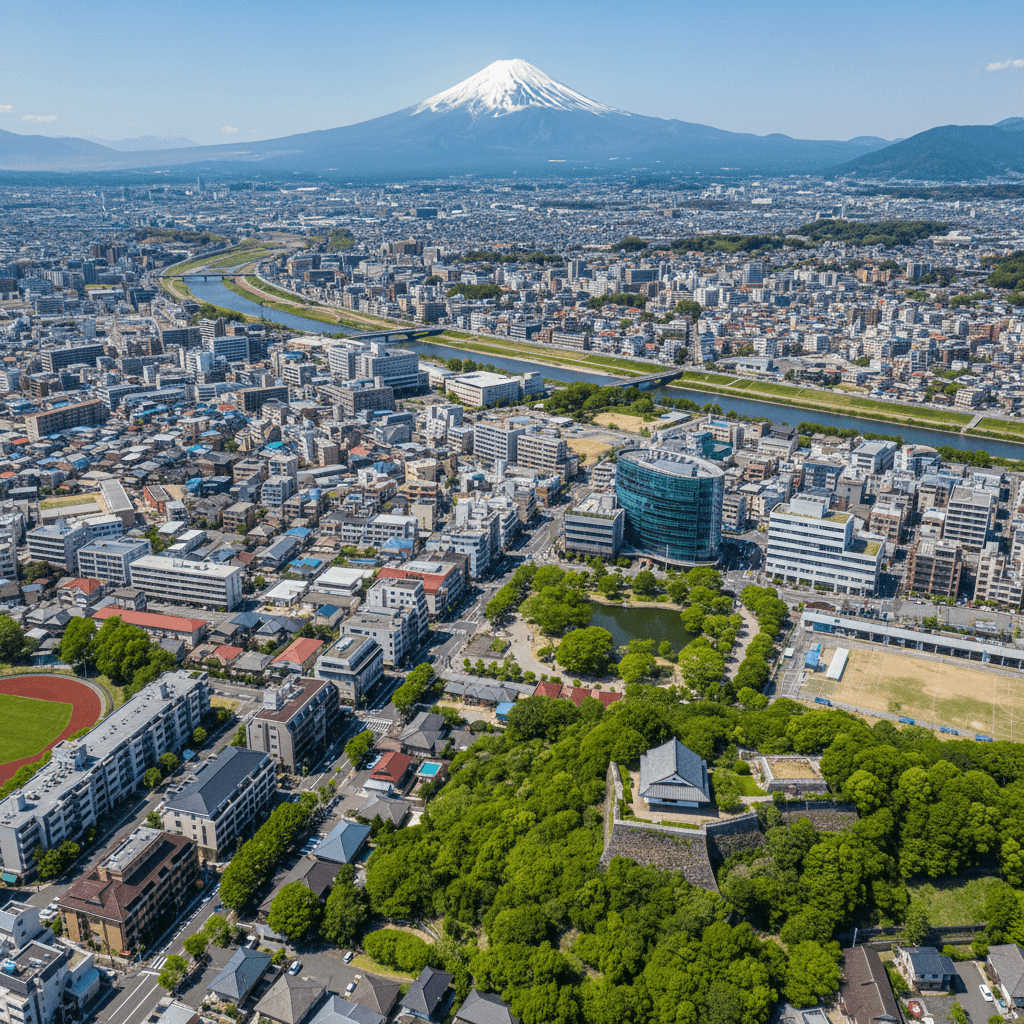
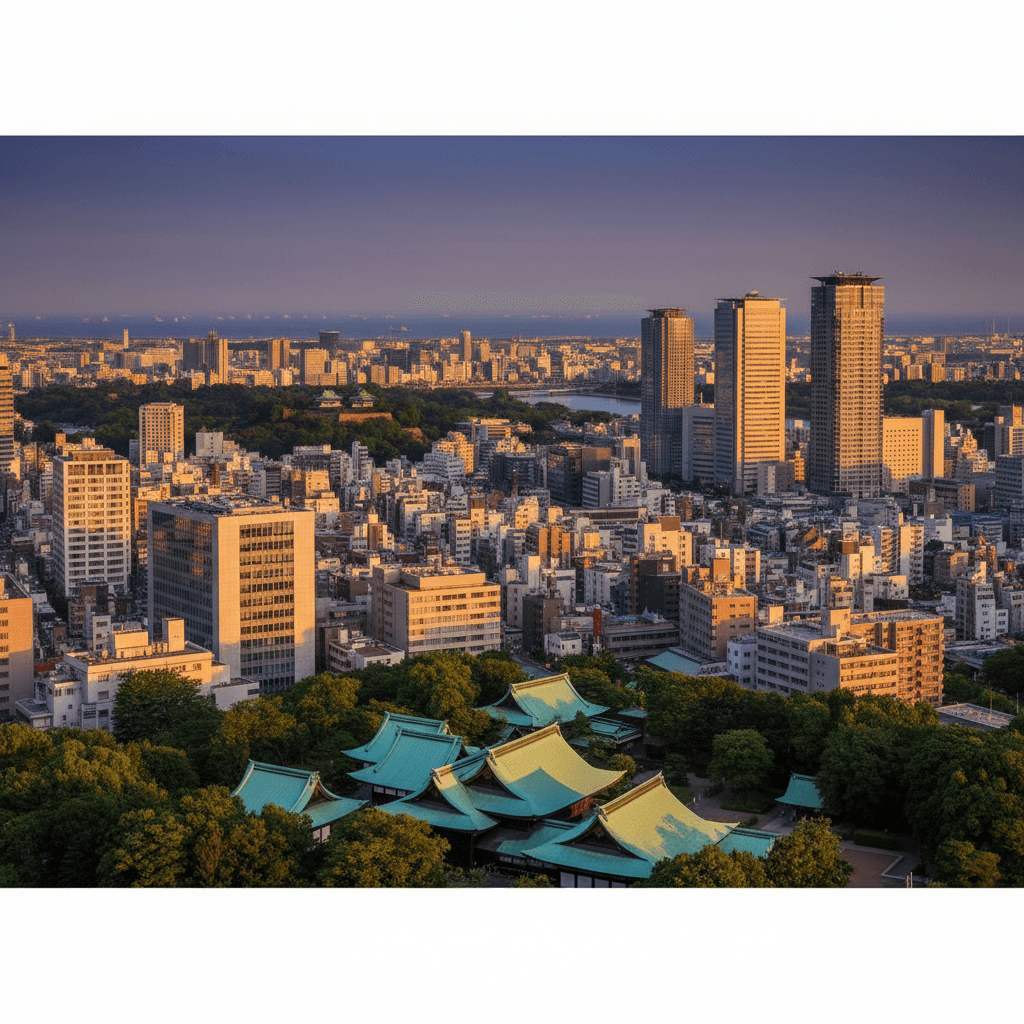
If Tokyo is a high speed fever dream, Sendai is the deep breath you take afterward. Known throughout Japan as the City of Trees, it manages to feel like a major metropolis while maintaining the relaxed headspace of a university town. You get the neon lights and the Shinkansen access, but you also get wide, zelkova-lined avenues and a pace of life that actually lets you get some deep work done.
Most nomads who land here are looking for that specific middle ground. It is affordable enough to stretch a budget, yet modern enough that you never feel like you are roughing it. There is a distinct crispness to the air, especially as you get closer to the Hirose River, and a sense of community that is often missing in the anonymous sprawl of the capital.
The Daily Vibe
Life in Sendai revolves around a balance of urban convenience and mountain escapes. You will likely spend your mornings in a quiet cafe in Ichibancho and your afternoons hiking or visiting an onsen in Akiu. The locals are noticeably more approachable than in Tokyo, though you will definitely want Google Translate fired up, as English isn't the default here.
The city really shines during its seasonal shifts. The Tanabata Festival in August turns the downtown into a sea of giant paper streamers, while winter brings a dry, biting cold that makes the local specialty, gyutan (grilled beef tongue), taste even better. It is a place for the "slowmad" who prefers a local izakaya where the owner remembers their name over a massive nightclub scene.
Cost of Living Breakdown
Your yen goes significantly further here than in Japan's more famous hubs. While prices fluctuate, a solo nomad can live comfortably on about ¥250,000 per month without feeling restricted. Here is how the monthly budget usually shakes out:
- Housing: Central studios in Aoba-ku run between ¥50,000 and ¥80,000. If you opt for a social setup like BORDERLESS HOUSE near the university, you can find rooms for around ¥45,000.
- Food & Drink: A quick lunch of zunda mochi or a convenience store run is under ¥1,000. A nice izakaya dinner with drinks usually hits the ¥3,000 mark.
- Connectivity: Expect to pay ¥3,000 to ¥5,000 for a solid 5G data plan from providers like IIJmio or Rakuten Mobile.
- Coworking: Monthly desks at spots like Regus average ¥25,000, though many nomads just use the university-adjacent cafes for the cost of a coffee.
Where to Plant Your Roots
Choosing a neighborhood in Sendai depends on whether you want the buzz of the station or the quiet of the campus.
Ichibancho (The Heart)
- The Draw: This is the cultural and commercial core. It is highly walkable, packed with covered shopping arcades (shotengai), and close to the best coworking spaces.
- The Trade-off: Rents are at the top of the local scale and it can get crowded during festival seasons.
Tohoku University Area (The Social Hub)
- The Draw: A younger, international crowd. It is easy to find English speakers here and the cafes are very work-friendly.
- The Trade-off: It is a bit of a trek to the main Sendai Station if you are planning frequent day trips.
The Logistics of Staying Connected
Japan's infrastructure is legendary, and Sendai is no exception. You will find 1,000 Mbps fiber is the standard for most apartments. For mobile, eSIMs are the easiest way to bypass the paperwork of traditional Japanese telcos. If you are staying long-term, getting a My Number Card will make your life much easier when dealing with local healthcare or banking.
Getting around is simple. The Loople Sendai bus is great for orientation, but for daily life, most people use the subway or the Docomo Bike share app, which costs about ¥150 for a quick 30-minute ride. If you catch the itch for the big city, the Hayabusa Shinkansen will have you in Tokyo in just 90 minutes for about ¥11,000.
The Price of Peace in the City of Trees
Living in Sendai feels like a well-kept secret among the expat community. While Tokyo drains your wallet for a cramped studio, Sendai lets you breathe. You're getting the same high-speed infrastructure and clean streets for roughly 30% to 40% less than the capital. Most nomads find they can maintain a high quality of life here without the constant financial stress of a Tier 1 global city.
The city's layout rewards the walkable lifestyle. If you stay central, you'll rarely need more than a bicycle or a pair of comfortable shoes. When you do need the big city lights, the Shinkansen gets you to Tokyo in about 90 minutes for approximately ¥11,410, though the price means it's usually a planned treat rather than a daily commute.
Monthly Budget Tiers
- The Lean Nomad (¥150,000): This covers a room in a social spot like BORDERLESS HOUSE Sendai, plenty of ¥600 gyutan skewers, and local transport. It's a great way to meet people quickly.
- The Balanced Professional (¥250,000): This gets you a private 1BR apartment in Aoba-ku, regular dinners at mid-range izakayas, and a dedicated desk at a coworking space.
- The High-End Resident (¥400,000+): You'll be living in a premium central apartment, dining at upscale kaiseki spots, and taking frequent weekend trips to the Akiu Onsen hot springs.
Housing and Neighborhoods
Rent is where you'll see the biggest savings. In Ichibancho, the heart of the action, a modern studio or 1BR usually runs between ¥50,000 and ¥80,000. It's the best spot if you want to be steps away from the covered shopping arcades and the main nightlife strip.
If you prefer a younger, more academic vibe, look toward the areas surrounding Tohoku University. Rents here drop to the ¥40,000 to ¥60,000 range. It's a bit quieter and greener, though you'll be sharing the sidewalks with a lot of students. For short-term stays, travelers often stick to the Sendai Station area for the sheer convenience of the transport hub, though it lacks the neighborhood charm of the side streets.
Dining and Socializing
Eating out is a highlight of Sendai life. You can grab a quick, filling meal for ¥800 at a ramen shop or spend ¥2,500 for a full set of the city's famous gyutan (grilled beef tongue) at Aji Tasuke. Grocery prices are standard for Japan, but the local markets often have better deals on seasonal produce than the high-end department store basements.
The social scene is more intimate than Tokyo's. You won't find massive multi-story nightclubs here. Instead, expats and locals congregate in the small bars of Ichibancho. It's the kind of place where you become a regular after three visits. For networking, the tech scene is growing, but most digital nomads find their community through shared housing events or by frequenting laptop-friendly cafes.
Connectivity and Remote Work
Japan's internet is famously fast, and Sendai is no exception. Expect fiber speeds of 100 to 1,000 Mbps in most apartments. If you need a professional setup, monthly memberships at Regus start from around ¥157,500, while day passes are available for approximately ¥2,500-¥3,000.
For mobile data, don't rely on roaming. Expats recommend picking up a local SIM from IIJmio or Rakuten Mobile for about ¥3,000 a month. If you're just passing through, an eSIM is the easiest way to stay connected without the paperwork. Just keep in mind that while the tech is top-tier, English proficiency is lower than in Tokyo, so keep Google Translate ready for any administrative hurdles.
For Solo Nomads: Ichibancho and Aoba-ku
If you want to be in the thick of things, Ichibancho is your base. It is the city's commercial heartbeat, filled with covered shopping arcades, small bars, and plenty of places to park your laptop. Most nomads choose this area because it is walkable and keeps you close to the Shinkansen gates at Sendai Station, which is handy for those 90 minute sprints to Tokyo.
Expect to pay between ¥50,000 and ¥80,000 for a decent studio or one bedroom apartment here. While it is the most expensive part of the city, you save on transportation because everything is right outside your door. For work, national chains like Regus provide reliable desks, and the local cafe culture is welcoming to those staying for a few hours. Just keep in mind that English isn't widely spoken, so having Google Translate ready on your phone is a must for navigating menus and lease agreements.
For Social Expats: Near Tohoku University
Expats looking for an immediate community usually gravitate toward the streets surrounding Tohoku University. The vibe here is academic and international, making it much easier to find English speakers than in the quiet suburbs. It is a green, airy part of town where the pace slows down significantly.
The big draw for many is BORDERLESS HOUSE Sendai. It is a popular co-living setup where locals and foreigners live together, solving the social isolation that sometimes hits in smaller Japanese cities. Rent here is a bit softer on the wallet, often ranging from ¥40,000 to ¥60,000. You'll find plenty of cheap eats catering to students, like gyutan skewers for ¥800 or hearty bowls of ramen that won't break your budget. It is a bit of a trek to the city center, but the Docomo Bike rental system makes the commute easy for ¥150 per half hour.
For Families: Sendai Station and East Side
Families often prefer the area immediately around Sendai Station or slightly to the east. This neighborhood is flat, highly accessible, and packed with modern malls like S-PAL that have everything from high end groceries to kids' play areas. It is safer than almost any Western city you can name, and the proximity to the subway makes hauling a stroller much less stressful.
Living here means you are close to Tohoku University Hospital, one of the best medical facilities in the region. While the area can feel a bit more "transient" due to the hotels and commuters, the convenience is hard to beat. You are also perfectly positioned for weekend trips to Matsushima Bay, which is only a 40 minute train ride away. A comfortable lifestyle for a family here, including a larger private apartment and frequent dining out, usually starts around ¥400,000 per month.
For Short-Term Travelers: Chuo
If you are only in town for a few weeks to test the waters, Chuo is the place to be. It sits right between the station and the main shopping district, putting you within walking distance of the Loople Sendai bus. This bus is the easiest way to see the sights like the Aoba Castle ruins for a flat ¥630 day pass.
Short term rentals and business hotels dominate this area. You'll find a high concentration of izakayas where you can grab a mid range dinner for ¥2,500. It is busy and can get crowded during festivals like Tanabata in August, but for a first timer, it offers the smoothest introduction to the city without needing to figure out complex bus routes or long term utility contracts.
Reliable Connectivity in the City of Trees
Japan is famous for its lightning fast infrastructure, and Sendai is no exception. You can expect fiber optic speeds ranging from 100 to 1,000 Mbps in most central apartments and rentals. Mobile coverage is equally impressive; 5G blankets the city center, and even if you venture out toward the foothills of the Ou Mountains, you'll rarely drop a call. If you're planning a remote stint in the more rural outskirts, Starlink is increasingly common and delivers around 200 Mbps.
For your mobile setup, don't rely on international roaming. Most nomads grab an eSIM or a local SIM from providers like NTT Docomo or SoftBank. If you're on a budget, MVNOs like IIJmio or Rakuten Mobile offer 20GB data packages for roughly ¥2,000 to ¥4,000 per month. You can pick these up at Sendai Airport or major electronics retailers like Yodobashi Camera right next to the station.
Coworking Spaces and Local Hubs
While Sendai doesn't have a coworking space on every street corner like Tokyo, the options available are high quality and significantly quieter. Most remote workers gravitate toward the area around Sendai Station or the Ichibancho shopping arcade. You'll find familiar national names and smaller local operations that feel more like a community than a corporate office.
- Regus Sendai: Located near the station, this is the go to for a professional environment. Monthly memberships at Regus start from around ¥157,500, while day passes are available for approximately ¥3,000.
- Enspace: A favorite for those who want a more social, startup oriented vibe. It's one of the largest hubs in the Tohoku region and often hosts networking events.
- Borderless House Sendai: If you're staying here, they provide dedicated shared workspaces that make it easy to roll out of bed and straight into a Zoom call without leaving the building.
The Cafe Office Culture
If you prefer the hum of a coffee shop, Sendai’s cafe scene is welcoming to laptops as long as you're respectful. The "City of Trees" has plenty of spots with floor to ceiling windows overlooking the greenery, which is a massive upgrade from a cramped Tokyo cubicle. Look for Starbucks or Tulley’s Coffee for guaranteed Wi-Fi and power outlets, but local independent shops in Aoba-ku are catching on too.
Just remember the local etiquette: during peak lunch hours (12:00 PM to 1:30 PM), it's polite to pack up or move on to free up space for diners. If you need to take a long call, it's better to head back to your coworking space or apartment, as Japanese cafes tend to be quite hushed.
Practical Tech Tips
- Pocket Wi-Fi: If you're moving around a lot, renting a pocket Wi-Fi device costs about ¥2,000 per day, but monthly rentals are much more economical for long stays.
- Power Plugs: Japan uses Type A and B plugs (two flat pins). Most modern coworking spaces have universal outlets, but carry a small adapter just in case.
- Navigation: Download the JapanTaxi or GO apps. Even though the city is walkable, these are lifesavers when you're lugging gear to a new workspace in the rain.
- Digital Paperwork: Use the Visit Japan Web QR code system to speed up your initial entry and setup; it’s the standard for the modern digital nomad entering the country.
Peace of Mind in the City of Trees
Sendai is famously safe, even by Japanese standards. While Tokyo has its crowded pockets and occasional nightlife friction, Sendai maintains a respectful, calm atmosphere that makes it a favorite for solo travelers and night owls. You can walk through Ichibancho or the Aoba-ku district at midnight without a second thought. Crime rates are remarkably low, and the city's layout is open and easy to navigate.
The biggest safety concerns aren't people; they're the elements. Like much of the Tohoku region, Sendai is prone to earthquakes. Most modern buildings are engineered to sway rather than break, but you should still download the NERV Disaster Prevention app. It provides real-time alerts for tremors and weather warnings in English. If you're near the coast, pay attention to tsunami evacuation signs, though the central nomad hubs are well inland and elevated.
Navigating the Healthcare System
If you get sick, you're in good hands. Sendai is a major medical hub for northern Japan. Tohoku University Hospital is the gold standard here, offering high-quality care and specialized departments. For more routine issues, the city is dotted with smaller clinics. Most nomads find that while doctors are world-class, English proficiency can be hit or miss. It's smart to have Google Translate ready on your phone for specific medical terms.
For those living here on a Digital Nomad Visa or long-term residency, your My Number Card is your ticket to streamlined healthcare. It links your records and insurance, making check-ins at hospitals much faster. If you're just passing through on a tourist waiver, make sure your private travel insurance covers "cashless" providers so you don't have to pay thousands of yen upfront.
- Emergency Police: Dial 110
- Ambulance or Fire: Dial 119
- English Support: Major facilities usually have translation tablets or staff who can assist with basic intake forms.
Pharmacies and Everyday Wellness
You'll find a Matsumoto Kiyoshi or Welcia pharmacy on almost every major corner in the downtown core. These aren't just for prescriptions; they're a one-stop shop for everything from high-end Japanese sunscreens to basic cold meds. Look for the "Drugstore" sign in English. If you need a specific brand from back home, bring it with you, as Japanese versions of common over-the-counter meds are often weaker than Western counterparts.
Expats recommend keeping a small "earthquake kit" in your apartment. This isn't about being paranoid; it's just local common sense. A few liters of water, some CalorieMate blocks, and a portable power bank will keep you comfortable if a storm or tremor knocks out the grid for a few hours. Most nomads find the city's infrastructure recovers incredibly fast, but being prepared lets you enjoy the relaxed Sendai vibe without any underlying stress.
Health Check Essentials
- Pharmacy Visits: Most are open until 9:00 PM or 10:00 PM in central areas.
- Clinic Costs: Without insurance, a basic consultation usually runs between ¥5,000 and ¥10,000.
- Water Quality: Tap water is perfectly safe and actually tastes better than Tokyo's due to the proximity to the mountains.
Getting Around the City of Trees
Sendai is remarkably easy to navigate compared to the labyrinthine transit systems of Tokyo or Osaka. The city layout is logical, with wide, tree-lined avenues that earn it the nickname "City of Trees." Most nomads find that the central district is compact enough to handle on foot, especially if you're staying near the Ichibancho or Aoba-ku areas.
Public Transit Essentials
The backbone of the city is its two-line subway system. The Namboku (North-South) and Tozai (East-West) lines intersect at Sendai Station, making it the primary hub for almost every journey. Fares generally start around ¥210, and most residents use an IC card like Suica or Pasmo for seamless tapping. If you're commuting daily, a monthly pass typically runs between ¥5,000 and ¥10,000 depending on your route.
- Loople Sendai: This retro-style bus is a favorite for getting a feel for the city. It hits all the major historical spots like the Aoba Castle ruins for a flat day rate of ¥630.
- Standard City Buses: These fill the gaps where the subway doesn't reach. Remember to board through the rear door and take a small paper ticket if you aren't using an IC card.
- Shinkansen: For weekend trips, the Hayabusa or Yamabiko trains will get you to Tokyo in about 90 minutes. A one-way ticket costs approximately ¥11,410.
Wheels and Apps
Cycling is arguably the best way to experience Sendai's relaxed pace. The city is mostly flat, and the wide sidewalks are bike-friendly. Many expats recommend the Docomo Bike Share program. You'll see the red power-assist bikes parked at docks all over the center; Docomo Bike Share costs ¥165 for the first 60 minutes with a one-time membership, or ¥3,300/month for unlimited 30-minute rides, and is easily managed through an app.
When it comes to ride-hailing, don't look for Uber or Lyft. Instead, download the GO or JapanTaxi apps. These connect you directly with local taxi fleets. A short ride across the city center usually falls in the ¥1,000 to ¥2,000 range. It's reliable, though most drivers won't speak much English, so having your destination pulled up on Google Maps is a smart move.
Airport Connections
Getting in from Sendai Airport (SDJ) is straightforward. The Sendai Airport Access Line is a dedicated train that whisks you to the city center in about 25 minutes for ¥660. If you're arriving late with heavy luggage, a taxi into town will set you back between ¥5,000 and ¥7,000, though the train is so efficient that most travelers rarely bother with a car.
Pedestrian Life
The covered arcades (shotengai) in Ichibancho are a walker's dream. They're climate-controlled and packed with shops and cafes, meaning you can cross a large portion of the downtown area without ever needing an umbrella. Nomads living near Tohoku University often mention that they rarely use the subway at all, preferring the 15 to 20 minute walk through the city's green belts to reach their favorite coworking spots or izakayas.
The Language Gap
In Tokyo, you can usually get by with English and a bit of pointing. In Sendai, the dynamic shifts. Japanese is the dominant language here, and English proficiency is generally low once you step away from the major transport hubs or the university district. While you'll find English signage at Sendai Station and Sendai Airport, local izakayas and smaller shops in Ichibancho often operate entirely in Japanese.
Most nomads find that people in Sendai are incredibly patient and friendly, often going out of their way to help even if there's a total language barrier. However, you shouldn't expect the person behind the counter to be fluent. If you're staying for more than a few weeks, learning the basics isn't just a courtesy; it's a survival tactic for your social life.
Digital Translation Tools
Your phone is your best friend in Sendai. Expats heavily recommend Google Translate, specifically the camera mode. It’s a lifesaver for reading menus at Aji Tasuke or deciphering labels at Matsumoto Kiyoshi pharmacies. For more complex interactions, like setting up a My Number Card or visiting Tohoku University Hospital, the Visit Japan Web app helps streamline the digital side of your residency.
For daily navigation and communication, keep these apps updated:
- Google Translate: Use the conversation mode for real time chats.
- JapanTaxi/GO: Essential for booking rides without needing to explain your destination verbally.
- DeepL: Often provides more natural Japanese translations for emails or text messages to landlords.
Key Phrases for Your Kit
You don't need to be fluent, but hitting the right notes with a few phrases will open doors. Travelers often say that a well timed "Sumimasen" (excuse me/sorry) is the most versatile word in your vocabulary. Use it to get a server's attention, apologize for bumping into someone on the subway, or as a polite "thank you" when someone holds a door.
Other essentials include:
- "Eigo ga hanasemasu ka?" (Do you speak English?): Use this before launching into a question.
- "Arigatou" (Thank you): Or the more formal "Arigatou gozaimasu" for people you don't know.
- "Kore o onegaishimasu" (This one, please): Perfect for pointing at a specific gyutan set on a menu.
- "Wi-Fi wa arimasu ka?" (Is there Wi-Fi?): A staple for any nomad scouting a new cafe.
Social Integration and Community
If you're worried about isolation, head toward the Tohoku University area. The presence of international students and researchers means English is more common there. Many nomads choose BORDERLESS HOUSE Sendai specifically because it fosters a bilingual environment where locals and foreigners live together. It’s an easy way to bypass the "foreigner bubble" while still having someone around who can help you translate a utility bill.
For professional networking, the tech scene is growing but still leans toward Japanese. If you're looking for English speaking meetups, check InterNations or Facebook groups like Tohoku Expats. While the nightlife in Ichibancho is more subdued than Shinjuku, the bars are great places to practice your Japanese over a drink; locals are often curious about why you chose Sendai and are happy to chat if you make the first move.
The Sweet Spot: Spring and Autumn
If you're planning your stint in Sendai, aim for the shoulder seasons. April and May are arguably the most pleasant months to be here. The city earns its nickname as the City of Trees when the zelkova trees along Jozenji-dori burst into green. Temperatures hover between 10°C and 20°C, which is perfect for walking between Ichibancho coworking spots without breaking a sweat. You'll also catch the cherry blossoms in early to mid-April, usually a week or two after Tokyo's peak.
October and November are equally spectacular. The humidity of the summer vanishes, replaced by crisp air and deep red maples in the surrounding hills. It's the best time for weekend trips to Matsushima Bay or the Akiu Onsen area. Most nomads find this the most productive time of year because the weather is reliable and the city feels energized but calm.
The Summer Humidity
July and August bring the heat. While Sendai isn't quite as stifling as Kyoto or Tokyo, it still gets sticky with temperatures reaching 25°C to 30°C. Late June through July is the rainy season, so expect grey skies and frequent drizzle. If you're here in early August, you'll experience the Tanabata Festival. It's the city's biggest event, and while the massive paper streamers are incredible, the city gets crowded and accommodation prices spike. Make sure you've got a solid AC unit in your apartment if you're staying through the summer.
Winter Realities
Sendai winters are cold but manageable. January and February are the toughest months, with temperatures dipping to 0°C. You'll see some snow, though it rarely piles up as high as it does in nearby Yamagata or Hokkaido. Expats often mention that the wind can be biting, so a high-quality coat is a must. The upside? You're a short train ride away from some of the best skiing in Tohoku, and the local gyutan (grilled beef tongue) tastes even better when it's freezing outside.
Best Times for Specific Goals
- For the best work-life balance: May or October. The weather is perfect for "work from anywhere" setups in local parks.
- For cultural immersion: August 6-8 for the Tanabata Festival, though you should book your housing months in advance.
- For budget travelers: Late January and February. Rent in short-term spots like BORDERLESS HOUSE is easier to snag, and tourist crowds are non-existent.
- For nature lovers: Late October for the autumn colors in the Aoba-ku forest areas.
Monthly Climate Quick-View
- Spring (March-May): 5°C to 18°C. Refreshing, blooming, and highly walkable.
- Summer (June-August): 18°C to 28°C. Humid, rainy in July, festival-heavy in August.
- Autumn (September-November): 10°C to 22°C. Clear skies and the best hiking weather.
- Winter (December-February): -1°C to 6°C. Cold, dry, with occasional snow.
The Sendai Setup
Sendai is the sweet spot for anyone who finds Tokyo's sensory overload a bit much but isn't ready to disappear into a rural rice paddy. It's often called the City of Trees, and you'll feel that greenery the moment you step out of the station. It's a place where you can grind through a morning of deep work and be soaking in an onsen or hiking a mountain trail by mid-afternoon. Most nomads find the pace here refreshing; it's a city that actually lets you breathe.
Cost of Living Breakdown
Your yen goes significantly further here than in the capital. While prices fluctuate, a solo nomad can live a very comfortable life on ¥250,000 a month. If you're on a tighter budget, ¥150,000 is doable if you opt for shared housing and stick to local ramen shops and street food.
- Housing: A private studio in the city center typically runs between ¥50,000 and ¥80,000. If you head toward the university districts, you can find solid spots for as low as ¥40,000.
- Dining: Expect to pay ¥500 to ¥800 for quick bites like gyutan skewers. A nice dinner at an izakaya usually lands between ¥1,500 and ¥3,000.
- Connectivity: A local SIM or eSIM with 20GB of data costs around ¥3,000.
- Transport: A monthly subway pass averages ¥7,500, though the city center is very walkable.
Where to Plant Your Flag
Ichibancho (Aoba-ku): This is the heart of the action. It's perfect for solo travelers who want to be steps away from the covered shopping arcades and the best coffee shops. It's the most expensive area for rent, but you'll save on transport because everything is right there.
Tohoku University Area: This is the go-to for a younger, more international crowd. Places like BORDERLESS HOUSE Sendai are popular here because they bake in a social life from day one. It's greener, quieter, and much easier on the wallet than the downtown core.
Sendai Station: Best for short-term stays or if you plan on taking the Shinkansen to Tokyo frequently. It's a 90-minute ride that costs approximately ¥11,410. It's busy and a bit transient, but you can't beat the convenience for regional travel.
Connectivity and Coworking
Japan's internet is famously fast, and Sendai is no exception. You'll find fiber speeds hitting 1,000 Mbps in most modern apartments. For a professional setup, Regus has a solid presence near the station. Monthly memberships at Regus start from around ¥157,500, while day passes are available for approximately ¥2,500. Many nomads prefer the cafe culture here; just look for the "WiFi" stickers on the windows of local spots in Ichibancho.
Navigating Daily Life
English isn't as widely spoken here as it is in Shinjuku or Osaka. You'll want Google Translate's camera mode for grocery shopping and menus. Learning "Sumimasen" for getting attention and "Arigatou" for everything else goes a long way with the locals, who are generally patient and helpful.
For getting around, grab a Suica or Pasmo card for the subway. If you want to explore like a local, download the Docomo Bike app. You can grab a bike for ¥165 for the first 60 minutes, or ¥3,300/month for unlimited 30-minute rides, which is the best way to see the city during the cherry blossom season in April or when the leaves turn in October.
Safety and Health
Sendai is remarkably safe. You can walk home alone at 2:00 AM without a second thought. If you do get sick, Tohoku University Hospital is a top-tier facility. For emergencies, dial 119 for an ambulance or 110 for the police. Most major pharmacies like Matsumoto Kiyoshi carry the basics, but bring your own specific prescriptions from home to avoid the paperwork.
Need visa and immigration info for Japan?
🇯🇵 View Japan Country GuideEasy Landing
Settle in, no stress
Monthly Budget Estimates
More cities in Japan
Kumamoto
🇯🇵 Japan
Takamatsu
🇯🇵 Japan
Kamakura
🇯🇵 Japan