Sayulita
🇲🇽 Mexico
The Spirit of the Pueblo Mágico
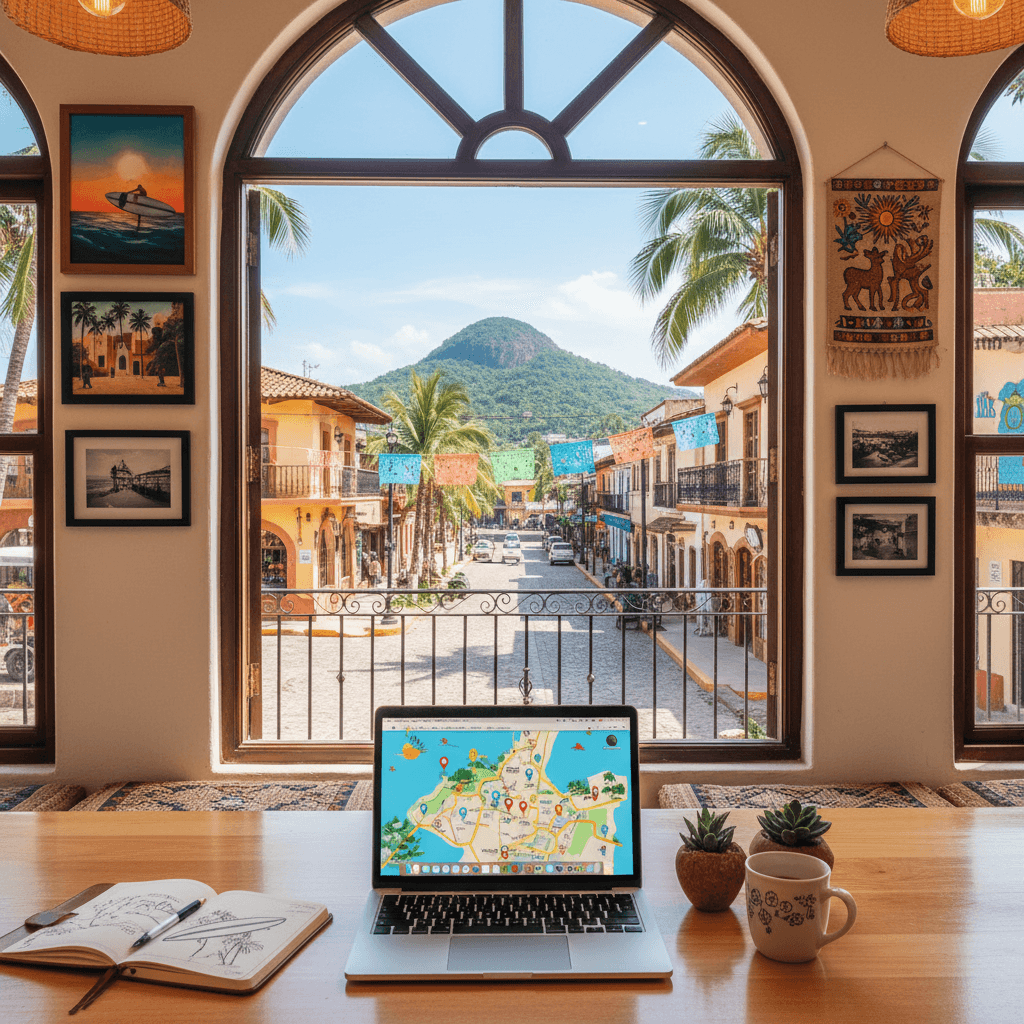
Sayulita isn't your typical manicured resort town. It’s a Pueblo Mágico that feels like a collision between a traditional Mexican village and a high-energy bohemian carnival. You’ll find dusty streets lined with papel picado banners, world-class surfers carrying boards past street taco stands, and a "pura vida" philosophy that dictates the local rhythm. It’s the kind of place where you might start your morning with a yoga flow and end it dancing at a beachside bar crawl.
The vibe is unapologetically hippie-chic. While it has become increasingly popular, it retains a gritty, authentic charm that sets it apart from the more polished feel of nearby Puerto Vallarta. Most nomads are drawn here by the promise of "working from the beach," though the reality involves a bit of a trade-off. You get the turquoise waters and jungle backdrops, but you also have to embrace the occasional power outage or slow internet day with a shrug and a margarita.
The Nomad Reality Check
Living here means joining a tight-knit community of expats, surfers, and remote workers who value lifestyle over corporate structure. The social scene is effortless; you'll meet people at the surf break or while grabbing a coffee at Sayulita WiFi. However, it’s not the cheapest spot in Mexico. Because of its popularity, prices have crept up, and you’ll often pay a premium for any rental that guarantees fiber-optic internet.
The town is compact and highly walkable, which adds to the stress-free lifestyle. You don't need a car; most people get around on foot or rent a golf cart for the week. The biggest gripe for long-termers is the infrastructure. Between the humidity and the crowds, the local Telmex service can struggle, making a backup mobile hotspot or a desk at a dedicated workspace like Sayulita CoWork a necessity rather than a luxury.
Neighborhoods & Where to Plant Roots
Despite its small size, Sayulita has distinct pockets that cater to different energy levels. Most nomads gravitate toward the center for the convenience, while those staying longer often head to the edges for some breathing room.
Town Center & Playa Sayulita
- The Vibe: High energy, loud, and right in the thick of the action. This is the heart of the surf scene and nightlife.
- Best For: First-timers, solo travelers, and anyone who wants to be steps away from the best tacos and coworking spots.
- Rent: $900 to $1,500 USD for a one-bedroom in town center (updated for 2026 long-term rates)
- Pros/Cons: Everything is walkable, but the noise from bars and construction can be relentless.
The Jungle Edges (South & North Ends)
- The Vibe: Quiet, lush, and much more relaxed. You'll hear birds and crashing waves instead of ATVs and reggaeton.
- Best For: Families, couples, or focused nomads who need a silent environment to get deep work done.
- Rent: $700 to $1,200 USD for long-term rentals on jungle edges
- Pros/Cons: It’s much more peaceful, but you’ll likely want a bike or scooter to get into town for groceries and socializing.
San Pancho (San Francisco)
- The Vibe: Sayulita’s "little brother" located about 15 minutes away. It feels like Sayulita did ten years ago.
- Best For: Expats who find Sayulita too chaotic and want a more "authentic" Mexican village feel.
- Pros/Cons: It’s incredibly charming and less crowded, but the internet infrastructure is a step behind, with fewer high-speed options.
Monthly Budget Estimates
Your bank account will feel the "tourist tax" here more than in Oaxaca or Mexico City. To live comfortably, you should plan for the following monthly expenses:
- Budget Nomad ($1,500 to $2,000 USD): Staying at a spot like ITH Amazing Hostel, eating mostly $4 USD street tacos, and skipping the pricey cocktails.
- Mid-Range ($2,500 to $3,500 USD): A private apartment with a dedicated workspace, frequenting cafes like Tabachines, and taking a few surf lessons per week.
- Comfortable ($4,000+ USD): A luxury villa in the hills, upscale dining at beachside restaurants where meals run $30 USD, and a private golf cart for getting around.
Ultimately, Sayulita is for the nomad who doesn't mind a little dust on their shoes and a bit of chaos in their schedule. It’s a place that rewards flexibility. If you can handle the occasional WiFi hiccup, you’ll find one of the most welcoming and vibrant communities in Latin America.
Sayulita is no longer the bargain-basement surf town it was a decade ago. While it remains more affordable than Tulum or Los Cabos, its popularity with the North American remote work crowd has pushed prices significantly higher than typical mainland Mexican cities. To live here comfortably, you need to budget more like you are in a mid-sized US city rather than a rural beach town.
Monthly Budget Tiers
Your lifestyle in Sayulita will largely be dictated by your tolerance for shared spaces and how often you eat at beachside "gringo" spots versus local taco stands.
- Budget Nomad ($1,500 to $2,000 USD): You are likely staying in a dorm at ITH Amazing Hostel or a very basic room on the outskirts of town. You eat street tacos for most meals and limit your nights out to happy hour specials.
- Mid-Range Professional ($2,500 to $3,500 USD): This is the sweet spot for most digital nomads. It covers a private 1-bedroom apartment with decent airflow, regular visits to cafes like Organi-K, and a few surf lessons or yoga classes per week.
- High-End Expat ($4,000+ USD): At this level, you are renting a villa with a view, dining at upscale spots like Don Pedro's, and likely paying a premium for a dedicated fiber-optic internet line.
Housing and Utilities
Rent is your biggest hurdle. A studio or 1-bedroom in the town center typically runs between $1,000 and $1,800 USD per month (2026 rates higher due to demand). If you want to be near the plaza, expect noise and higher prices. Many expats recommend looking toward the North End or the jungle edges near Playa Malpaso for more peace and slightly lower rates, though you might need a golf cart or bike to get around.
One specific "Sayulita tax" is the cost of reliable internet. Standard Telmex service is often included in rent but is notoriously slow and prone to outages during storms. Many serious remote workers pay an extra $100 USD per month for private fiber-optic connections or Sayulita WiFi hotspots to ensure they don't drop off Zoom calls.
Food and Dining
The food scene is one of the town's best features, and you can scale your spending easily. Local taco stands are your best friend if you are watching your wallet.
- Street Food: You can grab a few tacos and a soda for $3 to $5 USD.
- Casual Cafes: A coffee and a brunch bowl at a nomad-friendly cafe will usually set you back $10 to $15 USD.
- Dinner Out: A nice meal with a cocktail at a beachfront restaurant typically costs $25 to $35 USD per person.
- Groceries: Small local mercados are great for produce, but for a full shop, many residents take a bus or taxi to the larger supermarkets in Bucerias or Puerto Vallarta to save money.
Transport and Extras
Sayulita is highly walkable, so you won't spend much on daily commuting. However, those small costs add up. Taxis within town are usually $5 to $10 USD, and bike rentals go for about $5 USD a day. If you want to explore nearby San Pancho, a colectivo bus is a cheap $2 to $5 USD, while a private shuttle from the PVR Airport costs between $20 and $40 USD one-way.
For your workspace, if your home WiFi fails, expect to pay around $4 USD for a few hours of access at dedicated WiFi hotspots. Coworking spaces like Sayulita CoWork or Tabachines offer more stability, though prices vary depending on the season and availability.
Nomads and Remote Workers
If you're here to work, the Town Center, or Centro, is your best bet despite the noise. It's the only neighborhood where you're within a five minute walk of the reliable fiber optic hubs. Most nomads congregate around the streets near Sayulita CoWork or Tabachines Cowork to ensure they don't drop off a Zoom call when the local Telmex grid inevitably flickers.
- The Vibe: High energy, social, and very walkable. You can surf at 7:00 AM, hit a coworking space by 9:00 AM, and be at a taco stand by noon.
- Rent: Expect to pay between $800 and $1,500 USD for a studio or one bedroom. If you want a dedicated fiber line, landlords often charge an extra $100 USD monthly.
- Pros: You won't need a car or golf cart. Everything from the beach to the bars is right at your doorstep.
- Cons: It gets loud. Between the jungle birds, ATVs, and late night bar crawls, noise canceling headphones are a mandatory investment.
Solo Travelers
Solo travelers usually find their rhythm in the hostels and coliving spaces clustered on the southern end of the main beach. Spots like ITH Amazing Hostel and Viajero Sayulita act as the neighborhood's social anchors. These areas are perfect if you're looking to trade travel tips over a $3 USD street taco or join an organized jungle hike without much planning.
- The Vibe: Communal and casual. It's the easiest place to meet people for surf lessons or sunset drinks.
- Safety: This area is very well lit and stays active late into the night, making it one of the safest spots for walking home alone.
- Connectivity: Most hostels here have decent communal WiFi, but it's wise to keep a Telcel SIM card as a hotspot backup for those days when the whole town's bandwidth gets throttled.
Expats and Long-Termers
Those staying for a season or more often migrate toward the North Side of town. It’s slightly more residential and offers a reprieve from the tourist crowds while still being close enough to the action. You'll find more "real" houses here rather than just vacation rentals, and the beach is generally less packed than the main surf break.
- The Vibe: Relaxed and bohemian. It feels more like a neighborhood and less like a spring break destination.
- Rent: Prices are similar to Centro, but you usually get more square footage or a small pool for your $2,500 to $3,500 USD mid range budget.
- Transportation: Many expats here rent a golf cart or a bicycle for about $5 USD a day to bridge the ten minute gap into the center of town.
Families
For families, the Jungle Edges and the outskirts toward Playa Malpaso are the preferred choice. These areas offer quiet nights and more space for kids to roam. It's a different world out here, dominated by lush greenery and the sound of cicadas rather than reggaeton. You'll likely want to book an ATV or a sturdy rental car, as the roads can be dusty and steep.
- The Vibe: Peaceful and nature focused. It's the place for morning trail walks and spotting iguanas in the yard.
- Pros: Significantly quieter and often cheaper if you're looking for multi bedroom villas.
- Cons: You're isolated from the main infrastructure. Internet can be spotty unless the property has Starlink, and you'll spend more on $10 USD taxi rides to get groceries.
San Pancho (The Quiet Alternative)
If Sayulita feels too frantic, many expats recommend looking ten minutes up the road to San Pancho. It’s a smaller, more authentic village that feels like Sayulita did fifteen years ago. While it lacks the high speed fiber lines found in Sayulita's center, it's the go to for anyone who prioritizes a slower pace of life over a 100 Mbps connection.
- The Vibe: Community oriented and artistic. The main street is full of local galleries and quiet cafes.
- Getting There: Collectivos run regularly between the two towns for about $2 to $5 USD, making it easy to live in the quiet of San Pancho while working in Sayulita during the day.
Working from Sayulita is a lesson in patience and preparation. While the town is a dream for surfers and sun-seekers, the infrastructure hasn't quite caught up to its popularity. You'll find a mix of slow Telmex lines and newer fiber optic connections, but outages are common during heavy rain or when the town is packed for a festival. Most nomads find that having a Telcel SIM card as a backup hotspot is a non-negotiable part of their toolkit.
Top Coworking Spaces
If you have a high-stakes meeting, don't rely on your Airbnb WiFi unless your host has specifically confirmed a fiber optic upgrade. Instead, head to one of the dedicated spaces where connectivity is the priority.
- Sayulita CoWork: Often cited as having the fastest, most stable internet in town. It’s a smaller, focused environment that some regulars jokingly call the dungeon because it lacks the beach views, but the reliability is worth the trade-off.
- Tabachines Cowork: This spot offers a more aesthetic, open-air patio vibe. The speeds are moderate and generally sufficient for standard tasks, though it can get a bit warm during the humid months between May and October.
- ITH Amazing Hostel: A go-to for the social nomad. It functions as a co-living hub where the WiFi is included in your stay, making it easy to roll out of bed and straight into a Zoom call with other remote workers.
- Viajero Sayulita: Another hostel-based option that balances work and play. They have dedicated desk space and host frequent nomad events, which is great for networking but less ideal if you need total silence.
The Cafe Scene
Sayulita has a strong cafe culture where beachside tables often double as temporary offices. However, many local spots don't offer free, unlimited high-speed internet. It's a solid solution if you want to work with a view of the waves, but the costs of frequenting cafes add up if you're pulling full workdays.
Connectivity Tips & Prices
Expats who settle here long-term usually pay a premium for stability. A standard Telmex connection might only cost $15 USD per month, but it's notoriously sluggish. Upgrading to a private fiber optic line can jump to $100 USD per month, a price many find worth paying to avoid the stress of a dropped connection during a presentation.
- Average WiFi Speed: 15 Mbps is standard; fiber can go higher but varies by location.
- Mobile Data: Telcel offers the best coverage. You can top up your SIM at any OXXO store in town.
- Work Samples: Test your speeds immediately upon arrival at your rental. If it's under 5 Mbps, start scouting your nearest coworking space.
- Power Outages: They happen. Keep your laptop and power banks fully charged, especially during the rainy season.
For those who find Sayulita a bit too chaotic, the neighboring town of San Pancho is a popular alternative. Just keep in mind that while it's quieter and more authentic, the internet there is generally a step behind Sayulita, with fewer high-speed fiber options available for the public.
A Safe Haven for the Pura Vida Lifestyle
Sayulita maintains a reputation as one of the safer Pueblo Mágicos in Mexico. Most nomads find the town incredibly welcoming, with a community that looks out for its own. You'll see people walking home from bars at 2:00 AM or solo travelers wandering the town center with little concern beyond where to find the best late night tacos.
The vibe is relaxed and friendly, but you shouldn't let the "hippie-chic" atmosphere make you careless. Crime is rare but usually takes the form of opportunistic theft. Expats recommend keeping your phone tucked away while walking and never leaving your laptop unattended at a beachside cafe. Stick to well lit streets in the town center after dark and avoid the pitch black jungle trails toward Playa Malpaso once the sun goes down.
Staying Healthy in the Tropics
The biggest health risk in Sayulita isn't crime; it's the environment. The combination of high humidity and intense sun can lead to dehydration or heat exhaustion quickly. Long term residents suggest drinking plenty of electrolytes, which you can find at any local OXXO store. While the tap water is fine for showering, you should strictly stick to bottled or filtered water for drinking and brushing your teeth.
Pharmacies are located on almost every corner in the town center. These farmacias are well stocked with over the counter basics and many have a doctor on site for quick, low cost consultations. If you deal with a minor stomach bug or a surf scrape, these local spots are your first line of defense.
Emergency Services and Specialized Care
For anything more serious than a flu or a minor injury, you'll need to head out of town. Sayulita doesn't have a full scale hospital. Most expats and travelers head to Puerto Vallarta for major medical needs. It is about a 45 to 60 minute drive depending on traffic.
- Emergency Number: Dial 911 for police, fire, or ambulance services. It helps to have a few Spanish phrases ready, though operators in tourist zones often speak some English.
- Hospitals: Major facilities like Punta Mita Hospital or Hospital Joya in Puerto Vallarta offer world class care and are the preferred choice for foreigners.
- Travel Insurance: Most nomads find it vital to have a policy that covers medical evacuation or private hospital stays, as costs at international clinics can climb quickly.
Practical Safety Tips for Nomads
If you're working from cafes, be mindful of your surroundings. While the town is walkable and generally secure, the influx of tourists means you should always keep your gear within arm's reach. Most digital nomads suggest using a VPN when connecting to public networks at Sayulita CoWork or local coffee shops to keep your data secure.
If you plan on exploring the jungle or riding ATVs, wear a helmet and carry a basic first aid kit. The trails can be rugged, and help is often a long walk away if you're deep in the brush. Lastly, always keep a digital copy of your passport and FMM (tourist card) on your phone, but keep the physical documents locked in your rental's safe.
The Walkable Core
Sayulita is built on a human scale. Most nomads find that once they've settled into a rental near the town center or Playa Sayulita, their own two feet are the primary mode of transport. The town is compact enough that you can walk from a morning surf session to a coworking desk in under ten minutes. The streets are colorful and lively, though they can get crowded during the peak season from October to April.
If you're staying on the jungle edges or toward the quieter outskirts near Playa Malpaso, the walk becomes a bit more of a trek. While the scenery is beautiful, the humidity can make a 20 minute walk feel much longer. In these areas, many expats recommend having a backup plan for getting into town, especially if you're carrying a laptop bag.
Golf Carts and Bike Rentals
You'll quickly notice that golf carts are the unofficial vehicle of Sayulita. They're perfect for navigating the cobblestone streets and finding parking where a car never could. However, they aren't cheap; daily rentals can eat into a budget quickly. For a more nomad friendly price point, bikes and scooters are popular options. You can expect to pay around $10 to $25 USD per day for bike/scooter rentals. They're ideal for reaching the trailheads that lead to more secluded spots like Playa de los Muertos or exploring the hilly jungle trails.
Just be mindful of the terrain; some of the paths toward the outskirts are better suited for ATVs than standard scooters.
Ride-Hailing and Taxis
While Sayulita feels like a remote escape, modern conveniences like Uber and Didi do operate in the area. They're reliable for getting around town or heading to nearby spots, with short trips usually costing between $5 and $10 USD. If you prefer the local route, taxis are everywhere. You'll find them clustered around the main plaza. Expect to pay about $15 USD for longer trips or late night rides when demand is high.
Buses and Collectivos
For budget conscious travelers looking to explore the coastline, the local "Compostela" buses and white collectivo vans are the best bet. These are the primary way to reach San Pancho, the quieter neighbor to the north.
- Cost: Usually between $2 and $5 USD depending on the distance.
- Frequency: They run regularly throughout the day, usually every 20 to 30 minutes.
- Pick-up: Most people catch them on the main road leading out of town.
Getting to and from the Airport
Puerto Vallarta (PVR) is the gateway to Sayulita, located about 45 minutes away. You have a few solid options for the transit:
- Private Shuttles: These cost between $100 to $150 USD one-way for private shuttle from PVR (2025-2026 rates). It's the most comfortable option after a long flight.
- Public Bus: You can take the bus from across the highway at the airport for about $3 USD. It's affordable but takes longer and can be cramped with luggage.
- Surf Schools: Some local businesses, like Marea Surf School, offer specialized shuttles. They sometimes provide roundtrip transport to surf breaks like La Lancha for as low as $18 USD, which is a steal if you're timing it with a lesson.
Practical Transport Tips
If you're planning on staying for several months, look into buying a used bike or scooter via local Facebook groups. It's often cheaper than renting long term. For those heading to San Pancho for a day of work, remember that while the commute is easy, the internet there is generally slower than Sayulita's fiber options. Always check the weather before heading out on a scooter during the rainy season from June to October, as the dirt roads on the edges of town can turn into mud slides quickly.
While Spanish is the heartbeat of Sayulita, this surf town is a true international melting pot. Because it has been a magnet for expats and travelers for decades, you will find that English is widely spoken in the town center, surf schools, and upscale boutiques. However, the town's soul is still very much Mexican, and your experience will improve tenfold if you can navigate a conversation beyond the basics.
The Language Balance
In the main plaza and along the beach, English is the default for most service industry staff. You can easily order a flat white at a cafe or book a surf lesson at Marea Surf School without knowing a word of Spanish. That said, as you move toward the outskirts or shop at local tiendas and OXXO stores, the English proficiency drops quickly. Locals appreciate the effort, even if it's just a clumsy attempt at a greeting.
Most digital nomads and long term expats find that a "Spanglish" approach works for daily life. You will hear a mix of languages at coworking spots like Sayulita CoWork or during sunset beers on the sand. If you are planning to stay for a few months, consider it a social requirement to learn enough to handle a taxi ride or a trip to the pharmacy.
Communication Essentials
Don't rely solely on your data plan for translation. While the town is small, the jungle terrain and narrow streets can create dead zones. Expats recommend downloading the Spanish offline dictionary on Google Translate before you arrive. It's a lifesaver when you're trying to explain a specific ingredient at a taco stand or negotiating a price with a driver.
- Digital Tools: WhatsApp is the primary way to communicate with everyone from your landlord to your delivery driver. If you don't have it, you'll find it nearly impossible to book services or join local community groups.
- Local SIMs: Pick up a Telcel SIM card as soon as you land. It has the most reliable coverage in the Nayarit region. You can top it up easily at any OXXO in town.
- Etiquette: Always start an interaction with a polite "Buenos dias" or "Buenas tardes." Jumping straight into English without a greeting is often seen as rude in Mexican culture.
Key Phrases for Your First Week
You don't need to be fluent to get by, but having these phrases in your back pocket will make your transition smoother. Most travelers find that these few basics cover 90% of their daily interactions:
- "¿Cuánto cuesta?" (How much does it cost?): Essential for street food and markets where prices aren't always posted.
- "¿Tienes WiFi?" (Do you have WiFi?): You'll be asking this at every cafe, especially when the Telmex lines go down.
- "La cuenta, por favor" (The check, please): Use this at restaurants; waiters in Mexico generally won't bring the bill until you ask for it.
- "¿Hablas inglés?" (Do you speak English?): A polite way to pivot if your Spanish fails you.
Social Integration
If you want to sharpen your skills, Sayulita is a very forgiving place to practice. The community is tight knit and generally patient with learners. Many nomads use their time here to take informal lessons or join language exchange meetups often organized through hostels like Viajero Sayulita or ITH Amazing Hostel. It is also the best way to move past the "tourist" bubble and actually make friends with the people who call this pueblo mágico home year round.
The Sweet Spot: October to April
If you want the best of Sayulita without the sweat, aim for the window between late October and April. This is the dry season, when the humidity drops and the air feels crisp and manageable. You can expect average daytime temperatures around 29°C (84°F), though it often feels closer to 34°C (93°F) under the direct sun. Evenings are pleasant enough for a light sweater, making it the prime time for sunset drinks at beachside spots like Terrenal or El Costeño.
This period also aligns with the best surf conditions. Longboarders and beginners flock to the main beach during these months for consistent, mellow waves. However, keep in mind that this is peak tourism season. The town center gets loud, the beaches get packed, and prices for short term rentals on platforms like Airbnb often spike. If you are planning to stay through December or January, book your spot months in advance to avoid paying a massive premium.
The Low Season: May to October
The vibe shifts significantly starting in May. This kicks off the rainy season, characterized by intense heat and rising humidity that can reach 80%. While the jungle turns a stunning, lush green, the tradeoff is heavy afternoon downpours and occasional tropical storms. For remote workers, this season brings a specific challenge: infrastructure. Power outages and internet drops are common during heavy rain, which can be a nightmare if you're relying on a standard Telmex connection for Zoom calls.
Expats who stick around through the summer often recommend having a backup plan. Investing in a local Telcel SIM for a mobile hotspot is a must during these months. On the plus side, the crowds thin out, and you can find much better deals on long term housing. If you don't mind the "sauna" feel and the occasional mud on the streets, the summer months offer a much quieter, more authentic version of the pueblo.
Timing Your Arrival
Most nomads find that November is the "Goldilocks" month. The rains have mostly stopped, the jungle is still green, and the winter crowds haven't fully descended yet. It is the perfect time to scout for a permanent apartment or test out coworking spaces like Sayulita CoWork or Tabachines before the town reaches capacity.
- Peak Season (Dec to Mar): Best weather, highest prices, very crowded.
- Shoulder Season (Apr to June, Oct to Nov): Great balance of weather and lower costs.
- Rainy Season (July to Sept): Hot, humid, and buggy, but very affordable and quiet.
Regardless of when you arrive, be prepared for the tropical reality. Even in the "best" weather, Sayulita operates on its own clock. Whether it is a sudden power cut during a storm or a heatwave in May, the local advice is always the same: grab a cold Pacifico, find some shade, and wait for the "pura vida" pace to resume.
Connectivity & Tech Setup
Internet is the biggest hurdle in Sayulita. Standard Telmex lines average around 15 Mbps, which is fine for emails but risky for video calls. Most seasoned nomads recommend hunting for rentals with dedicated fiber optic lines, even if it adds $100 to your monthly rent. If your Airbnb host says the internet is "good," ask for a speed test screenshot before booking.
For a reliable backup, grab a Telcel SIM card at any OXXO convenience store. It has the best coverage in town for mobile hotspots. If you need a professional environment, head to Sayulita CoWork for the fastest speeds or Tabachines Cowork for an open air patio vibe. You can also buy three hour passes for $4 to use the Sayulita WiFi hotspots at various beachside cafes.
Budgeting for the Coast
Sayulita carries a "Pueblo Mágico" premium. You aren't paying mainland prices here. A realistic monthly budget for a mid range lifestyle is between $2,500 and $3,500. This covers a decent one bedroom apartment, daily cafe visits, and several dinners out.
- Rent: Expect to pay $800 to $1,500 for a studio or one bedroom in the center. Prices drop if you head toward the jungle edges or look for long term deals in person.
- Dining: Street tacos will set you back $3 to $5, while a meal at an upscale beachside spot usually lands between $20 and $30.
- Transport: Town is walkable, so your transport costs are low. Golf cart rentals are popular but pricey; most people stick to $5 bike rentals or the occasional $10 taxi.
Navigation & Transit
The town core is compact and best explored on foot. If you want to explore further, the Compostela buses (collectivos) run to San Pancho for about $2 to $5. It is a great way to escape the crowds for a quieter afternoon.
Getting here from Puerto Vallarta (PVR) takes about 45 minutes. An Uber or private shuttle typically costs between $20 and $40. If you are bringing a surfboard, Marea Surf School offers specialized shuttles to breaks like La Lancha for about $18 roundtrip.
Health & Safety
Sayulita is generally safe, even for solo travelers walking home at night. Stick to the well lit areas in the center and keep an eye on your belongings at the beach. For medical needs, local pharmacies can handle minor issues. For anything serious, you will need to head back toward Puerto Vallarta where the major hospitals are located. In an emergency, dial 911, but keep in mind that response times can be slower during peak tourist season.
Seasonal Planning
Timing your stay is everything. The prime window is October through April. The weather is dry, and the humidity is manageable. From May to October, the heat turns up significantly, often hitting 29°C with 80% humidity. This is also the rainy season, which can lead to more frequent power outages and internet disruptions. If you stay during the summer, an apartment with high quality air conditioning is non negotiable.
Money & Language
While English is common in coworking spaces and high end restaurants, knowing basic Spanish phrases for the market or taxi drivers goes a long way. Use apps like Wise or Revolut to manage your funds, as they offer better exchange rates than local banks. ATMs are easy to find, but they often run out of cash during busy holiday weekends, so keep a small stash of pesos on hand just in case.
Need visa and immigration info for Mexico?
🇲🇽 View Mexico Country GuideHidden Gem
Worth the effort