Saratov
🇷🇺 Russia
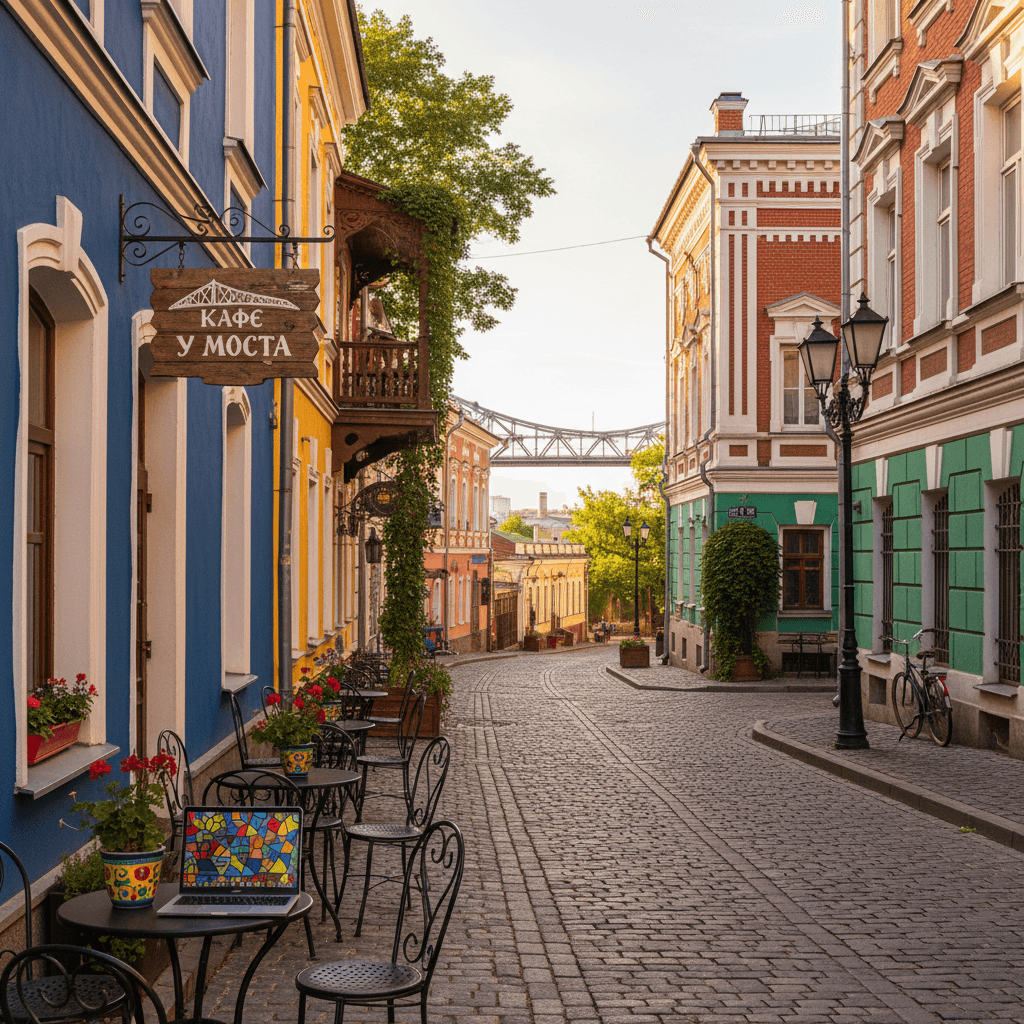
Saratov isn't the kind of place that tries to impress you with neon lights or high speed luxury. Instead, it pulls you in with a slow, rhythmic charm that feels more like a long afternoon on the Volga than a frantic tech hub. If you're tired of the overpriced intensity of Moscow, this city offers a breather. It’s a place where Soviet industrial grit meets a surprisingly soft, provincial soul, characterized by wide river views and a pace of life that actually lets you get work done without the constant FOMO of a major capital.
The vibe here is authentically Russian. You won't find many English menus or international crowds, which makes it perfect for the nomad who wants to disappear into a local culture rather than live in an expat bubble. Most travelers find the city center, particularly the Oktyabrsky District, to be the sweet spot. It’s walkable, filled with 19th-century architecture, and puts you right next to the river embankment, which is the heart of social life when the weather is warm.
The Cost of Living
- Budget Tier ($800/month): This covers a shared flat or a basic studio further out, eating mostly street food like blini or pelmeni from Stolovaya #1 for 200 RUB ($2), and using the local trolley system.
- Mid-Range ($1,200/month): The sweet spot for most. You'll get a solid one bedroom in the city core for around 35,000 RUB ($350), eat out at spots like Khinkalnaya, and have plenty left for weekend trips.
- Comfortable ($2,000/month): This gets you a high end modern apartment, frequent dinners at upscale places like Provans, and private Yandex GO rides everywhere you go.
Work and Connectivity
Internet is one thing you won't have to worry about. Russia’s infrastructure is surprisingly robust, and Saratov is no exception. You’ll find speeds between 50 to 100 Mbps in most central apartments.
When you need a change of scenery, the cafe culture is thriving. Grab a 300 RUB ($3) SIM card from MTS or Beeline for a reliable hotspot, then head to a Coffee Like or one of the independent shops along the pedestrian Kirova Avenue. Just keep a VPN ready on your devices; it’s a standard requirement for nomads staying connected to international services here.
The Seasonal Reality
The experience of Saratov changes entirely with the thermometer. From May to October, the city is lush and green. The Volga becomes your backyard, with locals heading to the beaches or taking small boats out to the islands. July can get hot, hitting 28°C (82°F), but the river breeze keeps it manageable.
Winter is a different beast. From December to February, temperatures often hover around -10°C (14°F). The city turns into a monochromatic landscape of snow and ice. It’s beautiful in a mistake, cinematic way, but the "vibe" shifts indoors to cozy kitchens and steaming bowls of shashlik. If you aren't a fan of the cold, aim for a spring or autumn arrival.
Navigating the City
Saratov is a city of hills and riverbanks. In the center, your own two feet are usually enough, but for anything longer, Yandex GO is the essential app for ride-hailing. It’s cheap, reliable, and works with most cards. A trip from the Gagarin Airport (GSV) into town usually runs about 700 RUB ($7) and takes 40 minutes. For a more local experience, the vintage trams and buses cost a flat 30 RUB ($0.30), though they can get packed during rush hour. Most nomads recommend sticking to the center or Frunzensky District to keep the best of the city within a ten minute radius.
The Cost of Living in Saratov
If you're coming from Moscow or St. Petersburg, Saratov is going to feel like a massive discount. It's a city where your dollars or euros stretch incredibly far, allowing for a lifestyle that would be considered luxury in the capital for a fraction of the price. Most nomads find that they can live quite comfortably here on $1,200 a month, though you can easily survive on $800 if you're keeping a tight eye on your budget.
Housing and Neighborhoods
The rental market is local and very affordable. You won't find much on Airbnb; instead, expats recommend using Avito or Ostrovok to find better deals. Expect to pay between 15,000 and 30,000 RUB ($150 to $300) for a solid one bedroom apartment in the heart of the city. If you want something brand new in the modern high rises, prices might climb toward 50,000 RUB ($500).
- City Center (Oktyabrsky District): This is the go to spot for most remote workers. You're walking distance to the Volga River embankment and the best cafes. It’s a bit noisier, but the convenience is worth the slight premium in rent.
- Frunzensky District: A great middle ground with plenty of green spaces and newer buildings. It's quieter than the core center but still very accessible.
- Zavodskoy District: Budget travelers look here for the lowest prices, but it has a heavy industrial feel and is a trek from the social scene. Most nomads suggest skipping this area for long term stays.
Eating and Drinking
The food scene is a mix of traditional Russian staples and surprisingly good international spots. If you're eating like a local at a place like Stolovaya #1, a full meal of pelmeni or borscht will set you back about 200 to 400 RUB ($2 to $4). Mid range dinners at spots like Khinkalnaya usually run around 800 to 1,500 RUB ($8 to $15) per person.
For those nights when you want to splurge, Provans is the local favorite for upscale French dining, where a high end meal starts around 3,000 RUB ($30). Coffee culture is growing too; a latte at a Coffee Like kiosk is usually under $2.
Connectivity and Coworking
Internet reliability is a non issue here. Most apartments come with 50 to 100 Mbps fiber, and mobile data is incredibly cheap. You can grab a SIM card from MTS or Beeline at a kiosk for about 500 RUB ($5), which usually gets you around 20GB of data or more. Just remember to have your VPN set up before you arrive, as many international sites are restricted. While dedicated coworking spaces can be hard to find, many nomads work from the city's increasingly laptop-friendly cafes.
Transportation
Getting around is cheap enough that you'll rarely think about the cost. A single ride on a trolleybus or tram is only 30 RUB ($0.30). For everything else, download Yandex GO. It’s the local version of Uber and works seamlessly. A cross town trip rarely exceeds $3 to $5, and a ride to Saratov Airport (GSV) from the center is usually between 500 and 800 RUB ($5 to $8).
Monthly Budget Breakdown
- Budget Tier ($800): Shared housing, cooking at home, and using public transit.
- Mid-Range ($1,200): Private central apartment, eating out daily at casual spots, and regular coworking desk.
- Comfortable ($2,000+): Modern luxury flat, frequent fine dining, and daily Yandex GO rides.
The City Center (Oktyabrsky District)
Most nomads and solo travelers gravitate toward the Oktyabrsky District. It is the heartbeat of Saratov, where the provincial charm of the Volga meets the city's best infrastructure. You can spend your mornings working from TimeWork coworking for about 300 RUB a day and your afternoons walking the riverside promenade. It is the most walkable part of town, meaning you won't need to rely on the crowded marshrutkas to get your caffeine fix.
- Rent: Expect to pay 18,000 to 30,000 RUB ($180 to $300 USD) for a decent 1BR.
- Vibe: High energy, historic architecture, and the best access to the Volga embankment.
- Downside: It gets noisy at night, and you'll pay a premium for the convenience of being near the bars on Kirova Avenue.
Frunzensky District
If you're a solo traveler who prefers a quieter, more modern pace, Frunzensky is the play. It sits adjacent to the center but feels much more residential and green. You'll find newer apartment builds here that often include better insulation for those -10°C January nights. It is home to several parks where locals hang out, giving it a more authentic, less frantic atmosphere than the immediate city core.
- Best for: Long-term stays and those who prioritize a good night's sleep.
- Amenities: Great access to Impact Hub Saratov, which charges roughly 5,000 RUB a month and hosts regular networking events.
- Dining: You're close to Khinkalnaya, where a solid meal of Caucasian dumplings runs about 800 RUB.
Zavodskoy District
Families or budget-conscious expats often look toward Zavodskoy. It is an industrial area that has softened over the years, offering significantly lower rents and more spacious apartments. While it's farther from the central action, the Yandex GO app makes getting around easy and affordable, with most rides into the center costing just a few dollars. It feels more like a self-contained town with its own schools, local markets, and family-oriented parks.
- Rent: You can often find larger apartments for under 25,000 RUB.
- Safety: Stick to the well-lit main streets. While generally safe during the day, some of the deeper industrial pockets can feel a bit gritty after dark.
- Lifestyle: Very local. You won't find many English speakers here, so it's a "sink or swim" environment for practicing your Russian.
The Logistics of Living
Regardless of where you land, you'll want to use Avito or Ostrovok to scout apartments, as they offer much better rates than international booking sites. Most expats recommend setting up a local SIM from MTS or Beeline immediately; you can grab one at a Euroset kiosk for about 500 RUB. This gives you the data needed to run Yandex Translate, which you'll definitely need since English proficiency usually hovers around 10 to 20 percent in the local neighborhoods. Digital nomads usually find that a monthly budget of $1,200 allows for a very comfortable lifestyle, including frequent dinners at places like Provans and plenty of weekend trips across the bridge to Engels.
Connectivity and Speed
Russia consistently surprises newcomers with its high-quality digital infrastructure, and Saratov is no exception. While it lacks the flashy tech hubs of Moscow, the city provides incredibly reliable fiber-optic internet and widespread 4G coverage. You can expect home WiFi speeds between 50 and 100 Mbps, which is more than enough for video calls and heavy uploads. Most nomads find that using a mobile hotspot as a backup works perfectly, as cellular signals remain strong even in the older parts of the city center.
To stay connected on the go, skip the international roaming and head to a Euroset kiosk or a mobile carrier store. Pick up a SIM card from MTS, Beeline, or Megafon. You'll typically pay between 300 and 500 RUB ($3 to $5) for a monthly plan with 20GB of data. If you need more, unlimited data plans are often available for just a few dollars more. Just remember to bring your passport, as it's required for registration.
Top Coworking Spaces
The coworking scene in Saratov is small but functional, catering mostly to local freelancers and the occasional remote worker. It's a great way to break the isolation of working from an apartment and meet locals who speak some English. While dedicated international hubs are rare, you can find several local shared offices and creative clusters throughout the city center that offer flexible daily or monthly rates for those needing a professional desk.
Laptop-Friendly Cafes
If you prefer the hum of a coffee shop, Saratov has a growing cafe culture that's very welcoming to laptop users. The Coffee Like chain is a reliable staple for a quick session, offering free WiFi and consistent caffeine. For a more scenic workday, nomads often head to the cafes near the Volga River embankment in the Oktyabrsky District. You'll find plenty of spots where you can camp out for a few hours with a view of the water.
Most mid-range spots like Volga View Cafe or the local bakeries in the Frunzensky District don't mind if you work for a while, provided you keep the orders coming. Just be aware that English menus aren't a guarantee; having Yandex Translate downloaded for offline use will make your life much easier when trying to decode the seasonal specials.
Practical Tech Tips
While the internet is fast, the digital environment in Russia requires some preparation. You should definitely download a reliable VPN before you arrive. Many nomads recommend Astrill or similar services to ensure you can access all your usual social media and work tools without interruption. Public WiFi in parks or malls can be hit or miss, so most expats recommend sticking to your mobile data or private connections in cafes to stay secure.
For getting around and managing daily life, your phone will be your best friend. Yandex GO is the local equivalent of Uber and is incredibly cheap, with most rides around the center costing very little. Since international banking can be tricky, many travelers use Tinkoff if they have local residency or stick to carrying RUB for smaller shops, though most modern cafes in the center still accept major cards.
Personal Safety and Street Smarts
Saratov feels like a typical provincial Russian city where the vibe is generally relaxed and predictable. During the day, you can wander the pedestrianized Kirova Avenue or the Volga embankment without a second thought. Most nomads find the city center, particularly the Oktyabrsky District, to be very safe and walkable even into the evening hours.
That said, it pays to keep your wits about you in crowded areas. While violent crime is rare, pickpocketing happens in busy markets or on packed marshrutkas. If you are out late, stick to the well-lit main drags. Expats recommend avoiding the industrial outskirts of the Zavodskoy District after dark, as these areas can feel a bit rougher and lack the polished security of the city core.
For getting home late at night, skip the street hails. Use the Yandex GO app. It is reliable, tracks your route, and costs about 500 to 800 RUB for long cross-town trips. It is the gold standard for safety and transparency here.
Healthcare and Medical Services
If you get sick, your first stop for minor issues should be a 24-hour pharmacy like Rigla. They are everywhere and the pharmacists are usually helpful, though you will likely need a translation app to explain your symptoms. Most basic medications are available over the counter at very low prices.
For more serious concerns, City Clinical Hospital #1 is the primary facility for emergency care. If you have a standard travel insurance policy, emergency stabilization is generally covered. However, for non-emergencies, many expats prefer private clinics where you are more likely to find English-speaking staff and modern diagnostic equipment.
Keep these numbers in your phone just in case:
- 103: Ambulance
- 102: Police
- 112: General Emergency (similar to 911)
Digital Security and Connectivity
Because you are working remotely, your digital safety is just as important as your physical safety. Public WiFi in cafes like Coffee Like or at the TimeWork coworking space is generally stable, but nomads report that using a VPN is mandatory. This protects your data from local hacking risks and ensures you can access all your usual work tools without regional restrictions.
For a secure local connection, grab a SIM card from MTS or Beeline at a Euroset kiosk. It only costs about 300 to 500 RUB for a month of data. Having your own 4G hotspot is the best way to stay secure while working from the riverfront or a park bench.
Practical Health Tips
The tap water in Saratov is not recommended for drinking. Most locals and long-term nomads buy large 5-liter jugs of bottled water or use a high-quality filtration system. It is a small expense that saves you a lot of trouble.
If you are visiting during the winter, the biggest safety hazard is actually the ice. Sidewalks can get incredibly slick when the temperature drops to -10°C or lower. Invest in boots with good grip and watch out for falling icicles from older Soviet-era buildings during the spring thaw.
Getting around Saratov is a lesson in patience and local logic. The city sprawls along the Volga, and while the center is surprisingly walkable, you will need a mix of apps and local transport to see the rest of it. Most nomads find that the city's layout favors those who live in the Oktyabrsky or Frunzensky districts, where the majority of your daily needs are within a fifteen minute stroll.
Public Transport and Marshrutkas
The backbone of Saratov's transit is a chaotic but effective network of buses, trolleys, and trams. It's incredibly cheap at 30 RUB (about $0.30) per ride. You can pay with a contactless card or cash to the conductor or driver. Trams are often the best way to bypass the afternoon traffic jams, though they feel like vintage Soviet relics.
- Buses and Trolleys: These cover the main arteries and the long stretch along the river.
- Marshrutkas: These are white or yellow minivans that follow specific routes. They are faster than buses but can get cramped. You usually pay the driver directly when you get on.
- The Bridge: If you're heading across the Volga to the neighboring city of Engels, look for bus #284. It's a scenic, breezy ride across one of the longest bridges in Europe.
Ride-Hailing and Apps
Forget the international apps you use elsewhere. In Saratov, Yandex Go is the only name that matters. It functions exactly like Uber, allowing you to track your driver and see the price upfront. It is remarkably affordable; a ten minute ride across the center rarely costs more than 200 to 300 RUB ($2 to $3).
Expats recommend linking a local card or carrying small bills, as foreign cards can be hit or miss depending on your bank's current status in Russia. If you are heading to Saratov Gagarin Airport (GSV), a Yandex Go ride will set you back about 500 to 800 RUB and takes roughly 40 minutes from the city core.
Micromobility and Walking
When the weather is nice from May to October, the Volga Embankment and Kirova Avenue (the main pedestrian street) are best explored on foot. For everything else, electric scooters have taken over. The Whoosh app is the most popular platform here. You'll see the bright yellow scooters parked on almost every corner in the center. Expect to pay around 10 RUB per minute, plus a small unlock fee. It's the fastest way to get from a coworking spot like TimeWork to a riverside cafe for lunch.
Arrival and Regional Travel
The new Gagarin Airport is modern and efficient, located about 30 kilometers outside the city. Besides taxis, you can hop on bus #88, which is the budget friendly way to reach the main train station. If you're planning day trips, the train station (Saratov-1) connects you to Moscow or Volgograd, but for shorter hops to nearby villages or river spots, the suburban "Elektrichka" trains are a classic, albeit rustic, Russian experience.
Navigation Tips
While Google Maps works, 2GIS is the superior app for Saratov. It provides much more accurate data on building entrances, specific bus routes, and even which floor a business is on. It also works offline, which is a lifesaver if your roaming data drops out. Most nomads find that once they download 2GIS and Yandex Go, the city's initial navigation hurdles disappear.
If you're planning to base yourself in Saratov, prepare for a deep dive into the Russian language. Unlike Moscow or St. Petersburg, where you can often get by with English in central cafes, Saratov remains a truly local city. English proficiency here is low, hovering around 10% to 20% among the general population. You'll find that younger people in the Oktyabrsky District or patrons at spots like Volga View Cafe might speak conversational English, but for daily life, you'll need the basics.
The Language Barrier
Most nomads find that the language gap is the biggest hurdle to feeling settled. Street signs, menus at local spots like Stolovaya #1, and public transport announcements are almost exclusively in Cyrillic. While it might feel intimidating at first, the locals are generally patient if they see you're trying. Learning the Cyrillic alphabet is a weekend project that pays off immediately, especially when you're trying to figure out if you're boarding a bus or a marshrutka.
Expats recommend keeping a few phrases in your back pocket to bridge the gap. Start with these basics:
- Privet (Hi) or Zdravstvuyte (Hello, formal)
- Spasibo (Thank you)
- Skolko stoit? (How much does it cost?)
- Ya ne govoryu po-russki (I don't speak Russian)
Tech Tools for Communication
In a city where 99% of communication happens in Russian, your smartphone is your best friend. Don't rely on being able to ask for directions on the street. Instead, download Yandex Translate before you arrive. It tends to handle Russian grammar and local nuances better than other mainstream translation apps. The offline mode is a lifesaver when you're inside a concrete building or deep in the Zavodskoy District where signal might dip.
For getting around, the Yandex GO app is non-negotiable. It removes the need to negotiate prices with drivers in broken Russian, as you can set your destination and pay via the app. Similarly, if you're ordering food, use local delivery apps to avoid the stress of phone calls.
Socializing and Networking
The expat community in Saratov is small but tight knit. You won't find the massive networking events common in larger hubs, but you can find your tribe if you know where to look. Local coworking spaces often serve as the unofficial headquarters for the city's English speakers and tech-savvy locals, providing a community that can help you translate a lease or find a reliable doctor.
If you're looking for more organic interactions, the Volga embankment is the city's social spine. During the warmer months from May to October, it's the best place to meet people. Joining local Telegram channels or the "Digital Nomads Russia" Facebook group can also help you find meetups, though you'll often find that the most active social coordination happens on WhatsApp or Slack once you've met a few people in person.
Practical Communication Tips
When you first arrive, head to a Euroset kiosk or a mobile provider like MTS, Beeline, or Megafon. You can pick up a SIM card with roughly 20GB of data for 300 to 500 RUB. This ensures you have constant access to translation tools and maps. Be aware that you'll likely need your passport to register the SIM card, and the staff at the kiosk will probably not speak English, so have your translation app ready to go.
Cultural etiquette is just as important as the words you use. Locals might seem reserved or "cold" at first glance, but that's usually just a cultural preference for sincerity over small talk. Once you break the ice, especially in social settings like Harat's Pub, you'll find people are incredibly hospitable and eager to help a visitor navigate their city.
The Golden Window: May to September
If you want to see Saratov at its best, aim for the window between late May and early September. This is when the city truly wakes up. The Volga River becomes the center of gravity, and the long embankment fills with people walking, cycling, and sitting at outdoor cafes. Most nomads find the shoulder months of May and September the most comfortable for working; the air is crisp, the parks are green, and you won't be sweating through your shirt during a walk to the coworking space.
July is the peak of summer, with average highs hitting 28°C (82°F), though it often climbs into the low 30s. It’s a dry, continental heat that makes the river beaches in Engels, just across the bridge, very tempting. If you’re here in June or July, expect some rain; it’s the wettest part of the year with about 60mm of rainfall, usually coming in short, heavy bursts that clear the air.
Surviving the Saratov Winter
Winter in this part of Russia isn't for the faint of heart. From December through February, the city transforms into a frozen landscape. Average daytime temperatures hover around -6°C (21°F), but night lows frequently dip to -12°C (10°F) or much colder when the winds blow off the frozen Volga.
Expats who stay through the winter recommend investing in heavy-duty boots and a high-quality parka. While the city looks beautiful under a blanket of snow, the shorter days and biting cold mean you'll spend most of your time hopping between heated cafes like Coffee Like and your apartment. If you aren't a fan of grey skies and icy sidewalks, avoid arriving between November and March.
Seasonal Climate Breakdown
- Spring (April to May): April is the transition month where the snow melts away. Highs jump from 13°C in April to a very pleasant 21°C in May. It’s a great time for budget travelers to find lower apartment rates before the summer crowd arrives.
- Summer (June to August): The high season. Expect plenty of sun, lively festivals on the embankment, and temperatures averaging 25°C to 28°C. This is the best time for socializing and outdoor activities.
- Autumn (September to October): September is beautiful and mild, around 19°C. By October, the chill sets in with highs of 10°C and lows hitting 2°C. The city turns gold, making it a favorite for photographers.
- Winter (November to March): Cold, snowy, and dark. January is the peak of the freeze. You'll find the lowest prices on accommodation during this time, but the trade-off is limited mobility and very cold commutes.
What to Pack
Your packing list depends entirely on your timing. For a summer stay, light linens and a pair of sturdy walking shoes for the cobblestone streets in the Oktyabrsky District are all you need. If you're planning to stay into the autumn, a windproof jacket is a must because the breeze off the river can be sharp. For those brave enough for winter, thermal base layers aren't optional; they're a survival tool. Travelers often say that the indoor heating in Russian apartments is incredibly strong, so bring layers you can easily peel off once you get inside.
The Digital Nomad Perspective
Most remote workers prefer arriving in late August. You get the tail end of the warm weather and the best of the autumn colors, while avoiding the highest humidity of mid-summer. It also gives you a few months to settle into a routine at TimeWork or Impact Hub before the deep freeze of January sets in. If you're only coming for a month, make it June. The long daylight hours mean you can finish a full work day and still have five hours of sunlight to explore the riverfront or grab shashlik at a local spot.
Cost of Living
Saratov is a breath of fresh air for your bank account, especially if you are coming from Moscow or Western Europe. You can live a very comfortable life here for around $1,200 a month. If you are on a tighter budget, sharing a flat and sticking to local canteens can bring that down to $800.
Rent is the biggest saver. A modern studio in the center usually runs between 25,000 and 40,000 RUB ($250 to $400). If you want something high end in a newer development, expect to pay closer to 50,000 RUB ($500). Dining out follows a similar pattern. You can grab a quick blini or shashlik for 200 to 400 RUB ($2 to $4), while a nice dinner at a spot like Volga View Cafe will cost about 1,500 RUB ($15).
- Public Transport: 30 RUB ($0.30) per ride
- Coworking: 5,000 RUB ($50) per month
- Mid-range meal: 800 to 1,500 RUB ($8 to $15)
- Local SIM card: 300 to 500 RUB ($3 to $5)
Where to Stay
Most nomads gravitate toward the Oktyabrsky District. It is the city core, meaning you can walk to the best cafes and the river embankment. It is noisier than the suburbs, but the convenience of having everything at your doorstep is worth the slightly higher rent.
For a quieter, more residential feel, look at the Frunzensky District. It has plenty of green space and newer apartment buildings, though the nightlife is a bit thin. Avoid the Zavodskoy District unless you are on a very strict budget; it is industrial and far from the action, and travelers often find it a bit gritty after dark.
Connectivity and Remote Work
The internet in Saratov is surprisingly snappy. You will typically see speeds between 50 and 100 Mbps. Most nomads find that even mobile hotspots are reliable enough for video calls. For a dedicated workspace, TimeWork in the center is a favorite, charging about 300 RUB ($3) for a day pass. Impact Hub Saratov is another solid choice if you want to network, as they host occasional events for the local tech scene.
Pick up a SIM card from MTS, Beeline, or Megafon at any Euroset kiosk. You will need your passport to register it. While cafe culture is growing, English is not widely spoken, so have Yandex Translate ready on your phone when asking for the Wi-Fi password.
Getting Around
The city center is highly walkable, but for longer trips, download Yandex GO. It is the local equivalent of Uber and works much more reliably here. A ride from Saratov Airport (GSV) to the center usually costs between 500 and 800 RUB ($5 to $8) and takes about 45 minutes.
For a bit of fun during the warmer months, use the Whoosh app to grab an electric scooter. It costs about 10 RUB per minute and is a great way to zip down the Volga embankment. If you are feeling adventurous, the local marshrutkas (minibuses) are cheap at 30 RUB, but they can be confusing if you don't speak Russian.
Health and Safety
Saratov feels like a typical provincial city. It is safe during the day, but use common sense at night. Stick to well lit areas in the center and avoid the outskirts like Zavodskoy after dark. Pickpocketing can happen in crowded markets, so keep your tech tucked away.
If you need a doctor, City Clinical Hospital #1 handles emergencies. Most nomads carry private insurance, which is often a visa requirement anyway. Pharmacies like Rigla are everywhere and many stay open 24/7. For any urgent issues, dial 103 for an ambulance or 102 for police.
Cultural Nuances
The local vibe is reserved but polite. Always remove your shoes when entering someone's home and greet people with a formal "Zdravstvuyte" if you don't know them well. Tipping 10% at restaurants is standard practice. Most importantly, download a VPN like Astrill before you arrive, as many international sites are restricted. You’ll also need to register your visa within 7 days of arrival, a task your landlord or hotel should handle for you.
Need visa and immigration info for Russia?
🇷🇺 View Russia Country GuideHidden Gem
Worth the effort