Sarandë
🇦🇱 Albania
The Mediterranean’s Best Kept Secret
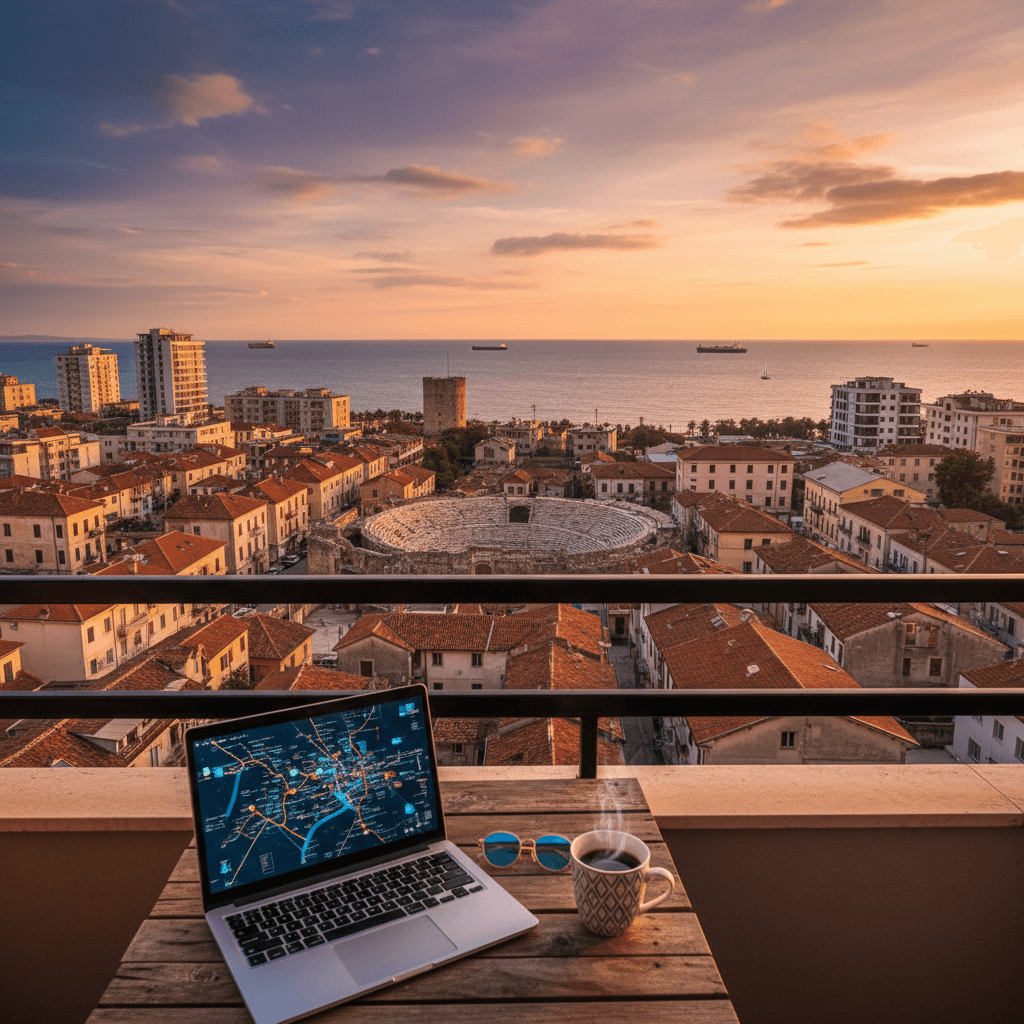
Sarandë feels like the Mediterranean used to be before the crowds and the five star price tags took over. It is a place of sharp contrasts where rugged, sun bleached mountains drop straight into the turquoise Ionian Sea. You will find yourself working from a balcony overlooking Corfu, sipping a €2 coffee while the scent of grilled seafood and salt air drifts up from the promenade below.
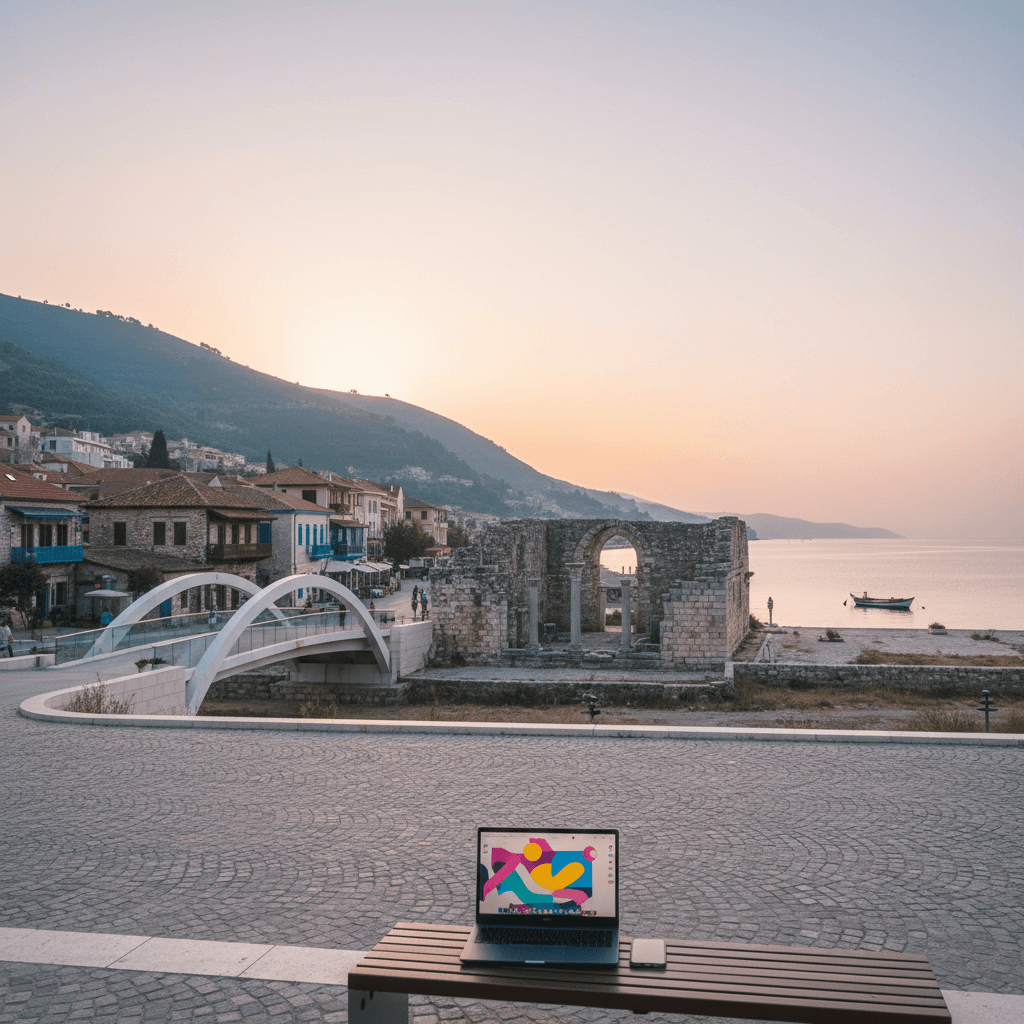
The vibe here is unapologetically slow. Between the hours of 2:00 PM and 5:00 PM, the city settles into a quiet siesta, only to roar back to life at sunset for the xhiro, the traditional evening stroll. Locals, expats, and nomads all converge on the Bulevardi Albania to watch the sky turn pink over the water. It is less polished than the French Riviera and more raw than the Greek islands, but that grit is exactly why people are staying for months instead of days.
The Nomad Experience
What sets Sarandë apart from places like Lisbon or Bali is the sheer accessibility of a high quality life. Most nomads find they can live comfortably on €1,200 to €1,600 a month, a figure that includes a modern apartment with sea views and dining out almost every night. The community is tight knit, often gathering at Nomad House for coworking or meeting up for weekend trips to the "Albanian Maldives" in Ksamil.
- The Pros: Incredible cost to beach ratio and reliable fiber internet reaching 200 Mbps.
- The Cons: The city gets incredibly crowded in July and August, and you might encounter some rowdy stray dogs on the outskirts. Infrastructure is improving, but minor power flickers still happen, so bringing a small UPS for your router is a smart move.
Where to Plant Your Roots
Choosing a neighborhood depends on how much you value peace versus proximity to the action. The city is vertical, so be prepared for some steep walks if you choose a spot on the hills.
City Center (Bulevardi)
- Vibe: The heart of the action, walkable to everything.
- Rent: €500 to €800 for a one bedroom.
- Best for: People who want to be steps away from coworking hubs and nightlife.
Ksamil
- Vibe: Tropical paradise vibes with white sand and turquoise water.
- Rent: €400 to €700.
- Best for: Beach lovers who don't mind a 20 minute bus ride into the main city for supplies.
Manastiri & Lakeside
- Vibe: Quieter, residential, and more affordable.
- Rent: €350 to €600.
- Best for: Long termers who want more space and a local feel away from the tourist trail.
Daily Life and Logistics
Getting around is simple. The city center is entirely walkable, but for longer trips to the ruins of Butrint or the Blue Eye, you will use the local buses for about €0.50. If you are in a rush, the Speedometer app is the local go to for hailing rides, with most trips across town costing between €3 and €7.
Eating here is a highlight for anyone on a budget. You can grab a flaky spinach byrek for under €1 for breakfast, or sit down at Taverna E Peshkatareve for a massive plate of fresh mussels and a glass of local wine for around €12. It is a place where you can afford to be a regular at your favorite cafe without checking your bank balance every morning. Sarandë offers a rare chance to live a luxury lifestyle on a backpacker budget, all while being surrounded by some of the warmest hospitality in Europe.
The Mediterranean Lifestyle on a Shoestring
Sarandë is currently one of the most affordable coastal hubs in Europe. While prices in traditional nomad favorites like Lisbon or Athens have skyrocketed, this corner of the Ionian Sea remains remarkably accessible. Most digital nomads find they can live comfortably here for €1,200 to €1,600 per month, though budget conscious travelers often get by on under €1,000 if they stick to local tavernas and outskirts housing.
The city operates on a seasonal sliding scale. During the July and August peak, short term rentals can double in price. However, if you are looking for a long term base, the value is unbeatable. You are essentially getting a Greek island lifestyle at a fraction of the cost, with Numbeo data showing the city is roughly 35% cheaper than Athens.
Monthly Budget Breakdowns
Your total spend depends heavily on how close you want to be to the water. Here is what to expect for different lifestyle tiers:
- The Budget Nomad (€800 to €1,000): This covers a studio in the Lakeside or Ksamil outskirts for €300 to €450, meals at local byrek shops for €3 to €5, and using the local bus system. You will likely work from cafes rather than dedicated offices.
- The Mid-Range Professional (€1,200 to €1,600): This is the sweet spot. It includes a modern apartment near the Bulevardi Albania for €500 to €700, a membership at Nomad House Sarandë for €100, and regular dinners out at spots like Taverna E Peshkatareve where seafood meals run €10 to €12.
- The High-End Expat (€2,000+): For those wanting luxury, this budget secures a sea view penthouse in Manastiri for €800 to €1,200, a car rental for €30 per day, and frequent upscale dining at Guva Mangalem where a fusion dinner costs €25 to €30.
Housing and Neighborhood Costs
Rents vary significantly by neighborhood. Most nomads prefer the City Center for its walkability, while those seeking a quieter vibe head south.
City Center (Bulevardi Albania)
- Rent: €500 to €800
- Best for: Socializing and being near the coworking hubs.
- Pros: Everything is within a five minute walk.
Ksamil
- Rent: €400 to €700
- Best for: Beach lovers who don't mind a 20 minute bus ride into the city.
- Pros: Access to the famous turquoise islands.
Lakeside (Liqeni i Kakome)
- Rent: €350 to €600
- Best for: Long term stays on a budget.
- Pros: Developing nomad community and lower prices.
Daily Essentials and Groceries
Groceries will set you back about €200 per month if you shop like a local. Hit the open air markets for produce, where a bag of fresh Mediterranean vegetables rarely costs more than €5. Alcohol is incredibly cheap; a local beer at a bar like Demi Bar is around €3, and a bottle of decent Albanian wine from the supermarket is €6 to €8.
Utilities are generally manageable, averaging €50 to €80 per month for electricity and water. While power reliability has improved significantly, some expats still recommend investing in a small UPS for your router to handle the occasional flicker. For connectivity, a Vodafone or ALBtelecom SIM card with 30GB of data costs about €10, making it easy to stay online even when the cafe WiFi is slow.
Transportation and Logistics
Sarandë is a walking city. If you live in the center, your transport costs will be near zero. For longer trips, the local buses to Ksamil or Butrint National Park cost only €0.50. If you need a ride home after a night out, the Speedometer app is the local go to, with most city trips costing between €2 and €5. Scooter rentals are a popular middle ground at €15 per day, offering the freedom to explore the coastline without the €30 per day price tag of a rental car.
For Digital Nomads: City Center (Bulevardi Albania)
If you want to be in the middle of the action, the City Center is your best bet. Most nomads gravitate toward the area around Bulevardi Albania, the main seaside promenade. It is the most walkable part of Sarandë, putting you within a five minute stroll of the beach, dozens of cafes, and the local ferry terminal.
The infrastructure here supports a remote work lifestyle better than the outskirts. The internet is generally reliable in this district, with fiber speeds often hitting 200 Mbps. For a change of scenery, you can work from various local cafes that offer a comfortable environment for laptop users.
- Rent: Expect to pay between €500 and €800 for a modern one bedroom apartment.
- Vibe: High energy, social, and convenient.
- The Downside: It gets loud in July and August when the nightlife peaks and the promenade fills with tourists.
For Long-Term Expats: Manastiri
Expats who plan to stay for six months or longer often move up the hills to the Manastiri neighborhood. This area is characterized by newer builds and incredible views of the Ionian Sea. It feels more like a residential community than a tourist trap, making it easier to connect with the local expat Facebook groups that meet up for weekly drinks.
Living here requires a bit more legwork. The streets are steep, so you will likely want to use a taxi app for quick rides into town, which usually cost between €3 and €5. Many residents here end up renting a scooter for around €15 a day to avoid the uphill trek after grocery shopping.
- Rent: Prices range from €600 to €1,000 for larger, high quality apartments with balconies.
- Vibe: Quiet, scenic, and established.
- The Downside: You are further from the supermarkets and the main coworking spaces.
For Solo Travelers: Ksamil
While technically a separate village, Ksamil is just a 20 minute bus ride from the center of Sarandë and is the go to spot for solo travelers looking for those famous turquoise waters. It is often called the Albanian Maldives because of the small islands you can swim or boat to. The social scene is centered around beach bars like Guvat, where it is easy to meet other travelers over a €2 coffee or a plate of fresh mussels.
Working from Ksamil is more laid back. You won't find dedicated coworking offices here, so you will be relying on your Vodafone or ALBtelecom SIM and cafe WiFi. It is perfect for those who want to spend their mornings on a laptop and their afternoons on a paddleboard.
- Rent: Outside the peak summer months, you can find rooms for €400 to €700.
- Vibe: Tropical, relaxed, and backpacker friendly.
- The Downside: It becomes incredibly crowded in mid summer, and the €0.50 bus to Sarandë can get packed.
For Families and Budget Seekers: Kodra
The Kodra area offers a different pace of life. It is more affordable than the beachfront strips and provides a bit more breathing room for families. You are still close enough to the water to enjoy the sun, but you are away from the thumping bass of the beach clubs. This area is becoming a secondary nomad hub because of the lower entry price for rentals.
Families appreciate the proximity to local markets where groceries run about €200 a month. While the infrastructure is a bit more basic than the City Center, the 2025 power grid upgrades have made living here much more comfortable than in previous years. It is a practical choice if you want to keep your total monthly spend closer to the €800 to €1,000 mark.
- Rent: Budget friendly options are available from €350 to €600.
- Vibe: Local, authentic, and calm.
- The Downside: You will definitely want a rental car, which costs about €30 a day, as public transport is less frequent here.
Connectivity and Speed
Internet in Sarandë has come a long way. While Albania once had a reputation for spotty connections, the 2025 infrastructure upgrades have brought reliable fiber optics to most of the city center. You can expect average speeds around 50 Mbps, up to 100+ Mbps in some areas through providers like ALBtelecom and Vodafone. Nomads often find the speeds faster than expected, making it easy to handle video calls or heavy uploads while looking out over the Ionian Sea.
Mobile data is equally impressive and incredibly cheap. A local SIM card from Vodafone or ALBtelecom typically costs around €10 for 30GB, while unlimited plans hover around €20. If you prefer to hit the ground running, Airalo offers eSIMs that work well, though buying a physical card at a local shop in the city center gets you more data for your Euro. 4G and 5G coverage is solid throughout the urban area and even extends down to the beaches in Ksamil.
Power reliability has improved significantly, but the occasional short flicker still happens during heavy summer storms or peak tourist weeks. If your work is time-sensitive, expats recommend using a small UPS (Uninterruptible Power Supply) or simply keeping your laptop battery topped up. Most modern apartments in the City Center and Manastiri now come equipped with stable routers to cater to the growing remote work crowd.
Dedicated Coworking Spaces
Sarandë isn't a massive tech hub, but it has a focused and friendly coworking scene that makes it easy to meet other travelers. These spaces are often the heart of the nomad community.
Laptop-Friendly Cafes
If you prefer the hum of a coffee shop, Sarandë has a thriving cafe culture where you can sit for hours for the price of a €2 macchiato. Most cafe owners are relaxed about nomads working, provided you aren't taking up a four-person table during the lunch rush.
- Guvat Cafe: Located near the water, this spot is known for being nomad-friendly. The staff won't hover, and the breeze keeps things comfortable even without blasting AC.
- City Center Bulevardi: The main promenade is lined with cafes. While some get noisy with tourists, many of the secondary streets have smaller spots where you can find a corner and a power outlet.
Most nomads find that a hybrid approach works best here. Use the dedicated coworking spaces for your "on" days and meetings, then migrate to a seaside cafe for casual tasks or creative work. The community is small enough that you'll likely start recognizing the same faces within a week, making it one of the easiest places in the Balkans to find a work-life balance.
Personal Safety and Street Smarts
Sarandë is remarkably safe, even by European standards. With a safety index hovering around 85-87/100 per Numbeo, it's the kind of place where you can walk home from a late-night seafood dinner without looking over your shoulder. Solo female travelers frequently report feeling comfortable moving through the city center and the main promenade at all hours.
That said, the city isn't entirely immune to petty issues. During the peak summer months of July and August, the influx of tourists brings a small uptick in pickpocketing. Keep your bag zipped and close to you when you're navigating the crowded Bulevardi Albania. While there are no "no-go" zones, the outskirts and hilly residential areas like Manastiri can be poorly lit at night, so it's worth sticking to the main roads or calling a taxi via the Speedometer app if you're heading home late.
The most unique safety concern here isn't crime, but the local wildlife. Feral dogs are common in the outskirts beyond Ksamil. Most are harmless and ignored by locals, but they can be territorial in the evenings. If you're out for a run or a late walk in less developed areas, just stay alert and give them a wide berth.
Healthcare Facilities and Services
If you get sick, skip the public hospital unless it's a major emergency. The public system is often underfunded and can be a bureaucratic headache for foreigners. Instead, most nomads and expats head straight to Doctors General Clinic Sarandë in the city center. It's modern, clean, and the doctors usually speak excellent English.
- Private Consultation: Expect to pay between €20 and €50 for a walk-in visit.
- Pharmacies: You'll find a farmaci on almost every corner. Many common medications that require a prescription in the US or UK are available over the counter here for €5 to €10.
- Dental Care: Albania is becoming a hub for dental tourism. High-quality cleanings or fillings in Sarandë often cost a fraction of what you'd pay in Western Europe.
For anything life-threatening, the emergency number is 127. However, for serious specialized surgeries, many expats choose to take the 30-minute ferry over to Corfu, Greece, or travel five hours north to Tirana where the private hospitals are world-class.
Practical Tips for Staying Healthy
The tap water in Sarandë is generally fine for brushing your teeth, but most long-term residents stick to bottled or filtered water for drinking. You can buy 5-liter jugs at any local market for about €1.50. The Mediterranean sun is also no joke, especially in July. Heat exhaustion is a frequent visitor for newcomers, so hydrate more than you think you need to.
Before you arrive, make sure you have a solid international health policy. Travelers often use SafetyWing or World Nomads, as they cover the private clinic costs that can add up if you have a lingering flu or a scooter mishap. Always keep a digital copy of your insurance card on your phone, as private clinics will want to see proof of coverage or cash upfront.
Foot Power and the Promenade
If you stick to the city center or the Bulevardi Albania area, your own two feet are the most reliable way to get around. The promenade stretches about 2km along the water and houses the majority of the cafes, shops, and nomad hubs. It's a pleasant walk, though things get vertical quickly once you move a few blocks inland. If you're staying in the Manastiri hillside, prepare for a daily calf workout or plan on budgeting for a scooter.
Public Buses (The Furgons)
For longer hops, the local bus system is surprisingly efficient and incredibly cheap. The most popular route for nomads is the Sarandë to Ksamil line, which departs from the city center near the ruins of the Synagogue. It costs roughly €0.50 (around 60 ALL) and takes about 20 minutes, though summer traffic can easily double that time. These buses generally run every hour, but in the peak season of 2025 and 2026, they've been known to run every 30 minutes to keep up with the crowds.
Taxis and Ride-Hailing
Don't look for Uber or Lyft here; they don't exist in Albania. Instead, download the Speedometer app. It's the local go to for summoning a ride without the "tourist tax" haggling. A typical trip within the city limits usually runs between €3 and €5. If you hail a taxi on the street, always agree on the price before the wheels move. Expect to pay €7 or more for late night trips or rides to the outskirts.
Wheels for Rent
For total freedom, especially if you want to explore the "Albanian Maldives" or the ruins at Butrint, renting your own transport is the move. Expats usually recommend scooters for solo travelers because they're easier to park in the narrow, crowded streets of the center.
- Scooters: Expect to pay around €15 per day at spots like Ksamil Rent. It's the best way to bypass the summer gridlock.
- Cars: Local agencies like Sunny Car Rental offer vehicles for about €30 per day. If you plan on heading into the mountains or toward Gjirokastër, a car is a necessity.
- Bicycles: You can find rentals for €5 per day, but keep in mind that Sarandë is not flat. Unless you're an avid cyclist, the heat and the hills might make this a tough sell.
The Corfu Connection
Since Sarandë doesn't have its own airport yet, most nomads arrive via the ferry from Corfu, Greece. It’s a 30 to 60 minute trip depending on whether you take the fast hydrofoil or the slower car ferry. Tickets are roughly €20 to €25. It's often faster and cheaper than flying into Tirana and taking the 5 hour bus ride south, which costs about €25. Just remember that you'll be crossing an international border, so keep your passport handy for the port authorities.
Practical Transport Tips
- Cash is King: While some rental agencies and upscale hotels take cards, you'll need cash for every bus ride and most taxi trips. Keep small denominations of Lek or Euro on you.
- Driving Vibe: Albanian driving is "assertive." If you rent a car, stay alert and don't expect everyone to follow traditional right of way rules.
- Walking Safety: The promenade is well lit and safe at night, but if you're heading to the outskirts, watch out for uneven sidewalks and the occasional stray dog.
The Linguistic Landscape
While Albanian is the heart and soul of Sarandë, the city's proximity to Greece and its history of Italian influence make it a unique polyglot hub. You'll mostly hear the Tosk dialect of Albanian, but Greek is a very common second language here due to the local minority population and the constant flow of ferries from Corfu. For most nomads, the daily language barrier is surprisingly low.
English proficiency is high among the under 40 crowd, especially those working in tourism or tech. You can comfortably order a €2 coffee or negotiate a monthly gym membership with English alone. However, as you move toward the outskirts or shop at the local fruit markets in the Lakeside area, the language gap widens. Older generations often speak better Italian or Greek than English, so keep that in mind if you're trying to fix a plumbing issue or talk to an older landlord.
Essential Albanian for the Daily Grind
Albanians are famously hospitable, and making even a tiny effort to use the local tongue goes a long way. It’s the difference between being treated as a tourist and being welcomed as a neighbor. Start with these basics:
- Përshëndetje (Hello): Use this everywhere. It’s the standard polite greeting.
- Faleminderit (Thank you): You'll use this ten times a day. It’s a bit of a mouthful, so practice it.
- Po / Jo (Yes / No): Simple but vital.
- Sa kushton? (How much does it cost?): Useful for the €0.50 bus rides to Ksamil or buying fresh produce.
- Gëzuar! (Cheers!): You’ll need this when someone inevitably offers you a shot of raki.
Communication Tools and Connectivity
Don't expect to find Albanian on Duolingo just yet. Most expats rely on Google Translate, and it’s highly recommended to download the Albanian language pack for offline use. The "camera translate" feature is a lifesaver when you're staring at a menu full of traditional seafood dishes at Taverna E Peshkatareve.
For staying connected, the infrastructure has seen major upgrades heading into 2026. You'll want to grab a local SIM card immediately. Vodafone and ALBtelecom are the main players. You can usually find a 30GB data package for around €10, or go for an unlimited plan for €20 if you plan on tethering during a beach day in Ksamil. If your phone supports it, Airalo offers easy eSIM setups, though you’ll pay a premium for the convenience compared to local prices.
The "Albanian Nod" and Body Language
One quirk that trips up almost every newcomer is the way Albanians use head movements for "yes" and "no." Traditionally, a shake of the head can mean yes, while a nod can mean no. In tourist heavy Sarandë, many locals have reversed this to match Western expectations, but it still leads to some hilarious confusion at the markets. If you're unsure, just use your words.
Digital nomads in the local Facebook groups often suggest joining weekly meetups to get a feel for the local slang. Most communication with landlords and service providers happens over WhatsApp or Viber, which is still incredibly popular in the Balkans. If you're looking for a flat in Manastiri or the City Center, expect to do most of your negotiating through these apps rather than email.
The Sweet Spot: Shoulder Season
If you want the best of what Sarandë has to offer, aim for the shoulder seasons: May to June and September to October. During these months, the Ionian Sea stays warm enough for swimming, but the crushing crowds of the peak summer months haven't arrived or have already headed home. You'll find temperatures hovering comfortably between 22°C and 26°C, making it easy to work from a balcony without needing the AC on full blast.
Expats generally prefer September. The water is at its warmest after a long summer, and the local markets are overflowing with fresh figs and grapes. Most nomads find this the most productive time to be here because the "party" energy of the city settles into a more focused, community driven vibe.
Summer Survival: July and August
Sarandë transforms into a high energy resort town in the peak of summer. Temperatures frequently climb above 32°C, and the humidity can make the steep hills of the Manastiri neighborhood feel like a workout. This is when the city is most expensive and loudest. Rent prices in the City Center can double, and the beaches in Ksamil become wall to wall sunbeds.
If you enjoy a Mediterranean party scene and don't mind the noise, you'll love the nightlife at Mango Beach during these months. However, if you're trying to hit deadlines, the seasonal tourism swing can be distracting. Travelers often say the constant music from beach bars makes it the hardest time of year for deep work.
Winter Quiet: November to March
Winter in Sarandë is mild but very quiet. Temperatures rarely drop below 8°C or 10°C, so you won't see snow, but you will see rain. Many of the beachside tavernas and seasonal shops shut down completely, leaving the city feeling like a sleepy village. While the cost of living drops significantly, some nomads find the "ghost town" atmosphere a bit isolating.
Recent infrastructure upgrades have made power outages less frequent than they used to be, but winter storms can still cause the occasional flicker. If you're staying through the colder months, make sure your apartment has a dedicated heating source like a split unit AC, as many older buildings lack central heating. It's the perfect time for writers or those who want absolute silence and €300 monthly rents.
Month-by-Month Snapshot
- April to May: Spring blooms and outdoor cafes reopen. Expect 18°C to 23°C. Great for hiking to Lekuresi Castle.
- June: The "Goldilocks" month. Everything is open, but the beaches are still breathable.
- July to August: Peak heat and peak prices. Expect 30°C+ and crowded ferries from Corfu.
- September to October: Ideal for swimming and digital nomad meetups. The sea remains a balmy 24°C.
- November to March: The rainy season. Quiet, affordable, and perfect for those who don't mind a bit of solitude.
Quick Tips for Timing Your Stay
- Ferry Schedules: The ferry from Corfu runs much less frequently in the winter. Always check the seasonal timetable before booking your flight to Greece.
- AC is Non-Negotiable: If you're visiting between June and September, ensure your rental has a modern cooling system. The Mediterranean sun is no joke.
- Booking Ahead: For a July stay, you'll need to book your accommodation at least three months in advance to get anything near the Bulevardi. For October, you can usually show up and find a deal on the spot.
Connectivity and Workspace
Internet speeds in Sarandë have caught up with most European hubs. You can expect fiber connections ranging from 50 to 200 Mbps in most modern apartments. If you are working from the road, a Vodafone or ALBtelecom SIM card is your best bet; they offer 30GB packages for around €10. You can grab these at local shops or use Airalo for an eSIM before you land.
While the city is famous for its cafe culture, dedicated workspaces are growing. Nomad House Sarandë is the local favorite, charging about €10 a day or €100 a month. It has reliable backup power, which is helpful since minor outages still happen occasionally. For a more casual vibe, Castle Cafe has free WiFi and great coffee for under €2.
Budgeting for the Coast
Sarandë remains one of the most affordable coastal spots in Europe. A single person can live comfortably on €1,200 to €1,600 a month, though budget travelers often make it work for under €1,000. Rent is your biggest variable. A studio in the City Center near the Bulevardi usually runs between €500 and €800, while quieter spots in Lakeside can go as low as €350.
Daily costs are low compared to nearby Greece or Italy. You can grab a street byrek for €2 or a full seafood dinner at a spot like Taverna E Peshkatareve for around €10. If you want to splurge, a high end meal at Guva Mangalem will set you back about €25 including wine. Groceries at local markets usually average €200 a month.
Getting Around
The city center is very walkable, especially the 2km promenade along the water. For longer trips to the beaches in Ksamil, buses run frequently and cost only €0.50. Taxis are available but it is easier to use the Speedometer app for rides between €2 and €5.
- Scooter Rentals: Expect to pay €15 a day at shops like Ksamil Rent.
- Car Rentals: Sunny Car Rental offers vehicles for about €30 a day, which is great for exploring Butrint.
- Arrival: Most people fly into Corfu and take the €20 ferry across, which takes about an hour. The bus from Tirana is cheaper at €25 but takes five hours.
Safety and Health
The city is generally very safe, even for solo women travelers. Petty crime is rare, though you should keep an eye on your bags in crowded tourist areas during the summer. One thing to watch for is stray dogs in the outskirts, though they are usually harmless if left alone. For medical needs, pharmacies are everywhere and most basic medications are cheap and over the counter.
Social Life and Language
Albanian is the main language, but you will find that most people under 40 speak decent English. Learning a few words like Faleminderit (thanks) goes a long way with locals. To meet people, join the Digital Nomads Albania Facebook group. They host weekly meetups, often at Nomad House or Demi Bar. If you are looking for a party, Mango Beach is the go to spot for late nights.
Frequently asked questions
When is the best time to stay in Sarandë as a digital nomad?
How hot does Sarandë get in summer?
How much does rent cost in Sarandë?
Is internet good enough for remote work in Sarandë?
How much does local transport cost in Sarandë?
What is the cost of living for a digital nomad in Sarandë?
How expensive is a local SIM card in Sarandë?
Need visa and immigration info for Albania?
🇦🇱 View Albania Country GuideEasy Landing
Settle in, no stress
Monthly Budget Estimates
More cities in Albania
Korçë
🇦🇱 Albania
Vlorë
🇦🇱 Albania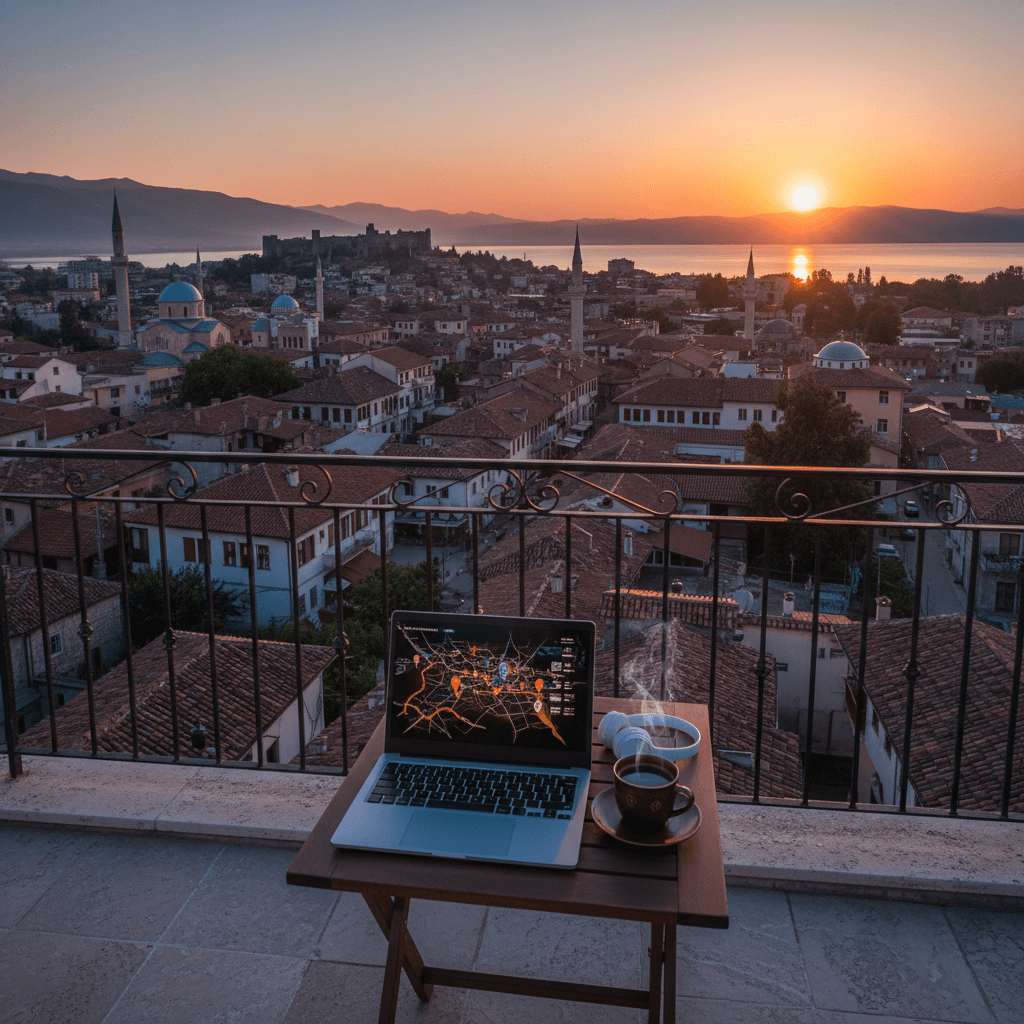
Shkodër
🇦🇱 Albania