Santander
🇪🇸 Spain
The Atlantic Soul of the North
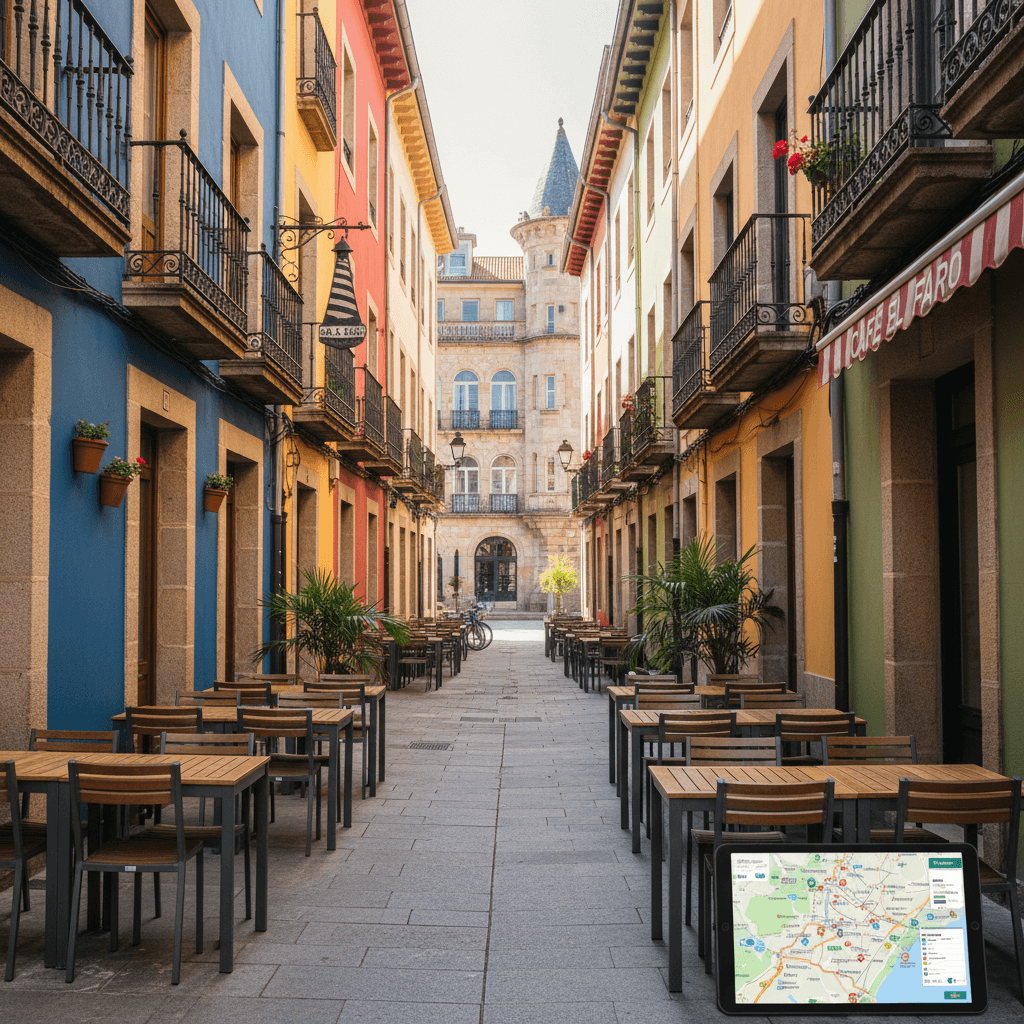
Santander doesn't scream for your attention like Ibiza or Barcelona. Instead, it offers a refined, breezy confidence that’s rare in the nomad world. This is the capital of Cantabria, a place where the air smells of salt and the mountains seem to drop straight into the Bay of Biscay. It’s a city defined by its relationship with the water. You’ll find yourself walking along the Paseo de Pereda, watching the ferries cross to Somo, and realizing the pace of life here is governed by the tides rather than the clock.
The vibe is distinctly upscale but approachable. After a massive fire in 1941 destroyed much of the medieval center, Santander rebuilt itself with wide boulevards and grand Belle Époque architecture. It feels more like Biarritz or Geneva than a typical Spanish pueblo. Nomads who land here usually trade late night clubbing for early morning surf sessions at Playa de El Sardinero or long hikes through the green cliffs of Cabo Mayor.
A Different Kind of Spanish Experience
If you're looking for the "tapas and flamenco" stereotype, you're in the wrong place. Santander is about rabas (fried squid) on a Sunday morning and wearing a light sweater even in July. The city has a high quality of life that attracts families and professionals, meaning the nomad community is smaller and more intentional. You won't find digital nomad cafes on every corner, but you will find a local culture that is welcoming once you break the initial ice.
- The Weather Factor: Expect rain. It’s why the landscape is so impossibly green. Locals call it "sirimiri," a light persistent drizzle that doesn't stop anyone from going out.
- The Terrain: The city is built on hills. You’ll get a workout just walking to the grocery store, though the public outdoor escalators help with the steepest climbs.
- The Aesthetic: It’s a mix of royal history, seen at the Palacio de la Magdalena, and cutting edge modernity, anchored by the Centro Botín art gallery.
The Daily Flow
Life here centers around the "paseo." Residents of all ages take to the waterfront in the evenings, dressed well but casually. Most nomads find that their productivity peaks in the quiet mornings at local cafes or the public library, followed by a 2:00 PM menu del día. The city is compact enough that you can finish work, grab your board, and be in the water within 15 minutes.
It’s a place that rewards the slow traveler. You aren't here to check sights off a list; you're here to join the locals for a vermouth at Mercado de la Esperanza and watch the fog roll off the Picos de Europa in the distance. It feels like a well kept secret, a corner of Spain where you can actually hear yourself think while still enjoying world class seafood and a reliable 300 Mbps fiber connection.
The emotional takeaway of Santander is a sense of space. Even in the middle of the city, the horizon is always open. It’s a destination for the nomad who is tired of the crowded hubs and wants a base that feels sophisticated, rugged, and authentically Spanish all at once.
The Bottom Line
Santander sits in a sweet spot for nomads who want the northern Spanish lifestyle without the eye watering price tags of San Sebastian or the logistical chaos of Madrid. It is a city where you can live well on a mid range budget, though the local economy is definitely influenced by its status as a premier summer retreat for wealthy Spaniards. To qualify for the Spanish Digital Nomad Visa, you will need to demonstrate a monthly income of at least €2,849, which is more than enough to live a very comfortable life here.
Most expats find that a monthly budget of €1,800 to €2,400 covers a high quality of life, including a private apartment, frequent dining out, and weekend trips around Cantabria. If you are sharing a flat or sticking to the local cider houses, you can easily get that number down to €1,400.
Monthly Budget Estimates
- Housing (One Bedroom Apartment): €750 to €1,100
- Groceries and Household Goods: €300 to €400
- Dining Out and Socializing: €400 to €600
- Utilities and High Speed Internet: €120 to €180
- Public Transport and Occasional Taxis: €50 to €80
Housing and Neighborhood Costs
Rent is your biggest variable in Santander. The market is split between the year round residents and the summer crowds. If you arrive in June, you will struggle to find anything at a reasonable rate; it is much better to sign a long term lease starting in September or October. Expect to pay a premium for anything with a view of the Bay of Santander or proximity to El Sardinero beach.
- El Sardinero: This is the upscale coastal stretch. A modern flat here often starts at €1,100 and goes up quickly. It is quiet in the winter but the most expensive part of town.
- Puertochico and Centro: This is where most nomads land. You are close to the bars and the water. A decent one bedroom usually lands between €800 and €950.
- Castilla-Hermida: A more industrial, local neighborhood further from the beaches but very well connected. You can find spacious apartments here for €650 to €750.
Food and Drink
Eating out is a way of life here, and it is surprisingly affordable if you follow the local lead. The Menu del Dia is your best friend. For €12 to €16, you will get a three course meal, bread, and wine. It is the standard way to lunch from Monday to Friday.
A caña (small beer) or a glass of local cider will usually set you back €2 to €3. If you are into the pinchos scene, expect to pay about €2.50 to €4 per plate. Grocery shopping at chains like Mercadona or Lupa is affordable, but the Mercado de la Esperanza is the place to go for fresh fish and local cheeses like Queso de Nata at better prices than the supermarkets.
Lifestyle and Hidden Costs
Utilities are generally manageable, though heating costs can spike in the damp, chilly winters. Most apartments use natural gas, and you should budget about €100 a month for gas and electricity combined. A 600Mbps fiber internet connection usually costs around €30 to €40 per month through providers like Movistar or Orange.
Gym memberships at places like Metropolitan or local municipal centers range from €40 to €70. If you are into surfing, a board rental and a two hour lesson at Somo beach will cost you roughly €35, though buying your own gear is a better investment if you stay for a full season.
For Digital Nomads: El Sardinero
If you are moving to Santander, you likely want to be near the water. El Sardinero is the iconic beach district where most nomads gravitate. It is less of a traditional neighborhood and more of a coastal escape with wide promenades and grand architecture.
Living here means you can close your laptop at 5:00 PM and be on the sand in three minutes. While it feels like a resort area, it has enough year round life to keep things interesting. You will find plenty of cafes with solid Wi-Fi, though many remote workers head toward the nearby university district for more affordable lunch deals.
- Average Studio Rent: €850 to €1,100 per month
- Vibe: Airy, upscale, and active
- Top Spot: Piquio Gardens for a sunset break between deep work sessions
For Expats and Long Termers: Puertochico
Puertochico is the sweet spot for those staying longer than a few months. It sits right between the city center and the beaches, making it the most practical base for daily life. It was historically the fishing port, but today it is the heart of the city's social scene.
Expats choose this area because everything is walkable. You have the best grocery stores, pharmacies, and hardware shops tucked into hilly side streets. The maritime vibe is strong here, and the area feels lived in rather than catered solely to tourists. It is common to see groups of locals gathered outside bars for a mid day vermouth.
- Average One Bedroom Rent: €750 to €950 per month
- Vibe: Nautical, social, and central
- Local Tip: Stick to the streets behind the front line of the harbor to find better rent prices and quieter nights
For Families: Cueto and Valdenoja
Families looking for more space and a quieter environment usually head north to Valdenoja or the more rural Cueto. These areas offer modern apartment complexes, often with communal pools or playgrounds, which are rare in the city center. It feels much more like a residential suburb but remains connected by a reliable bus network.
The proximity to Mataleñas Park is the biggest draw for parents. It is one of the most beautiful green spaces in Northern Spain, featuring coastal cliffs and easy walking paths. You won't find the late night noise of the bars here, making it ideal if you have kids in school. The schools in this area are highly regarded by the expat community.
- Average Three Bedroom Rent: €1,200 to €1,600 per month
- Vibe: Quiet, green, and suburban
- Perk: Easy parking and proximity to the municipal golf course and coastal hiking trails
For Solo Travelers and Budget Seekers: Castilla-Hermida
If you want to keep your overhead low while staying close to the action, Castilla-Hermida is the best bet. This is a high density, flat area near the train and bus stations. It is not as picturesque as the beach zones, but it is authentic and incredibly convenient for exploring the rest of Cantabria.
Solo travelers like this area because it is easy to meet people in the local markets and small tapas bars. The prices for a menu del dia here often hover around €12 to €15, which is cheaper than what you will find in Puertochico. The recent addition of the Barrio Pesquero waterfront promenade has made the area much more pleasant for evening walks.
- Average Room in Shared Flat: €350 to €500 per month
- Vibe: Industrial, busy, and very Spanish
- Proximity: Five minute walk to the main ferry terminal and train station
Connectivity and Speed
You won't have much trouble staying connected in Santander. Spain has some of the best fiber optic penetration in Europe, and this northern coastal city is no exception. Most modern apartments in the city center or near El Sardinero come equipped with symmetrical fiber connections, often hitting speeds between 300 Mbps and 600 Mbps.
If you're planning to work from your rental, always ask for a speed test screenshot before booking. While the infrastructure is solid, older buildings in the Casco Viejo can sometimes have thick stone walls that kill Wi-Fi signals between rooms. For mobile backup, grab a local SIM from Movistar or Orange. You can expect 5G coverage throughout the urban core, with prepaid data packages usually costing around €15 to €20 for generous data allowances.
Coworking Spaces in Santander
The coworking scene here is smaller than in Madrid or Barcelona, but it's more personal. You'll find a mix of creative hubs and more corporate, quiet environments. Most spots offer a "bono" or flexible pass if you aren't ready to commit to a full month.
- BeUp: Located slightly away from the immediate center, this is a massive sports and wellness complex that includes a dedicated coworking area. It's perfect if you like to hit the gym or swim between deep work sessions. Packages vary, but combining work and fitness memberships often saves you money.
- Inder Espacio: This spot doubles as an art gallery and cultural center. It's quiet, inspiring, and attracts a local crowd. It's less of a "tech bro" vibe and more of a professional, calm environment for focused tasks.
The Laptop Culture and Cafes
Santander is a traditional Spanish city, which means not every cafe welcomes a laptop. The "coffee shop office" culture isn't as prevalent here as it is in Lisbon or London. However, several spots are friendly to remote workers as long as you're respectful and avoid the peak lunch rush between 1:30 PM and 3:30 PM.
Wabi Sabi is a popular choice for its specialty coffee and reliable Wi-Fi. It has a more international feel where seeing a laptop is common. Santagloria Coffee & Bakery, particularly the locations with larger seating areas, is another safe bet for an hour or two of emails. If you need total silence, the Biblioteca Central de Cantabria is a stunning converted industrial building with plenty of desks and free public internet, though you'll need to keep your voice down.
Digital Nomad Community
Don't expect massive weekly meetups just yet. The nomad community in Santander is growing but still largely decentralized. Most expats and remote workers connect through local Facebook groups or WhatsApp chats focused on surfing and outdoor activities. Since the city is a hub for surfing, you'll often find the "work hard, surf hard" crowd hanging out in Somo, just a short ferry ride across the bay. Many find that the best networking happens in the water or at the beach bars after 6:00 PM.
Staying Safe in Santander
Santander is one of those rare European cities where you can actually let your guard down. It lacks the intense tourist crowds found in Barcelona or Madrid, which means it also lacks the professional pickpockets that plague those hubs. Most nomads feel perfectly comfortable walking through the city center or along the Sardinero beaches well after the sun goes down.
The biggest risk here isn't crime; it's the sea. The Bay of Biscay is famous for its power. If you're surfing at Playa de los Locos or swimming at El Sardinero, pay close attention to the flags. Red means stay out, and they aren't joking. The currents can be surprisingly strong even on sunny days.
Common sense still applies in nightlife areas like Cañadío. While it's generally safe, the square gets packed on Friday and Saturday nights. Keep your phone in your front pocket and don't leave your laptop bag unattended under a table while you're grabbing a drink. If you do run into trouble, the local police station (Policía Local) is located on Calle Castilla.
The Healthcare System
Spain's healthcare is world class, and Santander is home to Hospital Universitario Marqués de Valdecilla. It's one of the leading medical institutions in the country, particularly for specialized treatments. For digital nomads, how you access this depends entirely on your visa status.
- Digital Nomad Visa Holders: If you're working for a company or are self employed and paying into the Spanish social security system, you'll get a SIP card. This gives you access to public healthcare just like a local.
- Short Term Travelers: If you're just passing through for a month or two, you'll need private travel insurance. Most private clinics in the city center will expect payment upfront if you don't have a recognized Spanish policy.
- EU Citizens: Your EHIC or GHIC card works for emergency care at public facilities, but it won't cover long term treatments or non urgent visits.
Pharmacies and Minor Ailments
You'll spot pharmacies by their flashing green neon crosses. In Santander, they serve as the first line of defense for minor health issues. Pharmacists here are highly trained and can often give better advice for a cold or a scrape than a quick Google search. Most are open during standard business hours, but there is always a farmacia de guardia open 24 hours a day on a rotating schedule.
If you're looking for private healthcare to avoid wait times, Hospital Santa Clotilde is a popular choice for expats. Many doctors there speak at least some English, though having a translation app ready is always a smart move. A standard private consultation usually costs between €60 and €100.
Emergency Numbers to Know
Memorize 112. This is the universal emergency number for police, fire, and ambulance services. Operators usually have someone on hand who speaks English, but try to learn a few basic Spanish phrases for your location just in case. For non emergencies, the local police can be reached at 092.
Water quality in the city is excellent. You can drink straight from the tap without a second thought, which saves money and keeps plastic waste down. Most locals carry a reusable bottle and fill up at the many public fountains scattered throughout the city parks and waterfront.
Navigating the City on Foot
Santander is remarkably walkable, especially if you stick to the flat areas along the bay and the city center. Most nomads find they can handle about 80% of their daily errands without ever touching a steering wheel. The route from the Centro Botín to the Magdalena Peninsula is a favorite for those who want to clear their head after a long Zoom call; it's about a 45 minute stroll with constant ocean views.
The city has a bit of a secret weapon for its hilly terrain: public mechanical ramps and escalators. These are lifesavers when you're heading up from the waterfront to neighborhoods like General Dávila or Cueto. They’re free, well maintained, and save you from arriving at your coworking space drenched in sweat. Keep an eye out for the blue railings that usually mark these transit points.
The TUS Bus Network
For longer trips or rainy days, the Transportes Urbanos de Santander (TUS) is your best friend. The buses are clean, frequent, and cover almost every corner of the municipality. A single ticket costs €1.30 when bought from the driver, but that’s the "newbie tax." If you're staying for more than a few days, grab a Tarjeta de Transporte at a local tobacco shop (estanco).
- Rechargeable Card: It costs €2 for the physical card, and you can top it up in €5 increments.
- Discounted Fare: Using the card brings the price per ride down to €0.66.
- Transfer Policy: You get free transfers between different lines for 60 minutes.
- The App: Download the TUS Santander app to see real time arrivals. It’s surprisingly accurate.
Cycling and the TUSBI System
The city has made huge strides in bike lanes lately, particularly along the maritime strip. Santander uses a public bike sharing system called TUSBI. You'll see the white and blue electric bikes docked at stations near major hubs like Sardinero Beach and the City Hall. Expats recommend the annual subscription if you're here long term, but there are weekly options for shorter stays.
Just be careful with the wind. While the electric assist helps with the inclines, the gusts coming off the Cantabrian Sea can be intense. If you're riding toward Cabo Mayor, check the weather forecast first or you'll be pedaling twice as hard just to stay upright.
Regional Connections and Taxis
If you want to explore the surrounding surf towns like Somo or Loredo, the ferry (locally called the Pedreñera) is the most scenic way to go. A round trip ticket is around €5.50 and leaves from the docks near the Paseo de Pereda. It's faster than driving around the bay and much more enjoyable.
Taxis are plentiful and can be hailed on the street or found at designated stands (paradas). They use meters, and a typical ride across town rarely exceeds €10 to €12. For ride hailing, Uber and Cabify don't have a massive presence here yet, so sticking to the official white taxis or using the PideTaxi app is usually the more reliable move.
For trips out of the city, the FEVE and Renfe train stations are located right next to each other in the center. You can catch a train to Bilbao or Oviedo for a weekend getaway, though the narrow gauge FEVE lines are famously slow. They're great for a scenic "slow travel" day, but don't use them if you're in a rush for a meeting.
While Spain is famous for its tourist-friendly English in the south, Santander is a different beast. This is the heart of Cantabria, and the local linguistic landscape feels more authentic and less "packaged" for foreigners. You'll find that Spanish is the absolute king here. While younger people and those working in high-end hotels or the Universidad de Cantabria usually speak some English, you shouldn't count on it for your daily errands or at the local market.
The Local Dialect
The good news for learners is that the Spanish spoken in Santander is considered some of the clearest in the country. They don't have a heavy accent like you'd find in Andalusia, and they don't use a separate co-official language like they do in Bilbao or Barcelona. They do have some regional quirks, like adding the suffix -uco or -uca to words to make them sound smaller or more affectionate. If someone calls your coffee a café-uco, they're just being friendly.
Most nomads find that a basic grasp of Spanish goes a long way. If you can handle your ¿cuánto cuesta? and una caña, por favor, the locals will usually meet you halfway with plenty of patience. It's a polite city, and people generally appreciate the effort even if your grammar is a mess.
Language Schools and Exchanges
If you're planning to stay for more than a month, it's smart to enroll in a course. A solid option is Delta Language School, which is known for its small class sizes and conversational focus.
- Private Tutors: Expect to pay between €15 and €25 per hour for one-on-one sessions.
- Intercambios: Look for language exchange meetups at bars like Little Bobby or Canela. These are usually informal and a great way to meet locals who want to practice their English while you practice your Spanish.
- University Courses: The UIMP (Universidad Internacional Menéndez Pelayo) runs world-famous Spanish immersion programs during the summer months, drawing students from all over the globe.
Digital Communication and Apps
In Santander, WhatsApp is the only app that matters. Whether you're booking a hair appointment, talking to your landlord, or joining a local padel tennis group, it all happens on WhatsApp. If you try to call a local business or send an email, you might wait days for a response, but a text usually gets an answer in minutes.
For navigating the city and menus, keep Google Lens handy. Many traditional tabernas in neighborhoods like Puertochico still use handwritten chalkboards for their daily specials, and the cursive can be tricky to decipher. Having a translation app that can read images will save you from accidentally ordering tripe when you wanted squid.
Communication Etiquette
People in Santander are formal but warm. When you walk into a small shop or a bakery, it's standard to say ¡Buenos días! or ¡Buenas! to the room. It's considered a bit rude to just start asking for what you want without a greeting. Also, don't be surprised by the volume. Spanish conversations are loud and passionate; it doesn't mean people are arguing, they're just engaged.
If you're working from a cafe, keep in mind that the "laptop culture" isn't as pervasive here as it is in Madrid. Always ask ¿Te importa si trabajo un poco con el ordenador? before spreading out your gear. Most places are fine with it as long as you keep ordering coffee, but it's polite to check first.
The Atlantic Climate Reality
If you're coming to Santander expecting the parched, sun-baked streets of Seville or Madrid, you're in for a surprise. This is Green Spain. The climate here is maritime, which means it stays temperate year-round but brings a fair amount of rain. You'll quickly notice that locals don't let a bit of drizzle stop them; they just pop an umbrella and keep heading to the tapas bars. It's this moisture that keeps the surrounding Cantabrian mountains so lush and the city parks looking like emeralds.
The humidity is a constant companion here, usually hovering around 75%. In the winter, it can make the 10°C (50°F) air feel a bit sharper, while in the summer, it keeps the 24°C (75°F) heat from feeling oppressive. Most nomads find that they don't need heavy parkas or intense air conditioning, but a solid waterproof jacket is the most important item in your suitcase.
Summer: The Golden Window
July and August are the undisputed kings of the Santander calendar. While the rest of Spain is sweltering in 40°C (104°F) heat, Santander stays a comfortable 22°C to 26°C. This is when the city truly wakes up. The beaches like Playa del Sardinero fill up, and the outdoor terraces are packed until well past midnight. It's the perfect time for surfing at Somo or taking the maritime ferry across the bay.
The downside to this perfect weather is the crowd and the cost. Short-term rental prices often double during these two months, and finding a quiet spot in a cafe can be a struggle. If you're planning to stay during the summer, you'll need to book your accommodation at least three to four months in advance to avoid being priced out by vacationing Madrileños.
The Sweet Spot: Shoulder Season
Many long-term expats swear by June and September. The weather is still warm enough for t-shirts, usually sitting around 20°C (68°F), but the tourist crowds have either not arrived or just left. September is particularly beautiful because the Atlantic water has had all summer to warm up, making it the best time for swimming. You'll also find that landlords are much more open to negotiating monthly rates for digital nomad stays once the August rush ends.
May is another strong contender. The spring flowers in the Pereda Gardens are in full bloom, and the city feels fresh. You might catch a few more rainy days than in September, but the light is incredible for photography and the hiking trails in nearby Picos de Europa start to become accessible as the snow melts.
Winter: The Quiet Season
From November through March, Santander retreats indoors. Temperatures rarely drop below freezing, usually staying between 8°C and 13°C, but the wind off the Bay of Biscay can be fierce. This is the rainiest time of year, with December often seeing 12 to 15 days of precipitation. It's a cozy time for writers or those with heavy workloads, as there are fewer distractions outside.
If you choose to stay during the winter, make sure your apartment has proper heating. Many older buildings in the city center rely on small electric heaters which can drive up your utility bill. Look for places that mention "calefacción central" to stay warm without breaking the bank. On the plus side, you'll have the city's incredible museums and seafood restaurants all to yourself, and the surf is at its most consistent for those who don't mind a thick wetsuit.
What to Pack
- A high-quality raincoat: Don't rely on cheap plastic ponchos; the wind here will shred them.
- Layers: A light wool sweater or a fleece is perfect for when the sea breeze picks up in the evening.
- Comfortable waterproof shoes: You'll be doing a lot of walking on hills and wet pavement.
- A sturdy umbrella: Local shops sell reinforced versions that won't flip inside out the moment you walk past the waterfront.
Setting up your life in Santander involves a bit of paperwork and some local savvy to get things moving. The Spanish Digital Nomad Visa is the primary route for most non EU citizens looking to stay long term. You will need to prove a monthly income of at least €2,849, which is 200% of the Spanish national minimum wage. If you are bringing a partner, that requirement jumps by another 75%, and 25% for each child after that.
The Paperwork Path
Most expats recommend applying for your NIE (Foreigner Identity Number) as soon as you arrive, or even before at a Spanish consulate. You cannot rent a long term apartment, get a local SIM card, or open a bank account without it. Once you have your visa and your NIE, you will need to head to the local police station to get your TIE, which is the physical residency card. It usually takes about 30 to 45 days for the card to be ready after your fingerprinting appointment.
Taxation is a big draw for nomads here. Under the Beckham Law, you might qualify for a flat tax rate of 24% on your income up to €600,000 for the first six years. This is a massive perk compared to the standard progressive tax rates that can climb much higher. You should definitely chat with a local gestor to handle the filing, as the Spanish tax office is notoriously picky about documentation.
Health and Connectivity
Healthcare in Cantabria is top tier. While your visa requires private health insurance with no co-payments, many nomads eventually register for the public system once they start paying into social security. Valdecilla Hospital is one of the best in the country, so you are in good hands if anything goes sideways. For your phone, grab a SIM from Movistar or Orange. You can get a solid data plan for around €20 per month, and the 5G coverage in the city center is excellent.
Daily Logistics
Banking is straightforward if you use a digital bank like Revolut or N26 for your daily spending, but for your rent and utilities, a local account at Santander Bank or BBVA is usually better. Be prepared for the siesta; many smaller shops and professional offices close between 2:00 PM and 5:00 PM. It takes some getting used to, but it is the perfect time to head to El Sardinero for a surf or a quick nap.
- Gestor fees: Expect to pay between €150 and €300 for visa assistance.
- Private Insurance: Plans for nomads typically cost €50 to €80 per month.
- Utilities: Budget about €120 per month for electricity, water, and high speed fiber internet.
- Grocery Apps: Use Glovo or Lola Market for home delivery when you don't feel like walking to the Mercado de la Esperanza.
Expect to do most of your business in person. While Spain is digitizing quickly, the local culture still values face to face interaction. If you need to get something done at a government office, book your "cita previa" (appointment) weeks in advance. The system fills up fast, especially in the summer months when the city is busier with tourists.
Need visa and immigration info for Spain?
🇪🇸 View Spain Country GuideEasy Landing
Settle in, no stress