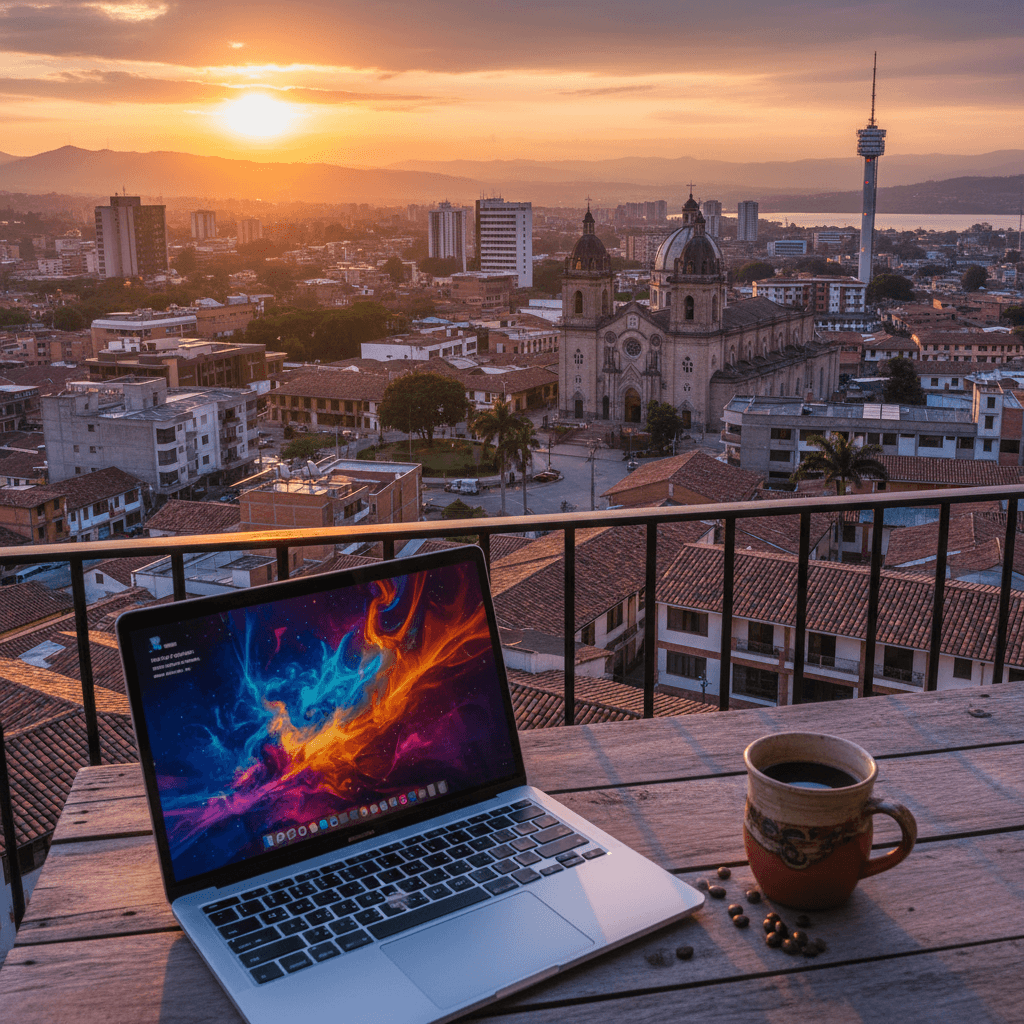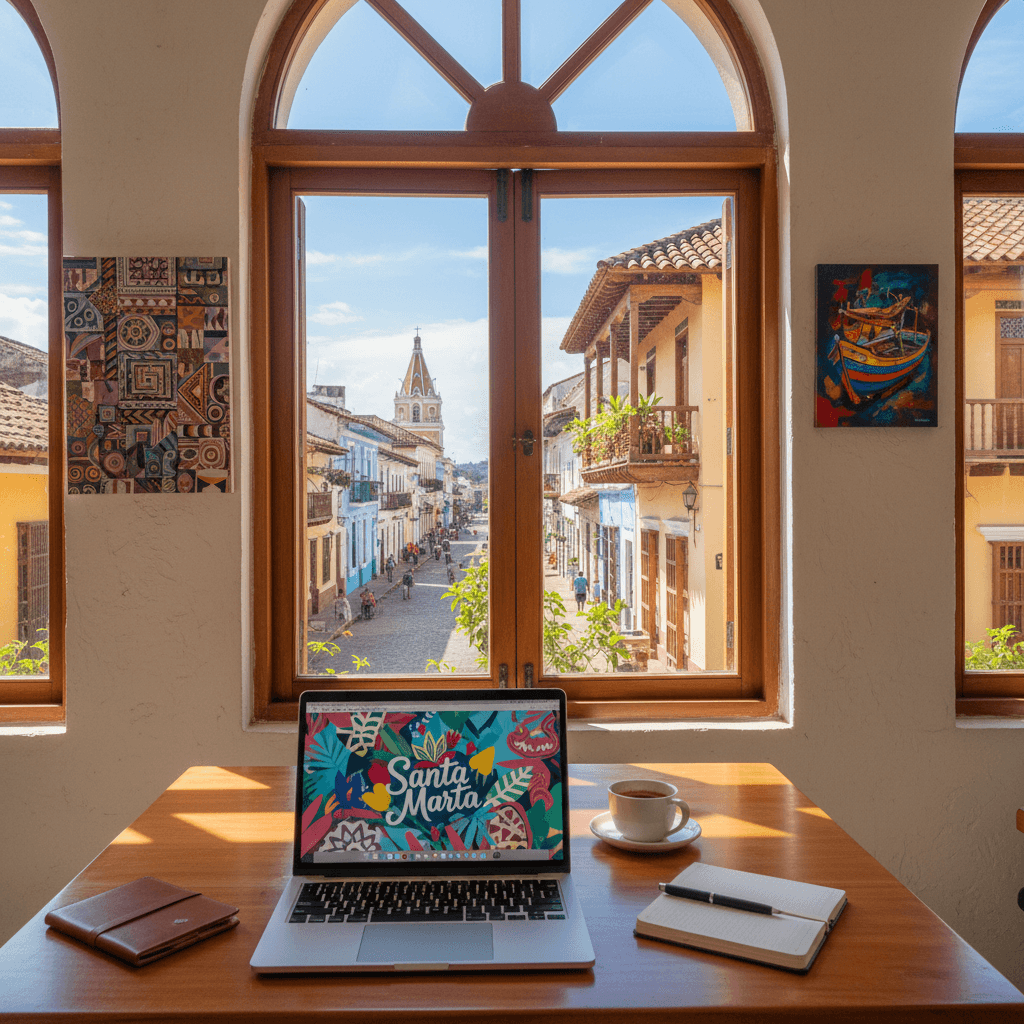
Santa Marta
🇨🇴 Colombia
The Coastal Slow-Down
If Medellín is Colombia's high-octane engine, Santa Marta is its deep, salt-water exhale. Nestled between the turquoise Caribbean and the snow-capped Sierra Nevada mountains, this city feels less like a polished tech hub and more like a raw, sun-drenched outpost where the jungle meets the sea. It is older, grittier, and significantly more affordable than its inland cousins, making it a magnet for nomads who prefer a surfboard or a hiking boot over a high-rise office.
The energy here is defined by a distinct Caribbean pace. Life moves slower, and the humidity usually dictates your schedule. You'll spend your mornings working from a colonial-style cafe in the historic center and your afternoons taking a water taxi to a secluded beach. It is a place for those who have outgrown the frantic pace of the digital nomad "circuit" and want a base that feels authentic, even if the occasional tropical storm knocks out the power for an hour.
A Budget-Friendly Base
One of the biggest draws for the 2025-2026 season is the cost of living. While prices in Medellín have climbed, Santa Marta remains remarkably accessible. You can comfortably live here on $1,200 to $1,500 a month without feeling like you're pinching pennies. Most nomads find that their largest expense is air conditioning, which is a non-negotiable for anyone planning to work during the peak afternoon heat.
- Budget Tier ($800-$1,200): Ideal for those staying in shared hostels or local apartments, eating $2 street food, and using public buses.
- Mid-Range Tier ($1,200-$1,500): Covers a private studio or one-bedroom apartment for under $350, regular meals at mid-range spots, and a dedicated coworking membership.
- Comfortable Tier ($1,600+): Includes a high-end beach apartment, frequent upscale dining, and weekend excursions to Tayrona or the Lost City.
Where to Plant Your Laptop
Choosing the right neighborhood is the difference between a productive month and a logistical headache. Most nomads gravitate toward the Centro Histórico, specifically around Parque de los Novios. It is the heart of the social scene, filled with restored architecture, boutique hotels, and the city's best coffee shops. Everything is walkable, though you should stay alert for petty theft, especially after dark.
If you want a pure beach holiday vibe, Rodadero offers high-rise apartments and more amenities, but it can feel overly touristy and loud. For those seeking a bohemian, backpacker atmosphere, Taganga is a short drive away. It is famous for cheap diving and sunset beers, but the infrastructure is basic and safety can be an issue at night. Most serious remote workers stick to the center for better stability.
Connectivity and Community
Internet reliability is the city's main hurdle. While speeds are improving, they can be variable. Smart nomads use a dual approach: a local SIM from Claro or Movistar for tethering and a dedicated workspace for the heavy lifting. Flamingo Coworking is the local favorite, offering a reliable environment for around $100 to $200 a month. If you want a more integrated experience, coliving setups like Life with Tania have become popular for their community-driven approach and curated events.
Socializing happens naturally here. Whether it's a Baquianos free walking tour or a Friday night at a bar near the malecón, meeting people is easy. The local community is welcoming, though you'll find that a little Spanish goes a long way. Outside of the nomad-heavy cafes, English isn't widely spoken, but the friendly, laid-back nature of the Costeños makes communication easy enough with a smile and a translation app.
The Logistics of Living
Getting around is simple and cheap. Within the historic center, your feet are your best transport. For longer trips, apps like inDrive or Uber are the standard, with most rides costing between $2 and $5. If you're heading to the airport, expect a 20-minute ride that costs roughly $15.
The weather is consistently hot, hovering between 28°C and 32°C. The dry season from December to April is the sweet spot for sun seekers. If you visit in October, be prepared for heavy tropical downpours that can turn the streets into small rivers. It is all part of the Santa Marta charm; a city that doesn't try too hard to impress, which is exactly why so many nomads end up staying longer than they planned.
The Price of Paradise
Santa Marta is one of the most budget friendly coastal hubs for remote workers in South America. While Medellín and Bogotá have seen prices climb alongside their popularity, this Caribbean port city remains significantly more affordable. You can live a high quality life here for a fraction of what you would spend in a major Western city, provided you're comfortable with a slightly more rugged, authentic Colombian experience.
Most nomads find that a monthly budget between $1,200 and $1,500 covers a private apartment, daily meals out, and a dedicated workspace. If you're willing to live like a local or share a hostel dorm, you can scrape by on $800, while a "luxury" lifestyle with a beachfront view and weekend excursions usually starts around $1,600.
Housing and Neighborhoods
Rent is the biggest variable in your budget. In the Centro Histórico, which is the preferred base for most digital nomads, you can find a solid studio or one-bedroom apartment for under $350. This puts you within walking distance of the malecón and the social hub of Parque de los Novios.
- Centro Histórico: Best for walkability and social life. Expect to pay $300 to $500 for a decent private rental. It's vibrant and full of colonial charm, though it can get noisy on weekends.
- El Rodadero: This is the more traditional tourist strip. It's pricier and feels more like a resort town. You'll find modern high-rises here, but you'll pay a premium for the proximity to the sand.
- Taganga: A nearby fishing village popular with the bohemian crowd. It's much cheaper, but the infrastructure is basic and safety can be an issue after dark.
Dining and Groceries
Eating out is often more convenient than cooking. Street food like arepas and empanadas will only set you back $1 to $3. A standard "almuerzo corriente" (set lunch) at a local spot usually costs about $4 to $6 and includes soup, a main dish, and a drink.
If you're heading to the trendy restaurants around Parque de los Novios, expect to pay $10 to $15 for a high quality dinner. Groceries are affordable if you stick to local markets for produce. Imported goods at supermarkets will quickly inflate your bill, so it's better to shop for tropical fruits and fresh fish locally.
Work and Connectivity
While the cost of living is low, you have to account for the "infrastructure tax." Power outages and internet drops can happen after heavy tropical storms. Most serious professionals budget $100 to $200 per month for a coworking space like Flamingo Coworking to ensure they have a backup connection and air conditioning.
Mobile data is incredibly cheap. A local SIM card from Claro or Movistar with a generous data package costs roughly $15 to $20 a month. Many nomads also use Airalo as a digital backup for immediate connectivity upon arrival.
Transport and Extras
You won't need a car here. The historic center is entirely walkable. When you need to go further, ride-hailing apps like inDrive or Uber are the safest and most transparent options, with most city trips costing between $2 and $5. A taxi from the airport (SMR) typically runs about $10 to $15.
For weekend adventures, factor in the cost of water taxis to secluded beaches or guided treks into the Sierra Nevada. These excursions are where your "comfortable" budget comes into play, as a day trip to Tayrona or a boat to Playa Cristal can cost $30 to $60 depending on the season and your negotiation skills.
The Remote Worker Mainstay: Centro Histórico
If you're coming to Santa Marta to balance a 40-hour week with Caribbean sun, the Centro Histórico is your best bet. Most nomads gravitate toward the area surrounding Parque de los Novios because it’s the city’s social and digital nerve center. You’ll find the most reliable Wi-Fi here, alongside the highest concentration of laptop-friendly cafes and boutique coliving spaces.
The vibe is colonial charm meets modern grit. You can spend your mornings working from Flamingo Coworking for about $100 to $200 a month, then walk five minutes to the Malecón for a sunset beer. The streets are walkable, meaning you rarely need to touch a ride-hailing app like inDrive unless you’re heading out of town. The trade-off is the noise; the local nightlife is loud, and street performers are constant, so bring noise-canceling headphones if your apartment faces the street.
- Monthly Rent: $350 to $600 for a private studio or 1BR.
- Best For: Socializing, networking, and high walkability.
- Local Tip: Life with Tania operates an eco-lodge retreat experience in the Sierra Nevada mountains near Santa Marta, rather than a traditional coliving space in the city center.
The Long-Term Expat Haven: Rodadero
Expats looking for a more "standard" apartment experience often head south to Rodadero. It feels less like a backpacker hub and more like a traditional vacation resort town. The buildings are taller, the supermarkets are larger, and the infrastructure is slightly more predictable than the old center. It’s significantly more polished, though some find it lacks the "authentic" Colombian character found in the historic district.
Living here means you have direct access to wide, sandy beaches, though they get incredibly crowded with domestic tourists on weekends. It’s a quieter choice for those who don’t need to be in a different bar every night and prefer a kitchen with modern appliances. Expect to pay a premium for those ocean views, but the safety and convenience are often worth the extra $100 to $200 in monthly rent.
- Monthly Rent: $450 to $800 for modern high-rise units.
- Best For: Comfort, beach access, and those staying 6+ months.
- Local Tip: Use the blue public buses to commute between Rodadero and Centro for less than $1; it’s a 15-minute ride over the hill.
The Solo Adventurer’s Escape: Taganga
A ten-minute drive over the mountain sits Taganga, a former fishing village turned bohemian enclave. This isn't the place for a corporate executive or someone who needs 100Mbps fiber optic internet to survive. It’s dusty, the roads aren't all paved, and the amenities are basic. However, for solo travelers who prioritize diving and a "no-shoes" lifestyle, it’s unbeatable for the price.
Nomads here usually stick to the hillsides for better views and slightly more privacy. While it’s incredibly cheap, with meals often costing under $5, safety is a bigger conversation here. Most experienced travelers advise against walking between the beach and the upper residential areas alone after dark. Stick to the main drags and enjoy the fact that your monthly budget will stretch further here than almost anywhere else on the coast.
- Monthly Rent: $250 to $400 for basic apartments or long-stay hostel rooms.
- Best For: Scuba divers, budget-conscious backpackers, and artists.
- Local Tip: Take the water taxis from the Taganga shore to reach the secluded beaches of Tayrona; it’s faster and more scenic than the bus.
Families and Quiet Seekers: Bello Horizonte
For families or those who want to avoid the "party hostel" energy entirely, Bello Horizonte is the upscale alternative. Located further south near the airport, this area is home to luxury resorts and quiet gated communities. It’s the safest part of the city, with clean beaches and much less street-level hustle. You won't find many coworking spaces here, so you'll need a solid home office setup and a reliable SIM card from Claro or Movistar as a backup for the occasional power dip during storm season.
- Monthly Rent: $700 to $1,200+ for family-sized condos.
- Best For: High-end privacy and families with children.
- Local Tip: Taxis and private car services are the most reliable way to navigate this spread-out neighborhood and reach the city center.
Santa Marta is the kind of place where you have to balance your drive to meet deadlines with the constant pull of the Caribbean. While it doesn't have the massive infrastructure of Medellín, the city is quickly catching up as a legitimate hub for remote work. Most people find that the Centro Histórico offers the best balance of reliable power and a social atmosphere, though you should be prepared for the occasional tropical storm to knock things offline for a bit.
The Connectivity Reality
Internet speeds in Santa Marta are generally decent for video calls and standard workflows, but they aren't bulletproof. Internet speeds in Santa Marta are variable and often unreliable, with average speeds around 5-10 Mbps. Most modern apartments and cafes may advertise higher speeds, but actual performance is frequently lower. However, the coastal humidity and seasonal storms can cause sporadic electricity flickers. If your work requires 100% uptime, you'll want a local backup.
- Claro and Movistar: These are the two heavy hitters for local SIM cards. You can pick up a SIM for a few dollars and load a month of data for roughly $10 to $20.
- Airalo: If you prefer to hit the ground running, nomads often use eSIMs as a temporary hotspot while getting settled.
- Power Surges: It's smart to keep your devices charged. If a heavy rain hits, the grid in the older parts of town can be temperamental.
Top Coworking Spaces
The coworking scene is intimate rather than sprawling. You won't find twenty different brands here, but the options available are high quality and double as social hubs.
Flamingo Coworking is currently the most popular spot for dedicated desk space. It has a quirky, colorful aesthetic that fits the beach town vibe and attracts a mix of international travelers. Expect to pay between $100 and $200 per month for a membership, which is a steal compared to European or North American prices. It’s the best place in town to find a stable connection when your Airbnb Wi-Fi decides to take a siesta.
For those looking for a more integrated experience, Life with Tania offers a tropical coliving setup in the center. It’s particularly popular with female nomads and includes desk access and a pool for about $500 a week on an all inclusive basis. It’s less of a traditional office and more of a community centered workspace.
Cafe Culture and Laptop Spots
If you prefer the "laptop and a latte" lifestyle, the area around Parque de los Novios is your best bet. Most cafes here are used to seeing nomads and won't mind if you stay for a few hours as long as you keep the coffee orders coming.
- Carambolo: A favorite for its quiet atmosphere and reliable routers.
- Ikaro Cafe: Great for healthy food and a solid workspace, though it can get busy during the lunch rush.
- Hostel Workspaces: Many hostels in the Centro Histórico, like Masaya or Dreamer, have designated work areas that are often open to non guests if you buy a day pass or a few drinks.
Practical Workflow Tips
The heat is a real factor here. Many smaller cafes don't have air conditioning, which can make your laptop fan go into overdrive by midday. If you have a heavy workload, aim for the air conditioned coworking spots or start your day early before the 30°C (86°F) heat peaks. Most nomads find that the best rhythm is working intensely in the morning and heading to the beach by 3:00 PM when the sun is at its best.
Staying Safe on the Caribbean Coast
Santa Marta has a more relaxed, "under the radar" feel than the high energy streets of Medellin. Most nomads find the Centro Historico and the area around Parque de los Novios quite safe for walking during the day and early evening. The locals are generally friendly and the presence of other travelers creates a communal layer of security.
That said, it pays to keep your wits about you. Petty theft like phone snatching can happen, so it is best to avoid "giving papaya," a local phrase for making yourself an easy target. Don't leave your laptop unattended at a cafe while you go to the bathroom, and keep your phone in your pocket rather than out on the table. While the historic center is well lit, the outskirts of the city and certain beach areas can get sketchy after dark. Travelers often recommend avoiding Taganga at night, as the path between the village and the main city has a reputation for robberies once the sun goes down.
- Ride-hailing: Use apps like inDrive or Uber for late night trips rather than hailing a random taxi on the street. Rides usually cost between $2 and $5.
- Emergency Number: Dial 123 for immediate police or ambulance assistance.
- Solo Travel: If you are traveling alone, sticking to nomad hubs like Flamingo Coworking or joining events at Life with Tania is a great way to find a "safety in numbers" group for nights out.
Healthcare and Medical Services
If you get sick or injured, you'll find that Santa Marta has solid private medical facilities that meet international standards. Expats typically recommend Clinica General del Norte in the central area for urgent care. Most private clinics expect payment upfront if you don't have a local insurance provider, so keep your digital nomad insurance details handy. A standard consultation might cost you anywhere from $30 to $60 out of pocket.
For minor issues like "traveler's tummy" or heat exhaustion, pharmacies (farmacias) are on almost every corner. They are incredibly well stocked and pharmacists can often recommend over the counter treatments for common ailments without a doctor's script. Prices for medication are very affordable compared to North American or European standards.
- Water Safety: Do not drink the tap water. Stick to bottled water or use a high quality filter. Even locals generally rely on large jugs of purified water for cooking and drinking.
- Sun Protection: The Caribbean sun is intense, especially between 11:00 AM and 3:00 PM. Heatstroke is a common reason nomads end up in the clinic, so stay hydrated and use high SPF sunscreen.
- Vaccinations: While not strictly required for the city, if you plan on trekking into the nearby Sierra Nevada or visiting Tayrona Park, a Yellow Fever vaccination is highly recommended.
Practical Tips for Peace of Mind
Most nomads find that a bit of preparation goes a long way. Since the city can experience occasional power outages or internet drops after heavy tropical storms, having a local SIM card from Claro or Movistar is a smart safety move. It ensures you always have a map and a way to call a ride if you get stuck in a downpour. Carrying a small amount of cash in Colombian Pesos for small purchases is fine, but leave your primary credit cards and passport in a secure locker at your accommodation.
The Walkability Factor
If you're staying in the Centro Histórico, your best mode of transport is your own two feet. The neighborhood is incredibly compact; you can cross the old city from the Cathedral down to the malecón in about 30 to 40 minutes. Most nomads find that once they've settled near Parque de los Novios, they rarely need a vehicle for daily life. The streets are narrow, colonial, and far more enjoyable to navigate on foot than in the back of a car.
For those looking to cover more ground without breaking a sweat, local bike and scooter rentals are available through various shops in the historic center. It's a solid middle ground for getting from the historic center to the nearby beaches without relying on the bus schedule.
Ride-Hailing and Taxis
When you need to venture further out, skip the traditional street hail if you can. While yellow taxis are everywhere, nomads and expats generally prefer inDrive or Uber. These apps provide more transparency on pricing and help you avoid the "gringo tax" that sometimes crops up with unmetered cabs. A typical cross-town trip usually costs between $2 and $5.
Getting to and from Simón Bolívar International Airport (SMR) is straightforward. It’s about a 20-minute drive from the center. You can expect to pay between $10 and $15 for a private ride. If you're on a strict budget, there are public buses that run the airport route, though they can be cramped if you have a lot of luggage.
Public Buses and Minivans
The local bus system is cheap, frequent, and a bit of an adventure. Small blue buses and minivans crisscross the city, and you'll often see a helper hanging out the door shouting the destination. It’s the most authentic way to get around, costing only a fraction of a dollar, but be prepared for a bumpy, non-air-conditioned ride. These are particularly useful if you're heading toward Rodadero or the outskirts for a day trip.
Coastal and Jungle Connections
Since Santa Marta is a gateway to the coast, some of your "commuting" might happen on the water. To reach the more pristine beaches in Tayrona or secluded spots near Taganga, water taxis are the standard move. They aren't just for tourists; they’re often the fastest way to bypass the winding coastal roads. Prices vary based on the distance and your negotiation skills, but they're a staple of the local transport scene.
If you're planning to explore the Sierra Nevada mountains or head toward Minca, you'll likely use the shared transport hubs near the Public Market (Mercado Público). From there, specialized 4x4s and collectivos depart once they're full. It’s a bit chaotic, but it’s the most reliable way to reach the higher altitudes where the standard city cars can't go.
- InDrive/Uber: Best for safety and fixed pricing at $2-5 per trip.
- SMR Airport Taxi: Roughly $10-15 for a 20-minute ride.
- Water Taxis: Essential for beach hopping beyond the city limits.
The Coastal Connection
In Santa Marta, the local dialect moves at the same relaxed pace as the Caribbean tide. You'll hear the distinct coastal accent, often called Costeño Spanish, which is famous for dropping the "s" at the end of words and blending syllables together. It's a bit more melodic and faster than the Spanish you might hear in Bogotá, but the locals are incredibly patient with learners.
While the nomad scene is growing, English proficiency remains relatively low outside of high end hotels and popular nomad hubs like Parque de los Novios. You can get by with basic phrases in the Centro Histórico, but once you venture toward the local markets or take a water taxi to a remote beach, Spanish becomes your primary tool for navigation. Most nomads find that a few weeks of immersion here does wonders for their fluency because you're actually forced to use it.
Must-Know Phrases for the Coast
Locals appreciate when you make an effort to speak their language. Even if your grammar isn't perfect, a friendly "Hola" goes a long way. Here are the essentials for your daily routine:
- ¿Cuánto cuesta?: How much does it cost? Use this at street food stalls or when haggling for a $1 to $3 snack.
- La cuenta, por favor: The bill, please. You'll use this often in the mid range restaurants around the center.
- ¿Dónde está...?: Where is...? Use this for finding hidden cafes or your coworking space.
- ¡Todo bien!: Everything is good. This is the unofficial motto of the coast and works as a greeting, an answer, or a way to say thanks.
Digital Communication and Connectivity
Staying connected is fairly straightforward, though you'll want to set up your tech before heading into the Sierra Nevada mountains. For local data, the consensus among expats is to grab a physical SIM from Claro or Movistar. You can usually get a month of data for $10 to $20. If you prefer a digital approach, Airalo works well as an eSIM backup, though local carriers generally offer better speeds for hotspotting during those occasional WiFi dips after a storm.
WhatsApp is the undisputed king of communication here. You'll use it for everything: booking a desk at Flamingo Coworking, ordering delivery, or messaging a driver on inDrive. If you need to translate a menu or a sign on the fly, keep Google Translate downloaded for offline use, as cell service can get spotty when you're exploring the deeper parts of the jungle or secluded bays.
Social Integration
Meeting people is easy if you know where to look. While Santa Marta is "under the radar" compared to Medellín, the community is tight knit. Female nomads often gravitate toward Life with Tania for organized networking and social events. For more informal connections, the Baquianos free walking tours are a great way to meet fellow travelers while learning the history of the Cathedral and the malecón. Most expats also suggest joining local Facebook groups or InterNations to stay updated on weekend excursions and meetups.
The Tropical Forecast
Santa Marta is unapologetically tropical. You can expect consistent heat throughout the year, with temperatures typically hovering between 28°C and 32°C (82-90°F). Because it sits right on the Caribbean coast, the humidity is a constant companion, though the breeze coming off the water in the Centro Histórico helps keep things manageable during your afternoon calls.
The city operates on two main seasons: the dry season and the rainy season. Most nomads prefer the dry months from December to April. This is when you get those postcard perfect blue skies and the most reliable conditions for weekend trips to Tayrona or Minca. It is also the peak tourist season, so expect slightly higher prices for short term rentals and more foot traffic around Parque de los Novios.
The rainy season runs from May to November, with October historically being the wettest month. While it rarely rains all day, the downpours are intense. These storms are often the culprit behind the city's infamous "storm lag," where internet speeds at spots like Flamingo Coworking might dip or the electricity flickers. If you are working on a strict deadline, having a backup hotspot via a Claro or Movistar SIM card is a smart move during these months.
When to Book Your Stay
If you want the best balance of weather and social life, aim for January through March. The city feels alive, the mountain trails in the Sierra Nevada are less muddy, and the "under the radar" nomad community is usually at its peak. You will find plenty of fellow remote workers at places like Life with Tania or grabbing coffee in the Centro.
For those on a tighter budget, the shoulder months of May and June are excellent. You might deal with a quick afternoon shower, but you can often find better deals on apartments, sometimes landing a 1BR for under $350. You will also avoid the massive crowds of Colombian tourists who descend on the city during the December holidays and Holy Week (Semana Santa).
Seasonal Checklist for Nomads
- December to April: Best for beach hopping and outdoor adventures. Pack plenty of sunscreen and book your accommodation at least a month in advance.
- May to September: Good for those who prefer a quieter vibe. The landscape is much greener, which makes the jungle treks near Minca even more spectacular.
- October and November: The heavy rain peak. This is the time to prioritize a high quality coliving space or an apartment with a solid backup power plan, as street flooding in some parts of the city can make getting to a cafe a challenge.
Travelers often say that while the heat can be intense, the lifestyle trade off is worth it. Just plan your heavy deep work for the cooler mornings, and save the beach visits for the late afternoon when the Caribbean breeze kicks in.
The Vibe and What to Expect
Santa Marta is where the Sierra Nevada mountains meet the Caribbean Sea, offering a raw, coastal energy that feels much more authentic than the polished streets of Cartagena. It’s a place where you can spend your morning on a Zoom call and your afternoon on a boat to a secluded bay. While it lacks the massive digital nomad infrastructure of Medellín, that’s exactly why people are flocking here. It’s affordable, under the radar, and moves at a pace that actually lets you breathe.
The city operates on "island time." You’ll need a bit of patience for the occasional power flicker after a tropical storm, but the payoff is a lifestyle that’s hard to beat for the price. Most nomads find the balance between work and ocean distractions is the biggest challenge, rather than the cost of living.
Cost of Living Breakdown
Your money goes surprisingly far here, even compared to other Colombian hubs. A comfortable monthly budget for a solo nomad usually sits between $1,400 and $1,600, which covers a nice apartment, plenty of dining out, and weekend trips to Minca or Tayrona.
- Budget ($800 to $1,200): This covers a bed in a nomad-friendly hostel, heavy reliance on street food like $2 arepas, and using public buses.
- Mid-range ($1,200 to $1,500): You can snag a private one bedroom apartment in the center for under $350, eat at mid-range spots for $7, and afford a dedicated coworking desk.
- Comfortable ($1,600+): This gets you a high-end beachfront apartment, upscale dinners at $15 or more, and regular private excursions.
Neighborhood Guide
Choosing where to base yourself changes your experience entirely. Most digital nomads stick to the Centro Histórico because it’s the most walkable part of the city.
Centro Histórico / Parque de los Novios
- Best for: Networking, nightlife, and walkability.
- The Draw: You’re steps away from the best cafes, colonial architecture, and the water taxi docks.
- The Trade-off: It can get loud on weekends, and you need to keep an eye on your phone in crowded areas.
Rodadero
- Best for: Beach access and a resort feel.
- The Draw: Modern high-rises and family-friendly swimming areas.
- The Trade-off: It’s very touristy and lacks the "cool" factor of the historic center.
Taganga
- Best for: Scuba divers and backpackers on a tight budget.
- The Draw: Incredible sunsets and a gritty, bohemian atmosphere.
- The Trade-off: The infrastructure is basic, and it’s not recommended to walk around here alone after dark.
Internet and Productive Spaces
WiFi is generally reliable for standard video calls, but it’s smart to have a backup. Recent nomad tests suggest Flamingo Coworking as the go-to spot, with memberships ranging from $100 to $200 a month. It has a vibrant, slightly quirky aesthetic and solid speeds. For those seeking a community-focused stay, several boutique hostels in the Centro Histórico offer dedicated coliving packages that include high-speed internet and access to shared social spaces.
For cafe hopping, the area around Parque de los Novios is packed with laptop-friendly spots. To stay connected on the move, grab a local SIM from Claro or Movistar for about $15 a month. If you want to skip the store, an Airalo eSIM works well as a temporary hotspot during outages.
Getting Around and Safety
The historic center is incredibly compact; you can walk across the old city in about 30 to 40 minutes. For longer trips, use inDrive or Uber rather than hailing cabs on the street. A ride across town usually costs between $2 and $5. If you’re heading to the airport, expect to pay around $10 to $15 for the 20 minute trip.
Safety is a common question. The tourist areas are generally safe during the day, but petty theft is the main concern. Don’t "give papaya" (as the locals say), which means don't flash your expensive tech or jewelry. Stick to well-lit areas in the Centro at night and avoid the outskirts or Taganga after the sun goes down. If you need medical help, Clínica General del Norte is a reputable private option in the center.
Weather and Language
It is hot year-round, with temperatures hovering between 28°C and 32°C. The dry season from December to April is prime time for beach days. Try to avoid October if you can, as that’s when the heaviest tropical rains hit and can occasionally mess with the electricity.
While English is spoken in the main nomad cafes, it’s not widespread. Learning basic Spanish phrases for ordering food and asking for prices will make your life much easier. Locals are incredibly friendly and will usually appreciate the effort if you try a few words of Spanish.
Need visa and immigration info for Colombia?
🇨🇴 View Colombia Country GuideHidden Gem
Worth the effort
Monthly Budget Estimates
More cities in Colombia
Medellín
🇨🇴 Colombia
Cali
🇨🇴 Colombia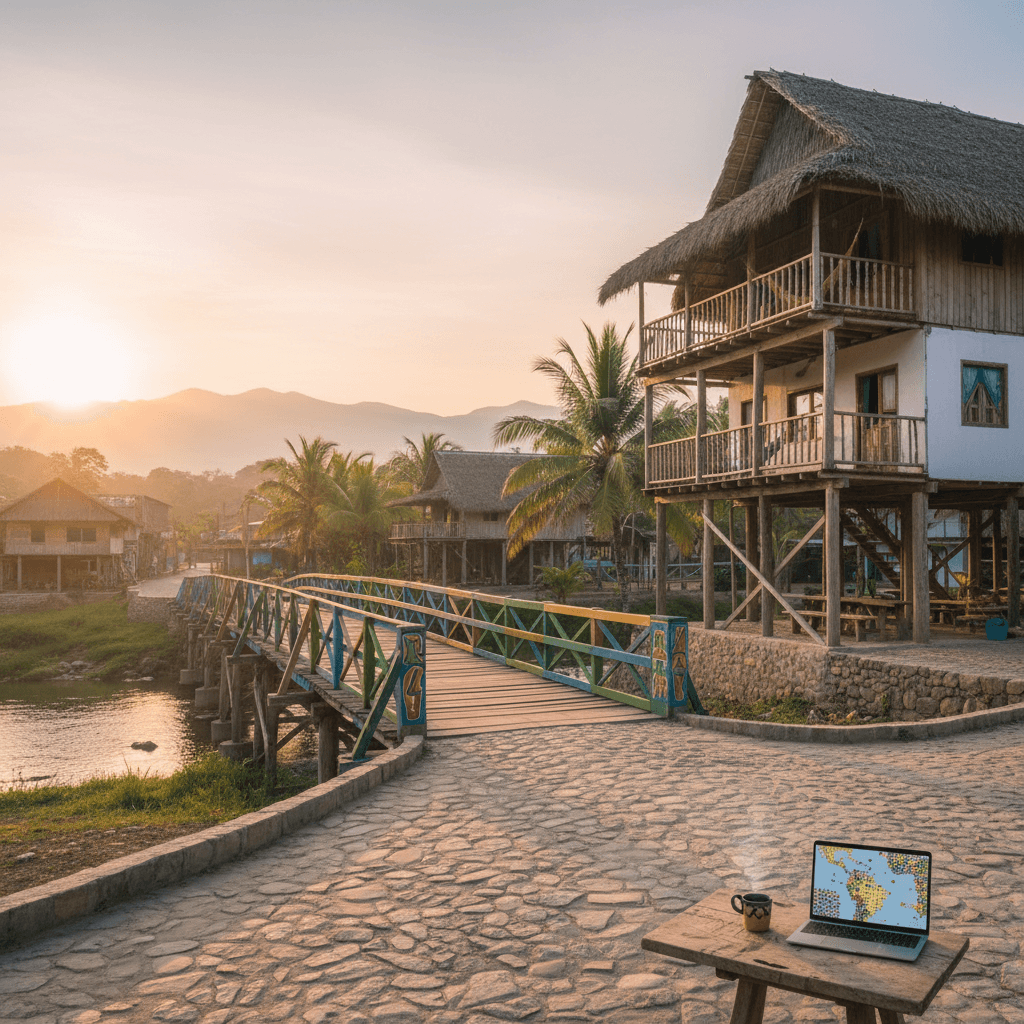
Palomino
🇨🇴 Colombia