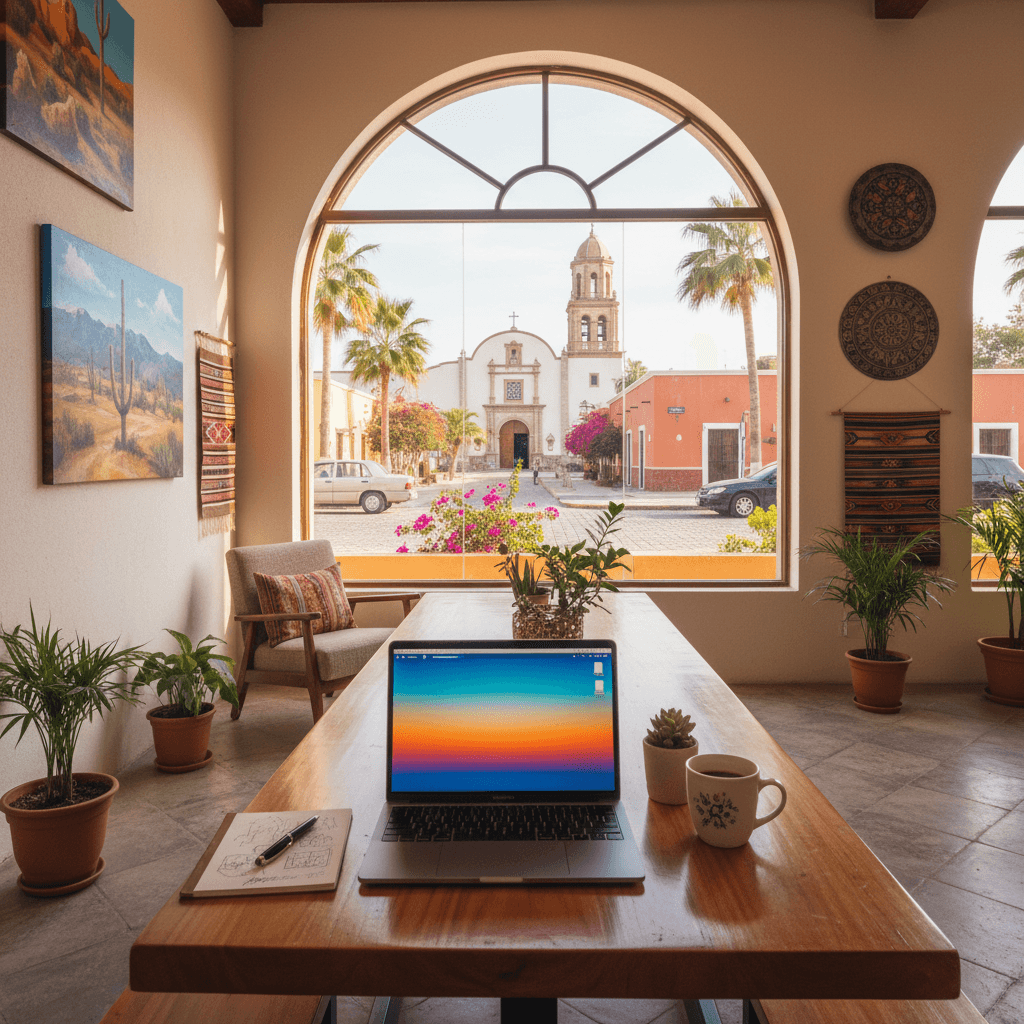
San José del Cabo
🇲🇽 Mexico
The Slow-Burn Charm of San José
If Cabo San Lucas is the loud, tequila-fueled Friday night of Baja, San José del Cabo is the sun-drenched, slow-moving Sunday morning. It feels worlds apart from its rowdy neighbor despite being just a 20-minute drive away. You aren't coming here to party until dawn; you're coming here to actually get work done while living in a town that still feels like Mexico, not just a resort corridor.
The vibe is decidedly historical and wellness-focused. You'll spend your mornings at Pezgallo with a green juice and your afternoons wandering the cobblestone streets of the Historic Center. The town has managed to preserve its 19th-century colonial roots while quietly upgrading its infrastructure. Most nomads find the balance here refreshing. It is a place where the Sierra de la Laguna mountains meet the Sea of Cortez, offering a backdrop that keeps you inspired even when you're deep in a spreadsheet.
The Nomad Lifestyle and Cost
Living here isn't as cheap as Oaxaca or Mexico City, but the quality of life is high. It’s a mid-to-high range destination where you trade lower costs for safety, incredible seafood, and reliable infrastructure. Most expats and remote workers aim for a budget between $2,500 and $4,000 USD per month to live comfortably, though you can scrape by on less if you stick to street tacos and shared housing.
- Rent: Expect to pay $800 to $1,500 USD for a decent studio or one-bedroom in the Centro or residential areas like Palmilla.
- Dining: Street tacos will set you back $2 to $5 USD, while a nice brunch at a cafe costs around $10 to $15 USD.
- Coworking: Day passes at spots like Koral Desk run about $15 USD.
Where to Plant Your Laptop
Choosing a neighborhood depends on whether you want to be steps from a gallery or steps from a surfboard. The Historic Center (Centro) is the heartbeat of the town. It’s walkable, packed with cafes like Coffee Lab, and hosts the famous Thursday night Art Walks. It’s the best spot if you want to be social and avoid needing a car for every errand.
If you prefer a quieter, more modern residential feel, look toward the Palmilla Beach area. It’s closer to the best swimming beaches and Koral Desk, the premier coworking space in the region. The internet here is generally more stable thanks to recent fiber optic expansions, though rents are noticeably higher than in the heart of town.
Connectivity and Productivity
The days of patchy beach WiFi are mostly over in San José. Fiber optic internet is now common in residential Airbnbs and dedicated workspaces, with speeds often hitting 92 Mbps. For those who need a professional environment, Koral Desk offers air conditioning, private booths, and community events that make it easier to meet people.
When you want to work from a cafe, Gloria Jeans Coffee at Plaza Pescador is a reliable fallback for video calls. For a more "Baja" atmosphere, Coffee Lab offers an open-air experience that’s great for deep work, though you'll want to make sure your laptop is fully charged. Local SIM cards from Telcel are easy to snag in Centro and provide a solid 4G/5G backup for mobile hotspots.
The Emotional Draw
What makes San José different is the lack of urgency. There is a specific peace that comes with watching the sunset over the desert landscape after a productive day. It doesn't have the massive nomad community of Tulum or Playa del Carmen yet, which means the connections you make here often feel more intentional and less transient. It is a place for the "grown-up" digital nomad who values a morning yoga session and a stable connection over a 2 a.m. club scene. You'll find yourself staying longer than you planned, traded in the "hustle" for a rhythm dictated by the tides and the gallery schedules.
The Cost of Living in San José del Cabo
Living in San José del Cabo comes with a price tag that reflects its status as a premium destination. While it is significantly more affordable than Southern California or the Mediterranean, it sits at the higher end of the scale for Mexico. You are paying for a specific lifestyle: safer streets, reliable infrastructure, and a sophisticated art scene that feels worlds away from the spring break chaos of Cabo San Lucas.
Most nomads find that their biggest expense is housing. Because the town is a mix of luxury resorts and residential pockets, finding a middle ground takes some effort. For a studio or one bedroom apartment in the Historic Center or near Palmilla Beach, expect to pay between $800 and $1,500 USD per month. If you want to be right on the water or in a high end development with fiber optic internet already installed, those prices can easily climb higher.
Monthly Budget Tiers
- The Budget Nomad ($1,500 to $2,500 USD): This lifestyle involves staying in shared Airbnbs or local residential areas further from the beach, eating at taco stands, and using the local bus system.
- The Mid-Range Professional ($2,500 to $4,000 USD): This is the sweet spot for most remote workers. It covers a private one bedroom apartment, daily visits to cafes like Pezgallo, a dedicated desk at Koral Desk, and regular Uber rides.
- The Comfortable Expat ($4,000+ USD): At this level, you are looking at private villas, frequent dining at upscale resort restaurants, and a long term car rental to explore the East Cape.
Eating and Drinking
Food costs vary wildly depending on your proximity to the tourist zones. You can grab world class street tacos for $2 to $5 USD, which is a staple for anyone trying to keep their daily spend down. For a proper sit down brunch or a work session with coffee at Gloria Jeans or Coffee Lab, you will likely spend $10 to $15 USD.
Expats often recommend picking up a Los Cabos Passport card. It costs about $70 to $90 USD but pays for itself quickly by offering 2 for 1 deals on main courses at many of the better restaurants in town. For groceries, shopping at local markets in the Centro is cheaper than the high end supermarkets, but even the larger stores carry familiar international brands at a slight markup.
Workspace and Connectivity
Gone are the days when the internet in Baja was a gamble. Fiber optic upgrades have reached most residential areas, though it is always smart to ask for a speed test before signing a lease. If you need a guaranteed professional environment, Koral Desk near Palmilla is the gold standard. A day pass there runs about $15 USD and includes air conditioning and networking events.
For a more casual vibe, many nomads work from the open air patio at Coffee Lab or the Plaza Pescador area. Mobile data is also affordable; a prepaid SIM from Telcel with a monthly data package costs around $20 USD and provides a reliable backup hotspot for those rare occasions when the power flickers during a storm.
Getting Around
San José is more walkable than Cabo San Lucas, especially if you stay in the Historic Center. However, to see the best swimming beaches or reach the coworking hubs, you will need wheels. Uber is the most convenient way to move around, with most rides within the city costing between $5 and $15 USD. The local buses are a steal at roughly $1 USD per trip and are surprisingly reliable for getting between the two main towns. If you plan to stay for several months, renting a car is often the best way to access surf spots and hiking trails in the Sierra de la Laguna mountains.
For Nomads and Remote Workers
If you're coming to San José del Cabo to actually get things done, the Historic Center (Centro) is where you'll spend most of your time. It’s the heart of the town's colonial charm, filled with 19th-century architecture and cobblestone streets that feel worlds away from the neon lights of Cabo San Lucas. Most nomads gravitate toward Coffee Lab for its open-air workspace vibe or Gloria Jeans Coffee at Plaza Pescador when they need rock-solid WiFi for client calls.
For a dedicated office setup, the Palmilla Beach area is the top choice. It’s a bit more residential and upscale, but it puts you right next to Koral Desk. This is the premier coworking hub in the region, offering day passes for about $15 USD with ice-cold AC and a community of professional expats. The newer builds in this area almost always come with fiber optic internet, solving the connectivity headaches that used to plague the region.
- Rent: $1,200 to $1,800 USD for a modern 1BR with high-speed internet.
- Vibe: Productive, artistic, and walkable in the Centro.
- Top Spot: The Thursday night Art Walk for networking with local creatives.
For Expats and Long-Termers
Expats looking for a more permanent, quiet lifestyle usually settle in the residential pockets near Palmilla or the hills overlooking the Historic Center. These areas offer a sense of community that isn't dictated by the weekly tourist cycle. You'll find plenty of grocery options and high-end gyms, plus easy access to the Sierra de la Laguna mountains for weekend hiking.
The cost of living here is mid-to-high range for Mexico, but the quality of life is hard to beat. Many long-term residents use the Los Cabos Passport to snag 2-for-1 deals at upscale restaurants, keeping the monthly budget manageable. It’s a wellness-focused crowd, so expect to spend your mornings at yoga studios or grabbing a healthy brunch at Pezgallo.
- Rent: $1,500 to $2,500 USD for a multi-bedroom condo or private villa.
- Healthcare: Close proximity to high-quality private hospitals near the airport.
- Transport: Most expats recommend a car rental or purchase for grocery runs and beach trips.
For Solo Travelers
If you're traveling solo and want to meet people without the relentless "spring break" energy, stick to the Historic Center. It's incredibly safe and very walkable. You can grab $2 tacos at a street stand and then walk to a high-end gallery in the same ten-minute span. The social scene revolves around the town square and the various boutique cafes where people are generally open to a conversation.
For those who occasionally crave a louder night out, Downtown Cabo San Lucas is only a 20-minute Uber or a $1 bus ride away. You can spend the day at Playa del Medano or working from LCI Coworking, then head back to the peace of San José when the party gets too loud. It’s the best of both worlds for someone traveling alone.
- Safety: San José is widely considered one of the safest zones in Mexico for solo visitors.
- Social: Join the Outsite network or local Facebook expat groups to find weekend meetups.
- Budget: $1,500 to $2,000 USD per month for a comfortable solo stay.
For Families
The Palmilla area and the coastal stretches toward Costa Azul are the most family-friendly. Unlike many beaches in Cabo where the undertow is dangerous, Palmilla Beach is one of the few places safe for children to swim. The neighborhoods are gated, quiet, and offer plenty of space for kids to run around.
The lifestyle here is focused on the outdoors. Families often spend weekends at the local farmers markets or taking day trips to Cabo Pulmo for snorkeling. While English is common in these tourist-adjacent areas, living here gives kids a great chance to pick up Spanish in a low-stress, friendly environment.
- Rent: $2,500+ USD for larger homes in gated communities.
- Activities: Whale watching from December to April and surfing lessons at Costa Azul.
- Convenience: Easy access to Uber makes getting around without a car possible, though a rental is better for family outings.
Connectivity and Speed
San José del Cabo has shed its reputation for spotty beach town internet. While older resorts might still try to upcharge you for basic speeds, the residential areas and the Historic Center have seen a massive rollout of fiber optic infrastructure. You can now expect average download speeds of 100+ Mbps at nomad hubs like Outsite, which is plenty for seamless video calls and heavy uploads.
Most nomads recommend skipping the hotel WiFi and booking an Airbnb in residential neighborhoods like Palmilla or the suburbs near the Art District. These areas are more likely to have dedicated high speed lines included in the rent. If you're heading out for the day, grab a local SIM card from Telcel or AT&T in the centro. For about $20 USD, you can get a monthly prepaid data plan that works perfectly as a mobile hotspot backup.
Top Coworking Spaces
If you need a professional environment to escape the afternoon heat, the city has a few reliable anchors. Koral Desk is the heavy hitter here, located near Palmilla Beach. It's a modern space with dedicated desks, strong AC, and a community vibe that includes free member events. Day passes usually run around $15 USD, making it an affordable home base for a deep work session.
- Koral Desk: Best for networking and long term stays. It's located in the Koral Center, which also has food options nearby.
- LCI Coworking: Situated about 20 minutes away in downtown Cabo San Lucas. It's a solid choice if you're spending the day near the Marina or Medano Beach.
- Coffee Lab: This is the go-to for those who prefer an open air, creative atmosphere in the heart of the Historic Center. It's less of a formal office and more of a community hub where you'll see plenty of laptops.
Laptop-Friendly Cafes
The cafe culture in San José is surprisingly robust for a town this size. Gloria Jeans Coffee at Plaza Pescador is a nomad favorite because the WiFi is famously stable and there are plenty of outlets for charging. It's a great spot if you have a morning full of Zoom calls and need a predictable environment.
For a more local, aesthetic experience, Pezgallo is the top pick for a "brunch and browse" session. The food is healthy, the coffee is strong, and the atmosphere is relaxed. If you're working from the Historic Center, look for the smaller spots in the Art District. Many of these cafes have hidden back patios that stay cool during the day and offer enough peace and quiet to knock out a few hours of writing or admin work.
Practical Tips for Remote Work
While the infrastructure is improving, power surges can occasionally happen during the rainy season from July to October. It's smart to keep your devices charged and have a backup power bank. Most cafes are happy to let you work for a few hours as long as you're ordering, but it's polite to move on or order another round if you're staying past the two hour mark.
If you're planning to stay for a month or more, expats suggest joining local Facebook groups or the Outsite network. Since the nomad community here is smaller than in Mexico City or Tulum, these digital spaces are where you'll find the most up to date info on which cafes currently have the fastest pings or which Airbnbs actually have the fiber optic speeds they've promised in their listings.
Safety in the Tourist Corridor
San José del Cabo is consistently ranked as one of the safest destinations in Mexico. Unlike the high energy party atmosphere of Cabo San Lucas, the vibe here is tranquil and community focused. Most nomads feel perfectly comfortable walking through the Historic Center or along the hotel zone after dark. The local government prioritizes security in these areas, and you'll frequently see tourist police patrolling on foot or in white and blue trucks.
While violent crime is rare in the tourist and residential zones, petty theft can happen if you're careless. Expats generally recommend keeping your laptop bag out of sight in parked cars and avoiding leaving phones unattended on beach towels at Palmilla Beach. If you're staying in a residential area, ensure your Airbnb or rental has secure locks; most modern developments in San José now include gated entry and 24/7 security staff.
Healthcare Infrastructure
The healthcare standard in Los Cabos is surprisingly high, largely because it caters to a massive expat and luxury travel population. You won't have to worry about finding English speaking doctors or modern equipment. Most major hospitals are located along the Transpeninsular Highway, making them easily accessible from both the Centro and the Palmilla district.
- Private Hospitals: Facilities like H+ Hospital (near the Koral Center) and Saint Luke’s Medical Center provide 24/7 emergency services. These hospitals are top tier and often work directly with international insurance providers.
- Pharmacies: You'll find a Farmacia Guadalajara or Farmacia Similares on almost every major corner. For basic ailments, many pharmacies have a small doctor's office attached where you can get a consultation for about $3 to $5 USD.
- Emergency Services: Dial 911 for any immediate emergency. The response time in the central corridor is typically very fast.
Practical Wellness Tips
The biggest health risks for nomads in San José are usually environmental rather than criminal. The Baja sun is intense, especially between July and October. Dehydration and heat exhaustion can sneak up on you while you're working from an outdoor patio like Coffee Lab. Drink plenty of bottled or filtered water; while many upscale rentals have filtration systems, it's safer to avoid tap water for drinking.
If you're planning on swimming, stick to "Blue Flag" certified beaches. Many stretches of coastline in Los Cabos have dangerous undertows and aren't safe for swimming. Palmilla Beach and Santa Maria Cove are your best bets for a safe, calm dip between deep work sessions. For those with specific prescriptions, bring a copy of your doctor's note. While most meds are available over the counter, stronger medications require a local prescription which a hotel or clinic doctor can write for you after a quick visit.
Insurance and Costs
Most nomads here use a mix of travel insurance like SafetyWing or specialized expat health plans. Out of pocket costs for a standard doctor's visit at a private clinic usually range from $40 to $80 USD. If you end up at a major hospital for something serious, prices are much lower than in the US but higher than in mainland Mexico. Always keep a digital copy of your insurance card on your phone, as private hospitals often require proof of payment or insurance before admission.
The Logistics of Baja Life
San José del Cabo is far more walkable than its neighbor, Cabo San Lucas, but there are still some nuances to getting around the tip of the peninsula. Most nomads find that the Historic Center is perfectly navigable on foot, especially if you're staying near the Art District. If you're based in the residential pockets near Palmilla or the hotel zone, you'll need to rely on a mix of wheels to bridge the gap between your laptop and the beach.
Ride-Hailing and Taxis
Uber is the undisputed king of convenience here. It is widely available and significantly cheaper than traditional taxis. A typical ride within the San José area usually runs between $5 and $15 USD. If you're heading from the airport (SJD) to the Centro, expect to pay around $15 to $25 USD for a 20 minute trip. While taxis are plentiful, they don't use meters, so you'll have to negotiate the price before you get in. Most expats stick to Uber to avoid the haggling and ensure a GPS tracked route.
Public Transit: The Ruta del Desierto
If you're on a budget or just want to live like a local, the purple and yellow buses known as Ruta del Desierto are surprisingly reliable. These buses run along the main corridor connecting San José del Cabo and Cabo San Lucas.
- Cost: Around $2 USD between towns, $4-5 USD from airport.
- Frequency: They run every 10 to 15 minutes during the day.
- Experience: They have air conditioning and are generally safe, though they can get crowded during rush hour. It's a great way to get to beaches like Santa Maria or Chileno Bay without paying for a rental car.
Wheels for Flexibility
For those planning to explore the Sierra de la Laguna mountains or the surf breaks at East Cape, a car rental is the way to go. You can find agencies at the airport or in the hotel zone. Prices vary wildly by season, but having your own vehicle is the only way to reach spots like Cabo Pulmo for a day trip. If you're staying strictly in the coastal areas, bike and scooter rentals are popping up near Plaza Pescador. These are ideal for cruising between your Airbnb and spots like Coffee Lab or Koral Desk.
Navigation Tips for Nomads
While the Historic Center is compact, the sun in Baja is no joke. Even a 15 minute walk can feel intense during the summer months from July to October. Plan your movements for the early morning or after the sun starts to dip. If you're heading to Gloria Jeans in Plaza Pescador for a morning of calls, an Uber is a small price to pay to arrive without being drenched in sweat.
- Connectivity: Download Google Maps for offline use. While 4G coverage is solid in town, it can drop off quickly once you head toward the more remote beaches.
- Mobile Data: Grab a local SIM from Telcel or AT&T in the Centro. A prepaid plan with unlimited data for a month usually costs around $20 USD and works perfectly as a hotspot backup.
- Safety: San José is one of the safest spots in Mexico for remote workers. Stick to the well lit areas of the Centro and the beach zones at night, and you'll likely never run into an issue.
Getting to the Office
Most nomads choose their transport based on their chosen "office" for the day. If you're heading to Koral Desk near Palmilla, you'll likely want an Uber or a car, as it's a bit of a trek from the Historic Center. Conversely, if you're working from Pezgallo or other cafes in the heart of town, your own two feet are all you need. The infrastructure is modernizing quickly, and with more fiber optic lines being laid in residential neighborhoods, the need to commute to a coworking space is becoming a choice rather than a necessity.
The Language Balance
In San José del Cabo, you'll find a linguistic environment that mirrors its dual identity as a historical Mexican town and a high end getaway. Spanish is the primary language, but the town is incredibly accessible for English speakers. Because of the heavy influence of North American expats and the luxury tourism sector, most people working in the Historic Center, cafes, and hotels speak English fluently.
If you're sticking to the main nomad hubs like Koral Desk or grabbing a flat white at Coffee Lab, you can get by almost exclusively in English. However, the experience changes once you step into more residential neighborhoods or local markets. To really integrate, you'll want a few phrases in your back pocket. Locals appreciate the effort, even if it's just a polite greeting before switching back to English.
Key Phrases for the Nomad Desk
While many menus and signs are bilingual, knowing a few "work from anywhere" phrases helps when you're scouting for the best signal. Most nomads find that a little Spanish goes a long way in securing the best table in the house.
- "¿Dónde está el wifi?" (Where is the WiFi?): The most important question for any remote worker.
- "Una mesa para trabajar, por favor" (A table to work at, please): Helpful when you want a spot with a little more space for your laptop.
- "¿Tiene un enchufe?" (Do you have an outlet?): Essential for those long sessions at Pezgallo or Gloria Jeans Coffee.
- "La cuenta, por favor" (The check, please): Standard for wrapping up your session.
Communication Tools and Tech
Setting up your digital life here is straightforward. For mobile data, travelers recommend grabbing a local SIM card rather than relying on international roaming plans, which can be spotty. Telcel and AT&T are the main providers; you can find their stores right in the centro. A prepaid plan with roughly $20 USD worth of data will usually cover a month of heavy map usage and Slack pings.
For day to day interactions, Google Translate is your best friend. Download the Spanish dictionary for offline use because while the fiber optic internet in San José is improving, you might lose signal while exploring the Sierra de la Laguna mountains or remote beach stretches. For coordinating with landlords or local services, WhatsApp is the universal standard in Mexico. If you aren't using it yet, you'll need it for everything from booking a yoga class to confirming an Airbnb check in.
Social Etiquette and Networking
Communication in San José is generally polite and indirect. It’s common to start any interaction with a "Buenos días" or "Buenas tardes" before jumping into a request. If you're looking to meet people, the Thursday Art Walks in the Historic Center are the town's social heartbeat. It’s a low pressure environment where English and Spanish mix freely over glasses of wine in the galleries.
Expats and nomads often gather at Koral Desk near Palmilla, where the staff speaks perfect English and hosts regular events. If you're looking for a community, keep an eye on the Outsite network or local Facebook groups. While the nomad scene is smaller than in Mexico City, it’s growing fast, and you'll find that most people are eager to share tips on the best hidden taco stands or the most reliable fiber optic connections in town.
The Seasonal Sweet Spot
San José del Cabo is a rare subtropical treat where the sun shines almost every day. If you're planning a stint here, the window from November to May is the undisputed champion. During these months, the humidity drops and daytime highs hover between 75°F and 82°F. It's the kind of weather that makes you want to take your laptop to the open-air patio at Coffee Lab or spend your lunch break at Palmilla Beach.
Expats and long-term nomads specifically target December through April for whale watching season. It's common to spot humpbacks breaching from the shore while you're sipping a morning coffee. The evenings during this peak window can get surprisingly crisp, sometimes dipping to 55°F, so you'll want a light jacket for those Thursday night Art Walks in the Historic Center.
Managing the Summer Heat
The vibe shifts significantly from July through September. This is when the desert heat truly arrives, with temperatures frequently climbing toward 95°F. The humidity also ramps up, making a dedicated coworking space with strong AC, like Koral Desk, a non-negotiable for anyone trying to stay productive.
The rainy season technically peaks between August and October. While Baja doesn't get the consistent tropical downpours you'd see in Tulum or Puerto Vallarta, you can expect short, intense afternoon bursts. These months also carry a hurricane risk, which can occasionally lead to power flickers or internet outages in older parts of the Centro. Most nomads who stay through the summer find that the lower rental prices and thinner crowds make the heat more bearable.
Best Times for Specific Budgets and Activities
- For the best weather: Visit between November and March. You'll get clear skies and perfect temperatures for hiking the Sierra de la Laguna mountains.
- For the best deals: Aim for May, June, or October. These shoulder months offer a balance of manageable heat and lower prices on Airbnbs before the winter crowds arrive.
- For social butterflies: Ensure your stay includes November through June. This is when the weekly Art Walk takes over the Historic Center every Thursday night, serving as the primary social hub for the local expat and nomad community.
What to Pack for the Baja Climate
Because the air is dry for most of the year, the temperature swings between day and night are more pronounced than in mainland Mexico. Travelers often find themselves stripping down to a t-shirt by noon and reaching for a hoodie by 8:00 PM. If you're coming in the winter, pack layers. If you're brave enough for a July visit, prioritize breathable linen and ensure your accommodation specifically lists high-quality air conditioning, as some older colonial buildings in the Centro rely solely on ceiling fans.
Regardless of when you arrive, the sun in Baja is exceptionally strong. Even on a 70°F day in January, the UV index stays high. Most regulars recommend buying your high-SPF sunscreen at local pharmacies like Farmacias Similares to avoid the inflated "tourist tax" prices at the resort gift shops.
Connectivity and Workspaces
San José del Cabo has moved past its reputation for spotty internet. Most residential areas and modern developments now feature fiber optic connections with speeds averaging around 92 Mbps. For the best experience, look for Airbnbs or long term rentals in the suburbs or near Palmilla rather than older buildings in the deep historic center.
When you need a dedicated office environment, Koral Desk is the top choice for nomads. Located near Palmilla, it offers air conditioning, community events, and day passes for about $15 USD. If you're staying closer to the party side of the corridor, LCI Coworking in downtown Cabo San Lucas is another solid option with flexible passes. For a more casual afternoon, Coffee Lab in the Centro offers an open air vibe, while Gloria Jeans at Plaza Pescador is known for stable WiFi and a quiet enough atmosphere for calls.
Cost of Living and Budgeting
Living here is pricier than mainland hubs like Oaxaca or Mexico City, but it's manageable with a mid range budget. Most nomads find they spend between $2,500 and $4,000 USD per month for a comfortable lifestyle that includes a private studio and frequent dining out.
- Housing: Expect to pay $800 to $1,500 USD for a one bedroom apartment in San José Centro or residential pockets. Prices spike significantly if you want to be right on the sand.
- Food: Local taco stands will run you $2 to $5 USD per meal. A trendy brunch at Pezgallo usually lands between $10 and $15 USD. For high end dinners, savvy expats use the Los Cabos Passport to snag 2 for 1 deals on main courses.
- Transport: Uber is the most reliable way to get around, with rides usually costing $5 to $15 USD. The local "Ruta del Desierto" buses are a steal at about $1 USD for trips between the two main towns.
Selecting Your Neighborhood
Choosing where to plant your laptop depends on how much peace you need. San José is generally preferred by those who want to actually get work done.
Centro / Historic Center
- Best For: Walkability and culture.
- Pros: You're steps away from the Thursday night Art Walk, farmers markets, and the best coffee shops.
- Cons: It gets crowded during festival dates and parking is a nightmare.
Palmilla Beach Area
- Best For: Families and long term remote workers.
- Pros: Close to Koral Desk, very safe swimming beaches, and the most reliable fiber optic infrastructure.
- Cons: You'll definitely need a car or a healthy Uber budget to get into town.
Safety and Wellness
This is one of the safest regions in Mexico for foreigners. You can walk through the Centro or along the main beaches at night with basic common sense. If you need medical care, there are high quality private hospitals near the airport and plenty of pharmacies in the Historic Center. For emergencies, dial 911 just like in the US.
The social scene revolves around wellness rather than clubbing. You'll find plenty of yoga studios and healthy cafes. To meet people, head to the Thursday Art Walks or join the Outsite network if you're staying in their coliving space. Most locals and service staff speak excellent English, but grabbing a Telcel SIM card with a $20 USD monthly data plan will help you use Google Translate in the smaller residential markets.
Seasonal Weather
The sweet spot for visiting is November through May. The weather is dry and sunny, and you'll be there for whale watching season which peaks between December and April. Summers are beautiful but intense; July through October brings high humidity and the occasional tropical storm, so make sure your rental has a powerful, modern AC unit if you're staying through the low season.
Need visa and immigration info for Mexico?
🇲🇽 View Mexico Country GuideHidden Gem
Worth the effort