San Francisco
🇺🇸 United States
The Tech Frontier with a Foggy Soul
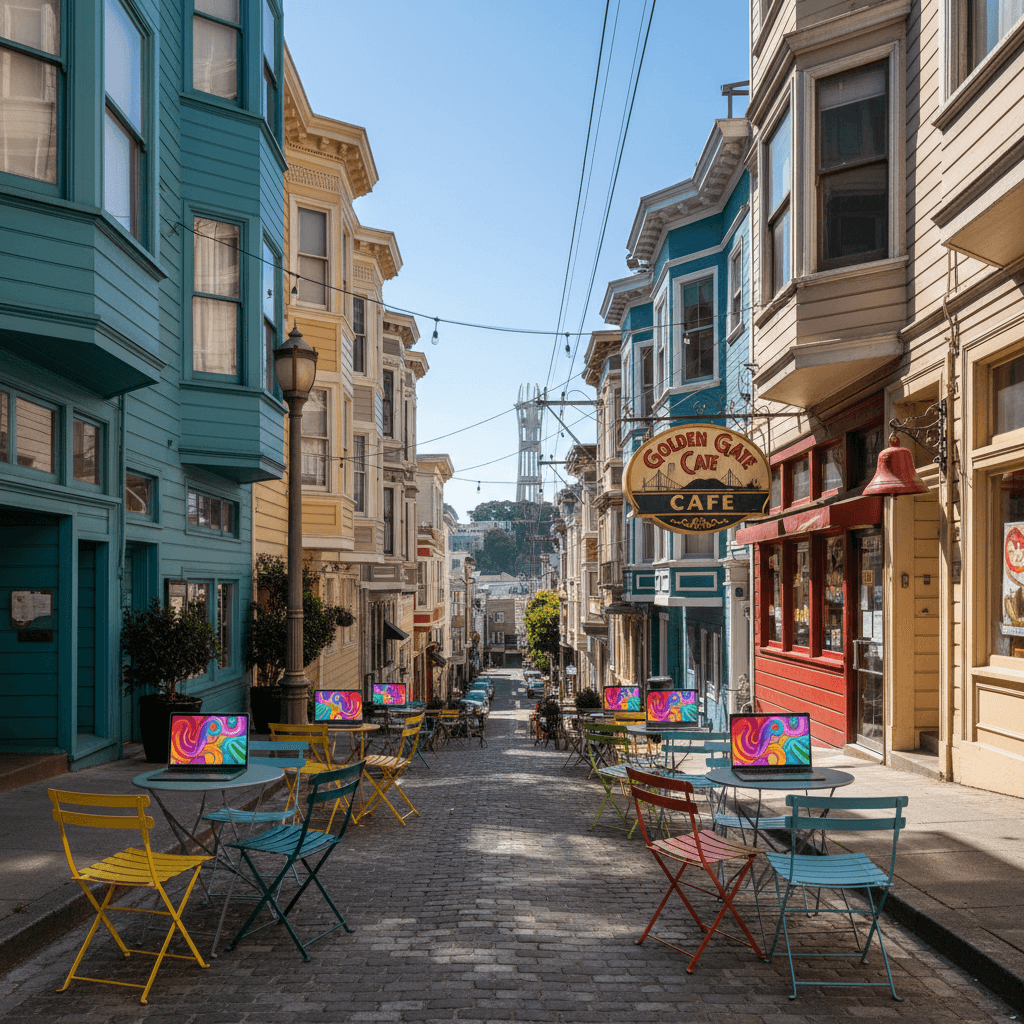
San Francisco is a city that feels like it is constantly beta testing the future. For nomads, it is the ultimate high stakes playground. You are walking through the global epicenter of AI and biotech, where the person sitting next to you at a cafe is likely architecting a platform you will use next year. It is a place of massive contrasts; you will see $200,000 electric cars parked next to Victorian homes that look like they belong in a 19th century novel.
The vibe is a strange, intoxicating mix of high intensity ambition and laid back West Coast chill. People here work incredibly hard, but they also prioritize their 10:00 AM Sunday hike in the Presidio. It is not just about the grind; it is about the "lifestyle" that the grind affords. You will feel that energy the moment the fog, affectionately known by locals as Karl, rolls over the hills. It is moody, beautiful, and keeps the city feeling fresh and pastoral despite the dense urban footprint.
What Makes It Click for Nomads
The city is famously walkable and bike friendly, which is a rarity for major US hubs. Most nomads gravitate toward neighborhoods like Pacific Heights because they offer that quintessential San Francisco experience: steep hills, incredible views of the bay, and a sense of community that feels surprisingly small town. You can spend your morning on a Zoom call at AvantSpace for $440 a month, then be standing on the Golden Gate Bridge or exploring Alcatraz by mid afternoon.
The social scene is equally unique. Instead of standard bar crawls, you might find yourself at a tech roast show where comedians poke fun at the Silicon Valley elite, or joining an art class through a local studio. It is a city that rewards curiosity. Whether you are wandering through Japan Town or grabbing a coffee at Verve on Market Street, there is always a sense that you are exactly where the action is.
The Reality Check: Cost and Crowds
Let's be real: San Francisco is one of the most expensive places on earth to hang your hat. Most digital nomads should budget at least $3,500 per month just to cover the basics. If you want a more comfortable lifestyle with frequent dinners out and a premium coworking desk, that number easily climbs north of $5,000. Everything has a price tag here, from the $8 cable car rides to the $0.30 per minute overage fees on Bay Wheels e-bikes.
The city is also physically small, cramped into a 7x7 mile square. This density creates a vibrant energy, but it can also feel overwhelming. You are sharing a limited amount of space with some of the wealthiest people on the planet and a significant tourist population at Fisherman's Wharf and Union Square. It is a place of extremes, and while the high cost of entry is a hurdle, many expats find the networking opportunities and the sheer beauty of the Northern California coast make the investment worth it.
Snapshot of the Nomad Experience
- The "Old SF" Charm: Historic cable cars, Victorian "Painted Ladies," and the smell of sourdough in the air.
- The "New SF" Edge: Cutting edge coworking spaces like AvantSpace and a constant stream of tech mixers.
- The Great Outdoors: Immediate access to Golden Gate Park and world class hiking just across the bridge.
- The Food Scene: A global gastronomic hub where you can find world class Michelin starred dining and incredible street food in the same block.
Living here feels like being an insider in a club that is shaping the world. It is expensive, it is foggy, and the hills will kill your calves, but there is nowhere else on the planet that captures this specific brand of optimistic, tech fueled energy.
The Price of the Fog City
San Francisco is famously one of the most expensive zip codes on the planet. For digital nomads, the reality is a monthly burn rate of around $3,500. While that number might induce a bit of sticker shock, you're paying for proximity to the world's tech heartbeat and some of the best food in the country. It is a city of extremes where you can grab a $15 burrito in the Mission and walk two blocks to see a $12,000 a month penthouse.
Most expats find that their budget stretches much further if they lean into the city's walkable nature and public transit rather than relying on rideshares. If you're planning a stay for 2025 or 2026, expect to balance high fixed costs like rent with plenty of free natural beauty in the Presidio or Golden Gate Park.
Monthly Budget Tiers
- Budget ($2,500 to $3,000): This requires a disciplined lifestyle. You'll likely be staying in a shared house or a coliving space, cooking most meals at home using the Instacart app for deals, and sticking to the $41 weekly transit passes.
- Mid-range ($3,500): The sweet spot for most nomads. This covers a comfortable private room in a neighborhood like Pacific Heights, a dedicated desk at a coworking space, and plenty of dinners out at the city's famous gastro-pubs.
- Comfortable ($5,000+): This buys you a private studio or a high-end apartment, premium gym memberships, and the freedom to frequent upscale cocktail bars and tech roast shows without checking your bank balance.
Accommodation and Workspace
Rent is your biggest hurdle. Neighborhoods like Pacific Heights are popular because they offer a village feel with insane views, but you'll pay a premium for it. Coliving brands like Outsite are often the smartest move for travelers because they bundle utilities and community into a single price tag.
For getting work done, AvantSpace on Greenwich Street is a local favorite. At $440 a month, it isn't cheap, but it includes bottomless Blue Bottle Coffee and a concierge. If you prefer the cafe route, Verve Coffee Roasters on Market Street is a solid choice, though you'll need to arrive with a full battery as power outlets are notoriously scarce.
Eating and Drinking
The city is a gastronomic heavy hitter. While fine dining prices can be astronomical, the casual scene is where the value is. Expect to pay $15 to $25 for a solid mid-range lunch. Grocery shopping is a viable way to save, and many locals use Instacart to avoid hauling bags up the city's legendary hills. Your first delivery is usually free, which is a nice perk for your first week in town.
Transport Costs
Public transit is efficient if you know the tricks. Always use a Clipper card or the MuniMobile app; it drops the price of a single ride to $2.50 compared to $3 in cash. If you're here for a short stint, the $13 day pass or the $41 seven day passport are your best friends.
- Cable Cars: $8 for a single ride. It's touristy, but the views from the Powell-Hyde line are worth doing at least once.
- Bay Wheels (Bike Share): $3.99 to unlock, with 30 minutes included. It's $0.30 per minute after that. Just be ready for the hills; they're no joke.
- Rideshares: Uber and Lyft were born here. They're usually cheaper and faster than traditional taxis, but prices surge heavily during rush hour or when the fog rolls in.
Connectivity
Internet is rarely an issue in the city that built the modern web. You can expect average speeds around 280 Mbps, though some tech heavy pockets reach up even higher. Mobile coverage is nearly perfect across all major carriers, so you'll rarely find a dead zone while navigating the streets.
Digital Nomads: Pacific Heights
Pacific Heights is the gold standard for nomads who want the classic San Francisco experience without the grit of downtown. It is incredibly walkable, filled with fresh salt air from the bay, and offers some of the best views in the city. You'll find a community of remote workers here, particularly at spots like Outsite, which provides coliving setups designed for the laptop-lifestyle.
For deep work, AvantSpace on Greenwich Street is a local favorite. A monthly membership costs $440 and includes bottomless Blue Bottle coffee, which is a significant perk given the city's coffee prices. When you need a change of scenery, head to Verve Coffee Roasters on Market Street. It has great group tables and a solid nomad vibe, though you should charge your laptop beforehand as outlets are famously scarce.
Expats and Long-Term Residents: Japan Town
If you're moving here for a tech contract or a long-term stint, Japan Town offers a distinct cultural character that feels more like a neighborhood and less like a tourist trap. It is centrally located but maintains a quieter, more residential feel than the surrounding districts. Expats often appreciate the unique grocery options and the walkable access to both the Fillmore district and lower Pacific Heights.
Living here makes it easy to manage daily life via apps like Instacart, which is the go-to for grocery delivery in the city. Since the average cost of living for a nomad or expat sits around $3,500 per month, being in a neighborhood where you can walk to local markets helps keep the budget from spiraling. The internet quality in these residential pockets is excellent, averaging about 84 Mbps, making it reliable for those constant Zoom calls.
Solo Travelers: Union Square and Downtown
For those who are only in town for a week or two, staying near Union Square puts you at the center of the action. You're within walking distance of the major transit hubs and iconic sights. It can get crowded and feels more commercial, but the convenience is hard to beat for a solo traveler without a car.
Getting around from here is simple. Grab a Clipper card to save money on transit; a single ride on Muni is $2.50 compared to $3.00 cash. If you want to see the waterfront, the cable cars are right there. They cost $8.00 for a single ride, but if you're planning to explore heavily, a 1-day Visitor Passport for $13.00 is a much smarter move. For a social fix, solo travelers often head to "tech roast" comedy shows, where comedians poke fun at the city's startup culture, it's a great way to meet people and understand the local psyche.
Active Explorers: Fisherman's Wharf and The Presidio
While Fisherman's Wharf is undeniably touristy, it serves as a great base for travelers who want to be active. You have easy access to the Bay Wheels bike-sharing stations. It costs $3.99 to unlock a bike, and the first 30 minutes are included. From the Wharf, it's a scenic ride through the Marina toward the Golden Gate Bridge and the Presidio.
This area is also home to quirky spots like the Musée Mécanique, which houses vintage gaming machines that are a fun break from the high-tech reality of the rest of the city. While the dining here can be overpriced, it's a perfect jumping-off point for outdoor activities. Just be prepared for the crowds during the day, most locals suggest heading west toward the parks if you need some breathing room.
Connectivity and Speed
San Francisco is the global hub of tech, so it's no surprise that the internet here is generally blazing fast. Most nomads find average speeds around 280 Mbps, though depending on which neighborhood you're bunking in, you might see anything from 56 Mbps to 119 Mbps. If you're working on heavy video uploads or complex code, you'll rarely find a dead zone in the city.
Mobile coverage is excellent across the board. You'll get strong 5G signals throughout the downtown core and most residential areas like Pacific Heights or the Mission. While public WiFi is common in parks and plazas, most expats stick to their own hotspots or encrypted cafe networks for better security.
Top Coworking Spaces
Coworking in SF isn't just about a desk; it's about the networking. You're often sitting next to startup founders or engineers from the biggest firms in the valley.
- AvantSpace (Marina/Pacific Heights): Located at 2181 Greenwich St., this is a favorite for those who want a boutique, upscale vibe. For $440 USD per month, you get high-speed fiber, concierge services, and bottomless Blue Bottle Coffee. There's a great mix of indoor and outdoor workspaces, which is a massive plus when the San Francisco fog clears up.
- Outsite (Pacific Heights): This is a go-to for many traveling nomads because it combines community living with dedicated workspaces. It's particularly popular if you're looking to meet other remote workers immediately upon arrival.
The Cafe Work Culture
San Francisco has a deeply ingrained cafe working culture, but there's a catch: the "laptop ban" is real in many smaller, independent shops. Always check for "no laptop" signs before you get comfortable. If you need a reliable spot to grind for a few hours, these are the safe bets:
- Verve Coffee Roasters (2101 Market St.): This spot is beautiful and has plenty of group tables designed for laptop use. The coffee is top tier, but power outlets are extremely scarce. There's often only one plug available in the whole place, so show up with a 100% charge.
- Blue Bottle Coffee: You'll find these all over the city. They are generally laptop-friendly and offer a consistent, high-speed connection. They don't encourage "camping" for eight hours, but they're perfect for a two-hour deep work session between meetings.
- Capital One Cafes: While it sounds corporate, these spaces (like the one in the Financial District) are specifically designed for remote work. They offer plenty of outlets and reliable WiFi, often at a discount if you have one of their cards.
Practical Tips for Remote Workers
The city's high cost of living means you need to be strategic about your work setup. Most nomads recommend skipping the daily $7 latte habit and investing that money into a dedicated coworking membership like AvantSpace, which pays for itself in coffee and networking opportunities. If you're on a tighter budget, the San Francisco Public Library system offers free high-speed internet and quiet zones, though you'll miss out on the social aspect of a private club.
One thing travelers often overlook is the "microclimate" factor. You might start your workday in a sunny cafe in the Mission and end it shivering in a foggy workspace in the Richmond District. Always carry a light jacket, even if you're just heading to a coworking space three blocks away.
Staying Safe in the City
San Francisco is generally secure for tech professionals and travelers but requires a bit of urban common sense. Most nomads feel perfectly comfortable walking through Pacific Heights or the Marina during the day, but like any major US hub, the vibe can shift quickly from one block to the next.
Property crime, specifically vehicle break-ins, is the most common headache for visitors. Locals will tell you never to leave even a spare jacket or an empty bag visible in a parked car. If you're working from a cafe like Verve on Market Street, keep your laptop and phone within reach. While the city's air quality is typically good thanks to the Pacific breeze, it's smart to keep an eye on local reports during the late summer months.
Food safety is top-tier here. You can eat at a high-end sushi spot in Japan Town or grab a mission burrito from a corner window without a second thought. The tap water is also famously high quality, sourced largely from the Hetch Hetchy Reservoir in the Sierras, so skip the bottled water and use a refillable flask.
Healthcare Infrastructure
If you need medical attention, you're in one of the world's leading hubs for biotechnology and medicine. The city is home to several world-class hospitals and specialized clinics. For urgent but non-life-threatening issues, look for "Urgent Care" centers, which are plentiful in central neighborhoods and much faster than hitting an emergency room.
- Emergency Services: Dial 911 for immediate police, fire, or medical assistance.
- Pharmacies: Large chains like Walgreens and CVS are on almost every major corner, particularly near Union Square and along Market Street. Many stay open late or 24/7.
- Online Services: For prescriptions or basic health supplies without leaving your desk, nomads often use apps like Instacart or local pharmacy delivery services.
Health insurance is a must here. US healthcare costs are notoriously high for those without coverage, so ensure your nomad insurance or travel policy is active before you land. Most private practices and hospitals will expect insurance details or a credit card upfront for any treatment.
Health & Wellness for Nomads
San Francisco is a city that loves to stay active. You'll find that the "healthcare" scene extends to the outdoors. Many expats join local run clubs or take advantage of the insane walkability of neighborhoods like Pacific Heights to keep their steps up. If the fog (locally known as Karl) gets too chilly, there are plenty of boutique fitness studios and yoga spots, particularly around the Mission and Marina districts, to keep your mental and physical health in check during a long stint of remote work.
The SF Transit Toolkit
San Francisco is a compact seven by seven mile square, making it one of the most transit-dense cities in the United States. While the hills are legendary, you won't need a car to conquer them. Most nomads rely on a mix of the Muni system, ride-hailing apps, and their own two feet.
Your first move should be downloading the MuniMobile app or grabbing a Clipper card. There is a small fee to buy the physical card, though it is often waived if you set up Auto-Reload. A single ride on a bus or streetcar is $2.85 with Clipper or MuniMobile, whereas paying cash will cost you $3. If you're planning a heavy day of scouting coworking spaces or sightseeing, the $13 single day Visitor Passport is a smart play.
For longer stays, the pricing scales like this:
- 3-Day Passport: $31
- 7-Day Passport: $41
- Monthly Pass: Varies, but usually best for those staying 30+ days
The Iconic Cable Cars
They aren't just for postcards. The cable cars are a legitimate way to get between the waterfront and Union Square, especially if you want to skip a brutal uphill hike. A single ride is $9, which is steep for a commute, but they are included in the Visitor Passports. Check sfmta.com for real-time schedules, as these vintage lines can sometimes have long wait times during peak tourist hours.
Biking and Scooters
Despite the verticality of neighborhoods like Nob Hill, SF is surprisingly bike-friendly. The "Wiggle" is a famous flat route that cyclists use to navigate across the city without hitting major inclines. For short hops, look for Bay Wheels bikes, which are integrated directly into the Lyft app.
The pricing for Bay Wheels is straightforward:
- Unlock fee: $3.99
- Included time: First 30 minutes are free
- Overage: $0.30 per minute after the half-hour mark
Just make sure you dock the bike at a designated station when you're done to avoid extra fees. Electric scooters are also scattered throughout the city, though local regulations on where you can ride them change frequently.
Ride-Hailing and Taxis
Since this is the birthplace of Uber and Lyft, the apps are ubiquitous. They are almost always cheaper and faster than flagging a traditional taxi. Most nomads find these essential for late-night trips or when they're carrying groceries back to a hilly neighborhood like Pacific Heights. If you're heading to the airport or moving between neighborhoods with your laptop gear, these are the most reliable options.
Walkability
If you choose your base wisely, you might not use transit at all. Neighborhoods like Pacific Heights are incredibly walkable, with grocery stores, cafes like Blue Bottle, and coworking spots like AvantSpace all within a 15 minute radius. Just invest in a solid pair of walking shoes; those 20 percent grades are no joke for your calves.
Getting Groceries
If you're staying in an Airbnb or a coliving space and want to skip the store, the Instacart app is the local standard. You can get delivery from most major supermarkets in about 2 hours. It's a lifesaver if you're on a deadline and can't make it to the market before it closes. Usually, your first delivery is free, which helps offset the high cost of living during your first week in the city.
Lingua Franca and the Tech Dialect
English is the undisputed king in San Francisco. You will find that proficiency is universal across all service industries, government offices, and social circles. However, the city is a global hub, so the English you hear is often colored by accents from every corner of the world, particularly from the massive tech expat community.
If you are hanging out in SoMa or working from a spot like AvantSpace, you will likely encounter a specific "Tech English." Local nomads often joke about the heavy use of industry jargon. Don't be surprised if you hear people discussing how to "circle back" on a "pivot" or "leverage" their "bandwidth" over a $6 latte. It is a unique dialect of the city that you will pick up quickly just by proximity.
Multilingual Neighborhoods
San Francisco is a city of distinct cultural enclaves where English sometimes takes a backseat. In Chinatown, older residents primarily speak Cantonese or Mandarin. While shopkeepers and restaurant staff speak English, the signage and daily chatter are deeply rooted in Chinese dialects.
In the Mission District, Spanish is the heartbeat of the neighborhood. It is the best place to practice your Spanish skills while ordering a burrito or browsing local markets. Similarly, Japan Town offers a chance to see Japanese script and hear the language spoken in its authentic cultural center. Even if you don't speak these languages, the city is incredibly easy to navigate because almost all public signage, especially on the Muni and BART transit systems, is provided in English, Spanish, and Chinese.
Digital Communication and Essential Apps
Communication in San Francisco is heavily digitized. You are in the birthplace of many of these platforms, so using them is expected rather than optional. Most locals and expats coordinate social lives through WhatsApp or iMessage, while professional networking almost exclusively happens on LinkedIn.
- MuniMobile: Use this for buying transit tickets. It is often cheaper than paying cash, with single rides at $2.85.
- Clipper Card: The digital version on your phone is the standard way to pay for buses, cable cars, and trains.
- Instacart: The primary way many nomads handle grocery communication and delivery without needing to step into a store.
- Lyft / Uber: These are the go-to apps for getting around when you aren't walking or biking.
Social Etiquette and Networking
People here are generally friendly but often preoccupied with their next big project. When meeting people at Verve Coffee Roasters or during a tech roast show, the standard "How are you?" is usually followed by "What do you do?" or "What are you working on?" It is a career-centric city where communication often doubles as networking.
If you want to meet people without the tech talk, Couchsurfing remains a popular way to connect with locals for coffee or advice. For a more structured social life, look into Airbnb Experiences for art classes or outdoor tours, where the communication style is more relaxed and less focused on your LinkedIn profile. Most travelers find that as long as they have a solid data plan and a basic grasp of English, they can navigate San Francisco with zero friction.
The "Karl the Fog" Factor
If you're expecting the classic California sunshine seen in Hollywood movies, San Francisco has a surprise for you. Locals have actually named the city's thick, rolling fog "Karl," and he's a permanent resident. Because of the city's unique geography, you can experience three different microclimates in a single afternoon. It might be 75°F (24°C) and sunny in the Mission District while a chilly, grey mist blankets the Richmond District just a few miles away.
The golden rule for nomads here is to dress in layers. Even in the middle of summer, the wind whipping off the Pacific can make it feel like 50°F (10°C). You'll stick out as a tourist if you're caught buying a souvenir fleece at Fisherman's Wharf because you weren't prepared for the 4:00 PM temperature drop.
September and October: The Real Summer
Most travelers make the mistake of visiting in June or July, which are often the gloomiest months of the year. If you want the best weather, aim for the "Indian Summer" in September and October. This is when the fog finally retreats, the skies turn a crisp blue, and the city sees its warmest temperatures, often hitting a comfortable 70°F to 80°F (21°C to 27°C).
This window is perfect for working outdoors. You can grab a coffee at Verve Coffee Roasters on Market Street and then head to Dolores Park to join the locals soaking up the sun. It's the most social time of year, with outdoor festivals and a tangible energy in the air before the winter rains begin.
Winter and Spring: The Quiet Season
From November through March, the city enters its rainy season. While it rarely gets "East Coast cold," the dampness can feel bone-chilling. Expect temperatures to hover between 45°F and 60°F (7°C to 15°C). This is actually a great time for focused work at a coworking space like AvantSpace in Pacific Heights, as the city is less crowded and accommodation prices sometimes dip slightly from their astronomical peaks.
Spring arrives early in February or March with beautiful blooms in Golden Gate Park, but the weather remains unpredictable. You'll get stunning, clear days followed by sudden rain showers. If you're looking to save money, this shoulder season is your best bet for finding a deal on a mid-term rental.
The "June Gloom" and "Fogust"
If your nomad travels bring you here in the summer, be prepared for "June Gloom" and "Fogust." The inland valleys heat up, sucking the cold ocean air through the Golden Gate. This creates a thick wall of white that can hide the bridge for days at a time. While the rest of the country is sweltering, you'll likely be wearing a light jacket and sipping hot Blue Bottle coffee. It's a surreal experience, but it's part of what makes the San Francisco vibe so distinct from the rest of California.
Timing Your Stay
- Peak Season (September to October): Best weather, warmest days, and the most outdoor social events. Expect the highest prices for short-term stays.
- Shoulder Season (April to June): Mild weather with occasional fog. Great for exploring the hills on a Bay Wheels bike before the summer crowds arrive.
- Low Season (November to March): The rainiest and coolest period. Best for nomads who prefer a quiet, cozy atmosphere and want to avoid the peak tourist rush.
Connectivity and Getting Work Done
San Francisco is the spiritual home of the laptop class, so you'll rarely struggle to find a signal. Most nomads report average speeds around 280 Mbps, though it can climb well over 100 Mbps in tech-dense neighborhoods. Mobile coverage is rock solid across the city, so tethering is a reliable backup if your Airbnb's router fails.
For a dedicated setup, AvantSpace in Pacific Heights is a favorite. It costs $440 per month and feels more like a boutique hotel than a sterile office. They serve bottomless Blue Bottle coffee, which is a local obsession. If you prefer the cafe route, Verve Coffee Roasters on Market Street has plenty of table space and a great vibe, but be warned: they only have one power outlet. Charge your gear before you head out.
Navigating the Streets
The city is famously hilly, but it's surprisingly walkable and bike-friendly once you learn which streets to avoid. For public transit, don't bother with cash. Download the MuniMobile app or grab a Clipper card for $3. A single ride with the card is $2.50, saving you fifty cents every time you hop on a bus or streetcar.
- 1-Day Visitor Passport: $13
- 3-Day Passport: $31
- 7-Day Passport: $41
- Cable Car Single Ride: $8
If you're staying for a while, the Bay Wheels bike-share system is integrated into the Lyft app. It's $3.99 to unlock and includes 30 minutes of riding. For longer distances or late nights, Uber and Lyft are usually cheaper and faster than traditional taxis.
Cost of Living Realities
There's no sugarcoating it: San Francisco is expensive. Most digital nomads spend an average of $3,500 per month. If you're on a tighter budget of $2,500 to $3,000, you'll need to lean heavily on grocery apps like Instacart to cook at home and stick to public transit passes. A comfortable lifestyle with frequent dining out and a premium coworking membership will easily push you past the $5,000 mark.
Safety and Health
The city generally feels safe for travelers, with a safety rating of 75/100. Like any major metro, it has its rougher patches, but the air quality is usually good and the food safety standards are top-tier. If you need medical attention, there are world-class hospitals scattered throughout the city. Most expats recommend having comprehensive travel insurance, as US healthcare costs are notoriously high for those paying out of pocket.
Social Life and Integration
Meeting people here often revolves around shared interests or the tech scene. If you want a laugh at the city's expense, look for "tech roast" comedy shows. They sell out fast, so book ahead. For a more relaxed way to meet locals, check out Airbnb Experiences for art classes or join a weekend bike ride across the Golden Gate Bridge.
If you're looking to save on housing while making friends, Couchsurfing is still active here. It's a great way to get insider tips from people who actually live in the neighborhoods you're exploring. Just make sure to send your requests well in advance, as the community is quite selective.
Daily Logistics
Groceries can be a chore if you don't have a car. Most residents use Instacart for same-day delivery. It's often free for your first order and can save you from hauling heavy bags up a 30-degree incline. For quick bites, Japan Town and the Mission District offer some of the best cultural dining without the steep prices of the more touristy waterfront areas.
Need visa and immigration info for United States?
🇺🇸 View United States Country GuideNomad Haven
Your home away from home
Monthly Budget Estimates
More cities in United States
Miami
🇺🇸 United States
Las Vegas
🇺🇸 United States
Phoenix
🇺🇸 United States