San Bernardino
🇵🇾 Paraguay
The Swiss-German Summer Escape
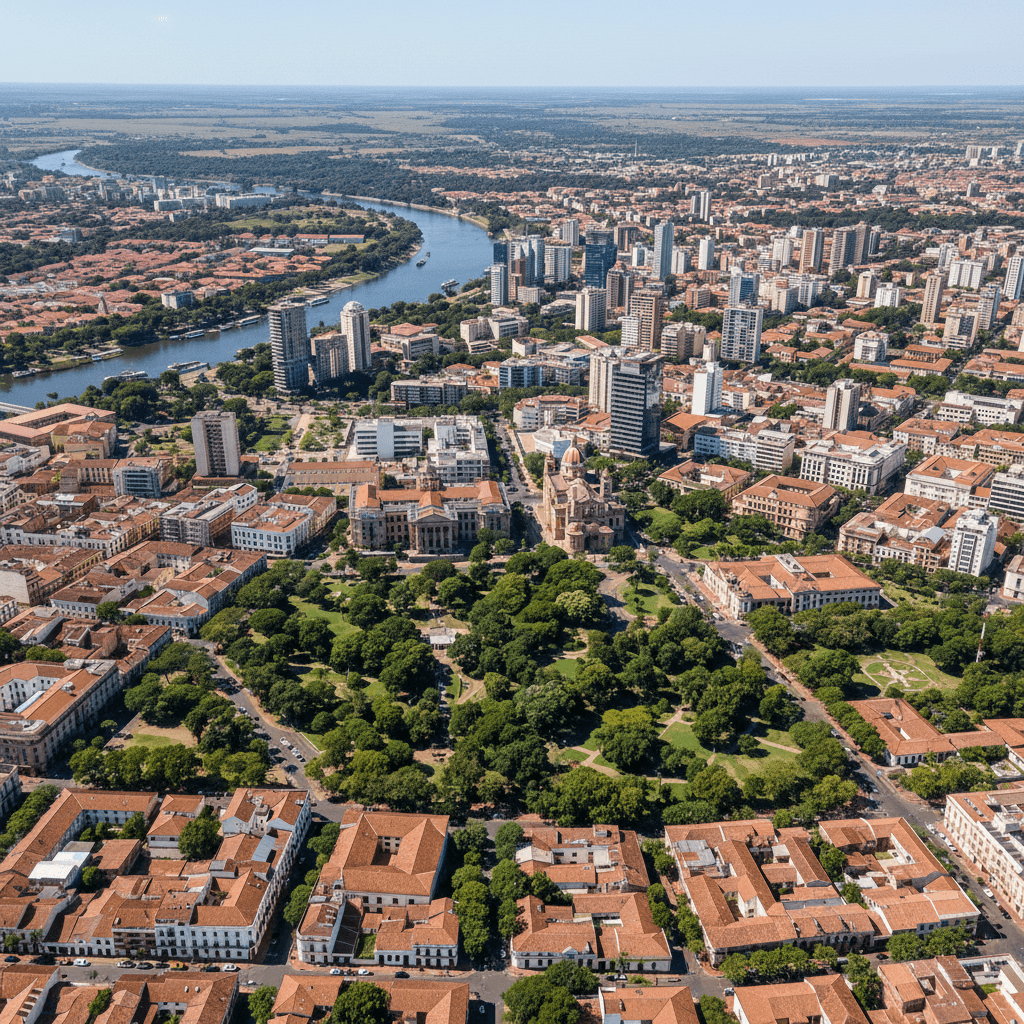
San Bernardino, or simply "San Ber" to the locals, feels like a curious piece of Central Europe that drifted into the heart of South America and decided to stay for a permanent vacation. Founded by Swiss and German immigrants, this lakeside town trades the chaotic energy of nearby Asunción for manicured streets, colonial architecture, and a resort-like atmosphere. It is the playground of Paraguay's elite, meaning the infrastructure is solid and the streets are remarkably safe and walkable.
The vibe here is deeply seasonal. Between December and February, the town explodes with life as Asunción residents flee the heat. The streets are filled with pop-up events, the bars are packed until sunrise, and a general holiday euphoria takes over. Outside of these months, particularly from May to September, San Ber settles into a sleepy, almost ghostly quiet. For a nomad, this means you’ll have the run of the place, but you might find your favorite restaurant shuttered until the spring. It is less of a "hustle culture" hub and more of a place to decompress, focus on a deep-work project, or enjoy a slow-paced lifestyle with a higher standard of living than you’d find for the same price elsewhere.
The Nomad Reality Check
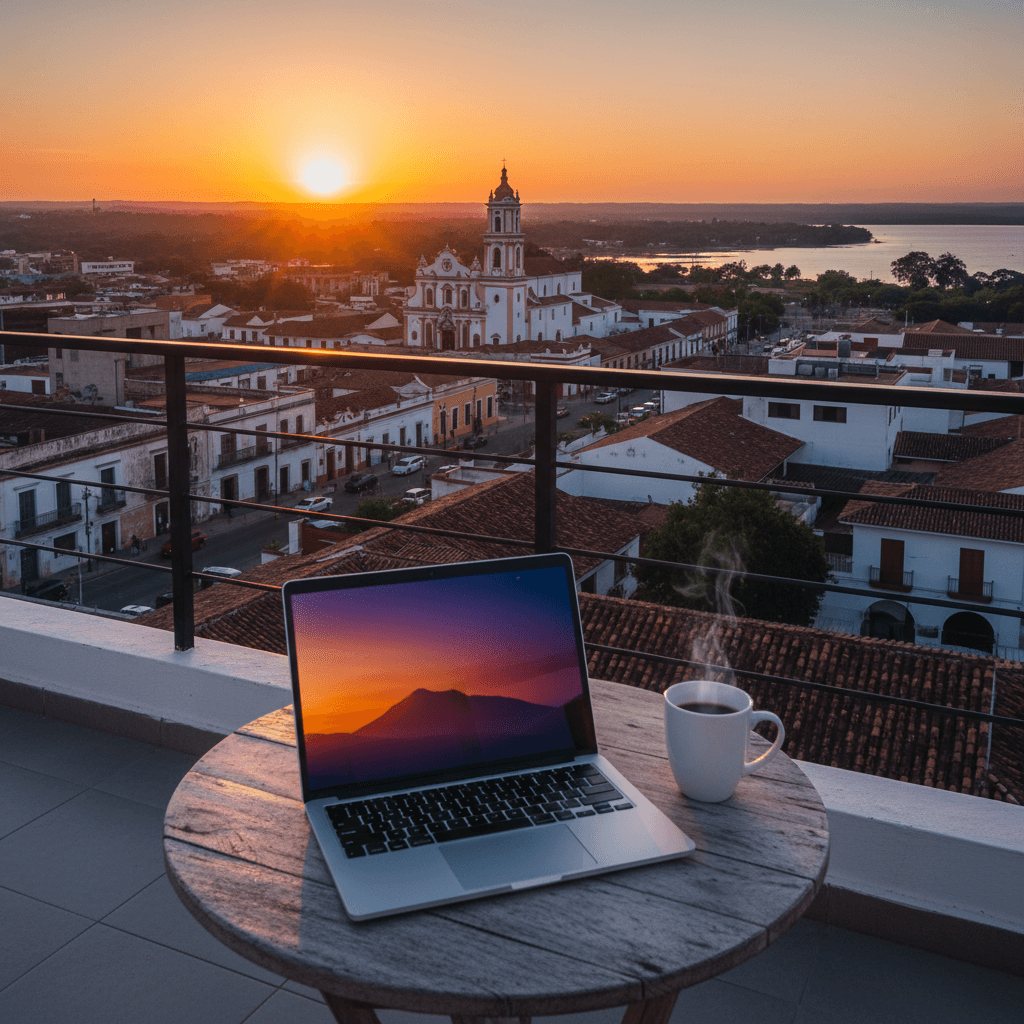
While San Ber is visually stunning, it comes with a few quirks that travelers should know before booking a long stay. The town sits on the shores of Lake Ypacaraí, which is famous for its blue-green beauty but unfortunately suffers from significant pollution. You’ll see people strolling the Costanera promenade and enjoying the sunset views, but most expats and locals skip the swim in favor of private pools.
The digital nomad community here is small and leans toward an older, more established expat crowd. You won't find a dedicated coworking space in town yet; instead, you’ll be working from your rental’s fiber connection or tucking into a corner at a cafe near Plaza Bernardino Caballero. It’s an ideal spot if you want to be near the capital’s growing nomad scene without being trapped in its traffic. Most nomads treat San Ber as a weekend retreat or a base for a few months of quiet living while taking advantage of Paraguay’s generous 0% foreign income tax policies.
Neighborhoods & Living
The town is compact enough that you can walk across the main hub in about 15 minutes. Most nomads and short-term visitors gravitate toward the area between Plaza Bernardino Caballero and Playa la Rotunda. This is the heart of the action where the best restaurants and bars are concentrated.
- The Central Core: This is the most walkable part of town. You’re steps away from the lakefront and the seasonal nightlife.
- Rent: $400 to $700 for a 1BR or studio.
- Vibe: Lively in summer, very quiet in winter.
- Residential Downtown: Just a few blocks back from the water, the houses get larger and the atmosphere becomes more family-oriented.
- Rent: $800+ for larger villas or modern apartments.
- Vibe: Peaceful, safe, and leafy.
Cost of Living Snapshot
Paraguay remains one of the most affordable corners of South America. While San Ber is "expensive" by local standards because of its resort status, it is still a bargain for those earning USD or Euros. A total monthly budget of $1,000 to $1,200 allows for a very comfortable lifestyle, while $2,000 puts you in the luxury tier.
- Local Meals: $3 to $5 for street food like empanadas or chipa.
- Mid-range Dining: $8 to $12 for a sit-down dinner with Paraguay’s famous beef.
- Groceries: $200 to $300 per month for high-quality local produce and meats.
- Transport: Minimal. You’ll walk most places, but a bus to Asunción is only about $3 to $5.
If you're looking for a place to truly "disappear" for a few months while staying productive, San Ber offers a unique mix of European heritage and South American warmth. Just make sure to arrive with a Spanish translation app and a plan for the quiet winter months.
The Price of Paradise (and Seasonality)
San Bernardino is a unique beast in the Paraguayan market. While it shares the country's famous low-tax benefits and generally affordable baseline, it carries a "resort premium" that you won't find in the more industrial corners of the Cordillera. It's a town where wealthy Asunción families maintain weekend estates, meaning prices for high-end rentals and dining can spike during the peak summer months of December through February.
For most digital nomads, a monthly budget of $1,200 to $1,800 provides a very comfortable lifestyle. If you're living like a local and sticking to the budget tier, you can get by on $800 to $1,200, though this requires more self-catering and staying away from the flashy lakeside grills. Expats who want the full "Swiss colony" experience with a modern villa and frequent dining out should plan for $2,000+ per month.
Housing and Neighborhood Costs
The real estate market here is highly seasonal. If you're looking for a short-term rental in January, expect to pay double what you'd pay in July. Most nomads find the best value by securing a semi-long-term lease in the walkable core between Plaza Bernardino Caballero and Playa la Rotunda.
- Central Studio/1BR Apartment: Expect to pay between $400 and $700 per month for a modern unit with reliable power and fiber internet.
- Mid-range 2BR House: Larger homes or villas further from the lakefront typically rent for $800 to $1,200.
- Utilities: Electricity is generally cheap in Paraguay, but heavy AC use in the 35°C summer heat can add $50 to $100 to your monthly bill.
Dining and Groceries
Paraguay is a meat-lover's dream, and San Ber is no exception. You can find world-class beef for prices that feel like a mistake. While street food like chipa or empanadas will only set you back $3 to $5, the town's European heritage means you also have access to high-quality bakeries and mid-range bistros.
- Street Food/Quick Lunch: $3 to $6 for local staples.
- Mid-range Dinner: A solid meal with a drink at a downtown restaurant costs $8 to $12.
- Upscale Dining: A high-end steakhouse dinner with wine will rarely exceed $25 to $35 per person.
- Groceries: A weekly shop for one person usually runs about $40 to $60, depending on how many imported German items you toss in the cart.
Connectivity and Transport
Since the downtown area is incredibly compact, your transport costs will be negligible. Most people simply walk or use the local buses that run to Asunción for about $3 to $5. Uber is hit-or-miss here, so don't rely on it for late-night airport runs; a private taxi to the capital usually costs $20 to $40.
For your digital setup, skip the international roaming. Expats recommend grabbing a local SIM from Tigo or Personal. You can get a starter pack with a healthy data allowance for $10 to $20. Since there aren't formal coworking spaces in town yet, you'll be working from your rental or local cafes, so factor in a few extra dollars for daily coffees.
The Winter Discount
It's important to remember that from May to September, San Ber enters a deep slumber. While many restaurants close their doors, this is the best time to negotiate rent. If you don't mind the quiet and the cooler 15°C nights, you can often find high-end lakeview properties for 30% to 40% less than the summer asking price. Just keep in mind that the "lifestyle" value drops significantly when the social scene migrates back to Asunción.
For Nomads and Solo Travelers
If you are coming to San Ber to work, you want to be exactly where the action is. The sweet spot is the compact corridor between Plaza Bernardino Caballero and Playa la Rotunda. This is the town's heartbeat, where the majority of the cafes and bars are clustered. Most nomads choose this area because it is the only part of town that remains truly walkable; you can grab a morning coffee, hit a lakeside restaurant for lunch, and find a bar for an evening Pilsen without ever needing a car.
Expect to pay between $400 and $700 for a decent one bedroom apartment in this central hub. While there are no dedicated coworking spaces yet, the cafes around the plaza are accustomed to people with laptops during the summer months. The main drawback here is the seasonality. If you visit between May and September, you will find a ghost town where many of the best spots are shuttered. Stick to the December to February high season if you want the social energy that makes the lake pollution easier to ignore.
For Expats and Long-Term Residents
Expats looking for a more permanent base usually gravitate toward the Broader Downtown area, just a few blocks back from the immediate waterfront. This area feels less like a vacation rental zone and more like a proper neighborhood. It retains the Swiss and German architectural influences that give San Ber its unique character, with cobblestone streets and lush, shaded lots. It is significantly quieter than the plaza area but still safe enough for evening strolls.
Living here allows you to take advantage of Paraguay's 0% foreign income tax while enjoying a lifestyle that feels much wealthier than the $1,000 to $1,500 monthly budget suggests. Expats recommend this area because it offers a buffer from the loud summer parties while keeping you within a 10 or 15 minute walk of the supermarket and pharmacies. It is a refined, slow-paced life that suits those who have outgrown the chaos of nearby Asuncion.
For Families
Families generally prefer the residential outskirts or the gated villas slightly removed from the Costanera. These areas offer more space, private pools, and a secure environment for kids. The vibe is decidedly wholesome; you will see local families biking together or heading to the lake for sunset views. Since the lake itself is often too polluted for swimming, having a house with a pool is a non-negotiable for most families staying here through the 30°C+ summer heat.
The infrastructure is solid for family life, with reliable fiber internet and easy access to healthcare in the capital, which is less than one hour away. While the town is small, the safety levels are high by Latin American standards. Most families find that a budget of $2,000 per month provides a very comfortable lifestyle, including a larger home and frequent dining out at the mid-range restaurants where a meal usually runs about $10 per person.
Neighborhood Comparison at a Glance
- Central Plaza (Nomads/Solo): Best for walkability and social life. Rent is $400 to $700. Pros: Near bars and cafes. Cons: Noisy in summer, dead in winter.
- Upper Downtown (Expats): Best for long-term stays. Rent is $600 to $900. Pros: Quiet, historic feel, very safe. Cons: Requires more walking to reach the water.
- Residential Perimeter (Families): Best for space and privacy. Rent is $800 to $1,200+ for houses. Pros: Private pools, low traffic. Cons: Requires a car or bike for errands.
If you are looking for a dedicated coworking space with ergonomic chairs and networking mixers, San Bernardino will test your patience. This is a resort town first and a digital hub second. While the infrastructure is surprisingly robust for a lakeside escape, the "laptop lifestyle" here is largely self-managed and centered around the downtown cafe scene.
Internet Reliability and Speed
The good news is that fiber optic internet has become the standard in the urban core. Most modern rentals and boutique hotels between Plaza Bernardino Caballero and Playa la Rotunda offer reliable connections that can handle video calls and heavy uploads without much fuss. While specific speed tests vary by provider, you can generally expect stable service that mirrors the quality found in Asunción.
The catch is the seasonal load. During the high season from December to February, the influx of thousands of visitors from the capital can occasionally strain local bandwidth. If you are working on a tight deadline during a summer weekend, it is wise to have a backup plan ready.
Coworking and Laptop-Friendly Cafes
As of now, there are no formal coworking spaces within San Bernardino. The nomad community here is small and tends to be more transient or integrated into the expat scene. Most professionals based here long-term choose to work from home or commute to Asunción, which is less than an hour away, to access established coworking spaces in the city.
For a change of scenery, the downtown area offers several cafes where you can log a few hours of work. The vibe is relaxed, and as long as you are ordering coffee or lunch, most owners won't mind you staying for a session. Keep in mind that during the winter months from May to September, many of these establishments reduce their hours or close entirely, so always check if they are open before you walk across town.
Mobile Data and SIM Cards
A local SIM card is your best friend here, especially if you plan on exploring the outskirts where Wi-Fi becomes spotty. The "Big Three" providers in Paraguay offer excellent coverage in the San Ber area:
- Tigo: Generally considered the most reliable for data coverage across the country.
- Personal: Often has competitive data packages and strong speeds in urban centers.
- Claro: A solid alternative with widespread availability.
You can pick up a starter SIM at almost any small kiosk or pharmacy for about $10 to $20. Data plans are incredibly affordable by international standards; $20 to $30 a month will usually get you more than enough data to tether your laptop if the house Wi-Fi goes down. You will need your passport to register the chip at an official store for long-term use.
Practical Remote Work Tips
Because San Ber is a cash-heavy society and card machines can be temperamental, always keep enough local currency (Guaraní) on hand to pay for your coffee or lunch if the terminal loses connection. If you require a professional office environment for a day, the bus to Asunción costs roughly $3 to $5 and runs frequently, making it easy to head into the city for a "power work day" before returning to the lake for the evening.
Most nomads find that the best strategy is to secure an Airbnb with verified speed tests before arrival. Since the town is built for relaxation, you will have to be disciplined to stay productive when the sun is out and the lakeside bars start filling up.
General Safety
San Bernardino is widely considered one of the safest spots in Paraguay. Because it functions as a high end retreat for wealthy families from Asunción, the town maintains a polished, secure atmosphere that you won't always find in the capital. You'll notice a significant private security presence around the gated villas and upscale lakeside properties, which contributes to the low crime rate.
Violent crime is extremely rare here. Most nomads and expats feel perfectly comfortable walking between the Plaza Bernardino Caballero and Playa la Rotunda after dark. That said, don't let the relaxed resort vibe make you careless. Petty theft like phone snatching can happen, especially during the peak summer months of December to February when the town is packed with tourists. Keep your belongings close when you're hanging out at the crowded beach bars or public promenades.
- Solo Travelers: You'll likely feel very safe here. The community is tight knit and people generally look out for one another.
- Walking at Night: The central core is well lit and active during the high season, making it safe for late night strolls back to your rental.
- Scams: There aren't many sophisticated scams targeting foreigners, though you should always confirm taxi prices before getting in since apps like Uber are hit or miss here.
The Lake Ypacaraí Situation
The biggest "safety" concern in San Ber isn't crime; it's the water. Lake Ypacaraí has suffered from significant pollution for years, often resulting in high levels of blue green algae. While it looks beautiful from a distance, locals and long term expats generally advise against swimming in it. During certain times of the year, the smell can be quite strong, and the water may even be officially cordoned off by health authorities.
Most nomads stick to the pools at their apartment complexes or local hotels. If you're looking for water sports, stick to boating or paddleboarding on the surface, but try to avoid direct contact with the water unless there's a recent "all clear" from the local municipality.
Healthcare & Medical Services
For minor ailments, San Ber is well equipped. You'll find several 24 hour pharmacies (Farmacias) downtown that stock most standard medications without a fuss. Many pharmacists speak a little English and can help with basic first aid or over the counter needs.
For anything serious, you'll likely need to head to Asunción. The capital is less than an hour away and houses the country's best private hospitals, such as Sanatorio Migone and other top private hospitals. These facilities offer international standards of care, and many doctors there were trained in the US or Europe. Expats living in San Ber almost always maintain private health insurance, which is surprisingly affordable in Paraguay and grants you access to these top tier private clinics.
- Emergency Number: Dial 911 for police or medical emergencies.
- Food Safety: Tap water is generally not recommended for drinking. Stick to bottled water, which is cheap and available at local supermarkets or kiosks.
- Vaccinations: While no specific shots are required for San Ber, travelers often ensure they're up to date on Hepatitis A and Typhoid before arriving in Paraguay.
Practical Health Tips
The Paraguayan sun is brutal, especially during the humid summer months. Heat exhaustion is a genuine risk for those not used to the subtropical climate. Locals stay indoors during the peak heat of the afternoon, usually between 12:00 PM and 4:00 PM. If you're out and about, carry water and wear high SPF sunscreen; the "wealthy feel" of the town doesn't protect you from a 40°C (104°F) afternoon.
Mosquitoes can also be a nuisance, particularly near the lake. While San Ber isn't a high risk malaria zone, Dengue fever does pop up periodically in Paraguay. Using repellent during the early morning and evening hours is a smart habit to get into.
The Walkability Factor
San Bernardino is one of the few places in Paraguay where your own two feet are actually your primary mode of transport. The downtown core, stretching between Plaza Bernardino Caballero and Playa la Rotunda, is incredibly compact. You can cross the main hub of restaurants and shops in about 15 minutes. Most nomads find that if they book a rental within this central radius, they rarely need to worry about wheels for daily life.
The Costanera promenade is the crown jewel for pedestrians. It is a flat, scenic stretch perfect for sunset walks or morning jogs. While the lake itself is often too polluted for a swim, the paved paths alongside it remain the social heart of the town, especially during the high season from December to February.
Arriving from Asunción
Most travelers touch down at Silvio Pettirossi International Airport (ASU). Since San Ber is only about 45 to 60 minutes away, getting to your lakeside base is straightforward. A private taxi or a pre-arranged transfer typically costs between $20 and $40. If you are watching your budget, you can take a local bus from the main terminal in Asunción for roughly $3 to $5. These buses are frequent, though they can get packed with weekenders during the summer heat.
Ride-Hailing and Apps
While Uber and Muv (the local favorite) dominate the streets of Asunción, they are much thinner on the ground in San Ber. You might find a driver during the busy summer weekends when the capital crowd migrates to the lake, but don't count on them for a 3:00 AM airport run in the middle of July. Expats usually keep a few trusted local taxi numbers in their WhatsApp contacts just in case. If you do use the apps, be aware that many drivers prefer cash, as international credit card processing can still be hit or miss in smaller towns.
Cycling and Two-Wheels
The town is moderately bike-friendly thanks to its relatively flat terrain and slower pace of life compared to the capital. During the summer, you will see pop-up rental stands near the lakefront. It is a great way to explore the quieter residential streets where the old German-style villas are tucked away. Just keep in mind that outside of the main promenade, dedicated bike lanes are non-existent, so you will be sharing the asphalt with local traffic.
Regional Connectivity
San Ber serves as a great launchpad for exploring the Cordillera Department. If you want to see the artisan shops in Areguá or the church in Caacupé, you will likely want to rent a car for the day. Having your own vehicle is the only way to truly explore the surrounding hills and hidden waterfalls, as public transport between the smaller villages is slow and geared toward locals rather than tourists. For those staying long-term, having a car is almost a requirement if you plan to frequently commute into Asunción for coworking spaces or specialized healthcare.
- Airport Taxi: $20 to $40 for a 45 minute trip.
- Local Bus: $3 to $5 from Asunción.
- Walking: 0$ and the best way to see the central district.
- Car Rental: Recommended for day trips to Areguá or Caacupé.
The Linguistic Landscape
In San Bernardino, your linguistic experience depends entirely on the season. During the peak summer months of December to February, the influx of wealthy residents from Asuncion brings a higher concentration of English speakers to the lakeside cafes and bars. However, for the rest of the year, Spanish is the undisputed king of communication. While the town has deep roots in Swiss and German immigration, don't expect to hear much German on the streets today; that heritage is mostly reflected in the architecture and family names rather than current speech patterns.
Paraguay is a bilingual nation where Spanish and Guarani hold equal status. In San Ber, you'll hear a rhythmic blend of the two known as Jopara. While locals will almost always address a foreigner in Spanish, learning a few Guarani words like Aguyje (thank you) or Iporã (it is good) goes a long way in building rapport with shopkeepers and service staff. Most expats find that English proficiency remains low to moderate among the general population, so having a functional grasp of Spanish is a prerequisite for living here comfortably.
Digital Tools and Translation
Since English isn't widely spoken outside of high end hotels or specific expat circles, you'll need to lean on technology. Most nomads and long term travelers rely on Google Translate, particularly the camera feature for deciphering menus at local eateries around Plaza Bernardino Caballero. For more nuanced conversations or administrative tasks, DeepL tends to handle the local Spanish dialect with slightly more accuracy.
- WhatsApp: This is the primary mode of communication for everything. Whether you're booking a table, asking a landlord about a rental near Playa la Rotunda, or coordinating with a taxi driver, you will do it via WhatsApp.
- Voice Notes: Paraguayans love voice notes. If you're messaging a local, don't be surprised if they reply with a thirty second audio clip instead of text.
- Language Apps: While Duolingo is fine for basics, many expats recommend BaseLang for intensive Spanish prep before arriving, as the local accent can be fast and full of regional slang.
Essential Phrases for Daily Life
You don't need to be fluent to get by, but you should have these basics committed to memory. Expect to pay in cash at many smaller spots, so numbers are particularly important. Prices for a quick street food snack usually run between $3 and $5, while a mid range dinner will cost you about $10, and you'll want to be able to handle those transactions smoothly.
- ¿Cuánto cuesta?: How much does it cost?
- ¿Aceptan tarjeta?: Do you accept cards? (Useful because many San Ber spots are cash only).
- La cuenta, por favor: The bill, please.
- ¿Dónde está...?: Where is...? (Essential for finding the bus stop back to Asuncion).
- Todo tranqui: Everything is chill. This is a very common local response to "How are you?" and fits the relaxed San Ber vibe perfectly.
Communication Etiquette
Socializing in San Bernardino is more formal than in many digital nomad hubs. When entering a small shop or a cafe, it is polite to greet the room with a general "Buenas" or "Buen día." Jumping straight into a question without a greeting is often seen as abrupt or rude. People here are generally patient with Spanish learners, but they appreciate the effort. If you're staying for the winter season from May to September, you'll find the town much quieter and the locals more open to longer chats, making it a great time to practice your conversation skills while the summer crowds are gone.
The High Season: December to February
If you want to experience San Bernardino at its peak, you have to arrive during the southern hemisphere summer. From December through February, the town transforms from a sleepy village into the social capital of Paraguay. Temperatures usually hover between 20°C and 30°C (68°F to 86°F), though heat waves can easily push the mercury higher. This is when the wealthy crowds from Asunción flock to their summer homes, and the local events calendar is packed.
For digital nomads, this is the only time the town feels truly "alive." The restaurants around Plaza Bernardino Caballero and the bars near Playa la Rotunda stay open late, and the energy is infectious. However, this popularity comes with a price. Expect accommodation rates to spike, and you'll need to book your stays well in advance. If you're looking for networking or a social scene, this is your window.
The Shoulder Season: March to April and October to November
Many long term expats prefer the shoulder months. The humidity of mid-summer breaks, but the weather remains warm enough for outdoor dining and lakeside walks. During October and November, you'll encounter the rainy season, which brings heavy but usually brief subtropical downpours. It's a trade off: the landscape becomes incredibly lush and green, but you'll want to ensure your rental has reliable drainage and a good roof.
The pace during these months is significantly slower. You won't find the same level of event programming as in January, but the core infrastructure remains functional. It's a great time for focused deep work, as the distractions of the summer party scene fade away while the weather stays pleasant.
The Off-Season: May to September
Winter in San Ber can be a bit of a ghost town. From May to September, temperatures cool down to a mild 10°C to 20°C (50°F to 68°F). While it never gets truly "cold" by northern standards, the town enters a period of dormancy. Many of the best restaurants and seasonal boutiques simply shutter their doors until the heat returns.
Nomads often find this period frustrating. The lack of a year round community becomes very apparent, and the "resort" feel can start to feel a bit lonely. If you enjoy total solitude and don't mind a very limited selection of dining options, you can find some incredible deals on long term rentals during these months. Just be prepared for a very quiet lifestyle.
Practical Considerations for Your Visit
- Lake Conditions: Be aware that Lake Ypacaraí suffers from significant pollution. While the views from the Costanera are beautiful, most travelers and locals avoid swimming in the water regardless of how hot it gets in January.
- Air Conditioning: This is non negotiable if you visit during the summer. Paraguayan heat is intense, and you'll struggle to work without a high quality AC unit in your apartment.
- The Asunción Escape: Because San Ber is less than one hour from the capital, it's easy to retreat to Asunción if the seasonal closures in winter get too restrictive. Many nomads use San Ber as a weekend getaway rather than a full time base during the cooler months.
Ultimately, your experience will be defined by the calendar. If you want the "Swiss colony meets South American summer" vibe, aim for New Year's. If you want peace and cheap rent, wait for June.
Connectivity and Tech Setup
While San Bernardino doesn't have a dedicated coworking space yet, the infrastructure is surprisingly solid for a lakeside town. Fiber optic internet is the standard in the downtown core, and most rental villas or apartments between Plaza Bernardino Caballero and Playa la Rotunda offer reliable speeds for video calls.
For mobile data, grab a SIM card from Tigo or Personal. You can find these at small kiosks or pharmacies in the center. A starter plan with a decent data bucket usually runs between $10 and $20. If you need a professional office environment, the nomad hubs in Asunción are only 45 to 60 minutes away by car, making a weekly "city day" very doable.
Money and Budgeting
Paraguay is one of the most affordable corners of South America, and San Ber follows suit, though prices spike during the December to February high season. Most expats find they can live a very comfortable lifestyle on $1,200 to $1,800 per month. If you're on a tighter budget, $1,000 is doable if you cook at home and stick to local markets.
- Studio/1BR Apartment: Expect to pay $400 to $700 per month for something central and modern.
- Mid-range Dinner: A good meal with wine or beer typically costs $8 to $12.
- Street Food: Local favorites like chipa or empanadas are $3 to $5.
- Transportation: Walking is free, and the town is small enough that you'll rarely need a taxi.
Cash is still king here. While upscale restaurants and supermarkets take cards, many smaller shops and cafes prefer the Guaraní. Keep a stash of local currency on you, especially for weekend markets or quick snacks.
Getting Around
The downtown area is highly walkable. You can get from the main plaza to the waterfront promenade in about 15 minutes. For longer trips, local buses from Asunción are cheap, usually costing around $3 to $5. If you're coming straight from Silvio Pettirossi International Airport, a private taxi or transfer will cost between $20 and $40.
Cycling is a great way to see the town, especially along the Costanera. During the summer months, you'll find plenty of places to rent a bike for the day. Ride-hailing apps like Uber are hit-or-miss in San Ber, so don't rely on them for time-sensitive trips.
Health and Safety
San Bernardino is widely considered one of the safest spots in Paraguay. It has a wealthy, relaxed atmosphere that feels more like a European village than a South American city. Standard precautions apply, but you won't feel the same edge here as you might in larger metropolitan areas.
The biggest health "risk" is actually the lake itself. Lake Ypacaraí is unfortunately quite polluted; while it looks beautiful at sunset, locals and savvy travelers generally avoid swimming in it. Stick to the many hotel and villa pools for your cooling off. For medical needs, there are plenty of well-stocked pharmacies downtown, but for anything serious, you'll want to head to the high-quality hospitals in nearby Asunción.
When to Visit
Timing is everything in San Ber. If you want energy, parties, and open restaurants, visit during the summer peak from December to February. This is when the town truly comes alive. However, if you prefer peace and quiet, the shoulder seasons are lovely. Most nomads suggest avoiding the winter months of May through September, as many businesses close down and the town can feel a bit like a ghost town.
Language and Local Customs
Spanish is the primary language, though you'll hear plenty of Guaraní. English proficiency is generally low, so having a translation app and a few basic phrases ready is a smart move. The town has deep Swiss and German roots, which shows in the architecture and the occasional European-style bakery. It's a family-oriented place, so the nightlife is lively but rarely rowdy.
Need visa and immigration info for Paraguay?
🇵🇾 View Paraguay Country GuideEasy Landing
Settle in, no stress
Monthly Budget Estimates
More cities in Paraguay
Villarrica
🇵🇾 Paraguay
Ciudad del Este
🇵🇾 Paraguay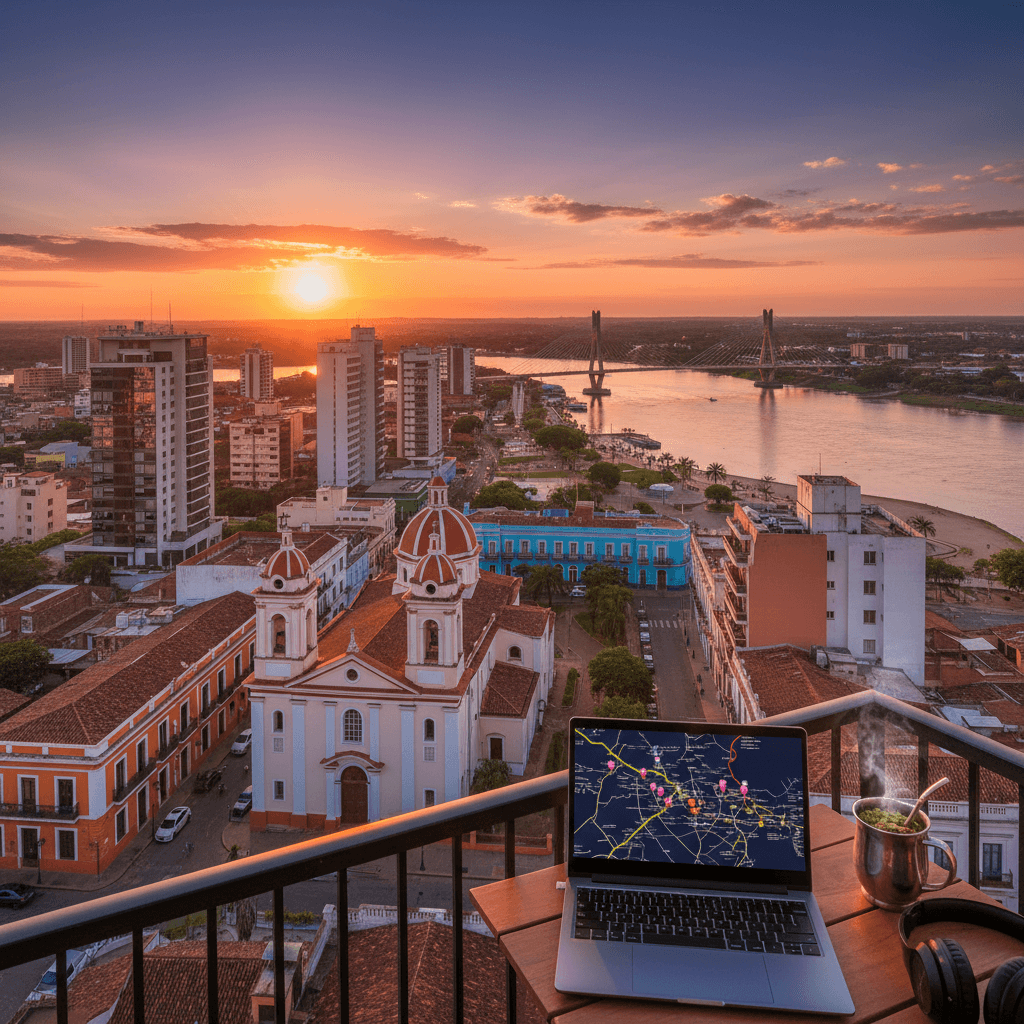
Encarnación
🇵🇾 Paraguay