Salvador
🇧🇷 Brazil
The Soul of Brazil
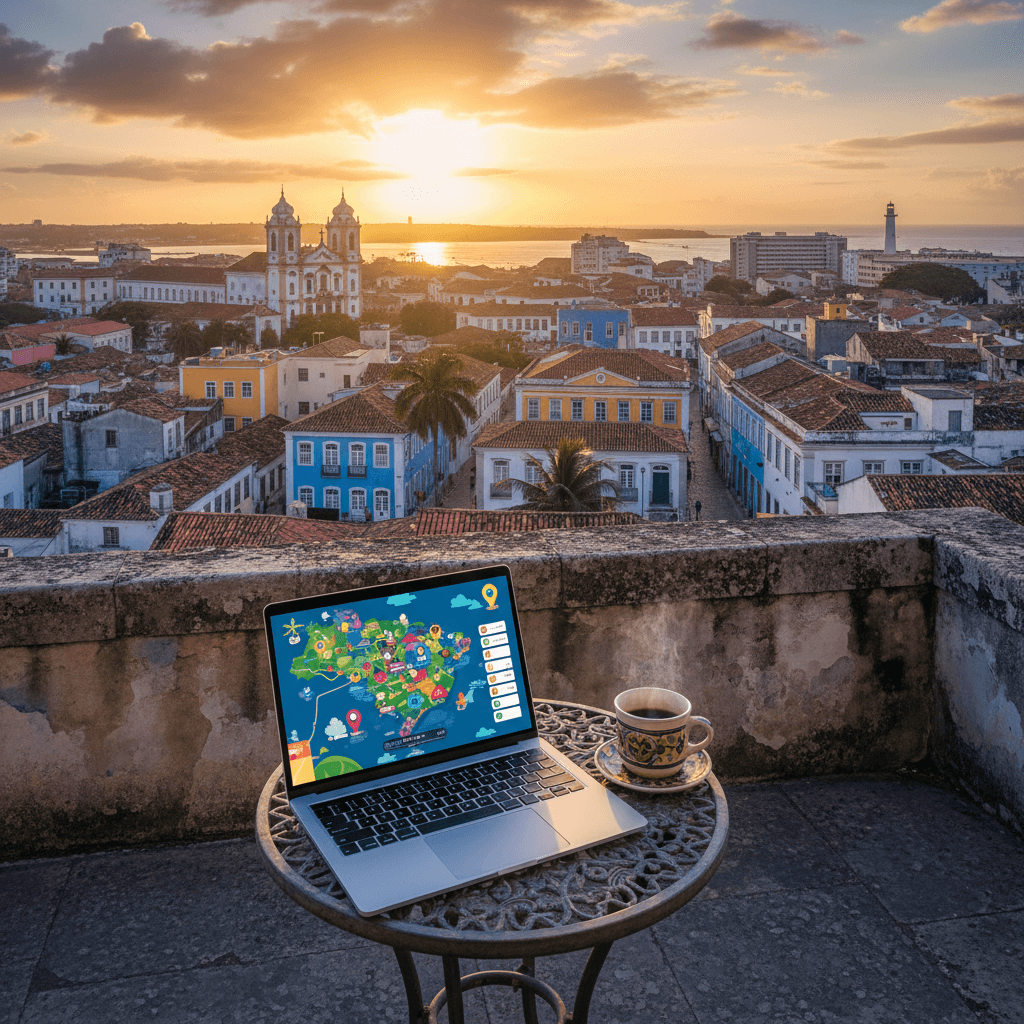
If São Paulo is Brazil's engine and Rio is its postcard, Salvador is its beating heart. This is the country's Afro-Brazilian capital, a place where the air smells of palm oil and sea salt, and the streets echo with the rhythmic crack of capoeira circles and samba drums. It doesn't have the polished, high speed infrastructure of Europe or the sleekness of Southern Brazil. Instead, it offers a raw, unfiltered authenticity that draws in nomads who are tired of the "same old" digital nomad hubs.
Living here feels slower. It's a city of "amanhã" (tomorrow), where the heat of the day dictates the pace of work. You'll find yourself trading air conditioned offices for breezy balconies in Rio Vermelho or watching the sunset over the Bay of All Saints after a focus session. It’s a sensory overload in the best way possible, though it requires a bit of grit to handle the occasional power flicker or the patchy 14 Mbps internet speeds found in older rentals.
The Nomad Experience
Most remote workers land here expecting a beach holiday but stay for the community. While the expat scene is smaller than in Medellín or Lisbon, it’s tight knit and deeply integrated with the local creative scene. You’ll likely spend your mornings at Hub Salvador in the Comércio district, a modern space that contrasts sharply with the nearby 17th century architecture. By 5:00 PM, the "vibe" shifts to the streets. People congregate around acarajé stalls, grabbing a deep fried bean fritter for 15 to 25 BRL and a cold beer to decompress.
It’s not all tropical bliss, though. You have to be "street smart" here. Petty crime is a reality, especially after dark in Pelourinho or on empty stretches of beach. Most expats rely heavily on Uber to get around after the sun goes down, even for short distances. If you can navigate the occasional infrastructure hiccup and the language barrier (English is rare), the reward is a lifestyle that's incredibly affordable and culturally profound.
Cost of Living Breakdown
Your budget goes a long way in Bahia. A comfortable lifestyle usually sits around $1,657 USD per month, though you can live for much less if you eat like a local and stay outside the luxury high rises.
- Housing: Expect to pay 2,500 to 4,000 BRL for a solid studio in Rio Vermelho. If you want the high end lifestyle in Barra, prices jump to 7,000 BRL or more for a modern one-bedroom.
- Food & Drink: A mid range dinner at a spot like Casa de Tereza will run you 40 to 80 BRL. A quick street food lunch is usually under 25 BRL.
- Connectivity: A monthly pass at a top tier coworking space like A Casa is about 800 to 1,500 BRL. Prepaid SIM cards from Vivo or Claro are cheap, usually 50 BRL for 10GB.
- Transportation: Uber rides across town are rarely more than 50 BRL. A monthly bus and metro pass costs roughly 200 BRL.
The Neighborhood Pulse
- Rio Vermelho: The bohemian soul of the city. It’s where most nomads live because of the nightlife, the walkability, and the concentration of creative studios. It's noisy on weekends, but that's part of the charm.
- Barra: The "safe" choice. It has the best urban beaches, two major malls, and a more polished feel. It's popular with families and those who want a softer landing in Brazil.
- Comércio: Once strictly a business district, it's becoming a tech hub. It’s home to Hub Salvador and offers lower rents, though it can feel a bit deserted and "industrial" once the offices close.
- Pelourinho: The historic center. It's stunningly beautiful with its pastel colonial buildings, but it's better for a weekend visit than a long term stay due to the crowds and security concerns at night.
When to Go
The weather is tropical and consistent, usually hovering between 25 and 30°C. However, the timing of your visit matters for your productivity. December to March is the peak of summer and the lead up to Carnival. The energy is electric, the sun is out, but the city is loud and expensive. If you actually need to get deep work done, the shoulder seasons are better. Avoid April through June unless you like heavy, tropical downpours that can last for days and occasionally disrupt the 14 to 55 Mbps WiFi signals.
The Monthly Bottom Line
Salvador is remarkably affordable compared to the heavyweights like São Paulo or Rio de Janeiro. Most nomads find they can live a high quality life here for around $1,657 per month. If you are sticking to a stricter budget, you can get by on $1,000 to $1,500 by sharing an apartment and hitting the street food stalls. For those who want more luxury, $2,200 and up gets you a modern high rise in Barra and plenty of nights out at upscale seafood spots.
Housing and Neighborhoods
Rent is your biggest variable, and the price swings wildly depending on whether you want historic charm or modern security. Short term rentals on Airbnb are common, but expats often look for local leases once they’ve settled in.
- Rio Vermelho: This is the creative heart of the city. A studio here typically runs between 2,500 and 4,000 BRL ($450 to $720). It is the go to spot for nomads who want to be near the nightlife and the beach without the tourist polish of Barra.
- Barra: If you want safety and proximity to malls and clean beaches, Barra is the choice. Expect to pay 4,500 to 7,000 BRL ($810 to $1,260) for an upscale one bedroom.
- Comércio and Pelourinho: These areas offer historic views and proximity to the Hub Salvador coworking space. Prices for a one bedroom range from 3,000 to 5,500 BRL ($540 to $990). While Pelourinho is beautiful, it can be tricky at night, so many long termers prefer the more industrial, revitalized vibe of Comércio.
Eating and Drinking
Food is where Salvador really shines for your wallet. You can eat like a king on a modest daily budget of 100 to 300 BRL. Street food is a way of life here; a filling acarajé from a street stall will cost you between 15 and 25 BRL ($2.70 to $4.50).
For a sit down meal at a mid range Bahian restaurant, you are looking at 40 to 80 BRL ($7 to $14). If you are heading out for a high end seafood dinner in Barra or a trendy spot like Casa de Tereza, expect the bill to land between 100 and 200 BRL ($18 to $36) per person. Groceries are also inexpensive if you stick to local markets for produce.
Connectivity and Workspace
Internet speeds in Salvador hover around 14 to 55 Mbps. It is enough for Zoom calls, but having a backup plan is a smart move. Many nomads budget for a dedicated workspace to ensure they stay productive.
- Hub Salvador (Comércio): A day pass is about 80 BRL ($14). It is the most professional setup in the city with reliable fiber and great networking opportunities.
- A Casa Coworking (Rio Vermelho): This spot has a more relaxed, creative energy. A weekly pass costs around 300 BRL ($54), while a monthly desk goes for 800 to 1,500 BRL ($144 to $270).
- Mobile Data: Grab a prepaid SIM from Claro or Vivo. 50 BRL ($9) usually gets you 10GB of data for 30 days. It is a cheap insurance policy for when your Airbnb WiFi decides to take a siesta.
Transport and Extras
Getting around is cheap if you use the right tools. Uber is the gold standard for safety and convenience, with most rides across town costing between 20 and 50 BRL ($3.60 to $9). If you are staying long term and want to use the bus or metro, a monthly pass is a steal at 200 BRL ($36).
For health, local pharmacies like Drogasil are everywhere and very affordable. If you need private healthcare, facilities like Hospital São Rafael are top notch. Most expats use Wise or Nubank to manage their money and avoid the high fees at traditional Brazilian ATMs. Just remember that while the cost of living is low, you should factor in the cost of a VITEM XIV Digital Nomad Visa if you plan to stay up to two years.
The Creative Pulse: Rio Vermelho
If you're a digital nomad or a solo traveler looking for the city's heartbeat, Rio Vermelho is where you'll likely land. It's the undisputed headquarters for the artsy crowd and remote workers. During the day, you'll find people working from A Casa Coworking, which has a solid creative vibe for around 300 BRL a week. By sunset, the neighborhood transforms into a social hub centered around acarajé stalls and live music.
Living here is relatively affordable compared to the more sterilized parts of town. You can snag a decent studio for 2,500 to 4,000 BRL a month. Most nomads love that they can walk to local beaches or grab a cheap beer at a corner bar, but keep your wits about you at night. Petty theft happens, so it's best to stick to well lit streets or hop in an Uber if you're moving between bars after midnight.
The Professional Hub: Comércio
For expats and entrepreneurs who need a more "office forward" environment, Comércio is seeing a massive resurgence. This isn't your typical residential neighborhood; it's an industrial and port district that's becoming a tech hotspot. It's home to Hub Salvador, the city's premier coworking space where a day pass runs about 80 BRL. The internet here is some of the most reliable in the city, often hitting those higher 55 Mbps speeds that are harder to find in older colonial buildings.
The perks include stunning historic views and some of the most competitive rent prices for modern 1BR apartments, often ranging from 3,000 to 5,500 BRL. The trade off is the "after hours" vibe. It feels a bit empty once the offices close, so you'll likely spend your weekends elsewhere. It's a strategic choice for those who prioritize deep work and networking over immediate access to nightlife.
Safety and Comfort: Barra
Families and comfort seekers usually gravitate toward Barra. It's the most "polished" version of Salvador, featuring upscale high rises, modern shopping malls, and the city's most iconic lighthouse. It feels significantly safer than other districts, making it a go to for those traveling with kids or anyone who wants a lower stress environment. You'll pay a premium for that peace of mind, with upscale 1BR apartments costing between 4,500 and 7,000 BRL.
- Pros: Highly walkable, family friendly beaches, and great infrastructure.
- Cons: It can feel very touristy and traffic during rush hour is a nightmare.
- Best for: Long term stays where reliability and safety are the top priorities.
The Cultural Core: Pelourinho
Short term travelers and culture junkies should spend their time in Pelourinho, the UNESCO protected historic center. It's a sensory explosion of pastel colonial buildings, capoeira circles, and the constant thrum of Olodum drums. You're steps away from the best museums and historic sites, but it's not the most practical place for a long term "work from home" setup. The thick stone walls of the old buildings are notorious for killing WiFi signals.
While the atmosphere is unmatched, safety is a real factor here. Travelers often report feeling perfectly fine during the day when the police presence is heavy, but the vibe shifts quickly after dark. If you stay here, never walk solo at night. Use Uber for even short distances to get back to your door. It's a great place to soak in the heritage for a week, but most expats eventually move toward the coast for a better quality of life.
Quick Area Comparison
- Rio Vermelho: Best for social nomads. Rent 2,500 to 4,000 BRL. High energy, artsy, and great nightlife.
- Barra: Best for families. Rent 4,500 to 7,000 BRL. Safe, beachy, and convenient.
- Comércio: Best for focused work. Rent 3,000 to 5,500 BRL. Modern offices and great views.
- Pelourinho: Best for history buffs. Short term stays. High culture but requires extra safety precautions.
Connectivity Realities
Internet in Salvador is a bit of a mixed bag. While the city is catching up to the tech standards of São Paulo, speeds still average between 14 and 55 Mbps. It's plenty for Slack, emails, and the occasional Zoom call, but you'll want a backup if you're handling heavy video uploads or high stakes presentations. Most nomads find that while home WiFi in Airbnbs can be spotty, the dedicated workspaces are rock solid.
For mobile data, don't rely on your home roaming plan. Grab a local SIM from Claro or Vivo as soon as you land. You can usually pick up a 10GB 30 day plan for around 50 BRL (about $9). If you prefer the digital route, Holafly offers eSIMs with unlimited data, though they're pricier than local options. Just keep in mind that signal strength can dip when you're deep inside the thick stone walls of historic Pelourinho buildings.
Top Coworking Spaces
If you need a professional environment to escape the humidity and stay productive, Salvador has a few standout spots that cater specifically to the remote crowd.
- Hub Salvador (Comércio): This is the heavyweight champion of the local scene. Located in the renovated port area, it's a massive, modern space with a startup energy. A day pass runs about 80 BRL ($14). It has excellent WiFi, ergonomic chairs, and frequent networking events. Plus, the views of the bay are a great perk during your coffee breaks.
- A Casa Coworking (Rio Vermelho): For a more creative and intimate vibe, head here. It's right in the heart of the neighborhood most nomads choose to live in. It feels less like a corporate office and more like a community hub. Expect to pay around 300 BRL ($54) for a weekly pass.
- Shopping Barra: If you're in a pinch, the major malls like Shopping Barra often have free or low cost work zones with decent AC and reliable power outlets.
Remote Work Friendly Cafés
Salvador isn't quite as cafe heavy as Medellín or Lisbon, but you can still find good spots to park your laptop for a few hours. The culture is generally relaxed, but it's polite to keep the coffee flowing if you're taking up a table.
- Coffeetown (Vitória): A favorite for expats and locals alike. It has a classic bistro feel, reliable internet, and some of the best cakes in the city.
- Pasta em Casa (Rio Vermelho): While primarily a restaurant, their bakery area is a cozy spot for a morning work session before the lunch rush kicks in.
- Solange Café: Located in Graça, this spot is quiet, charming, and has plenty of power outlets. It's perfect for when you need to focus without the noise of the more touristy areas.
Practical Workflow Tips
Power outages aren't common, but they do happen, especially during the heavy rains between April and June. Most seasoned nomads here keep a charged power bank and use their phone as a hotspot if the building WiFi flickers. If you're planning to work from a cafe in Rio Vermelho, try to wrap up by 5:00 PM. The neighborhood transitions quickly from a quiet work zone into a loud, lively nightlife hub, and focusing becomes nearly impossible once the music starts.
For those staying long term, the Digital Nomad Visa (VITEM XIV) is a great move. It allows you to stay for up to two years, giving you plenty of time to find the best WiFi corners in the city. You'll apply through the MigranteWeb portal, but make sure your income meets the $1,500 monthly requirement before starting the paperwork.
Safety Reality Check
Salvador is a city of high contrast. While it’s the beating heart of Afro-Brazilian culture, it requires a higher level of situational awareness than you might need in Lisbon or Mexico City. Most nomads feel perfectly fine during the day in neighborhoods like Barra or Rio Vermelho, but the vibe changes quickly after the sun goes down.
The golden rule here is simple: use Uber or 99 for every trip after dark, even if your destination is only four blocks away. Solo female travelers generally report feeling safe, provided they stick to well lit areas and keep their phones tucked away. If you are heading into the historic Pelourinho district, enjoy the architecture and music during the afternoon, but plan to head back to more residential areas once the crowds thin out at night.
Petty theft is the most common headache. To blend in, dress down. Leave the expensive jewelry and the latest iPhone in your apartment. If you need to check your GPS, duck into a pharmacy or a cafe rather than standing on a street corner. Expats often suggest carrying a "decoy" wallet with a small amount of cash and keeping your actual cards in a slim pocket or money belt.
- Emergency Numbers: Dial 190 for the police and 192 for an ambulance (SAMU).
- Walking: Stick to the seaside boardwalks in Barra and Ondina where foot traffic is heavy.
- Favelas: Avoid entering peripheral neighborhoods or steep hillside communities unless you are with a trusted local guide.
Healthcare and Medical Services
If you need medical attention, you’ll find that private healthcare in Salvador is excellent and surprisingly affordable for those earning in USD or Euros. The city is home to high quality facilities like Hospital São Rafael and Hospital Aliança, which are the go-to choices for expats and digital nomads. These private hospitals usually require upfront payment or proof of international insurance, but the level of care is on par with North American standards.
For minor issues, pharmacies are on almost every corner. Look for the Drogasil or Pague Menos chains. They are well stocked, and pharmacists can often provide advice or over the counter medication for common travel ailments. Most pharmacies are open late, and many in Barra operate 24/7.
While Brazil has a universal public system called SUS, it can be crowded and slow. It’s better to have a solid remote work insurance policy like SafetyWing or Genki that covers private hospital visits. You’ll likely pay around 300 to 500 BRL for a private consultation with a specialist if you don't have local coverage.
Health Tips for Your Stay
- Water: Don't drink the tap water. Stick to bottled water or use a high quality filter. Most apartments come with a "filtro" attached to the kitchen sink.
- Mosquitoes: Dengue can be a concern during the rainy season from April to June. Use repellent, especially if you’re staying near lush areas in Rio Vermelho.
- Sun Protection: The Bahian sun is intense. A bottle of decent sunscreen can cost 60 to 90 BRL, so you might want to pack your favorite brand from home.
Practical Safety Tech
Digital nomads here swear by Wise for managing money without carrying much cash. Most vendors, even the acarajé stalls on the street, accept "Pix" (the local instant payment system) or credit cards. Using your phone to pay via Apple Pay or Google Pay is often safer than pulling out a physical wallet. Just make sure your phone is secured with a wrist strap if you're taking photos in crowded spots like the Elevador Lacerda.
The Ride-Share Rule
In Salvador, your phone is your best friend for getting around. Uber and 99 are the most reliable ways to navigate the city, especially when you're moving between neighborhoods like Rio Vermelho and Barra. Rides are surprisingly affordable; a typical trip across town usually costs between 20 BRL and 50 BRL ($3.60 to $9). Most nomads use these apps almost exclusively after dark for safety, as walking between districts at night isn't recommended.
If you're coming from the airport (SSA), skip the aggressive taxi touts at the arrivals gate. An Uber to the city center or the beach districts will set you back about 50 BRL to 80 BRL and take anywhere from 30 to 60 minutes depending on the notorious Salvador traffic. It's a smoother, cheaper experience than negotiating with a cab driver who might not speak English.
Public Transit: Metro and Buses
The city has a modern, clean metro system that's a dream for avoiding gridlock, though its reach is somewhat limited for tourists. It's great for getting from the airport to certain hubs, but it doesn't service the coastal tourist heart like Barra or the historic Pelourinho directly. For those staying long-term, a monthly pass for the bus and metro costs around 200 BRL ($36).
- The Metro: Fast and safe, but check the map to see if it actually goes where you live.
- Buses: They go everywhere, but they can be confusing for newcomers. They're often crowded and require a bit of local knowledge to navigate the routes.
- Elevador Lacerda: This iconic Art Deco elevator connects the Lower City (Comércio) to the Upper City (Pelourinho). It costs mere cents and saves you a steep, sweaty climb.
Walking and Biking
Salvador is a city of hills and heat. While neighborhoods like Rio Vermelho are walkable within their own borders, trekking between districts on foot isn't always practical or safe. If you want some exercise, the beachfront has great paths. You'll see orange Bike Itaú stations scattered around the coast. Rentals are cheap, usually around 5 BRL for a 30 minute ride, and it's a fantastic way to cruise the Barra waterfront at sunset.
Logistics and Costs
Budgeting for transport is straightforward here. Most expats find that a mix of walking during the day and Ubers at night keeps their monthly spend low while maximizing safety. Here is a breakdown of what to expect:
- Short Uber ride: 15 to 25 BRL
- Airport transfer: 50 to 80 BRL
- Monthly transit pass: 200 BRL
- Bike rental: 5 BRL per half hour
One thing to keep in mind is that traffic in Salvador can be brutal during peak hours. If you have a meeting at Hub Salvador in Comércio or a flight to catch, give yourself an extra 30 minutes of buffer time. The city moves at a relaxed pace, but the cars definitely don't move at all during rush hour.
If you're planning to make Salvador your base, your first priority should be downloading an offline Portuguese pack on Google Translate. While Rio and São Paulo have pockets of English speakers, Salvador is a different beast. Outside of high end hotels in Barra or the tourist shops in Pelourinho, English proficiency is remarkably low. Most locals speak only Portuguese, and they speak it with a distinct, melodic Bahian accent that can even trip up people who learned their Portuguese in Lisbon or the south of Brazil.
The Language Barrier for Nomads
Living here isn't like living in a European nomad hub where you can get by with "please" and "thank you." You'll need the basics to handle daily life. Whether you're ordering an acarajé in Rio Vermelho or negotiating a late check out with an Airbnb host, expect to use translation apps frequently. Expats often find that while the language barrier is high, the locals are incredibly patient and will use hand gestures and smiles to help you through a conversation.
- Digital Nomads: Most find that a basic grasp of Portuguese is the difference between feeling like a tourist and actually integrating into the community.
- Coworking Spaces: At spots like Hub Salvador in Comércio, you'll find more English speakers among the tech and startup crowd, but the administrative staff may still prefer Portuguese.
- Social Life: Making local friends usually requires meeting them halfway. If you show even a small effort to speak the language, the "Soteropolitanos" (Salvador locals) will usually embrace you warmly.
Practical Communication Tools
Don't rely on your home SIM card roaming; it's often slow and unreliable. For seamless communication, nomads recommend picking up a local SIM or setting up an eSIM immediately. Having a working data connection is a safety requirement here, as you'll need it to call Ubers instead of walking alone at night.
- Local SIM Cards: Claro and Vivo are the top choices. You can grab a starter kit for about 50 BRL which usually includes 10GB of data for 30 days. You might need a CPF (Brazilian tax ID) to register some SIM cards, though many travelers find that larger kiosks in shopping malls can help foreigners bypass this with a passport.
- eSIM Options: If you want to skip the kiosk hassle, Holafly provides unlimited data plans for Brazil, though they can be pricier than local options.
- WhatsApp: This is the lifeblood of Brazil. Everything from booking a dentist appointment to ordering water delivery happens over WhatsApp. If a business has a phone number, assume they want you to text them there first.
Key Phrases to Know
You don't need to be fluent, but these few phrases will smooth over 90% of your daily interactions. Brazilians are polite and appreciate the effort.
- Tudo bem?: How are you? / Everything good? (The universal greeting).
- Obrigado (m) / Obrigada (f): Thank you.
- Quanto custa?: How much does it cost?
- Com licença: Excuse me.
- Você fala inglês?: Do you speak English? (Don't be surprised if the answer is "não").
The Bahian Vibe
Communication in Salvador is about more than just words. It's a high context culture where body language and tone matter. The pace of life is slower here than in the industrial south. If a waiter takes a few extra minutes or a meeting starts ten minutes late, it's just the local rhythm. Most expats find that adopting a "go with the flow" attitude makes communicating in Bahia much more enjoyable. If you're struggling, just remember that a friendly "Oi" goes a long way.
The Tropical Rhythm
Salvador lives in a state of perpetual summer, but the nuances of its tropical climate can make or break your productivity. Temperatures generally hover between 25°C and 30°C (77°F to 86°F) throughout the year. While the heat is consistent, the humidity and rainfall patterns shift enough to dictate when you should book your stay.
The High Season: December to March
This is when Salvador truly wakes up. The weather is dry, sunny, and perfect for working from a balcony in Rio Vermelho before heading to the beach. This period culminates in Carnival, usually in February or early March. It is an intense, high energy experience that draws millions of people.
- Pros: Best beach weather, peak cultural events, and the most social atmosphere for meeting other travelers.
- Cons: Prices for Airbnbs and short term rentals can double or triple. The city becomes incredibly crowded, and the noise levels in neighborhoods like Barra and Pelourinho make deep work nearly impossible.
- Nomad Tip: If you plan to be here for Carnival, book your accommodation at least four to six months in advance.
The Shoulder Season: September to November
Many long term expats consider this the sweet spot. The heavy rains have subsided, the city is less crowded than mid summer, and prices are far more reasonable. You can find a decent studio in Rio Vermelho for around 2,500 to 4,000 BRL without the holiday markup. The air is slightly cooler, which is a relief if your apartment doesn't have high end air conditioning.
The Rainy Season: April to July
If you are sensitive to humidity or rely on perfect infrastructure, you might want to avoid these months. May and June are notoriously wet, seeing frequent, heavy tropical downpours. While it rarely stays cold, the rain can cause localized flooding and make commuting to coworking spaces like Hub Salvador a bit of a trek.
- The Vibe: The city feels slower and more local. It is a great time for "deep work" phases where you don't mind being stuck indoors.
- Infrastructure: Keep in mind that heavy storms can occasionally interfere with the city's 14 to 55 Mbps average internet speeds, so having a backup data plan with Claro or Vivo is a must during these months.
What to Pack
Salvador is a casual city. You will rarely need anything more formal than a linen shirt or a light dress. Even in the "winter" months of July and August, you won't need a heavy jacket. A light windbreaker for rainy days and a pair of sturdy sandals for the cobblestones of Pelourinho are usually enough. Most nomads find that a good pair of noise canceling headphones is more important than any specific clothing item, given the city's love for loud music and street festivals.
Summary of Timing
- Best for Sun: January and February. Expect 30°C days and very little rain.
- Best for Budget: May through August. You will find the best deals on housing, though you'll deal with more gray skies.
- Best for Balance: October and November. Great weather, moderate prices, and a manageable number of tourists.
Connectivity and Workspace
Internet speeds in Salvador hover around 14 to 55 Mbps. While it's enough for Zoom calls and standard workflows, the city's infrastructure can be patchy during heavy tropical storms. Most nomads treat their phone data as a lifeline. You can pick up a Claro or Vivo SIM card for about R$50, which usually nets you 10GB of data for 30 days. If you're arriving from overseas and want to skip the kiosk lines, an eSIM like Holafly works well for immediate coverage.
For a dedicated office environment, Hub Salvador in Comércio is the gold standard. It’s got a professional startup energy and a day pass costs around R$80. If you prefer a more creative, relaxed atmosphere, A Casa Coworking in Rio Vermelho is a favorite for its weekly rates of roughly R$300. It's closer to the social action and the beach, making the "work" part of work-life balance feel a bit lighter.
Safety and Health
Salvador requires a higher level of situational awareness than many European or North American hubs. Stick to well lit, populated areas during the day. Locals and expats alike recommend avoiding the Pelourinho streets after dark and never walking alone in quiet alleys. Use Uber for almost every trip after sunset; it's cheap, reliable, and keeps you off the streets in transitional neighborhoods.
On the health front, the private medical system is excellent. Hospital São Rafael is one of the top facilities if you need serious care. Pharmacies like the Drogasil chain are on nearly every corner and stock most international brands. For emergencies, dial 192 for an ambulance or 190 for the police.
Getting Around the City
The city is geographically spread out, but individual neighborhoods like Rio Vermelho are quite walkable. For everything else, Uber and the 99 app are the primary ways to move. A typical ride costs between R$20 and R$50. The metro is clean and efficient, though its reach is limited for most tourist and nomad needs. If you want to stay active, Bike Itaú rentals cost about R$5 for a 30 minute ride along the coast. Getting from the airport (SSA) to the city center takes about 30 to 60 minutes and usually costs between R$50 and R$80 by car.
Money and Logistics
Brazil is moving rapidly toward a cashless society. You'll find that even street vendors selling acarajé often accept cards or Pix, the local instant payment system. However, keeping a Wise or Nubank account is the smartest way to manage your BRL without getting crushed by bank fees. Expect to pay a 10% service charge at restaurants, which is usually included in the bill.
- Visa Requirements: The Digital Nomad Visa (VITEM XIV) is valid for up to 2 years. You'll need to apply via the MigranteWeb portal and prove a monthly income of at least $1,500.
- Best Time to Visit: Aim for December to March for peak sunshine and Carnival energy.
- Rainy Season: April through July brings heavy downpours that can disrupt travel plans and outdoor coworking.
- Language: English is rarely spoken outside of high end hotels. Download Portuguese for offline use on Google Translate before you land.
Cost Comparison by Neighborhood
Your monthly budget will shift significantly depending on where you plant your flag. Most comfortable nomads spend around $1,657 per month for a well rounded lifestyle.
Rio Vermelho
- Vibe: Artsy, nightlife focused, and central.
- Monthly Rent: R$2,500 to R$4,000 for a studio.
- Daily Meals: R$40 to R$80 for local Bahian plates.
Barra
- Vibe: Upscale, safe, and very close to the beach.
- Monthly Rent: R$4,500 to R$7,000 for a modern 1BR.
- Daily Meals: R$100 to R$200 for high end seafood.
Comércio
- Vibe: Business focused with great coworking access.
- Monthly Rent: R$3,000 to R$5,500 for a renovated apartment.
- Daily Meals: R$30 to R$60 for executive lunch specials.
Need visa and immigration info for Brazil?
🇧🇷 View Brazil Country GuideHidden Gem
Worth the effort
Monthly Budget Estimates
More cities in Brazil
Campinas
🇧🇷 Brazil
São Paulo
🇧🇷 Brazil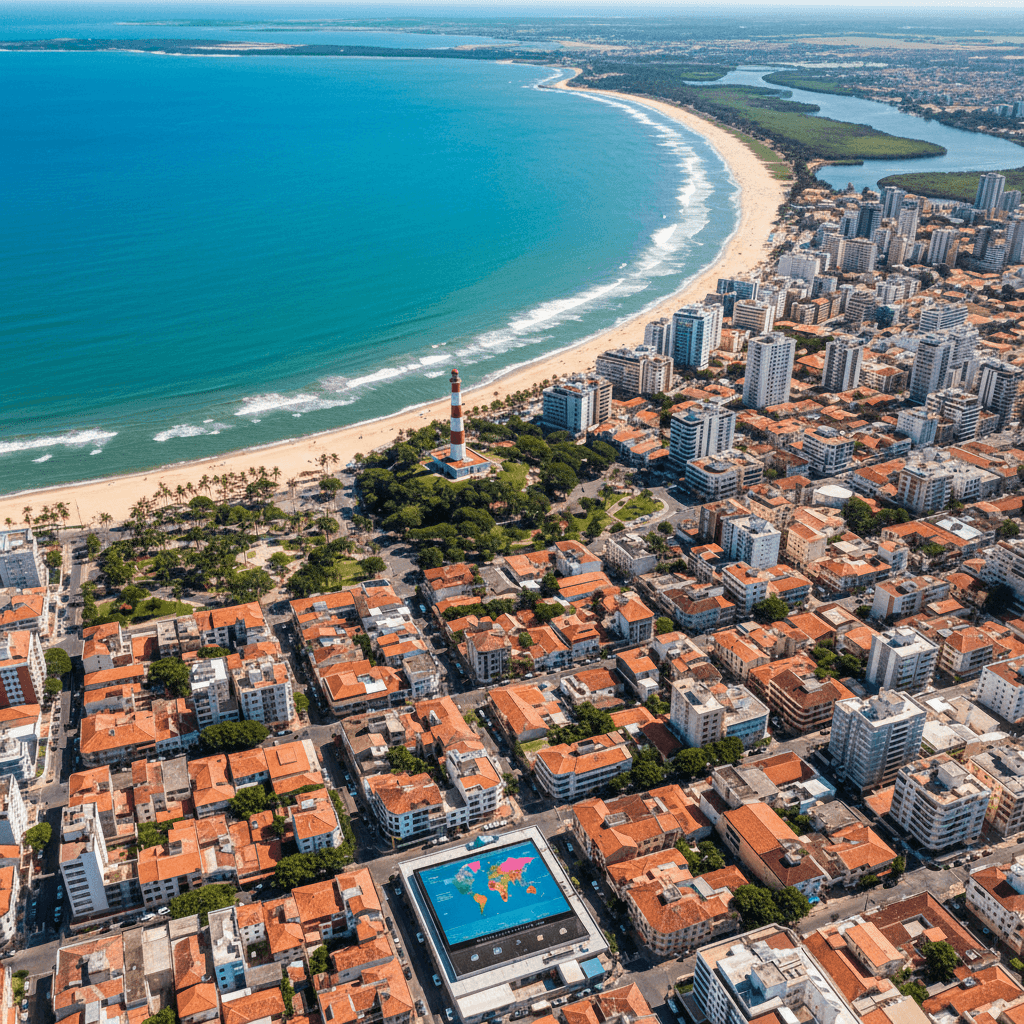
Maceió
🇧🇷 Brazil