Salto
🇺🇾 Uruguay
The Authentic Riverside Retreat
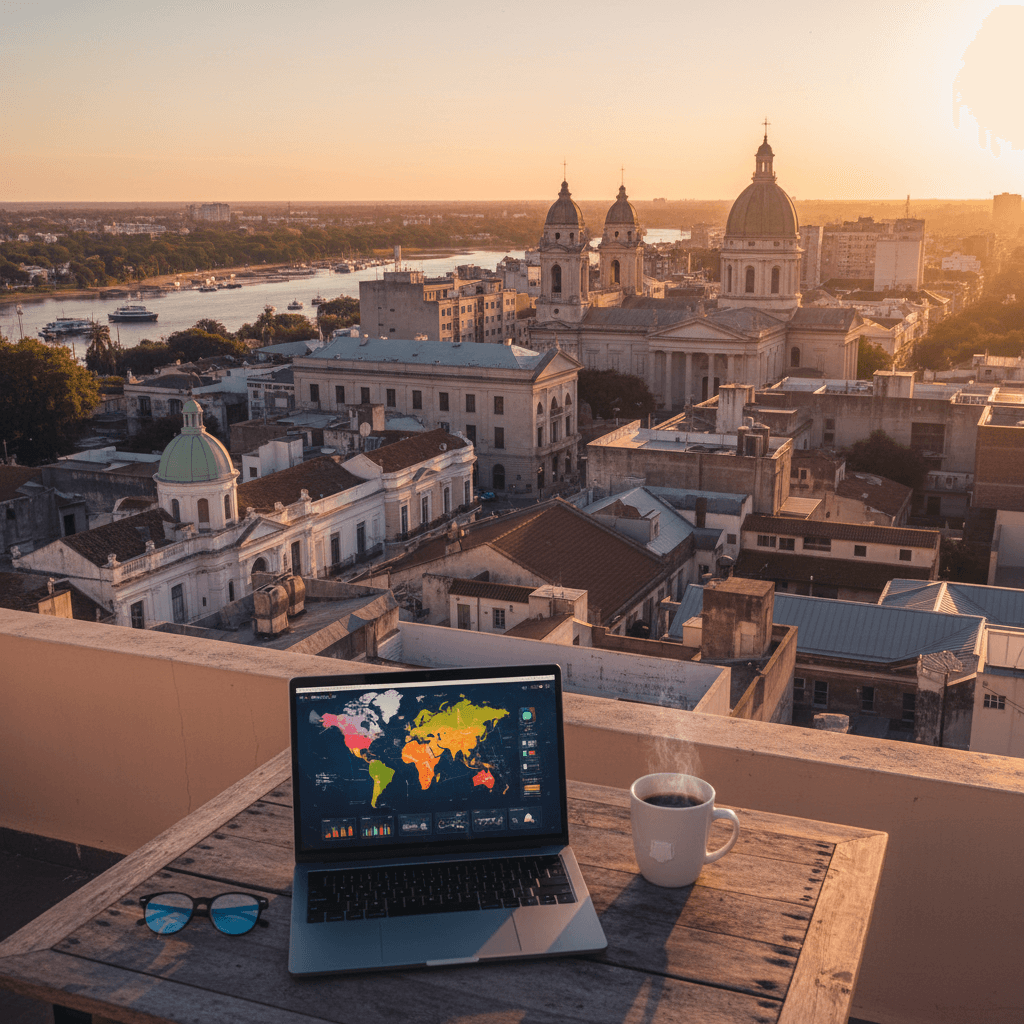
If you're looking for the flashy coastal energy of Punta del Este or the cosmopolitan weight of Montevideo, Salto isn't it. Instead, this northwest riverside city offers a slow, provincial rhythm that feels like a deep breath. It’s a place defined by the Uruguay River and the steam rising from its famous thermal springs. Nomads who land here usually do so because they want to trade the urban grind for a focused, quiet environment where the cost of living feels like a throwback to a decade ago.
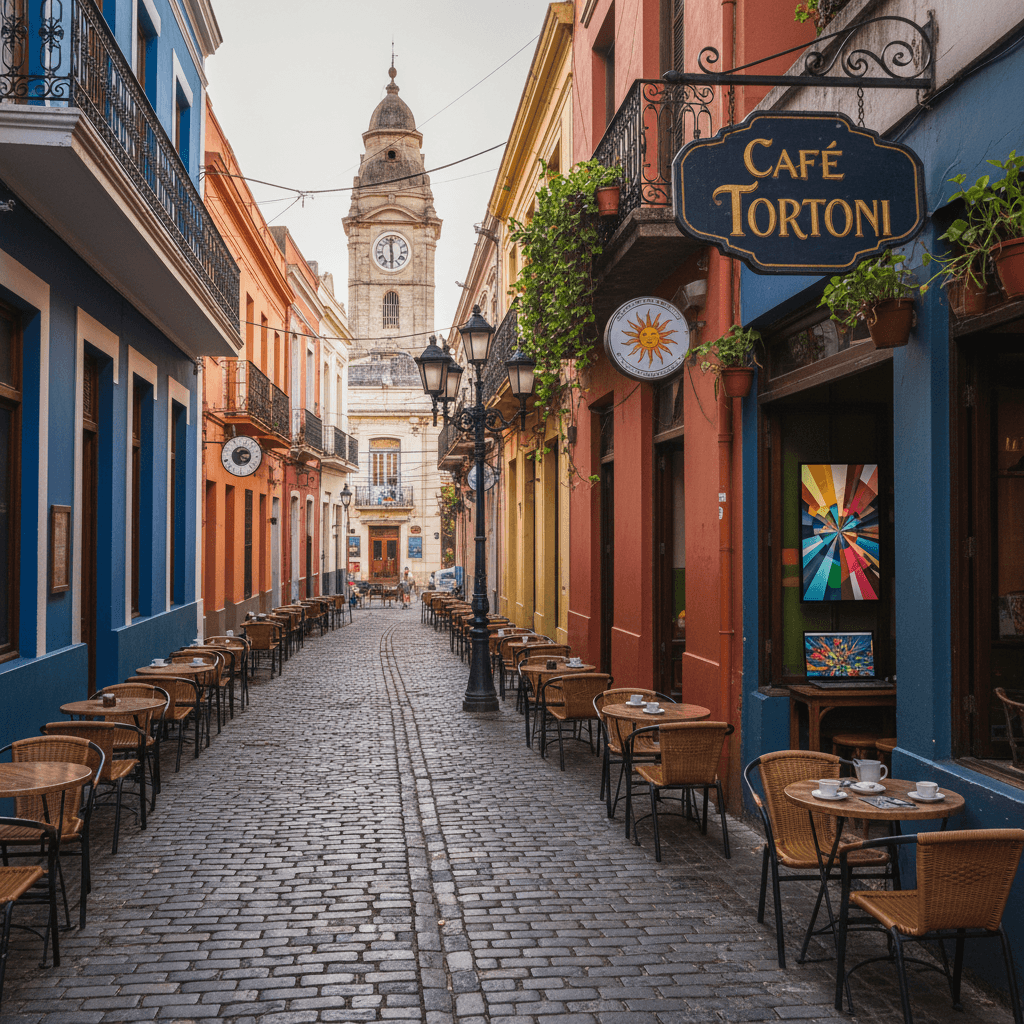
The vibe is distinctly "campo meets city." You'll see locals sipping mate on their porches and families gathering along the Costanera at sunset. It’s a town of agricultural roots and citrus groves, giving it a grounded, unpretentious atmosphere. While the expat community is smaller than what you’ll find in the capital, the locals are famously welcoming. It’s the kind of place where you’ll quickly become a regular at the neighborhood bakery.
The Emotional Landscape
Living in Salto feels like reclaiming your time. There’s no rush here. The "siesta" is a real cultural pillar, and the city goes quiet in the early afternoon, forcing you to step away from your laptop and perhaps head to the Termas del Daymán. It’s a destination for the "deep work" phase of your nomadic journey. You won't find a wild club scene, but you will find long, peaceful walks along the river and some of the best barbecue in the country.
Expats often mention a sense of safety and stability that’s hard to match elsewhere in South America. There’s a gentle, family-friendly charm to the streets. You aren't just a tourist here; you’re part of a community that values a slower pace of life. It’s perfect if you’re traveling with a partner or family and want a secure, affordable base to recharge.
Neighborhood Breakdown
Where you stay in Salto significantly changes your daily experience. Most nomads gravitate toward the center for convenience, while those staying longer-term often look toward the water.
Centro (Downtown)
- Best For: Solo nomads and those without a car.
- The Vibe: Walkable, historic, and close to the Mercado 18 de Julio.
- Rent: Roughly $300 to $500 for a one-bedroom apartment.
- Pros: Everything is within a ten-minute walk; easy access to cafes and supermarkets.
- Cons: Can be noisier during the day; older building stock.
Riverside & Barrio Norte
- Best For: Families and expats seeking a view.
- The Vibe: Scenic, quiet, and breezy.
- Rent: Expect to pay $400 to $600 for modern units.
- Pros: Proximity to the riverfront promenades and better air quality.
- Cons: Fewer rental listings available; a bit further from the main shops.
Termas Area
- Best For: Nature lovers and wellness enthusiasts.
- The Vibe: Resort-like and extremely relaxed.
- Rent: Highly variable, often geared toward short-term stays.
- Pros: Immediate access to thermal baths and open green space.
- Cons: You’ll likely need a car or rely on the bus to get into the city.
The Bottom Line
Salto is a value play. With a total monthly budget of $1,200, a solo traveler can live quite comfortably. You’ll spend about $5 to $8 for a massive chivito sandwich or $15 for a high-end steak dinner at a riverside parrilla. While there aren't dedicated coworking brands like Sinergia yet, the internet is reliable via Antel’s fiber network, often reaching 200 Mbps in the city center. Most nomads work from local cafes or their own apartments, using InDriver to get around when the $1 bus isn't convenient.
The best time to visit is during the spring (September to November). The weather is a perfect 16 to 24°C, ideal for working outside before the humid 32°C heat of January kicks in. It’s a city that asks you to slow down, drink your mate, and enjoy the river breeze while you get your work done.
The Bottom Line
Salto is one of Uruguay's most budget friendly corners for anyone who doesn't need the coastal glitz of Punta del Este. While Montevideo can eat through a nomad's savings quickly, Salto offers a much slower burn on your bank account. Most digital nomads find they can live comfortably here on about $1,200 to $1,500 per month, while those on a strict budget can squeeze by on $800 to $1,000 if they stick to shared housing and local markets.
Monthly Budget Tiers
- Budget ($800 - $1,200): Ideal for solo travelers staying in modest studios or shared apartments in the Centro area. You'll be cooking most meals at home and sticking to street food like chivitos for outings.
- Mid-Range ($1,500): The sweet spot for most expats. This covers a nice 1-bedroom apartment, frequent dinners at riverside parrillas, and plenty of weekend trips to the thermal baths.
- Comfortable ($2,000+): High end living in the scenic Riverside or Barrio Norte zones. This includes a modern apartment with a view, private transport, and upscale dining without checking the menu prices.
Housing and Neighborhoods
Rent is your biggest saving compared to the capital. In the heart of the Centro, you can find functional 1-bedroom apartments for $300 to $500 per month. It's walkable and close to the Mercado 18 de Julio, though it gets a bit noisy during the day.
If you prefer a quieter vibe, look toward the Riverside (Costanera) or Barrio Norte. These areas are favorites for families and long term expats because they're safer and more scenic. Expect to pay a premium here, with rents typically landing between $400 and $600 per month for quality builds.
Food and Dining
Eating out in Salto is an affordable luxury if you like steak. A massive plate of asado at a riverside parrilla usually runs around $15. For a quick lunch, the local chivito (a loaded steak sandwich) costs between $5 and $8 and is usually enough for two meals.
- Street Food/Quick Bites: $5 to $8
- Mid-range Dinner: $10 to $15
- Upscale Dining: $20 to $30
- Monthly Groceries: $250 to $350
Connectivity and Transport
While there aren't dedicated coworking hubs like Sinergia in Salto yet, the local cafes are laptop friendly and the internet is surprisingly fast. Antel fiber is common in the city center, often reaching 200+ Mbps. For mobile data, most nomads pick up a prepaid SIM from Antel or Chipper for about $10 to $20, which gets you around 20GB of data.
Getting around is cheap and simple. The city is very walkable, but local buses are only $1 per ride. Taxis are also affordable at roughly $0.50 per kilometer. If you're heading to the thermal springs at Daymán, a quick bus or taxi is the standard move. For those staying longer, local shops rent bikes or scooters for about $5 a day.
Practical Expenses
Health insurance and basic utilities are manageable. Uruguay has a high standard of care, and the Hospital de Salto is well regarded. For digital nomads, the Digital Nomad Visa is a steal at roughly $10, allowing you to stay and work legally while enjoying the local tax perks. Most expats use apps like Wise for transfers to avoid high local banking fees, as cards are widely accepted at almost every shop and restaurant in town.
For Solo Travelers and Active Nomads: Centro (Downtown)
If you want to be in the middle of the action, Centro is your best bet. It's the most walkable part of the city, centered around the Mercado 18 de Julio and the main commercial strips. You'll find the highest density of cafes with reliable Wi-Fi here, which is vital since dedicated coworking spaces are still popping up. Most nomads find the convenience of having supermarkets, pharmacies, and bus stops within a five minute walk outweighs the trade-off of occasional street noise.
- Rent: 1BR apartments typically range from $300 to $500 per month.
- Vibe: Traditional, busy, and authentic.
- Pros: Excellent walkability; close to street food like chivito stands; most affordable housing options.
- Cons: Older building stock; can get noisy during the day.
For Expats and Long-Term Residents: Barrio Norte and Riverside
Expats looking for a more polished lifestyle usually head toward the Uruguay River or the Barrio Norte area. This neighborhood offers a significant step up in terms of aesthetics and peace. You'll find modern apartment blocks and houses with better security features. Travelers often say the riverfront promenade, or Rambla, is the highlight of living here. It's the perfect spot for a sunset walk or a morning run before logging on for work.
- Rent: Expect to pay $400 to $600 for riverside views or modern builds.
- Vibe: Scenic, quiet, and slightly more upscale.
- Pros: Safer feel; proximity to the river; better air quality and green spaces.
- Cons: Limited inventory; you might need a bike or the occasional taxi to reach the central markets.
For Families and Slow-Paced Nomads: Suburbs near the Termas
Families often choose the outskirts near the Termas de Salto Grande or Dayman. While technically a short drive from the city center, these areas feel like a different world. It’s a gentle environment where the kids can run around and the pace of life slows to a crawl. The proximity to the thermal baths is a massive perk for weekend relaxation. Most families find that renting a larger house here provides much better value than staying in the cramped city center.
- Rent: Larger homes or villas starting around $600 to $800.
- Vibe: Resort-like, family-friendly, and very green.
- Pros: Immediate access to nature and hot springs; larger properties with yards.
- Cons: You'll definitely need a car; limited grocery options nearby; commute to Centro takes 15 to 20 minutes.
Practical Neighborhood Comparison
Choosing the right spot in Salto depends on your tolerance for a commute versus your need for quiet. Here is how the costs and amenities stack up across the city:
- Centro: Best for those on a budget of $1,200 total per month. Everything is reachable on foot, and you can grab a $10 lunch at a local parrilla easily.
- Riverside: Best for a mid-range budget of $1,500 to $2,000. You pay a premium for the view and the safety, but it's the closest you'll get to a "digital nomad hub" feel.
- Termas Area: Best for those who prioritize wellness and space. It requires a higher budget for transport, but the quality of life is high for those who don't mind a bit of isolation.
Most newcomers start in Centro for a month to get their bearings, then move toward the river once they understand the local bus routes and have checked out the listings on Mercado Libre or local Facebook groups. Regardless of where you land, the city's safety profile is high, so you can explore most areas after dark without the stress common in larger South American capitals.
Connectivity and Speed
Uruguay is a regional leader in fiber optic infrastructure, and Salto benefits from this national commitment to high speed connectivity. In the city center, you can expect stable speeds exceeding 200 Mbps through Antel, the state owned provider. While the outskirts and rural areas near the thermal springs can be spotty, the urban core handles video calls and heavy uploads without breaking a sweat.
Mobile data serves as a reliable backup or primary tethering source. Most nomads pick up a prepaid SIM from Antel or Claro for about $10 to $20, which typically nets you 20GB of data. If you prefer to hit the ground running, Holafly eSIMs work well here, though they’re pricier than local chips. Coverage is robust throughout the downtown area, but it starts to dip once you head deep into the agricultural zones surrounding the city.
Coworking Spaces and Work Culture
Salto doesn't have the flashy, dedicated coworking hubs like Sinergia in Montevideo. It’s a smaller, more traditional city where the remote work scene is still finding its footing. You won't find glass walled offices with craft beer on tap, but you will find a quiet, focused atmosphere that appeals to those who are over the "hustle culture" of larger capitals.
Most nomads here treat local cafes as their de facto offices. The pace is slow, and as long as you're ordering coffee or a medialuna, staff generally won't mind you staying for a few hours. The monthly cost for a nomadic setup here is significantly lower than in the south, with most people budgeting between $100 and $150 for their "office" expenses, which mostly consists of caffeine and snacks.
Top Spots to Log In
- Mercado 18 de Julio: This historic market space has been repurposed and offers a unique atmosphere. It’s a great spot to find a corner, grab a coffee, and work for a couple of hours while soaking in the local architecture.
- Centro Cafes: The streets around the main plaza are dotted with small bakeries and cafes. Look for spots with "Antel" stickers in the window, which usually signals a solid fiber connection.
- Riverside Parrillas: During the mid afternoon lull between lunch and dinner, many riverside restaurants are nearly empty. They offer great views of the Uruguay River and enough peace to get through a deep work session.
- Thermal Resort Lounges: If you're staying near the Termas de Salto Grande, the hotel lobbies and common areas often have decent Wi-Fi. It’s a favorite for those who want to jump into a hot spring the second the laptop closes.
Practical Tips for Remote Workers
Power outages are rare but not unheard of during heavy summer storms. It's smart to keep your devices charged and have a local SIM with a data plan for hotspots. Since English isn't widely spoken in the IT departments of local shops, having Google Translate or a basic grasp of Spanish technical terms will save you a headache if you need to buy a replacement cable or router.
The social side of working remotely in Salto is grassroots. You won't find many organized nomad meetups on apps like Meetup.com. Instead, expats recommend joining Facebook groups like "Live in Uruguay" or connecting with locals at the thermal baths. It's a "know your neighbor" kind of town, so being a regular at a specific cafe is the fastest way to build a network.
Digital Nomad Visa Basics
Uruguay has made it incredibly easy to stay legal. The Digital Nomad Visa is a straightforward process that you can often start after arriving as a tourist. The application fee is roughly $10, and the permit allows you to live and work in the country for six to twelve months. You just need to prove you work for a company outside of Uruguay and sign a clean criminal record declaration. It’s one of the most friction free visas in South America, making Salto an easy choice for a mid term stay.
A Safe Haven in the Interior
Salto feels like a breath of fresh air compared to the high energy of Montevideo. Many nomads find the city exceptionally safe, characterized by a provincial pace where locals still greet each other on the street. It’s the kind of place where you can comfortably walk through the Centro or along the riverfront without looking over your shoulder. While it doesn't have the grit of a major metropolis, you should still use common sense. Stick to well lit areas like the Costanera (riverside promenade) if you’re out for a late stroll.
Expats frequently highlight the city as a top choice for families because of this low crime rate. Petty theft is rare, though it's always smart to keep an eye on your laptop at cafes. If you run into any trouble, the emergency number for the police is 911. You'll find the local police presence is subtle but responsive, contributing to the city’s reputation as one of the most stable spots in northwest Uruguay.
Healthcare Standards and Access
You won’t have to sacrifice quality care for the quieter lifestyle here. Uruguay’s healthcare system is highly regarded, and Salto is home to modern facilities that mirror the standards found in the capital. The Hospital de Salto serves as the primary public hub, while several private mutualistas provide streamlined services for those with local insurance plans.
Most digital nomads choose to keep their international travel insurance or opt for a local private plan, which usually costs between $50 and $100 per month. These plans give you access to private clinics where wait times are shorter and the facilities feel more like a modern office than a hospital. For immediate medical needs or an ambulance, dial 105.
Pharmacies and Practicalities
Pharmacies are everywhere in Salto, and they do more than just sell medicine. They’re often the first stop for minor ailments. You can find a Farmashop or local chemist on almost every few blocks in the downtown area. Many common medications that require a prescription in the US or Europe are available over the counter here, though you should always check with the pharmacist first.
- Hospital de Salto: The main public facility for emergencies and general care.
- Mutualista providers: Preferred by expats for faster specialist appointments and private rooms.
- Farmashop: A reliable chain for prescriptions, toiletries, and basic health supplies.
The Wellness Factor
It’s hard to talk about health in Salto without mentioning the water. The surrounding thermal springs, like Termas del Daymán, are central to the local lifestyle. Many residents and long term visitors swear by the mineral rich waters for stress relief and skin health. It’s not uncommon for nomads to spend their weekends soaking in the baths as a form of "preventative healthcare." Combining a low stress work environment with easy access to these natural spas makes Salto a powerhouse for mental well being.
Quick Reference for Safety & Health
- Police Emergency: 911
- Ambulance: 105
- Water Quality: Tap water is generally safe to drink, though many nomads prefer a filter or bottled water for the taste.
- Pharmacy Hours: Most are open until 8:00 PM, with rotating 24 hour "Turno" pharmacies available for late night needs.
Getting Around Salto
Salto is a city built for a slower pace of life, and you'll feel that the moment you step onto the streets. Unlike the frantic energy of Montevideo, Salto is remarkably walkable, especially if you're based in the Centro district. Most expats and nomads find they can handle 80 percent of their daily errands on foot, sticking to the grid-like streets that lead toward the river.
Public Buses
For longer trips or when the summer humidity kicks in, the local bus system is reliable and incredibly cheap. A single ride costs roughly US$1. While there isn't a complex app for real-time tracking like you might find in Europe, the routes are straightforward and cover the main arteries connecting the downtown core to the residential neighborhoods in the north. If you're heading out to the Termas de Daymán, the buses are the most cost-effective way to get your thermal fix without springing for a private car.
Ride-Hailing and Taxis
While Uber dominates the capital, Salto relies more on local taxi fleets and emerging apps like InDriver. Taxis are plentiful near the main plazas and the bus terminal. Expect to pay around US$0.50 per kilometer, making a cross-town trip very affordable for most remote workers. It's common practice to call a "remise" (a private car service) if you need a guaranteed pickup for an early morning trip to the airport or the bus station.
Cycling and Scooters
The flat terrain makes Salto a dream for cyclists. You'll see plenty of locals moving around on bikes or small 50cc scooters. While there isn't a massive city-wide bike-share program yet, several local shops near the riverfront offer rentals for about US$5 a day. It's a great way to explore the Costanera, the scenic riverside road, during the golden hour when the breeze off the Uruguay River cools everything down.
Regional Travel: Getting In and Out
Most travelers arrive via the Salto Nuevo Aeropuerto (STL), though it's a small facility with limited commercial flights. A taxi from the airport into the city center typically runs between US$10 and US$15. If you're coming from Montevideo, the 5-hour bus ride is the standard nomad experience. These long-distance coaches are surprisingly comfortable, often featuring reclining seats and Wi-Fi, and cost around US$30 one way.
- Bus Terminal: Located at the Salto Shopping mall, acting as the main hub for regional travel.
- Walking: Best for the Centro and Barrio Norte areas.
- InDriver: The go-to app for price-negotiated rides.
- River Crossings: Remember that Argentina is just across the water, though you'll need to use the bridge at the Salto Grande Dam to cross by land.
If you're planning an extended stay, you likely won't need a car. The combination of a walkable center, cheap taxis for grocery runs, and the occasional bike rental provides more than enough mobility. Save the car rental budget for weekend trips to the deeper countryside or the more remote thermal springs further north.
The Local Linguistic Landscape
In Salto, Spanish is the undisputed king of the streets. Unlike the bilingual bubbles you might find in parts of Montevideo or Punta del Este, Salto maintains a deeply authentic Uruguayan character. This means you'll hear the distinct Rioplatense accent, famous for its "sh" sound when pronouncing "y" and "ll" (so "calle" becomes cah-shay). It's a rhythmic, melodic way of speaking that feels right at home in a riverside city.
Don't expect everyone at the local bakery or the pharmacy to speak fluent English. While younger people and those working in the high end thermal resorts like Termas del Daymán usually have a functional grasp of English, day to day life requires some Spanish. Most nomads find that a basic vocabulary goes a long way here; locals are incredibly patient and generally thrilled when you make the effort to use their language.
Communication Tools and Apps
Since you'll be navigating a more traditional environment, your phone is your best friend. Expats recommend keeping Google Translate or DeepL downloaded for offline use, especially when dealing with specific terms at the supermarket or navigating local bureaucracy. For those serious about staying long term, Duolingo or Babbel are standard for building a foundation before you arrive.
- WhatsApp: This is the lifeblood of communication in Salto. Whether you're booking a dental appointment, ordering a chivito, or messaging a landlord on Mercado Libre, you'll do it through WhatsApp.
- Antel: The state owned telecom provider is your go to for connectivity. You can pick up a prepaid SIM for about $10 to $20 which will give you roughly 20GB of data, more than enough for navigating the city and staying in touch.
- Holafly: If you prefer to have data the second you step off the bus from Montevideo, an eSIM is a solid backup, though it's pricier than local options.
Social Nuances and "Mate" Culture
Communication in Salto isn't just about words; it's about the ritual. You'll quickly notice everyone carrying a thermos and a mate cup. This isn't just a caffeine fix; it's a social signal. If someone offers you a sip, it's a gesture of hospitality. Just remember the golden rule: don't stir the straw (the bombilla), as it's considered a bit of a faux pas.
Locals are known for a relaxed, "tranquilo" approach to life. Punctuality is appreciated but often flexible in social settings. If you're meeting a new friend for coffee at Mercado 18 de Julio, don't be surprised if they're ten minutes late. It's part of the provincial charm that nomads here tend to grow fond of.
Essential Phrases for Your First Week
You'll get by much easier if you keep these phrases in your back pocket. Prices are usually clearly marked, but being able to ask for help is key.
- "¿Cómo va?": A more local, informal way to say "How's it going?" rather than the textbook "Cómo estás?"
- "¿Cuánto cuesta?": Use this at the street markets. Expect to pay about $5 to $8 for a quick lunch.
- "La cuenta, por favor": Essential for those long afternoons working from a riverside cafe.
- "¿Tenés Wi-Fi?": You'll need this in the Centro area, where fiber is common but passwords are often required.
While the expat community is smaller here than in the capital, you'll find that the "Live in Uruguay" Facebook groups are active. If you're feeling isolated, a quick post usually yields a few invitations for a coffee or a trip to the thermal baths. The lack of a massive English speaking bubble actually works in your favor, forcing a faster immersion that makes the Salto experience feel much more rewarding than staying in a tourist trap.
The Sweet Spot: Spring and Fall
If you're looking for the perfect balance between comfortable workdays and pleasant evening strolls along the Uruguay River, aim for September through November. Spring in Salto is spectacular, with temperatures hovering between 16°C and 24°C (60-75°F). It’s mild enough to work from a cafe terrace without breaking a sweat, and the city’s green spaces are at their most photogenic.
Fall, particularly April and May, is the runner-up. You'll find similar temperatures around 24°C and a calm, golden light that settles over the riverside. Most digital nomads prefer these shoulder seasons because the thermal baths at Daymán and Salto Grande are far less crowded than during the peak holiday months.
Summer: Heat, Humidity, and High Season
From December to February, Salto turns up the heat. Highs often hit 32°C (90°F) or more, and the humidity can make it feel quite heavy. This is peak vacation time for locals and Argentines crossing the border, so expect the thermal resorts to be packed and prices for short-term rentals to tick upward.
If you're here in the summer, you'll want an apartment in Barrio Norte or near the river to catch the breeze. Make sure your accommodation has reliable air conditioning; it's not just a luxury here during January, it's a requirement for staying productive. The upside? The city feels alive, and the riverside parrillas stay open late into the warm nights.
Winter: The Thermal Season
Winter runs from June to August, with temperatures ranging from 10°C to 18°C (50-65°F). While it rarely gets "freezing" by international standards, the dampness from the river can make it feel colder than the thermometer suggests. This is actually a popular time for expats to visit the Termas de Salto Grande, as there’s nothing quite like soaking in 38°C volcanic water when the air is crisp.
Rain is a factor to watch out for, especially between October and April. Salto gets its fair share of subtropical downpours. They usually pass quickly, but they can be intense. Most travelers recommend keeping a solid umbrella and a waterproof bag for your laptop if you’re commuting between Centro and the riverside.
Seasonal Planning at a Glance
- Best for Work/Life Balance: October and November. The weather is predictable, and the city isn't overrun with tourists.
- Best for Budget: June to August. Aside from local school holidays in July, you can often negotiate better long-term rates on apartments.
- Peak Tourist Crowds: January and Easter week (Semana de Turismo). Book your stay well in advance if you plan to be here then.
- The "Mate" Weather: Winter is when you’ll truly see the local culture shine, as everyone gathers with their thermals and mate cups to stay warm.
Monthly Climate Averages
- January: Avg High 32°C. Hot, humid, and very busy.
- April: Avg High 24°C. Ideal for outdoor activities and stable internet sessions on patios.
- July: Avg High 18°C. Cool and rainy; the best time for the hot springs.
- October: Avg High 22°C. Fresh, blooming, and the most comfortable for walking the city.
Connectivity and Tech Setup
Uruguay has some of the best fiber optic coverage in South America, and Salto is no exception. You can expect speeds around 200 Mbps via Antel in the city center. If you're staying further out toward the thermal baths, speeds can dip, so always ask for a speed test before signing a lease.
For mobile data, grab a prepaid chip from Antel or Claro. A 20GB package usually runs between $10 and $20. If you want to hit the ground running, Holafly eSIMs work well here, though they're pricier than local sims. Most nomads find the local cafes like those near Mercado 18 de Julio reliable for a few hours of work, as dedicated coworking spaces are still a rarity in Salto compared to Montevideo.
Money and Budgeting
Salto is significantly more affordable than the coast. A solo nomad can live comfortably on $1,200 to $1,500 per month. If you're on a tight budget, $800 covers a shared spot and plenty of street food like chivitos. Cards are accepted at most supermarkets and larger restaurants, but keep pesos on hand for smaller markets and bus fares.
- Studio Apartment (Centro): $300 to $500 per month.
- Riverside Apartment: $400 to $600 per month.
- Street Food Meal: $5 to $8.
- Mid-range Dinner: $10 to $15.
- Local Bus Ride: Around $1.
Getting Around
The city center is highly walkable, which is where you'll find most of the action. For longer trips, the local bus system is efficient and cheap. While Uber isn't as dominant here as in other capitals, the InDriver app is a popular local alternative for hailing rides. If you're arriving from abroad, you'll likely fly into Montevideo and take a 5-hour bus for about $30 to reach Salto, as the local airport mostly handles smaller regional flights.
Health and Safety
Expats generally feel very safe in Salto. It lacks the grit of larger urban hubs, making it a favorite for families. The Hospital de Salto provides modern public care, and there are private clinics available if you have international insurance. For any immediate trouble, dial 911 for police or 105 for an ambulance. Stick to well lit areas along the riverfront at night, but otherwise, standard common sense is all you need.
The Nomad Visa
Uruguay has made it incredibly easy to stay legally. You can enter as a tourist and apply for the Digital Nomad Visa online for about $10. It grants you a 6-month stay that can be extended. You just need to sign a declaration that you earn enough to support yourself. It's one of the most frictionless processes in the region.
When to Visit
The sweet spot is October and November. The spring weather sits between 16°C and 24°C, which is perfect for working outside without the humidity of summer. January is scorching, often hitting 32°C, and the thermal resorts get crowded with domestic tourists. If you prefer a cozy, rainy vibe for deep work, the winter months of June through August stay cool but rarely freezing.
Social Life and Language
Spanish is the default here. While you'll find English speakers in the tourism sector, you'll want a translation app for daily life in the markets. To meet people, head to the Termas de Daymán on the weekends or join the "Live in Uruguay" groups on Facebook. Locals are famously friendly and will likely invite you to share a mate, the bitter herbal tea that is a permanent fixture in every Uruguayan's hand.
Need visa and immigration info for Uruguay?
🇺🇾 View Uruguay Country GuideHidden Gem
Worth the effort
Monthly Budget Estimates
More cities in Uruguay
Colonia del Sacramento
🇺🇾 Uruguay
Maldonado
🇺🇾 Uruguay
La Paloma
🇺🇾 Uruguay