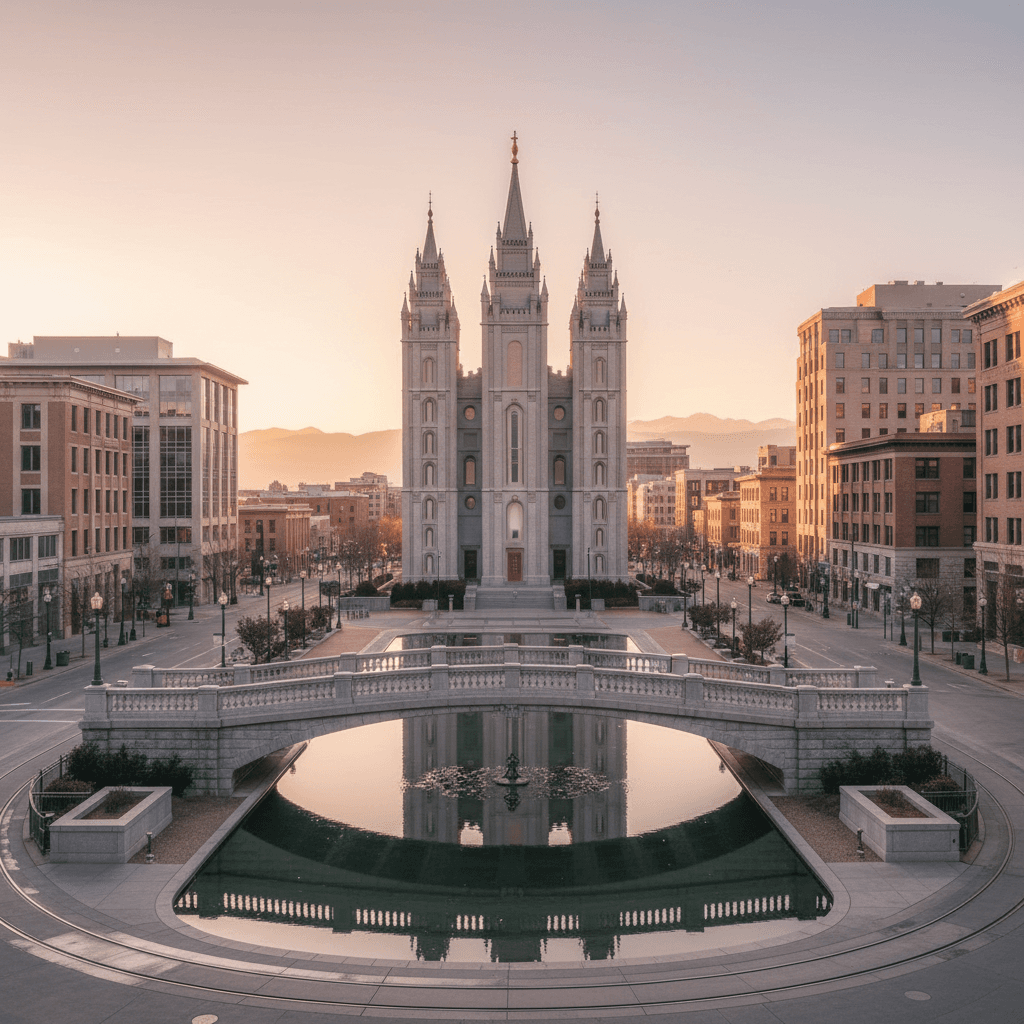
Salt Lake City
🇺🇸 United States
The High-Altitude Pivot
Salt Lake City is currently undergoing one of the most interesting brand evolutions in the American West. Long dismissed by outsiders as a sleepy, conservative hub, it has quietly transformed into a premier destination for remote workers. What you'll find here is a polished, functional city that sits at the base of the jagged Wasatch Mountains, offering a lifestyle that trades the frantic pace of coastal hubs for fresh air and a surprisingly deep subculture.
The vibe is a unique blend of "outdoorsy-industrial" and "clean-cut quirky." On one block, you'll see the towering granite spires of Temple Square; on the next, a row of gritty, high-end breweries and mural-covered coffee shops. It feels like a city that is finally exhaling, shedding its rigid reputation to make room for a younger, tech-heavy crowd that values a 7:00 AM trailhead start as much as a stable internet connection.
Why Nomads are Landing Here
The draw for remote workers is the "fifteen-minute access" rule. Most nomads find they can wrap a deep-work session in a downtown cafe and be at a canyon trailhead or a world-class ski resort in under twenty minutes. It is a place for people who are tired of the "all-grind, no-play" lifestyle of larger cities. You aren't just here to work; you're here to use the city as a base camp for the American West.
The community is welcoming but somewhat self-contained. You'll meet plenty of expats and domestic transplants who moved here for the "Silicon Slopes" tech boom. People are generally polite, the streets are famously wide, and the infrastructure is getting a massive facelift. The airport added 10 new gates in 2025 with final phase in 2026, including its first direct connection to Asia, making it a legitimate international jumping-off point.
The Reality of the "Zion Curtain"
The most common question nomads ask is about the liquor laws. While they used to be restrictive, the "Zion Curtain" (the literal barriers that hid bartenders from view) is a thing of the past. The city now boasts more than 30 breweries in the metro area, and the craft beer scene is actually one of the most competitive in the country. You can get a drink easily, though you might still find the 5% ABV limit on draft beers a bit quirky. If you want the strong stuff, you'll buy it in a can or bottle.
What It Feels Like on the Ground
Living here feels organized. The grid system makes it nearly impossible to get lost, and there is a sense of quiet ambition in the air. It’s not flashy like Miami or historic like Boston; it’s a functional, beautiful, and increasingly diverse city that rewards those who actually like being outside.
- The Nature Tax: You will likely spend more on gear than on nightlife. Most newcomers end up buying a national parks pass almost immediately.
- The Sunday Reset: While the city is becoming more secular, Sundays are still very quiet. Many local shops close, making it the perfect day to head into the mountains.
- The Air: It is worth noting that winter can bring "inversions," where clouds trap air in the valley. On these days, nomads usually head to higher elevations for better air quality and sunshine.
Expect to spend around $3,500 per month for a comfortable nomad lifestyle. It isn't a budget destination, but for those who want a high-functioning home base with fast WiFi and immediate mountain access, the trade-off is usually worth every penny.
The Budget Breakdown
Living in Salt Lake City isn't the bargain it was five years ago, but it still feels like a steal compared to San Francisco or Denver. You should budget around $3,500 a month to live comfortably here. This covers a decent apartment, plenty of weekend trips to the mountains, and hitting the local brewery scene without constantly checking your bank balance.
Rent is your biggest hurdle. Expect to pay between $1,500 and $1,900 for a modern one bedroom or a large studio in the areas where you actually want to live. If you're looking for short term flexibility on sites like Landing or Airbnb, those prices can easily climb toward $2,400 during the peak ski season.
Neighborhood Price Points
- Sugar House: This is the nomad favorite. It's walkable and full of parks. A one bedroom here usually lands around $1,750.
- Downtown / Central City: Best for those who want to be near the coworking hubs. Expect to pay about $1,850 for a luxury high rise apartment.
- The Avenues: Historic, hilly, and quiet. You can often find basement apartments or older carriage houses for around $1,400 if you look on local classifieds.
Daily Expenses and Lifestyle
Eating out is a mixed bag. A quick lunch at a spot like Buds (a local favorite for sandwiches) will run you about $12 to $15. A nice dinner with a couple of craft beers at Proper Brewing Co. or Fisher Brewing Company will likely hit $40 per person once you factor in the tip. Speaking of beer, Utah has a reputation for being dry, but the craft scene is massive. You'll pay about $7 for a pint of local IPA.
Groceries are fairly standard for the Western US. If you shop at Smith's or WinCo, you can keep your weekly bill around $80 to $100. If you're a devotee of Whole Foods or the local Liberty Heights Fresh, expect to tack on another 30 percent to that total.
Getting Around and Working
Public transit is decent downtown thanks to the TRAX light rail, and it's actually free within the downtown "Free Fare Zone." However, if you want to get to the trailheads in Big Cottonwood Canyon, you'll need a car. A mid sized rental or a heavy reliance on Uber will eat into your budget quickly. Most long term nomads suggest a budget of $150 a month for transport if you don't own a vehicle.
For work, the city has reliable, fast fiber internet. If you need a dedicated desk, coworking spaces like Work Hive or Common Grounds offer memberships starting around $250 a month. Day passes usually hover around $25. If you prefer the cafe route, Salt Lake has a great coffee culture. A latte at Publik Coffee Roasters costs about $5.50, and they won't kick you out for staying a few hours with your laptop.
Monthly Estimates at a Glance
- Estimated Total: $3,500
- Rent (1BR): $1,700
- Groceries: $400
- Dining & Drinks: $600
- Coworking: $250
- Transit & Utilities: $350
- Fitness & Outdoors: $200
For the Social Nomad: Sugar House
If you want to be where the action is, Sugar House is your best bet. It is easily the most walkable part of the city, centered around a massive park and a dense cluster of bars, local boutiques, and coffee shops. Most remote workers gravitate toward Sugar House Coffee or Publik Coffee Roasters for a morning session.
- The Vibe: Young, active, and social. You will see people running with dogs or heading to a brewery straight from the office.
- Estimated Rent: Expect to pay around $1,800 to $2,300 for a modern one-bedroom apartment.
- Top Spot: Wasatch Brew Pub is a local staple for meeting people after work.
For the Urban Expat: Downtown and Central City
Living downtown puts you right in the middle of the city's grid. It is the best choice if you want to rely on the TRAX light rail system rather than renting a car. You are close to the Work Hive coworking space, which is a favorite for long-term expats who need a professional desk and a steady community.
- The Vibe: Fast-paced and metropolitan. This area has the highest concentration of the city's 30+ breweries and the best cocktail bars like The Rest.
- Estimated Rent: Luxury high-rises run about $2,100 to $2,600, though older units can be found for less.
- Top Spot: The Gateway is an outdoor mall area that hosts frequent community events and markets.
For Families: The Avenues
The Avenues is a historic, hilly neighborhood just northeast of downtown. It is quiet, safe, and filled with charming Victorian-style homes. Families love it because it feels like a suburb but is only a five-minute drive from the city center. You have immediate access to Memory Grove Park and hiking trails that lead right into the foothills.
- The Vibe: Peaceful, leafy, and established. It is the kind of place where neighbors actually know each other.
- Estimated Rent: Larger multi-bedroom houses typically rent for $2,800 to $3,500.
- Top Spot: Hatch Family Chocolates is a mandatory stop for dessert and hot cocoa.
For Solo Travelers: 9th and 9th
This is a micro-neighborhood that feels like a boutique village. It is perfect for solo travelers because it is small enough to feel familiar within a week. The intersection of 900 South and 900 East is packed with independent cinemas, yoga studios, and small eateries where it is easy to strike up a conversation at the counter.
- The Vibe: Artsy, quirky, and laid back. It is incredibly safe and has a very high quality of life.
- Estimated Rent: Smaller studios or basement apartments in this area go for roughly $1,500 to $1,900.
- Top Spot: Tower Theatre and the surrounding cafes are the heart of this community.
Connectivity and Speed
You won't have to worry about the "spinning wheel of death" while working from the shadows of the Wasatch Range. Salt Lake City is a legitimate tech hub, and the infrastructure reflects that. The city offers high-quality internet connectivity, which translates to lightning fast fiber in most downtown apartments and reliable speeds even in the older bungalows of Sugar House. Most nomads find that standard residential WiFi easily hits 200 Mbps to 1 Gbps depending on the provider.
If you're out and about, the public WiFi at the Salt Lake City Public Library is surprisingly robust. It's an architectural marvel with plenty of natural light, making it a favorite "free office" for locals. Just be aware that the downtown area has some dead zones near the taller buildings, but generally, your 5G hotspot will act as a perfect backup.
Top Coworking Spots
The coworking scene in SLC has exploded lately, moving beyond just sterile offices into spaces with actual character. You'll find a mix of global brands and local spots that lean into the outdoorsy culture of the city.
- The Shop Workspace: Located on 350 East 400 South, this is arguably the most stylish spot in town. It has a massive rooftop deck with mountain views. A day pass runs about $30, while a floating desk membership is around $275 per month.
- Work Hive: This is the local favorite for a more community focused vibe. They have two locations, one in the Central Business District and another in Sugar House. It feels less like a corporate office and more like a shared studio. Day passes are $25 and they offer 24/7 access for members.
- CommonGrounds: Situated right downtown, this spot is great if you need high end amenities and professional meeting rooms for client calls. It's sleek, quiet, and the coffee is actually drinkable.
The Cafe Culture
SLC has a very strong coffee shop work culture, provided you know where to go. Unlike some cities where baristas glare at you for opening a laptop, many spots here are designed for it. Most nomads recommend sticking to the 9th and 9th or Central Ninth neighborhoods for the best laptop friendly vibes.
Public Coffee Roasters is a staple for remote workers; it has large communal tables and plenty of outlets. If you prefer a bit more noise and a creative atmosphere, Greenhouse Effect in Millcreek serves incredible crepes and stays open late, which is a rarity in this city. Just remember the unspoken rule: buy a drink or a snack every two hours to keep the peace with the staff.
Practical Tips for Remote Workers
The city is laid out on a grid system, which makes it incredibly easy to find your way to a meeting. However, the blocks are massive. What looks like a two block walk to a coffee shop on Google Maps is actually a 15 minute trek. If you're bouncing between coworking spaces and your Airbnb, consider using the GREENbike share program. It costs about $5 for a 24 hour pass and saves you from having to find parking downtown, which can be a headache near the popular spots.
If you need to take a sensitive call and don't have a private office, the Salt Lake City International Airport is only 10 minutes from downtown. With the new 2026 expansion adding more gates and lounges, it's becoming a legitimate place to kill a few hours of work before a flight without sacrificing your connection speed.
Staying Safe in the Beehive State
Salt Lake City feels remarkably comfortable for a mid sized American metro. Most nomads find they can walk around the downtown core or the Sugar House district at night without looking over their shoulders. It has a clean, orderly vibe that stems from the city's unique history and layout. You'll notice the streets are incredibly wide, which helps keep the city feeling open and airy rather than cramped or sketchy.
Property crime is the main thing to keep on your radar, just like in any growing tech hub. Expats recommend keeping your car doors locked and never leaving a laptop bag or expensive gear visible in the backseat, especially if you are parked near trailhead parking lots or the Gateway Mall area. While the city is generally welcoming, some travelers suggest staying alert around the Pioneer Park neighborhood after dark, as it tends to have a higher concentration of the city's transient population.
If you are heading into the mountains for a weekend session of skiing or hiking, the biggest safety risks aren't people, but the elements. The "Greatest Snow on Earth" comes with real avalanche risks and rapid weather shifts. Locals always check the Utah Avalanche Center reports before heading out. If you're driving, remember that traction laws are strictly enforced in the canyons during winter storms; you'll need 4WD or snow tires to avoid a heavy fine.
Healthcare Essentials for Nomads
Salt Lake City is a major regional medical hub, so you are in good hands if you catch a bug or twist an ankle on a trail. Intermountain Health and the University of Utah Health system are the big players here. They operate world class facilities that feel more like high end hotels than sterile hospitals. For something quick and non life threatening, look for an InstaCare clinic. These are scattered across the valley and are much cheaper than an emergency room visit.
- University of Utah Hospital: The top choice for specialized care and emergencies, located right on the east bench.
- Intermountain LDS Hospital: Conveniently located near the Avenues neighborhood, known for its excellent surgical and maternity care.
- Walgreens & CVS: You'll find these 24 hour pharmacies on almost every major corner for prescriptions or basic supplies.
Medical costs in the U.S. are notoriously high, so don't even think about landing here without solid travel insurance like SafetyWing or World Nomads. A simple urgent care visit for a sinus infection can easily run you $150 to $250 out of pocket without insurance. If you need a pharmacy, Smith's Food and Drug is a local favorite that often has lower prices on common medications than the big national chains.
Altitude and Air Quality
One thing nobody tells you about moving here is the "inversion." During the winter, cold air gets trapped in the valley along with pollutants, which can make the air quality pretty poor for a few days at a time. If you have asthma or sensitive lungs, keep an eye on the AirVisual app. On the bright side, the city sits at 4,226 feet. You'll need to double your water intake for the first week to avoid altitude headaches, and be careful with those local craft beers; one drink at this elevation feels like two at sea level.
Making Your Way Around the Beehive State
Salt Lake City is laid out on a massive, logical grid system that makes it nearly impossible to get lost, even if your internal compass is broken. Most of the action happens within the blocks surrounding Temple Square, and the streets are wide enough to land a small plane on. While the city is becoming more walkable, especially in areas like Sugar House and Downtown, you will likely find yourself relying on a mix of public transit and ride shares to see everything.
The UTA System: Trax and Buses
The Utah Transit Authority (UTA) runs a surprisingly efficient light rail system called Trax. It is the gold standard for getting from the airport to downtown without spending a fortune. The Green Line picks you up right at the terminal and drops you in the city center in about 20 minutes with a $2 daily fare cap. If you are staying and working strictly within the downtown core, you can take advantage of the Free Fare Zone, which lets you hop on and off Trax and buses without paying a cent.
- Trax Light Rail: Three main lines (Blue, Red, and Green) connecting the suburbs, the University of Utah, and the airport.
- FrontRunner: A commuter train for longer hauls if you want to visit Ogden to the north or Provo to the south.
- S-Line: A streetcar that links the Central Pointe Trax station to the heart of the Sugar House neighborhood.
Most nomads recommend downloading the Transit app or Transit 6 to track arrivals in real time. While the trains are reliable, buses can be a bit sparse on Sundays, so plan your grocery runs or coworking meetups accordingly.
Wheels and Pedals
If you prefer a bit of exercise, Salt Lake City is surprisingly bike friendly for a place with such massive hills to the east. The city has invested heavily in protected bike lanes, particularly on 300 South (Broadway). You can grab a bike through GREENbike, the city's share program. A 24 hour pass costs about $7, but if you are staying for a month, the $20 monthly membership is a much better deal.
For those times when public transit does not cut it, Uber and Lyft are everywhere. You will rarely wait more than five minutes for a ride downtown. Expect to pay around $12 to $15 for a cross town trip. If you are planning to head into the canyons for a weekend hike or a ski day, renting a car is almost mandatory. Most nomads use Turo for better rates than the airport rental counters, especially if you need a vehicle with 4WD for the winter snow.
Walking the Grid
The grid system uses coordinates like 300 South and 200 East. It sounds like a math problem at first, but it is actually genius. The numbers tell you exactly how many blocks you are from the city center. One thing to keep in mind is that SLC blocks are incredibly long. Walking three blocks here feels like walking ten blocks in New York or San Francisco. Wear comfortable shoes if you plan on exploring Liberty Park or the 9th and 9th district on foot.
Airport Connectivity
The Salt Lake City International Airport is currently undergoing a massive multi billion dollar expansion. It is already one of the most efficient hubs in the country, and the airport added 10 new gates in 2025. This expansion includes more international reach, including the first daily nonstop flights to Seoul, making it a great home base for nomads who need to bounce between the US and Asia or Europe.
English is the primary language in Salt Lake City, and you will find it spoken by nearly everyone you encounter. Because the city serves as the global headquarters for the Church of Jesus Christ of Latter-day Saints, a surprisingly high number of locals are multilingual. Many residents have spent years living abroad on missions, so do not be shocked if you run into a barista or a librarian who speaks fluent Spanish, Portuguese, Tagalog, or Mandarin.
Communication Style
The local vibe is famously polite and helpful. People here value friendliness, so expect strangers to make eye contact and offer a quick hello on the street. If you are working from a coffee shop like Three Pines Coffee or Publik Coffee Roasters, it is perfectly normal for someone to strike up a conversation about your laptop setup or the weather. While the tone is casual, keep in mind that the culture leans slightly more conservative and modest than what you might find in San Francisco or New York.
Staying Connected
You will have no trouble staying online. Salt Lake City is a tech hub, often called the Silicon Slopes, and the infrastructure reflects that. Most nomads find that a local SIM card is the cheapest way to stay tethered while exploring the nearby canyons. You can pick up a prepaid plan from major carriers like Verizon, AT&T, or T-Mobile at shops throughout the downtown area or at the airport. Expect to pay around $40 to $60 for a month of reliable data.
- Verizon: Best coverage if you plan on heading into the mountains or national parks.
- T-Mobile: Generally offers the fastest 5G speeds within the city limits.
- Airalo: A popular eSIM choice for nomads who want to skip the physical store and have data working the moment they land.
Digital Nomad Community
While Salt Lake City does not have the massive nomad meetups you might find in Medellin or Lisbon, the community is growing and very welcoming. Most remote workers connect through local Slack channels or Facebook groups like Utah Digital Nomads. If you want to meet people in person, head to The Shop (verified). This coworking space is the unofficial headquarters for the city's remote workforce and often hosts networking events or happy hours.
Practical Tips
Public Wi-Fi is standard in almost every public building, including the Salt Lake City Public Library, which is an architectural marvel and a great place to get a few hours of work done for free. If you are using ride-sharing apps like Uber or Lyft to get around, the drivers are generally chatty and happy to give you tips on the best local spots that aren't on the typical tourist maps. For navigating the light rail system, download the Transit app; it provides real-time updates and is the easiest way to figure out the TRAX lines without getting turned around.
The Four Season Reality
Salt Lake City doesn't do mild. You are going to get four distinct, high contrast seasons here. Because the city sits in a high altitude desert basin at 4,327 feet, the air is thin and dry. This means while the summer heat hits hard, you won't be dealing with the swampy humidity of the East Coast. It also means the winter cold has a sharp, crisp bite that locals swear by for keeping the snow quality high.
Most nomads find the shoulder seasons to be the sweet spot for productivity and comfort. May and September are arguably the best months to be in town. During these windows, you can work from a patio in the 9th and 9th neighborhood without breaking a sweat or needing a heavy parka. Temperatures usually hover between 65°F and 75°F, making it perfect for those mid afternoon breaks when you want to hike Ensign Peak or just walk to a coffee shop.
Winter: The Greatest Snow on Earth
If you are a skier or snowboarder, January through March is your prime time. This is when the city fills up with remote workers who spend their mornings on the slopes of Big Cottonwood Canyon and their afternoons on Zoom calls. The city itself stays relatively functional even during heavy snowfall, thanks to an aggressive snowplow fleet.
Expect daytime highs around 30°F to 40°F. One thing to watch out for is the "inversion." This is a weather phenomenon where cold air gets trapped in the valley under a layer of warm air, pinning wood smoke and vehicle emissions near the ground. It can make the air quality pretty poor for a few days at a time, so many nomads check the AirVisual app before planning outdoor workouts during the winter months.
Summer: High Desert Heat
From late June through August, things heat up significantly. It is common to see temperatures spike above 95°F. The sun is intense at this altitude, so you will want to stay hydrated and wear sunscreen even if you are just walking a few blocks to a coworking space.
The saving grace of an SLC summer is the lack of humidity and the cool evenings. Once the sun drops behind the Oquirrh Mountains, the temperature plunges, making night markets and outdoor concerts at Liberty Park very pleasant. If the heat gets too much, follow the locals up into the Wasatch Mountains, where the air is usually 10 to 15 degrees cooler than the valley floor.
Best Time for Your Budget
If you are looking to save on housing, aim for the "gap" seasons. Late October and November can be gray and chilly, but since the ski resorts aren't open yet, short term rental prices often dip. You can find better deals on furnished apartments or long stay hotels during this time before the winter rush begins in December.
- Peak Ski Season: January to March (highest prices, most crowded)
- Hiking & Biking Season: June to September (hot but beautiful)
- The Sweet Spot: May and September (perfect weather, moderate prices)
- Budget Window: November and April (unpredictable weather, lower demand)
Ultimately, your "best time" depends on your hobbies. If you live for the outdoors, come in July for high alpine hiking or February for world class powder. If you just want a stable, walkable city with great WiFi and pleasant park days, stick to the spring and autumn months.
Getting Around
Salt Lake City is laid out on a massive grid system that makes it nearly impossible to get lost once you understand the coordinates. The city center is 0 East, 0 West, 0 North, and 0 South. Most nomads find that while the downtown core is walkable, having a car is almost a requirement if you want to hit the ski slopes or hiking trails regularly. If you're sticking to the city, the UTA Trax light rail is reliable and clean. It's free to ride within the "Free Fare Zone" downtown, which covers the area between 400 South, North Temple, 200 East, and 400 West.
For those without a car, the GREENbike share program is a solid way to zip between coffee shops. A day pass costs $5, or you can grab an annual membership for about $75 if you're staying for the season. For airport runs, the Trax Green Line goes directly to the terminal with a $2 daily fare cap, and the airport continues to grow with 10 new gates added in 2025 to handle more international traffic.
Staying Connected
Internet speeds here are some of the best in the Mountain West. You'll find Google Fiber in many apartments, especially in newer builds in the Central Ninth or Sugar House neighborhoods. Expect to pay around $70 per month for gigabit speeds if it's not included in your rent. If you need a dedicated desk, Work Hive and Church & State are the local favorites. Church & State is particularly cool because it's located in a renovated 19th-century church and offers a more community-focused vibe than the corporate chains.
- Average Download Speed: 150 to 250 Mbps
- Coworking Day Pass: $20 to $30
- Monthly Hot Desk: $200 to $300
The Alcohol Laws
The rumors about Utah's "dry" status are exaggerated, but the rules are unique. You can't buy heavy beer, wine, or liquor in grocery stores; those are only available at state-run liquor stores, which are closed on Sundays and holidays. Grocery stores only carry beer up to 5% ABV. When you're at a bar, don't be surprised to see a "Zion Curtain" or specific pouring meters on liquor bottles. It's a quirk of the local culture, but with over 30 breweries in the metro area, like Fisher Brewing Company or T.F. Brewing, you won't have any trouble finding a high-quality drink.
Safety and Health
SLC is generally very safe for solo travelers. Most locals suggest staying aware of your surroundings around the Pioneer Park area at night, but even there, the city feels more secure than most U.S. metros of its size. The air quality is the one thing you really need to track. During the winter, the city often experiences an "inversion" where smog gets trapped in the valley. If you have asthma, check the AirNow app before heading out for a run. For healthcare, University of Utah Health is world-class and has clinics scattered throughout the city for quick appointments.
Budgeting for Your Stay
While cheaper than Denver or Seattle, Salt Lake isn't a budget destination anymore. You'll want to budget at least $3,500 per month to live comfortably, especially if you're renting a short-term furnished apartment. Here is a quick breakdown of what to expect:
- Studio Apartment (Monthly): $1,400 to $1,800
- Dinner for two with drinks: $70 to $100
- Local SIM card (10GB data): $40 to $50
- Coffee (Latte): $5.50
Need visa and immigration info for United States?
🇺🇸 View United States Country GuideEasy Landing
Settle in, no stress