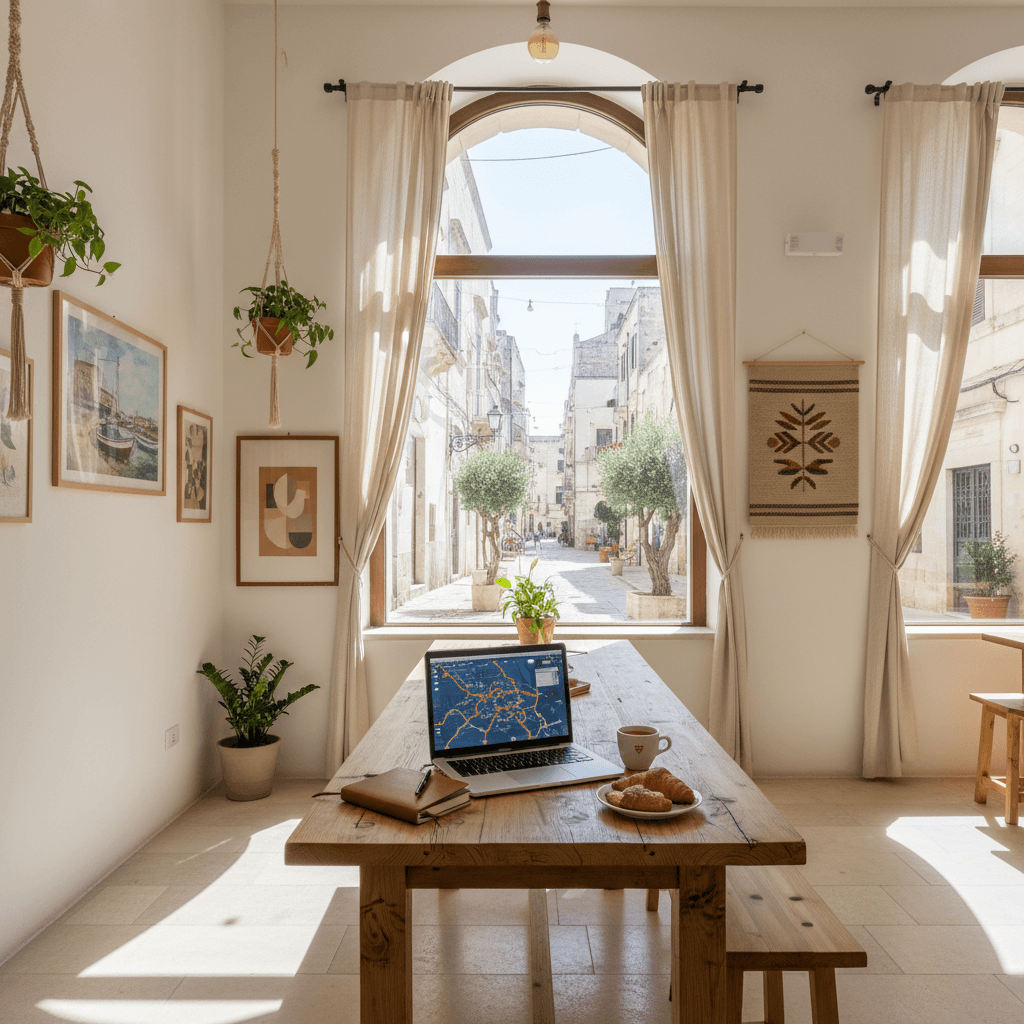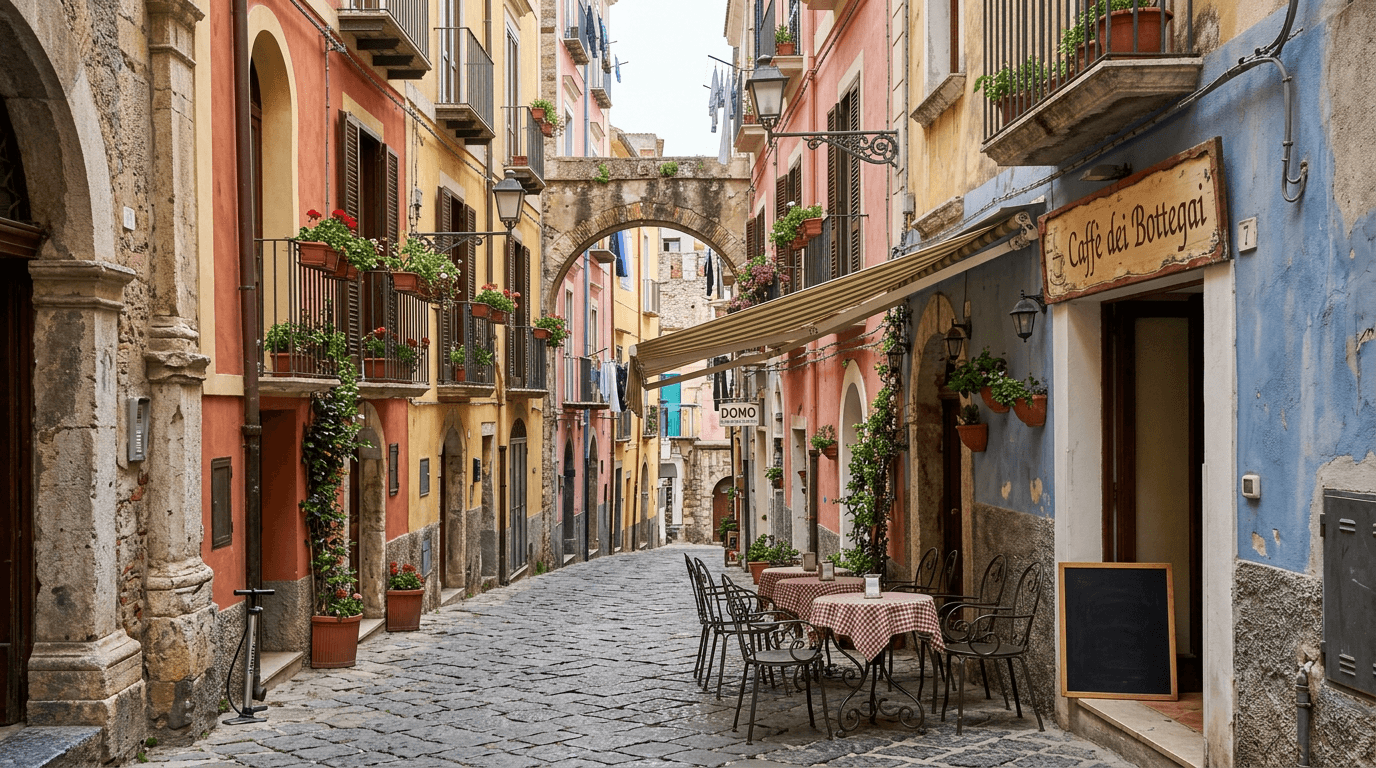
Salerno
🇮🇹 Italy
Salerno feels like a real working Italian city that happens to sit on a gorgeous stretch of sea. It’s calmer than Naples, less polished than the Amalfi villages and a lot more livable if you want daily life, not just a postcard. The core is compact, the waterfront is easy to walk and the train station gives you a clean escape hatch to Naples, Rome and the south.
The vibe is local first. You’ll hear scooters buzzing past, older neighbors chatting from balconies, clattering coffee cups in bars on Corso Vittorio Emanuele and the smell of fried seafood drifting off the lungomare. It’s family-oriented, a little rough around the edges and usually cheaper than the coast north of here, which is why a lot of nomads and expats use it as a base instead of staying in overrun Amalfi towns.
What people like: affordable rents by Italian coastal standards, solid transport links, easy ferry and bus access to Amalfi and Positano, good food and a center you can actually live in without a car.
What people complain about: nightlife is thin, English isn’t widely used outside tourist spots and the bureaucracy can be maddening. Rentals can feel old-school, paperwork moves slowly and petty crime, graffiti and summer crowds are part of the deal.
Who it suits
- Digital nomads: good if you want decent Wi-Fi, walkability and a quieter base near the coast.
- Expats: works well for people who want everyday Italy and don’t mind doing things in Italian.
- Short-stay travelers: handy if you want Amalfi access without paying Amalfi prices.
Cost of living
- Studio or room: about €400 to €650 in outer areas like Pastena or Torrione.
- One-bedroom: roughly €650 to €900 in Carmine, Irno or near the station.
- Prime sea views: often €1,000 or more, especially in the historic center or on the seafront.
- Eating out: pizza or a simple pasta plate can run €5 to €8, while a decent trattoria meal is usually €12 to €20.
For coworking, Regus on Via Giulio Pastore and Seci Center are the names people actually use, though plenty of remote workers just post up in cafes and deal with the occasional noisy espresso machine. Salerno isn’t flashy. That’s the point. It gives you sea air, proper city services and a slower rhythm, with summer humidity, winter gray skies and enough grit to remind you you’re living in Italy, not visiting it.
Salerno is cheaper than Naples, calmer than the Amalfi villages and still close enough to both that you can live a normal week and still hop on a ferry to Positano. It’s a working seaside city, not a resort town, so everyday costs stay more reasonable than the postcard views might suggest.
For a single remote worker, rent is the main variable. A simple studio or room in outer areas like Pastena or Torrione can run €400 to €650, while a decent one-bedroom near Carmine, Irno or around the station usually lands closer to €650 to €900. Prime seafront flats or renovated places in the historic center can push past €1,000, especially if they’ve got a sea view and modern heating, which you’ll appreciate when the winter humidity bites through the walls.
Utilities for a mid-sized flat usually sit around €100 to €150 a month, though older apartments can be a bit drafty and awkward to heat. The city also has the usual Italian bureaucratic drag, so rental contracts, deposits and utility transfers can take longer than they should. It’s not dramatic, just slow, old-school and mildly annoying.
Typical monthly costs
- Budget setup: €1,000 to €1,300, with a shared room or basic studio, mostly home cooking and a few cheap meals out.
- Mid-range setup: €1,400 to €1,900, with a solid one-bedroom, regular restaurant meals and some coastal trips.
- Comfortable setup: €2,000 to €2,700+, with a renovated seafront flat, more dining out and a paid coworking desk.
Food is one of Salerno’s best value points. A slice of pizza, panino or simple pasta at a bar often costs €5 to €8, while a pizzeria or trattoria meal usually runs €12 to €20 per person. Seafood dinners on the waterfront climb to €25 to €40 or more, especially with wine, but that’s still cheaper than the Amalfi Coast proper.
Locals shop at places like Sole 365, plus neighborhood markets and bakeries, so groceries stay sane if you cook. Expect the smell of warm bread, coffee and frying oil drifting out of corners of the old town in the morning, then diesel and scooter exhaust once the city wakes up.
Getting around doesn’t cost much. Urban bus rides are roughly €1.30 to €1.60 and a SITA bus to Amalfi or nearby coast towns is about €2.80 to €3.50 one way. A 24-hour coastal pass is €10, which most nomads find worthwhile if they’re doing day trips. For work, Regus and Seci Center on Via Giulio Pastore give you the most straightforward professional options, though plenty of people just split time between cafés and home.
Salerno works best if you want a real city by the sea, not a polished resort town. It’s flatter, calmer and cheaper than the Amalfi villages, with trains, ferries and enough daily life to keep things practical. The trade-off is simple, nightlife is modest and some areas feel a bit rough around the edges after dark.
For nomads
The sweet spot for most remote workers is around the station, Corso Vittorio Emanuele and the edge of the old town. You’re close to trains, buses, cafes and the waterfront, so you can work, eat and move around without wasting time in traffic or on hills.
- Best area: Station area, Corso Vittorio Emanuele, parts of Irno
- Why it works: Flat streets, easy commuting, solid internet in many apartments and quick access to the rest of the city
- Watch out for: Noise near the station, older buildings with thin walls and street life that can get messy late at night
Most nomads also like Carmine for a more lived-in feel. It’s less shiny, but there are good bakeries, grocery stores and local bars where you’ll hear scooters buzzing by and neighbors arguing from balconies at 9 p.m.
For expats
Carmine and Irno are the practical picks if you’re settling in for a few months or longer. They’re residential without feeling dead and you’ll find everyday shops, decent rents and a pace that’s easier to handle than the center’s touristy pockets.
- Best area: Carmine, Irno, parts of Torrione
- Why it works: Better value than the seafront, good for routines and less of the weekend noise you get downtown
- Watch out for: More ordinary apartment stock, fewer postcard views and some streets that feel tired rather than charming
If you want a local rhythm, this is where Salerno feels most honest. You’ll get espresso bars, laundry hanging in the breeze, church bells and the smell of frying seafood drifting out of nearby kitchens.
For families
Pastena and Torrione make the most sense for families. They’re more residential, have broader streets than the centro storico and tend to be easier for strollers, school runs and grocery trips. Rents can be lower too, especially compared with the waterfront.
- Best area: Pastena, Torrione, eastern seafront residential stretches
- Why it works: More space, everyday services and easier parking than the old center
- Watch out for: Longer walks to the historic core and less atmosphere if you want cafes on your doorstep
For solo travelers
The historic center is the most atmospheric base if you’re in Salerno for a short stay. It’s good for wandering, eating and people-watching, especially around the Duomo and the lanes that spill down toward the sea.
- Best area: Centro Storico, near the seafront if you want easier access
- Why it works: Best mix of character, restaurants and walking access to Santa Teresa beach and the ferry terminal
- Watch out for: Stairs, older buildings, weekend noise and fewer conveniences than the flatter central areas
Skip anything too far uphill unless you really like climbing in humid heat. Salerno gets sticky in summer and after a long day the last thing most people want is a steep walk home with grocery bags digging into their hands.
Salerno’s internet situation is decent, not dazzling. In the center, apartment Wi-Fi is usually fine for calls, email and regular remote work, but don’t expect the kind of polished, all-day coworking scene you’d find in Milan or Lisbon. The city feels more like a working Italian port than a nomad hub, so the backup plan matters. Cafes can be noisy, with espresso machines hissing, chairs scraping tile floors and locals talking over the morning traffic.
If you’re staying a few weeks, a flat with stable fiber is the safest bet. Mobile coverage is generally solid and a local SIM from TIM, Vodafone or WindTre will usually keep you online if the apartment connection drops. That said, older buildings in the historic center can be patchy and some rentals still have the sort of internet setup that makes video calls stutter at the worst possible moment.
Where to work
- Regus, Via Giulio Pastore 24: The most straightforward professional option in town, with high-speed Wi-Fi, reception and meeting rooms. Best if you want a proper desk and don’t want to gamble on cafe noise.
- Seci Center, Via Giulio Pastore 24: A local serviced-office setup that works like a coworking space, with flexible office and shared-work options. It’s more business center than creative hub, but it gets the job done.
- Cafes and bars near Corso Vittorio Emanuele or the lungomare: Fine for a few hours if you’re polite, buy coffee and don’t take calls all afternoon. Expect background chatter, clattering cups and the occasional blunt stare if you camp too long.
For neighborhoods, the station area and Corso Vittorio Emanuele are the most practical for remote workers because they’re flat, central and close to everything. Pastena and Torrione are better for cheaper long stays, though you’ll rely more on buses or a longer walk. The historic center is lovely, but it can be a headache for workdays if your building has weak Wi-Fi or lots of stairs.
Most nomads here settle into a simple routine, apartment internet for deep work, a coworking desk for heavier days and a seafront coffee stop when they need a change of scene. It’s a slower setup than Naples, but that’s part of the appeal. Salerno doesn’t try to be a tech city and frankly, that keeps the pressure down.
Salerno feels safer and calmer than Naples and that’s part of the appeal. Most nomads walk the center, the lungomare and the station area without thinking much about it, though petty theft still happens, especially around crowded trains, late-night bars and busy summer stretches near the seafront. Keep your bag zipped, don’t leave a phone on café tables and treat the old town’s quieter lanes the way you would in any Italian city after dark.
The city’s main medical upside is simple, there’s real infrastructure here. You’re not stuck in a beach town with one clinic and a prayer. Salerno has hospitals, specialists, pharmacies on nearly every major road and a day-to-day medical system locals actually use, which matters if you’re staying longer than a week or two.
What to know about medical care
- Hospitals: Salerno has public hospital access and private specialists, so you can handle everything from a bad flu to a minor scan without going to Naples.
- Pharmacies: Farmacie are easy to find in the center, Carmine, Torrione and around Corso Vittorio Emanuele. Many staff speak enough English for basic questions, but not all do.
- Appointments: Italy runs on waiting and Salerno is no exception. For non-urgent care, expect slow booking, paperwork and some old-school back-and-forth.
- Emergency: For serious issues, use the national emergency number 112. Don’t mess around with private taxis if someone needs urgent care.
Heat is the bigger health headache than crime for a lot of people. Summer humidity can sit on you like a wet towel, especially in the center or on buses and the salt air plus traffic fumes can feel grim on still days. Hydrate early, carry sunscreen and don’t assume a seaside breeze will save you in August, because it won’t.
For everyday sickness, most expats and travelers rely on a nearby pharmacy first. That’s usually enough for basic stomach bugs, sunburn, allergies and cold meds and it’s faster than trying to get an appointment for something minor. If you need English-speaking help, ask your landlord, coworking space or host for a local doctor recommendation before you’re sick, not after.
Safety-wise, the usual common sense goes a long way. Skip deserted stretches late at night, be wary of scooters squeezing past in traffic and don’t flash cash or expensive gear at the train station. Salerno isn’t rough, but it isn’t a bubble either and the city is much easier if you move like someone who knows how Italian streets work.
Salerno is easy to move around in and that matters more here than in most Italian coastal cities. The center is compact, the seafront is flat and you can walk from the train station to the lungomare, Corso Vittorio Emanuele and the old town without much effort. The downside is that summer traffic can turn the roads into a slow, honking mess, especially once people start heading toward the Amalfi Coast.
For day-to-day life, most nomads just walk. The sea air, the smell of espresso drifting out of bars and the occasional blast of scooter exhaust make the city feel properly lived-in, not polished for tourists. If you’re staying in the station area, Carmine, Irno or the waterfront, you’ll rarely need a car for errands, coworking or dinner.
Walking and local buses
Walking covers a lot of ground, but Salerno’s hills can bite if you’re staying in the historic center above the main streets. Public buses are useful for crossing town or reaching outer neighborhoods like Pastena and Torrione, though they’re not always glamorous and they don’t run like clockwork.
- City bus fare: about €1.30 to €1.60 ($1.40 to $1.74)
- Best for: short hops to the station, university areas and outer neighborhoods
- Reality check: schedules can be loose, so don’t plan your life around them
Trains, ferries and coast trips
The train station is one of Salerno’s best assets. You can get to Naples fast, head south without drama and use Salerno as a base for weekend trips. Ferries and SITA buses make the Amalfi Coast easier than trying to drive it yourself, which is a miserable idea in peak season unless you enjoy sitting behind scooters and tour vans.
- Amalfi Coast bus ticket: roughly €2.80 to €3.50 ($3.04 to $3.80)
- 24-hour pass: about €10 ($10.84)
- Best move: use ferries when you can, especially in summer, because road traffic gets ugly
Taxis, cars and coworking commutes
Taxis exist, but most locals don’t rely on them for everyday movement. Renting a car is only worth it if you’re planning lots of inland trips or staying outside the center, because parking can be frustrating and the roads toward the coast are often clogged.
For remote work, coworking isn’t huge here, but it’s workable. Regus and Seci Center on Via Giulio Pastore are the main professional options, while plenty of people just work from cafés near Corso Vittorio Emanuele or the waterfront. The internet is decent in many apartments, though older buildings can be patchy, so check that before you sign anything.
Salerno is mostly Italian-first and that’s the point. In cafés, on buses and in shops, people tend to switch into English only if they really have to, so a few basic phrases go a long way. You’ll hear fast local speech, a lot of laughter over espresso cups and the occasional sharp exchange at a counter when service gets slow.
For nomads, that means Salerno is a good place to practice real-world Italian without feeling trapped in a tourist bubble. The city’s slower pace helps, but it’s still very much a working place, so don’t expect everyone to be patient if you’re fumbling through a long request at the post office or trying to sort a rental contract.
What language you’ll actually use
- Italian: The default everywhere, from property agents to bus drivers.
- English: Common enough in hotels, some central restaurants and a few coworking setups, but not reliable for errands.
- Dialetto salernitano: You’ll hear it in markets, bars and family conversations. You don’t need to speak it, but it can sound completely different from textbook Italian.
Most expats get by with basic Italian plus translation apps. Google Translate and DeepL are handy for messages, leases and utility forms, especially when someone sends you a photo of a handwritten note or a landlord texts in shorthand. Log in to your bank, booking apps and email before you arrive, because some local offices still move at a paper-and-stamp pace.
Practical communication tips
- WhatsApp: The main way people message here. Landlords, tutors and service providers often prefer it over email.
- Phone calls: Still common for appointments and confirmations. If you don’t answer unknown numbers, you may miss something important.
- In person: Face-to-face chats work better than long messages for rentals, repairs and bureaucratic follow-up.
The bureaucracy can be maddening if you don’t speak Italian. Rental contracts, visa paperwork and utility setups often involve printed forms, unclear instructions and a lot of “come back tomorrow” energy. Keep copies of your passport, codice fiscale and residence documents in both paper and digital form.
Salerno’s communication style is direct, warm and a little old-school. People will ask personal questions, talk over each other and repeat themselves if they think you didn’t understand. It’s not rude, just local rhythm. If you meet it with a few Italian phrases and a bit of patience, daily life gets much easier.
Salerno has a classic Campania climate, hot, humid summers, mild winters and a long shoulder season that’s usually the sweet spot for staying here. The city sits on the sea, so you get salty air, bright light and the occasional sticky evening when the heat hangs around after sunset. Winter is gentler than Naples in feel, though a damp tramontana wind can still cut through you on the waterfront.
May, June, September and October are the best months for most travelers and remote workers. Days are warm enough for the beach, ferry rides and long walks on the lungomare without the crush of peak season and the city still feels lived-in rather than staged for tourists. You’ll also dodge the worst of the traffic snarls that hit the Amalfi Coast in July and August.
July and August are the hardest months. It gets hot, the pavements glare, buses fill up and the humidity can feel like a wet towel left over your shoulders. Salerno can still be pleasant then if you like late swims and busy evenings, but if you’re working full-time, the heat plus slower summer rhythms can get old fast. Spring is the cleaner choice for comfort and early fall usually wins on sea temperature, price and crowd levels.
Winter runs from November through February and it’s a mixed bag. Rents are easier to negotiate, the city feels more local and you’ll hear more kitchen clatter, scooters and church bells than tourist chatter. Days are shorter and rain is common, so it’s better for people who want cheap, quiet basecamp living than for anyone chasing beach weather.
What each season feels like
- Spring: Mild, bright and walkable. Good for first-time visitors and apartment hunting.
- Summer: Hot, busy and sticky. Best if you’ll live by the sea and don’t mind crowds.
- Fall: The strongest all-around season. Warm water, softer light and fewer headaches.
- Winter: Quiet and affordable. Damp, but very local.
If you’re a nomad, aim for late April through June or September into early November. That’s when Salerno feels most usable day to day, with decent internet in central apartments, less pressure on ferries and enough life on Corso Vittorio Emanuele and the old town to keep you sane. Skip peak August unless you’re here for vacation, not work.
Salerno is easy to live in if you want a real Italian city that still works for remote life. It’s smaller and calmer than Naples, the seafront is walkable and the trains, ferries and buses make day trips to the Amalfi Coast pretty painless. The trade-off is simple, nightlife is modest, English isn’t widely used outside tourism pockets and the bureaucracy can feel slow and dusty, like papers shuffled across a municipal desk at 2 p.m. when everyone wants lunch.
Best neighborhoods for daily life: the Station area and Corso Vittorio Emanuele are the most practical if you need trains, buses and flat streets. Carmine and Irno are popular with locals for a more residential feel and decent value. Pastena and Torrione are farther out but often cheaper, with more of a neighborhood rhythm, bakeries in the morning and less of the tourist noise.
- Historic Center: Best for atmosphere, bad for parking and late-night sleep. Narrow lanes, stairs and weekend noise are part of the deal.
- Station area: Best all-around base for commuters and nomads. Flatter, central and easy for quick trips.
- Pastena and Torrione: Better value, more local, less scenic. Good if you don’t need to be in the middle of everything.
Monthly costs are still livable by Italian coastal standards. A basic studio outside the center can run about €400 to €650, a decent one-bedroom near the center is often €650 to €900 and seafront places can push past €1,000 fast. Groceries from chains like Sole 365 stay reasonable and a simple lunch, pizza slice or panino usually won’t wreck your budget.
- Budget: €1,000 to €1,300 for a room or simple studio, groceries, local transport and a few cheap meals out.
- Mid-range: €1,400 to €1,900 for a one-bedroom, more restaurant meals and regular trips along the coast.
- Comfortable: €2,000 to €2,700+ if you want a renovated seafront flat, coworking and more frequent dining out.
For getting around, don’t bother with a car unless you enjoy sitting in traffic and hunting for parking. The local buses are fine for city hops, the train station is useful for Naples and Rome and SITA buses plus ferries cover most Amalfi Coast runs. For workspaces, Regus and Seci Center on Via Giulio Pastore 24 are the main professional options, though plenty of nomads just work from cafés near the lungomare and deal with the espresso machine hiss, chair scraping and sea air instead.
Frequently asked questions
Is Salerno a good base for digital nomads?
How much does rent cost in Salerno, Italy?
What are the best neighborhoods for remote workers in Salerno?
Where can I cowork in Salerno?
How good is the internet in Salerno?
How much does it cost to eat out in Salerno?
How do I get from Salerno to Amalfi or Positano?
Need visa and immigration info for Italy?
🇮🇹 View Italy Country GuideHidden Gem
Worth the effort
Monthly Budget Estimates
More cities in Italy
Padua
🇮🇹 Italy
Lecce
🇮🇹 Italy
Genoa
🇮🇹 Italy