Salento
🇨🇴 Colombia
The Pulse of the Coffee Axis
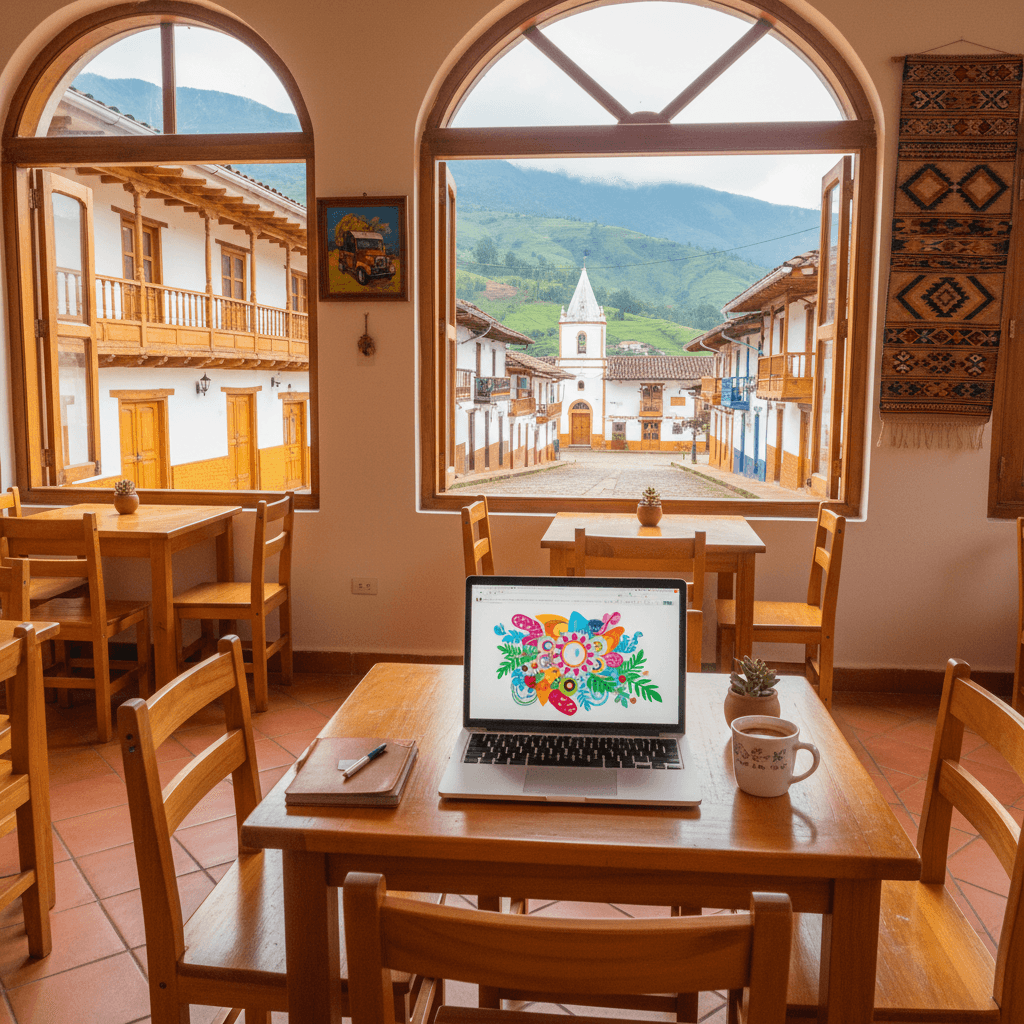
Salento isn't your typical high-octane nomad hub. It's a high-altitude retreat where the morning mist rolls over bright green hills and the scent of roasting beans hits you before you've even opened your laptop. Located in the heart of Colombia's Zona Cafetera, this town replaces the neon lights of Medellin with colorful colonial balconies and the click-clack of horses on cobblestone streets.
The vibe here is deeply grounded. Most nomads find themselves falling into a slower, more deliberate rhythm. You'll likely spend your mornings working from a wood-paneled cafe like Cafe Jesus Martin, where the WiFi is surprisingly sturdy and the espresso is world-class. By the afternoon, the town shifts gear; the Plaza de Bolívar fills with colorful Willy jeeps and locals gathered to talk shop over a tinto. It's a place that rewards those who want to trade urban chaos for fresh mountain air and a tight-knit community feel.
What Sets Salento Apart
Unlike the coastal heat or the sprawling valley of Bogota, Salento offers a crisp, cool climate that stays between 15 and 25°C (59 to 77°F) year-round. It's the gateway to the Cocora Valley, home to the world's tallest wax palms. This proximity to nature is the big draw; you can finish a deep-work session at noon and be hiking through a cloud forest by 1:00 PM.
Expats often mention that Salento feels like a village that happens to have the amenities of a small city. You get the safety and intimacy of a rural town, but with high-speed fiber optic internet starting to pop up in spots like Meraki or El Patio Hostel. It’s an environment that favors "deep work" and creative resets over networking events and late-night clubbing.
The Local Experience
Living here means embracing the quirks of the Andes. You’ll get used to the rainy afternoons from October to January, which are perfect for nesting in a cafe with a book. You'll learn that the best way to get around isn't an app, but hopping into the back of a shared Jeep for 10,000 COP to reach the trailheads or nearby coffee farms.
While the town is undeniably touristy on weekends when domestic travelers arrive, the weekday experience is serene. You’ll find yourself chatting with artisan shop owners on Calle Real or joining a game of Tejo (Colombia’s gunpowder-based lawn game) with other travelers. It’s a place that feels remarkably safe for solo travelers, where the biggest risk is usually a muddy pair of boots after a sudden downpour.
The Cost of Keeping It Simple
Your budget in Salento goes a long way, especially compared to North American or European hubs. Most nomads report spending between $650 and $1,400 USD per month depending on how much they prioritize private views over shared spaces.
- Budget Tier ($650 to $900): You're likely staying in a shared hostel or a basic room in the town center, eating $3 empanadas and $5 bandeja paisa specials, and sticking to free hikes.
- Mid-Range Tier ($900 to $1,100): This covers a private studio or a nice Airbnb, daily cafe visits for work, and frequent coffee farm tours.
- Comfortable Tier ($1,100 to $1,400): You’ll have a 1-bedroom rental near the Plaza, eat at the town's more upscale traditional restaurants, and use private transport like scooters to explore the surrounding valley.
Where to Nest
The town is compact and walkable, so you don't need a car. Most people choose their base based on how close they want to be to the action.
Town Center (Plaza de Bolívar)
- Rent: $500 to $700 for a decent apartment.
- Vibe: Social and convenient. You're steps away from every major cafe and the best WiFi.
- Trade-off: It can get noisy on weekends when the tourists arrive.
The Outskirts (Cocora Road)
- Rent: $300 to $500 for rustic lodging or hostels.
- Vibe: Quiet, scenic, and surrounded by nature. Ideal for long-term stays if you don't mind a 20-minute walk for groceries.
- Trade-off: WiFi can be spottier the further you get from the town's core.
The Monthly Breakdown
Living in the heart of Colombia's coffee axis is surprisingly affordable, even with the town's growing popularity. Most digital nomads find they can live comfortably on a budget ranging from $650 to $1,400 USD per month. Your final total depends heavily on whether you're chasing the social hostel vibe or prefer a private balcony overlooking the Andean peaks.
For those on a tighter budget, $650 to $900 covers a bed in a high-quality shared hostel like El Patio, plenty of street food empanadas, and daily coffee at the local spots. Mid-range living usually sits between $900 and $1,100, which gets you a private studio and most of your meals at solid cafes. If you're pushing into the $1,100 to $1,400 bracket, you're looking at a premium one-bedroom rental near Plaza de Bolívar and dining at the town's more upscale traditional restaurants every night.
Housing and Neighborhoods
Salento is compact and incredibly walkable, so you won't need to worry about commuting costs. Most nomads stick to the Town Center around Plaza de Bolívar and Calle Real. It’s the hub for everything, though it can get noisy during weekend festivals. If you want peace and quiet, head to the outskirts near the Cocora Valley trailhead. It's a 20 to 30 minute walk into town, but the views are unbeatable.
- Budget Tier: Expect to pay around $300 to $400 for budget shared options.
- Mid-Range Tier: A private studio in the center typically runs between $400 and $500.
- Comfortable Tier: A modern one-bedroom apartment with a view near the main square costs between $500 and $600.
Food and Dining
Eating out is one of the highlights here, and it won't break the bank. You can grab a quick snack on the street for $2 to $5, while a full meal at a mid-range cafe usually costs between $5 and $10. For a high-end dinner featuring local trout or a massive bandeja paisa, expect to spend $10 to $20.
- Low spend: $200 per month for those cooking at home and sticking to local markets.
- Mid-range spend: $250 to $300 per month for a mix of home cooking and daily cafe visits.
- High spend: $350 to $400 per month for those who prefer dining out for almost every meal.
Connectivity and Transport
Since the town is so small, your transport costs will be minimal. Most people spend $20 to $50 a month just for the occasional Willy jeep ride to the Cocora Valley, which costs about $2.50 roundtrip. If you want more freedom, you can rent a scooter for about $7.50 a day or $100 to $200 a month.
Internet is the one area where you shouldn't cut corners. While cafe WiFi is often free with a $2 coffee, dedicated remote workers often pay for a coworking pass or high-speed home setup to ensure stability.
- Mobile Data: A local Claro or Movistar SIM card costs about $5 for 10GB of data.
- Coworking: A day pass at El Patio Hostel runs about $5 to $10, while dedicated monthly spaces or high-speed home internet can cost $80 to $100.
While prices are currently stable, it's smart to plan for 5% to 10% inflation as we move into 2026. Most local businesses prefer cash or the Nequi app, but you'll want to keep a Wise or Revolut card handy for ATM withdrawals at the Banco de Bogotá on the square.
The Pulse of the Town: For Solo Travelers and Nomads
If you're coming to Salento to work, you'll want to stay as close to Plaza de Bolívar or Calle Real (Carrera 6) as possible. This is the heart of the action where the colorful colonial facades aren't just for show; they house the town's most reliable internet connections. Most nomads choose this area because it puts you within a two minute walk of Cafe Jesus Martin, which is widely considered the best office away from home for its consistent 20 to 50 Mbps speeds.
Staying in the center means you're never more than a few steps from the town's best eateries and the Jeep station. You can expect to pay around $400 to $600 for a private studio or a comfortable one bedroom apartment in this zone. While it's the most convenient spot, keep in mind that weekends get loud. Day trippers from Armenia and Pereira flood the square, so if you're sensitive to noise during your Zoom calls, look for a place a few blocks east of the main plaza to catch a breeze without the crowds.
- Rent: $400 to $600 for a private 1BR or studio.
- Vibe: Social, convenient, and visually iconic.
- Best for: Short-term stays and those who need to be near coworking cafes like Meraki.
The Scenic Outskirts: For Families and Nature Lovers
Families and those planning to stay for a month or more often gravitate toward the outskirts, particularly the areas heading toward the Cocora Valley trailhead. It's a much quieter environment where the sound of roosters replaces the sound of weekend tourists. You'll get more space for your money here, and many rentals come with stunning views of the surrounding wax palms and rolling green hills.
The trade-off is accessibility. You're looking at a 20 to 30 minute walk into the center for groceries or a stable WiFi signal. Many expats in this area rely on local SIM cards from Claro or Movistar as a backup, as home internet can be spotty when the clouds roll in. For families, hostels like El Patio offer larger private rooms that bridge the gap between a social hostel environment and a quiet family retreat.
- Rent: $300 to $500 for larger, rustic spaces.
- Vibe: Peaceful, green, and authentic.
- Best for: Long-term stays and anyone who prioritizes a view over a fast commute to the coffee shops.
The Social Hubs: For Expats and Community Seekers
Expats who have settled in Salento long-term tend to cluster around the north end of town. This area feels a bit more residential but remains walkable to the social hubs. You'll find a tight-knit community here that meets up at El Patio Hostel & Coffee Shop for mid-week drinks or organized hikes. It's the best place to find a balance between the touristy center and the isolated countryside.
Living here allows you to bypass the highest "tourist taxes" on food. Instead of the $15 plates on the main drag, you'll find traditional spots serving bandeja paisa for closer to $8. Most long-termers find their housing through local Facebook groups or word of mouth once they arrive, often securing better rates than what's listed on international booking platforms.
- Rent: $400 to $500 for a well-located apartment.
- Food: $250 to $300 per month for a mix of home cooking and local cafes.
- Best for: Building a local network and staying for 3 to 6 months.
Connectivity in the Coffee Axis
Salento is a place where you'll find yourself balancing a spreadsheet in one hand and a world class cup of coffee in the other. While it doesnt have the fiber optic infrastructure of Medellin, the town has become surprisingly reliable for remote work. Most nomads find the sweet spot for productivity is between 20 and 50 Mbps in the center of town. It is enough for Zoom calls and standard uploads, but you might struggle with massive 4K video files or heavy gaming.
The golden rule here is to verify your speeds before booking a long term stay. While the town center is generally solid, the further you drift toward the outskirts or the Cocora Valley trailhead, the more the signal tends to drop. If your work requires a rock solid connection, stick to the area around Plaza de Bolivar or Calle Real.
Top Coworking Spots and Productive Cafes
You wont find many formal, corporate style coworking offices here. Instead, Salento relies on a thriving cafe culture where laptops are welcomed and the WiFi is usually free with your order. Expats and travelers often gravitate toward these three spots:
- Cafe Jesus Martin: This is the unofficial headquarters for nomads in Salento. The WiFi is consistent, the atmosphere is focused, and the coffee is some of the best in the country. You can work here for the price of a $2 cup of coffee.
- El Patio Hostel & Coffee Shop: If you prefer a more social environment, El Patio is a great choice. They offer a relaxed vibe and better than average connectivity. They also offer day passes ranging from $5 to $10 if you want a more stable "base" for the day.
- Meraki: Located slightly off the main tourist path, Meraki is quieter and offers an international menu. It is perfect for those days when you have back to back meetings and need to avoid the noise of the main square.
Mobile Data and SIM Cards
Do not rely solely on hostel WiFi. Power outages are rare but do happen during heavy rain, so having a local backup is a smart move. Most nomads recommend Claro or Movistar for the best local coverage. You can pick up a SIM card at small shops in town for about 20,000 COP ($5 USD), which usually gets you around 10GB of data.
For those who want to be connected the second they land, Saily is a popular eSIM option. Packages start around $6 and save you the hassle of hunting down a physical store. If you are planning to use your phone as a hotspot, Claro typically has the strongest signal strength throughout the Quindio region.
Digital Nomad Costs for Connectivity
- Budget Setup: Relying on cafe WiFi and basic mobile data will cost you roughly $50 per month, usually bundled into your food and utility costs.
- Mid Range Setup: A dedicated coworking pass or frequenting high end cafes daily averages $80 to $100 per month.
- High Speed Home Setup: If you are renting a private apartment and want to install or upgrade to high speed lines, expect to pay around $100, though this is often pre negotiated with Airbnb hosts.
The work culture in Salento is early to rise. You will see nomads hitting the cafes by 8:00 AM to knock out their deep work before the afternoon rains or the tourist crowds arrive. By sunset, most people have closed their laptops to grab a beer in the square or play a round of Tejo.
Keeping it Safe in the Coffee Axis
Salento is widely considered one of the safest hubs in Colombia for remote workers and solo travelers. Unlike the gritty urban edge you might find in parts of Medellín or Bogotá, this mountain town maintains a relaxed, small-town atmosphere where the biggest "threat" is usually a muddy trail or a sudden downpour. Most nomads feel perfectly comfortable walking back to their rentals after a late dinner near Plaza de Bolívar.
While violent crime is extremely rare here, you shouldn't let your guard down entirely. Petty theft can happen in crowded spots like Calle Real during the busy weekend rush. Expats usually suggest keeping your bag in front of you when the tourist crowds peak and avoiding leaving your laptop unattended at a cafe table while you grab a second latte. If you're heading out for the famous Cocora Valley hike, stick to the marked paths. It’s easy to lose your way if the fog rolls in or the rain starts, so downloading an offline map is a smart move.
Healthcare and Medical Emergencies
For minor ailments, stomach bugs, or altitude headaches, you'll find plenty of pharmacies (farmacias) lined up along Calle Real. The pharmacists are generally very helpful with over-the-counter basics, though you'll need some Spanish to explain your symptoms. If you need a doctor, there's a local hospital in town for basic triage, but it isn't equipped for serious procedures or specialized care.
For anything significant, you'll need to head to Armenia, which is about a 30 to 45 minute drive away. Hospitals there, like Clinica Central del Quindío, offer high-quality private care that meets international standards. Most travelers recommend having a solid private insurance policy that covers medical transport, just in case you need that trip down the mountain.
- Emergency Number: Dial 123 for police or ambulance services.
- Pharmacy Hours: Most are open from 8:00 AM to 8:00 PM, with some staying open later on weekends.
- Water Safety: While some locals drink the tap water, most nomads stick to filtered or bottled water to avoid any digestive interruptions to their work week.
Practical Safety Tips for Nomads
If you're planning on staying for several months, it's worth noting that the mountain terrain can be unpredictable. Flash flooding or small landslides can occasionally block the road to Armenia or Pereira during the heavy rainy seasons of November or May. Always check the weather before planning a tight trip to the airport.
Regarding digital security, the WiFi at spots like Cafe Jesus Martin or Meraki is generally reliable, but using a VPN is standard practice for most expats here. Since you'll likely be using apps like InDrive or Nequi to manage your life and transport, keeping your phone secure and using two-factor authentication will give you peace of mind while you're out exploring the coffee farms.
- Walking at night: Generally safe within the town center and well-lit areas near the plaza.
- Solo Travel: Highly recommended; the community is tight-knit and welcoming to solo foreigners.
- Transport: Use Willy jeeps for Cocora Valley trips; they are the local standard and very reliable for 10,000 COP roundtrip.
The Walkability Factor
Salento is a dream for those who hate commuting. The town center is incredibly compact, and you can cross the entire urban grid on foot in about 15 minutes. Most nomads base themselves near Plaza de Bolívar or along Calle Real, where everything from your morning espresso at Cafe Jesus Martin to your evening empanada is just a few blocks away. The streets are steep in some sections, so prepare for a bit of a calf workout if your Airbnb is tucked into the higher residential corners.
While the town itself is walkable, the surrounding mountains are another story. If you're heading to the outskirts for a quieter stay or a coffee farm tour, you'll want to wear sturdy boots. The terrain gets muddy fast when the afternoon rains hit, especially between October and January.
The Iconic Willys
You can't talk about transport in Salento without mentioning the Willys. These colorful, vintage WWII-era jeeps are the lifeblood of the region. They congregate in the main square and act as a shared taxi service to the Cocora Valley and local fincas. It's a social experience as much as a ride; you'll often see people hanging off the back bumper when the seats are full.
- Cocora Valley Roundtrip: Expect to pay around 10,000 COP ($2.50 USD).
- Departure Times: Jeeps usually leave every hour starting early in the morning, or whenever they're full.
- Private Hire: You can negotiate a private trip if you're traveling with a group or have heavy gear, though it'll cost significantly more than the shared rate.
Wheels for Rent
If you prefer more autonomy, local shops offer bike and scooter rentals. This is a popular choice for expats who want to explore the Coffee Axis without waiting on a jeep schedule. A scooter generally runs about 30,000 COP ($7.50 USD) per day. Just be cautious on the winding mountain roads; they're narrow, often slick from rain, and shared with large trucks and unpredictable livestock.
Getting In and Out
Salento doesn't have its own airport, so you'll likely fly into El Edén (AXM) in Armenia or Matecaña (PEI) in Pereira. Armenia is closer, about a one hour drive away. Most travelers use Skiplagged to find deals on Avianca or LATAM flights into the region.
- Airport Transfers: A private taxi from the Armenia airport to Salento costs roughly 50,000 COP ($12.50 USD).
- Ride-Hailing: Apps like InDrive or Uber are active but limited. They're useful for getting to the airport, but don't rely on them for short hops within the town.
- Public Buses: Frequent "colectivos" (small buses) run between the Armenia bus terminal and Salento for a few dollars, making it the most budget friendly way to arrive.
Practical Transit Tips
For navigating the region, nomads recommend keeping the Google Maps offline Spanish pack downloaded, as cell signals can drop the moment you leave the town center. While Claro and Movistar SIM cards work well in the square, the mountainous terrain creates plenty of dead zones. If you're using a fintech app like Nequi to pay local drivers, make sure you have your data sorted before you leave the WiFi at Meraki or El Patio.
The Language Divide
In Salento, Spanish is the undisputed king. Unlike the more international hubs of Medellin or Bogota, this mountain town retains a traditional feel where the local dialect is the primary way of life. Most residents speak little to no English, especially the older generation running the family stalls or driving the Willy jeeps to Cocora Valley. If you show up with zero Spanish, you'll still get by with smiles and pointing, but your experience will be significantly more superficial.
The exceptions are the places specifically geared toward the remote work crowd. At Cafe Jesus Martin or Meraki, you'll find staff who can handle orders in English and understand the specific needs of a nomad. Beyond those digital hubs, however, expect to use your hands and a translation app for everything from buying empanadas on Calle Real to negotiating a long term rental.
Survival Spanish and Local Flavor
You don't need to be fluent to thrive here, but mastering a few phrases will change how locals treat you. A friendly "Buenos dias" goes a long way. If you're heading to the square to catch a ride, knowing how to ask for the "Jeep a Cocora" is a daily necessity. When you're settling in at a cafe to get some work done, you'll inevitably need to ask for the WiFi contraseña (WiFi password).
Expats often recommend getting comfortable with numbers quickly. While prices are often written down in shops, at the local markets or when paying for a 10,000 COP jeep ride, hearing the numbers in Spanish will save you a lot of fumbling at the register. Most nomads find that a week or two of dedicated practice makes the difference between feeling like a tourist and feeling like a resident.
Digital Tools for the Trail
Since the internet can be spotty once you leave the town center, don't rely on a live connection for translation. Download the Google Translate offline Spanish pack before you arrive. It’s a lifesaver when you're deep in the coffee farms or hiking through the mud in the valley and need to ask for directions or clarify a price.
For staying connected without hunting for a local shop, many travelers now use Saily for an eSIM. It’s a quick way to get data immediately upon arrival, with packages starting around $6. If you're staying longer than a week, it's worth stopping by a small shop in town to grab a local Claro or Movistar SIM card. For around 30,000-45,000 COP, you can get 10GB+ of data, which is much more reliable for using maps and translation apps on the go.
Communication Culture
Communication in the Coffee Region is famously polite and indirect. It is common to exchange several pleasantries before getting to the point of a transaction. If you're looking for a long term apartment, most of those conversations happen through Facebook groups like "Digital Nomads Salento" or via WhatsApp. In Colombia, WhatsApp is the primary tool for everything from booking a coffee tour to messaging your landlord, so make sure you have it installed and ready to go.
- Language level: Low English proficiency outside of tourist cafes.
- Top Apps: WhatsApp for business, Google Translate for daily life, Saily for data.
- Key Phrase: "¿Cuánto cuesta?" (How much does it cost?) is your most used tool.
- Local SIM: around 30,000-45,000 COP for 10GB+ via Claro or Movistar.
Mountain Microclimates and Seasonal Rhythms
Salento doesn't follow the standard four season calendar. Instead, its position in the Coffee Axis means you'll experience a perpetual spring, with temperatures hovering between 15°C and 25°C (59°F to 77°F) year round. While the air is crisp and refreshing, the high altitude means the sun is stronger than it feels, and the clouds can roll in faster than you can finish a cup of coffee at Cafe Jesus Martin.
Expats living here long-term describe the weather as a cycle of "sun, mist, repeat." You might start your morning with a clear view of the Andes from your balcony, only to be enveloped in a thick, atmospheric fog by lunchtime. Most nomads find that the cooler climate is actually a productivity booster, since you aren't fighting the tropical humidity found in Medellin or Cartagena.
The Best Windows for Your Visit
If you want to maximize your time on the trails and minimize your time huddled under a cafe awning, aim for the two primary dry windows. These periods offer the clearest skies for photography in the Cocora Valley and the most reliable conditions for trekking.
- December to March: This is the gold standard for weather. It's the driest time of year, making it perfect for the long 5 to 6 hour Cocora loop. However, keep in mind that December and January see a massive influx of domestic tourists, so the Plaza de Bolivar can get loud and accommodation prices often spike.
- July and August: This secondary dry season is a favorite for digital nomads. The weather is generally stable, and while there are still plenty of travelers, it lacks the frantic energy of the Christmas holidays.
Navigating the Rainy Seasons
The heaviest rains typically fall from April to May and October to November, with peaks varying by month. During this time, the trails turn into deep, thick mud that can make hiking the Cocora Valley a genuine struggle even with rented rubber boots. Travelers often say that while the rain rarely lasts all day, it comes down in heavy, predictable afternoon bursts.
If you visit during these months, plan your deep-focus work for the afternoons when the rain hits, and get your hiking or coffee farm tours done as early as possible. Most veterans of the region suggest starting your day by 7:00 AM to beat both the clouds and the crowds.
Packing for All Possibilities
Because the temperature drops significantly as soon as the sun goes down, your wardrobe needs to be versatile. Locals and long-term expats rely on layers rather than heavy coats. You'll want a mix of breathable gear for the humid climbs and a solid fleece or sweater for the evenings when the mountain chill sets in.
- Rain Gear: A high quality waterproof shell is non-negotiable. Don't rely on cheap plastic ponchos if you plan on doing the full Cocora hike.
- Footwear: Bring waterproof hiking boots with good grip. If you're caught in a rainy week, you can rent "botas de caucho" (wellies) in town for about $2 to $3 a day.
- Sun Protection: The 70% humidity and cool breeze are deceptive. At this elevation, you'll burn quickly on a clear day without high SPF sunscreen.
Seasonal Crowds and Costs
The "best" time to visit isn't just about the rain; it's about the crowds. Salento is a small town of about 7,000 people that can feel overwhelmed on weekends and public holidays. Most nomads recommend arriving mid-week to secure the best seats at Meraki or El Patio. If your stay overlaps with a Puente (holiday weekend), expect the Willy jeeps to have long lines and the quiet, colonial atmosphere to be replaced by a festive, high-energy party vibe in the square.
Connectivity and Workspace
Internet in Salento is a bit of a mixed bag. While the town center generally holds up well for video calls, speeds can drop significantly once you head toward the outskirts. Most digital nomads find that 20 to 50 Mbps is the standard in reliable cafes, but it's always smart to have a backup plan.
- Cafe Jesus Martin: This is the gold standard for remote work in town. The WiFi is consistent, the coffee is world class, and you can usually grab a seat for the price of a $2 latte.
- El Patio Hostel & Coffee Shop: If you need a more social environment, they offer day passes for roughly $5 to $10. It's a great spot to meet other travelers between deep work sessions.
- Meraki: A quieter alternative off the main tourist drag. It has fast WiFi and a menu that caters to international tastes if you're craving something other than local fare.
For mobile data, don't rely on roaming. Grab a local SIM from Claro or Movistar at a shop near the plaza for about 20,000 COP ($5), which typically gets you 10GB of data. If you prefer things ready before you land, an eSIM through Saily is a solid choice, with packages starting around $6.
Cost of Living Breakdown
Salento is incredibly affordable compared to North American or European hubs, though prices are creeping up. Expect a monthly budget between $650 and $1,400 depending on your comfort level.
Mid-Range Nomad Setup
- Housing: $400 to $500 for a private studio in the center.
- Food: $250 to $300 a month. This covers a mix of cafe lunches and cooking at home.
- Connectivity: $80 to $100 for a dedicated workspace or frequent cafe visits.
- Transport: $50 to $100 for occasional ride-hailing or Jeep trips.
If you're on a tight budget, you can get by on $650 by staying in shared hostel dorms and sticking to street food like empanadas, which usually cost between $1 and $3. For those wanting a high-end 1BR near Plaza de Bolívar and upscale dining, budget closer to $1,400.
Safety and Health
Expats and solo travelers generally feel very secure here. Petty theft isn't a major issue, but keep an eye on your bag when the plaza gets crowded on weekends. The biggest safety risk is actually the weather; trails in the Cocora Valley get incredibly muddy and slippery during the rainy seasons of October to January. Stick to the marked paths.
For health needs, pharmacies are easy to find on Calle Real. If you have a serious medical emergency, you'll need to head to the city of Armenia, about 30 minutes away. Most nomads use private clinics there for better service. In any emergency, dial 123 for assistance.
Getting Around
You won't need a car in Salento. The town is entirely walkable, and you can cross the main center in about 10 minutes. For everything else, there are specific local options.
- Willy Jeeps: These colorful vehicles leave from the main square. A roundtrip to the Cocora Valley costs about 10,000 COP ($2.50).
- Ride-Hailing: Uber is limited. Use the InDrive app if you need a ride to the El Edén airport in Armenia, which usually costs between $20 and $30.
- Bikes: You can rent a mountain bike for around 30,000 COP ($7.50) a day if you want to explore the coffee farms at your own pace.
Language and Culture
Spanish is the primary language. While staff at popular spots like Meraki speak some English, you'll have a much better experience if you know the basics. Locals appreciate a polite "Buenos días" when you enter a shop. If you plan to stay longer than 90 days, look into the Colombia digital nomad visa, which has become a popular route for long term stays.
Need visa and immigration info for Colombia?
🇨🇴 View Colombia Country GuideHidden Gem
Worth the effort
Monthly Budget Estimates
More cities in Colombia
Medellín
🇨🇴 Colombia
Cali
🇨🇴 Colombia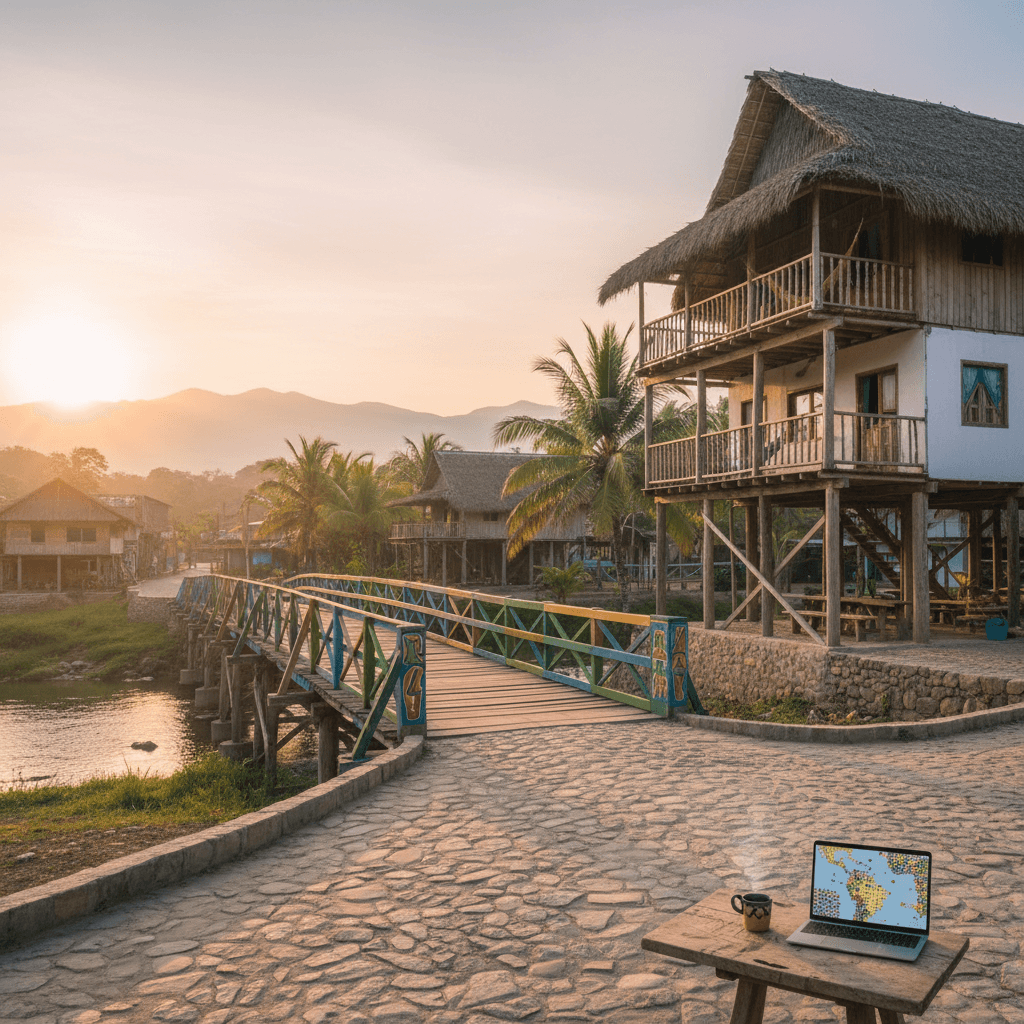
Palomino
🇨🇴 Colombia