Salalah
🇴🇲 Oman
The Green Anomaly of Arabia
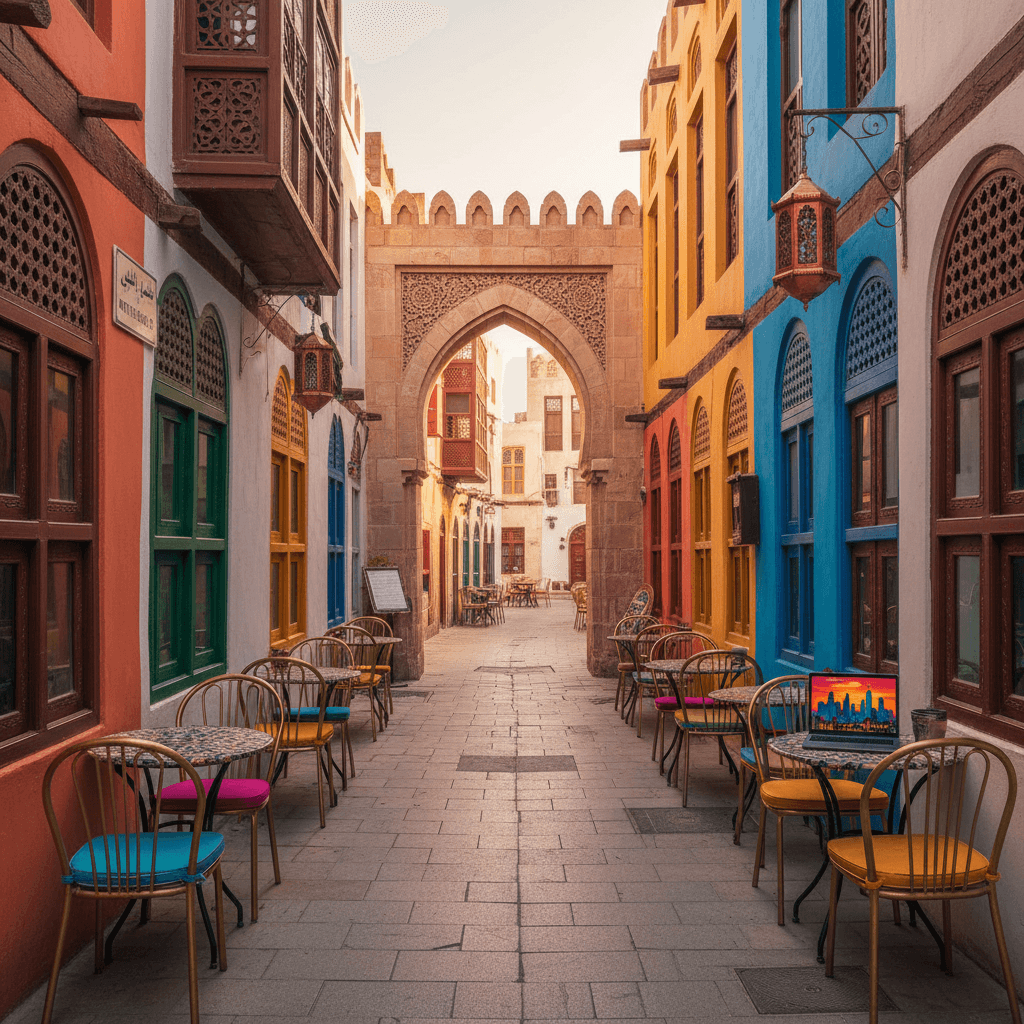
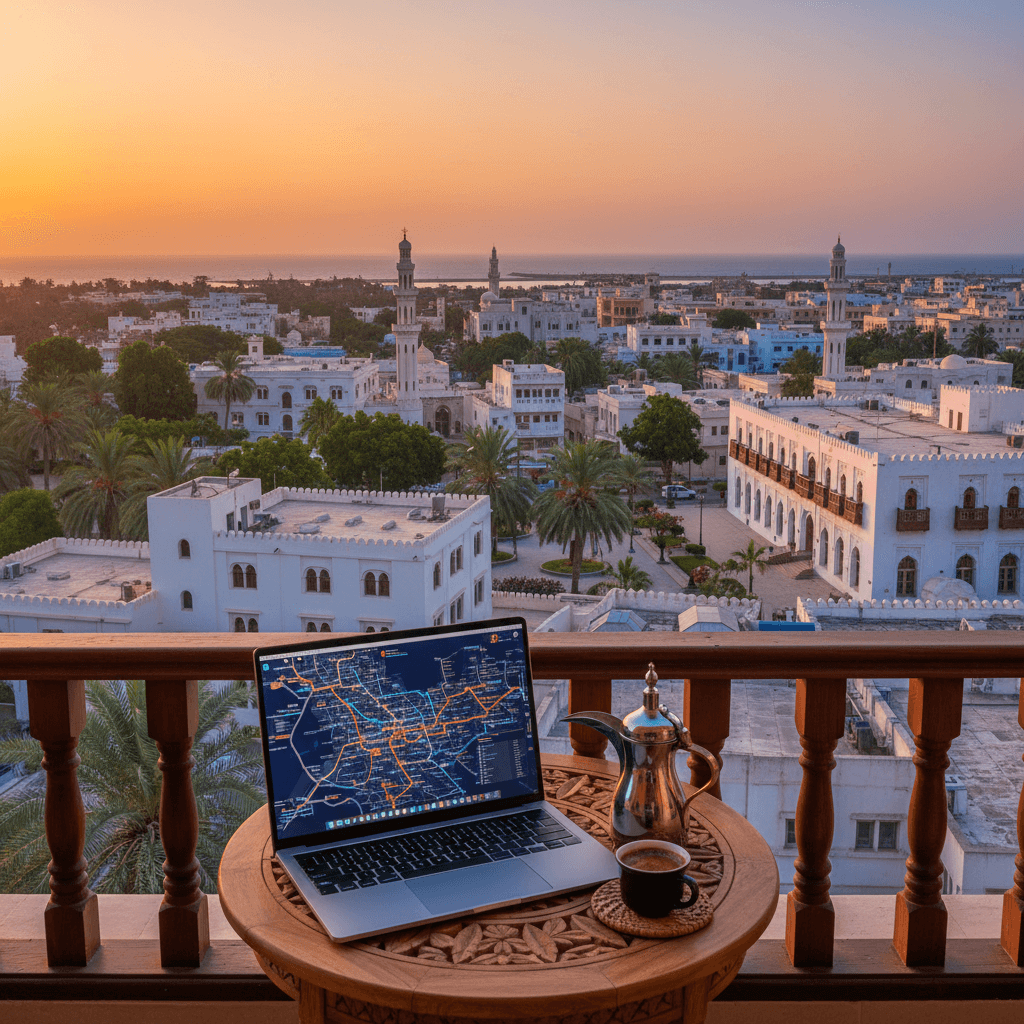
Salalah is the Middle East's best kept secret, a place that defies every stereotype of the arid Arabian Peninsula. While the rest of the region swelters in the summer heat, Salalah undergoes a radical transformation during the Khareef monsoon from June to September. The mountains turn a neon emerald green, mist rolls off the jagged cliffs, and waterfalls appear out of nowhere. It's a surreal, tropical pocket where you'll find yourself working from a laptop surrounded by coconut groves and banana plantations instead of sand dunes.
The vibe here is decidedly slow. It's a sanctuary for nomads who are burnt out on the frantic energy of Dubai or the crowded streets of Southeast Asia. You'll find a community that prizes tranquility and deep nature immersion over late night parties. Life revolves around the rhythm of the tides and the scent of frankincense that lingers in the air. It's the kind of place where locals will invite you for coffee simply because you're a guest in their city, offering a level of Omani hospitality that feels genuinely personal.
The Cost of Living
Your budget goes significantly further here than in neighboring Gulf hubs. While it's not "backpacker cheap" like Bali, it's incredibly affordable for the quality of life provided. Most mid range nomads find they can live very comfortably on $1,800 a month, while those on a tighter budget can get by on roughly $800 to $1,000 if they opt for shared housing and stick to the delicious local street food scene.
- Budget Tier ($800-$1,000/mo): This covers a modest shared rental around $200 to $300, plenty of $3 shawarmas, and local transport.
- Mid-Range Tier ($1,800/mo): You can secure a private 1BR apartment for about $600, eat at decent cafes, and maintain a membership at a coworking hub.
- Comfortable Tier ($2,500+/mo): This allows for a high end apartment near the beach for $900, frequent upscale dining, and weekend desert excursions.
Where to Plant Your Flag
Salalah isn't a city of dense high rises; it's spread out and breezy. Expats and nomads typically gravitate toward the coastal and farm areas. The neighborhoods near the coconut beaches are favorites for those who want to wake up to the sound of the ocean. These areas offer a "barefoot luxury" lifestyle where you're never more than a few minutes from a quiet stretch of white sand.
If you prefer a more lush environment, the areas nestled among the banana and papaya groves provide a unique tropical backyard. While these spots are peaceful, keep in mind that they are tucked away from the main commercial centers. You'll trade a bit of convenience for unparalleled quiet and fresh fruit stands on every corner.
Work, Connectivity, and Community
Internet speeds in the city are reliable, averaging around 77 Mbps, but it can get spotty if you head deep into the mountains or rural coastal stretches. For a guaranteed connection and a bit of social interaction, Oasis Coworking Hub is the heartbeat of the local nomad scene. It's where you'll find workshops and meetups that help break the ice with the expat community.
When you need a change of scenery, Al Luban Café is the go to spot. It's spacious, quiet, and serves as an unofficial office for many remote workers. For mobile data, pick up a SIM from Omantel or Zain at the airport. They offer solid coverage and competitive data packages that make tethering a breeze when you're out exploring.
Getting Around and Staying Safe
Public transport is minimal, so you'll want to get comfortable with ride hailing apps or local taxis. A typical trip across town will set you back about $5 to $10. If you're staying near the beach, the areas are surprisingly walkable, and many nomads choose to rent bikes or scooters for short hops. From Salalah Airport, a taxi to the main nomad hubs takes about 20 to 30 minutes and costs between $10 and $20.
Safety is a non issue here. Oman is consistently ranked as one of the safest countries in the world, and Salalah feels like a small town where everyone looks out for one another. There are no specific "no go" zones, though it's important to respect local customs by dressing modestly, especially when away from the beach. English is widely spoken in the service industry, but learning a quick "Shukran" (thank you) goes a long way with the locals.
The Seasonal Shift
Timing your stay is everything. The October to May window provides the most "perfect" weather, with temperatures hovering between 23°C and 30°C and clear blue skies. However, if you want the true Salalah experience, you have to see the Khareef. It’s humid and misty, but watching the desert transform into a rainforest is a bucket list experience that defines why people fall in love with this corner of the world.
The Price of Paradise
Salalah is where your budget finally gets a chance to breathe. Compared to the glitzy, high-cost hubs of Dubai or Doha, this coastal Omani city is a breath of fresh air for your wallet. You get the tropical scenery of Southeast Asia with the infrastructure and safety of the Gulf, all without the eye-watering price tags usually found in this part of the world.
Most solo nomads find they can live a very comfortable life here for around $1,800 a month. If you're willing to live like a local, sharing a house and sticking to the incredible street food scene, you can easily get by on $1,200. For those who want the full expat experience with a private modern apartment and frequent dinners at upscale spots like Al Luban Café, expect to budget $2,500 or more.
Monthly Budget Breakdowns
The Budget Traveler ($1,200/month)
- Housing: $400 (Shared apartment or modest studio)
- Food: $200 (Heavy on shawarma and local markets)
- Transport: $50 (Walking and occasional taxis)
- Workspace: $100 (Cafes and basic data plans)
The Balanced Nomad ($1,800/month)
- Housing: $600 (Private 1BR in a good area)
- Food: $300 (Mix of home cooking and mid-range dining)
- Transport: $100 (Frequent ride-hailing or a cheap rental)
- Workspace: $150 (Oasis Coworking Hub membership)
The High-End Expat ($2,500+/month)
- Housing: $900 (High-end apartment near the beach)
- Food: $500 (Frequent fine dining and imported goods)
- Transport: $150 (Private car or premium ride-hailing)
- Extras: $500 (Weekend tours and excursions)
Daily Logistics and Spending
Food is one of the biggest wins here. You can grab a filling shawarma or local street snack for $2 to $4. When you want a proper sit-down meal at a mid-range spot, you're looking at $10 to $15. Even at the higher end, a fancy dinner rarely crosses the $30 mark unless you're really pushing the boat out.
Getting around is similarly affordable. There isn't much of a public transit system to speak of, so you'll rely on ride-hailing apps or local taxis. Most trips around the city center will cost you between $5 and $10. If you're arriving at Salalah Airport, a 20 minute taxi ride to the city typically runs between $10 and $20.
Where to Plant Your Roots
While Salalah doesn't have the clearly defined "digital nomad districts" you might find in Lisbon or Bali, most expats and remote workers gravitate toward the beach and farm areas. Living near the coconut groves and banana plantations offers a unique tropical vibe that's hard to find elsewhere in the Middle East. These areas are praised for being low-density and peaceful, perfect for those who want to wake up to the sound of birds rather than construction.
For work, Oasis Coworking Hub is the go-to community center. It's where you'll find workshops and meetups to help bridge the social gap. If you prefer a quieter atmosphere, Al Luban Café is a favorite for its spacious layout and lack of distractions. To stay connected, grab a SIM card from Omantel or Zain right at the airport. You'll want a solid data plan as a backup, as home WiFi can sometimes be hit or miss during the peak Khareef season.
Timing Your Stay
The cost of your experience isn't just financial. The weather dictates the pace of life here. The Khareef (June to September) is a misty, green anomaly where temperatures hover between 23 and 28°C. It's beautiful but humid. Most nomads prefer the dry season from October to May, when the weather is a perfect 23 to 30°C and the skies are clear. Just remember that Salalah is a conservative place; dressing modestly and respecting local customs like Ramadan is part of the deal. It's a small price to pay for such a peaceful, affordable slice of the coast.
Digital Nomads and Remote Workers
If you're coming to Salalah to work, you'll likely gravitate toward the central areas where the infrastructure is most reliable. Most nomads settle near Al Wadi or Al Haffa. These spots provide the best balance of proximity to the Oasis Coworking Hub and the city's growing cafe culture. You won't find high rise office blocks here; instead, expect low density living with plenty of space to breathe.
Living near the center means you're close to Al Luban Cafe, a local favorite for those who need a quiet corner and a strong coffee to power through a sprint. For a mid range lifestyle, plan to spend about $1,800 a month. This covers a decent one bedroom apartment for roughly $600, frequent meals out, and your coworking membership. If you're on a tighter budget, you can get by on $1,200 by opting for shared housing and sticking to the incredible street food scene, where a shawarma will only set you back about $2 to $4.
- Best for: Reliable networking, proximity to Oasis Coworking Hub, and quick access to grocery stores.
- Internet: Generally stable at 77 Mbps, though it's smart to have an Omantel or Zain SIM as a backup.
- Vibe: Functional but relaxed, with a community of like minded professionals.
Expats and Long Term Residents
Expats moving to Salalah often look for a bit more character and long term comfort. Many choose to live in the areas surrounding the banana groves and coconut plantations. These neighborhoods offer a tropical feel that you won't find anywhere else in the Gulf. It's a barefoot kind of lifestyle where the scent of frankincense and sea salt is constant.
The pace here is slow. You'll need to use ride hailing apps like Otaxi or Tasleem to get around, as public transport is basically non existent. For a comfortable expat life, a budget of $2,500 or more allows for a high end apartment around $900 and frequent dinners at upscale seafood spots. Many expats connect through the Expat Exchange forums to organize weekend trips to nearby waterfalls or frankincense trails.
- Best for: Authentic Omani culture, lush scenery, and spacious villas.
- Transport: Budget $100 to $150 monthly for taxis and ride hailing.
- Vibe: Quiet, residential, and deeply connected to the local landscape.
Families and Worldschoolers
Families are increasingly drawn to Salalah for its safety and the unique "tropical green glow" during the Khareef season from June to September. The beach areas are the top pick for parents, offering plenty of outdoor space for kids to run around. While international schooling options are more limited than in Muscat, the environment is perfect for worldschooling families who prioritize nature and cultural immersion.
A family of four can live very well on $4,100 to $5,600 a month. This covers a large home and plenty of weekend adventures. The locals are incredibly welcoming to children, and the safety levels are some of the highest you'll find anywhere. The main trade off is the lack of "big city" amenities, but most families find the trade for misty mountains and pristine beaches more than worth it.
- Best for: Safety, outdoor education, and a wholesome environment.
- Housing: Larger villas near the coast or farm areas.
- Vibe: Wholesome, active, and very community oriented.
Solo Travelers and Budget Seekers
If you're solo and looking to stretch your dollar, look for rentals via platforms like Nomad Stays. Staying near the Haffa Beach area puts you within walking distance of the water and the traditional souqs. It's the most walkable part of the city, which helps save on transport costs. Solo travelers often find their tribe at the Oasis Coworking Hub workshops, which act as the unofficial social headquarters for the city's international crowd.
- Best for: Walkability, meeting people, and budget flexibility.
- Cost: Can be done for $1,200 if you're savvy with local markets.
- Vibe: Adventurous and social without the "party city" noise.
Connectivity in the Coconut City
Salalah is still finding its feet as a tech hub, but it has enough infrastructure to keep most remote workers online without too much stress. Oman has a national average download speed of around 90 Mbps for fixed broadband, and you'll find that urban Salalah holds up its end of that bargain. Fiber is becoming the standard in newer apartment buildings and hotels, though speeds can dip if you head out toward the more remote banana groves or mountain retreats.
Most nomads rely on a dual strategy: stable home fiber for the heavy lifting and a local SIM for backup. Omantel and Zain are the big players here. You can pick up a SIM at the airport upon arrival, but the shops in the city center often have better data-heavy packages for long-term stays. Expect monthly data plans from around $20, check providers for current generous options that allow for tethering when the occasional local outage happens.
Coworking and Community
The scene is small but tight-knit. Since Salalah is more about tranquility than a high-pressure hustle, you won't find a coworking space on every corner like you would in Dubai. However, the spots that do exist serve as vital social anchors for the expat and nomad community.
- Oasis Coworking Hub: This is the heart of the digital community. It's affordable and hosts regular workshops and meetups. It's the best place to find people who are balancing work with exploring the Khareef waterfalls. Prices are roughly $100 to $150 a month depending on your access needs.
- Al Luban Café: If you prefer a more relaxed environment, this is the local favorite. It's quiet, spacious, and lacks the distracting chatter of more touristy spots. The staff won't mind if you linger over a coffee while finishing a report.
- Hotel Lounges: The upscale resorts along the coast offer reliable, high-speed Wi-Fi. While they don't have formal coworking setups, they are perfect for an afternoon session when you need a change of scenery and a sea breeze.
Digital Nomad Logistics
Working from Salalah requires a bit of planning, especially regarding the Khareef season from June to September. The mist and humidity are beautiful, but they can be tough on electronics if you're working outside. Most nomads stick to air-conditioned indoor spaces during these months to keep their gear safe and their focus sharp.
For housing with guaranteed internet, platforms like Nomad Stays are starting to list properties that prioritize high-speed Wi-Fi. If you're booking a private apartment through local channels, always ask for a speed test screenshot before signing. Most landlords are happy to oblige once they realize your livelihood depends on it.
Practical Checklist for Remote Workers
- VPN: Use a reliable VPN for accessing certain VOIP services and international streaming content, as some sites can be restricted locally.
- Power: Power outages are rare in the city, but a small power bank is a smart investment if you plan on working from the beach or rural farm areas.
- Banking: Apps like Wise work well for managing international transfers and avoiding high bank fees at local ATMs.
- Transport: Since public transit is limited, download local ride-hailing apps to get between your apartment and the Oasis Coworking Hub. A typical trip costs between $5 and $10.
The pace of life here is slow. You might find that your "one-hour" lunch break stretches into two as you chat with locals or other travelers. Embracing this rhythm is part of the Salalah experience. It's a place for those who want to get their work done efficiently so they can spend the rest of the day in a tropical, frankincense-scented paradise.
A Haven of Tranquility
Salalah is arguably one of the safest spots in the Middle East for remote workers. While many capital cities feel high energy and restless, this southern Omani coastal town moves at a glacial, peaceful pace. Crime is exceptionally low, and the local culture is rooted in a deep sense of hospitality and respect. Most nomads find they can walk alone at night or leave their laptop on a cafe table for a moment without a second thought.
There really aren't any "no-go" zones here. Whether you are living near the lush banana groves of the central plains or the sprawling beach developments, the atmosphere remains consistently relaxed. The biggest safety concern isn't crime; it's actually the driving conditions during the Khareef season between June and September. The misty, wet weather can make mountain roads slippery and visibility poor, so take it slow if you are renting a car during the monsoon.
Healthcare Standards
The healthcare system in Salalah is reliable, though it's more functional than flashy. For minor ailments, pharmacies are plentiful and well stocked with international brands. If you need a doctor, the quality of care in private clinics is high, and most medical staff speak excellent English. Travelers often recommend Sultan Qaboos Hospital for more serious emergencies, as it is the primary facility in the region.
- Emergency Services: Dial 999 for police, fire, or ambulance services.
- Insurance: You should always carry private health insurance that covers international repatriation, as specialized treatments might require a trip to Muscat.
- Pharmacies: Look for Muscat Pharmacy or Al Hashar Pharmacy; they are reliable and easy to find in the city center.
Staying Healthy and Prepared
The tropical climate in Salalah brings a few unique considerations. During the Khareef, the humidity can be intense. While the greenery is beautiful, the dampness can be a struggle for those with respiratory sensitivities. It's also a good idea to stay hydrated with bottled water, although tap water is generally fine for brushing your teeth.
Expats recommend keeping a basic first aid kit for hiking trips into the Dhofar mountains. If you are exploring the frankincense trails or waterfalls, the terrain can be rugged. While the sun isn't as punishing as it is in the north of Oman, 30°C (86°F) temperatures are common from October to May, so high SPF sunscreen is a daily requirement.
Local Norms and Comfort
Safety in Salalah also involves cultural comfort. It's a conservative society, and respecting local customs goes a long way in ensuring a smooth stay. Modest dress is expected in public areas; this means covering shoulders and knees for everyone. Following these simple social cues ensures you'll be met with nothing but kindness and the famous Omani "Marhaba" (hello). Most nomads find that once they adapt to the slow pace, the sense of security here is one of the city's biggest draws.
The Salalah Pace
In Salalah, the rhythm of life is dictated by the landscape rather than the clock. You won't find the frantic traffic of Muscat or the high speed metro systems of neighboring Gulf hubs. Instead, getting around this coastal sanctuary requires a bit of planning and a preference for the passenger seat. While the city is spread out, the lack of congestion makes every trip a scenic detour through coconut groves or along the turquoise coastline.
Apps and Taxis
Public transport is minimal, so your smartphone is your best friend for mobility. Local ride hailing apps like Otaxi or Tasleem are the standard for nomads who don't want to deal with the logistics of driving. These services are reliable and generally cost between $5 and $10 for most trips within the city limits.
Traditional orange and white taxis are also everywhere. If you hail one on the street, remember that they aren't always metered. You'll need to agree on a price before you get in. Locals and long term expats often develop a rapport with a specific driver and keep their WhatsApp number on speed dial for airport runs or grocery trips.
Car Rentals and Driving
If you plan on staying for more than a couple of weeks, renting a car is the smartest move for independence. Salalah is a gateway to incredible day trips like the waterfalls of Wadi Darbat or the cliffs of Shaat, and you'll want your own wheels to reach them.
- Daily Rental: Expect to pay around $30 to $45 for a standard sedan.
- Monthly Rates: Long term nomads often negotiate rates down to $500 or $600 per month through local agencies.
- Fuel: Gas is incredibly cheap, usually costing less than $0.60 per liter, making the cost of exploration negligible.
The roads are well maintained and easy to drive, though you should watch out for wandering camels, especially on the outskirts of town. During the Khareef season from June to September, the mountain roads become misty and slippery. If you're heading into the hills during the monsoon, a 4x4 isn't strictly necessary for the main roads, but it provides much better traction in the mud.
Walking and Micromobility
Salalah isn't a walkable city in the traditional sense because of the distance between hubs. However, specific pockets are perfect for a stroll. The beach areas and the neighborhoods near the banana and coconut plantations offer a barefoot, laid back vibe where you can easily get around on foot for your morning coffee at Al Luban Café or a sunset walk.
You might see some bicycle or scooter rentals popping up near the luxury resorts and popular beach stretches, but these are mostly for recreation rather than commuting. If you're staying in a beachside apartment, a bike is a great way to reach the local fruit stalls for a $1 fresh coconut water, but for anything else, you'll want an engine.
Airport Transfers
Salalah International Airport is modern and efficient, located about 10 to 15 kilometers from the main nomad hubs. A taxi ride to the beach areas or the city center takes roughly 20 minutes and will cost you between $10 and $20. Most expats recommend using the official airport taxi stand or pre booking via an app to ensure a fixed, fair price right after you land.
While Arabic is the official language of Oman, you'll find that getting by in Salalah is surprisingly straightforward. The city has a distinct international feel thanks to its history as a trading hub and its current popularity with global travelers. Most locals working in hospitality, retail, and tourism speak English at a moderate to high level, so you won't need to be fluent in Arabic to order a coffee at Al Luban or negotiate a taxi fare.
The Local Linguistic Landscape
In the city center and around the lush banana groves, English is the common bridge. However, as you venture into the Dhofar mountains or smaller traditional villages, the language shifts. You might even hear Jibbali (also known as Shehri), a unique South Arabian language spoken by the mountain tribes that is entirely different from Arabic. It's a fascinating bit of local heritage that adds to the city's mystical vibe during the Khareef season.
Most nomads find that while they can survive on English alone, learning a few Arabic basics goes a long way. Omani hospitality is legendary, and showing an interest in the local tongue usually results in warmer smiles and perhaps an extra cup of cardamom-scented coffee. Here are the essentials to keep in your back pocket:
- Marhaba: Hello
- Shukran: Thank you
- As-salamu alaykum: Peace be upon you (the standard greeting)
- Inshallah: God willing (you'll hear this constantly, often meaning "hopefully" or "we'll see")
- Afwan: You're welcome or excuse me
Communication Tools and Connectivity
Reliable communication is the lifeblood of the nomad lifestyle, and Salalah generally delivers, though it pays to be prepared. For data on the go, Omantel and Ooredoo are the primary providers. Traveler's data plans start around $13 for 8GB that will cover your first month of navigation and messaging.
For day-to-day interactions, Google Translate is your best friend. It handles Arabic script well, and the camera feature is a lifesaver for reading menus in smaller, local spots. To get around, download Otaxi or Tasleem. These ride-hailing apps are the local answer to Uber and help you avoid the "tourist tax" sometimes associated with street hails, as the price is set within the app.
Business and Social Etiquette
The pace of communication in Salalah is slower than in Dubai or Muscat. People value the preamble. If you're meeting someone for a business chat at Oasis Coworking Hub, don't dive straight into the logistics. Ask about their day and enjoy the small talk. It's considered polite and builds the "wasta" (rapport) that makes things happen in Oman.
Digital nomads should be aware that while the internet is generally stable with national averages around 77 Mbps, the misty weather during the June to September monsoon can occasionally cause minor signal interference in the mountains. If you have a high-stakes Zoom call, it's best to stick to the dedicated coworking spaces or established cafes in the city rather than relying on a beachside hotspot.
Lastly, keep in mind that Oman is a conservative country. While the locals are incredibly tolerant, using respectful language and avoiding sensitive political or religious topics in public spaces is the standard. Most expats recommend staying humble and observant; the more you listen, the more this tranquil city opens up to you.
Timing Your Arrival
Salalah isn't your typical Middle Eastern destination where you hide from the sun for six months of the year. The climate here is divided into two distinct personalities, and choosing when to land depends entirely on whether you want a tropical mist-filled retreat or a classic sun-drenched beach life. Most nomads find the sweet spot between October and May, when the skies clear and temperatures hover between a perfect 23°C and 30°C. It's dry, predictable, and the best time for hitting the beaches or working from an outdoor table at Al Luban Café.
If you're looking for the famous "green" version of Oman, you'll want to aim for the Khareef season. From June to September, while the rest of the Gulf is sweltering in 45°C heat, Salalah drops to a cool, misty 23°C to 28°C. A light monsoon turns the brown mountains into a lush, neon-green paradise. It's a surreal experience to see camels wandering through fog-covered hills, but be prepared for high humidity and damp clothes that never quite dry. It's a busy time for regional tourism, so expect higher prices and more crowds at the waterfalls.
Seasonal Breakdown
- The Dry Season (October to May): This is the prime window for digital nomads. You'll get consistent sunshine, low humidity, and the best conditions for exploring the frankincense trails or heading out on weekend desert trips. It's the most reliable time for a steady outdoor lifestyle.
- The Khareef (June to September): This is the monsoon period. The landscape transforms into a tropical forest, but the persistent drizzle and mist mean you'll spend more time working indoors. It's beautiful but can feel a bit damp if you aren't prepared for the constant moisture.
What to Pack
Because Salalah stays relatively mild year-round, you won't need heavy winter gear. Light, breathable fabrics like linen and cotton are your best friends here. If you're visiting during the Khareef, pack a light waterproof jacket and shoes with good grip, as the mountain trails get incredibly slippery. Even in the height of summer, the mist keeps things cool enough that you might want a thin sweater for the evenings.
Cultural context is just as important as the thermometer. Oman is a conservative country, so nomads recommend dressing modestly to stay comfortable and respectful. For men, this usually means avoiding short shorts in public areas; for women, keeping shoulders and knees covered is the standard. On the private beaches or at international resorts, swimwear is perfectly fine, but having a light wrap or linen shirt handy for the walk back to the car is a smart move.
Practical Weather Tips
- Connectivity during Khareef: Heavy mist and rain in the mountains can sometimes interfere with signal strength if you're out exploring. If you plan to work from a remote farm stay or mountain villa during the monsoon, double-check the Wi-Fi stability first.
- The Sun Factor: During the dry months, the sun is stronger than it feels because of the pleasant breeze. Always have a high-SPF sunscreen on hand, especially if you're spending the day at the coconut groves or the beach.
- Plan for the Pace: During the Khareef, the town gets much busier with visitors from across the region. If you prefer a quiet, focused work environment, the shoulder months of October and November offer the best of both worlds: lingering greenery without the heavy crowds.
The Salalah Vibe
Salalah is the antithesis of the high octane energy you find in Dubai or Doha. Life here moves at a leisurely pace, dictated by the seasons and the scent of frankincense. Most nomads find the city incredibly grounding, offering a rare mix of tropical greenery and Arabian heritage. While you'll love the slow mornings under banana trees, be prepared for a bit of a learning curve when it comes to local customs and the occasional internet hiccup in more remote spots.
Cost of Living
Your money goes significantly further here than in other Gulf hubs. While a family of four might spend between $4,100 and $5,600 monthly to live large, a solo nomad can live quite comfortably on much less. Most digital nomads find that $1,800 a month covers a private one bedroom apartment, decent meals, and a dedicated workspace.
- Budget Tier ($1,200/month): This covers a shared living space for about $400, sticking to local street food like $3 shawarmas, and keeping transport costs low.
- Mid-Range Tier ($1,800/month): Expect to pay around $600 for a private 1BR apartment, eat out at mid range cafes for $12 a meal, and maintain a membership at a coworking hub.
- Comfortable Tier ($2,500+/month): This gets you a premium apartment for $900 or more, frequent upscale dining at $30+ per plate, and plenty of weekend excursions.
Where to Base Yourself
Salalah isn't a city of high rise blocks; it's spread out and airy. Most expats and long term travelers gravitate toward the coastal and farm areas. Living near the coconut groves and banana plantations gives you immediate access to the beach and a quieter, "barefoot" lifestyle that's hard to find elsewhere in the region. The downside is that you won't find many international schools or high end offices in these pockets, so it's best for those who prioritize nature over urban convenience.
Staying Connected
Internet speeds in the city center are generally solid, averaging around 77 Mbps. However, if you head into the mountains or more rural coastal spots, the connection can get spotty. For a reliable office environment, head to Oasis Coworking Hub. It's the primary gathering spot for the nomad community and hosts regular workshops. If you prefer a quieter cafe atmosphere, Al Luban Café is a favorite for its spacious layout and lack of distractions.
For mobile data, pick up a local SIM from Omantel or Zain at the airport. They offer competitive data packages that are easy to top up via their apps. For managing finances and paying for rentals, many nomads use Wise or similar fintech apps to handle transfers without heavy bank fees.
Getting Around
Public transport is minimal, so don't expect a robust bus or metro system. Most people rely on ride hailing apps or local taxis. A typical trip across town will cost you between $5 and $10. If you're arriving at Salalah Airport, a taxi to the main residential areas usually takes about 20 to 30 minutes and costs roughly $15 to $20. In the beach areas, walking is pleasant, and you can often find bike rentals for short trips along the shore.
The Khareef and Beyond
The weather defines your experience in Salalah. Most travelers aim for the window between October and May, when the weather is dry and temperatures sit between 23°C and 30°C (73°F to 86°F). It's the perfect time for hiking and beach days.
However, the Khareef season (June to September) is what makes Salalah famous. The monsoon transforms the landscape into a misty, neon green paradise. It's humid and rainy, with temperatures dropping to a cool 23°C to 28°C. If you plan to stay through the Khareef, pack light, waterproof clothing and prepare for a very different, damp, and beautiful version of Oman.
Local Etiquette and Safety
Salalah is remarkably safe with very low crime rates. You can walk almost anywhere at night without a second thought. That said, it's a conservative society. Modest dress is expected in public, meaning shoulders and knees should be covered. During Ramadan, be mindful of fasting hours when many restaurants will be closed during the day. Locals are famously hospitable, and learning a few phrases like "Shukran" (thank you) or "Marhaba" (hello) goes a long way in building rapport.
Need visa and immigration info for Oman?
🇴🇲 View Oman Country GuideHidden Gem
Worth the effort