Saint-Louis
🇸🇳 Senegal
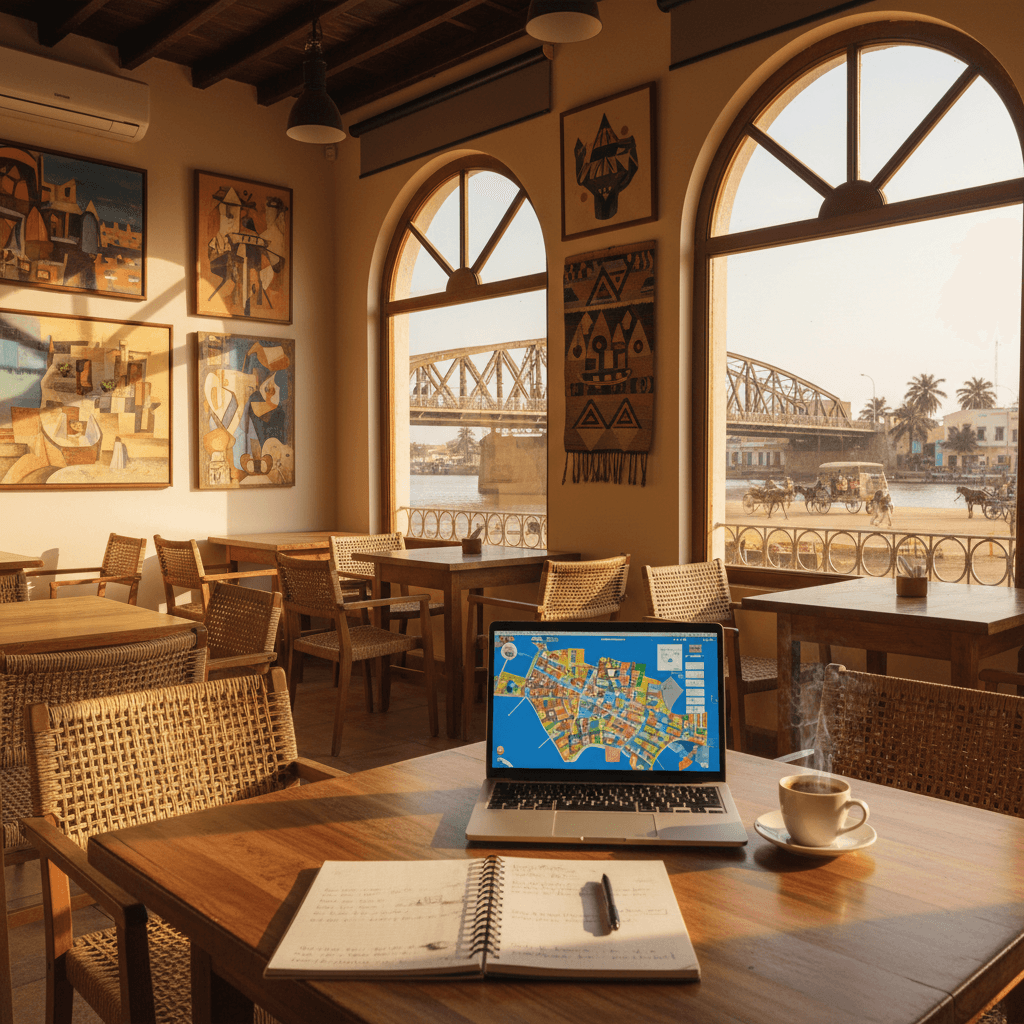
Saint-Louis feels like Senegal slowed down a few gears, then left under a bright river sun. The old French capital still has cracked pastel facades, iron balconies, horse carts clattering over worn streets and the Pont Faidherbe cutting across the water like a piece of history that never quite left. It’s quiet in a way Dakar isn’t and honestly, that’s the draw for a lot of writers, artists, retirees and nomads who want space to think.
The mood is gentle but a little rough around the edges. You’ll hear prayer calls, radios drifting out of shopfronts and the slap of waves on the Langue de Barbarie, then five minutes later you’re smelling grilled fish, diesel and dust, which, surprisingly, can feel kind of addictive. Summers are hot, the internet can be annoying and the city doesn’t pretend to be polished.
What people like: low costs, real neighborhood life, strong local hospitality and a proper sense of place. What gets on nerves: patchy WiFi, fewer coworking options and basic English outside tourist pockets.
Where the vibe changes
- Île de Saint-Louis: Best for atmosphere, walking and colonial architecture, but it gets pricier and a bit touristy.
- Sor: Better for long stays, lower rent and everyday life, with more room to work and fewer distractions.
- Langue de Barbarie: Beautiful and windy, with beach and fishing village energy, though it’s far less convenient and can feel isolated after dark.
- North Island tourist zone: Easier for short visits, with more polished guesthouses and friendlier service in English, but it’s the least local-feeling option.
For budget planning, Saint-Louis is still one of the cheaper places to live in the region. A comfortable month usually lands around $600 to $1,200 and you can live decently on the lower end if you keep your expectations realistic, eat local and skip the imported stuff.
Rent: $150 to $400 for a basic one-bedroom, more for furnished places on the island. Transport: shared taxis and horse carts are cheap, though you’ll argue over prices sometimes. Dining out: street food is the best deal and mid-range meals won’t wreck your budget.
The city works best if you like slow mornings, warm evenings and a routine that bends around the heat. If you want shiny infrastructure and fast service, this’ll frustrate you, frankly. If you want charm, character and a place where the days feel human-sized, Saint-Louis makes a strong case.
Saint-Louis is cheap, but not dirt cheap. A solo nomad can live here on about $600 a month if you keep rent low, eat local and don’t get seduced by riverside cafes every afternoon, but a more comfortable setup usually lands closer to $900 to $1,200. Honestly, the biggest swing factor is housing, then transport, then how often you want a cold drink in the heat.
Typical Monthly Costs
- Rent: $150 to $400 for a basic 1-bedroom in Sor or on the island, $300 to $600 for furnished tourist-area places
- Groceries: $100 to $200, lower if you shop local markets and cook at home
- Transport: $30 to $60, with taxis, sept-places and the occasional charrette ride
- Utilities: $50 to $80, though internet and electricity can be finicky
- Dining out: $50 to $100 if you eat out a few times a week
- Misc.: $40 to $80 for coffee, laundry, SIM top-ups and the random expense you didn’t plan for
Sor is the money-saver. The island looks prettier, sure, but it costs more and the cobblestones, tourist cafes and colonial facades can quietly add up, especially if you like being within walking distance of everything. Turns out, most long-term expats end up in Sor because the rent makes sense and the noise drops off after dark.
Budget Tiers
- Budget, $600 to $800: Studio or shared place, street food, local taxis only, very little nightlife
- Mid-range, $800 to $1,000: 1-bedroom apartment, mixed cooking and eating out, some café work sessions
- Comfortable, $1,000 to $1,200: Furnished apartment, regular restaurant meals, coworking, more breathing room
Internet isn’t expensive, but it can be annoying. A good connection in Saint-Louis is often 15 to 25 Mbps, which is fine for email and video calls on a decent day, then suddenly not fine when the wind kicks up or the network gets sluggish and honestly that happens more than providers admit. If you work remotely, budget for Orange data, backup mobile money and a coworking pass at Bantalounge or Regus if you need consistency.
Food is where the city stays kind. A plate of thieboudienne, grilled fish or a sandwich from a neighborhood spot won’t hurt your wallet and the smell of onions, charcoal and fish drifting through Sor at lunch is half the appeal. Not fancy. Just practical.
Saint-Louis is small enough that your neighborhood choice matters, a lot. Pick wrong and you’ll burn time in taxis, deal with weak WiFi or end up in a lovely street that’s dead by 9 p.m.
Digital Nomads
- Sor: Best for working, with cheaper rent around $150 to $250 for a basic 1-bedroom, easier access to Bantalounge and fewer tourist prices. It’s less pretty than the island, but practical and honestly that matters when you’re on calls.
- The Island: Better if you want to sit in a café, hear prayer calls drift over the river and work around old French facades, though rents are higher and the WiFi can be patchy. You’ll pay for the atmosphere.
Most nomads end up in Sor, then hop over the Pont Faidherbe when they want a nicer meal or a long walk. The island feels magical at dusk, with salt in the air and horse carts clacking past, but it’s not the easiest place to get serious work done all week.
Expats
- Sor: The default choice for long stays, because it’s cheaper, quieter and close to everyday services like markets, pharmacies and transport. It’s where you’ll see more locals, fewer souvenir shops and a lot less fuss.
- Tourist-Area, North Island: Choose this if you want convenience, English-friendly staff and furnished places that are ready on day one. It’s the most expensive pocket and you’ll feel that in the rent.
Expats who stay six months or longer usually prefer Sor, frankly, because the money goes further and daily life feels less staged. The tradeoff is simple, you’ll need taxis for the prettier parts of town and the streets can feel dusty and hot in the afternoon.
Families
- Sor: Best mix of space, price and access to schools, clinics and markets. It’s calmer than the island, though you should still check water pressure, generator backup and how noisy the street gets at night.
- Langue de Barbarie: Only for families who really want sea air and don’t mind being farther from services. The beach is beautiful, but the area has real coastal risk, so don’t romanticize it.
For families, Sor is the safe bet. You get bigger homes, easier errands and less of the tourist churn, plus kids can still reach the island for weekend walks without making the whole city your problem.
Solo Travelers
- The Island: Best for short stays, walking and meeting other travelers in guesthouses and riverside cafés. It’s photogenic, sure, but it’s also the noisiest choice when the motorbikes start and the heat sits on the stone streets.
- Langue de Barbarie: Good if you want quiet mornings, beach light and space to think. It’s remote, though and after dark it can feel too empty for comfort.
Solo travelers often like the island first, then wish they’d booked quieter streets after two nights of late music and early sun. If you want less fuss and more routine, Sor wins.
Saint-Louis is fine for email, docs and calls if you’re patient, but it’s not a place for people who panic when a video freezes. Average speeds sit around 15 to 25 Mbps and the connection gets patchy when the power dips or the cell tower gets crowded, which, surprisingly, still happens in the middle of town. Not fast. Not stable.
For coworking, the pickings are slim, so the few decent options get used hard. Bantalounge in Ndiolofène-Sor is the practical choice, with shared desks, meeting rooms, a terrace and a reported 10 Mbps ADSL line, which is workable for writing, admin and light calls, though big uploads can drag.
Best places to work
- Bantalounge: Best for day-to-day work, decent structure and a more local feel.
- Cafes on the island: Good for a few hours, but WiFi can die mid-sentence.
Cafe work is part of the rhythm here. You’ll find laptops open near the river, cups of strong coffee, sand in the wind and the occasional rooster making a scene, but most places expect you to buy something and then keep your expectations low. The WiFi is free, usually, though it can vanish when a place gets busy or the router decides to give up.
Mobile data and SIMs
- Orange Senegal: Best coverage and usually the safest bet.
- Sentel: Often cheaper, with decent city-center service.
- Expresso: Budget-friendly, but don’t expect miracles.
Prepaid SIMs are cheap, around 500 to 1,000 CFA and data bundles are easy to buy at kiosks, shops and phone stands, where the air smells like dust, fried fish and exhaust. If you work online every day, get Orange first and ask for a data plan that fits your usage, because running out in Saint-Louis is annoying fast and topping up isn’t always seamless. Turn on mobile money too, Wave and Orange Money both save time.
Public WiFi exists through government hotspots, but I wouldn’t build a workday around them. They’re handy for quick checks, not for client calls or anything that can’t survive a drop. Bring a backup plan, honestly, because Saint-Louis rewards people who prepare and punishes the careless with silence and spinning load icons.
Saint-Louis feels calm, but don't confuse calm with carefree. Daytime in the center and on the island is usually fine, though pickpockets and petty scams do happen around markets, taxi stands and crowded festival nights, honestly, the easiest way to stay out of trouble is to keep your phone tucked away and act like you know where you're going.
After dark, be pickier. Langue de Barbarie gets quiet fast, remote stretches feel empty and a cheap ride home is better than a long walk under weak streetlights, with the Atlantic wind, honking taxis and the smell of grilled fish drifting past, most visitors find the city feels safer when they stick to lit streets and registered taxis.
Safety Basics
- Money and valuables: Carry small cash, not big wads and split cards between bags or pockets.
- Night moves: Use a known taxi or hotel driver, especially if you're crossing from the island to Sor.
- Common sense stuff: Don't flash laptops, cameras or jewelry in busy areas, it's an easy invitation.
- Local rhythm: People are friendly, but crowd pressure in markets can get noisy and a bit pushy.
Senegal ranks well for safety in Africa and Saint-Louis has a low violent-crime profile compared with many regional cities, still, petty theft and basic street sense matter more than dramatic crime stories. Expats usually say the city feels safest when they keep a low profile, ask their guesthouse for a driver and avoid wandering out into the edge areas once the generators kick in and the streets go dark.
Healthcare
The regional hospital, Hôpital Régional de Saint-Louis, can handle basic emergencies, maternity care and general medicine, but it isn't where you'd want to end up for anything serious, the equipment is limited and specialist care is thin. For bigger problems, people usually head to Dakar, where private clinics are better stocked and the doctors have more options, because Saint-Louis medicine, frankly, runs on patience, improvisation and whatever the pharmacy can actually find.
Pharmacies are easy to find and usually good for common antibiotics, painkillers, malaria meds and first-aid basics, though specific brands can be missing. Bring prescriptions, a copy of your medical records and any regular medication in your carry-on, because replacing something mid-trip can turn into a frustrating scavenger hunt.
- Emergency: Police 17, Fire 18.
- Insurance: Get a plan with medical evacuation, not just local coverage.
- Records: Keep digital copies of prescriptions and key lab results.
- Planning: If you have a chronic condition, sort out Dakar backup care before you need it.
For nomads and expats, the real answer is simple, stay insured, stay cautious at night and don't assume the local hospital can solve every problem. The city is manageable, but medical backup matters here more than most people expect, especially once the humidity, dust and long travel days start wearing you down.
Saint-Louis is easy to get around if you keep your expectations modest. The island is compact and walkable, Sor is more stretched out and once the sun starts biting, even a short trip can feel longer than it looks on a map. The humidity clings, motos buzz past and horse carts clatter over the streets, so plan on moving slowly.
Best Ways to Move Around
- Walking: Best on Île de Saint-Louis, where you can cross most of the center on foot in 20 to 30 minutes.
- Shared taxis: Cheap and common for Sor, the bridges and longer hops, usually 500 to 1,000 CFA.
- Charrettes: Iconic, noisy and weirdly practical for short rides, especially if you don’t mind negotiating.
- Pirogues: Handy for river crossings or fishing villages, though they’re more about local life than convenience.
Shared taxis are the default for most expats and honestly, they’re fine once you learn the rhythm. Tell the driver your destination, agree on the fare first and don’t expect much English outside tourist-facing spots. For short island trips, a charrette can be fun, but the price should be set before you climb in, usually 1,000 to 2,000 CFA depending on distance and how hard you look like a visitor.
For Remote Work
- Bantalounge: In Ndiolofène-Sor, with desks, meeting rooms, a terrace and dependable enough WiFi for calls.
- Cafes: Useful for laptop work, though the connection can wobble and a power cut isn’t rare.
Internet is, honestly, the part that tests people. Orange usually gives the best mobile coverage, while Sentel and Expresso can be cheaper, but speeds hover around 15 to 25 Mbps and that’s optimistic on a busy day. Buy a prepaid SIM at a kiosk, top up with Orange Money or Wave and keep a backup hotspot if your work can’t tolerate a dropped call.
Useful Practicalities
- Airport transfer: Saint-Louis sits about 320 km from Dakar, so expect a 4 to 5 hour road trip.
- Night travel: Use registered taxis after dark, especially outside the island center.
- Bikes and scooters: Possible, but rental options are patchy and not worth relying on.
If you’re staying longer, base yourself in Sor for easier daily transport and lower costs, then cross to the island when you want cafes, river views or a slower evening walk. The bridge can bottleneck, the heat can be brutal and some nights the town feels almost asleep, which is part of the charm if you’re patient and a pain if you’re in a hurry.
Language & Communication
French gets you far in Saint-Louis. English helps a little in hotels and with some younger people, but outside tourist pockets you’ll mostly hear Wolof, plus French in shops, offices and anywhere paperwork shows up. Most nomads end up mixing all three and honestly, that’s the local rhythm.
Start with a few French basics, then pick up the practical Wolof people actually use every day, greetings, thanks and simple bargaining phrases. A warm “bonjour,” “nanga def,” and “jërëjëf” goes a long way, because Saint-Louisians are friendly, but they’re not going to slow down forever while you fumble for a translation app.
What people speak
- French: Used in government, banks, schools, most formal settings.
- Wolof: The day-to-day language in markets, taxis and casual conversation.
- English: Limited, though some hotel staff and a few expats speak it well.
How to get by
- Best translator apps: Google Translate works, though French audio is usually better than Wolof.
- SIM setup: Buy an Orange Senegal SIM first if you need data fast, coverage is the least annoying.
- Useful settings: Download offline French before you arrive, because patchy WiFi can make live translation useless.
In shops and taxis, people expect short, direct exchanges and they’ll usually appreciate you trying. Speak slowly, don’t over-explain and keep cash ready, because once the call to prayer drifts over the island, everything slows a little anyway, including people’s patience with complicated questions.
Practical tip: write down addresses in French, not English. A driver may know “Pont Faidherbe” or “Ndiolofène-Sor,” but if you hand over a hotel name with no landmark, you’ll probably get a blank look, then a shrug, then a second question.
Useful phrases
- Bonjour / Salaam aleekum: Hello
- Ça va ? / Nanga def ?: How are you?
- Jërëjëf: Thank you
- Combien ?: How much?
- Ba beneen yoon: See you later
Language barriers aren’t a disaster here, but they do slow things down, especially with rentals, repairs and anything involving bureaucracy, which is frankly a bit clunky. If you’re staying a while, get comfortable with a few French forms and a decent amount of improvisation, because Saint-Louis runs on patience, greetings and the occasional raised eyebrow.
Saint-Louis has two seasons that matter: dry and wet. The dry months, roughly November through May, are the easiest time to be here, with warm days, cooler nights and far less hassle from rain, mud and flooded streets. July through October gets sticky, heavy and frankly tiring, with humidity that clings to your skin and sudden downpours drumming on tin roofs.
If you want the most comfortable weather, aim for December to February. The harmattan can bring dusty air and a dry breeze, but the heat is usually manageable and walking the island in the late afternoon feels pleasant instead of punishing. March and April are hotter, often seriously hot, so plan on slow mornings, cold water and indoor work during the worst hours.
Best months: November to February for mild weather and easier walking.
Hot months: March to May, when the sun gets mean.
Rainy season: July to October, with wet streets and swollen humidity.
What each season feels like
- Dry season: Clear skies, steady trade winds, lots of dust and better conditions for island walks, river trips and day-to-day errands.
- Hot season: Long, bright days with a hard sun, warm evenings and AC becoming the difference between sleeping and lying there sweating.
- Rainy season: Afternoon storms, slick roads, puddles that hang around and a city that can feel slower because getting anywhere takes more patience.
For digital nomads, the dry season is the sweet spot because internet issues are annoying enough without weather making everything worse. Coworking at Bantalounge or a decent cafe on the island is much easier when you’re not arriving drenched and the smaller crowds mean you can usually find a quiet corner to work. Rainy season can still be fine if you like a slower pace, but the air gets thick, the power can wobble and you’ll hear more complaining than coworking.
Travelers who care about events should check the Saint-Louis Jazz Festival schedule, then book early because rooms fill up fast and prices jump. That period is busy, noisy and fun, with music spilling out into the streets, taxis honking and the whole island feeling a bit more alive than usual. For the calmest stay, skip that window and come just after it. Not glamorous, but better.
My blunt advice, come between December and February if you can. If you’re heat tolerant and don’t mind sweat, shoulder months like November or March still work, but avoid July to September unless you actually enjoy sticky air, cloudy afternoons and planning your day around thunderstorms.
Saint-Louis is easy to like and mildly annoying in the ways that matter. The island is walkable and pretty, yes, but internet can dip, power cuts happen and the heat sits on you by midday like a wet blanket. Bring patience. You’ll need it.
For money, the city stays cheap by coastal West African standards, though “cheap” still depends on how often you eat out and whether you insist on furnished apartments. A basic life in Sor can run around $600 to $800 a month, while a more comfortable setup with a decent apartment, taxis and a few restaurant meals usually lands closer to $1,000 or a bit more, honestly, if you want working internet and a place that doesn’t feel bare.
Where to stay
- The Island: Best for atmosphere, close to cafés and the old buildings, but pricier and busier.
- Sor: Better for long stays, cheaper rent, more local life and less tourist noise.
- Langue de Barbarie: Quiet and beachy, though remote and a bit exposed, so don’t expect easy services.
- Tourist area: Convenient if you want English-speaking staff and fewer hassles, but it’s the most expensive option.
For remote work, Saint-Louis isn’t a powerhouse. Internet averages roughly 15 to 25 Mbps, which sounds fine until everyone in the neighborhood starts streaming or the signal gets moody after lunch, so if you need steady bandwidth, Bantalounge in Ndiolofène-Sor is the safer bet.
Cafés will usually let you sit with a laptop if you buy something, though the WiFi can be flaky and the fan just pushes warm air around. Weirdly, that’s part of the routine here: coffee, salt air, calls to prayer, then a sudden burst of motorbikes and horns.
Getting around is simple enough. Shared taxis and sept-places are cheap, horse carts are still everywhere and a short ride usually costs 500 to 1,000 CFA, while charrettes should be negotiated before you climb in, because arguing after the ride is pointless.
- SIM cards: Orange is the safest pick for coverage, Sentel is decent, Expresso is cheaper.
- Pharmacies: Easy to find, but bring prescriptions and don’t assume every medicine will be in stock.
- Safety: The center is generally fine in daylight, though Langue de Barbarie feels isolated after dark.
- Healthcare: The regional hospital handles basics, but serious care usually means Dakar.
Carry cash, keep small bills handy and don’t expect every vendor to have change. Mobile money like Orange Money and Wave gets used a lot and that makes daily life easier when the humidity is high, your shirt is sticking to your back and the nearest ATM decides to fail.
Frequently asked questions
How much does it cost to live in Saint-Louis, Senegal as a digital nomad?
Which neighborhood is best for digital nomads in Saint-Louis?
Is the internet good enough for remote work in Saint-Louis?
Where can I work remotely in Saint-Louis?
Is Saint-Louis safe for solo travelers and nomads?
What kind of healthcare is available in Saint-Louis?
What mobile networks should I use in Saint-Louis?
Need visa and immigration info for Senegal?
🇸🇳 View Senegal Country GuideHidden Gem
Worth the effort