São Paulo
🇧🇷 Brazil
The Concrete Jungle with a Tropical Heart
São Paulo is a massive, high energy machine that doesn't just invite you to work; it demands it. If Rio is the laid back beach sibling, Sampa is the ambitious older brother who never sleeps. It blends the sheer scale of New York with the cultural gravity of Paris, all wrapped in a uniquely Brazilian chaos. For nomads, it is an exhilarating urban playground where you can spend your morning on a 300 Mbps fiber connection and your evening lost in the street art of Vila Madalena.
The city's soul is found in its contradictions. You'll see sleek tech hubs housing Google and Meta just blocks away from traditional street markets selling $2 pastels. It is a place of intense productivity and networking, making it perfect for those in tech, finance, or marketing. However, the sprawl is real. Most travelers find the city's scale exhausting at first, especially when facing the legendary traffic jams that can turn a short trip into an hour long ordeal.
The Nomad Lifestyle and Cost
Living here isn't the cheapest option in South America, but it offers incredible value for a global alpha city. A comfortable monthly budget usually sits around $1,700. While locals often get by on much less, nomads typically opt for higher end districts where safety and amenities are guaranteed. You'll find yourself spending about $10 to $15 for a solid mid range meal, while a simple coxinha snack will only set you back about $2.
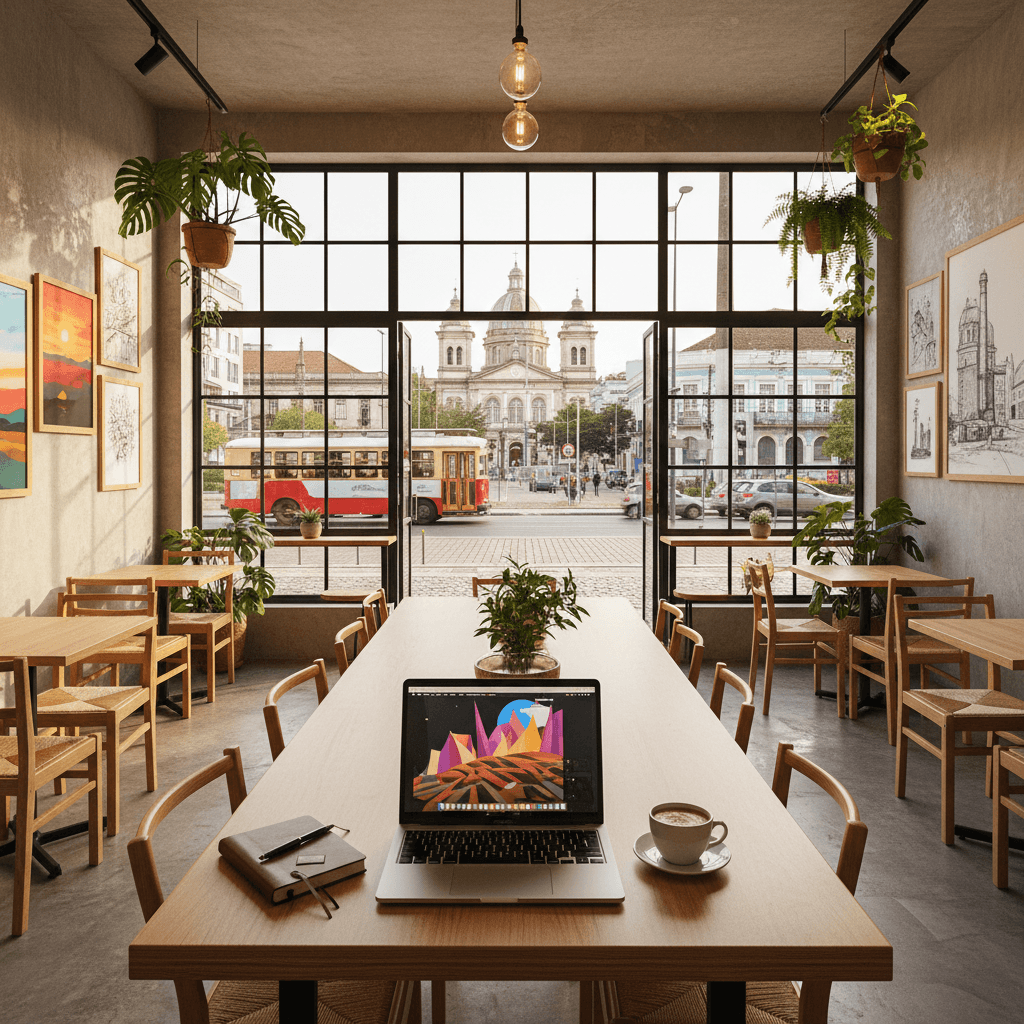
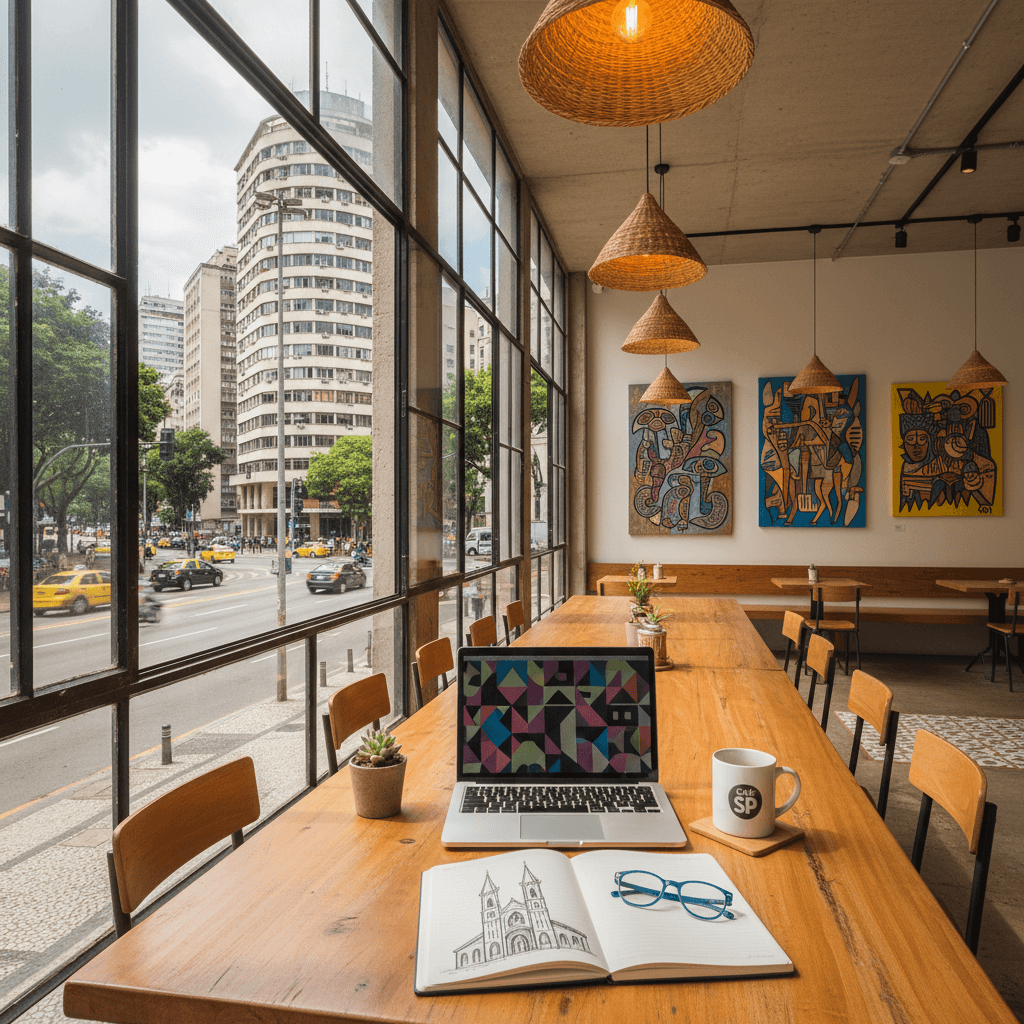
The digital infrastructure is some of the best on the continent. Fiber internet is the standard in most apartments, and the cafe culture is welcoming to laptop workers. Just remember to order a pão de queijo and keep your sessions respectful. If you need a dedicated desk, coworking spaces like Blocktime in Pinheiros offer various membership tiers, often including perks like pet friendly offices and Skype rooms.
Where to Plant Your Flag
Choosing the right neighborhood is the difference between loving and hating this city. Most nomads gravitate toward these four spots:
- Vila Madalena: This is the creative heart. It is famous for its nightlife, undulating hills, and Batman's Alley street art. Expect to pay between $900 and $1,500 for a studio. It is walkable and social, though it can get noisy on weekends.
- Pinheiros: Often preferred by long term nomads, Pinheiros is slightly more grounded than Vila Madalena but packed with the city's best coffee shops and coworking spots like CoLab, which costs about $121 a month.
- Brooklin: If you're here to grind, this is the business district. It feels corporate and modern with high rise views, but it is less walkable. Rent here averages $800 to $1,200.
- Jardins: This is the upscale, polished side of São Paulo. It is safe, leafy, and expensive, with rents often climbing to $2,000. It is ideal if you want proximity to high end dining and the lush trails of Ibirapuera Park.
Getting Around and Staying Safe
Don't bother trying to walk between neighborhoods; the city is too big. The metro is clean, efficient, and costs about $1 per ride. It is often faster than sitting in a car, though for late nights, everyone uses Uber or the local 99 app. A typical cross town ride will cost between $5 and $10.
Safety requires a bit of "street smarts." Most nomads feel perfectly fine in areas like Pinheiros or Jardins, but they recommend keeping your phone out of sight while walking on the street. Avoid the old downtown center and the area known as Crackland after dark. If you have a medical emergency, you're in good hands. Facilities like Hospital Sírio Libanês are world class and have English speaking staff, while 24 hour pharmacies are on almost every corner.
The Social Pulse
Sampa is a lonely place only if you want it to be. The social scene is driven by the "Paulistano" work hard, play hard ethic. You can join free walking tours to meet other travelers or head to a "Happy Hour" in Vila Madalena where the Brahma beer flows until sunrise. While Portuguese is the main language, you'll find a high level of English in the business districts. Learning a few phrases like "Tudo bem?" will go a long way in making local friends who will eventually invite you to a Sunday feijoada, the ultimate Brazilian comfort food experience.
The Bottom Line
Living in South America's largest concrete jungle is a study in "productive chaos." It isn't the cheapest destination on the continent, but for the infrastructure and networking you get in return, it's a steal compared to Miami or London. Expect to spend around US$1,700 per month for a comfortable, mid-range lifestyle. If you're on a tighter budget, you can scrape by on US$1,225, while those looking for high-rise luxury in the clouds should budget north of US$2,500.
Monthly Rent by Neighborhood
Your biggest expense will be housing, and prices fluctuate wildly depending on whether you want to be near the corporate skyscrapers or the bohemian bars. For the 2025 to 2026 window, here is what you should budget for a studio or one bedroom apartment:
- Vila Madalena: The nomad favorite. It's hilly, covered in street art, and packed with cafes. Expect to pay between US$900 and US$1,500. It's noisy on weekends, so pick your street carefully.
- Brooklin: This is the tech heart of the city, home to Google and Meta. It's modern and efficient but feels a bit corporate. Rent runs US$800 to US$1,200.
- Jardins: The upscale, leafy choice. It's safe and walkable with high-end dining. Prices here are the city's highest, ranging from US$1,200 to US$2,000.
- Pinheiros: A perfect middle ground for many travelers, offering great coworking spaces and a creative vibe for roughly US$900 to US$1,400.
Daily Sustenance and Socializing
Food is where São Paulo shines, both in variety and value. You can eat like a king on a pauper's budget if you stick to local staples. A quick street snack like a pastel or a coxinha (shredded chicken in fried dough) will only cost you US$1 to US$3.
For a proper sit-down lunch at a mid-range spot, including a feijoada on Wednesdays or Saturdays, budget US$10 to US$15. If you're heading out for a high-end Japanese-Brazilian fusion dinner in Jardins, expect to pay US$30 or more per person. Local beer is affordable, but imported spirits and craft cocktails in trendy Vila Madalena bars will eat into your budget quickly.
Connectivity and Workspace
São Paulo is a powerhouse for remote work. Fiber internet is the standard, typically hitting speeds between 100 and 300 Mbps. Most nomads find the cafe culture welcoming, provided you buy a coffee and a pão de queijo every few hours.
- Blocktime (Pinheiros): A popular choice for its pet-friendly policy and Skype rooms, costing about US$93 a month.
- CoLab (Pinheiros): Known for its great terrace and community feel at US$121 a month.
- oWork (Jabaquara): A solid option for those staying further south, offering standing desks for around US$100.
- Mobile Data: Grab a SIM card from Claro, Vivo, or TIM. You'll get plenty of data for US$10 to US$20 a month.
Transport and Logistics
The city is massive, and traffic is legendary. The metro is your best friend; it's clean, safe, and efficient at roughly US$1 per ride. Many expats use a monthly pass for about US$40 to keep things simple. When the metro doesn't cut it, ride-hailing apps like Uber and 99 are the go-to. A typical cross-town trip usually costs between US$5 and US$10. If you're brave enough to tackle the hills on two wheels, bike rentals via apps like Yellow cost about US$0.20 per minute.
For Nomads and Creatives: Vila Madalena and Pinheiros
If you want to be in the heart of the action, head straight to Vila Madalena. It is the undisputed capital of cool in São Paulo, famous for the street art at Batman Alley and a nightlife scene that feels like a permanent street party. Nomads love it because you can walk to your favorite cafe, work for four hours on 300 Mbps fiber internet, and then grab a craft beer at a corner bar without ever needing an Uber.
Expect to pay between $900 and $1,500 for a studio or one bedroom apartment here. While the energy is infectious, it can get noisy on weekends. If you prefer a slightly more polished version of this lifestyle, Pinheiros is just next door. It’s a bit more crowded but offers some of the city's best coworking spaces like Blocktime, which costs about $93 a month and even allows pets.
- Vibe: Artistic, social, and bohemian.
- Best for: Networking, street art, and craft cocktail bars.
- Monthly Rent: $900 to $1,500.
- Top Spot: Coffee at a local padaria before hitting a coworking space.
For Corporate Professionals and Tech Expats: Brooklin
For those moving to São Paulo to be near the big tech hubs like Google or Meta, Brooklin is the place to be. It feels much more like a modern business district with sleek high-rises and wide avenues. It is less about "shabby chic" cafes and more about productivity and upscale convenience. You’ll find plenty of modern apartments with gym access and reliable security.
Rent here typically ranges from $800 to $1,200 for a modern 1BR, making it slightly more affordable than the trendiest parts of Vila Madalena but with more literal "breathing room." The downside is that it isn't very walkable; you will likely rely on Uber or the 99 app to get around, which usually costs $5 to $10 per trip depending on the legendary São Paulo traffic.
- Vibe: Professional, modern, and efficient.
- Best for: Tech workers, business networking, and luxury shopping.
- Monthly Rent: $800 to $1,200.
- Top Spot: High-end shopping malls and proximity to major corporate offices.
For Families and Upscale Living: Jardins
Jardins is where you go when you want the highest standard of living in the city. It is leafy, safe, and home to some of the most famous restaurants in South America. Families often choose this area because it feels more like a traditional neighborhood with quiet streets, but it remains close to Ibirapuera Park, the city's green lung.
Living here comes with a price tag, as rents often hit $1,200 to $2,000 for quality units. However, you get what you pay for in terms of safety and proximity to international schools and world class healthcare like Hospital Sírio-Libanês. It feels less "local" than the northern neighborhoods, but the comfort is hard to beat.
- Vibe: Sophisticated, quiet, and green.
- Best for: Fine dining, families, and high security.
- Monthly Rent: $1,200 to $2,000.
- Top Spot: Weekend walks in Ibirapuera Park.
For Solo Travelers and Long-Stay Adventurers: Jabaquara
If you are looking for something a bit different or more budget-friendly, Jabaquara is gaining traction. It is further from the center but offers a more relaxed pace of life near the Botanical Garden and the Zoo. Solo travelers often look here for co-living setups like oWork, which is conveniently located near the Jabaquara metro station and provides standing desks and lockers for around $100 a month.
While you'll spend more time on the metro, which costs about $1 per ride, you'll save significantly on daily expenses. It is a great choice if you want to escape the corporate "gray" of the city center and enjoy a bit more nature while still having access to high speed fiber internet for your 10:00 AM Zoom calls.
- Vibe: Residential, relaxed, and community-focused.
- Best for: Co-living, budget-conscious travelers, and nature lovers.
- Monthly Rent: $600 to $900.
- Top Spot: The São Paulo Botanical Garden for a work break.
São Paulo is the heavy hitter of South America's tech scene, and the infrastructure reflects that. If you're coming from North America or Europe, you'll likely find the internet speeds here better than what you have at home. Fiber is the standard in most nomad friendly neighborhoods, with average speeds hitting 241 Mbps. In a typical apartment in Pinheiros or Vila Madalena, you can expect a reliable 100 to 300 Mbps connection that handles video calls and large uploads without breaking a sweat.
Staying Connected
Mobile data is cheap and fast. You can grab a SIM card from Claro, Vivo, or TIM for about $10 to $20 a month, which usually gets you more data than you'll actually use. You can find these at the airport or any shopping mall, though you might need your passport for registration. 5G coverage is excellent across the main hubs like Brooklin and Jardins, so tethering your laptop in a park is a viable backup plan if you need a change of scenery.
Top Coworking Spaces
The coworking culture here is professional and high energy. It's less about "digital nomad vibes" and more about serious productivity, given that giants like Google and Meta have their headquarters in the city.
- Blocktime (Pinheiros): This is a favorite for many because of its community events and pet friendly policy. It costs about $93 a month and includes dedicated Skype rooms, which are a lifesaver in a city this loud.
- CoLab (Pinheiros): For about $121 a month, you get access to a great outdoor terrace and bottomless coffee. It's a solid spot if you prefer a mix of indoor and outdoor working environments.
- oWork (Cidade Vargas): If you're looking for a more integrated experience, this spot offers co-living alongside the workspace. It features standing desks and individual lockers for around $100 a month.
Café Culture
If you prefer the "laptop and a latte" lifestyle, São Paulo's specialty coffee scene is world class. Baristas in neighborhoods like Pinheiros are used to seeing nomads, and the etiquette is straightforward: buy a coffee every few hours, leave a tip, and a polite "obrigado" goes a long way. Many cafes have dedicated work tables with power outlets, though it's always smart to have a backup battery just in case.
Practical Realities
While the internet is top tier, the city's scale can be a hurdle. Most nomads recommend choosing a coworking space within walking distance of your apartment. Spending two hours a day in an Uber to get to an office will burn you out quickly, even with the city's efficient $1 metro rides. If you're based in Vila Madalena for the nightlife, stick to the local cafes or Blocktime. If you're in Brooklin for the corporate energy, you'll find plenty of high end office suites that cater to the business crowd.
One thing to keep in mind is the power outlet situation. Brazil uses N-type sockets, which are unique. While some newer buildings have universal plugs, you'll definitely want to pack a dedicated Brazilian adapter to keep your gear charged. Most nomads find that once they've sorted their local SIM and a desk at a spot like CoLab, São Paulo becomes one of the most productive cities in their rotation.
Living Smart: Safety in the Megacity
São Paulo is a massive, complex beast, and your safety experience depends almost entirely on which neighborhood you choose as your base. Most nomads stick to the "bubble" of Vila Madalena, Pinheiros, Jardins, or Brooklin. These areas are generally safe for walking during the day and have a heavy private security presence at night. However, street smarts are your best currency here. Locals will tell you never to flash your phone while walking, especially near busy intersections where "bike thieves" are known to snatch devices from unsuspecting hands.
The downtown area, specifically the historic center near Praça da Sé and the neighborhood known as "Cracolândia," should be avoided after dark. While the architecture is stunning, these spots become unpredictable at night. Stick to ride hailing apps like Uber or 99 when moving between neighborhoods after the sun goes down. Most travelers find that if they stay aware of their surroundings and keep their valuables tucked away, the city feels no more dangerous than Chicago or New York.
- Phone Safety: Only pull your phone out inside a shop, cafe, or bank. If you need to check your GPS, step into a doorway.
- Transport: Use Uber or 99 late at night rather than walking, even for short distances in quieter residential areas.
- Atmosphere: Stick to well lit, populated streets. If a street looks empty, it is usually for a reason.
World Class Healthcare
If you get sick in São Paulo, you are actually in one of the best places in Latin America for medical care. The city is a hub for medical tourism, boasting facilities that rival the best in Europe and North America. Hospital Sírio-Libanês and Hospital Albert Einstein are the gold standards here. They are private, high tech facilities where many doctors speak excellent English and have trained abroad.
For minor issues, you will find a Drogaria (pharmacy) on almost every corner. Huge chains like Raia or Drogasil are often open 24/7 and carry everything from international medicine brands to high end skincare. Many pharmacists can give basic medical advice or administer shots if you have a prescription. While Brazil has a universal public system (SUS), it can be slow and crowded. As a nomad, you should absolutely have private insurance to access the private hospitals, where wait times are minimal and the service is premium.
- Emergency Numbers: Dial 192 for an ambulance (SAMU) or 190 for the police.
- Private Care: Expect to pay out of pocket if your insurance doesn't have a direct billing agreement, though costs are often lower than in the U.S.
- English Support: Major hospitals in Jardins and Itaim Bibi are your best bet for English speaking staff.
Neighborhood Safety Profiles
Choosing where to sleep is your first line of defense. Here is how the popular nomad spots stack up:
Vila Madalena & Pinheiros
- Risk Level: Low to Moderate.
- Vibe: Very walkable with a high density of cafes and bars.
- Safety Tip: Watch out for pickpockets in crowded bars on Rua Aspicuelta during weekend nights.
Jardins
- Risk Level: Low.
- Vibe: High end, leafy, and heavily patrolled.
- Safety Tip: It is one of the safest places to walk, but still keep your jewelry discreet to avoid being a target for "moto" robberies.
Brooklin
- Risk Level: Low.
- Vibe: Corporate and modern, home to Google and Meta offices.
- Safety Tip: It gets very quiet after business hours, so use apps for transport rather than walking long, empty blocks at night.
The Commuter's Reality
São Paulo is massive. If you're coming from a compact European city or a walkable beach town, the scale here will catch you off guard. It's a sprawling concrete jungle where traffic isn't just a nuisance; it's a lifestyle. On a bad rainy afternoon, a five mile trip can easily take over an hour. Most nomads quickly learn that the secret to staying sane is living where you work and play, or at least staying close to a metro line.
Walking is a mixed bag. You'll find neighborhoods like Vila Madalena and Pinheiros are great for getting around on foot, filled with coffee shops and street art. However, moving between distant districts like Brooklin and the city center requires a strategy. If you aren't careful, you'll spend half your day staring at the bumper of a Volkswagen in a sea of gray skyscrapers.
The Metro and Bus Network
The São Paulo Metro is the gold standard for getting around. It's clean, safe, and incredibly efficient compared to the gridlock above. The metro costs about R$5.40 per ride (approximately $1.04 USD) as of January 2026, and you can pick up a Bilhete Único card at most stations to tap in and out easily. The system is color coded, and the Yellow Line (Linha Amarela) is particularly popular with the remote work crowd because it connects the business hubs with the trendier residential areas.
- Metro/Bus Fare: R$5.40 per ride (approximately $1.04 USD) as of January 2026.
- Monthly Pass: Around $40 for frequent commuters.
- Bus System: There are over 7,000 bus lines. While they can be confusing at first, many have dedicated lanes that bypass the worst of the traffic.
Expats often recommend using apps like Moovit or Google Maps to track bus arrivals in real time. It's a lifesaver when you're trying to figure out which of the dozen identical looking buses pulling up is actually yours.
Ride-Hailing and Apps
When the metro doesn't go where you're headed, or if it's late at night, ride-hailing is the way to go. Uber is the dominant player here, but locals also swear by 99, a Brazilian app that often has better rates or more available drivers during peak hours.
For those who want to skip the traffic entirely, look for the green bikes and scooters scattered around the city. Apps like Yellow or Grin allow for quick rentals at about $0.20 per minute. Just be warned: São Paulo drivers aren't always the most patient with cyclists, so stick to the designated bike lanes on Avenida Paulista or inside Ibirapuera Park whenever possible.
Airport Transfers
Most international travelers land at Guarulhos (GRU), which is located about 18 miles from the city center. Don't let the short distance fool you; the drive can take anywhere from 45 minutes to two hours depending on the time of day. A private Uber from the airport to neighborhoods like Jardins or Pinheiros usually runs between $20 and $30. If you're on a budget, there's a train and bus connection that costs $5 to $10, but it's a bit of a haul if you're carrying heavy luggage.
Safety and Navigation Tips
While the transport system is generally reliable, safety is a common topic in nomad circles. Most people find the metro perfectly safe during the day, but it's best to be more cautious at night. Avoid flashing your phone near open windows on buses or while standing on street corners waiting for an Uber. It's a common "snatch and grab" tactic. If you're heading home after a late night in Vila Madalena, just call a car directly to the door of the bar rather than wandering the streets looking for a taxi.
Portuguese is King, but Context is Everything
In São Paulo, Portuguese isn't just the national language; it's the heartbeat of the city. While you might expect a global financial hub to be strictly bilingual, the reality on the ground is more nuanced. You'll find that English proficiency is moderate to high in corporate enclaves like Brooklin or the upscale streets of Jardins, but it drops off quickly once you step into a local padaria or hop on a bus.
Most nomads find that while they can get by with English in tech-heavy coworking spaces like Blocktime or CoLab, a little Portuguese goes a long way in everyday life. Paulistanos are famously hospitable and will genuinely appreciate any effort you make to speak their tongue. If you're struggling, Google Translate with an offline Portuguese pack is your best friend for reading menus or navigating the 7,000 bus lines crisscrossing the city.
Essential Phrases for the Paulistano Life
You don't need to be fluent to survive, but mastering a few basics will change how locals treat you. Start with "Olá" for hello and "Tudo bem?" to ask how someone is doing. Remember that "Obrigado" is for men and "Obrigada" is for women when saying thank you. If you're at a street market in Vila Madalena asking for the price of a pastel, use "Quanto custa?".
- Bom dia / Boa tarde: Good morning / Good afternoon. Essential for entering any shop or cafe.
- Por favor: Please. Use it constantly; Brazilians value politeness in social interactions.
- A conta, por favor: The check, please. You'll need this at those long mid-range lunches in Pinheiros.
- Desculpe: Sorry. Useful for when you inevitably bump into someone on a crowded Metro platform.
The Digital Handshake: WhatsApp and Apps
Communication in São Paulo happens almost exclusively on WhatsApp. From booking a hair appointment in Pinheiros to chatting with your landlord about your $1,200 studio rent, if you don't have a Brazilian number, you're invisible. Expats recommend grabbing a SIM card from Claro, Vivo, or TIM as soon as you land. You can usually get unlimited data for $10 to $20 a month, which is a steal considering the 100 to 300 Mbps fiber speeds you'll enjoy once you're back at your desk.
For getting around, the 99 and Uber apps are indispensable. They bypass the language barrier entirely by letting you set your destination digitally. Most drivers won't speak English, so having the app handle the directions saves a lot of miming and confusion. If you're using bike or scooter shares like Yellow or Grin, the apps are intuitive enough that you won't need much Portuguese to get moving for about $0.20 per minute.
Navigating the Corporate and Social Divide
Working from cafes is a huge part of the local culture, and most baristas are used to digital nomads. A polite "Obrigado" when they bring your coffee goes a long way toward keeping you in their good graces while you camp out with your laptop. In business settings, especially near the Google or Meta HQs in Brooklin, you'll find that English is the default for technical discussions. However, the "social" part of the meeting, the part where the real networking happens over a $1 coxinha, will almost certainly drift back into Portuguese.
If you're feeling isolated, join the "Digital Nomads São Paulo" groups on Facebook or look for events at oWork. These communities are great for finding English-speaking friends and getting tips on which neighborhoods are currently the safest or most active. While the city's size can be exhausting, the language barrier is rarely a dealbreaker for productive urbanites who are willing to learn the basics and lean on technology for the rest.
The Land of Drizzle and Microclimates
São Paulo is famously nicknamed Terra da Garoa, or the Land of Drizzle. Because it sits on a plateau about 800 meters above sea level, the weather is more fickle than the tropical heat you'll find in Rio. You can easily experience four seasons in a single afternoon. Most nomads carry a light jacket and a compact umbrella even when the morning starts with clear blue skies.
The city has a humid subtropical climate. This means you won't deal with freezing winters, but you will deal with high humidity and sudden downpours. The rain isn't usually a dealbreaker for work, especially since the fiber internet in neighborhoods like Vila Madalena and Pinheiros stays stable during storms. However, heavy rain can turn the already legendary traffic into a total gridlock, so plan your coworking commutes accordingly.
Summer: December to February
This is the peak season and the warmest time of year. Temperatures usually hover between 25°C and 30°C (77°F to 86°F). It’s the time for rooftop bars and outdoor events, but it’s also the rainiest period. Afternoon thunderstorms are almost a daily occurrence. If you're here in February, you'll catch the Carnival energy, which is massive but less chaotic than the street parties in Salvador.
- Pros: Long days, high energy, and the best time for weekend trips to nearby beaches like Ubatuba.
- Cons: High humidity, frequent heavy rain, and higher prices for short term rentals.
Autumn and Winter: March to August
Many long term expats prefer the autumn months of March to May. The heavy rains taper off, the air clears up, and the temperature is a comfortable 20°C to 25°C (68°F to 77°F). It’s the perfect weather for walking through Ibirapuera Park or exploring the street art in Beco do Batman without breaking a sweat.
Winter, from June to August, is mild but can feel surprisingly chilly because most Brazilian apartments don't have central heating. Temperatures can drop to 12°C (54°F) at night. You'll see locals bundled up in scarves and coats while sipping coffee at places like Coffee Lab. It’s the driest time of year, so while the sky might be grey, you won't get soaked on your way to a meeting.
Spring: September to November
Spring is a transition period where the flowers bloom and the heat starts to return. It’s a great window for digital nomads who want to avoid the summer crowds. Temperatures stay in the mid 20s, and the city feels fresh. Just keep an eye on the forecast, as the rain starts to pick up again in late October.
The Best Time to Visit
If you want the absolute best balance of weather and productivity, aim for April, May, or September. During these shoulder months, you avoid the sweltering humidity of mid summer and the grey chill of July. You'll get plenty of sunny days for networking at Blocktime or CoLab, and the city’s cultural calendar is usually packed with festivals and art openings during these windows.
For those who prioritize the social scene, December and January are unbeatable despite the rain. The city feels electric, and the networking opportunities in the tech hubs of Brooklin are at their peak before everyone heads to the coast for the holidays.
What to Pack
- Layering is key: Bring a mix of light breathable fabrics and a solid mid weight jacket for the evenings.
- Waterproof gear: A high quality umbrella or a light rain shell is a requirement, not an option.
- Footwear: Comfortable walking shoes that can handle wet pavement. São Paulo’s sidewalks are often made of decorative stone that gets very slippery when wet.
Getting Settled and Staying Connected
São Paulo is a massive, high energy grid that rewards those who come prepared. Most nomads find that fiber internet is the city's greatest asset, with speeds often hitting 100 to 300 Mbps in modern apartments and coworking spaces. You won't have trouble finding a signal; 5G coverage is excellent across the main hubs.
For your phone, grab a SIM card from Claro, Vivo, or TIM. You can find these at the airport or in shopping malls for about $10 to $20 a month for plenty of data. If you prefer a dedicated workspace, the city has a deep roster of coworking spots. Blocktime in Pinheiros is a favorite for its pet friendly policy and $93 monthly rate, while CoLab offers a great terrace and coffee for around $121 a month. If you're looking for a live-work setup, oWork in Cidade Vargas provides standing desks and lockers for around $100.
Cost of Living and Neighborhoods
Budgeting for Sampa depends entirely on your neighborhood choice. A mid range lifestyle usually lands around $1,700 a month. While locals get by on much less, the nomad "bubble" in safer, trendy areas comes with a premium. Here is how the top neighborhoods stack up for 2025 and 2026:
Vila Madalena
- Best For: Creative types and nightlife lovers.
- Rent: $900 to $1,500 for a studio.
- Vibe: Steep hills, world class street art, and a bar on every corner. It's walkable but can get noisy on weekends.
Brooklin
- Best For: Productivity and corporate networking.
- Rent: $800 to $1,200.
- Vibe: Home to the Google and Meta HQs. It feels modern and efficient, though it lacks the "Bohemian" soul of other areas.
Pinheiros
- Best For: Foodies and coffee shop workers.
- Rent: $900 to $1,400.
- Vibe: A perfect middle ground with great cafes, solid transit, and a younger professional crowd.
Jardins
- Best For: High end living and families.
- Rent: $1,200 to $2,000.
- Vibe: Upscale, safe, and leafy. It's where you'll find the best fine dining and luxury boutiques.
Navigating the Chaos
Traffic is the one thing every local complains about, and for good reason. To keep your sanity, use the metro whenever possible. It's clean, efficient, and costs about R$5.40 per ride (approximately $1.04 USD) as of January 2026. For everything else, Uber and 99 are the go to apps. Expect to pay $5 to $10 for a typical cross town trip. If you're coming from GRU airport, an Uber to the center will run you $20 to $30, depending on the time of day.
Walking is great in Vila Madalena or Jardins, but the city as a whole is too sprawling to tackle on foot. For short bursts, look for Yellow or Grin scooters, which cost roughly $0.20 per minute. Just keep an eye on the pavement; it can be uneven in older areas.
Health, Safety, and Language
Portuguese is the language of the land. While you'll find English speakers in Brooklin's tech offices or Jardins' hotels, you'll want Google Translate for daily life. A simple "Obrigado" or "Quanto custa?" goes a long way with vendors. For healthcare, the city is a regional leader. Hospital Sírio-Libanês offers international standards and English speaking staff. Pharmacies, or "drogarias," are on nearly every block and many stay open 24/7.
Safety is a matter of common sense. Stick to the well lit, populated areas of Pinheiros and Vila Madalena. Avoid walking through the old Downtown or "Crackland" areas at night. Expats recommend keeping your phone tucked away while walking on the street; if you need to check a map, step into a shop or cafe first. If an emergency pops up, dial 192 for an ambulance or 190 for the police.
Eating and Socializing
Dining out is a highlight of the São Paulo experience. You can grab a coxinha or a pastel at a street market for $1 to $3, or sit down for a traditional feijoada for about $12. To meet people, check out the São Paulo Free Walking Tours in Vila Madalena or join the Digital Nomads São Paulo Facebook group. Networking often happens naturally at places like Blocktime or during "Happy Hour" in Pinheiros, where the craft beer scene is thriving.
Need visa and immigration info for Brazil?
🇧🇷 View Brazil Country GuideNomad Haven
Your home away from home
Monthly Budget Estimates
More cities in Brazil
Campinas
🇧🇷 Brazil
Salvador
🇧🇷 Brazil
Maceió
🇧🇷 Brazil