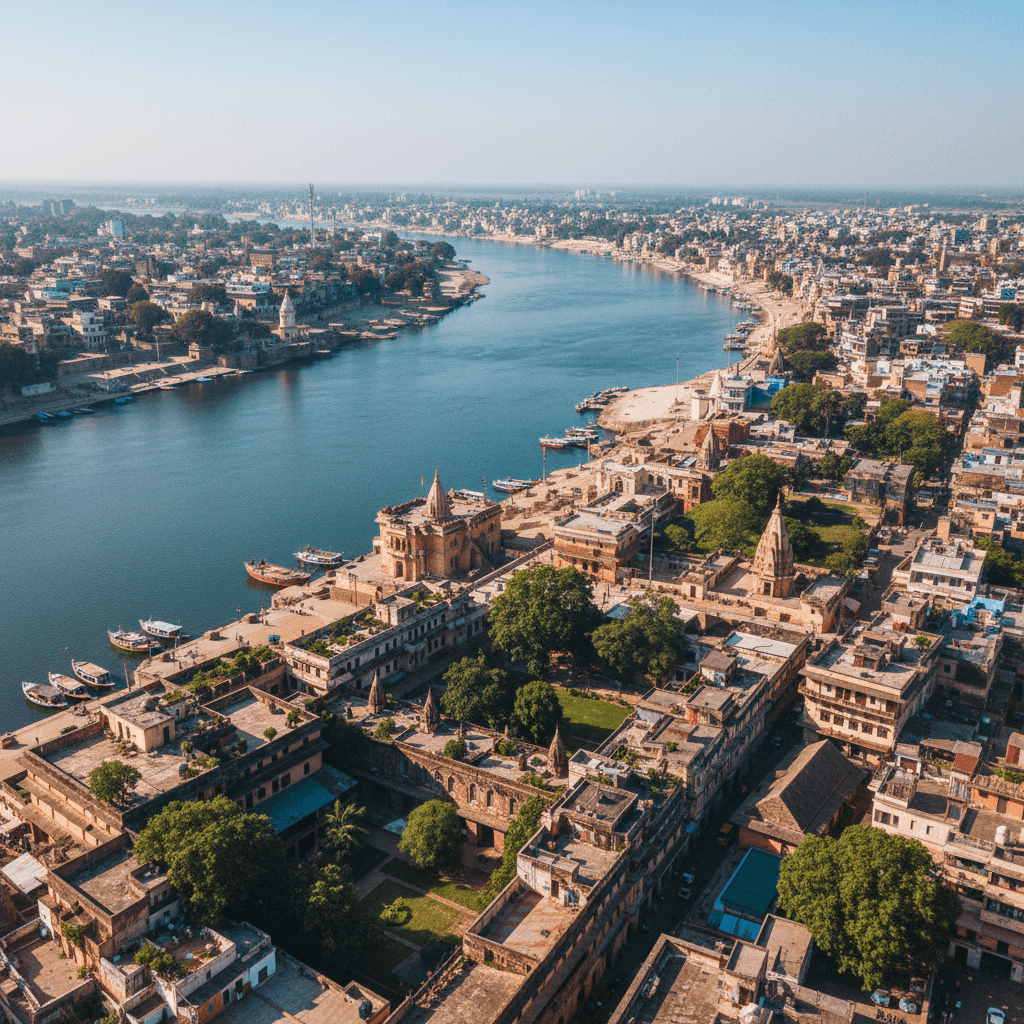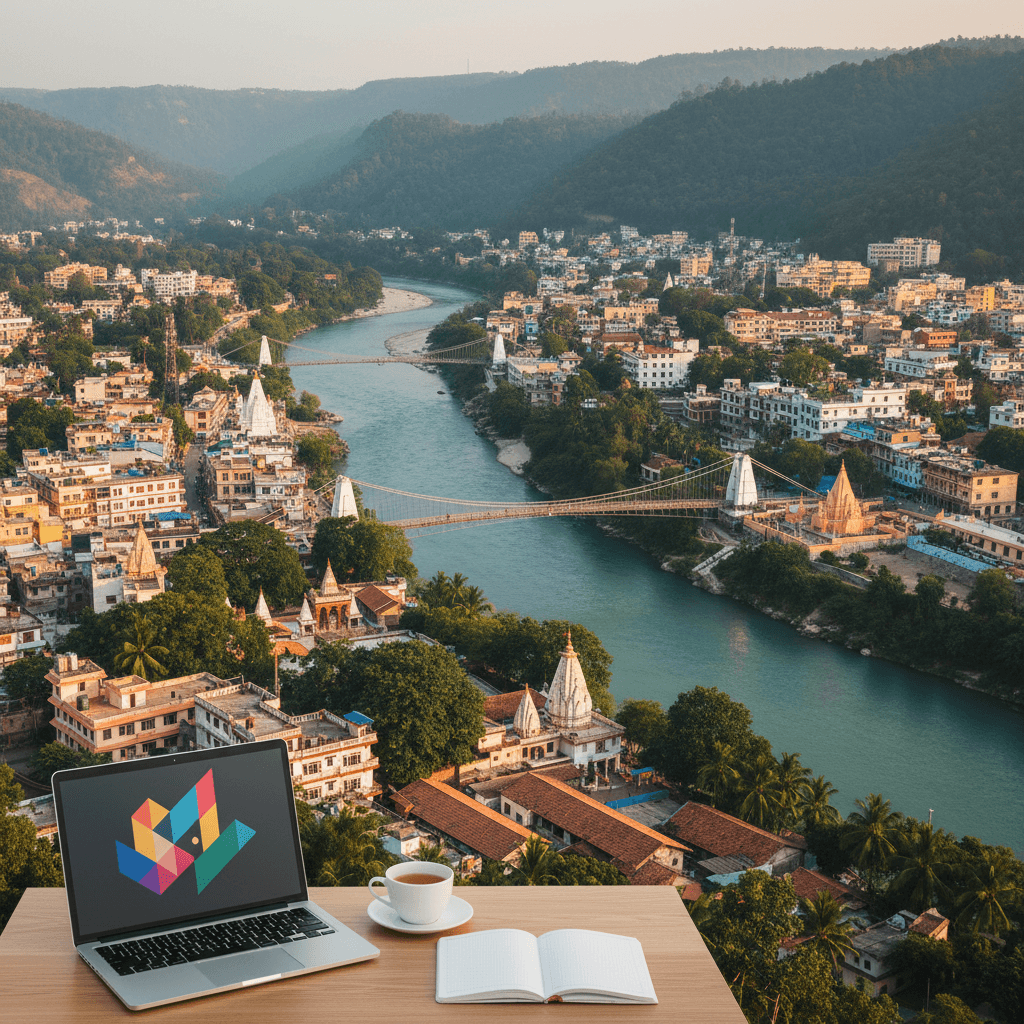
Rishikesh
🇮🇳 India
The Spiritual Pulse of the Himalayas
Rishikesh isn't your typical digital nomad hub. You won't find high-rise glass offices or a fast-paced corporate grind here. Instead, the "Yoga Capital of the World" offers a rare blend of ancient spirituality and riverfront serenity that forces a slower, more intentional way of living. It is a place where your morning commute involves crossing a suspension bridge over the turquoise Ganges and your "water cooler talk" usually revolves around meditation techniques or the best local ashram.
The vibe is undeniably holistic. Nomads who land here usually come for a "digital detox" while still staying connected. You'll spend your days working from breezy cafes in Tapovan, watching white-water rafters navigate the rapids below, and your evenings attending the Ganga Aarti, a fire ceremony that fills the air with chanting and incense. It is a city that demands a certain level of respect for local customs; it is strictly vegetarian and largely alcohol-free, making it a dream for wellness seekers but a bit of a shock for those used to a party-heavy nomad lifestyle.
Cost of Living Breakdown
One of the biggest draws is how far your money goes. Rishikesh is incredibly affordable, even by Indian standards. Most nomads find they can live comfortably on $1,145 to $1,296 per month without trying too hard to save. If you are on a tight budget, you can easily get by on $800.
- Housing: A decent studio or 1BR in Laxman Jhula typically runs between $120 and $240. If you want something a bit more modern in Tapovan, expect to pay $180 to $300 per month.
- Food: Street food like samosas or momos will cost you less than $1.20. A solid meal at a mid-range nomad favorite like Little Buddha Cafe usually hits the $2.40 to $4.80 mark.
- Connectivity: A local SIM from Jio or Airtel is roughly $4 to $6 a month for 2GB of daily data, which is a necessary backup for the city's sometimes temperamental WiFi.
The Neighborhood Scene
Where you stay determines your entire experience. Most expats and solo travelers gravitate toward Laxman Jhula and Tapovan. These areas are the heartbeat of the nomad scene, packed with yoga schools, organic cafes, and breathtaking river views. The downside? It gets crowded, and the narrow bridges can become a bottleneck of tourists and cows.
For those who need deep focus, Upper Tapovan is the move. It is quieter, offers better views of the Himalayan foothills, and features more boutique stays. It is a bit further from the main action, but the silence is worth it. If you need proximity to "real world" amenities like AIIMS Rishikesh hospital or major markets, Rishikesh Main Town is functional, though it lacks the spiritual charm of the riverside districts.
The Reality of Remote Work
Let's talk about the internet. You can expect speeds between 20 and 100 Mbps. Most nomads rely on a mix of cafe WiFi and mobile hotspots. Formal coworking spaces are rare, but places like Ananda in the Himalayas offer integrated workspace packages for around $120 a month. Most people just "cafe hop" along the river, using the stunning scenery as their office backdrop.
The best time to visit is from October to March, when the weather is cool and clear. Avoid June if possible; the heat is intense, and the air quality can spike to a staggering 228 AQI. During the monsoon months of July and August, the rains are heavy enough to disrupt travel and outdoor work plans. If you can handle the occasional power cut and the lack of a steakhouse, Rishikesh offers a level of mental clarity that few other nomad destinations can match.
Rishikesh is one of those rare spots where your bank account breathes as deeply as you do during a sunrise pranayama session. It is remarkably affordable, even by Indian standards, provided you align with the local lifestyle. Since the town is a holy site, you won't be spending money on meat or alcohol in the main areas, which naturally keeps your daily burn rate low.
A solo nomad living a budget-conscious life can get by on roughly $800 to $1,100 per month. If you prefer a private balcony overlooking the Ganges, daily cafe visits, and high-end yoga workshops, a mid-range budget of $1,200 to $1,350 is more realistic. Even at the comfortable end of the spectrum, exceeding $1,600 a month requires a concerted effort to stay in luxury wellness resorts.
Housing and Neighborhoods
Your biggest variable is where you choose to drop your bags. Most nomads gravitate toward Tapovan or Laxman Jhula because that is where the reliable coffee and community are found. Renting a studio or a simple one bedroom apartment in Laxman Jhula usually runs between ₹10,000 and ₹20,000 ($120 to $240). It is central, but it can get loud with the constant hum of scooters and temple bells.
For a bit more peace, look toward Upper Tapovan. It is a steep walk, but the views of the Himalayan foothills are worth it. Expect to pay ₹15,000 to ₹25,000 ($180 to $300) for a modern apartment here. Many long-termers find their best deals by booking a week at a guesthouse and then negotiating a monthly rate in person, or by scouting the local Facebook groups.
Food and Dining
Eating out is a way of life here, and it is incredibly cheap if you love vegetarian food. You can grab a plate of street food like samosas or aloo tikki for ₹50 to ₹100 ($0.60 to $1.20). If you prefer a proper seat and a view, the popular nomad haunts like Little Buddha Cafe or the various riverside spots in Tapovan charge between ₹200 and ₹400 ($2.40 to $4.80) for a hearty meal and a ginger lemon honey tea.
If you want to splurge, the upscale restaurants at places like Ananda in the Himalayas will run you ₹800 ($9.60) or more for a meal. Most expats find that a mix of local markets and cafe culture keeps their monthly food bill under $300 without much effort.
Connectivity and Workspace
While the spiritual energy is high, the internet speeds can be humble. You will see averages between 8 and 34 Mbps. Because power cuts are a reality in the mountains, most nomads treat their Jio or Airtel SIM cards as a lifeline. A monthly data plan with 2GB per day costs around ₹300 to ₹500 ($3.60 to $6.00) and works well as a mobile hotspot.
Dedicated coworking spaces are still a bit of a novelty. Many people simply work from "work-friendly" cafes in Tapovan for the price of a coffee. If you need a professional environment, some retreats offer integrated workspace add-ons for about ₹10,000 ($120) a month.
- Coworking membership: ₹5,000 to ₹10,000 per month
- Coffee in a nomad cafe: ₹120 to ₹200
- Local SIM card: ₹400 per month
Transportation
The core areas of Rishikesh are quite walkable, though the hills will give your calves a workout. For longer trips, renting a scooter is the standard move, costing about ₹300 to ₹500 ($3.60 to $6.00) per day. If you are staying for a month, you can usually negotiate this down significantly. Local "Vikram" auto-rickshaws are even cheaper, costing just ₹20 to ₹50 for shared rides along the main roads.
When you first arrive, a taxi from Jolly Grant Airport will cost you between ₹500 and ₹800 for the 30 minute drive. Once you are settled, apps like Uber and Ola work in the area and help you avoid the "tourist tax" often applied to foreigners at taxi stands.
For Digital Nomads and Solo Travelers: Tapovan and Laxman Jhula
If you are coming to Rishikesh to work with a view of the Ganges, Tapovan is where you will likely drop your bags. It is the undisputed hub for the remote work crowd, offering the highest concentration of cafes with decent WiFi and a social scene that makes meeting people effortless. Most nomads gravitate toward riverside cafes like Little Buddha or the various spots overlooking the water to trade tips on the best local SIM cards.
Laxman Jhula is the spiritual heart of this area, though it is often more crowded and touristy than its neighbor. You will find plenty of yoga retreats and boutique stays here, but be prepared for occasional power cuts and the chaos of the pedestrian bridges. Rent for a studio or one bedroom apartment in these central areas typically runs between ₹10,000 and ₹25,000 ($120 to $300) per month. While formal coworking spaces are still catching up, many nomads treat the integrated workspaces at retreats like Ananda in the Himalayas as their office for a monthly fee of around ₹10,000.
- Pros: High density of cafes, easy networking, incredible river views, and walking distance to major yoga schools.
- Cons: Can feel noisy and touristy; internet speeds fluctuate between 8 and 34 Mbps.
- Top Tip: Grab an Airtel or Jio SIM immediately. Mobile hotspots are often more reliable than cafe WiFi for important Zoom calls.
For Long-Term Expats and Peace Seekers: Upper Tapovan
Expats who have spent more than a few weeks in town usually migrate uphill. Upper Tapovan sits away from the main road's honking horns and offers a much more serene, residential vibe. It is the place to be if you want Himalayan views without the constant foot traffic of day-trippers. The air feels a bit fresher here, which is a relief during the summer months when the AQI can spike as high as 228.
Living here requires a bit more self-sufficiency. You won't have a dozen cafes at your doorstep, so most residents rent a scooter for ₹300 to ₹500 a day to zip down to the main village. The housing is often higher quality, featuring newer boutique stays and apartments that cater to those staying for a season rather than a weekend.
- Rent: Expect to pay ₹15,000 to ₹25,000 ($180 to $300) for a comfortable long-term setup.
- Vibe: Quiet, introspective, and surrounded by nature.
- Food: Mostly home cooking or smaller, local organic kitchens.
For Families and Practical Stays: Rishikesh Main Town
While most travelers skip the actual city center in favor of the riverside "Jhulas," the main town is the most practical choice for families or those who need proximity to modern amenities. This is where you will find AIIMS Rishikesh, the city's top hospital, and the sprawling local markets where prices aren't inflated for tourists. Street food here is authentic and cheap, with meals costing as little as ₹50 to ₹100 ($0.60 to $1.20).
The "vibe" is definitely more functional than spiritual. You are trading the sound of temple bells for the reality of an Indian urban center. However, for families, the access to larger grocery stores, pharmacies, and reliable transport hubs like the bus station and railway makes life much smoother. It is also the best place to arrange private transfers or find better deals on long-term supply runs.
- Pros: Close to healthcare, authentic local markets, and better transport links.
- Cons: Lacks the scenic beauty of the river areas and can feel congested.
- Transport: Easy access to Uber and Ola, plus local buses that cost ₹20 to ₹50 per ride.
The Lifestyle Reality
Regardless of where you land, remember that Rishikesh is a dry and vegetarian city. You won't find meat or alcohol in the main neighborhoods, and locals expect visitors to dress modestly, especially near the Ganges. Most residents find the best balance by living in Tapovan for the community and taking day trips to the Beatles Ashram or Neer Garh Waterfall to recharge. If you are visiting between October and March, you will enjoy the best weather, but stay prepared for the heat if you arrive in June.
Connectivity Realities
Working from the Yoga Capital requires a bit of strategic planning. While the spiritual energy is high, the internet speeds are more grounded, typically averaging between 8 and 34 Mbps. You'll find that most cafes and guesthouses in the nomad hubs of Tapovan and Laxman Jhula provide decent WiFi for emails and basic tasks, but it can get spotty during peak hours or the occasional power cut.
Most long term residents rely on a local SIM card as a mandatory backup. You can pick up a Jio or Airtel SIM for about ₹300 to ₹500 per month, which usually nets you 2GB of data per day. Using your phone as a mobile hotspot is often the most reliable way to stay connected during Zoom calls or when the cafe router decides to take a meditative break.
Coworking and Work-Friendly Cafes
Formal coworking spaces are still a bit of a rarity in Rishikesh. You won't find many dedicated office hubs like you would in Bangalore or Goa. Instead, the local work culture revolves around "workation" retreats and riverside cafes. For those who need a professional environment, some of the newer boutique hotels and guesthouses are beginning to offer more stable setups for long-term guests.
For a more casual vibe, the cafe scene in Tapovan is where the community gathers. These spots generally offer free WiFi if you're buying coffee or a meal. They are perfect for deep work sessions with a view of the Ganges, though they can get noisy during the tourist season.
- Little Buddha Cafe (Tapovan): A favorite for its relaxed atmosphere and views, though the WiFi is best during early morning hours.
- Riverside Cafes: Many spots along the banks near Laxman Jhula cater specifically to nomads, offering plenty of power outlets and a welcoming attitude toward laptops.
- Blue Jay Hostel: Often cited by expats as a reliable spot for meeting other remote workers and finding a stable connection.
Costs and Practicalities
Budgeting for your "office" costs in Rishikesh is straightforward. If you aren't staying at a dedicated retreat, your main expenses will be your mobile data and the occasional cafe tab. A typical afternoon spent working from a mid-range cafe will cost you between ₹200 and ₹400 for food and drinks.
If you prefer a more permanent setup, consider renting a studio in Upper Tapovan. It's quieter than the main drag and many newer buildings are installing private fiber connections for tenants. Expect to pay between ₹15,000 and ₹25,000 for a place that feels like a home office. Always ask for a speed test before signing a monthly lease, as the quality of the signal can vary wildly from one building to the next.
Nomad Tips for Staying Online
Expats here often suggest keeping two different SIM cards, one Jio and one Airtel, because coverage varies depending on which side of the river you're on. If one network goes down, the other usually stays up. Also, invest in a good power bank. While the infrastructure is improving, the monsoon season or heavy wind can lead to short outages that might interrupt a deadline if you aren't prepared.
Most nomads find that the slower pace of the internet actually helps with the "monk mode" focus the city is known for. If you can schedule your heavy uploads for the early morning and save your offline tasks for the afternoons, you'll find the balance here works perfectly with the local lifestyle.
General Safety and Street Smarts
Rishikesh is widely considered one of the safest hubs in India for solo travelers and digital nomads. The spiritual nature of the town creates a respectful, low-crime environment where violent incidents are rare. Most nomads feel comfortable walking through the main drags of Tapovan and Laxman Jhula well into the evening, though the vibe is more "early to bed, early to rise" than late-night party scene.
While the crime rate is low, petty scams do pop up near the famous suspension bridges. You might encounter people offering "blessings" for a fee or trying to overcharge for simple items. Use common sense near the riverbanks at night; while the Ganges is sacred, isolated stretches can get pitch black and it is better to stay in well-lit areas. If you are moving between neighborhoods after dark, expats recommend arranging a private transfer or using a trusted local driver rather than wandering into unfamiliar forested paths.
Monkeys are a legitimate safety concern here. The macaques near the bridges are bold and will snatch food, sunglasses, or even phones right out of your hands. Keep your belongings tucked away and avoid carrying visible plastic bags or snacks when crossing the bridges. If a monkey approaches you, don't make eye contact or try to fight back; just keep moving calmly.
Healthcare and Medical Services
If you need medical attention, you are in good hands. Rishikesh is home to AIIMS (All India Institute of Medical Sciences), a premier government hospital that provides high-quality care. It is staffed by English-speaking doctors and is equipped to handle everything from minor infections to serious emergencies. For routine issues, the main town area has several reliable private clinics and smaller hospitals that are much easier to navigate than the crowded public wards.
Pharmacies are everywhere. You will find them clustered in the Rishikesh Main Town and along the primary road in Tapovan. Most basic medications, antibiotics, and first-aid supplies are available over the counter and are incredibly affordable. For any major health crisis, you can dial 108 for an ambulance or 100 to reach the police.
Environmental Health and Wellness
The biggest health hurdle for nomads isn't crime or "Delhi Belly," but the air quality during the peak of summer. In months like June, the AQI can spike as high as 228, which can be tough on your lungs if you are used to mountain air. If you have asthma or respiratory sensitivities, plan your stay for the cooler months between October and March when the air is crisp and clear.
Water safety is another practical point to remember. Never drink the tap water. Most long-stay apartments and yoga retreats provide filtered "RO" water, which is perfectly safe. If you are eating out, stick to the popular nomad haunts like Little Buddha Cafe or The 60's Beatles Cafe, where food hygiene standards are generally high. Since the town is strictly vegetarian, the risk of meat-borne illness is non-existent, which many travelers find helps their digestion during a long stay.
Emergency Contacts and Apps
- Police: Dial 100
- Ambulance: Dial 108
- Ride-Hailing: Uber and Ola (useful for tracking trips and ensuring fair pricing)
- Health Insurance: Most nomads use SafetyWing or World Nomads, as local private hospitals will expect proof of insurance or cash payment upfront.
Overall, the community is hospitable and looks out for its own. If you respect the local customs, dress modestly near the ashrams, and stay aware of your surroundings, your biggest "safety" worry will likely be a monkey eyeing your samosa.
The Layout of the Land
Navigating Rishikesh is less about city grids and more about the flow of the Ganges. The town is effectively split into two main hubs: the bustling local center (Rishikesh Main Town) and the nomad-heavy enclave further upstream. Most of your time will be spent in Tapovan or Laxman Jhula. These areas are quite walkable, though the steep hills and narrow alleys will definitely give your calves a workout.
The iconic suspension bridges like Ram Jhula and the new Bajrang Setu (replacing Laxman Jhula) are the primary ways to cross the river. You might also find yourself relying on small ferry boats to get across. These short boat rides usually cost around ₹20 to ₹50 and offer a great view of the ashrams lining the banks.
Two Wheels are Better Than Four
For most nomads, renting a scooter is the ultimate hack for freedom. It allows you to escape the crowded tourist strips and head up to Upper Tapovan or chase waterfalls like Neer Garh. You can find local rental shops on almost every corner in Tapovan. Expect to pay between ₹300 and ₹500 per day, though you can often negotiate a monthly rate closer to ₹6,000 or ₹8,000 if you're staying long-term.
- Fuel: Small "petrol" shops sell fuel by the bottle, but it's cheaper to hit the official gas stations in the main town.
- Parking: In Laxman Jhula, parking is tight. Most cafes have designated spots, but always double-check to avoid getting blocked in.
- Safety: The roads are winding and shared with cows, monkeys, and pilgrims. Drive slowly and keep your thumb near the horn; it's the local way of saying "I'm here."
Ride-Hailing and Taxis
While you won't find a massive fleet of cars in the narrow pedestrian zones, Uber and Ola do operate in the region. They are most reliable for trips to the Jolly Grant Airport or the Haridwar railway station. A taxi to the airport typically takes 20 to 30 minutes and costs between ₹500 and ₹800.
For shorter trips where a scooter feels too ambitious, "Vikrams" (large shared auto-rickshaws) are the local go-to. These follow set routes and cost a fraction of a private taxi, usually around ₹10 to ₹20 for a seat. If you want the whole vehicle to yourself, be prepared to haggle before you hop in.
Getting to Rishikesh
If you're arriving from New Delhi, you have a few solid options. The train is the most "authentic" experience, with tickets ranging from ₹200 to ₹1,200 depending on the class. Most trains arrive in Haridwar, from where you'll take a 45-minute taxi or bus into Rishikesh. For those who prioritize time, flying into Dehradun (Jolly Grant Airport) is the smoothest path. From the terminal, pre-paid taxi counters are the safest bet to ensure you get a fair price to your hostel or cafe in Tapovan.
Pedestrian Life and Wildlife
Walking is the best way to soak in the spiritual energy, but it comes with unique traffic. In the core areas, you'll be sharing the path with wandering cows and aggressive macaques. Expats recommend keeping your phone and food tucked away in a bag, as the local monkeys are notorious for "borrowing" items from unsuspecting walkers. If you're staying in Upper Tapovan, the walk down to the river is easy, but the trek back up in the 38°C (100°F) April heat can be brutal. Many nomads choose to walk down and catch a cheap rickshaw back up.
The Linguistic Landscape
While Hindi is the primary language spoken by locals throughout Uttarakhand, you'll find that Rishikesh is remarkably easy to navigate without being a polyglot. Because it's a global hub for yoga and spirituality, English is the lingua franca in the neighborhoods where nomads typically hang out, like Tapovan and Laxman Jhula. Most cafe owners, yoga instructors, and guesthouse staff speak English fluently, or at least well enough to discuss lease terms and dietary restrictions.
Once you venture into the Rishikesh Main Town or the local markets away from the river, English proficiency drops slightly. However, the locals are famously hospitable and patient. Even if there's a language gap, a smile and some basic gesturing usually get the job done. If you're heading to a medical appointment, rest assured that staff at major facilities like AIIMS Rishikesh are highly proficient in English.
Essential Local Phrases
Even though you can get by with English, learning a few Hindi basics goes a long way in building rapport with the community. It shows respect for the local culture and can sometimes even help you negotiate better prices at the markets.
- Namaste: The universal greeting. Use it for hello, goodbye, and as a general sign of respect.
- Dhanyavaad: Thank you. It's a formal way to show appreciation, though many locals also use the English "thank you."
- Kitna?: How much? Use this when shopping for fruit or checking the price of a shawl.
- Theek hai: Okay, or it's fine. This is one of the most versatile phrases in the Indian vocabulary.
- Haan / Nahi: Yes / No.
Digital Tools and Translation
For more complex interactions, like explaining a specific repair needed for your scooter or understanding a menu in a tiny local dhaba, Google Translate is your best friend. The Hindi camera translation feature is particularly useful for reading signs or labels in shops.
Most nomads also find it helpful to download the PhonePe or Google Pay (GPay) apps. While these are primarily for payments, they've become a silent form of communication. Since QR code payments are everywhere, from high-end retreats to street stalls, you can often handle transactions without saying much more than "QR?" to the vendor.
Cultural Nuance and Communication Style
Communication in Rishikesh is often slower and more indirect than in Western hubs. If you're asking for directions or a service, locals might give you a "head bobble," a unique gesture that can mean yes, maybe, or "I understand what you're saying." It's rarely a flat no. If you're feeling confused, it's perfectly fine to ask for clarification with a friendly "Is that a yes?"
When you're staying in ashrams or attending a Ganges aarti, keep your tone low and respectful. Loud, aggressive communication is generally frowned upon in this spiritual setting. Most expats recommend adopting a "go with the flow" attitude; if a waiter takes a little longer to understand your order at a riverside cafe, just enjoy the view of the Himalayas while you wait. Patience is a form of communication here.
Staying Connected
To keep your translation apps and maps running, you'll need a local SIM. Most nomads recommend Jio or Airtel. You can pick these up for about ₹300 to ₹500 per month, which usually includes 2GB of data per day. Having a local number also makes it easier to communicate with guesthouse owners via WhatsApp, which is the primary way almost everyone in India coordinates everything from laundry services to taxi rides.
The Seasonal Sweet Spot
Timing your stay in Rishikesh is the difference between a productive, serene retreat and a sweltering struggle. For most digital nomads, the window from October to March is the gold standard. During these months, the air is crisp, the Ganges runs a clear turquoise, and temperatures hover between a comfortable 18°C and 27°C (65-81°F). It is the perfect climate for morning yoga on a terrace in Tapovan or focused deep work at a riverside cafe without needing to hunt for air conditioning.
If you are planning to settle in for a few months, keep in mind that December and January can get surprisingly chilly at night. Most budget guesthouses in Laxman Jhula do not have central heating, so you will want to pack some thermal layers or buy a heavy wool shawl from the local markets. That said, the bright afternoon sun usually makes outdoor working spaces viable even in the dead of winter.
The Summer Heat and AQI Realities
From April to June, the Himalayan foothills lose their cool. Temperatures frequently climb between 30°C and 38°C (86-100°F). While this is technically the peak season for white-water rafting, the heat can be draining if you are trying to stay productive. This period also sees a significant dip in air quality. Nomads have reported the AQI hitting levels as high as 228 in June, which can be a dealbreaker if you are sensitive to pollution or came here specifically for the "fresh mountain air."
Monsoon: The Quiet Season
The rains arrive in July and last through September. This is a polarizing time for expats. On one hand, the landscape turns an incredible, lush green and the tourist crowds thin out significantly. On the other hand, the Ganges becomes a brown, raging torrent, and outdoor activities like rafting or trekking are strictly off-limits. Power outages become more frequent during heavy storms, and the humidity can make electronics feel damp. If your work depends on a flawless 24/7 connection, the monsoon months will require a very solid backup power plan and a high-quality local SIM card like Jio or Airtel.
Planning Around the Crowds
Beyond the weather, the "best" time depends on your tolerance for crowds. Rishikesh is a major pilgrimage site, and certain festivals can turn the quiet streets of Tapovan into a standstill. The International Yoga Festival in March brings a massive influx of global travelers and drives up the prices of boutique stays and retreats. If you prefer a quieter vibe with lower rent, aim for the shoulder months of late September or early October, just before the main season kicks into high gear.
Quick Seasonal Breakdown
- Peak Season (October to March): Best weather, clear skies, and full social calendar. Expect to pay ₹15,000 to ₹25,000 for decent monthly rentals in Tapovan.
- Shoulder Season (April to June): Great for adventure sports but very hot. Be prepared for high AQI and a more frantic energy in the main town.
- Off-Peak (July to September): Heavy rains and high humidity. Ideal for those seeking solitude and lower prices, provided you can handle spotty internet during storms.
Connectivity and Workspace
Internet in Rishikesh is a bit of a mixed bag. While most cafes and boutique stays offer WiFi, speeds usually hover between 8 and 34 Mbps. It is enough for basic Zoom calls, but video editors might struggle. Most nomads rely on a local SIM card from Jio or Airtel as a backup. You can pick one up for about ₹300 to ₹500 per month, which gives you roughly 2GB of data per day. Using your phone as a hotspot is often more reliable than the cafe WiFi during peak hours.
Dedicated coworking spaces are still rare here. Instead, the community gravitates toward riverside cafes in Tapovan. These spots offer great Ganges views and a relaxed atmosphere for the price of a coffee. If you need a more structured environment, some high end retreats like Ananda in the Himalayas offer integrated workspace packages for around ₹10,000 a month as an add on. For a more social vibe, nomads often head to Little Buddha Cafe or the various spots in Laxman Jhula to work alongside fellow travelers.
Cost of Living Breakdown
Rishikesh is incredibly affordable, even by Indian standards. Most nomads find they can live comfortably on $1,200 to $1,500 a month, while budget travelers often get by on less than $800. Since the town is strictly vegetarian and alcohol is technically banned in the holy areas, you will save a lot of money on dining and nightlife.
Accommodation
- Laxman Jhula and Tapovan: This is where most expats land. A studio or one bedroom apartment here typically runs between ₹10,000 and ₹25,000 ($120 to $300) per month depending on how close you are to the river.
- Upper Tapovan: If you want quiet and better views of the foothills, expect to pay ₹15,000 to ₹25,000 ($180 to $300) for boutique guesthouses.
- Rishikesh Main Town: Better for long term stays if you want to be near hospitals and local markets, with prices often dipping below ₹10,000.
Daily Expenses
- Food: Street food like samosas or thalis cost ₹50 to ₹100 ($0.60 to $1.20). A meal at a mid range nomad cafe typically costs ₹200 to ₹400 ($2.40 to $4.80).
- Transport: Scooter rentals are the way to go at ₹300 to ₹500 ($3.60 to $6.00) per day. Local shared rickshaws or buses are even cheaper, usually ₹20 to ₹50 per ride.
- Wellness: Drop in yoga classes are usually ₹300 to ₹500, while month long intensive courses can range from $300 to $1,000.
Navigation and Safety
Getting around the core areas of Laxman Jhula and Ram Jhula is best done on foot, though the bridges can get incredibly crowded with pedestrians and monkeys. For longer trips, use the Uber or Ola apps, or hire a local scooter. If you are arriving by air, a taxi from Jolly Grant Airport takes about 30 minutes and should cost between ₹500 and ₹800.
The city is generally very safe for solo travelers. Crime rates are low, but it is smart to avoid unlit riverbanks after dark. For medical needs, AIIMS Rishikesh is a top tier hospital with English speaking staff. One thing to watch out for is the air quality; during the peak of summer in May and June, the AQI can spike as high as 228, which might be tough for those with respiratory issues.
Cultural Etiquette
Rishikesh is a holy city, and the local culture is deeply traditional. Always remove your shoes before entering an ashram, temple, or someone's home. Dress modestly, especially when you are near the Ganges or attending the evening Aarti ceremonies. Since the town is meat and alcohol free, don't try to sneak these items into public spaces; it is considered highly disrespectful. Most locals speak Hindi, but you will find that English is widely understood in the cafes and yoga schools of Tapovan.
Best Times to Visit
The sweet spot for weather is October through March. The days are clear and cool, ranging from 18°C to 27°C (65°F to 81°F). Avoid the monsoon season from July to September if you plan on trekking or rafting, as heavy rains often shut down outdoor activities. Summers can be punishingly hot, with temperatures frequently hitting 38°C (100°F) in June.
Need visa and immigration info for India?
🇮🇳 View India Country GuideOff the Radar
Pioneer territory
Monthly Budget Estimates
More cities in India
Dehradun
🇮🇳 India
Thiruvananthapuram
🇮🇳 India
Visakhapatnam
🇮🇳 India