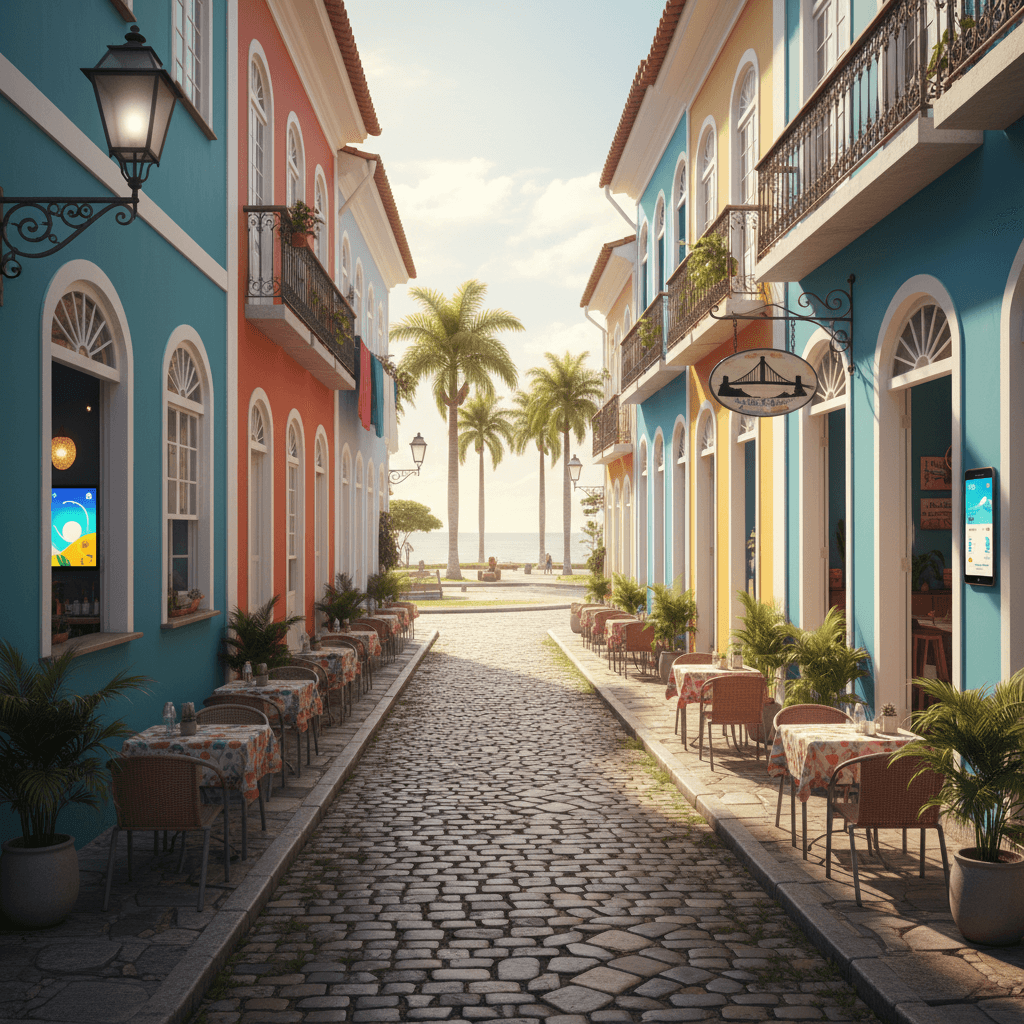
Rio de Janeiro
🇧🇷 Brazil
The Carioca Rhythm
Rio de Janeiro is a city where the boundary between the boardroom and the beach is almost non-existent. It is one of the few places on earth where you can finish a high-stakes Zoom call at a coworking desk and be standing in the Atlantic surf fifteen minutes later. The energy here is dictated by the sun and the samba; it is a place that prioritizes movement, outdoor living, and a social warmth that makes other nomad hubs feel sterile by comparison.
Most nomads find that Rio requires a specific mindset. It is not a city that functions with Swiss precision. Instead, it rewards those who can lean into a relaxed, "Carioca" pace of life while taking advantage of some of the best connectivity in South America. In fact, Rio ranked highly in some 2025 digital nomad studies for its blend of infrastructure and lifestyle. While the high crime rates and occasional infrastructure hiccups in older neighborhoods are real concerns, the sheer beauty of the granite peaks and the welcoming nature of the locals keep the community growing.
Cost of Living
For those earning in USD or Euros, Rio offers a high quality of life for a relatively modest price tag. On average, a single digital nomad can live well on $1,082 USD per month, though your neighborhood choice will be the biggest variable in your budget.
- Budget ($800 to $1,200): Focuses on shared housing in Botafogo or Santa Teresa and sticking to delicious street food like pão de queijo and coxinha.
- Mid-range ($1,200 to $2,000): Covers a private studio in a decent area and regular dining at local restaurants.
- Comfortable ($2,000+): Allows for a high-end apartment in Ipanema or Leblon, frequent upscale dining, and a full-time coworking membership.
Neighborhood Breakdown
Choosing where to plant your flag is the most important decision you will make in Rio. Each pocket of the city feels like a different world.
Ipanema and Leblon
- Best For: Safety and beach access.
- Rent: Roughly $440 USD for a basic studio, though modern 1BRs often go higher.
- The Vibe: Polished, walkable, and filled with international restaurants. It has the most 24/7 doormen buildings, making it the safest bet for solo travelers.
Copacabana
- Best For: Short stays and coworking.
- The Vibe: Iconic but gritty. It is home to the WeWork Rio and Selina Copacabana, making it a hub for meeting other travelers. Be aware of pickpockets on the crowded boardwalks.
Botafogo
- Best For: Younger nomads and hipsters.
- Rent: More affordable than the beachfront strips.
- The Vibe: Known as "BotaSoho," this neighborhood is the heart of the city's arts and nightlife scene. It is less about the beach and more about craft beer, indie cinemas, and coworking cafes.
Productivity and Connection
The internet situation in Rio is surprisingly robust. Fiber optic speeds often hit 241 Mbps via providers like Vivo or Claro. While home WiFi is reliable for heavy uploads, nomads often find that beachside cafes have spotty connections. For serious work, head to WeWork in Copacabana (memberships run $200 to $300 a month) or Cafe Cultura in Santa Teresa for a more creative atmosphere.
Getting around is simple if you use the right tools. The Metro is clean and efficient, and ride-hailing apps like Uber and 99 are the gold standard for safety, especially at night. A typical trip from the GIG airport to Zona Sul costs between R$100 and R$150. You won't need a car, but you will need a translation app. English proficiency is low even in tourist areas, so learning basic Portuguese phrases like "Quanto custa?" or "Obrigado" is a necessity for daily life.
The Reality Check
Living in Rio means staying alert. Expats recommend avoiding the Centro district after dark and staying clear of isolated beach stretches at night. Healthcare is excellent in private hospitals like those in Zona Sul, provided you have insurance like SafetyWing. If you can manage the safety logistics and the tropical humidity, which can spike to 40°C between December and March, you will find a city that offers a work-life balance that is hard to replicate anywhere else on the map.
The Price of Living the Carioca Dream
Rio de Janeiro is one of those rare cities where you can live a high-end lifestyle for a fraction of what you would pay in Miami or Barcelona. For digital nomads earning in USD or Euros, the exchange rate provides a significant cushion. Most solo nomads find they can live quite well on about $1,082 USD per month, though your choice of neighborhood will be the biggest factor in that number.
If you are on a tight budget, you can scrape by on $800 to $1,200 by opting for shared housing and sticking to street food. A mid-range lifestyle usually sits between $1,200 and $2,000, which covers a private studio and frequent meals out. For those wanting the full "luxury expat" experience in the best parts of Ipanema, expect to spend $2,000+.
Monthly Rent by Neighborhood
Rent is your largest fixed cost and varies wildly based on proximity to the sand. While Ipanema and Leblon are the gold standard for safety and walkability, they come with a premium price tag.
- Ipanema and Leblon: These are the most expensive areas, with rents often exceeding R$4,500 ($900 USD) for a decent one-bedroom. You are paying for 24/7 doormen and being steps from the world's most famous beaches.
- Copacabana: A bit more chaotic and touristy, but easier to find short-term rentals. A studio here typically runs around R$3,500 ($700 USD).
- Botafogo: This is the rising star for younger expats. It is more affordable than the beach zones, with rents around R$2,500 to R$3,000 ($500 to $600 USD), and it is packed with trendy bars and coworking cafes.
- Centro (Downtown): Great for those who want to be near the business hub. You can find studios for as low as R$2,200 ($440 USD), but keep in mind that these areas can get sketchy after dark.
Dining and Groceries
Food in Rio is a highlight, and it doesn't have to break the bank. Local "Prato Feito" (a fixed-price plate of beans, rice, and meat) is the nomad's best friend for a cheap, filling lunch.
- Street Food: Grab a coxinha or a tapioca crepe for R$10 to R$20 ($2 to $4 USD).
- Mid-range Restaurants: A nice meal in Botafogo or Santa Teresa will cost between R$40 and R$60 ($8 to $12 USD).
- Upscale Dining: Expect to pay R$100+ ($20+ USD) for high-end sushi or steakhouse dinners in Leblon.
- Groceries: A typical monthly grocery bill for a couple is around R$1,100 ($220 USD). Shopping at local street markets (feiras) for fruit and veg will save you money compared to the big supermarkets like Pão de Açúcar.
Connectivity and Workspace
Rio recently topped nomad rankings for its connectivity, but you have to know where to go. Home fiber is generally excellent, often hitting 241 Mbps, but cafe WiFi is notoriously hit-or-miss once you leave the downtown area.
Most professionals opt for a dedicated coworking space. WeWork Rio in Copacabana or Centro offers a reliable environment for $200 to $300 a month. Selina Copacabana is another popular, more relaxed option for meeting other travelers. For a mobile data backup, grab a Vivo SIM card; plans start as low as R$10 ($2.50) per month and the 5G coverage in Zona Sul is impressive.
Transport and Utilities
You won't need a car here. Between the efficient Metro Rio and affordable ride-hailing apps, getting around is simple. A one-way metro ticket is about R$5 ($1 USD), and a monthly pass averages R$200 ($40 USD). Most nomads rely heavily on Uber or the local competitor 99 for safety at night; a trip from the GIG airport to the beach zones usually costs between R$100 and R$150 ($20 to $30 USD).
For your apartment, budget about R$400 ($80 USD) for utilities like electricity and water. Keep in mind that electricity can spike in the summer (December to March) if you are running the air conditioning 24/7 to beat the 40 degree heat.
Rio de Janeiro is a city of distinct moods. Where you choose to plant your laptop will define your entire experience, whether you want to wake up to the sound of Atlantic waves or the rhythmic clatter of a historic tram. Most nomads start in the famous beach districts, but those staying longer often drift toward the more local, artsy pockets where your Brazilian Reais go much further.
Best for Nomads: Ipanema and Leblon
If you have the budget, this is the gold standard for remote work. These adjacent neighborhoods are the safest parts of the city and incredibly walkable. You will find 24/7 doorman buildings, high end grocery stores, and a density of English speakers that makes the initial transition easy.
- The Vibe: Polished, active, and upscale. You will see people jogging with surfboards at 7:00 AM and dining at chic outdoor bistros until midnight.
- Work Life: While cafe WiFi can be hit or miss, the area is packed with reliable coworking spaces. It is easy to find high speed fiber optics in most apartments.
- Rent: Expect to pay a premium. A 1BR studio usually starts around $500 to $700 USD per month, significantly higher than the city average.
Best for Solo Travelers: Copacabana
Copacabana is iconic for a reason. It is the most connected neighborhood in the city, making it the perfect base for someone who wants to see everything without a car. It feels more "lived in" and chaotic than Ipanema, but that is part of the charm.
- The Vibe: High energy and tourist friendly. The beach promenade is always active, and there is a massive variety of street food and "kilo" restaurants where you can grab a cheap, healthy lunch for $8 to $12 USD.
- Work Life: This is the hub for social working. WeWork Rio and Selina Copacabana are the go to spots here; they are great for meeting other travelers if you are flying solo.
- Safety Tip: Keep your phone tucked away on the beach. Pickpocketing is common here, especially in the crowded areas near the water.
Best for Younger Expats and Value Seekers: Botafogo
Often called "BotaSoho" by locals, this neighborhood has shed its gritty reputation to become the city's coolest enclave. It sits between the beach and downtown, offering a perfect middle ground for someone who wants an authentic city feel without the Ipanema price tag.
- The Vibe: Hipster and artsy. It is full of underground bars, indie cinemas, and craft breweries. You won't find a swimmable beach here, but the view of Sugarloaf Mountain from the shore is unbeatable.
- Rent: You can find comfortable apartments for $500 to $650 USD, making it a favorite for those on a mid range budget.
- Community: Expats recommend Botafogo for its networking potential. There is a high concentration of startups and creative agencies in the area.
Best for Creatives: Santa Teresa
Perched on a hill overlooking the city, Santa Teresa feels like a separate village. It is famous for its winding cobblestone streets, colonial mansions, and the yellow "bonde" tram that rattles through the neighborhood.
- The Vibe: Bohemian and quiet. It is the place to be if you want to escape the coastal humidity and find a slower pace of life.
- Work Life: Cafe Cultura is the local favorite for getting work done. However, be aware that the infrastructure can be temperamental; power outages and internet blips happen more often here than in the flat parts of the city.
- Practicality: It is hilly. You will rely on Ubers and the tram, as walking everywhere is a serious workout.
Best for Business and Networking: Centro
The city center is where Rio’s history meets its modern financial heart. While most tourists skip it for the beach, digital nomads are increasingly drawn here for the professional infrastructure and the VLT light rail system.
- The Vibe: Fast paced during the day and deserted at night. It is home to stunning architecture and the best coworking hubs in the city.
- Safety: This is the biggest trade off. While it is great for daytime meetings, travelers generally advise avoiding Centro after business hours and on weekends when the streets empty out.
- Transport: It is the most connected spot in Rio. You can jump on the Metro or the VLT to get anywhere in the city for about $1 USD per trip.
Connectivity and Speed
Rio de Janeiro has undergone a massive digital transformation, recently climbing to the top of nomad rankings for its surprisingly robust infrastructure. If you're staying in a modern apartment in Ipanema or Leblon, you'll likely have access to fiber optic connections from providers like Vivo or Claro. Average fiber speeds around 150 Mbps, which is more than enough for heavy Zoom schedules or uploading large video files.
The story changes slightly once you leave your home base. While the city has a strong cafe culture, especially in Botafogo and Centro, WiFi reliability at local coffee shops can be hit or miss. Most nomads find that while the coffee is world-class, the internet at smaller neighborhood spots isn't always built for an eight-hour shift. If you need to stay mobile, grab a local SIM card immediately. Vivo is widely considered the best for coverage; you can get started for as little as R$10 (about $2.50), though you'll need your passport to register it at an official store.
Top Coworking Spaces
When you need a guaranteed connection and a professional environment, Rio has several heavy hitters. Prices generally range from $100 to $300 per month depending on how much "desk time" you need.
- WeWork Rio: With locations in Copacabana and Downtown, this is the gold standard for reliability. The Copacabana branch is a favorite for those who want to take a surf break between meetings. Expect to pay around $200 to $300 for a monthly hot desk.
- Selina Copacabana: This is where you'll find the younger, more social nomad crowd. It has a trendy, relaxed vibe that blends work with community events. It's perfect if you're looking to network or find travel buddies for the weekend.
- Cafe Cultura: Located in the historic Santa Teresa neighborhood, this is the go-to for creatives. It isn't a traditional coworking space, but it's famous for being laptop-friendly and having a steady community of remote workers.
- Botafogo Hubs: The Botafogo area is increasingly popular with expats for its mix of affordable rents and gritty, artistic workspaces. Many smaller, local coworking spots here host weekly mixers and networking nights.
Remote Work Logistics
If you're planning to work from cafes, focus your search on Centro or Botafogo. These areas have a higher density of "working" cafes compared to the more tourist-heavy beach strips. Keep in mind that Rio's heat can be intense; always check if a space has ar-condicionado (air conditioning) before settling in for the afternoon, as summer temperatures regularly soar past 30°C.
Safety is a factor when carrying expensive gear. Travelers often recommend taking an Uber or 99 when moving between your apartment and a coworking space if you're carrying a laptop, especially after dark. While the metro is efficient and generally safe during the day, walking through quiet streets with a tech-heavy backpack makes you a visible target. Most seasoned nomads in Rio keep their "office" in a non-descript bag to stay under the radar.
The Social Scene
One of the biggest perks of working from Rio is the built-in community. Between the WhatsApp groups for digital nomad visa holders and the frequent meetups at spaces like Selina, you'll rarely find yourself working in isolation. Expats frequently mention that the social life here is what keeps them productive; the "work hard, play hard" mentality is real, with most office days ending at a beach bar in Ipanema or a samba circle in Lapa.
Keeping Your Cool in the Marvelous City
Rio de Janeiro has a reputation that precedes it, and while the city is undeniably energetic, safety is the top concern for most digital nomads. The reality is a bit of a balancing act. You can have a perfectly safe, productive stay if you follow the local lead and stay aware of your surroundings. Most nomads find that sticking to the Zona Sul (South Zone) provides the best peace of mind, as neighborhoods like Ipanema and Leblon are highly walkable and feature 24/7 doormen in most apartment buildings.
Street smarts here mean blending in. Locals recommend keeping your expensive tech out of sight when you are in transit. If you are working from a cafe in Copacabana or Botafogo, try to sit away from the entrance and keep your laptop bag tucked under your feet. Avoid walking alone at night, even for short distances, and stick to well lit, populated areas. If you find yourself in Centro for a coworking session, make sure to head home before the business crowds thin out, as the area can get sketchy after dark.
Safety Golden Rules
- Use Ride Hailing Apps: Stick to Uber or 99 for transport after sunset. They are reliable, tracked, and very affordable, with most rides within the South Zone costing under $5 USD.
- Leave the Bling: Leave expensive watches and flashy jewelry at home. A simple "low profile" look is the nomad standard here.
- Avoid Favelas: Unless you are with a reputable local guide for a specific event, stay out of these areas. They are often governed by different rules than the rest of the city.
- Beach Safety: Do not leave your phone or wallet unattended on the sand while you go for a swim. Either go with a friend or ask a "barraca" (beach stall) owner you have befriended to keep an eye on your things.
Healthcare and Medical Services
The good news is that Rio has excellent private healthcare facilities that meet international standards. If you have insurance like SafetyWing, you will find several high quality hospitals in the South Zone that are accustomed to dealing with foreigners. Pharmacies are on almost every corner and are well stocked with most over the counter needs, though it is always smart to have a translation app ready if your Portuguese is rusty.
Medical Contacts to Save
- Police: Dial 190 for emergencies.
- Ambulance (SAMU): Dial 192 for medical emergencies.
- Hospitals: Look for private clinics in Ipanema or Copacabana for the fastest service and better chances of finding English speaking staff.
- Pharmacies: Chains like Drogasil and Raia are everywhere and often open late.
Expats frequently mention that despite the occasional headline about crime, the quality of life and the ease of the Digital Nomad Visa make the trade off worth it. By 2026, the nomad community is expected to grow even further as infrastructure continues to improve. Just stay vigilant, use common sense, and you will find Rio is a place where you can work hard and play even harder without constant worry.
The Pulse of the Rio Transit Scene
Navigating Rio de Janeiro is surprisingly straightforward once you get the hang of the local rhythm. Most nomads find they don't need a car at all; in fact, trying to drive here often leads to more stress than it's worth due to heavy traffic and aggressive local driving styles. Between the efficient metro system and affordable ride-hailing apps, you can get from a morning surf in Ipanema to a coworking session in Centro without breaking a sweat.
The Metro: Your Best Friend
The MetroRio is widely considered the safest and most efficient way to traverse the city. It's clean, air-conditioned, and remarkably reliable. A one-way fare costs about R$7 (roughly $1.40 USD), making it a steal for daily commuting. The lines connect the beach-heavy Zona Sul (Copacabana, Ipanema, Leblon) directly to the business hubs in Centro and the trendy hills of Botafogo.
- Safety tip: The metro is generally safe during the day, but it's best to avoid it late at night when stations get deserted.
- Women-only cars: During rush hours (6:00 to 9:00 and 17:00 to 20:00), look for the pink-labeled cars reserved for women.
- Payment: You can buy a rechargeable Giro card at any station or simply tap your contactless credit card or phone at the turnstile.
Ride-Hailing and Taxis
When the metro doesn't reach your destination or you're heading home after a late night of samba in Lapa, ride-hailing apps are the way to go. Uber and 99 (a local competitor) are both incredibly popular and reliable. A ride from the international airport (GIG) to Zona Sul usually runs between R$100 and R$150 ($20 to $30 USD) depending on traffic and surge pricing.
Expats recommend using Uber over traditional yellow taxis because the price is locked in and the GPS tracking adds an extra layer of security. If you do take a yellow taxi, make sure they turn on the meter or agree on a price before the wheels start spinning.
Alternative Ways to Move
For shorter distances within the beach neighborhoods, Rio has embraced the micromobility trend. You'll see orange Bike Rio stations everywhere. These are part of a shared cycling scheme that's perfect for riding along the dedicated bike paths that line the coast from Leme all the way to Leblon.
- VLT (Light Rail): This sleek tram system operates primarily in the Downtown (Centro) and port areas. It's great for visiting museums or getting to the domestic airport (SDU).
- Walking: Ipanema, Leblon, and Copacabana are highly walkable. However, travelers often say to keep your phone tucked away while walking to avoid opportunistic snatch-and-grab thefts.
- Buses: While the bus network is extensive and cheap, it can be chaotic for newcomers. Routes are complex, drivers can be erratic, and they are frequent targets for pickpockets. Most nomads stick to the metro or Ubers unless they're feeling particularly adventurous.
Practical Logistics
Traffic is a major factor in Rio. If you have a Zoom call or a meeting, always check Google Maps or Waze first. The commute from the South Zone to Centro can take 20 minutes at midday but over an hour during the afternoon rush. If you're staying in Santa Teresa, remember that the neighborhood is famous for its hills and narrow winding streets; while charming, it's a workout for your legs, and many Ubers might cancel if they don't want to navigate the steep climbs.
For those planning a longer stay, a monthly transport budget of around R$200 ($40 USD) usually covers a mix of metro rides and occasional Ubers. It's a small price to pay for the freedom to explore everything from the heights of Tijuca Forest to the sands of Arpoador.
The Language Gap
Portuguese is the heartbeat of Rio de Janeiro. Unlike some European digital nomad hubs where English is a given, Rio presents a real linguistic barrier once you step off the sand of Ipanema or Copacabana. Outside of major hotels and high end international restaurants, English proficiency is generally low. Most locals, or Cariocas, are incredibly warm and will try to help you through gestures and smiles, but you cannot rely on English for daily life tasks like visiting a pharmacy, talking to a landlord, or ordering at a local kilo restaurant.
Most nomads find that a translation app is their most used tool in the first few weeks. Google Translate and DeepL are the standard choices here. It is also helpful to download the Portuguese offline dictionary on your phone so you can communicate even when you are between WiFi zones or in areas where you have tucked your phone away for safety.
Essential Carioca Portuguese
Cariocas have a distinct accent, often turning "s" sounds into a "sh" sound. While standard Brazilian Portuguese will get you by, learning a few local basics will soften your interactions. Here are the phrases you will actually use every day:
- Olá / Oi: Hello / Hi.
- Tudo bem?: How are you? (The standard greeting and response).
- Obrigado (m) / Obrigada (f): Thank you.
- Quanto custa?: How much does it cost?
- A conta, por favor: The bill, please.
- Com licença: Excuse me.
- Valeu!: A very common, informal way to say thanks or "cheers" in Rio.
Communication Tools and Connectivity
While the language might be a hurdle, the digital infrastructure is surprisingly strong. Rio ranked highly in some 2025 digital nomad studies for its combination of lifestyle and connectivity. You will find fiber internet speeds averaging around 241 Mbps in most modern apartments in Zona Sul.
For mobile data, do not rely on international roaming. It is expensive and often sluggish. Expats recommend getting a local SIM card immediately. Vivo is widely considered the best provider for coverage and speed, followed closely by Claro. You can pick up a SIM for as little as R$10 (approx. $2.50) and load it with a monthly data plan. Note that you might need a CPF (Brazilian tax ID) to register a SIM, though some kiosks in major malls or airports may assist tourists with a passport.
Coworking and Community
If you are worried about the language barrier affecting your work, the coworking scene is your safety net. In spaces like WeWork Rio in Copacabana or Selina, English is the unofficial second language. These hubs are where the international community congregates, and they are the best places to find networking events and social meetups conducted in English.
In neighborhoods like Botafogo and Santa Teresa, the "laptop cafe" culture is growing. Cafe Cultura is a popular spot for nomads to work. While the staff might not be fluent in English, they are used to the digital nomad crowd and are very accommodating to those working remotely. For more formal business needs, the Centro (Downtown) area has the highest density of coworking hubs and a more professional, business focused vibe where English is more common in corporate settings.
Practical Tips for Navigating Rio
Communication in Rio is as much about what you don't say as what you do. Because of the safety concerns in the city, nomads often suggest keeping phone usage discreet on the street. If you need to check a translation app or look at a map, it is better to step inside a shop or cafe rather than standing on a busy sidewalk. When using ride hailing apps like Uber or 99, you can use the in app messaging which has built in translation features, making it easy to coordinate pickups without needing to speak Portuguese fluently.
The Sweet Spot: April to October
If you want the best balance of productivity and beach time, aim for the Brazilian autumn and winter. From April through October, the oppressive humidity lifts and the mercury settles into a comfortable range of 25°C to 30°C. These months are the driest, meaning your weekend hikes to Christ the Redeemer or sunset sessions at Arpoador won't be sidelined by sudden tropical downpours.
Most nomads find this window ideal for "deep work" mornings. You can sit in a cafe in Botafogo or Santa Teresa without needing a second shower by noon. The air is crisp, the sky is frequently a deep blue, and the city feels more manageable for those of us trying to stick to a 40 hour work week.
Summer Heat and Carnival Chaos
From December to March, Rio transforms into a giant sauna. Temperatures regularly spike between 30°C and 40°C, and the humidity makes it feel even hotter. This is also the rainy season, characterized by intense afternoon thunderstorms that can occasionally lead to infrastructure hiccups or localized flooding.
This is the most expensive and crowded time to visit. If you're coming for Carnival in February or March, expect your rent in Ipanema or Copacabana to double or triple. While the energy is unmatched, many digital nomads find it difficult to stay focused during this period. The city pulses with street parties (blocos), and the temptation to close your laptop and join the crowd is constant. If you thrive on high energy and don't mind sweating through your shirt, summer is your season.
Seasonal Breakdown for Nomads
- Summer (December to March): Peak heat and peak prices. Great for socializing and festivals, but difficult for those sensitive to heat. Expect heavy rain and high humidity.
- Autumn (April to June): The local favorite. Clear skies, warm water, and lower crowds. It is much easier to secure a desk at WeWork or Selina without the summer rush.
- Winter (July to September): Mild and pleasant. Evenings can get slightly cool, dipping toward 18°C. It is perfect for long walks through the city center or exploring the hilly streets of Santa Teresa.
- Spring (October to November): The weather starts warming up again. It is a great shoulder season to find mid-range housing deals before the end of year price hikes.
Practical Weather Survival Tips
Air conditioning isn't just a luxury here; it's a requirement for work. When booking an Airbnb in neighborhoods like Botafogo or Copacabana, always confirm the unit has a "split" AC system rather than the older, noisier window boxes. You'll need it to keep your laptop (and yourself) from overheating during those 35°C January afternoons.
Travelers often suggest keeping a light waterproof jacket in your bag during the summer months. The rain comes fast and heavy, usually around 4:00 PM or 5:00 PM. If you're working from a cafe like Cafe Cultura, you might find yourself stranded for an hour while the streets drain, which is a perfect excuse for another pão de queijo and an extra hour of emails.
Lastly, keep an eye on the surf reports if you're a beach person. The winter months (June to August) bring the best swells to Ipanema and Leblon. Even if you don't surf, the "winter" sun sets directly over the ocean at Ipanema, providing some of the most spectacular views you'll see all year while you wrap up your final tasks for the day.
Life on the Ground
Rio de Janeiro is a city where the line between "office hours" and "beach hours" is blissfully thin. You'll find a lifestyle that pulses with samba and outdoor energy, but it's important to understand the local rhythm. Most nomads find the city incredibly welcoming, though it requires a bit more street smarts than your average European hub. Connectivity is surprisingly strong, with fiber speeds often hitting 241 Mbps, making Zoom calls from your apartment a breeze.
Cost of Living
If you're earning in USD or Euros, your money goes a long way here. A single nomad can live comfortably on about $1,082 USD per month, though your neighborhood choice will dictate the final bill.
- Budget ($800 to $1,200): Focus on shared housing in Botafogo and stick to street food like R$10 pastéis.
- Mid-range ($1,200 to $2,000): A private studio in a decent area and regular meals at local restaurants.
- Comfortable ($2,000+): Upscale living in Ipanema or Leblon with high end dining and a dedicated coworking desk.
Where to Set Up Your Base
Choosing a neighborhood is about balancing safety, price, and proximity to the sand.
Ipanema and Leblon
These are the gold standard for expats and solo travelers. It's walkable, safe, and packed with international restaurants. You'll find 24/7 doormen in most buildings, which adds a layer of security. Expect to pay around R$3,500 for a nice spot, and be prepared for tourist crowds during peak season.
Copacabana
Iconic and energetic, this is the place for short stays. It's home to major coworking hubs like WeWork and Selina. While the beach life is unbeatable, keep your phone tucked away; pickpocketing is a known issue here, and cafe WiFi can be hit or miss.
Botafogo
Often called the "Beco das Garrafas" for its nightlife, this is the rising star for younger nomads. Rents are more affordable than the beach zones, and the arts scene is thriving. It's less about the beach and more about the local community and trendy cafes.
Santa Teresa
If you're a creative, these winding, historic hills are calling. It has a village feel and a tight knit community. Just remember the terrain is steep and the infrastructure can be a little temperamental compared to the glitzy coast.
Connectivity and Coworking
While home fiber via Vivo or Claro is reliable, don't count on every cafe having a stable connection. For guaranteed productivity, nomads recommend WeWork Rio in Copacabana or Cafe Cultura in Santa Teresa. A monthly coworking pass usually runs between $100 and $300. For your phone, grab a Vivo SIM card; plans start as low as R$10 and offer the best coverage across the city.
Safety and Health
Safety is the most common concern for newcomers. The rule of thumb is simple: don't flaunt wealth. Avoid walking alone at night, especially in Centro or on deserted stretches of beach. Stick to well lit areas in Zona Sul and always use ride hailing apps like Uber or 99 after dark rather than walking. If you need medical care, the private hospitals in Zona Sul are excellent. Most nomads use SafetyWing or similar travel insurance to cover costs at these high quality facilities.
Getting Around
You definitely don't need a car. The Metro is clean, safe, and efficient for moving between the beach and downtown. For everything else, Uber is incredibly cheap and reliable; a trip from GIG Airport to the beach zones usually costs between R$100 and R$150. During the day, the bike rental apps are perfect for cruising the flat paths along Ipanema and Leblon.
Language and Local Nuances
English proficiency is low once you step away from the hotel check in desks. You'll want Google Translate downloaded for offline use. Learning basic Portuguese phrases like "Quanto custa?" (How much?) and "Obrigado" (Thank you) will go a long way in building rapport with locals. The best time to visit is April to November, when the weather is a pleasant 25 to 30°C. Summer (December to March) can be punishingly hot, with temperatures frequently soaring past 40°C.
Need visa and immigration info for Brazil?
🇧🇷 View Brazil Country GuideEasy Landing
Settle in, no stress
Monthly Budget Estimates
More cities in Brazil

Ribeirão Preto
🇧🇷 Brazil
Brasília
🇧🇷 Brazil
São Paulo
🇧🇷 Brazil