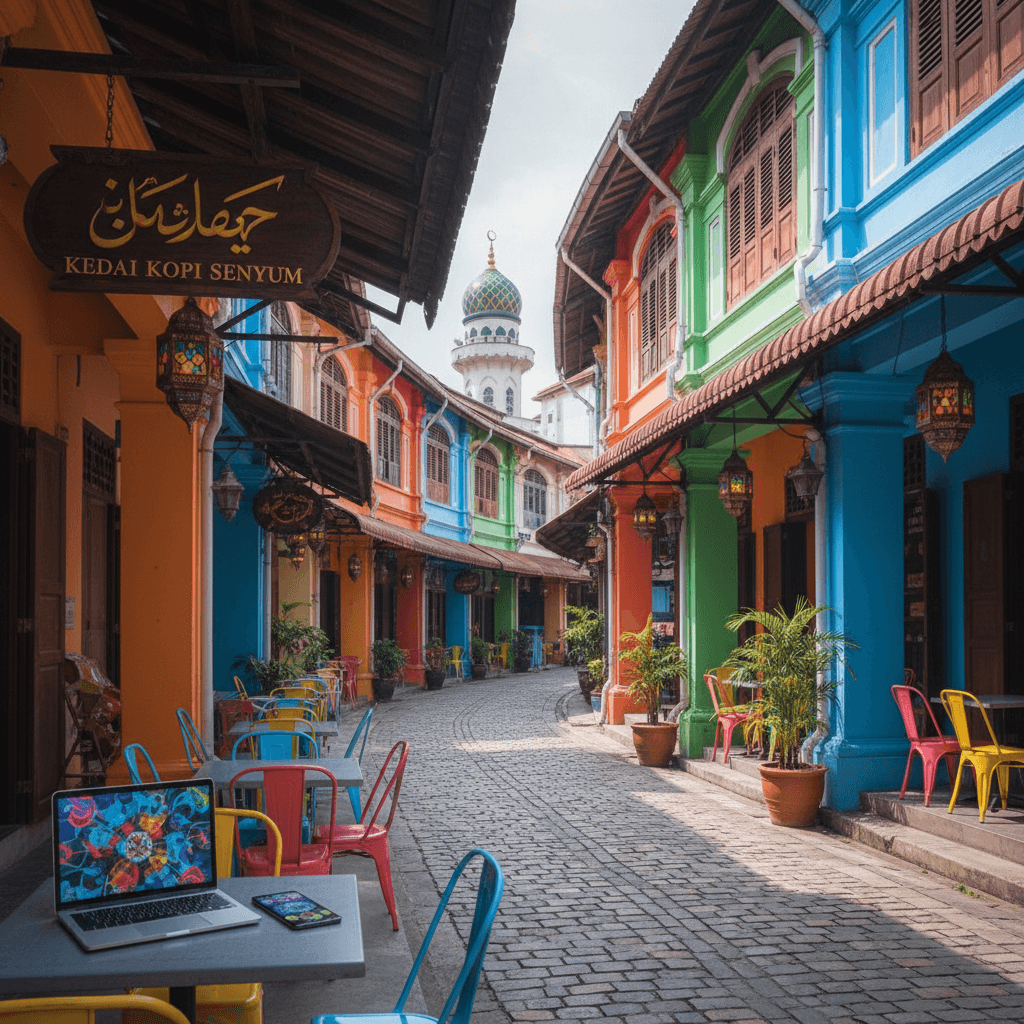
Rimba
🇧🇳 Brunei
The Quiet Frontier of the Brunei-Muara District
If you are looking for the neon lights of Bangkok or the beach club energy of Bali, Rimba will be a massive culture shock. This is a place where the soundtrack is more likely to be the call to prayer or the rustle of mangrove leaves than a DJ set. Located in Brunei-Muara District near Bandar Seri Begawan, Rimba is a developing suburb that feels like a world away from the capital's gold-domed grandeur. It is a town defined by a deeply rooted Islamic way of life, offering a pace of living that is slow, deliberate, and exceptionally safe.
The vibe here is intensely suburban and car-dependent. You won't find digital nomads huddled over MacBooks in every corner cafe. Instead, you'll see families at local markets and residents heading toward the nearby urban centers. For the remote worker, Rimba acts as a sort of "monastic" retreat. It’s the kind of place where you come to finally finish that book or crush a high-pressure project without the distractions of a social scene. It is quiet, conservative, and requires a high degree of self-sufficiency.
The Emotional Experience: Peace at a Price
Living in Rimba feels like stepping into a bubble of 1990s tranquility. There is a total absence of the "hustle" culture that permeates most nomad hubs. You'll likely spend your evenings watching the sunset or exploring the nearby mangroves rather than bar-hopping, mainly because there are no bars. Brunei’s strict no-alcohol laws and conservative dress codes mean the social life revolves around food, faith, and family.
Most travelers find the locals incredibly hospitable, though the community is private. You might feel like an observer rather than a participant at first. The isolation can be a double-edged sword; it's peaceful for a week, but after a month, the lack of a "tribe" can feel heavy. You have to be comfortable with your own company here.
Cost of Living Breakdown
Brunei isn't the budget paradise that neighboring Malaysia or Indonesia can be. Because so much is imported, your daily expenses will be higher than you might expect for such a remote area. Expect to spend roughly $1,562 per month for a balanced lifestyle. Here is how the budget typically breaks down for a solo nomad:
- Budget Tier ($1,000 to $1,300): You'll be looking at studio rentals on the outskirts for $400 to $600. You will eat almost exclusively at street stalls where a plate of Nasi Goreng or Satay costs $3 to $5.
- Mid-range Tier ($1,500 to $2,000): This covers a 1-bedroom apartment closer to the town center for $700 to $1,000. You can afford more air-conditioned meals at $10 to $15 per person and frequent use of the Grab app for getting around.
- Comfortable Tier ($2,500+): This allows for upscale housing at $1,200 or more, private car rentals, and weekend trips to the capital.
The Neighborhood Landscape
Rimba is still finding its identity as it grows, so choosing where to plant your feet matters. Since there are no dedicated nomad hostels, you'll be looking at local apartment rentals or small guesthouses.
Rimba Town Center
- Best For: Practicality and access to supplies.
- The Vibe: Functional and residential. You are near the main highways and basic grocery shops.
- Pros: Most affordable housing options and easiest access to local food stalls.
- Cons: Lacks any aesthetic charm; very industrial in parts.
Rimba Outskirts (Mangrove Border)
- Best For: Nature lovers and deep focus.
- The Vibe: Very quiet, almost rural. You’ll hear more birds than cars.
- Pros: Beautiful scenery and much lower rent.
- Cons: Extremely isolated. You cannot survive here without a car or a very active Grab account.
Practical Realities for Nomads
The infrastructure for remote work is basic. Internet speeds usually hover around 9 to 10 Mbps, which is fine for emails and Slack but might struggle with heavy 4K video uploads. There are no formal coworking spaces in Rimba itself; most nomads find themselves working from hotel lobbies or the occasional quiet cafe. For connectivity, grab a DST or Telekom Brunei SIM at the airport for about $10 to $20, or use an Airalo eSIM if you want to hit the ground running.
One thing you can't ignore is the visa situation. Brunei doesn't offer a specific digital nomad visa. Up to 90 days visa-free/VOA depending on nationality (e.g. US 90 days, others 30), but extending that stay can be a bureaucratic headache. Most expats recommend planning a "border run" to Miri in Malaysia if you need more time, though this is becoming more scrutinized. Between the 32°C (90°F) heat and the lack of public transit, Rimba is a destination for the intentional traveler, not the casual backpacker.
Cost of Living in Rimba
Rimba isn't your typical Southeast Asian budget destination. Because Brunei relies heavily on imports, you'll find that your daily expenses sit somewhere between the affordability of neighboring Malaysia and the higher costs of Singapore. For a solo digital nomad, a realistic monthly budget falls around $1,562, though you can squeeze by on $1,000 to $1,300 if you stick to local markets and avoid the more expensive expat enclaves.
The local currency is the Brunei Dollar, which is pegged to the Singapore Dollar. This stability is great for planning, but it means you won't see the massive currency fluctuations that can sometimes make other regional hubs feel like a bargain. Most travelers find that while housing and fuel are relatively cheap, dining out and imported groceries can eat into a budget quickly.
Accommodation Breakdown
Finding a place in Rimba requires a bit of old-school legwork. You won't find many listings on major international platforms, so most expats and long-term travelers rely on local Facebook groups like Brunei Rentals or local agents. Since Rimba is largely a residential and industrial suburb for the oil industry, the housing stock consists mostly of basic apartments and landed houses.
- Budget Tier: Expect to pay $400 to $600 for a basic studio or a room in a shared house on the outskirts of Rimba. These areas are quiet but require a car for literally everything.
- Mid-range Tier: A proper one-bedroom apartment near the town center or in nearby Kuala Belait will run you $700 to $1,000. These usually come with better amenities and more reliable utilities.
- Comfortable Tier: If you want an upscale, modern unit with air conditioning and high-end finishes, prices start at $1,200 and go up from there.
Food and Dining
Eating like a local is the best way to keep your costs down. The street food scene in the Rimba center is small but authentic, with satay and nasi goreng going for $3 to $5 per meal. If you prefer sitting down in a local warung or a mid-range cafe, you'll likely spend between $10 and $15.
Upscale dining is limited in this part of the country. You might find a few nicer spots in Kuala Belait where meals cost $25 to $40, but for a true variety of high-end options, you'd need to make the three-hour trek to Bandar Seri Begawan. Remember that there is a total ban on alcohol, so you won't be spending any of your budget on bar tabs or nightlife.
Transport and Connectivity
Rimba is not a walkable neighborhood. The infrastructure is designed for cars, and public transport is infrequent at best. Most nomads budget about $50 to $100 a month for transportation, which covers fuel and the occasional ride-hailing trip. Use the Dart app, Brunei's version of Grab, for getting around when you don't have your own wheels.
For staying connected, a local SIM card from DST or Telekom Brunei is your best bet. You can grab one at the airport or in town for about $10 to $20, which usually gets you a 20GB to 50GB data package. If you prefer an eSIM, Airalo works here, but local plans generally offer better value for longer stays.
Coworking and Utilities
Dedicated coworking spaces are virtually non-existent in Rimba. Most remote workers set up in hotel lobbies or the few quiet cafes in the area. If you need a formal office environment, you might find basic business centers in Kuala Belait charging $50 to $150 a month for a hot desk. Home internet speeds are modest, usually hovering around 9 to 10 Mbps, so factor that into your workflow if you handle large files or frequent video calls.
For Digital Nomads: Rimba Town Center
If you are trying to make Rimba work as a remote base, the Town Center is your best bet. It is a developing suburban hub that feels more functional than scenic. You will find the highest concentration of basic shops and small eateries here, which is vital since the area is heavily car dependent. Most nomads who pass through tend to stay in modest apartments or local guesthouses where rent fluctuates between $500 and $900 per month.
- The Setup: You will likely be working from your rental or a hotel lobby. Reliable coworking spaces do not exist in Rimba yet; you would have to drive toward Kuala Belait or the capital for a proper desk.
- Connectivity: Expect speeds around 10 Mbps. It is enough for emails and basic calls, but heavy video editors might struggle. Pick up a DST or Telekom Brunei SIM card at the airport for about $20 to ensure you have a backup hotspot.
- Daily Life: Lunch at local stalls usually costs $3 to $5 for a plate of nasi goreng. It is quiet, safe, and distraction free, though the lack of a social scene means you will need to be comfortable with your own company.
For Expats and Oil Industry Professionals: Kuala Belait (Adjacent)
While technically its own town, Kuala Belait is the lifeblood for expats living in the Rimba area. Because of the proximity to the oil fields, this is where the international community clusters. It feels a bit more established and offers a slightly higher standard of living than the deep residential pockets of Rimba. Many expats recommend this area because it is easier to find 1-bedroom apartments in the $700 to $1,000 range that meet international standards.
- Social Life: This is where you will find the "Expats in Brunei" Facebook crowd. Since there is no alcohol or nightlife, social life revolves around private dinners, sports clubs, and weekend trips.
- Amenities: You get better access to supermarkets carrying imported goods and slightly more diverse dining options. It is the most "westernized" version of life you will find in this part of the country.
For Families: Rimba Outskirts
Families often prefer the quieter outskirts of Rimba, closer to the mangroves. It is incredibly safe, even by Brunei's high standards, and the pace of life is slow enough that kids can actually play outside without much worry. You can find larger housing options here, though you will absolutely need a car for every single errand. There is no real walkability in these residential blocks.
- Nature Access: You are closer to the green belts and the quiet coastal areas. It is perfect for those who want a retreat style lifestyle rather than an urban one.
- Costs: Rent for larger family homes varies wildly, but budget at least $1,200 for something comfortable. Schooling and healthcare usually require a trip into the main town centers, so factor in fuel costs of about $50 to $100 a month.
For Solo Travelers and Nature Lovers: Seria
Just a short drive from Rimba, Seria is the place to be if you want to be near the coast. It is famous for its "Billionth Barrel Monument" and its unique industrial history, but for a solo traveler, the draw is the beach. It is a bit more rugged than the manicured parts of the capital. It is a fantastic spot if you are looking for a short term stay to clear your head or explore the local ecology.
- Vibe: It is peaceful and reflective. Solo travelers often mention the kindness of locals here, who are usually happy to point you toward the best satay stalls.
- Logistics: Using the Grab app is the most reliable way to get around if you aren't renting a vehicle, though rides can be sparse during peak prayer times or late at night. Expect to pay $5 to $10 for short trips between the residential areas and the coast.
Connectivity Realities
If you're coming to Rimba expecting blazing fiber speeds and sleek glass-walled offices, you'll need to adjust your expectations. This is a quiet, residential suburb where the digital infrastructure is functional but modest. Average fixed speeds around 70-80 Mbps. While that's enough for emails and basic Zoom calls, you might struggle with heavy video editing or massive file uploads. Local providers like DST and Telekom Brunei dominate the market, and while reliable, they don't offer the high-speed consistency found in neighboring Malaysia or Singapore.
Most nomads in the area rely on mobile data as a backup. You can pick up a local SIM card at the airport or in nearby Kuala Belait for about $10 to $20, which typically gets you between 20GB and 50GB of data. If you prefer a digital-first approach, Airalo works well here for eSIMs, though the local physical cards usually offer better bang for your buck on longer stays.
The Coworking Gap
Rimba doesn't have a dedicated coworking scene. You won't find community managers or networking mixers here. Most remote workers in the Belait District are expats tied to the oil and gas industry, so they usually work from home or private company offices. If you need a professional environment, your best bet is to look toward Kuala Belait or make the long trek to Bandar Seri Begawan.
- Hotdesking: Expect to pay between $50 and $100 per month for basic business center access in the larger hubs.
- Availability: There are no branded coworking spaces in Rimba itself; you'll be looking at generic serviced offices.
- Vibe: Very corporate and quiet. It's built for productivity, not socializing.
Remote Work from Cafes and Hotels
Since dedicated spaces are sparse, the "laptop lifestyle" in Rimba mostly happens in hotel lobbies or the occasional quiet cafe. The culture here is conservative and relaxed, so sitting with a laptop for a few hours isn't usually an issue as long as you're ordering food and drinks. However, the cafe culture is subdued compared to the capital. You won't find many "work-friendly" spots with ample power outlets and ergonomic chairs.
Travelers often recommend setting up shop in your accommodation. Most mid-range rentals and hotels provide WiFi, but it's often shared and can crawl during peak evening hours. If you're planning a stay longer than a week, ask for a speed test before committing to a lease. Many nomads find that a dedicated DST tourist plan on a mobile hotspot is more reliable than the average "free" hotel WiFi.
Practical Tech Tips
Power outages aren't common, but they can happen during the heavy tropical downpours of the monsoon season. A good power bank and a surge protector are smart additions to your kit. Since Rimba is car-dependent, don't expect to wander from cafe to cafe on foot. You'll likely pick one spot for the day and stay there.
- Best Apps: Download Grab for transport and food delivery, though services are more limited here than in BSB.
- Banking: Use Wise or Revolut for better exchange rates at local ATMs like BIBD, which are readily available in town centers.
- Data: Always keep a local SIM active; public WiFi is rare and often requires a local phone number to authenticate.
A Haven of Security
Brunei is consistently ranked as one of the safest countries in Southeast Asia, and Rimba is no exception. Because the legal system is strictly enforced and the culture is deeply rooted in Islamic values, violent crime is almost unheard of. You can walk through residential areas or visit local markets at night without the constant vigilance required in larger regional hubs. Most expats describe the environment as exceptionally peaceful, bordering on quiet.
The safety here isn't just about low crime; it's about the social contract. However, this safety comes with a set of firm rules you need to respect. Alcohol is completely banned from public sale, and there are no bars or nightclubs. Public displays of affection are culturally inappropriate and can lead to legal trouble. As long as you dress modestly and respect local customs, you'll find the locals to be incredibly welcoming and helpful.
Healthcare Standards and Access
While Rimba is a smaller suburb, you aren't isolated when it comes to medical care. The healthcare system in Brunei is high quality, though it functions differently for expats than it does for citizens. Most travelers and nomads head to nearby facilities for significant medical needs.
- Panaga Health Centre: Often preferred by the expat oil and gas community, this center offers high standards of primary care and is known for having English speaking staff familiar with international insurance.
- Private Clinics: For minor ailments like the flu or skin irritations, you'll find small private clinics dotted around the region. Consultation fees typically range from $30 to $60.
Practical Medical Tips
Pharmacies are well stocked with common medications, but if you require specific prescriptions, bring a copy of your doctor's note. Guardian is a common pharmacy chain you will see in shopping areas near Rimba. For anything complex or specialized, many expats choose to travel to Bandar Seri Begawan or even take a short flight to Singapore or Miri, Malaysia.
Standard emergency numbers are easy to remember: dial 993 for the police and 991 for an ambulance. It is highly recommended to have comprehensive travel insurance that covers medical evacuation, as private costs can climb quickly for non residents.
Health Hazards and Environment
The biggest health risks in Rimba are environmental rather than infectious. The tropical heat is intense, with temperatures frequently hitting 32°C (90°F) with high humidity. Dehydration and heat exhaustion are common for newcomers who try to walk too much during midday. Stick to air conditioned spaces between 11:00 AM and 3:00 PM.
Since Rimba is surrounded by mangroves and lush vegetation, mosquitoes are a reality. While malaria isn't a major concern here, dengue fever outbreaks do occur occasionally. Most nomads find that a good repellent and staying in screened or air conditioned rooms at night is enough to stay safe. If you're heading into the nearby jungle for a hike, long sleeves and pants are a must.
Tap water is generally considered safe to drink in Brunei, but most long term expats prefer filtered or bottled water for the taste and as an extra precaution. You'll find 5 liter jugs of water are very affordable at local supermarkets in the Rimba town center.
The Reality of Getting Around
If you are planning to base yourself in Rimba, you need to understand one thing immediately: you will need a car. This is a suburban, industrial-leaning district designed for driving, not walking. The infrastructure favors wide roads and private vehicles, and the tropical heat makes a ten-minute stroll feel like a marathon. Most expats and digital nomads who spend time here quickly realize that without their own wheels, they are essentially stranded in their accommodation.
The neighborhood lacks the dense, walkable clusters you might find in Southeast Asian hubs like Chiang Mai or Ubud. Instead, Rimba is spread out, with residential pockets separated by stretches of highway and industrial zones. If you are staying here for more than a few days, look into long-term car rentals or connect with local Facebook groups like Brunei Car Rentals to find a monthly deal. Expect to pay anywhere from $20 to $50 per day for a basic vehicle, though monthly rates can be negotiated lower with local agencies.
Ride-Hailing and Taxis
Do not expect to hail a cab on the street in Rimba. It simply won't happen. Traditional taxis are rare and expensive, often costing $100 or more for the three-hour trek from Brunei International Airport (BWN) to the Belait District. For shorter trips within the area, your best bet is the Dart app, Brunei's main ride-hailing app (Grab unavailable). Dart is the primary player and generally reliable for finding drivers in suburban areas.
Even with Dart, availability in Rimba can be spotty, especially during peak commute hours or late at night. A typical trip from Rimba to the nearby shops in Kuala Belait will usually set you back $5 to $10. Most travelers recommend booking your rides well in advance if you have a specific appointment, as wait times can be unpredictable.
Public Transportation
Brunei has a public bus system, but it is not designed with the digital nomad's schedule in mind. The purple buses that service the Belait District are affordable, typically costing about $1 per ride, but they are infrequent and the routes are limited. There is a long-distance bus service that connects the Belait area to the capital, Bandar Seri Begawan, for about $5 to $15, but the journey is slow and the schedules are often more of a suggestion than a rule.
- Purple Buses: Best for budget travelers with no time constraints; expect long waits in the sun.
- Dart App: The most reliable way to get around without your own car; download it before you arrive.
- Walking: Generally avoided due to lack of continuous sidewalks and intense humidity.
Cycling and Scooters
While some nomads enjoy cycling in more rural parts of Brunei, Rimba's industrial traffic and high temperatures make it a challenge. You won't find the ubiquitous scooter rental shops that line the streets of Bali or Vietnam here. If you are determined to bike, you'll likely need to purchase a second-hand one or arrange a private rental through a hotel in Kuala Belait. Most expats stick to air-conditioned cars to avoid the 32°C (90°F) daily highs and the sudden, heavy downpours that define the rainy season from October to March.
Navigation Tips
Google Maps is generally reliable for navigating the main highways and finding established businesses in Rimba. However, for smaller street food stalls or residential addresses, the data can be a bit thin. Locals are incredibly friendly, so if you get lost, don't hesitate to ask for directions; almost everyone speaks high-level English and is happy to help a visitor find their way.
The Linguistic Landscape
You won't have much trouble getting your point across in Rimba. While Bahasa Melayu is the official language, the legacy of the British protectorate era and the presence of the international oil industry means English proficiency is remarkably high. Most locals you'll encounter in shops, government offices, or the service industry speak English fluently, or at the very least, with enough functional skill to handle complex requests.
The local dialect is Melayu Brunei, which has its own unique rhythm and vocabulary compared to the standard Malay spoken in Kuala Lumpur. You'll hear it everywhere in the markets and residential streets of Rimba. While you don't need to be fluent, learning a few phrases goes a long way in building rapport with the community. Locals are generally polite and reserved, so a well placed greeting can break the ice quickly.
Key Phrases to Know
- Terima kasih: Thank you (The most important phrase in your toolkit).
- Selamat pagi: Good morning.
- Berapa harga?: How much is this? (Useful for the local food stalls).
- Inda: No (Specific to the Brunei dialect, though 'tidak' is also understood).
- Lurus: Correct or straight ahead.
Digital Communication and Connectivity
Staying connected in a suburban area like Rimba requires a bit of planning. Average fixed speeds around 70-80 Mbps, which is fine for emails and Zoom calls or handling large file uploads. Most nomads rely on their mobile data as a backup or primary hotspot.
For your phone, look for DST or Progresif. You can grab a tourist SIM at the airport or in nearby Kuala Belait for about $10-20 for 3-45GB data depending on plan. If you prefer the convenience of an eSIM, apps like Airalo work well here, though they can be pricier than local physical cards. Digital nomads often suggest keeping a local SIM regardless, as it makes using the Grab app much smoother for getting around the car dependent streets.
Communication Etiquette
Bruneian culture is deeply rooted in MIB (Melayu Islam Beraja), meaning communication is often indirect and very respectful. It is best to avoid sensitive topics like politics or the monarchy in public conversations. When meeting someone for the first time, a light handshake is common, though some Muslim locals may prefer a simple nod and a hand over the heart. Always use your right hand when giving or receiving items, as using the left hand is considered impolite.
Since Rimba is a quieter residential and industrial pocket, you won't find many loud social hubs or networking events. Most communication happens in small circles or via WhatsApp groups. Expats in the Belait District often coordinate through Facebook groups like Expats in Brunei to share tips on everything from housing to the best places for a quiet work session. If you need to translate signs or menus, Google Translate handles Malay quite well, though English signage is prevalent throughout the suburb.
The Tropical Rhythm
Living in Rimba means embracing the equatorial heat. It's consistently hot and humid, with temperatures hovering between 28°C and 32°C (82°F to 90°F) throughout the year. You won't find traditional seasons here; instead, your life will be dictated by the rain. The air is thick, and the sun is intense, so most nomads and expats plan their outdoor activities for the early morning or after the sun dips below the horizon.
The humidity is a constant companion, often sticking around 80%. While the coastal breeze from nearby Seria helps a bit, you'll likely spend your working hours in air-conditioned spaces. If you're coming from a temperate climate, give yourself a week to acclimate before planning any heavy hiking or outdoor excursions.
When to Plan Your Stay
The best window for a productive stay in Rimba is between April and September. This is the "drier" period, though in a tropical rainforest climate, "dry" is a relative term. You'll still see occasional afternoon showers, but they're usually quick bursts that clear the air rather than day-long washouts. This period is ideal if you want to explore the mangroves or take weekend trips to Ulu Temburong National Park without getting bogged down by mud.
The rainy season kicks into high gear from October through March. November, December, and January are particularly wet, often bringing heavy monsoon downpours that can lead to localized flooding in low-lying suburban areas. While the rain keeps the landscape lush and green, it can make getting around Rimba’s car-dependent streets a bit of a headache. Travelers often find that the gray skies during these months can feel a bit isolating if they aren't prepared for the indoor lifestyle.
Monthly Weather Breakdown
- January to March: Transition period. Expect high rainfall early on, tapering off toward March. Highs stay around 31°C.
- April to June: The sweet spot. Lower rainfall and plenty of sunshine. Temperatures peak at 32°C.
- July to September: Excellent for nature lovers. The weather is stable, making it the best time for beach trips to nearby Kuala Belait.
- October to December: The peak monsoon. Expect heavy, frequent showers and a higher risk of travel delays due to weather.
Practical Seasonal Tips
If you're visiting during the rainy season, a sturdy umbrella is a baseline requirement, but locals will tell you that a car is your real lifeline. Since Rimba lacks a walkable "downtown," navigating the suburb in a downpour without a vehicle or a reliable Grab ride is nearly impossible. Expats recommend keeping a close eye on local weather apps, as tropical storms can roll in with very little warning.
Keep in mind the cultural calendar alongside the weather. If your stay overlaps with Ramadan, the pace of life slows down significantly. Many local eateries in Rimba will have restricted hours during the day, and while it's a fascinating time to witness the culture, it requires a bit more planning for your mid-day meals. Conversely, the Hari Raya celebrations that follow are a fantastic time to be in town, as the community opens up with festive markets and a very welcoming atmosphere.
Connectivity and Tech Setup
Internet speeds in Rimba hover around 10 Mbps, which is plenty for emails and basic Zoom calls but might struggle with heavy video editing or large file uploads. Most nomads rely on DST or Telekom Brunei for their mobile data. You can grab a tourist SIM at the airport for about $10 to $20, giving you roughly 20GB to 50GB of data. If you prefer a digital approach, Airalo eSIMs work well here.
Working from cafes isn't a massive culture in Rimba yet. You won't find dedicated coworking hubs in the suburb itself, so your best bet is setting up in a hotel lobby or making the drive to Kuala Belait for business centers. Expect to pay between $50 and $150 a month for a basic hot desk if you head into the more developed areas.
Money and Budgeting
Brunei uses the Brunei Dollar (BND), which is pegged to the Singapore Dollar. It's a middle-of-the-road destination for your wallet. A solo nomad can get by on $1,300 a month if they stick to local warungs and basic housing, but a more comfortable lifestyle usually hits the $2,000 mark.
- Housing: A studio or one bedroom apartment in the Rimba outskirts usually runs between $400 and $600. If you want to be closer to the town center, prices jump to $700 or $900.
- Food: Street food is your best friend for saving money. You can find satay or nasi goreng at local stalls for $3 to $5. Mid range dinners usually cost between $10 and $15.
- Daily Expenses: Budget about $5 to $10 per trip for ride hailing apps.
Getting Around
Rimba is a car dependent suburb. It's not a walkable area, and the heat makes trekking on foot pretty exhausting. Public buses exist but they're infrequent and mainly connect you to Kuala Belait or Bandar Seri Begawan for about $1 per ride.
The Dart app is the gold standard for getting around if you don't have your own wheels. If you're coming from the airport, the drive takes nearly 3 hours and can cost upwards of $100. Most long term expats eventually look into private car rentals or rely on the oil company shuttles if they're in the industry.
Visas and Staying Legal
Brunei doesn't have a specific digital nomad visa. Most travelers enter on a standard tourist visa, which often allows for a 90 day stay depending on your nationality. Extensions are notoriously difficult to get, so most nomads plan a border run to Malaysia or Singapore before their time is up. Always check your specific country's requirements before arrival because the rules are strictly enforced.
Cultural Etiquette
The lifestyle here is conservative and quiet. There is a total ban on alcohol, so you won't find bars or clubs. Social life revolves around night markets and private gatherings. Dress modestly by keeping your shoulders and knees covered, especially when visiting public buildings or mosques.
Friday prayers are a big deal. Everything slows down or closes entirely for a few hours in the afternoon. It's also important to remember that public displays of affection are frowned upon. Locals are incredibly friendly and helpful, but they appreciate visitors who respect the local Islamic traditions and the Sultan.
Health and Safety
Safety is one of Rimba's biggest selling points. Crime is exceptionally low, and you'll feel comfortable walking around at almost any time of day. For healthcare, there are quality public hospitals in nearby Kuala Belait and Seria. While basic care is affordable, it's smart to have expat insurance for anything specialized. In an emergency, dial 993 for police or 991 for an ambulance.
Need visa and immigration info for Brunei?
🇧🇳 View Brunei Country GuideOff the Radar
Pioneer territory