Riga
🇱🇻 Latvia
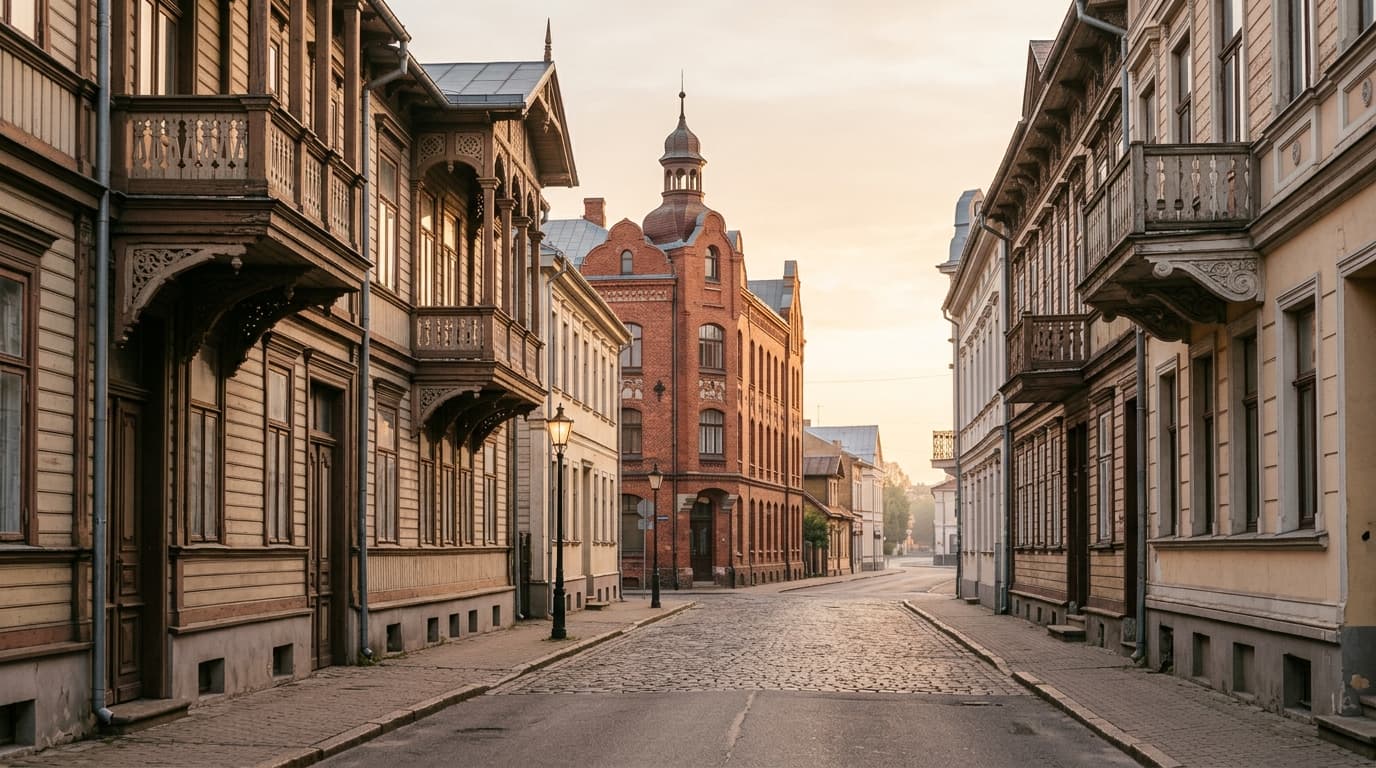
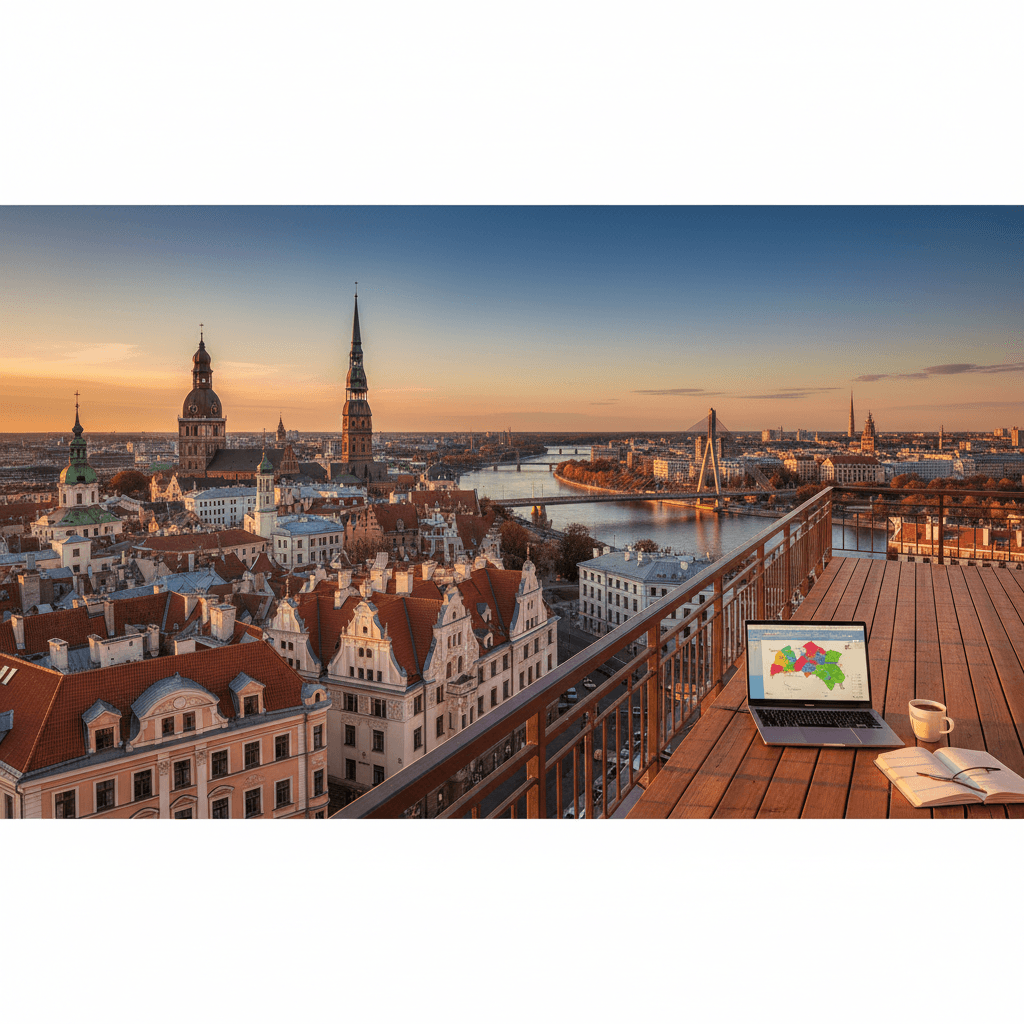
Riga doesn't try to impress you. It just does. You walk out of the train station, turn toward the Old Town and suddenly you're surrounded by more Art Nouveau architecture than almost anywhere else in Europe, over 800 buildings with ornate facades that look, honestly, like someone carved fever dreams into stone. The scale of it catches most people off guard.
The city sits at an interesting crossroads. It's genuinely medieval in the center, cobblestones and all, but the coworking scene, turns out, is one of the best in the Baltics, internet infrastructure is solid and the cost of living makes Western European capitals look absurd by comparison. A comfortable month here runs you €1,200 to €1,600. That's the full picture.
The vibe is harder to pin down than other nomad hubs. Riga isn't loud about itself. Locals are reserved at first, sometimes to the point where newcomers misread it as coldness, but expats who've stayed longer than a few weeks consistently say the same thing: once you're in, you're in. There's a dry wit to Latvian humor and a creative undercurrent to the city that shows up in the independent café scene, the art spaces in Kalnciema Quarter and the night markets that smell of smoked fish and mulled wine come autumn.
Winters are long, dark and genuinely brutal. December and January can feel like the sun clocks out by 3pm, the cold is damp rather than crisp and it gets to people. That's not a minor footnote, it's a real factor in deciding whether Riga works for you long-term.
Summers, though, are something else entirely. The city stays light until nearly midnight, the Daugava riverbanks fill up, rooftop bars open and the whole place loosens up in a way that feels earned after months of grey. Travelers who visit in June or July often say it doesn't feel like the same city they'd heard described.
What makes Riga different from Lisbon or Tbilisi or the other usual suspects on the nomad circuit is, weirdly, its restraint. It doesn't perform for you. The good stuff takes a little digging and that's exactly why the people who find it tend to stay much longer than they planned.
Riga is, honestly, one of the cheapest capitals in the EU. That's not marketing copy, it's just true. A single person living comfortably, with a decent apartment, regular meals out and a coworking membership, can get by on €1,200 to €1,500 a month, which would barely cover rent in Amsterdam or Stockholm.
Rent is where you feel the difference most. A one-bedroom in the center runs €400 to €700 depending on the building and how recently someone installed a washing machine, outside the center you're looking at €300 to €425. Utilities hit harder than most people expect, heating in winter can add €200 to €300 to your monthly bill, so factor that in before you get excited about a cheap apartment listing in January.
Typical Monthly Costs
- 1BR apartment (center): €400 to €700/month
- 1BR apartment (outside center): €300 to €425/month
- Utilities (electricity, heating, water): €200 to €500/month
- Internet (60+ Mbps): €10 to €25/month
- Mobile plan (10GB+): €10 to €28/month
- Public transport pass: €30/month
- Coworking day pass (Regus): €25/day
- Groceries (one person): €150 to €250/month
Food is cheap, turns out it's one of Riga's genuine advantages. Lunch at Terapija, a popular vegan spot, costs around €4.70, Wok n Kurry runs €5 to €7 and a sit-down meal at a mid-range restaurant rarely exceeds €15. Coffee at most cafés is €1.50 to €2.50, beer at a local pub is €2 to €4, you can spend a full social evening out without wincing at the bill.
Budget travelers can survive on €800 to €1,000 a month if they rent a studio outside the center and cook most of their meals. Mid-range nomads land around €1,200 to €1,600. Go above €1,800 and you're living well, central apartment, dining out regularly, weekend trips included.
The one thing that catches people off guard is that winter utility bills can genuinely spike your monthly costs by €150 to €200, it's not a minor line item. Plan for it, don't just budget based on summer numbers.
```For Digital Nomads
Quiet Center (Klusais Centrs) is where most nomads end up and honestly, it makes sense. You're surrounded by Art Nouveau facades, it's calm enough to think straight and you can walk to a coworking space without dodging tour groups. Rent runs €400-700 for a one-bedroom, which stings a little compared to other neighborhoods, but the tradeoff is real.
Skip Old Town for daily living. It's gorgeous, turns out it's also exhausting, cobblestones at midnight and bar noise bleeding through your windows aren't great when you've got a 9am call. The Noliktavas Street and Andrejosta riverside district is the smarter pick: steps from Old Town's cafes, quieter streets, a river promenade you'll actually use.
For Expats
Kalnciema Quarter is the one expats keep recommending and it's not hard to see why. Wooden architecture, an artisan Saturday market that smells like fresh bread and pine, a creative crowd that doesn't feel performative. Rents here are genuinely mid-range, you're not paying a premium for someone else's Instagram backdrop.
Āgenskalns, just across the Daugava river, is worth serious consideration, it's got the same wooden-house charm, a lively local market and a neighborhood feel that Centrs has mostly lost. The commute into the center is short, public transport covers it well and you'll pay less for more space.
For Families
Families tend to gravitate toward Mežaparks or Āgenskalns. Mežaparks is greener and quieter, with actual breathing room and proximity to the zoo and open-air concert venue. It's not walkable to the center, so you'll need a car or reliable transit habits, but families who've settled there rarely complain. Āgenskalns offers more community energy if isolation sounds worse than noise.
For Solo Travelers
Centrs, the area south of Old Town near Central Market, is the practical choice. It's affordable, well-connected and walkable, the market itself is worth the location alone, a Soviet-era iron structure that's, weirdly, one of Europe's largest food markets. Budget a week here before committing to anything longer term, the neighborhood's character changes block by block.
Riga's internet infrastructure is, honestly, one of its strongest selling points. Speeds are fast, coverage is widespread and a home fiber plan with 60+ Mbps runs just €10-25 a month. Free WiFi works reliably in virtually every café in the city, so you won't be hunting for a signal.
The coworking scene is small but solid. Most nomads find two or three spots they rotate between rather than committing to one, because the options are genuinely different in feel and price.
Top Coworking Spaces
- Double9: The standout pick for most remote workers. Fast, secure WiFi, 24/7 access via mobile app, a proper kitchen and a historic building with character. The atmosphere's good, it doesn't feel like a corporate office park.
- Regus (multiple locations): Day passes run €25, which adds up fast, but a monthly access plan drops that to around €5 per day on a longer contract. Good for calls and structured work, turns out it's the most predictable option if you need meeting rooms regularly.
- Da Vinci Meeting Rooms (Esplanade): Flexible hot-desking from €9 an hour. Better for short visits than long stays, but the location near the park is genuinely pleasant.
Café Working
Riga's café culture is weirdly well-suited to remote work. Most spots in Kalnciema and Centrs have reliable WiFi, comfortable seating and coffee for €1.50-2.50. Nobody rushes you out. The wooden-house cafés in Kalnciema are a favorite among expats who want a change of scenery without the coworking price tag, just don't expect blazing speeds during peak hours.
SIM Cards & Mobile Data
Pick up a prepaid SIM at any Narvesen or Circle K, they start at around €2. Monthly plans with unlimited calls and data begin at €9.99. Latvijas Mobilais Telefons has the best overall coverage across the city, Bite and Tele2 are solid alternatives. If you're staying more than a week, a local SIM is worth it, roaming costs are painful by comparison.
Bottom line: connectivity isn't a problem in Riga. It's one less thing to stress about.
Riga is, honestly, one of the safer European capitals you'll spend time in. Violent crime against tourists and expats is rare. Petty theft happens though, mostly pickpocketing around the Central Market, Old Town on busy summer nights and crowded tram stops, so keep your bag in front of you and don't flash expensive gear in those areas. The center is fine to walk at night, it's well-lit and reasonably lively, just use common sense if you're wandering into quieter streets past midnight.
One thing expats flag consistently: the nightlife districts around Old Town get loud and messy on weekends. Not dangerous, just chaotic. If you're staying in Vecrīga, turns out earplugs aren't optional on a Friday night.
Emergency Contacts
- Emergency services (ambulance, fire, police): 112
- Riga East Clinical University Hospital call center: 80708866
Hospitals
- Riga East Clinical University Hospital: Latvia's largest multi-profile hospital, handles emergencies and has modern facilities
- Pauls Stradiņš Clinical University Hospital: Major teaching hospital with broad specialist coverage
- Children's Hospital in Gailezers: Located at 20 Juglas Street, same call center as Riga East
The public healthcare system works, but it's underfunded and wait times can be genuinely frustrating. Most expats and nomads skip the queue entirely by going private, costs are reasonable by Western European standards and English-speaking doctors aren't hard to find at private clinics. If you're staying longer than a few weeks, sorting private health insurance before you arrive is the move.
Pharmacies, called aptieka, are everywhere. Seriously, there's one on almost every block in the center. They're well-stocked, staff frequently speak English and you can sort most minor ailments without seeing a doctor first. Prescription requirements are stricter than some countries, but frankly the pharmacists are helpful about pointing you toward what you actually need.
One thing that catches people off guard: winters in Riga are icy. Black ice on pavements is a real hazard from December through February, good boots aren't just comfort, they're practical safety. The cold bites hard, the days are short and the darkness is, weirdly, the thing most nomads say they underestimated before arriving.
Riga's compact enough that you won't spend half your day in transit. The Old Town and most central neighborhoods are walkable and the public transport network covers the rest without much fuss.
Walking & Cycling
Honestly, walking is how most nomads get around day-to-day. The Old Town to Centrs stretch takes maybe 20 minutes on foot and the riverside promenade makes it genuinely pleasant, even in autumn when the leaves are down and the air smells faintly of the Daugava. Cycling is possible but, turns out, less convenient than in Amsterdam or Tallinn; the infrastructure is patchier and winter ice makes it a non-starter from December through February.
Public Transport
Trams, trolleybuses and buses cover the city well, they're cheap and they run frequently enough that you're rarely waiting more than 10 minutes. A single ride costs around €1.15, a monthly pass runs €30, which is genuinely one of the better deals in any European capital. The Rīgas Satiksme app handles route planning and e-tickets, it's straightforward to use and works reliably.
Tram Line 11 is the one most expats use regularly, cutting through the center and connecting key neighborhoods. Buses reach the outer areas like Mežaparks and Āgenskalns, which aren't far but feel like a different city once you're there.
Taxis & Rideshare
Bolt dominates here. It's cheap, fast and drivers are, weirdly, almost always on time. A typical cross-city ride runs €4 to €8. Traditional taxis exist but cost more and aren't worth it when Bolt's sitting right there on your phone. Avoid hailing cabs outside the airport without checking the meter first, the fixed-rate trap catches a lot of first-timers.
Getting to the Airport
Riga International Airport is only about 10 kilometers from the center. Bus 22 runs directly from the city, takes around 30 minutes and costs €1.15. A Bolt to the airport runs €7 to €12 depending on traffic, frankly the better call if you've got luggage.
Car Rental
Skip it unless you're planning day trips outside the city. Parking in the center is a headache, paid zones are everywhere and you don't need a car to live well here. For day trips to Jūrmala or Sigulda, the train is cheaper and easier anyway.
```Latvian is the official language and locals are genuinely proud of it. Don't expect everyone to volunteer English immediately, there's a quiet reserve here that can read as coldness but usually isn't.
That said, English is, honestly, more widespread than most first-timers expect. Younger Latvians (roughly under 40) are generally comfortable in English, especially in cafés, coworking spaces and the service industry. Older residents are more likely to default to Russian, which remains a significant second language across the city, particularly in markets like the Central Market and in some residential neighborhoods.
Russian speakers will find Riga surprisingly easy to get around, turns out the Soviet-era demographic mix never fully unwound. German and some Scandinavian languages pop up occasionally too, given historical trade ties and modern tourism patterns.
Learn a few words. Seriously. "Paldies" (thank you) and "Lūdzu" (please) go a long way, locals notice the effort and warm up noticeably when you try. The language itself is, weirdly, one of the oldest in Europe with unusually complex grammar, so nobody expects you to master it. Just show respect.
For getting around practically, Google Translate handles Latvian reasonably well, the camera translation feature is useful for menus and street signs. Most restaurant menus in central Riga have English versions, though you'll occasionally get handed a Latvian-only card in more local spots.
Communication apps and practical tools most nomads rely on:
- Google Translate: Works well for Latvian, camera mode handles signs and menus
- WhatsApp: Standard for personal communication here
- Telegram: Widely used, especially in expat and nomad communities
- Rimi and Maxima apps: Grocery store apps are in Latvian but navigable with translate
Phone plans from Bite and Tele2 come with English-language customer service, it's not always fast, but it works. Latvijas Mobilais Telefons has the best rural coverage, though in Riga that difference is frankly negligible.
One real friction point: official bureaucracy. Government forms, residency paperwork and municipal offices are often Latvian-only and staff don't always speak English. Budget time for this, bring a local contact or hire a translator if you're dealing with anything administrative.
Riga has four genuinely distinct seasons and they matter more here than in most European cities. Get the timing wrong and you'll spend your trip in near-total darkness, coat soaked, wondering why you didn't book Lisbon instead.
Summer (June to August) is, honestly, the sweet spot for most visitors. Days stretch past 10pm, the Old Town fills with outdoor terraces and the whole city exhales after months of grey. Temperatures sit comfortably between 18°C and 25°C, occasionally pushing higher. The downside: it's peak tourist season, prices creep up and Vecrīga can feel like a theme park on weekends. Nomads who've done a full year here tend to book apartments in Kalnciema or Āgenskalns rather than Old Town, where the noise doesn't stop until 2am.
Spring (April to May) is genuinely underrated. Crowds are thin, prices drop and the city looks stunning as the Art Nouveau facades dry out and the parks come back to life. Temperatures range from 8°C to 17°C, so pack layers. Expats consistently say this is their favorite window and it's easy to see why.
Autumn (September to October) runs a close second. The light turns golden, the summer tourists vanish and the cultural calendar kicks back into gear with theater, opera and live music. By November, though, it gets cold fast, the days shorten dramatically and the city starts its long retreat indoors.
Winter (November to March) is brutal. Not dramatically cold by Nordic standards, hovering around 0°C to -5°C, but the darkness is relentless, with fewer than seven hours of daylight in December. The damp Baltic chill cuts through layers in a way that dry mountain cold doesn't. Some people genuinely love the moody atmosphere, the mulled wine at Christmas markets, the quiet streets, it has a certain appeal if you're mentally prepared. Most first-timers aren't.
- Best for first-time visitors: June to August
- Best for nomads and longer stays: May or September
- Avoid if you're sensitive to dark winters: November through February
- Cheapest flights and accommodation: January to March
Bottom line: if you can only come once, aim for late May through early September. If you're staying a month or more, spring and early autumn give you the city at its most livable.
Riga's pretty easy to get around once you know a few things. Most travelers, honestly, waste time and money on stuff that locals figured out years ago. Here's what actually matters.
Getting Around
Public transport is cheap and reliable. A monthly pass runs €30, trams and buses cover the whole city and the app Rīgas Satiksme shows real-time arrivals. Taxis exist, but Bolt is what everyone uses, it's cheaper and the drivers actually show up.
Walking works well in the center. Old Town to the Central Market is maybe 15 minutes on foot, most of the good neighborhoods cluster tightly together. Cycling is, turns out, less practical than you'd expect for a European city; the infrastructure's patchy and winters make it a non-starter for six months anyway.
Money & Payments
Latvia uses the euro. Card payments are accepted almost everywhere, you'll rarely need cash, though it's worth keeping €10-20 on you for markets and older cafés. ATMs are widely available throughout the center.
SIM Cards & Internet
Pick up a SIM at any Narvesen or Circle K convenience store, they're literally everywhere. Prepaid cards start around €2 and monthly plans with unlimited data run as low as €9.99. Latvijas Mobilais Telefons has the best coverage, Bite and Tele2 are solid alternatives. Café WiFi is, weirdly, almost always fast and free without a purchase requirement.
Language & Communication
Latvian is the official language and it's not easy to pick up. Don't stress about it. English is widely spoken among younger people and anyone in hospitality or coworking. Russian is still common too, especially among older residents.
Safety
Riga is genuinely safe. Violent crime is rare, the center's fine to walk at night, petty theft is the main thing to watch for in crowded spots like the Central Market and nightlife areas. Keep your phone in your pocket, not your hand.
Healthcare
Pharmacies, called aptieka, are everywhere and well-stocked, most staff speak English. For anything serious, Pauls Stradiņš Clinical University Hospital is the go-to. Private clinics are faster and English-friendly, budget roughly €30-60 for a basic consultation. Emergency number is 112.
Need visa and immigration info for Latvia?
🇱🇻 View Latvia Country GuideEasy Landing
Settle in, no stress