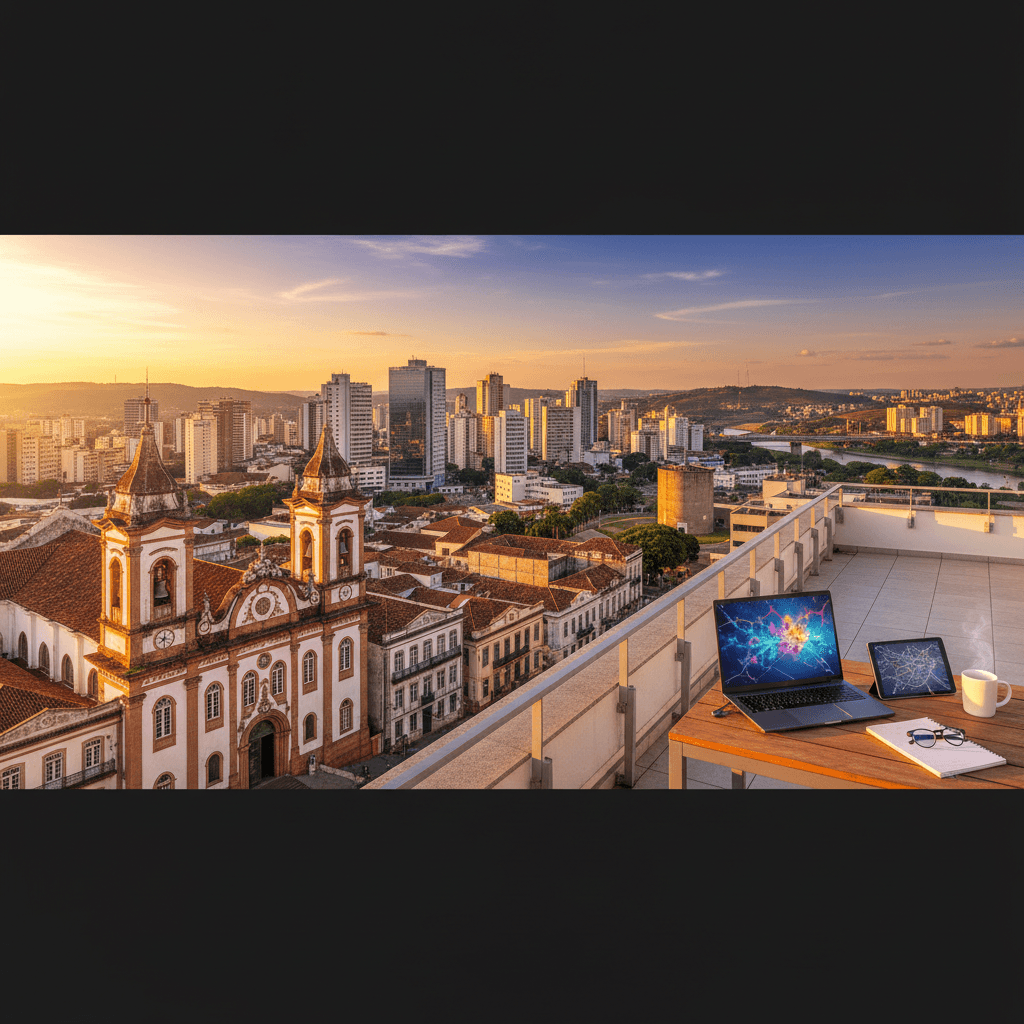
Ribeirão Preto
🇧🇷 Brazil
The California of Brazil
If you're looking for the high energy of São Paulo without the soul-crushing traffic and grey concrete, Ribeirão Preto is your landing spot. Often called the "California of Brazil," this inland powerhouse swaps surfboards for sugarcane and coffee. It's a city built on agribusiness wealth, which means the infrastructure is surprisingly polished, the malls are massive, and the lifestyle is unashamedly upscale yet relaxed.
The vibe here is a unique cocktail of university energy and rural sophistication. While the coastal crowds head to Florianópolis, nomads who choose Ribeirão are usually looking for an authentic Brazilian experience that hasn't been diluted by mass tourism. You'll find students from the prestigious USP campus filling up bars on weeknights, while the "Agro-boys" and local elite frequent the high-end steakhouses and boutiques in the southern districts.
The Emotional Landscape
Living here feels like being in on a secret. There's a certain pride in the local culture that you won't find in the more international hubs. You'll likely spend your Saturdays at a chope (draft beer) hall, specifically the legendary Pinguim, feeling the intense inland heat break as the sun sets. It gets hot here, often hitting 35°C (95°F), which dictates a slower, mid-afternoon pace that most remote workers eventually adopt.
The lack of a beach is the city's biggest filter. If you can't live without the ocean, you'll struggle. But if you value a community where people actually stop to talk, where the cost of living allows for a "comfortable" lifestyle on a "budget" salary, and where the nightlife revolves around live music and deep conversations over cold beer, Ribeirão delivers. It's a place that feels established and safe, yet still has that raw, pulsing Brazilian heart.
What Sets It Apart
- The University Influence: The University of São Paulo (USP) brings a constant stream of young, tech-savvy residents, which keeps the cafe culture alive and the internet speeds high.
- Agribusiness Wealth: This isn't a sleepy farm town. The money from ethanol and coffee production has funded world-class private hospitals, luxury shopping centers like RibeirãoShopping, and a dining scene that punches way above its weight class.
- Strategic Location: You're a few hours' drive from the chaos of São Paulo. It’s easy to head into the capital for a weekend of mega-concerts or networking, then retreat back to the quieter, leafier streets of Ribeirão.
The Nomad Reality Check
Don't expect everyone to speak English. Outside of the university circles and high-end hotels, you'll need at least basic Portuguese to get by. Most nomads find that while the expat scene is smaller than in Rio, the locals are incredibly welcoming and eager to include you in their social circles. You aren't just another tourist here; you're a neighbor.
Safety is a major draw. While you still need to keep your wits about you, especially at night in the downtown core, the general sense of security in neighborhoods like Jardim Sumaré or Santa Cruz is significantly higher than in Brazil's larger coastal metropolises. It’s a city where you can actually breathe, focus on your work during the day, and enjoy a high-quality lifestyle that would cost triple in Europe or North America.
Quick Look: The Cost of Living
- Monthly Budget: Most nomads live very well on $1,200 to $1,800 USD.
- Rent: A modern 1BR in a good area like Vila Ana Maria or Nova Aliança typically runs R$2,000 to R$3,500 ($360 to $630 USD).
- Daily Life: A mid-range meal costs around R$50 ($9 USD), and a local beer is usually under R$15 ($2.70 USD).
- Connectivity: Fiber optic is standard in most modern apartments, with speeds often reaching 300Mbps to 500Mbps.
Making Your Budget Stretch in the Agribusiness Capital
If you are coming from the United States or Western Europe, Ribeirão Preto is going to feel like a massive bargain. While prices in Brazil have seen some upward movement recently, this inland powerhouse remains significantly more affordable than the coastal hotspots or the vertical jungle of São Paulo. Most digital nomads find they can live a high quality life here for 30 to 50 percent less than they would in Lisbon or Madrid.
For a solo remote worker, a monthly budget of $1,400 to $1,700 USD covers a comfortable lifestyle. If you are pushing $2,500 USD, you are living in the city's most upscale high rises and eating out at top tier churrascarias every other night. The local currency is the Real (BRL), and you will want to use fintech tools like Wise or Nubank to handle your daily spending without getting crushed by bank fees.
Accommodation and Rent
Rent will be your biggest variable, but even the "expensive" neighborhoods are accessible. Most nomads gravitate toward the Universitário area near the USP campus or the trendier blocks around Santa Cruz and Ipiranga. If you want something more polished, look at Jardim Botânico.
- Studio or 1BR in central areas: R$1,500 to R$3,000 per month ($270 to $540 USD).
- Upscale apartments in Jardim Botânico: R$4,000+ per month ($720+ USD).
- Short term Airbnb stays: Expect to pay a 20 percent premium for the convenience of a furnished spot with utilities included.
Expats often use platforms like Zap Imóveis or QuintoAndar to scout long term rentals, though you will usually need a local CPF (tax ID) to sign a formal lease.
Dining and Groceries
Food is where Ribeirão Preto truly shines for the budget conscious. Because it is the heart of Brazil's agricultural belt, fresh produce is cheap and high quality. The city is famous for its "chope" (draft beer) culture, and you will find that a night out doesn't drain your wallet as it would in Rio.
- Street food (Pão de queijo or Pastel): R$10 to R$20 ($2 to $4 USD).
- Mid range sit down meal: R$40 to R$60 ($7 to $11 USD).
- Upscale dinner with drinks: R$100+ ($18+ USD).
- Monthly grocery bill: R$800 to R$1,200 ($145 to $215 USD) for a single person.
Connectivity and Working
Since this is a major university and business hub, the infrastructure is solid. You won't struggle to find fiber optic internet with speeds reaching 500Mbps. For mobile data, travelers recommend grabbing a SIM card from Vivo or Claro. A plan with plenty of data usually runs around R$50 per month ($9 USD).
Coworking spaces are popping up around the city's business districts. While you won't find a WeWork on every corner, local hubs and university incubators offer monthly desks for R$500 to R$1,000 ($90 to $180 USD). Many nomads simply work from cafes in the Santa Cruz neighborhood, where the coffee is excellent and the Wi-Fi is usually free for customers.
Transportation
Ribeirão Preto is a car centric city, but it is manageable without one if you live in a walkable pocket like the Center or near the malls. Public buses cost about R$5 per ride ($1 USD), but most expats and nomads rely heavily on Uber or the local competitor 99. A typical 15 minute cross town trip rarely exceeds R$20 ($4 USD). If you are heading to the Leite Lopes Airport (RAO), an Uber from the city center usually costs around R$30 ($5.50 USD).
The Nomad Hub: Universitário & Santa Cruz
If you're in town to work, you'll want to be near the University of São Paulo (USP) campus. This area, often called Universitário, mimics the creative energy of São Paulo's Pinheiros district but at a much lower price point. It's the most walkable part of the city, packed with laptop friendly cafes and students who actually speak a bit of English.
- Rent: You can snag a modern studio for R$1,500 to R$2,200 ($270 to $400 USD).
- Vibe: High energy, craft beer bars, and plenty of açai spots.
- Work Spots: Look for local incubators near the campus or head to Santa Cruz nearby for more established coworking spaces.
Digital nomads usually prefer Santa Cruz for a slightly more "grown up" version of the student life. It's central, safe for daytime walking, and puts you close to the best gyms and grocery stores like Pão de Açúcar. Expect to pay about R$500 to R$800 per month for a dedicated desk in a local office hub.
The Expat Choice: Jardim Sumaré & Alto da Boa Vista
Expats moving here for the agribusiness sector or long term stays usually gravitate toward Jardim Sumaré. It's the "it" neighborhood where traditional charm meets upscale dining. The streets are lined with trees, and you'll find the highest concentration of international restaurants here. It feels established and polished.
- Rent: Upscale 1BR apartments run R$3,000 to R$4,500 ($540 to $810 USD).
- Dining: This is where you'll find the best churrascarias and Italian spots, with meals averaging R$60 to R$100.
- Pros: Very safe by Brazilian standards and highly walkable for evening strolls to dinner.
Alto da Boa Vista is the neighbor to the south, offering more high rise living with great views of the city. It's a bit quieter and more residential, making it a favorite for those who want to escape the noise of the central bars but still want to be a five minute Uber ride from the action.
Families: Jardim Botânico & Nova Aliança
For those moving with kids, Jardim Botânico is the gold standard. It's built around the park of the same name, providing a rare green escape in a city known for its intense heat. The infrastructure is newer here, with wide sidewalks and modern apartment complexes that almost always include a pool, which you'll definitely need when it hits 35°C in January.
- Lifestyle: Very suburban and quiet. You'll see families out in the park every weekend.
- Schools: Proximity to top tier private schools and the Ribeirão Shopping mall.
- Transport: You'll want a car or a heavy reliance on the 99 app here, as it's less central than Sumaré.
Nova Aliança is another solid contender. It's a newer development near the UNIP university, offering large apartments and easy access to the southern ring road. It's practical, clean, and has a very safe, gated community feel that many expats find comforting when first arriving in Brazil.
Solo Travelers: Centro (Downtown)
If you're only staying for a few weeks and want to be in the thick of it, Centro is where the history is. You're steps away from the Theatro Pedro II and the legendary Pinguim beer hall. It's the most affordable area, but it comes with the typical "big city" trade offs.
- Rent: Budget rooms or older apartments can be found for under R$1,500.
- Safety: Be cautious at night. Like most Brazilian city centers, it gets quiet and a bit sketchy after the shops close. Stick to busy streets and use Uber for any trip longer than two blocks after dark.
- The Draw: Unbeatable access to the bus terminal for weekend trips to São Paulo and the best "Prato Feito" (daily lunch specials) for under R$25.
Connectivity in the Inland Capital
You won't have to worry about dropping off the grid here. Ribeirão Preto is a major economic engine for São Paulo state, meaning the infrastructure is built for business. Fiber optic connections are the standard in most modern apartments and commercial buildings, with speeds often reaching 300Mbps to 500Mbps. It is a reliable setup for heavy video calling or large file uploads, though you should always confirm with your Airbnb host that they aren't just relying on a basic router in a far corner of the house.
For mobile data, 5G is widely available across the central and upscale districts. Most nomads pick up a SIM card from Vivo or Claro. You can expect to pay around R$50 (roughly $9 USD) for a monthly prepaid plan with plenty of data. If you are coming from São Paulo, your signal will remain steady throughout the city, though it might dip if you head out toward the more rural sugarcane plantations on the outskirts.
Coworking Spaces and Community
While you won't find the massive Selina or WeWork hubs common in Rio, the local scene is professional and growing. Most coworking spots are clustered around the Avenida João Fiúsa area or near the USP (University of São Paulo) campus. These spaces cater to a mix of tech startups and agribusiness consultants, so the vibe is more "productive professional" than "beach backpacker."
- Dabi Business Park: This is a massive innovation hub that feels like a mini Silicon Valley. It hosts several coworking environments and is the go-to for anyone looking for high speed networking and a corporate atmosphere.
- Monthly Rates: Expect to pay between R$500 and R$900 ($90 to $165 USD) for a dedicated desk. Daily hot desk passes usually hover around R$50 to R$70 ($9 to $13 USD).
The Cafe Office Culture
If you prefer working with a bit of background noise and a caffeine fix, Ribeirão has a strong cafe culture. Because it is a university town, seeing someone on a laptop for a few hours is perfectly normal. Just keep an eye on your gear and try to pick spots with indoor seating; the city gets incredibly hot, and your laptop fan will thank you for the air conditioning.
Pinguim is the most famous spot in town, but it is more of a legendary beer hall than a workspace. For actual deep work, head to the Santa Úrsula or RibeirãoShopping malls. They have excellent Wi-Fi, plenty of power outlets, and reliable AC. Outside of malls, look for specialty coffee shops in the Jardim Sumaré neighborhood. This area is walkable and packed with small bistros where the internet is usually stable enough for a few hours of emails.
Practical Tech Tips
Power outlets in Brazil use the Type N plug, which has three round pins in a triangular pattern. It is compatible with the two pin Europlug, but if you are coming from the US or UK, you will definitely need an adapter. Also, keep in mind that Ribeirão Preto operates on 127V, so check your devices before plugging them in. Most modern laptop chargers are dual voltage, but it is better to be safe than sorry.
For payments, the Pix system is king. While credit cards are accepted everywhere, having a local fintech app like Nubank or using Wise to make Pix transfers will make your life much easier at smaller cafes or when spliting a bill with new friends. It is the fastest way to pay and is used by everyone from street vendors to high end restaurants.
Safety in the Interior
Ribeirão Preto generally feels more secure than the coastal giants of Rio or São Paulo. Because it is a wealthy agribusiness hub rather than a major tourist destination, you avoid many of the aggressive scams found on the beaches. However, the standard Brazilian rules of "street smarts" still apply here. Most residents suggest sticking to well lit areas in the Centro and Universitário districts after dark. Avoid walking alone at night in the city center or near the bus station; instead, use ride hailing apps like Uber or 99, which are reliable and very cheap.
Petty crime, like phone snatching, is the most common issue nomads face. Keep your smartphone out of sight while walking on the sidewalk and don't leave your laptop unattended in cafes, even in the nicer neighborhoods like Jardim Olhos d'Água. If you are driving, always park in guarded lots (estacionamentos) or areas with a visible "flanelinha" (street attendant), though many expats prefer the security of gated apartment complexes with 24 hour concierges.
- Police (Polícia Militar): Dial 190
- Ambulance (SAMU): Dial 192
- Fire Department: Dial 193
Medical Care and Facilities
One of the biggest perks of living in Ribeirão Preto is the quality of healthcare. It is a regional medical powerhouse, anchored by the massive USP (University of São Paulo) medical campus. You will find specialized clinics and high tech equipment that rival what is available in the capital. For private care, Hospital Santa Casa and Hospital Unimed are the gold standards. Most doctors in these private facilities speak at least some English, though the support staff likely won't.
While Brazil offers a free public healthcare system called SUS, it can be crowded and slow for non emergencies. Most digital nomads and expats opt for private insurance. In fact, having health insurance is a mandatory requirement if you are applying for the Brazil Digital Nomad Visa. Expect to pay around R$300 to R$600 ($55 to $110 USD) per month for a solid private plan, depending on your age and coverage level.
Pharmacies and Everyday Health
Pharmacies (farmácias) are on nearly every corner and often stay open 24 hours. Major chains like Droga Raia and Drogasil are dependable. You can buy many medications over the counter that would require a prescription in the US or Europe, though antibiotics and "black stripe" medications strictly require a local doctor's note. Prices for common meds are generally much lower than in North America.
The heat in Ribeirão is no joke. It is consistently one of the hottest cities in the state, with summer temperatures often hitting 35°C (95°F). Dehydration and heat exhaustion are real risks for newcomers. Drink bottled or filtered water, as the tap water, while generally treated, can have a strong chlorine taste and might upset your stomach if you aren't used to the local mineral profile.
Safety Checklist for Nomads
- Hide the Tech: Use your phone inside shops or cafes rather than on the curb.
- Digital Nomad Visa: Ensure your insurance policy specifically covers "repatriation of remains" to satisfy federal police requirements.
- App Safety: Register your emergency contacts in the Uber app and use the "share my trip" feature when heading home late.
- Local Knowledge: Ask your Airbnb host or building porter which specific streets in your neighborhood to avoid after 10:00 PM.
Getting Around the California of Brazil
Ribeirão Preto is a city built for cars and commerce, but for a nomad living in the central or university districts, it's surprisingly easy to manage. You won't find the sprawling subway systems of São Paulo here. Instead, the city relies on a mix of digital apps and a robust bus network that keeps the "Agribusiness Capital" moving.
Ride-Hailing and Taxis
Uber is the undisputed king of transport here. It's reliable, safe, and incredibly cheap compared to North American or European standards. Most short hops within the Centro or to the USP campus will cost you around R$15 to R$25 ($3 to $5 USD). If Uber is surging, locals often switch to 99 (99Pop), a Brazilian app that sometimes offers better rates or more available drivers during the afternoon heat.
- Uber/99: The safest way to get home after a night at the bars in the Universitário district.
- Indriver: Occasionally used for longer trips where you can negotiate the fare, though less common for daily city hops.
- Taxis: You'll find them at stands near the malls like Ribeirão Shopping, but they'll cost significantly more than apps.
The Bus System
The public bus system is decent if you're on a budget. A single ride costs R$5 (about $1 USD). The buses can get crowded and sweaty during the 5:00 PM rush, and since Ribeirão is one of the hottest cities in the state, the lack of air conditioning on older units is a real factor. Most nomads stick to buses for predictable daytime routes but switch to Ubers once the sun goes down or the temperature spikes.
Walking and Biking
Whether you can walk depends entirely on your neighborhood. If you're staying in the Centro or near the USP campus, you can reach cafes and pharmacies on foot. However, Ribeirão is hilly in spots and the sun is relentless. Between December and March, walking more than three blocks at midday will leave you drenched. Expats recommend sticking to the shade and keeping an eye on the pavement, which can be uneven.
For cyclists, the city has been slowly adding bike lanes, but it's not Amsterdam. It's best to use bikes for exercise in parks like Parque Raya rather than as a primary commuting tool. Shared scooter apps like Yellow have appeared in the past, but availability fluctuates, so don't count on them for your morning meeting.
Arrival and Regional Travel
Getting into the city is straightforward. If you're flying in, you'll land at Leite Lopes Airport (RAO). It's a small, efficient airport about 15 minutes from the city center. An Uber from the terminal to the main nomad-friendly neighborhoods usually runs about R$30 ($6 USD).
If you're coming from São Paulo, you have two main choices:
- Bus: Companies like Cometa run luxury buses from Terminal Rodoviário Tietê in São Paulo. The trip takes about 4 to 5 hours and costs roughly R$100 to R$180 ($18 to $32 USD) depending on whether you choose a standard seat or a "Leito" (fully reclining bed).
- Driving: The highway connecting the two cities (Rodovia Anhanguera) is one of the best in Brazil. It's a smooth 3 hour drive, though the tolls are some of the most expensive in the country.
Pro Tips for Navigating
Download the Moovit app. It's much more accurate than Google Maps for local bus schedules and real-time tracking in Ribeirão. Also, if you plan on staying for more than a month, look into getting a "Nosso" card for the bus to avoid fumbling with cash; you can top it up at various points around the city.
The Portuguese Priority
In Ribeirão Preto, Portuguese isn't just the official language; it's the only one you'll hear in most daily interactions. Unlike the coastal hubs of Rio or the international business districts of São Paulo, this inland powerhouse remains deeply Brazilian. While the city's agribusiness wealth and the presence of the USP (University of São Paulo) campus bring in a more educated crowd, don't expect the average barista or bus driver to speak English. Most nomads find that a "survival level" of Portuguese is the bare minimum required to get through a day without constant friction.
Expats living here suggest focusing on "Paulista" Portuguese. The local accent is distinct, characterized by the "r" sound that feels a bit more like an American "r" than the guttural version you'll hear in Rio. It's often easier for English speakers to mimic, which helps when you're trying to blend in at a local churrascaria or ordering a draft beer at Pinguim.
Communication Tools and Tech
If your Portuguese is rusty, your smartphone will be your best friend. Travelers often rely on Google Translate, specifically the offline mode and the camera feature for menus and street signs. For real-time help, DeepL is another favorite among the local expat community for more nuanced translations.
- WhatsApp: This is the lifeblood of communication in Brazil. You'll use it for everything from booking a hair appointment to chatting with your landlord or ordering delivery from a local lanchonete. If a business doesn't have a WhatsApp number, they practically don't exist.
- Voice Notes: Brazilians love sending audio messages. Don't be surprised if a simple question gets a 45 second voice note in response. It's considered more personal and efficient than typing.
- Visual Cues: Hand gestures are a major part of the local dialect. The "thumbs up" is universal here and used for "thank you," "you're welcome," "I understand," and "goodbye."
English Proficiency in Specific Hubs
While English isn't a given, you'll find pockets of fluency if you know where to look. The Vila Virgínia and Setor Sul areas, which house many university students and professors, are your best bets for finding English speakers. Most medical professionals at private clinics like Hospital das Clínicas will also speak a functional level of English.
In the coworking scene, places near the university or the Iguatemi mall often attract tech workers and entrepreneurs who are more likely to be bilingual. However, even in these professional settings, the social language remains firmly Portuguese. If you're planning to stay for more than a month, locals recommend signing up for a few classes at a language school like CNA or Wizard to bridge the gap.
Essential Phrases for Your First Week
You can get a lot of mileage out of a few polite phrases. Brazilians are generally patient and appreciative when they see an effort being made. Use these to smooth over daily transactions:
- Tudo bem? (How's it going? / Everything good?): The standard greeting for every situation.
- Com licença: (Excuse me): Use this constantly when moving through crowds or trying to get a server's attention.
- Quanto custa? (How much is it?): Essential for the local markets where prices aren't always tagged.
- Pode repetir, por favor? (Can you repeat that, please?): You'll use this one a lot while your ears adjust to the speed of local speech.
- Valeu! (Thanks/Cheers): A casual way to say thank you that fits the relaxed vibe of the city.
Making Connections
Since the expat community is smaller here than in the "big two" cities, social media is the primary way to find English speakers. Joining Facebook groups like "Expats in Brazil" or "Foreigners in Ribeirão Preto" can help you find meetups. Most nomads find that the easiest way to practice language is through "Beer-to-Beer" networking at the bars in the Universitário district, where the students are usually eager to practice their English in exchange for helping you with your Portuguese.
The "California of Brazil" Vibe
If you're heading to Ribeirão Preto, pack your light linens and prepare for some serious heat. This city didn't get its "Brazilian California" nickname just because of its agricultural wealth and modern infrastructure; it's also famously one of the hottest spots in the state of São Paulo. Because it sits inland, you won't get those coastal breezes that cool down Rio or Florianópolis. Instead, you'll find a dry, intense heat that defines the local lifestyle, from the legendary cold draft beer culture at Pinguim to the late night energy in the Universitário district.
The Sweet Spot: May to September
Most expats and long term travelers agree that the window between May and September is the absolute prime time to be here. This is the dry season, and while "winter" in this part of Brazil is a loose term, the temperatures become much more manageable. Daytime highs usually hover between 18°C and 25°C (64°F to 77°F), which is perfect for working from a cafe terrace or exploring the USP campus without melting.
The humidity drops significantly during these months, and the skies stay a crisp, clear blue. It's the best time for social events and outdoor festivals. If you're into the local scene, keep an eye out for the João Rock festival in early August, one of the biggest Brazilian rock events in the country. It draws a massive crowd and turns the city into a temporary nomad hub.
The Wet and Wild: December to March
Summer in Ribeirão is a different beast. From December through March, the heat frequently spikes above 35°C (95°F). This coincides with the rainy season, so expect heavy, tropical downpours in the late afternoons. These storms are usually short but intense, often causing temporary flooding in low lying streets before the sun pops back out to turn the city into a sauna.
For digital nomads, this is the time to ensure your Airbnb has high quality air conditioning. Don't take "good ventilation" as a substitute for AC during these months; you'll need it to stay productive. On the plus side, the surrounding countryside turns a brilliant, lush green, and the local fruit is at its peak. Just be prepared for your electricity bill to jump if you're running the cooling units 24/7.
Seasonal Breakdown for Nomads
- April and October: These are "shoulder" months. The weather is transitioning, and you'll get a mix of hot days and the occasional cooling rain. It's a great time to snag mid range apartment deals before or after the peak demand of the university semesters.
- June and July: The closest thing to "cold" you'll find. Nighttime temperatures can occasionally dip toward 12°C (54°F). You might actually want a light hoodie for evening walks in Santa Cruz or Boulevard.
- January and February: Peak humidity and heat. Most locals head to the coast if they can, but the city stays lively due to the summer school sessions and agribusiness conventions.
When to Book Your Stay
If you're planning a three month stint, aim for June through August. You'll avoid the tropical deluges that can knock out power or internet in older neighborhoods, and you'll be able to walk to your favorite coworking space without needing a shower the moment you arrive. Since Ribeirão Preto isn't a primary tourist destination like Rio, you won't see the same massive price hikes during the Brazilian summer holidays, but availability in the best neighborhoods like Jardim Sumaré can get tight when the university semesters kick off in February and August.
Living here means embracing the sun. Whether it's a R$10 fresh juice at a corner lanchonete or a chilled chopp at a sidewalk bar, the city is built to help you beat the heat. Just time your arrival right, and you'll find the climate is one of the city's best assets for an active, social lifestyle.
Connectivity and Tech Setup
You won't have to hunt for a signal here. Ribeirao Preto is a major university and agribusiness hub, so the infrastructure is solid. Most apartments and cafes offer fiber optic connections with speeds ranging from 50Mbps to 500Mbps. If you're planning to take video calls, you'll find the stability comparable to Sao Paulo.
For mobile data, grab a SIM card from Vivo or Claro as soon as you arrive. You can usually find a starter kit for around R$50 ($9 USD). For banking and local payments, most expats swear by Wise or Nubank to avoid the headache of traditional Brazilian banks and their high fees. It's also worth downloading 99 alongside Uber; it's a local favorite for ride-hailing and often has better rates during peak hours.
Money and Cost of Living
Your dollars go a lot further here than in Rio or Sao Paulo. Nomads living a mid-range lifestyle usually spend between $1,500 and $2,500 USD per month. If you're on a tighter budget, you can easily get by on $1,000 to $1,500 USD by sticking to local markets and university-area housing.
- Studio Rent: Expect to pay R$1,500 to R$3,000 ($270 to $540 USD) in central areas like the USP neighborhood.
- Daily Meals: A quick lunch at a "por quilo" restaurant costs R$25 to R$40 ($5 to $8 USD), while a nice dinner for two is roughly R$120 ($22 USD).
- Coworking: Monthly hot desks typically run between R$500 and R$800 ($90 to $145 USD).
Language and Social Life
Don't expect much English once you step off the university campus. While younger people and academics might speak some, you'll want a translation app and a few Portuguese basics for daily interactions. A simple "Quanto custa?" (How much?) or "Obrigado" (Thanks) goes a long way with the locals.
The social scene revolves around the "choperias" and the university vibe. The Universitario district is the place to be if you want to meet people. Since there isn't a massive, dedicated nomad community yet, most expats find their feet through Facebook groups or InterNations. If you're looking for a workspace with a social element, look for local incubators or cafes near the USP campus where students and entrepreneurs congregate.
Safety and Health
Ribeirao Preto is generally safer than the coastal metropolises, but you still need to keep your wits about you. Stick to well-lit, populated areas at night and keep your phone out of sight while walking on the street. Petty crime exists, but it's manageable if you don't make yourself an obvious target.
Healthcare is a strong suit for the city. It's a regional medical center, meaning you have access to excellent private hospitals like Santa Casa. Make sure your health insurance is sorted before you arrive, as it's a requirement for the Digital Nomad Visa. In an emergency, dial 192 for an ambulance or 190 for the police.
Weather and Packing
Prepare for the heat. This is the "California of Brazil," and it gets incredibly hot, especially from December to March when temperatures regularly hit 35°C (95°F). This is also the rainy season, so pack a light, breathable raincoat. The best time to visit is between May and September, when the air is drier and the evenings are comfortably mild, hovering around 20°C (68°F).
Need visa and immigration info for Brazil?
🇧🇷 View Brazil Country GuideEasy Landing
Settle in, no stress