Ribeirão Preto
🇧🇷 Brazil
The California of Brazil
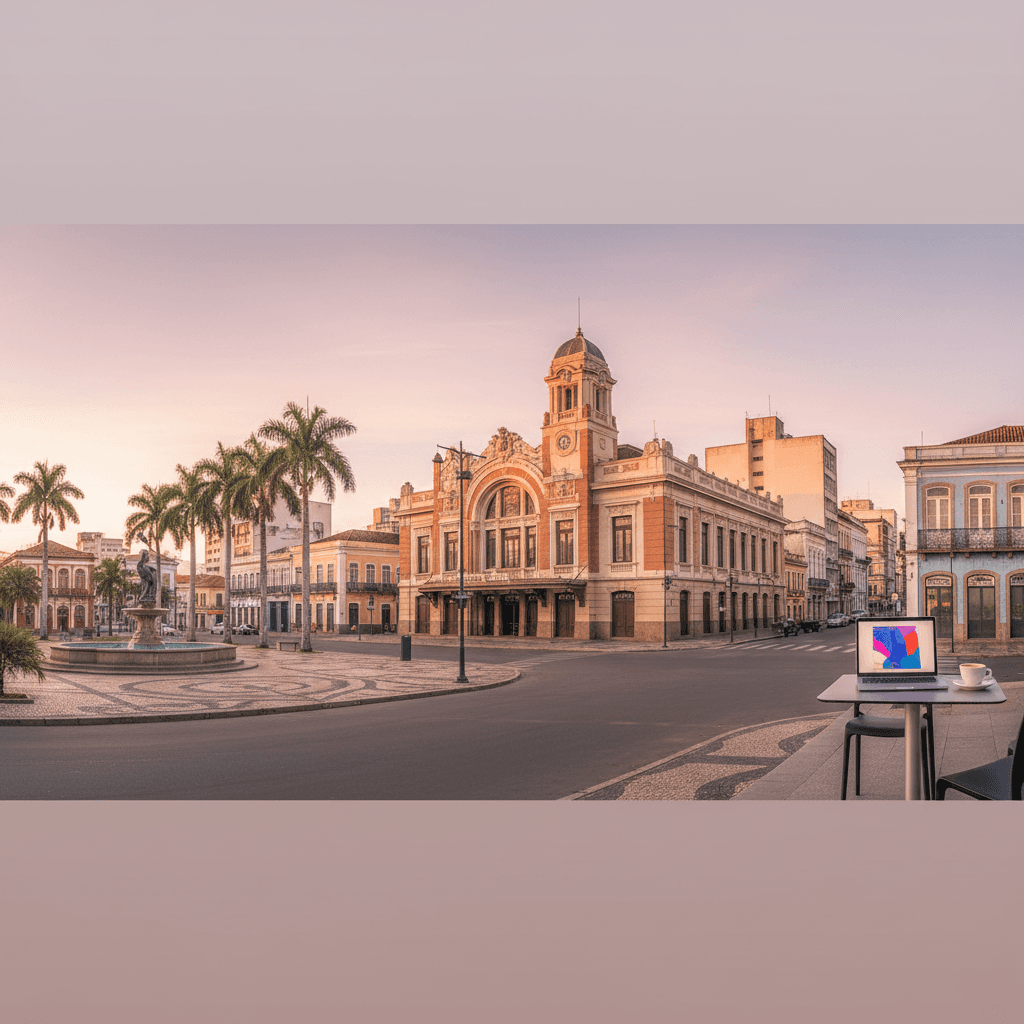
If you're looking for the beach, you've come to the right place for the wrong reasons. Ribeirão Preto is deep in the heart of São Paulo state, far from the Atlantic, but it carries a swagger that most inland cities can't match. Known locally as the "Brazilian California," this is a place defined by high-octane sunshine, a powerhouse agribusiness economy, and a lifestyle that revolves around cold draft beer and high-end shopping malls.
The vibe here is polished and professional yet surprisingly laid-back once the sun starts to set. It doesn't have the chaotic, gritty energy of São Paulo or the bohemian flair of Rio. Instead, you'll find wide avenues, lush parks, and a population that takes pride in the city's status as a tech and agricultural hub. It's a city that feels wealthy and functional, making it an easy transition for nomads who want Brazilian warmth without the logistical headaches of the coastal capitals.
What Nomads Love (and Tolerate)
Expats and remote workers usually gravitate here for the infrastructure. The internet is snappy, the malls are world-class, and the healthcare facilities are among the best in the country. You get a high standard of living for significantly less than you'd pay in the US or Europe. Most nomads find the city incredibly welcoming, though the heat can be a shock to the system. It’s a dry, intense heat that makes the local obsession with chope (ice-cold draft beer) feel like a survival necessity rather than just a social habit.
The trade-off is the language barrier. Unlike the tourist bubbles in Rio, English isn't widely spoken here. You'll need at least some Portuguese to get by at the grocery store or to chat with your Uber driver. It’s also a city built for cars. While certain neighborhoods are walkable, you'll likely find yourself relying on ride-hailing apps like Uber or 99 to get across town, especially when the temperature hits 35°C.
The Cost of Living
Your money goes a long way here. While it's one of the wealthier cities in the interior, it remains far more affordable than the coastal hotspots. You can live a very comfortable, upper-middle-class lifestyle on a mid-range nomad budget.
- Budget Tier: Around $1,200 to $1,500 per month. This covers a modest studio, eating at local "pay-by-weight" restaurants, and using public transport.
- Mid-Range: Around $2,200 to $2,800 per month. This gets you a modern apartment in a trendy area like Jardim Botânico, frequent dining out, and a dedicated coworking desk.
- Comfortable: $3,500+ per month. At this level, you're looking at luxury high-rise living, daily fine dining, and weekend trips to nearby nature preserves.
The Best Neighborhoods for Nomads
Location is everything in Ribeirão. You want to be where the cafes and fiber-optic cables are. Most nomads end up in the southern part of the city, which is newer and more developed.
- Jardim Botânico: This is the gold standard for expats. It’s anchored by a beautiful park, packed with high-end apartments, and home to some of the city's best cafes. It’s safe, green, and very walkable.
- Santa Cruz: A bit more traditional but still very upscale. It’s close to the city center but maintains a residential feel. You’ll find plenty of "padarias" (bakeries) here that serve as unofficial morning workspaces.
- Nova Aliança: Located near the major universities and malls. It has a younger, more energetic vibe and a high concentration of modern apartment complexes with great amenities like pools and gyms.
The Daily Grind
Work life in Ribeirão usually starts early to beat the midday heat. You'll find nomads tucked away in coworking spaces like Regus or local favorites like Dabi Business Park, which is a massive tech hub on the edge of the city. If you prefer cafes, the Fiúsa area is lined with spots that have reliable WiFi and strong espresso. After work, the city transforms into a social powerhouse. The legendary Pinguim brewery is the classic spot for a drink, but the real soul of the city is found in the "botecos" scattered throughout the neighborhoods, where the conversation flows as fast as the beer.
While Brazil's coastal giants like Rio and Floripa hog the spotlight, Ribeirão Preto offers a different rhythm. Known as the "California of Brazil" for its agricultural wealth and high standard of living, this inland powerhouse is significantly more affordable than São Paulo. You'll find that your dollars or euros stretch much further here, especially when it's time to sign a lease or grab a craft beer.
Monthly Budget Tiers
Living in Ribeirão Preto is a play on value. It's a wealthy city, but it lacks the "tourist tax" found in beach destinations. Most nomads find they can live extremely well for a fraction of what they'd spend in a major US or European hub.
- Budget Tier ($1,100 to $1,400 USD): This covers a modest studio near the city center, plenty of street food like pão de queijo and coxinha, and use of the local bus system. You'll be living like a local student.
- Mid-Range ($1,800 to $2,400 USD): This is the sweet spot. You can snag a modern one bedroom in a trendy neighborhood like Jardim Botânico, eat out at nice churrascarias a few times a week, and keep a full-time desk at a coworking space.
- Comfortable ($3,200+ USD): At this level, you're looking at luxury high-rise living in Nova Aliança, frequent Uber Black rides, and weekend trips to nearby nature spots or São Paulo.
Housing and Neighborhoods
Rent is the biggest win here. While a decent one bedroom in Rio might set you back $450 USD, you can often find similar or better quality apartments in Ribeirão Preto for $300 to $400 USD. Most expats recommend looking in the southern part of the city. Jardim Botânico is the favorite for its green spaces and proximity to upscale cafes, while Nova Aliança is perfect if you want to be near the malls and modern office buildings.
- One Bedroom Apartment (City Center): $300 to $450 USD
- One Bedroom Apartment (Upscale areas): $500 to $750 USD
- Utilities (Electricity, Water, Cooling): $60 to $90 USD
Food and Drink
Ribeirão Preto is famous for its beer culture, specifically the legendary Pinguim bar. Eating out is a major part of the social fabric. A "Prato Feito" (a massive plate of rice, beans, and meat) at a local diner will cost you about $5 to $7 USD. If you're heading to a mid-range restaurant for dinner, expect to pay around $15 to $20 USD per person, including a couple of local drafts.
Grocery shopping is also affordable. A couple can expect to spend about $200 to $250 USD a month on high-quality produce, local meats, and coffee. Use apps like iFood for deliveries; it's the dominant platform here and often has great discounts for local eateries.
Connectivity and Workspace
The city is a tech and agri-business hub, so the infrastructure is solid. Fiber optic internet is standard in most modern apartments, with speeds often hitting 100Mbps to 300Mbps for about $25 USD a month. For those who need a professional environment, coworking spaces like Dabi Business Park or local spots in the Santa Cruz neighborhood offer hot desks for roughly $100 to $150 USD a month. If you prefer working from cafes, you'll find plenty of spots with strong WiFi and air conditioning, which is a necessity given the local heat.
Transport and Practicalities
The city is spread out, so it's not the most walkable place in the world. Most nomads rely heavily on Uber, which is very cheap by international standards; a 15-minute cross-town trip usually costs under $4 USD. Public buses are available for about $1 USD per ride, but they can be slow and crowded during peak hours.
To stay long-term, the VITEM XIV Digital Nomad Visa is your best bet. You'll need to prove a monthly income of $1,500 USD or have $18,000 USD in savings. Once you arrive, getting a CPF (the Brazilian tax ID) is your first priority. You'll need it for everything from buying a local SIM card at a Claro or Vivo shop to signing up for a gym membership.
For the Social Nomad: Jardim Botânico
If you want to be where the action is, Jardim Botânico is the undisputed heavyweight. It's the trendiest spot in the city, packed with upscale bars, artisanal coffee shops, and the kind of high-rise apartments that offer killer sunset views. Most nomads gravitate here because the infrastructure is modern and the streets are actually walkable, which isn't always a given in inland Brazil.
- Rent: Expect to pay between R$2,500 and R$3,800 for a furnished one-bedroom.
- Vibe: High-energy, affluent, and very social. You'll find plenty of people working on laptops at Cup Coffee or Noipê.
- Pros: Proximity to the city's best park (Parque Raya) for a morning run and easy access to the Ribeirão Shopping hub.
For the Budget-Conscious Expat: Vila Seixas and Santa Cruz
For those staying longer than a month who want a more "local" feel without the Jardim Botânico price tag, Vila Seixas is a smart play. It sits right next to the center but feels much safer and quieter. It's a mix of older houses and mid-range apartment buildings. You're close enough to the nightlife of Avenida Itatiaia but far enough away to get a good night's sleep.
- Rent: You can find solid apartments for R$1,800 to R$2,400.
- Vibe: Residential, traditional, and convenient. It’s the kind of place where you’ll get to know your neighbor at the local padaria.
- Coworking: Many expats head over to Dabi Business Park, which is a short Uber ride away.
For Families and Peace-Seekers: Bonfim Paulista
Technically a district just south of the main city, Bonfim Paulista has exploded in popularity for families and remote workers who want space. It feels like a separate village but is connected by a ten-minute drive to the city center. It's greener, slightly cooler in the brutal summer heat, and much quieter. Many of the gated communities (condomínios) here offer private gyms and pools.
- Rent: Larger 3-bedroom houses or modern condos range from R$3,500 to R$5,500.
- Vibe: Relaxed, suburban, and very safe. It's perfect if you have a car and want a backyard.
- Dining: The area is famous for its traditional Italian restaurants and slower pace of life.
For Solo Travelers and Students: Higienópolis
If you're solo and want to be in the middle of everything, Higienópolis is the sweet spot. It straddles the line between the old city center and the newer southern zones. It’s a bit more "lived-in" and gritty in parts than Jardim Botânico, but it’s incredibly convenient. You’ll find a high concentration of gyms, pharmacies, and supermarkets within a three-block radius.
- Rent: Studio apartments often go for R$1,500 to R$2,100.
- Vibe: Busy and practical. It’s a great base if you plan on using Uber frequently to explore different parts of town.
- Safety Tip: Like any urban center in Brazil, stick to the main well-lit streets at night and keep your phone tucked away while walking.
Practical Logistics
Public transport in Ribeirão Preto isn't great for nomads, so most people rely heavily on Uber, which is incredibly cheap here. A cross-town trip rarely exceeds R$25. If you're looking for a dedicated workspace, Regus has a presence in the city, but the local favorite is often Block Coworking for its networking events. Most apartments will require a CPF (Brazilian tax ID) for a formal lease, so many nomads stick to Airbnb or Zap Imóveis to negotiate short-term stays with locals.
Connectivity and Speed
Known as the California of Brazil, Ribeirao Preto serves as a massive agribusiness and tech hub, which means the infrastructure is significantly better than what you’ll find in coastal tourist towns. You can expect fiber optic internet to be the standard in most modern apartments and professional spaces. Speeds typically range between 100Mbps and 300Mbps, making it a reliable spot for video calls and heavy data uploads.
For mobile data, Vivo and Claro are the top picks for the region. You'll get solid 5G coverage throughout the urban core, especially in areas like Jardim Botanico and Nova Alianca. Most nomads find that getting a local SIM card is a bit of a headache because of the CPF (tax ID) requirement. Expats usually recommend heading to a physical store in the Ribeirao Shopping or Shopping Santa Ursula with your passport to get a pre-paid chip activated.
Top Coworking Spaces
The coworking scene here is professional and geared toward networking rather than just a place to sit with a laptop. You won't find many "digital nomad cafes" with beach vibes; instead, expect sleek, air-conditioned offices that feel like a startup incubator.
- Dabi Business Park: This is the crown jewel of the city's tech scene. It's a massive complex that feels like a Silicon Valley campus. It hosts several coworking operators and is the best place to meet local entrepreneurs. A hot desk here usually starts around R$600 to R$800 per month.
- Block Coworking: Located in the upscale southern zone, this spot is favorites among remote workers for its ergonomic chairs and quiet environment. It's perfect if you need a professional backdrop for meetings. Expect to pay about R$50 to R$70 for a day pass.
Laptop-Friendly Cafes
Ribeirao Preto gets incredibly hot, with temperatures often soaring above 30°C (86°F). This makes air conditioning a non-negotiable requirement for a workspace. While the city has a strong coffee culture, many local spots are open-air and not ideal for long work sessions.
Expats often gravitate toward Pinguim for a quick email check, though it's more of a landmark than a workspace. For actual deep work, Grassy Spina Coffee and Starbucks in the major malls are the safest bets for reliable WiFi and cold AC. If you prefer a more local vibe, Cafe do Feirante has several locations with decent seating and power outlets. Just remember that in Brazil, it's polite to keep ordering small items if you plan to stay for more than an hour.
Practical Tips for Remote Work
Power outages aren't common in the city center, but the summer rains between December and March can occasionally cause flickers. Most high-end coworking spaces have backup generators, which is a big plus during the rainy season. If you are renting an Airbnb, always ask for a screenshot of a Speedtest before booking, as some older buildings in the Centro area might still rely on outdated wiring.
Digital nomads often find that the best way to stay connected is to use a Nubank account if they can get one, as it makes paying for local subscriptions and coworking fees much smoother. If you're working on a US or European time zone, you'll find the GMT-3 offset very manageable, usually offering a great overlap with both regions.
Keeping Your Tech and Yourself Safe
Ribeirão Preto generally feels safer than the coastal megacities like Rio or São Paulo, but you shouldn't let your guard down entirely. It is a wealthy agribusiness hub, which means there is money moving through the city, and that can attract opportunistic crime. Most nomads find that sticking to the southern neighborhoods like Jardim Botânico, Nova Aliança, and Alto da Boa Vista provides a much more relaxed environment for walking around with a laptop or smartphone.
The golden rule here is não dar bobeira, which basically means don't be a target. Avoid walking alone late at night in the Centro area, even if the architecture looks tempting for photos. If you are heading out to a bar in Boulevard, use ride-hailing apps like Uber or 99 instead of wandering the streets after dark. Expats recommend keeping your phone tucked away while waiting on street corners; step into a shop or cafe if you need to check your GPS.
- Emergency Police: Dial 190
- Ambulance (SAMU): Dial 192
- Fire Department: Dial 193
Healthcare and Medical Facilities
You are in one of Brazil's premier medical clusters. Ribeirão Preto is famous nationwide for its hospitals and clinics, often serving as a referral center for complex surgeries. If you have private insurance, you will have access to world class facilities that rival anything in North America or Europe. The Hospital das Clínicas (USP) is a massive research institution, while private options like Hospital Unimed and Hospital São Francisco are the go-to choices for nomads seeking quick, high quality care.
Most doctors in the high end private clinics speak some English, though the front desk staff likely won't. Having Google Translate ready on your phone is a lifesaver for administrative paperwork. Pharmacies like Droga Raia and Drogasil are on almost every corner and stay open late. You can get many medications over the counter that would require a prescription elsewhere, but for anything serious, a consultation usually costs between R$300 and R$600 if you are paying out of pocket.
Insurance and the Nomad Visa
To secure your Digital Nomad Visa (VITEM XIV), you must show proof of health insurance that is valid in Brazil. Even if you are just visiting on a tourist visa, don't skip this. While the public system, SUS, provides free emergency care to anyone on Brazilian soil, the wait times are long and the facilities are often crowded. Private coverage ensures you get seen immediately in a comfortable environment.
Expect to pay around $80 to $150 USD per month for a solid international nomad policy. If you plan on staying long term, you might look into local providers like Bradesco Saúde or SulAmérica, though these often require a CPF (taxpayer ID) to register. Having your CPF early is a smart move anyway, as it's required for everything from buying a SIM card to signing up for a gym membership at Smart Fit.
Environmental Health
The biggest health "risk" in Ribeirão is actually the climate. The city is famously hot, with temperatures regularly soaring above 30°C (86°F). Dehydration and heat exhaustion are common for newcomers. Drink more water than you think you need and stay indoors during the peak afternoon sun. During the dry season from June to September, the air quality can take a dip due to the surrounding sugarcane harvest, so nomads with respiratory issues should keep an inhaler or humidifier handy.
Getting Around the Agribusiness Capital
Ribeirão Preto is a powerhouse in the interior of São Paulo state, but it isn't built like a typical walkable European hub. The city layout is sprawling, and while the Jardim Botânico and Centro areas are manageable on foot, you'll need a strategy for anything beyond a few blocks. Most nomads find that the combination of ride-hailing and the local bus system keeps things affordable without the headache of navigating Brazilian traffic yourself.
Ride-Hailing and Apps
Uber is the undisputed king here. It's incredibly reliable and usually arrives within minutes in the main neighborhoods. For a local alternative, 99 often offers competitive rates and is widely used by residents. Expect to pay around R$15 to R$25 for a cross-town trip during off-peak hours. It's the safest and most convenient way to get home after a night out at the bars in Ipiranga or Santa Cruz.
- Uber: Best for reliability and English-language interface.
- 99: Often cheaper, especially with frequent in-app promotions.
- InDrive: Popular for negotiating prices on longer hauls.
Public Bus System
The city's bus network, managed by RP Mobi, is extensive but can be a bit of a learning curve for newcomers. A single ticket costs R$5.00 (confirmed current rate). If you're staying for more than a week, get a Nosso card at one of the terminals; it makes boarding much faster than fumbling with cash. Use the Moovit app to track real-time arrivals, as posted schedules at bus stops are more of a suggestion than a rule.
Cycling and Scooters
Ribeirão is notoriously hot, with temperatures often climbing above 30°C. This makes long-distance cycling a sweaty endeavor. However, the city has been expanding its bike lanes, particularly around the Avenida João Fiúsa area. It's a popular spot for evening rides when the sun dips. You won't find the same density of shared electric scooters as you would in São Paulo, so most expats who want to bike end up buying a used one on Facebook Marketplace.
Air Travel: Leite Lopes Airport (RAO)
The Leite Lopes Airport connects you to the rest of Brazil. It's a small, efficient terminal located about 15 minutes from the city center. While it doesn't handle many international flights directly, you can catch quick hops to São Paulo (Congonhas or Guarulhos) for around R$300 to R$600 round trip. From there, the rest of the world is open to you. It's much better than the five-hour bus ride to the capital if your budget allows.
Regional Bus Travel
For trips to nearby towns or a budget-friendly run to São Paulo, the Rodoviária (central bus station) is your best bet. Companies like Cometa and Rápido Ribeirão run luxury "Leito" buses with fully reclining seats that feel like first-class airplane pods. A trip to São Paulo usually costs between R$100 and R$180 depending on the level of comfort you choose.
Driving Yourself
Renting a car gives you the most freedom to explore the surrounding coffee country, but local driving can be aggressive. If you decide to get behind the wheel, Localiza and Movida are the most reputable rental agencies. Parking in the Centro is tight and usually requires using the Área Azul digital parking app, so keep your phone charged and your data plan active.
Getting by in Portuguese
In Ribeirão Preto, the linguistic reality is a bit different than the beachside hubs of Rio or Floripa. While you'll find English speakers in high-end hotels and tech circles, this is the heart of Brazil's agribusiness country. Most daily interactions at the local padaria (bakery) or the supermarket will happen entirely in Portuguese. You don't need to be fluent, but locals truly appreciate it when you attempt the basics.
The local accent, often called caipira, is famous across Brazil for its distinct R sounds, similar to the American English R. It's a friendly, melodic way of speaking that reflects the city's inland heritage. If you're coming from a Portuguese course in Lisbon, the open vowels and rhythmic pace here might take a week or two to get used to.
Essential Apps and Tools
Digital nomads here lean heavily on technology to bridge the gap. Since English isn't a given, keep these tools ready on your phone:
- Google Translate: Use the camera feature for menus and the conversation mode for quick chats with Uber drivers.
- WhatsApp: This is the lifeblood of communication in Brazil. You'll use it to book hair appointments, order pizza, and even message your landlord. If a business has a phone number, they almost certainly have a WhatsApp account.
- DeepL: Many expats find this provides more natural translations for longer emails or rental agreements.
Key Phrases for the Nomad Life
Mastering a few phrases will make your first week much smoother. Brazilians are generally patient and helpful, especially if you lead with a smile. Here are the staples:
- Tudo bem? (How's it going? / Everything okay?) This is the universal greeting.
- Qual é a senha do Wi-Fi? (What is the Wi-Fi password?) You'll need this at the cafes in the Jardim Botânico neighborhood.
- Pode me ajudar? (Can you help me?)
- Onde fica o banheiro? (Where is the bathroom?)
- A conta, por favor. (The bill, please.)
The CPF Hurdle
One specific communication quirk in Brazil is the CPF (Cadastro de Pessoas Físicas). It's a tax ID number, and you'll be asked for it constantly, even for small things like buying a local SIM card or ordering delivery on iFood. While you can sometimes use your passport number, having a CPF makes your digital life significantly easier. You can actually apply for one at a Brazilian consulate before you leave home or at a Receita Federal office once you arrive. Most long term nomads consider this a priority for getting a reliable data plan.
Social Etiquette and Connection
Communication in Ribeirão Preto is often indirect and very polite. If someone says "we should grab a coffee sometime," they might just be being friendly rather than setting a firm date. To actually make friends, head to the city's choperias (beer halls) like the famous Pinguim. Sharing a cold draft beer is the local way of breaking the ice. If you're looking for an English speaking community, check out local language exchange meetups or Facebook groups for expats in the state of São Paulo, as dedicated Ribeirão nomad groups are still quite small.
Staying Connected
For mobile data, Vivo and Claro offer the best coverage in the city. You can pick up a prepaid SIM card at most malls, like Ribeirão Shopping, for around R$15 to R$30. Just remember that you'll likely need that CPF number to activate the plan. Expect 4G and 5G speeds to be quite reliable throughout the urban core, though signal can drop if you head out into the surrounding sugarcane fields for a weekend trip.
The Climate Reality
If you're heading to Ribeirao Preto, prepare for heat. Locals often joke that the city has two seasons: summer and "hell," but for a nomad, it's actually a predictable tropical savanna climate that's easy to plan around. It stays warm year round, but the humidity and rain levels shift dramatically depending on when you land.
The wet season kicks off in October and runs through March. This is when you'll see those massive tropical downpours that cool things off for an hour before the sun comes back out. January is usually the wettest month, so if you're sensitive to humidity or rely on walking to your coworking space, this might be a frustrating time to visit.
The dry season, from May to August, is generally considered the sweet spot for productivity and comfort. The skies stay blue, the air is crisp, and the temperatures are much more manageable, often hovering between 15°C (59°F) at night and 25°C (77°F) during the day. It's the best time to explore the city's outdoor coffee culture without breaking a sweat.
Best Time to Visit
For most digital nomads, the window between April and September is the goldilocks zone. You avoid the peak summer heat, which can easily spike above 35°C (95°F) in December, and you won't have to worry about your laptop getting caught in a flash flood. The air is drier during these months, making it the perfect time for weekend trips to nearby nature spots or sitting out at a sidewalk cafe in Jardim Botanico.
If you enjoy a high-energy atmosphere, keep an eye on the local event calendar. Ribeirao Preto is the "Agribusiness Capital" of Brazil, and the city transforms during Agrishow, usually held late April (e.g., April 27-May 1 in 2026). While the city is electric during this time, accommodation prices skyrocket and short-term rentals become nearly impossible to find. Unless you're in the tech-agri space, you might want to avoid this specific week.
Seasonal Planning Checklist
- The Dry Window (May to August): This is peak season for comfort. You'll want a light jacket for the evenings, but days are sunny and perfect for working from patios.
- The Heat Peak (October to February): Ensure your Airbnb or apartment has high-quality air conditioning. It isn't just a luxury here; it's a requirement for staying focused during the afternoon slump.
- The Rain Gear: If you're visiting during the summer months, download Uber or 99. Walking between meetings isn't always viable when the afternoon storms hit.
- Carnival Season: While Ribeirao isn't as chaotic as Rio or Salvador, Brazil effectively slows down in February. Don't expect to get much bureaucracy or official business done during this week.
What to Pack
Ribeirao Preto is a mix of business-formal and tropical-casual. Since it's a major economic hub, people tend to dress a bit sharper than in beach towns like Florianopolis. Pack breathable fabrics like linen or moisture-wicking tech wear if you're planning to stay during the summer. Most nomads find that a standard "smart casual" wardrobe works for both coworking spaces and the city's upscale bar scene. Don't forget a solid pair of sunglasses and high-SPF sunscreen; the inland sun at this latitude is surprisingly intense even on overcast days.
Getting Settled
Living in Ribeirao Preto places you in the heart of Brazil's "California Interior," a region known for its massive agribusiness wealth and surprisingly modern infrastructure. While it lacks the coastline of Rio, it makes up for it with a higher standard of safety and a more manageable pace of life. Most nomads find the Jardim Botanico and Santa Cruz neighborhoods to be the best home bases; they're walkable, packed with upscale cafes, and close to the city's best parks.
To get your life started, you'll need a CPF (Cadastro de Pessoas Fisicas). It's the golden ticket for everything from buying a SIM card at a Claro or Vivo kiosk to ordering delivery on iFood. For banking, expats typically recommend opening a Nubank account if you have residency, or using Wise for daily spending to avoid high local bank fees.
Cost of Living
Your money goes significantly further here than in the coastal hubs. You can live a high-end lifestyle for a fraction of what you'd spend in Sao Paulo. Most digital nomads suggest budgeting around $1,500 to $1,800 USD per month for a very comfortable experience.
- Rent (1BR in Jardim Botanico): Expect to pay between R$2,200 and R$3,000 ($440 to $600 USD) for a modern apartment with a pool and gym.
- Dining: A daily "Prato Feito" (executive lunch) costs about R$25 to R$40, while a high-end dinner at a steakhouse might run R$120 ($24 USD).
- Utilities: Monthly electricity and water usually hover around R$450 ($90 USD), though heavy AC use in the summer will spike this.
- Internet: A solid 100Mbps home connection costs roughly R$120 ($24 USD) per month.
Connectivity and Coworking
The tech scene here is booming, so you won't struggle for bandwidth. Fiber optic internet is the standard in most modern apartment buildings. If you need a professional environment, look for spaces like Dabi Business Park or local hubs in the Vila do Golf area. These spots offer reliable backup power and air conditioning, which is a lifesaver during the sweltering afternoon heat.
Cafes are also nomad-friendly, provided you're buying coffee. Cafe do Feirante and various spots inside Ribeirao Shopping are popular for afternoon sessions. Just keep an eye on your gear in public spaces, even if the city feels safer than the capitals.
Moving Around
The city is spread out, so you'll rely heavily on Uber or 99. They're incredibly cheap; a 15 minute cross-town trip rarely exceeds R$20 ($4 USD). Public buses exist but can be confusing for newcomers and lack air conditioning. If you're flying in, Leite Lopes Airport (RAO) connects you to Sao Paulo in under an hour, making weekend trips to the coast or the big city easy.
The Digital Nomad Visa
Brazil's VITEM XIV visa is your best bet for a long-term stay. It's valid for one year and can be renewed. The requirements are straightforward but firm:
- Income: You must prove a monthly remote income of at least $1,500 USD or have $18,000 USD in savings.
- Health Insurance: You need a policy that covers you within Brazilian territory for the duration of your stay.
- Criminal Record: A clean background check from your home country is mandatory.
Local Climate and Vibe
Be prepared for the heat. Ribeirao Preto is famously hot, with summer temperatures frequently climbing above 35°C (95°F). The rainy season hits between October and March, bringing heavy afternoon downpours. The "winter" from June to August is the sweet spot, with dry, pleasant days and cooler nights.
Socially, the city revolves around "chope" (draft beer) and "churrasco." Pinguim is the legendary local beer hall, but most expats find the craft beer scene in the City Ribeirao district more their speed. While English is spoken in high-end hotels and tech hubs, learning basic Portuguese phrases for the grocery store or pharmacy will make your life much smoother.
Need visa and immigration info for Brazil?
🇧🇷 View Brazil Country GuideEasy Landing
Settle in, no stress