Recife
🇧🇷 Brazil
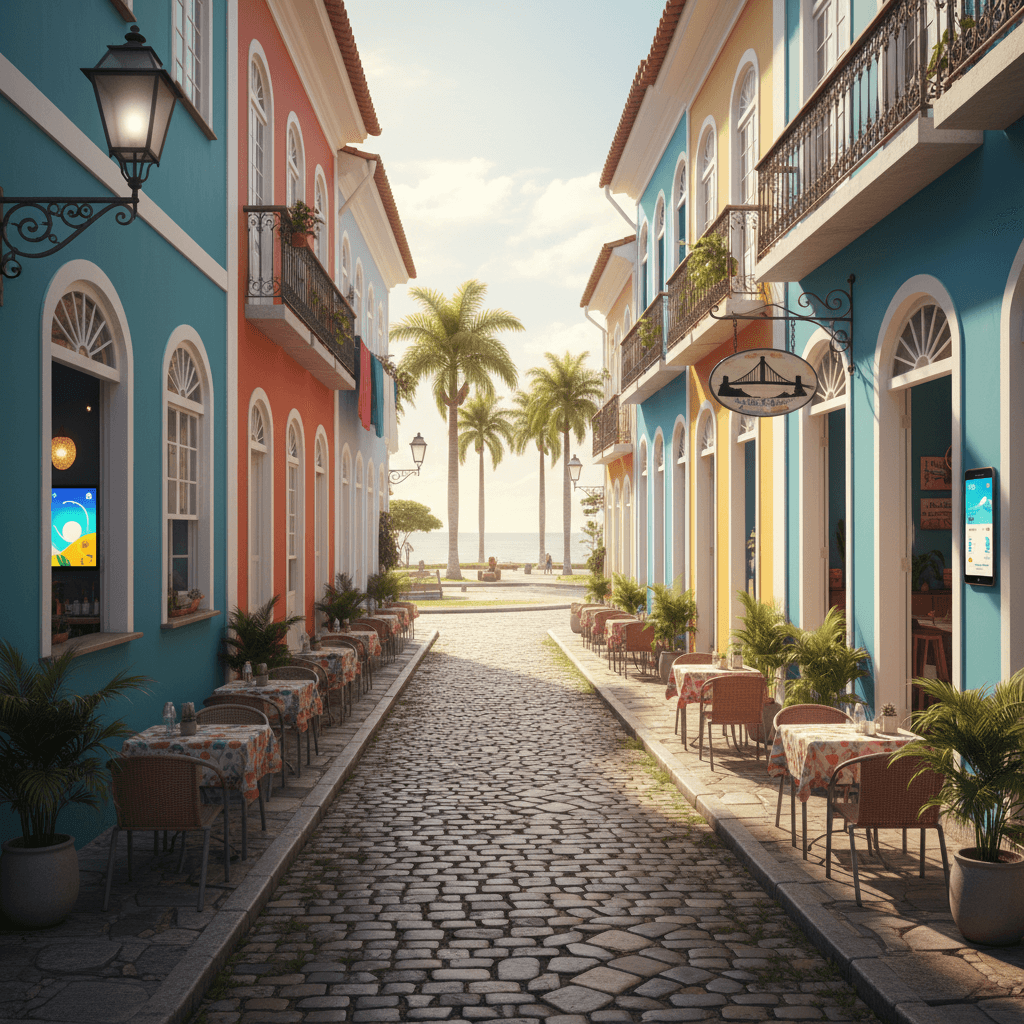
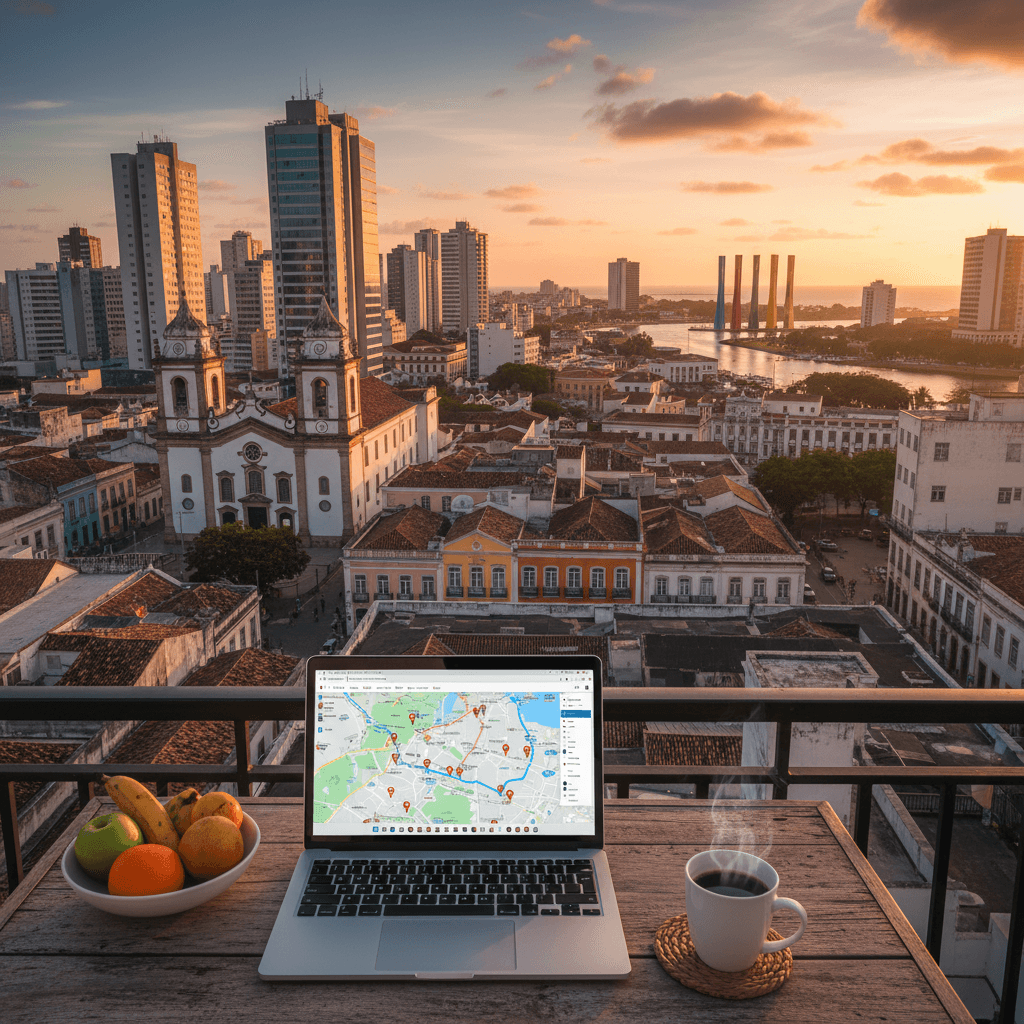
Recife is a city of water and heat. Known as the Venice of Brazil, it is built across a series of islands connected by iron bridges, where modern skyscrapers cast long shadows over colonial architecture. It feels different from the polished vibe of Florianópolis or the chaotic energy of São Paulo. It is gritty, authentic, and unapologetically tropical, offering a lifestyle where you can finish a Zoom call and be standing on the sand with a cold coconut in your hand five minutes later.
The city operates at a relaxed but steady pace. You will find a high quality of life for a fraction of the cost of Rio de Janeiro. While the internet is reliable enough for most remote roles at 14 to 16 Mbps, the real draw is the work-life balance. Nomads here tend to gravitate toward the coastline, trading traditional office views for the turquoise waters of the Atlantic. It is a place for those who want a real Brazilian experience without the heavy tourist price tag.
The Cost of Living
Your budget goes surprisingly far here. A comfortable lifestyle usually sits around $1,600 to $2,200 per month, though budget-conscious travelers can scrape by on $800 if they stick to shared housing and street food.
- Housing: A studio or one-bedroom in the popular Boa Viagem neighborhood averages $440 (R$2,200). If you move further inland, prices drop to around $320 (R$1,600).
- Food: Street food like tapioca or acai bowls costs between $2 and $4. A nice seafood dinner at a spot like Beijupirá will run you about $10 to $12, while high-end dining hits $20 or more.
- Transportation: Uber and 99 are the primary ways to get around safely, with most trips costing between $4 and $8.
Where to Set Up Camp
Choosing the right neighborhood is the difference between a productive stay and a frustrating one. Most nomads land in Boa Viagem. It is the heart of the action, featuring a long stretch of beach, plenty of gyms, and the most reliable infrastructure. It is walkable during the day and has the highest concentration of English speakers.
If you want something more bohemian, Pina is just north of Boa Viagem. It is a bit more affordable and has a lively nightlife scene, though it can get noisy on weekends. For those who prefer a historic backdrop, the neighboring town of Olinda is a 20-minute drive away. It is a UNESCO World Heritage site filled with colorful hills and art galleries, perfect for a slower pace, though the steep terrain makes walking a workout.
Work and Connectivity
The coworking scene is anchored by Selina Recife in Boa Viagem. It is the main social hub where you will meet other travelers and find stable desks for $150 to $250 a month. Cubo Itaú is another solid local option for those looking for a more professional, corporate environment. For mobile data, grab a Claro or Vivo SIM card at the airport; 20GB of data costs roughly $10 and coverage is strong throughout the urban areas.
Safety and Practicalities
Safety is a common topic of conversation among expats. Most people find that staying in well-lit, busy areas like Boa Viagem during the day is perfectly fine. However, petty crime exists. The local rule of thumb is to use Uber after dark, even for short distances, and keep your phone out of sight when walking on the street. If you need medical care, Hospital Português is the top private facility in the area.
The weather is tropical year-round, with temperatures hovering between 25°C and 30°C. If you hate rain, avoid June and July. The sweet spot is December through February, when the sun is constant and the city is at its most festive. For stays longer than 90 days, the Brazil Digital Nomad Visa is a great path, requiring a monthly income of $1,500 and valid health insurance.
The Price of Paradise
Recife is one of those rare spots where you can live a high-end coastal lifestyle without the price tag of Rio or Florianópolis. Most nomads find they can live quite comfortably here for about $1,600 a month. If you're on a tighter budget and don't mind sharing a flat or sticking to local markets, you can get by on $800. For those wanting the full "high life" in a luxury high-rise overlooking the reef, plan for $2,200 or more.
The local currency is the Real (BRL), and while card payments are accepted almost everywhere, keeping some cash for beach coconuts or street tapioca is a smart move. Digital nomads usually stick to the southern beaches or the historic center, where the infrastructure for remote work is most reliable.
Monthly Expenses Breakdown
- Housing: A modern studio in the popular Boa Viagem area averages $440 (R$2,200). Moving just a few blocks inland or toward the city center can drop that to $320 (R$1,600).
- Food and Dining: You can grab a quick açaí bowl or street snack for $2 to $4. A mid-range dinner at a beachside spot usually runs $8 to $12, while a high-end seafood feast at a place like Beijupirá will cost $20 or more.
- Groceries: Expect to spend about $110 a month for one person if you're shopping at local markets like Pão de Açúcar.
- Utilities and Connectivity: Basic utilities plus high-speed home fiber (usually 14 to 16 Mbps) will set you back roughly $80 to $104.
- Transportation: Uber and the 99 app are the gold standard for safety and convenience, costing $4 to $8 for most cross-town trips. A one-way bus or metro ticket is a flat $1.
Where to Plant Your Flag
Location dictates your cost of living more than anything else in this city. Expats and short-term travelers generally gravitate toward the same three pockets.
Boa Viagem
- Best For: Beach lovers and first-timers.
- The Vibe: This is the main nomad hub. It's walkable, packed with gyms and cafes, and has the most reliable WiFi.
- The Trade-off: It's the most expensive neighborhood and can feel a bit touristy during the summer months.
Pina
- Best For: Social butterflies and budget-conscious travelers.
- The Vibe: More affordable Airbnbs and a lively nightlife scene near the water.
- The Trade-off: It gets noisy on weekends and requires more caution when walking around after dark.
Boa Vista
- Best For: Professionals who want a quiet, "local" feel.
- The Vibe: Central, leafy, and close to many traditional office buildings and coworking hubs.
- The Trade-off: You're further from the beach and will deal with more city traffic.
Remote Work Infrastructure
Coworking is a growing scene in Recife. Selina Recife in Boa Viagem is the primary gathering point for the international crowd, with monthly hot desks ranging from $150 to $250. Local spaces like Cubo Itaú offer a more corporate environment for $100 to $300 a month. For mobile data, travelers recommend picking up a Claro or Vivo SIM card at the airport or a local mall; $10 usually buys a 20GB monthly plan which is more than enough for backup hotspots.
The Digital Nomad Visa
If the 90 day tourist stay isn't enough, Brazil's Digital Nomad Visa (VITEM XIV) is a great option. To qualify, you'll need to show a monthly income of at least $1,500 or have $18,000 in savings. The visa can grant you residency for up to two years, though you'll need to provide proof of health insurance and register with the Federal Police once you arrive.
For Digital Nomads: Boa Viagem
If you want the classic Recife nomad experience, head straight to Boa Viagem. It is the heart of the city's remote work scene, offering a seven kilometer stretch of urban beach lined with high rises and palms. Most nomads find the balance between work and life easiest here because the infrastructure is the most reliable in the city.
You will find the best internet speeds, averaging around 14 to 16 Mbps, and the highest concentration of English speakers. The neighborhood is highly walkable for daily errands like grocery shopping or hitting the gym. For a dedicated workspace, Selina Recife is the go to spot, offering monthly passes between $150 and $250 and a built in community of travelers. If you prefer a local vibe, Cubo Itaú provides a professional setting for $100 to $300 a month.
- Monthly Rent: Approximately $440 (R$2,200) for a studio or 1BR.
- Vibe: Beachfront hustle, high rise views, and reliable amenities.
- Top Spot: Grab a post work coconut water on the boardwalk for about $1.50.
For Solo Travelers and Budget Seekers: Pina
Just north of Boa Viagem lies Pina. It is a bit more rugged and significantly more affordable, making it a favorite for solo travelers who want to stretch their Reais without losing beach access. The neighborhood has a younger, more bohemian energy than its polished neighbor to the south.
Expats recommend Pina for its nightlife and social dining. You will find plenty of street food markets where a filling meal of tapioca or an acai bowl costs between $2 and $4. While it is great for socializing, safety can be a bit more "hit or miss" here. Travelers often suggest using Uber or the 99 app for any trips after dark, as petty crime is more common on these streets at night.
- Monthly Rent: Roughly $320 (R$1,600) for a decent apartment.
- Vibe: Energetic, social, and budget friendly.
- Top Spot: Sample fresh seafood at Beijupirá for around $10.
For Families and Professionals: Boa Vista
If you need a break from the tourist crowds and crave a more residential, "local" feel, Boa Vista is the move. It is located further inland, away from the salt air but closer to the city's traditional business district. It is quieter, greener, and feels more like a lived in neighborhood than a vacation rental hub.
Families appreciate the proximity to larger parks and more spacious apartment options. While you will lose the immediate beach access, you gain a central location that makes exploring the rest of Recife or the historic bridges of the "Venice of Brazil" much easier. Just keep in mind that traffic in this area can be heavy during peak hours, so plan your meetings accordingly.
- Monthly Rent: Mid range, often around $400 for larger multi room units.
- Vibe: Professional, leafy, and authentic.
- Top Spot: Spend weekends exploring the nearby Praça da República.
For Cultural Expats: Olinda
Technically its own municipality but practically an extension of Recife, Olinda is for the soul. If you are an artist, writer, or someone who values history over high speed fiber, this UNESCO World Heritage site is unbeatable. The neighborhood is a maze of colonial architecture, colored houses, and steep cobblestone hills.
Living here means a slower pace of life. You will spend your afternoons in galleries or listening to forró music in the streets. However, it is a 20 to 30 minute commute to the main nomad hubs in Recife, and the hills can be a workout. Most expats here recommend staying in the historic center but being extra cautious with your belongings during the evening hours.
- Monthly Rent: Variable, but historical homes can be found for $350 to $500.
- Vibe: Artistic, historic, and incredibly photogenic.
- Top Spot: The sunset views from the Alto da Sé are free and world class.
Connectivity in the Venice of Brazil
Recife might not have the global tech reputation of São Paulo, but it holds its own for remote work. The city infrastructure supports average broadband speeds of around 60-80 Mbps. While that might sound modest compared to fiber speeds in Europe or North America, it is remarkably stable in the main nomad hubs. You will find that video calls and large uploads rarely stutter if you are based in the right neighborhood.
Most nomads stick to Boa Viagem for the best reliability. The beachfront high rises and modern apartment complexes almost always come with dedicated WiFi. If you are venturing into Pina or the historic streets of Olinda, it is a good idea to have a backup data plan. Brazilian concrete walls are notorious for eating WiFi signals, so a local SIM card is your best friend here.
Mobile Data and SIM Cards
Do not rely on international roaming unless you want a massive bill. Head to a shopping mall or a Claro or Vivo store as soon as you settle in. You can grab a prepaid SIM for about R$50 (US$10) that usually includes around 20GB of data for the month.
- Claro: Often cited by expats for having the most consistent 5G coverage across the city.
- Vivo: A solid alternative with great reach if you plan on taking weekend trips to Porto de Galinhas.
- Registration: You will likely need your passport and a CPF (Brazilian tax ID) to register a SIM. If you do not have a CPF, some smaller kiosks might help you out, but the official stores are more hit or miss without one.
Top Coworking Spaces
The coworking scene in Recife is surprisingly social. It is less about sterile offices and more about community. Expect to pay between US$150 and US$300 per month for a dedicated desk, depending on the perks you need.
- Selina Recife: Located right in Boa Viagem, this is the default hub for the nomad community. It is part hotel, part workspace, and the best place to find people to grab a beer with after work. Monthly passes run between US$150 and US$250.
- Local Hubs: Keep an eye out for smaller boutique spaces in Boa Vista. These are often cheaper and filled with local Brazilian entrepreneurs rather than just travelers.
Laptop Friendly Cafes
Working from cafes is a growing trend, especially near the beach. Most spots are happy to let you linger for a few hours if you keep the coffee and pão de queijo coming. Just remember that air conditioning is a luxury, so look for places with "Ar Condicionado" signs during the humid summer months.
In Boa Viagem, you will find several modern cafes with plenty of outlets. Nomads often recommend the spots tucked away a block or two from the sand to avoid the loudest tourist crowds. If you are in Pina, the vibe is a bit more bohemian, but the WiFi can be hit or miss. Always check the signal before you order your first espresso.
Practical Remote Work Tips
The "work from the beach" dream is a bit of a stretch in Recife due to the glare and the salt air, which can be brutal on electronics. Most professionals spend their mornings in a cooled coworking space and head to the water at 4:00 PM when the heat breaks.
Power outages are rare but can happen during heavy tropical storms between April and August. If your work is deadline critical, staying in a building with a back up generator or having a beefy power bank and a hot spot is a smart move. Most high end rentals in Boa Viagem are equipped for this, making the R$2,200 (US$440) monthly rent a worthwhile investment for peace of mind.
Street Smarts and Personal Safety
Recife has a reputation that can be a bit intimidating, but the reality for most digital nomads is manageable if you follow local cues. The general consensus among the community is that safety is moderate. You'll feel perfectly comfortable working from a cafe in Boa Viagem during the day, but the vibe changes after the sun goes down. Most expats follow a simple rule: walk during the day, but use Uber or 99 at night, even for short distances of just a few blocks.
Petty crime, like phone snatching, is the most common headache. Keep your tech out of sight while walking on the street and avoid wearing flashy jewelry. Areas like Pina and Olinda are great for daytime exploration, but they can get desolate and risky after dark. It's best to steer clear of the city outskirts and specific favela zones unless you're with a local who knows the way. If you find yourself in the Centro district, stay alert; it’s beautiful for photography but notorious for pickpockets in crowded spots.
One unique safety factor in Recife is the water. The city is famous for its shark warnings along the main beaches. Stick to the areas protected by natural reefs during low tide and pay attention to the red flags on the sand. If the locals aren't swimming, you shouldn't be either.
Healthcare and Medical Services
If you get sick, you're in good hands. Recife is a major medical hub for Northeast Brazil. For high quality private care, most nomads head straight to Hospital Português in Boa Viagem. It’s modern, efficient, and well equipped for emergencies. While the public system (SUS) is available for free, it's often crowded; having international health insurance is a requirement for the Digital Nomad Visa anyway, and it lets you access the much faster private clinics.
Pharmacies are everywhere and serve as a first line of defense for minor ailments. Chains like Drogasil and Pague Menos are often open 24/7 and carry most international brands. You won't always find English speaking staff, so having a translation app ready is a smart move. For any serious emergency, memorize these two numbers:
- 190: Military Police
- 192: Ambulance (SAMU)
The Digital Nomad Visa Requirements
This permit allows you to live and work in Brazil for up to one year, renewable for an additional year. The government has made the process relatively straightforward for remote workers, provided you meet the financial thresholds. You'll need to prove a monthly income of at least $1,500 or show a bank balance of $18,000 in savings.
The application is usually handled through the MigranteWeb portal or at a Brazilian consulate. Once you arrive in Recife, you have 90 days to register with the Federal Police to get your local ID card. Don't forget that valid health insurance covering your entire stay is a non negotiable part of the paperwork.
Practical Wellness Tips
The tropical heat is no joke, with temperatures hovering around 28°C (82°F) and high humidity. Dehydration is a common issue for newcomers. Stick to bottled water or filtered water from your Airbnb; while tap water is treated, most locals don't drink it directly. You can find fresh coconut water (água de coco) at stands along the Boa Viagem boardwalk for about R$5 to R$8, which is the best way to stay hydrated while you work from the beach.
Getting Around the Venice of Brazil
Navigating Recife is a tale of two cities. In the modern, coastal stretch of Boa Viagem, life is largely walkable if you stay within a few blocks of the beach. However, the city's unique geography, defined by rivers and bridges, means you'll likely rely on wheels to see the historic sites or head to the party spots in Pina.
Ride-Hailing: The Nomad Standard
For most expats and remote workers, Uber and 99 (a local favorite) are the primary ways to move. They're reliable, affordable, and solve the safety concerns that come with walking alone at night. A typical trip across town usually runs between R$20 and R$40 ($4 to $8).
- Download both Uber and 99 to compare prices during peak hours.
- Airport transfers to the city center take about 30 to 45 minutes and cost roughly R$50 ($10).
- Drivers rarely speak English, so keep your destination updated in the app to avoid confusion.
Public Transit: Metro and BRT
Recife has a metro system and a Bus Rapid Transit (BRT) network. While they're incredibly cheap at about R$5 ($1) per ride, they're often packed during rush hour. Most nomads stick to the metro for specific hops into the city center but avoid it after dark when stations get quiet.
Two-Wheeled Travel
If you're staying in the flatter beach areas, bikes are a great way to soak up the tropical air without getting stuck in Recife's notorious traffic. The city has integrated bike lanes along the shore that are perfect for a morning commute to a cafe.
- Use apps like Grin or other local shared mobility services if available to find shared scooters and bikes.
- A single ride usually costs around R$5.
- Stick to the designated cycle paths in Boa Viagem to stay safe from the aggressive local driving style.
Walkability and Safety
Walkability is a mixed bag. You'll find Boa Viagem very friendly for pedestrians, with plenty of grocery stores, pharmacies, and gyms within a ten minute stroll. Outside of the main tourist hubs, sidewalks can be uneven or non existent. Travelers often suggest walking during daylight hours and switching to a car once the sun sets, especially if you're carrying a laptop or camera gear.
Regional Connections
One of the best perks of living here is the easy access to nearby escapes. Olinda is just a 20 minute drive away, though its hilly, cobblestone streets require sturdy shoes and a bit of stamina. For weekend beach trips, Porto de Galinhas is about an hour south. You can grab a public bus for a few dollars, but most nomads find it easier to split an Uber with friends for a more comfortable ride.
Practical Checklist
- Data: Grab a Claro or Vivo SIM card immediately. You'll need the data for ride-hailing apps as public Wi-Fi is hit or miss.
- Timing: Avoid the bridges during late afternoon peak hours; the "Venice of Brazil" moniker comes with Venice level traffic jams.
- Language: Have Google Translate ready for offline use. Even in transit hubs, English proficiency is generally low.
The Local Lingo
In Recife, Portuguese isn't just the official language; it's the only one you'll hear in most daily interactions. While the city has a cosmopolitan pulse, English proficiency remains limited once you step away from hotel reception desks or high end tour agencies. Most locals are incredibly patient and will use expressive hand gestures to help you find your way, but don't expect the average shopkeeper or Uber driver to speak much English.
Nomads who've spent time here suggest that a little effort goes a long way. Learning basic greetings and numbers will change your experience from being a confused tourist to a welcomed guest. The local accent, known as Sotaque Pernambucano, is distinct and musical, though it can be a bit fast for beginners. You'll often hear "visse" at the end of sentences, which is a local way of saying "you see?" or "right?"
Must-Have Communication Tools
Since you can't rely on English, your smartphone becomes your best friend for bridge building. Expats and long-term travelers consistently recommend a few specific setups to keep things running smoothly:
- Google Translate: Download the Portuguese pack for offline use. The camera feature is a lifesaver for reading menus at traditional spots like Beijupirá or reading labels at the supermarket.
- WhatsApp: This is the lifeblood of Brazilian communication. You'll use it to book hair appointments, order water delivery, chat with your landlord, and even message local businesses. If a business has a phone number, they have WhatsApp.
- Prepaid SIM Cards: Grab a SIM from Claro or Vivo as soon as you can. You can get 20GB of data for about R$50 (US$10) per month. You'll usually need to show your passport at an official store in a mall like Shopping Recife to get registered.
Social Nuances and Networking
Communication in Recife is warm and informal. When meeting someone for the first time in a social setting, a single cheek kiss or a light hug is common. Even in business-adjacent settings like the Selina Recife coworking space, the vibe is relaxed. If you're looking to meet English speakers, head to the coworking hubs in Boa Viagem or join the "Digital Nomads Recife" Facebook group.
For those planning a longer stay on the Digital Nomad Visa, enroll in a local language school. It's the best way to move past the "tourist wall" and actually understand the lyrics during a late night forró session in Pina. Most nomads find that after a month of immersion and a few apps, they can handle the R$20 to R$40 Uber rides and grocery runs without any stress.
Key Phrases to Know
- Olá / Oi: Hello / Hi
- Tudo bem?: How are you? (The standard follow-up to every greeting)
- Obrigado / Obrigada: Thank you (Masculine / Feminine)
- Quanto custa?: How much does it cost?
- A conta, por favor: The bill, please
- Você fala inglês?: Do you speak English?
Keep your expectations realistic. You'll likely face a few "lost in translation" moments at the local markets, but that's part of the Recife charm. Just keep your translation app ready and a smile on your face; the locals are generally more than happy to help you figure it out.
The Tropical Rhythm
Recife is a year round tropical destination where the mercury rarely dips below 25°C (77°F). Because it sits so close to the equator, you won't find traditional seasons here. Instead, your schedule will be dictated by the rain. The humidity is a constant companion, giving the city that lush, coastal energy that keeps the local pace of life relaxed and unhurried.
Peak Season: December to February
This is when Recife truly shines. The skies are a brilliant blue, the sun is out for roughly nine hours a day, and temperatures hover between 28°C and 30°C (82°F to 86°F). It is the driest part of the year, making it the ideal window for nomads who want to spend their lunch breaks on the sands of Boa Viagem or take weekend trips to the natural pools of Porto de Galinhas.
- The Vibe: High energy, crowded beaches, and a festive atmosphere leading up to Carnival.
- The Trade off: Rent prices for short term Airbnbs in prime spots like Pina and Boa Viagem can spike. You will want to book your stay at least two months in advance if you plan to be here for the New Year.
- Top Tip: If you are here in February, head to neighboring Olinda. The street Carnival there is legendary, though the hilly streets become a sea of people, so don't expect to get much deep work done during that week.
The Rainy Season: April to August
If you are looking for a bargain and don't mind the occasional downpour, this is the time to visit. June and July are the wettest months, characterized by heavy, tropical showers that can cause localized flooding in lower areas of the city. Temperatures are slightly cooler, ranging from 22°C to 25°C (72°F to 77°F), which many nomads find more comfortable for working without cranking the AC.
Most travelers say this is the best time for "deep work" phases. Since the beach isn't calling your name every afternoon, you can hunker down at Selina Recife or Cubo Itaú. Just be sure to carry an umbrella and use ride hailing apps like Uber or 99 to get around, as walking between meetings during a flash storm isn't ideal.
The Sweet Spot: September to November
Many long term expats recommend the window between September and November as the best time to arrive. The heavy rains have subsided, the landscape is incredibly green, and the massive summer crowds haven't yet descended on the city. Prices for mid range housing remain stable, often around R$2,200 (US$440) for a solid one bedroom in a safe area.
The ocean water remains warm, and you will have plenty of clear days to enjoy the outdoor markets in Pina or sunset drinks at Mure Restaurant. It is the perfect balance of predictable weather and manageable costs before the holiday rush begins in December.
What to Pack
Casual is the name of the game here. Even in professional coworking spaces, the dress code is relaxed. Pack light, breathable fabrics like linen and cotton to handle the 80 percent humidity. You will need high SPF sunscreen, as the Brazilian sun is unforgiving, and a reliable light rain jacket if you are visiting during the mid year months. Most importantly, bring a pair of Havaianas; you will find they are acceptable footwear almost everywhere except the most upscale seafood spots.
The Nomad Lifestyle in Recife
Recife feels like a coastal metropolis that hasn't lost its soul. Locally known as the Venice of Brazil because of the rivers and bridges crisscrossing the city, it offers a distinct blend of high-rise beach living and colonial history. Most nomads find the pace here more relaxed than Sao Paulo but more grounded than Rio. You'll get reliable urban internet averaging 14 to 16 Mbps, which is plenty for video calls and remote workflows.
The cost of living is a major draw. A mid-range monthly budget typically sits around $1,600, covering a nice apartment in a prime area and plenty of dining out. If you're on a tighter budget, you can get by on $800 by sharing housing and sticking to local street food. For those wanting a luxury experience with upscale seafood and high-end condos, expect to spend $2,200 or more.
Where to Set Up Base
Choosing the right neighborhood defines your experience here. Most expats and nomads gravitate toward Boa Viagem. It's the city's heartbeat, offering a long stretch of beach, walkable amenities, and the best concentration of coworking spaces. Rent for a studio or one-bedroom here usually runs about R$2,200 ($440). It can get touristy, but the convenience is hard to beat.
If you want something a bit more budget-friendly and lively, Pina is a solid alternative. It's known for affordable Airbnbs and a high-energy nightlife scene. Travelers often say the party vibe can be a distraction if you're on a deadline, and it's less safe than Boa Viagem after dark. For a quieter, more professional atmosphere, Boa Vista offers more green space and central office hubs, though you'll be further from the sand.
Don't overlook Olinda for a day trip or a short stay. This adjacent UNESCO site is famous for its historic charm and arts scene. It's hilly and a bit far from the airport, so it’s better for cultural immersion than a long-term work base.
Working and Connecting
The coworking scene is anchored by Selina Recife in Boa Viagem. It's the primary hub for meeting other travelers, with monthly passes ranging from $150 to $250. You can also find local professional spaces like Cubo Itaú for around $100 to $300 a month. Most beachside cafes have embraced the laptop culture, offering air conditioning and power outlets for the price of a coffee.
- SIM Cards: Grab a Claro or Vivo prepaid card. You can get 20GB for about R$50 ($10) at the airport or local shops.
- Apps: Download Uber and 99 for getting around. A typical trip costs R$20 to R$40 ($4 to $8).
- Language: English isn't widely spoken. Use Google Translate offline and learn basics like Quanto custa? (How much?).
Safety and Health
Safety requires a bit of common sense. Boa Viagem is generally safe during the day, but nomads recommend using an Uber for any travel after dark, even for short distances. Avoid the outskirts and certain parts of the city center at night. For healthcare, Hospital Português in Boa Viagem provides excellent private care. You'll find Drogasil pharmacies on almost every corner, many of them open late. In an emergency, dial 190 for police or 192 for an ambulance.
The Digital Nomad Visa
Brazil makes it relatively easy to stay long-term with the VITEM XIV visa. It's valid for up to two years and requires proof of a $1,500 monthly income or $18,000 in savings. You'll need mandatory health insurance and will have to register with the Federal Police once you arrive. Most nomads apply via the MigranteWeb portal to get their paperwork started before landing.
Weather and Timing
It's tropical and humid year-round, with temperatures hovering between 25°C and 29°C (77°F to 84°F). The best window to visit is December through February when it's dry and sunny. Try to avoid June and July if you don't like rain; these months see heavy tropical downpours and slightly cooler temperatures.
Need visa and immigration info for Brazil?
🇧🇷 View Brazil Country GuideOff the Radar
Pioneer territory
Monthly Budget Estimates
More cities in Brazil
Ribeirão Preto
🇧🇷 Brazil
Brasília
🇧🇷 Brazil
São Paulo
🇧🇷 Brazil