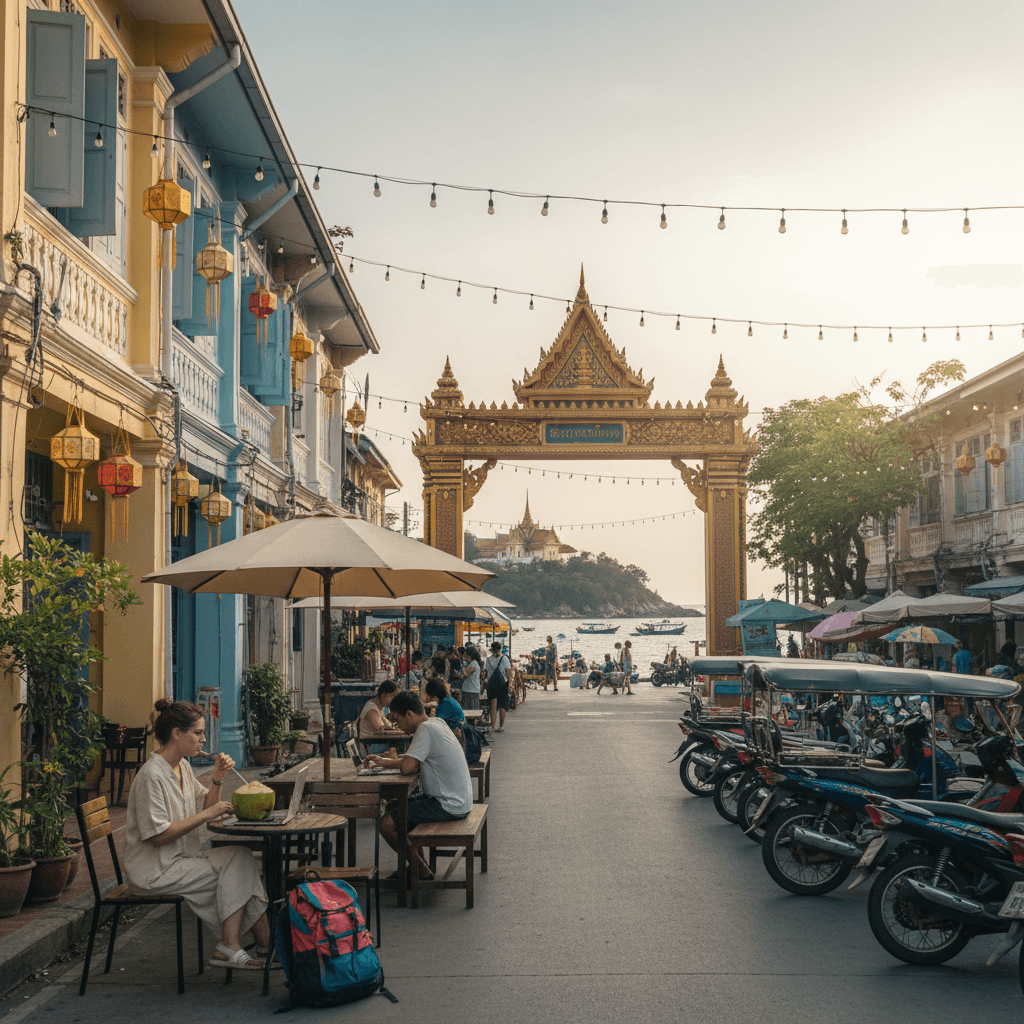
Rayong
🇹🇭 Thailand
The Rayong Vibe
If you're looking for the neon lights of Bangkok or the digital nomad meetups of Chiang Mai, Rayong isn't it. This is a place where life slows down to a provincial pace, offering a budget-friendly coastal lifestyle that feels authentically Thai. Many nomads find it's the perfect "deep work" destination, a spot to put your head down and get things done without the constant distraction of a party scene.
The city has a unique personality, blending a gritty industrial backbone with long, sleepy stretches of coastline. You'll see the Eastern Economic Corridor (EEC) driving local manufacturing by day, while the evenings belong to quiet seafood dinners on the sand. It’s a practical, low-key alternative to Pattaya, perfect for those who want the ocean breeze without the tourist crowds.
Cost of Living
Rayong is an absolute powerhouse for value. Experienced expats recommend it for those who want to live well on a modest budget, with monthly totals often falling between 25,000 and 55,000 THB depending on how close you need to be to the water. It’s an easy place to save money while still enjoying fresh seafood and modern conveniences.
- Budget (25,000-30,000 THB): This tier gets you a city studio in Rayong City for around 6,000 THB, plenty of 40-70 THB street food, and transport via local songthaews.
- Mid-range (35,000-55,000 THB): You can upgrade to a coastal 1-bedroom for 10,000-15,000 THB, eat a mix of local and Western meals, and use Grab for convenience.
- Comfortable (60,000+ THB): For those wanting a full beach house at 20,000 THB+, Western dining habits, and a private car for exploring.
Where to Plant Your Roots
Choosing a neighborhood in Rayong changes your experience entirely. Rayong City is the hub for infrastructure, offering the best malls, hospitals, and the cheapest rent, though you’ll sacrifice beach proximity for city convenience. Travelers often note that while the city is functional, it can feel a bit congested during peak hours.
For a coastal feel, Ban Phe and Mae Ramphueng are the go-to spots for solo travelers. You’re right by the Koh Samet ferry pier and legendary seafood markets, though you'll have to share the sand with local weekend crowds. If you prefer a more established expat community with cleaner beaches, Laem Mae Phim is popular for its modern condos and quiet atmosphere, though you’ll definitely need a scooter or car to get around.
Connectivity & Remote Work
While Rayong lacks a dedicated "nomad hub" culture, the technical infrastructure is solid. Fiber internet is reliable and affordable, usually costing between 400 and 900 THB per month for speeds over 60 Mbps. Most nomads prefer setting up a dedicated home office, as dedicated coworking spaces are sparse.
- Regus Rayong offers professional hot desks for those who need a corporate environment, with daily rates around 500-1,000 THB.
- Cafe Culture: Rayong City has several work-friendly cafes with decent WiFi, though they aren't specifically designed for all-day sessions.
- Mobile Data: You can grab an unlimited AIS or TrueMove SIM at any 7-Eleven for 200-430 THB; just bring your passport.
Navigation & Safety
Rayong is generally very safe, even for solo travelers. You’ll want to stick to the standard precautions, avoiding dark, isolated beach stretches at night and keeping an eye on your drinks. The biggest "danger" here is often the traffic or the occasional jellyfish during certain seasons.
Getting around requires a bit of independence. Songthaews are the cheapest way to move, costing 20-50 THB for set routes, but they don't go everywhere. Most residents consider a motorbike necessary for daily life; rentals run about 200-300 THB per day, or you can buy a used one for 35,000-70,000 THB if you’re staying long-term. For longer trips, Grab and Bolt are reliable in the city and Ban Phe area.
Social Life & Language
Don’t expect a massive international social calendar. Socializing here is more about low-key gatherings at spots like Olly’s Bar or Rasta Bar, where beers range from 60-120 THB. For a sense of community, the local beach cleanups and hiking groups group is a great way to meet locals and expats through beach cleanups and hikes.
Because Rayong isn't a primary tourist trap, Thai is the dominant language. While English is spoken in hospitals and major hotels, having Google Translate or a few basic Thai phrases like "Sawasdee" (hello) and "Tao rai?" (how much?) will go a long way in the local markets. It’s the kind of place where effort in learning the language is met with genuine smiles and better prices.
The Cost of Living in Rayong
Rayong is a breath of fresh air for those who find Bangkok too hectic or Pattaya too touristy. It offers a practical, low-key coastal atmosphere where your money goes significantly further than in Thailand’s more famous hubs. Many nomads find it’s entirely possible to live comfortably here for a fraction of what they’d spend elsewhere, provided they're happy with a more authentic Thai pace of life.
For a budget-conscious traveler, a monthly spend of 25,000 to 30,000 THB is a realistic target. This lifestyle usually involves renting a studio in Rayong City, eating primarily at local markets, and getting around via motorbike or songthaew. It’s a great way to experience the province like a local while keeping overheads remarkably low.
Most remote workers opt for a mid-range lifestyle, budgeting between 35,000 and 55,000 THB per month. This allows for a modern one-bedroom condo near the coast, a mix of street food and air-conditioned restaurants, and the occasional splurge on Grab rides or weekend trips to Koh Samet. Experienced expats recommend this tier for those who want comfort without sacrificing the "local" feel of the Eastern Seaboard.
If you prefer an upscale experience, a budget of 60,000 THB or more unlocks the best of Rayong. You can secure a spacious beach house in areas like Laem Mae Phim for around 20,000 THB, enjoy frequent Western dining, and maintain a private car for exploring the coastline. Even at this level, Rayong remains significantly more affordable than Phuket or Samui.
Accommodation by Neighborhood
- Rayong City: Best for those who need infrastructure and malls. You’ll find studios and one-bedroom apartments ranging from 5,500 to 12,000 THB. It’s affordable but lacks direct beach access.
- Ban Phe & Mae Ramphueng: Ideal for solo travelers who want to be near the seafood markets and the Koh Samet ferry. Rents here typically fall between 6,000 and 18,000 THB.
- Laem Mae Phim: A favorite for families and retirees seeking quieter, cleaner beaches. Expect to pay 12,000 to 25,000 THB for modern condos. You'll definitely need your own transport in this area.
- Ban Chang: Popular with working expats due to its proximity to U-Tapao airport and a decent selection of international pubs. Rentals range from 7,000 to 18,000 THB.
Food, Drink, and Daily Essentials
Food is one of Rayong's greatest value propositions. You can grab a filling plate of street food for 40 to 70 THB, while a fresh seafood dinner at the Ban Phe markets usually costs between 150 and 300 THB per dish. If you're heading to a mid-range restaurant or a Thai-Western fusion spot like Sabaidee Bar and Cafe, expect to pay 100 to 300 THB per person.
Groceries and drinks are equally affordable. A local beer at a bar like Olly’s or Rasta Bar will set you back 60 to 120 THB. For those cooking at home, fresh produce from local markets is incredibly cheap, though Western imported goods at malls will carry a premium price tag.
Connectivity and Transport
Reliable internet is a must for the "remote work" lifestyle. Fiber internet for your apartment typically costs between 400 and 900 THB per month for speeds of 60+ Mbps. For mobile data, travelers often note that AIS or TrueMove offer the best coverage; you can pick up an unlimited 10GB+ SIM card at any 7-Eleven for 200 to 430 THB with your passport.
Getting around is the one area where you shouldn't skimp. While songthaews are cheap at 20 to 50 THB per trip, they don't go everywhere. Most long-termers recommend renting a scooter for 200 to 300 THB per day or buying a used motorbike for 35,000 to 70,000 THB to truly enjoy the coastal stretches. Ride-hailing apps like Grab and Bolt are available in the city and Ban Phe, with fares starting around 35 THB plus 64 THB per kilometer.
Healthcare and Wellness
Healthcare in Rayong is high-quality and accessible. A visit to a GP at a private facility like Bangkok Hospital Rayong costs approximately 400 to 700 THB, while specialists range from 700 to 1,500 THB. Public hospital visits are even cheaper, often between 100 and 300 THB, though wait times are longer. Pharmacies like Boots and Watsons are everywhere for basic over-the-counter needs.
For Digital Nomads: Rayong City
If you're a nomad who needs reliable infrastructure and a low cost of entry, Rayong City is your best bet. It's the provincial hub where you'll find the most consistent fiber internet, major hospitals like Bangkok Hospital Rayong, and large shopping malls for your tech needs.
Many nomads find the rent here incredibly affordable, with studios and one-bedroom apartments ranging from 5,500 to 12,000 THB. While it lacks a beach, the city offers a practical home base for focused work. You won't find many dedicated coworking spaces, but local cafes provide a decent atmosphere for a few hours of laptop time.
Travelers often note that while the city is convenient, you'll likely want a motorbike to escape to the coast on weekends. It's a great spot if you prefer a "real" Thai environment over a tourist-heavy scene, though you should be prepared for more limited English compared to Bangkok.
For Solo Travelers & Coastal Explorers: Ban Phe & Mae Ramphueng
Solo travelers looking for a mix of beach life and local flavor usually gravitate toward Ban Phe or Mae Ramphueng Beach. This area serves as the gateway to Koh Samet, with ferries running regularly for 150-200 THB round trip. It’s perfect if you want to be near seafood markets and long stretches of sand without the high prices of the islands.
Rents in this area are slightly higher than the city, typically between 6,000 and 18,000 THB. You'll find a social atmosphere at spots like Olly’s Bar or Rasta Bar, where beers go for 60-120 THB. Experienced expats recommend being cautious of jellyfish during certain seasons and noting that beaches can get crowded with local families on weekends.
Transport here is manageable via Songthaews for 20-50 THB, but most long-termers eventually rent a scooter for 200-300 THB per day. It’s the best neighborhood for those who want to wake up near the ocean but still have access to Grab or Bolt for quick trips into town.
For Expats & Families: Laem Mae Phim
Laem Mae Phim is the preferred choice for expats, retirees, and families who prioritize peace and cleanliness. It’s further down the coast and offers a much quieter, more manicured environment than the central districts. You'll find modern condos and gated communities here, with prices ranging from 12,000 to 25,000 THB per month.
Families appreciate the cleaner beaches and the slower pace of life, though a car is almost essential in this neighborhood as public transport is sparse. There’s a tight-knit expat community that organizes golf outings and social gatherings, making it easier to find a support network.
While the nightlife is limited, the dining scene is excellent, featuring fresh seafood and mid-range restaurants where a meal costs between 100 and 300 THB. It’s the ideal spot if you're looking for a comfortable, long-term stay away from the industrial noise of the province's western side.
For Working Expats: Ban Chang
Ban Chang is uniquely positioned for those working in the Eastern Economic Corridor (EEC) or those who need frequent access to U-Tapao Airport. It has a distinct "industrial-adjacent" feel but compensates with a surprisingly robust expat pub scene and Western-style amenities. Rent here stays competitive, usually between 7,000 and 18,000 THB.
Experienced expats recommend this area if you want a balance of local life and Western comforts, like familiar pubs and billiards halls. It’s a practical choice for those who don't mind being a bit further from the prime swimming beaches in exchange for being closer to the airport and major employment hubs.
The neighborhood is safe and functional, though travelers often note the industrial landscape can be a bit of a visual drawback. It’s a "work-first" neighborhood that serves as a solid bridge between the quiet coast of Rayong and the high energy of nearby Pattaya.
Connectivity and Speed
If you're worried about staying connected, Rayong is surprisingly reliable. Most digital nomads find that the fiber internet infrastructure here is on par with Bangkok, typically averaging 60+ Mbps. You'll likely spend between 400 and 900 THB per month for a solid home setup through providers like True or DTAC.
For those who prefer working on the move, mobile data is cheap and fast. You can pick up a SIM card at any 7-Eleven or AIS shop by showing your passport. Experienced expats recommend grabbing an unlimited data plan (usually 10GB+) for 200 to 430 THB per month to ensure you have a backup hotspot during tropical rainstorms.
Coworking Spaces
Rayong doesn't have a dedicated "nomad hub" culture like Chiang Mai or Koh Phangan. Coworking options are limited, so most remote workers here tend to set up a dedicated office in their condo or house. However, if you need a professional environment for meetings or a change of pace, Regus Rayong is the primary player in the area.
- Regus Rayong: Located in the business district, it offers professional desks and private offices. Expect to pay between 500 and 1,000 THB per day depending on your needs. It's the best bet for those requiring high-speed stability and a quiet atmosphere.
Work-Friendly Cafes
Since formal coworking is sparse, many travelers gravitate toward the local cafe scene. While these spots aren't specifically designed for nomads, they usually offer free WiFi and a relaxed vibe if you're buying coffee. You'll find the best concentration of these in Rayong City or near the Ban Chang expat enclaves.
- Rayong City Cafes: There are several modern spots near the main malls where you can tuck into a corner with a laptop for a few hours. Just keep in mind that power outlets might not be available at every table.
- Beachside Spots: In areas like Mae Ramphueng or Laem Mae Phim, you can work with a view, but the WiFi can be hit-or-miss. Travelers often note that using a personal hotspot is the way to go if you're planning to work with your toes in the sand.
The Remote Work Lifestyle
Because the expat community is smaller and more focused on the industrial or teaching sectors, you won't find many "laptop-friendly" networking events. Most nomads who enjoy Rayong are those who value deep focus and low costs over a social coworking scene. It's a place where you get your work done in the morning so you can enjoy the unrestricted beach access in the afternoon.
If you're planning a long-term stay, it's highly recommended to prioritize a high-quality home internet connection. Most modern condos in Laem Mae Phim or Rayong City come pre-wired for high-speed fiber, making it easy to stay productive without ever leaving your apartment. For digital nomads on a budget, the low cost of living, often under 500 THB per day, means you can afford a much nicer home office setup than you would in more tourist-heavy provinces.
Safety in Rayong
Rayong is generally a very safe province for digital nomads and travelers. It lacks the aggressive tourist-trap energy found in busier hubs like Phuket or Pattaya, meaning you're less likely to encounter scams. Violent crime is rare, and most visitors feel comfortable walking around during the day and evening.
That said, experienced expats recommend staying aware of your surroundings in the industrial edges of Map Ta Phut or isolated beach stretches late at night. It's always a good idea to keep an eye on your belongings in crowded markets and never leave your drinks unattended in bars. While the coastal areas are peaceful, the darker sections of Mae Ramphueng Beach can feel a bit too secluded after midnight, so it's best to stick to well-lit areas.
If you're planning to ride a scooter, which many nomads find essential for getting around, be mindful of the local traffic. Rayong has a lot of heavy truck traffic due to its industrial zones. Travelers often note that wearing a helmet and driving defensively is the most important safety precaution you can take here.
Healthcare Infrastructure
One of the biggest perks of living in Rayong is the access to high-quality healthcare. If you're coming from a Western country, you'll likely find the private hospitals here to be efficient, modern, and very affordable. Bangkok Hospital Rayong is the primary choice for expats and nomads; it offers international standards and has English-speaking staff who make the process seamless.
Medical costs are straightforward and won't break your budget. You can expect to pay the following for typical visits:
- GP Consultation: 400, 700 THB
- Specialist Visit: 700, 1,500 THB
- Public Hospital Visit: 100, 300 THB (though wait times are much longer)
For minor ailments, pharmacies are everywhere. You'll find familiar chains like Boots and Watsons in the malls, along with plenty of independent local pharmacies. Most pharmacists speak enough English to help with over-the-counter needs, and they can often provide medications that would require a prescription back home.
Emergency Information
It’s a good idea to keep a few key numbers saved in your phone just in case. While you'll hopefully never need them, knowing the local shortcuts can save a lot of stress in a pinch.
- General Emergency/Ambulance: 1669
- Tourist Police: 1155 (They usually speak better English and are used to dealing with foreigners)
- Bangkok Hospital Rayong: 038 921 999
Many nomads find that having a local SIM card from AIS or TrueMove is vital for safety, as it allows you to use Grab for a safe ride home or Google Maps if you get turned around in the winding streets of Rayong City. Overall, as long as you use the same common sense you would at home, you'll find Rayong to be a secure and reliable base for remote work.
Getting Around Rayong
Navigating Rayong is a bit different than the efficient transit systems you'll find in Bangkok. Because the province is spread out between the urban center, industrial zones, and coastal stretches, walkability is low. Most nomads and expats find that having their own wheels isn't just a luxury, it's a necessity for a functional daily life.
Public Transport & Ride-Hailing
For short hops within Rayong City or along the main coastal roads, Songthaews (shared pickup trucks) are the most authentic and affordable way to get around. These run on set routes and usually cost between 20 and 50 THB depending on the distance. They’re great for a cheap local commute, but they don't run late into the night.
If you prefer the convenience of your phone, Grab and Bolt are both active in the area. You'll find plenty of drivers in Rayong City and Ban Phe, though availability can drop off as you head further toward Laem Mae Phim. Taxis typically start at 35 THB per kilometer, with a standard short trip averaging around 64 THB. For longer hauls or airport runs, many travelers recommend using Joy Taxi for reliable service.
Motorbikes and Cars
The majority of digital nomads living here eventually opt for a motorbike rental. You can expect to pay 200 to 300 THB per day for a scooter near the beach areas, but long-term residents usually negotiate monthly rates or buy a used bike for 35,000 to 70,000 THB. It’s the best way to dodge traffic in the city and explore the quieter stretches of Mae Ramphueng Beach.
If you're based in Laem Mae Phim or traveling with a family, experienced expats strongly recommend renting or buying a car. The distances between the modern condos, grocery stores, and international hospitals are significant, and the coastal winds can make long scooter rides tiring. Monthly petrol costs for a motorbike are quite low, usually ranging from 400 to 800 THB.
Airport Transfers and Regional Travel
Getting into Rayong from U-Tapao Airport is straightforward. You can catch a bus for roughly 100 THB, which takes about 30 minutes to reach the city. If you're carrying a lot of gear or prefer a private ride, a taxi or Grab into the city center will cost between 2,000 and 2,500 THB.
For those weekend escapes to Koh Samet, you'll need to head to the piers in Ban Phe. A round-trip ferry ticket typically costs 150 to 200 THB. It's a quick transition from the industrial feel of the mainland to the white sands of the island, and many nomads do this trip frequently to refresh their "office" view.
Key Transit Tips for Nomads
- Download the Apps: Make sure Grab and Bolt are installed and linked to your card before you arrive.
- License Requirements: While local shops may rent you a scooter with just a passport, travelers note that International Driving Permits are essential to stay legal and covered by insurance.
- Getting around: Rayong City can get congested during peak hours due to the Eastern Economic Corridor (EEC) industrial traffic; plan your errands for mid-day if possible.
- Safety First: Avoid driving on the edges of industrial zones like Map Ta Phut late at night, as these areas are less catered to pedestrians and can be poorly lit.
The Language Landscape
In Rayong, Thai is the undisputed primary language. Unlike the heavy tourist hubs of Phuket or Bangkok, English is much less common here, particularly in the industrial zones of Map Ta Phut or the local markets of Rayong City.
You’ll find that English proficiency is basic in coastal areas like Ban Phe and Mae Ramphueng, where vendors are used to visitors heading to Koh Samet. Experienced expats recommend learning the Thai alphabet or at least a few phonetic phrases, as it goes a long way in building rapport with the locals.
Many nomads find that while the language barrier is higher here, the locals are incredibly patient. You’ll often rely on a mix of Google Translate and "Point-and-Smile" communication, especially when navigating regional dialects like Isaan, which is frequently heard among the city’s migrant workforce.
Communication Tools & Connectivity
Staying connected is rarely an issue, as Rayong’s infrastructure is bolstered by its status in the Eastern Economic Corridor. Most remote workers opt for a fiber internet setup at home, which typically costs between 400 and 900 THB per month for reliable speeds of 60+ Mbps.
For mobile data, travelers often note that AIS and TrueMove offer the best coverage in the province. You can pick up a SIM card at any 7-Eleven or AIS shop for 200 to 430 THB for unlimited monthly data, though you’ll need to bring your passport for registration.
While dedicated coworking spaces are sparse, Regus Rayong provides professional desks for those who need a traditional office environment. For a more relaxed vibe, nomads frequently work from cafes in Rayong City that offer free WiFi, though it’s always polite to buy a coffee every few hours.
Essential Phrases & Social Etiquette
Learning a few key phrases will help you get by day-to-day. Travelers recommend keeping these in your back pocket for trips to the market or hopping on a songthaew:
- Sawasdee (Krap/Ka): Hello / Goodbye
- Khop Khun (Krap/Ka): Thank you
- Tao rai?: How much?
- Mai phet: Not spicy (essential for ordering local seafood)
- Aroi: Delicious
Communication in Rayong isn't just about words; it’s about gestures. The Wai (placing your palms together in a prayer-like gesture) is the standard greeting. Expats suggest always remaining calm and polite, as "losing face" or raising your voice is considered highly unproductive in Thai social interactions.
Connecting with the Community
If you’re looking to bridge the language gap or meet fellow travelers, the Rayong Language & Culture Meetup is a popular choice. With around 600 members, they organize beach cleanups and hikes that help newcomers integrate without feeling isolated.
For business-minded nomads, Ban Chang has a more established expat scene due to the nearby U-Tapao airport and industrial parks. You’ll find more English-speaking pubs and social circles in this area compared to the more secluded reaches of Laem Mae Phim.
Digital nomads often recommend using the Learn Thai Phrases app for offline audio support. It’s particularly helpful when you’re out of range on a motorbike trip and need to ask for directions or fuel prices in more rural parts of the province.
The Tropical Rhythm
Rayong enjoys a tropical climate where the temperature stays remarkably consistent, usually hovering between 28°C and 34°C throughout the year. While the heat is a constant companion, the coastal breeze in areas like Mae Ramphueng and Laem Mae Phim makes the humidity much more manageable than in landlocked Thai cities.
You'll find the most pleasant conditions from November to February. During these months, the "cool" season brings daytime highs of around 30°C and refreshing evening lows that can dip to 21°C in December. Experienced expats recommend this window for outdoor work and beach days, as the skies stay clear and the rainfall is virtually non-existent, often measuring as low as 5mm to 6mm for the entire month of December.
Dealing with the Monsoon
The monsoon season typically arrives in May and lingers through October. Many nomads find that while the rain is frequent, it rarely ruins a whole day; you'll often see short, intense afternoon bursts followed by sunshine. However, September and October are the outliers, seeing the heaviest rainfall with peaks around 255mm and a 83% chance of rain on any given day.
Travelers often note that the industrial atmosphere in Map Ta Phut can feel a bit more oppressive during the high-humidity months of April and May. If you're sensitive to heat, April is the month to be cautious, as temperatures frequently hit 34°C with high moisture levels that make it feel significantly hotter.
Best Times for Digital Nomads
For those looking to balance productivity with island hopping to Koh Samet, the timing of your visit can change your experience significantly. Here is a breakdown of what to expect during different windows:
- Peak Season (November, February): This is the gold standard for weather. It's the best time for motorbike trips through Ban Chang or working from beachside cafes without needing the AC on full blast. Prices for short-term rentals may be slightly higher, but the lack of rain makes it worth the premium.
- Shoulder Season (March, May): It gets very hot, especially in Rayong City. You'll want a reliable apartment with a good cooling setup. On the plus side, the Gulf of Thailand is calm, making it a great time for snorkeling trips from the Ban Phe piers.
- Low Season (June, October): While this is the wettest time, it's also the most affordable. Many nomads find they can snag discounts on luxury condos in Laem Mae Phim, sometimes finding 1BR units for closer to 12,000 THB. Just be prepared for "jellyfish season" on the beaches during these months.
Seasonal Considerations
If you're planning your stay around local events, remember that April hosts Songkran (Thai New Year). While Rayong is quieter than Pattaya, the city center becomes a massive water fight for several days. It’s a great experience, but don't plan on getting any "deep work" done or carrying your laptop outdoors during the festivities.
Experienced travelers also suggest keeping an eye on the Rayong Language & Culture Meetup schedule during the drier months. They often organize beach cleanups and group hikes when the weather is stable, which is one of the best ways to meet the small but dedicated community of expats living in the province.
Connectivity and Tech Setup
While Rayong isn't a dedicated nomad hub, staying connected is straightforward. You can pick up a local SIM card at any 7-Eleven or AIS shop; just remember to bring your passport. Unlimited data plans usually cost between 200 and 430 THB per month, and the TrueMoney app is a local favorite for easy digital payments.
For home setups, fiber internet is reliable and affordable, typically ranging from 400 to 900 THB for speeds of 60+ Mbps. Dedicated coworking spaces are rare, but Regus Rayong offers professional desks for around 500 to 1,000 THB per day. Many remote workers prefer the quiet cafe culture in Rayong City or simply setting up a home office in a coastal condo.
Getting Around
Rayong isn't a walkable province, so you'll need wheels to get the most out of it. Shared trucks known as songthaews run set routes for 20 to 50 THB, but they aren't ideal for long distances. Most expats recommend renting a scooter for 200 to 300 THB daily or buying a used motorbike for 35,000 to 70,000 THB if you're staying long-term.
Inside Rayong City and Ban Phe, ride-hailing apps like Grab and Bolt work well. If you're arriving via U-Tapao Airport, a bus into the city costs about 100 THB, while a private taxi or Joy Taxi transfer will run you between 2,000 and 2,500 THB.
Healthcare and Safety
Safety in Rayong is generally high, though travelers often note that it's best to avoid poorly lit industrial areas or isolated beaches late at night. For medical needs, Bangkok Hospital Rayong is the top choice for private care. Expect to pay 400 to 700 THB for a GP visit and up to 1,500 THB for specialists.
Public hospitals are much cheaper, with visits often costing under 300 THB, but wait times are longer. Pharmacies like Boots and Watsons are everywhere and stock most over-the-counter essentials. In an emergency, dial 1669 for an ambulance.
Social Life and Etiquette
Socializing here is low-key and revolves around food and local pubs. Fresh seafood at Ban Phe markets is a must, with dishes averaging 150 to 300 THB. For a drink and a game of billiards, check out Olly’s Bar or Rasta Bar, where beers stay between 60 and 120 THB.
To meet people, many nomads join the Rayong Language & Culture Meetup group for beach cleanups and hikes. While English is common in Ban Chang and Rayong City, it’s sparse elsewhere. Using apps like Google Translate and learning basic phrases like Sawasdee (hello) and Tao rai? (how much?) will go a long way with the locals.
Housing and Local Customs
Finding an apartment is easiest through Facebook groups or DDproperty. Expect to pay a deposit of one to two months' rent upfront. If you're looking for a modern condo, Laem Mae Phim offers great value, while Rayong City is better for those on a strict budget.
Respecting local customs is vital for a smooth stay. Always remove your shoes before entering a home or certain shops, and never touch someone on the head. A Wai (placing your palms together) is the standard greeting, and it's important to remain respectful toward images of the monarchy and monks.
Need visa and immigration info for Thailand?
🇹🇭 View Thailand Country GuideHidden Gem
Worth the effort