Ras Al Khaimah
🇦🇪 United Arab Emirates
The Anti-Dubai Alternative
If Dubai is a high-octane, neon-lit sprint into the future, Ras Al Khaimah (RAK) is a deep, mountain-scented breath of fresh air. It feels like the UAE's best kept secret, a place where the craggy peaks of the Hajar Mountains meet white sand beaches without the shadow of a thousand skyscrapers. You aren't coming here for the world's tallest building; you're coming for the world's longest zipline and a pace of life that actually allows you to finish a deep-work session before heading out for a sunset hike.
The vibe is decidedly rugged and authentic. While you'll find luxury resorts in Al Hamra, the heart of RAK is found in its wadis and ancient forts. It's a destination for nomads who value physical activity and nature over bottle service and influencer hotspots. You'll trade the metro for a rental car and the shopping malls for the quiet heritage of Al Jazeera Al Hamra, a historic pearling village that feels frozen in time. It’s affordable, surprisingly quiet, and increasingly welcoming to those who bring their laptops along for the ride.
Where to Set Up Camp
Choosing a neighborhood in RAK depends entirely on whether you want "resort life" or "real life."
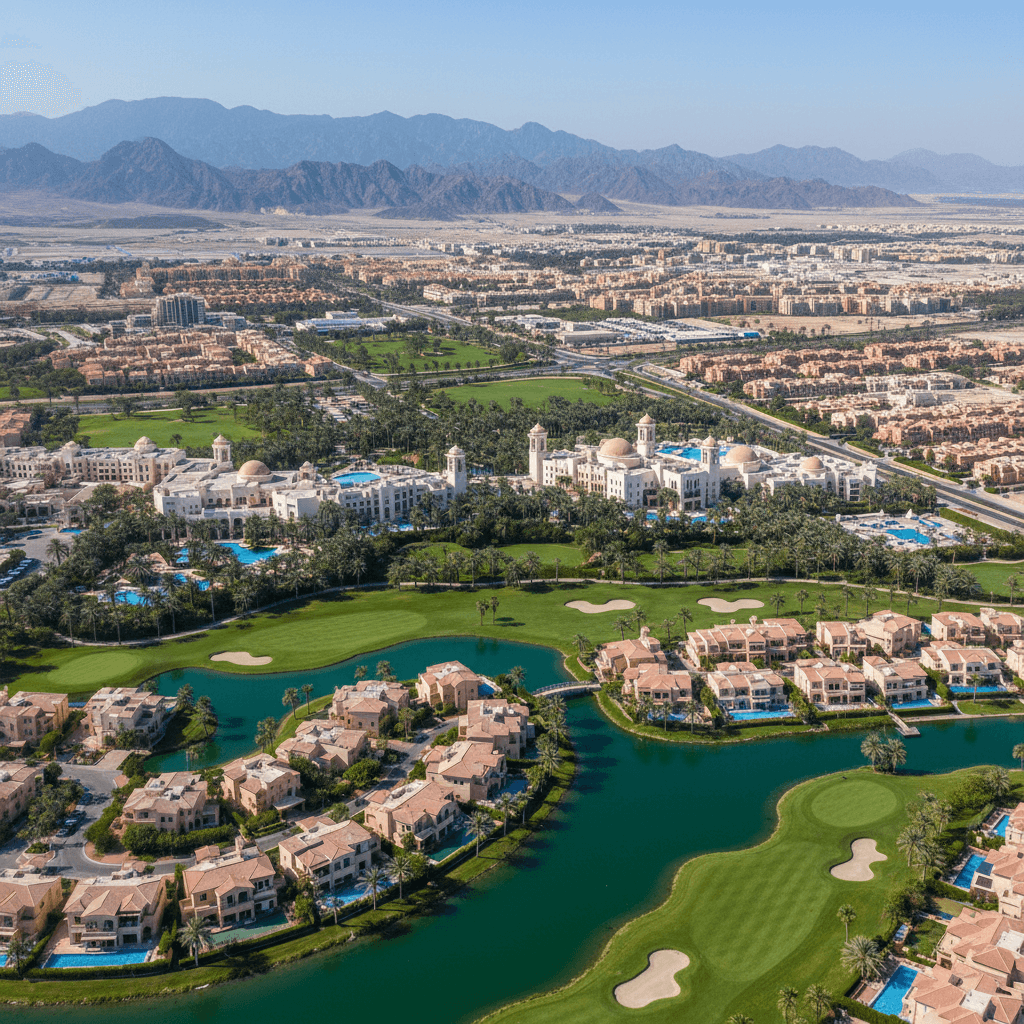
- Al Hamra Village: This is the expat and nomad hub. It feels like a self-contained Mediterranean town with a marina, golf course, and plenty of walkable paths. Most nomads gravitate here because you can find a studio for AED 3,000 to 5,000 and actually meet other people.
- Dhayah Area: Best for those who want to wake up at the foot of the mountains. It's quiet and traditional, located near the stunning Dhayah Fort. It’s cheaper, but you’ll be driving 20 minutes just to find a decent latte.
- City Center: Near the National Museum, this area is more urban and functional. Rents are lower, often starting around AED 2,500, but it lacks the vacation-style charm of the coast.
The Cost of Living
Living here is significantly easier on the wallet than in Dubai or Abu Dhabi. You can live a very comfortable life for about AED 12,000 a month, including a nice apartment and frequent mountain adventures.
- Budget Lifestyle: AED 5,000 to 8,000. Covers a basic studio in the city, plenty of AED 15 shawarmas, and relying on local buses or the occasional Careem.
- Mid-Range Lifestyle: AED 10,000 to 15,000. Includes a 1BR in Al Hamra, a rental car (about AED 100 per day), and weekend trips to Jebel Jais.
- Comfortable Lifestyle: AED 20,000+. Think beachfront living, fine dining at clifftop restaurants, and regular spa days at the Waldorf Astoria.
Connectivity and Coworking
Internet is lightning fast across the emirate, with fiber speeds reaching 1Gbps. While dedicated coworking spaces aren't as common as in larger cities, RAKEZ (the local economic zone) offers freelance hubs and permits for around AED 500 to 1,000 a month. Most nomads work from cafes in Al Hamra or resort lobbies. For mobile data, grab a du or Etisalat SIM at the airport; AED 100 will usually net you about 20GB to 50GB of data to keep you connected while exploring the wadis.
The Reality Check
It isn't all mountain sunsets and easy living. RAK is car-dependent; if you don't drive, you'll feel stranded. The nightlife is mostly confined to hotel bars, so don't expect 4:00 AM dance floors. Also, the summer heat is intense. From July to September, temperatures regularly hit 45°C, making outdoor adventures nearly impossible. However, the 2025 residency reforms are making it much easier for nomads to stay long-term, and the community is growing fast. If you can handle a quieter social calendar in exchange for the UAE's best hiking and a lower cost of living, RAK hits the sweet spot.
The Cost of Living in Ras Al Khaimah
If you're looking to escape the high-octane price tags of Dubai without sacrificing the perks of UAE life, Ras Al Khaimah (RAK) is the move. It’s significantly more affordable than its neighbors to the south, allowing your budget to stretch toward weekend adventures on Jebel Jais rather than just covering basic rent. While it lacks the dense urban infrastructure of a global hub, the trade-off is a much lower barrier to entry for a high-quality lifestyle.
Monthly Budget Tiers
- The Budget Nomad (AED 5,000 to 8,000): You're sticking to local neighborhoods, eating plenty of AED 10 shawarma, and using careem or taxis sparingly. This gets you a modest studio and a simple, local lifestyle.
- The Mid-Range Professional (AED 10,000 to 15,000): This is the sweet spot for most expats. You'll likely live in a modern 1-bedroom apartment in Al Hamra, work from local cafes, and enjoy dinners at mid-range spots for AED 50 to 80 per person.
- The Comfortable Resident (AED 20,000+): At this level, you’re living in a resort-style villa or high-end apartment, dining at upscale cliffside restaurants, and spending your weekends on the Jais Sledder or private beach clubs.
Housing and Neighborhoods
Rent will be your biggest saving compared to Dubai. Most nomads gravitate toward Al Hamra Village. It’s a gated community with its own marina, golf course, and beaches. Expect to pay between AED 3,000 and 5,000 a month for a studio or small one-bedroom here. It’s touristy, but it’s the most nomad-friendly area in the emirate.
For something more authentic and cheaper, the City Center near the National Museum offers traditional apartments for AED 2,500 to 4,000. If you prefer being near the mountains and don't mind a quieter vibe, the Dhayah area is stunning but requires a car for almost everything. Travelers often say that while Al Hamra is convenient, the outskirts offer the best panoramic views of the 58 mountains that define the RAK skyline.
Eating and Socializing
Food costs vary wildly depending on your habits. Street food is incredibly cheap; you can grab a filling meal for AED 15 at Cultural Square. If you're heading to the mountains, a meal at a clifftop spot with sunset views will set you back AED 150 or more. Nightlife is fairly muted and mostly restricted to hotels and resort bars. Most residents meet people through adventure tours or expat groups centered around the Al Hamra resorts.
Connectivity and Working
Internet is fast and reliable across the emirate, with fiber speeds reaching up to 1Gbps. For a dedicated work environment, check out the RAKEZ (Ras Al Khaimah Economic Zone) hubs. They offer freelance permits and coworking access for roughly AED 500 to 1,000 per month. If you prefer a more casual setup, the cafes in Al Hamra are the go-to spots for remote workers. A local SIM card from du or Etisalat will cost about AED 50 to 100 for a solid data package to get you started.
Getting Around
You’ll need to factor a car into your budget. RAK isn't a walkable city, and public transport is limited to a few bus routes. Most nomads use Careem or Uber for short trips, which usually cost between AED 20 and 50. If you're staying long-term, renting a car for about AED 100 per day is the most efficient way to see the Wadi Shawka waterfalls or the historic Al Jazeera Al Hamra village. Fuel costs around AED 3.20 per liter.
Visas and Paperwork
The UAE Digital Nomad Visa is the standard path, requiring proof of income over $3,500 a month. However, RAK is becoming more competitive with its own RAKEZ freelance permits, which can cost between AED 5,000 and 10,000 depending on the package. These permits are increasingly popular as the emirate rolls out new residency reforms to attract remote talent. For healthcare, RAK Hospital is the gold standard for expats, and you'll find plenty of pharmacies like Boots in the main shopping areas.
For Digital Nomads: Al Hamra Village
If you're coming to Ras Al Khaimah to work, this is where you'll likely land. It's the most established expat hub in the emirate, built around a marina, a golf course, and a stretch of private beach. Most nomads find the lifestyle here mimics a permanent vacation, but with the infrastructure needed to actually get things done.
While dedicated coworking spaces are still catching up, the RAKEZ (Ras Al Khaimah Economic Zone) freelance hubs are nearby, offering permits and desk space for around AED 500 to 1,000 per month. Most remote workers stick to the cafes around the Al Hamra Marina or the Sailing Club for reliable WiFi and a decent espresso.
- Rent: Expect to pay between AED 3,000 and 5,000 for a studio or one bedroom apartment.
- Vibe: Social and resort-like. You'll meet people at the yacht club or during weekend beach sessions.
- The Downside: It can feel a bit like a bubble. You'll definitely need a car or the Careem app to see the "real" UAE outside the gates.
For Families: Dhayah and the Northern Suburbs
Families often prefer the quieter, more residential feel of the areas near Dhayah Fort. It's tucked against the mountains, offering a dramatic backdrop and a much slower pace than the city center. It’s perfect if you want your kids to have more space and easy access to the outdoors.
The air is slightly cooler here, and you're minutes away from hiking trails. You won't find many high-rise apartments; instead, it's mostly villas and low-rise developments. It feels authentic and peaceful, though you'll be doing a lot of driving for grocery runs or school drop-offs.
- Rent: Larger villas vary wildly, but you get significantly more square footage for your money than in Dubai.
- Vibe: Quiet, traditional, and nature-focused.
- The Downside: Amenities are sparse. You won't find a trendy coffee shop on every corner.
For Solo Travelers and Culture Seekers: City Center
If you're only in town for a few weeks and want to be in the thick of things, look near the National Museum of Ras Al Khaimah. This is the heart of the old city. It's walkable by UAE standards, meaning you can actually hit a few museums, the fish market, and local souks without a vehicle.
The dining scene here is fantastic for budget-conscious solo travelers. You can grab a world-class shawarma for AED 10 or a full Middle Eastern spread at Cultural Square for under AED 60. It’s gritty compared to the resorts, but it has a soul that the newer developments lack.
- Rent: Short-term rentals and local apartments go for AED 2,500 to 4,000.
- Vibe: Busy, authentic, and historical.
- The Downside: It can be noisy, and the "nomad infra" like high-speed cafe WiFi is hit-or-miss.
For Adventure Enthusiasts: Jebel Jais Vicinity
While not a traditional residential neighborhood, the foothills and access roads leading to Jebel Jais are becoming a magnet for those who live for the weekend. This isn't where you live if you need a grocery store next door; it's where you stay if you want to be the first person on the Jais Sledder or the world's longest zipline in the morning.
Expats recommend this area for short-term stays in mountain chalets or glamping setups. The views are unparalleled, and the temperature is consistently 10 degrees cooler than the coast. You'll spend about AED 150 or more for a meal at the clifftop restaurants, but the sunset views over the craggy peaks are worth the premium.
- Cost: High for short-term stays; limited long-term housing.
- Vibe: High-altitude adrenaline.
- The Downside: Total car dependency. If you don't drive, don't stay here.
The Connectivity Landscape
Ras Al Khaimah isn't Dubai, and for most nomads, that's the whole point. While you won't find a coworking space on every corner, the digital infrastructure is rock solid. The UAE has some of the fastest fiber optic speeds globally, and RAK is no exception. Most apartments and hotels offer speeds up to 1Gbps, making video calls and heavy uploads a non issue. If you're planning to stay long term, you'll likely deal with Etisalat or du for home internet; just be prepared for the standard UAE contracts which can be a bit rigid.
For mobile data, grab a 5G SIM card at the airport or any local mall. Expect to pay between AED 50 and AED 100 for a decent starter pack with 20GB to 50GB of data. Coverage is excellent even as you head toward the mountains, though it might dip if you're deep in the wadis. Most travelers recommend using the Careem app not just for rides, but for topping up phone credit and managing local services.
Where to Get Work Done
Dedicated coworking spaces are still a relatively new concept here, but the RAKEZ (Ras Al Khaimah Economic Zone) is the primary hub for professionals. They offer business centers and zones specifically designed for freelancers that provide a more corporate, reliable environment than a standard coffee shop. It's a popular choice for those who have secured a RAKEZ freelance permit, which typically costs between AED 5,000 and AED 10,000 depending on the package.
If you prefer a more casual vibe, the cafe culture is centered around Al Hamra Village and the Marjan Island area. These spots are used to seeing laptops and offer a more relaxed atmosphere than the city center. Some nomad favorites include:
- Muse Cafe: Located in Al Hamra, it's a go to for its reliable WiFi and excellent coffee.
- Puro: While more of a restaurant, the views at their Jebel Jais location are unbeatable if you have a hotspot and want to work from the clouds for an afternoon.
- The Muse Social House: A great spot to blend work with a social atmosphere, especially in the cooler months when the outdoor seating is open.
The Nomad Setup
Living and working here requires a bit of strategy compared to more established nomad hubs. Most expats choose Al Hamra Village because it's walkable and has the highest concentration of WiFi enabled spots. If you're looking for a more authentic, quiet experience, the Dhayah area is beautiful but you'll be almost entirely dependent on your home internet and a car to get anywhere else.
Recent residency reforms in 2025 have made it significantly easier to stay legally. You can apply for the UAE Digital Nomad Visa via the ICP portal if you earn over $3,500 a month. This gives you the freedom to live in RAK's quieter environment while having the legal right to work remotely. Most nomads find that while the "hustle" culture is absent, the peace and quiet actually makes them more productive.
Practical Costs for Remote Workers
- Freelance Hub Access: AED 500 to AED 1,000 per month.
- High Speed Home Internet: AED 229 to 400 per month.
- Local SIM Card: AED 100 for a solid monthly data plan.
- Coffee at a Workspace: AED 20 to AED 30.
A common tip among the local expat community is to keep a Wise or Revolut account handy for international transfers, though local banks like Emirates NBD are very tech forward and easy to use once you have your residency sorted. You'll find that while the infrastructure is modern, the pace is human, giving you plenty of time to close your laptop and head to the beach by 5:00 PM.
Peace of Mind in the Peaks
Ras Al Khaimah is remarkably safe, even by the high standards of the UAE. You'll likely find that the biggest "danger" here is a wandering goat on a mountain road or getting a bit too much sun at the beach. Violent crime is almost non-existent, and solo travelers, including women, generally feel comfortable walking around at any hour. Most nomads find the atmosphere far more relaxed than the high-energy streets of Dubai.
While the city areas are secure, the rugged terrain of the Hajar Mountains requires a different kind of caution. If you're heading out to Wadi Shawka for a hike or exploring the trails around Jebel Jais, don't go alone. Flash floods can happen in the wadis after rare winter rains, and the desert sun is unforgiving. Expats recommend keeping a portable battery and plenty of water in your car, as cell service can get spotty deep in the canyons.
World-Class Healthcare
If you do run into trouble, the healthcare system is modern and efficient. Most medical staff are expats themselves and speak perfect English, so you won't have to worry about a language barrier during a consultation. RAK Hospital is the gold standard in the emirate, known for its premium facilities that feel more like a hotel than a clinic. It's the go-to spot for everything from routine check-ups to emergency care.
For minor issues, pharmacies like Boots or Aster are everywhere, particularly in Al Hamra Mall and the Manar Mall area. They're well-stocked with international brands, though you'll need a local prescription for many medications that might be over-the-counter in your home country. If you're moving here on a RAKEZ freelance permit or the UAE Digital Nomad Visa, having private health insurance is a requirement, and most local plans provide excellent coverage at these private hospitals.
Emergency Essentials
In the event of a real emergency, the response times are impressively fast. You should memorize 999 for police and ambulance services. The operators are used to dealing with the international community and will get help to you quickly. For non-urgent police matters, there's a dedicated number, but 999 is your primary lifeline.
- Police and Ambulance: Dial 999
- Fire Department (Civil Defence): Dial 997
- RAK Hospital: Located in Al Qusaidat, a reliable 24/7 emergency choice.
- Al Zahrawi Hospital: Another solid private option in the city center.
Practical Wellness Tips
The heat is the most significant health factor you'll deal with, especially from June to August when temperatures regularly climb above 40°C. Locals and seasoned nomads stay indoors during the peak afternoon hours and save their outdoor activities for the early morning or late evening. Dehydration can sneak up on you, so keep an electrolyte drink handy if you're spending the day at the Al Hamra beach clubs.
Tap water is generally safe for brushing your teeth, but most people stick to bottled or filtered water for drinking. You can have 5-gallon jugs delivered to your apartment for about AED 10 to 15, which is much cheaper and more eco-friendly than buying small plastic bottles at the supermarket every day.
Ras Al Khaimah is a different beast compared to the high speed urbanism of Dubai. While it feels more like a scenic retreat, the geographical spread means your transport strategy will define your experience. It is not a city where you can just step out of your apartment and wander into a metro station. Most nomads find that while the pace is slower, getting from point A to point B requires a bit of planning.
The Car Culture Reality
If you are staying for more than a few days, renting a car is the smartest move you can make. The emirate is sprawling, and the distance between the beach resorts in Al Hamra Village and the mountain trails of Jebel Jais is significant. You can expect to pay around AED 100 per day for a standard rental, and fuel costs around AED 3.20 per liter. Having your own wheels is the only way to reach the Wadi Shawka waterfalls or the Dhayah Fort without a massive headache.
Ride-Hailing and Taxis
For those who prefer not to drive, the Careem app is the gold standard here. It works seamlessly and is generally more reliable than trying to flag down a car on the street. Taxis are metered and start at a fair rate, typically costing AED 2 per kilometer. A short trip across town will usually set you back between AED 20 and AED 50. If you are coming from the Ras Al Khaimah International Airport, the 20 minute ride to the city center costs about AED 30 to AED 50.
Public Transit and Micromobility
Public buses exist, but they are limited and geared more toward intercity travel than daily commuting for a remote worker. You won't find a comprehensive internal bus network that rivals a European city. However, in localized hubs like Al Hamra, the vibe is much more pedestrian friendly. You can use resort-specific apps to rent bikes or electric scooters, which are perfect for ziping between your apartment, the marina, and the local cafes.
Navigating by Foot
Walkability is a mixed bag. The City Center near the National Museum has pockets of history that are easy to explore on foot, but the heat makes this a seasonal luxury. Between November and March, walking is pleasant. During the summer months from July to September, when highs hit 45°C, walking even a few hundred meters feels like a marathon. Most expats recommend sticking to the air conditioning and only walking within self contained communities like Al Hamra or along the beach promenades.
Logistics for Digital Nomads
If you are heading up to the mountains for the day, keep in mind that there is no public transport to the Jebel Jais summit. You'll need a car or a pre booked shuttle from one of the major hotels. For daily life, the infrastructure is catching up fast. With the 2025 residency reforms making it easier for nomads to settle here, expect more localized transport options to pop up in the coming months. For now, download Careem, keep a local Etisalat or du SIM card active for GPS, and consider a long term car lease if you plan to stay for the full season.
The Linguistic Landscape
You won't need to brush up on your Arabic to survive in Ras Al Khaimah, but knowing a little goes a long way. While Arabic is the official language, English is the glue that holds the business and social scenes together. Because the emirate relies heavily on an international workforce and a growing tourism sector, you'll find that almost everyone from taxi drivers to government officials speaks English fluently.
Most nomads find the transition quite smooth. Menus, road signs, and official documents are almost always bilingual. If you're heading into the more remote wadis or exploring the historic Al Jazeera Al Hamra fishing village, you might encounter older locals who prefer Arabic, but even then, a smile and some basic gestures usually do the trick.
Mastering the Basics
While you can get by with zero Arabic, using a few local terms is a sign of respect that opens doors. It changes the dynamic from being a temporary visitor to a resident who cares about the culture. Travelers often say that a simple greeting can turn a standard transaction into a friendly conversation.
- Marhaba: A standard, friendly "Hello."
- Shukran: "Thank you." You'll use this constantly at cafes and shops.
- Assalamu Alaikum: A more formal greeting meaning "Peace be upon you." The standard response is Walaikum Assalam.
- Inshallah: "God willing." You'll hear this used for everything from business deals to weather forecasts. It generally means "hopefully" or "we'll see."
Digital Tools and Translation
For those moments when you're staring at a package in a grocery store or trying to read a local flyer in the City Center, technology is your best friend. Google Translate is the gold standard here. Its camera feature is particularly useful for translating Arabic script on the fly. Most expats recommend downloading the Arabic language pack for offline use, especially if you're heading up to Jebel Jais where signal can occasionally dip in the deep canyons.
If you're looking to actually learn the language, RAK is a bit quieter than Dubai for formal schools. Most nomads opt for private tutors or apps like Duolingo or Rosetta Stone. However, the best way to practice is simply by hanging out in local spots like the Cultural Square and chatting with the shopkeepers.
Communication for Nomads
Staying connected is rarely an issue. The UAE has some of the fastest mobile internet in the world. When you land, you can pick up a du or Etisalat SIM card right at the airport. Expect to pay around AED 50-200 for starter packs with substantial data (e.g., 20GB+).
One quirk to keep in mind: Voice over IP (VoIP) services like WhatsApp Calling or Skype are often restricted over cellular data in the UAE. Most people use Botim or Zoom for video calls, or simply stick to text and voice notes on WhatsApp, which work perfectly fine. If you're working from a cafe in Al Hamra Village, the fiber optic WiFi will usually be strong enough to handle any heavy lifting without needing a workaround.
Cultural Nuances in Conversation
Communication in RAK is generally polite and indirect. It's common to spend the first few minutes of a business meeting or a long taxi ride engaging in small talk. Rushing straight to the point can sometimes come across as brusque. If you're dealing with government entities like RAKEZ for your freelance permit, patience and a polite demeanor are your most effective tools. Expats often note that the "slow burn" approach to communication reflects the overall relaxed pace of life in the northern emirates.
Emergency Contacts
In the event of an emergency, the language barrier is non-existent. The operators on the main emergency lines are multi-lingual and trained to assist expats and tourists. Save these numbers in your phone before you head out on any mountain hikes:
- 999: Police and Ambulance.
- 998: Ambulance (direct).
- 997: Fire Department.
Surviving the Heat and Chasing the Breeze
Ras Al Khaimah operates on a binary weather system. You're either basking in some of the most beautiful outdoor weather in the Middle East or you're retreating to the nearest high power AC unit. Because the emirate is defined by its rugged topography, the climate feels a bit more varied than the flat coastal stretches of Dubai or Abu Dhabi.
The sweet spot for nomads falls between November and March. During these months, daytime temperatures hover between 20°C and 30°C. It's the only time of year when hiking the wadis or working from a terrace in Al Hamra Village is actually comfortable. You might even catch a rare winter rain shower in January or February, which turns the desert surprisingly green for a few days.
The Seasonal Breakdown
- Peak Season (December to February): Expect perfect 25°C days. This is prime time for Jebel Jais adventures, but it's also when resort prices peak and the popular hiking trails get crowded with weekenders from Dubai.
- Shoulder Season (October to November & April to May): Temperatures sit between 28°C and 35°C. It's manageable if you're moving between air conditioned spaces, and the sea is still warm enough for evening swims.
- Off-Peak (June to September): This is the "indoor season." Highs regularly hit 40°C to 45°C with intense humidity. Most nomads who stay through the summer shift their schedules to be active only after sunset.
The Jebel Jais Exception
One major perk of RAK is Jebel Jais. Because it's the highest peak in the UAE, the summit is usually 10°C cooler than the coast. When the city center is sweltering at 40°C, the mountain might be a bearable 30°C. Many expats drive up to the 1484 by Puro restaurant just to catch a break from the humidity and work with a view of the Hajar Mountains.
Monthly Temperature Guide
- January to March: 25 to 30°C. Ideal for outdoor work and mountain trekking.
- April to June: 35 to 42°C. The heat starts to bite; move your workstation indoors by noon.
- July to September: 38 to 45°C. Extreme heat. Most outdoor attractions like the Jais Sledder have limited hours or close during the peak afternoon sun.
- October to December: 28 to 35°C. Pleasant evenings return and the outdoor cafe culture in Al Hamra Village wakes back up.
When to Plan Your Move
If you're looking to scout apartments in Al Hamra or the City Center, aim for late October. You'll beat the mid winter rush of tourists, but you won't melt while walking between viewings. If you arrive in the dead of summer, you'll likely find better deals on short term rentals, but you'll be trapped in a car or a mall for 90% of your stay.
Travelers often suggest timing your visit to avoid the peak of Ramadan if you're looking for a social atmosphere. While RAK is more relaxed than it used to be, many local spots have shorter hours during the fasting month. However, if you prefer a quiet, slow paced environment to focus on a big project, the Ramadan period can be incredibly peaceful for deep work.
The Nomad Budget
Living in Ras Al Khaimah (RAK) is significantly easier on the wallet than Dubai or Abu Dhabi. Most nomads find they can maintain a high quality of life for about 30% less than in the bigger hubs. If you're sticking to a budget, expect to spend between AED 5,000 and 8,000 monthly. This covers a basic studio, plenty of street food like shawarma from Cultural Square, and getting around via Careem.
For a mid range lifestyle, budget AED 10,000 to 15,000. This gets you a one bedroom apartment in a nicer area, a dedicated coworking setup, and regular dinners at spots like the Jebel Jais clifftop restaurants. If you're looking for the resort lifestyle with upscale meals and frequent mountain adventures, you'll want AED 20,000 or more in your monthly kitty.
Where to Set Up Base
The neighborhood you choose defines your RAK experience. Since the city isn't very walkable, your immediate surroundings matter.
- Al Hamra Village: This is the expat and nomad favorite. It's built around a marina and golf course with easy beach access. You'll find studios and one bedroom units renting for AED 3,000 to 5,000. It's a bit touristy, but the convenience is hard to beat.
- Dhayah Area: If you want quiet and mountain views, this is it. It’s near the historic Dhayah Fort and offers a more authentic, rugged feel. Rent is lower, often AED 2,500 to 4,000, but you'll definitely need a car for everything from groceries to coffee.
- City Center: Best for those who want to be near the National Museum and local markets. It’s more urban and less "resort," but it lacks the specific infrastructure nomads usually look for.
Connectivity and Workspace
Internet in the UAE is world class. You can get fiber speeds up to 1Gbps, which is plenty for video calls and heavy uploads. For mobile data, pick up a SIM from du or Etisalat at the airport. You'll pay roughly AED 50 to 100 for a decent 20GB to 50GB starter pack.
Dedicated coworking spaces are still catching up to the demand. The RAKEZ zones offer freelance hubs that cost between AED 500 and 1,000 a month if you have a permit. Otherwise, the cafe culture in Al Hamra is your best bet. Many nomads work from the resort lounges or smaller cafes where the WiFi is reliable and the coffee is strong.
Getting Around
Don't expect to walk much here. The heat and the city layout make a car a necessity. Careem and Uber are the go to apps for rides, with short trips costing between AED 20 and 50. If you're staying longer than a week, rent a car for about AED 100 a day. It’s the only way to reach the mountain trails or the Wadi Shawka waterfalls without spending a fortune on taxis.
Visas and Paperwork
The UAE Digital Nomad Visa is the gold standard here. You'll need proof of income over $3,500 a month to apply via the ICP portal. If you don't meet that, look into the RAKEZ freelance permit. It costs between AED 5,000 and 10,000 and 2025 reforms are making the process much faster for remote workers.
Seasonal Realities
The weather dictates the social calendar. From November to March, the weather is perfect, averaging 25 to 30°C. This is when the hiking trails are packed and the ziplines are busy. Summer, specifically July and August, is brutal. Temperatures often hit 45°C with high humidity, meaning you'll spend almost all your time indoors or in the pool.
Local Customs and Safety
RAK is incredibly safe, even for solo night owls. There aren't really any "bad" areas to avoid. Just remember that while it's more relaxed than other emirates, you should still dress modestly in public buildings and government offices. During Ramadan, be mindful of fasting hours in public spaces. For health needs, RAK Hospital is a modern facility with English speaking staff, and Boots pharmacies are easy to find for everyday supplies.
Need visa and immigration info for United Arab Emirates?
🇦🇪 View United Arab Emirates Country GuideEasy Landing
Settle in, no stress
Monthly Budget Estimates
More cities in United Arab Emirates
Sharjah
🇦🇪 United Arab Emirates
Dubai
🇦🇪 United Arab Emirates