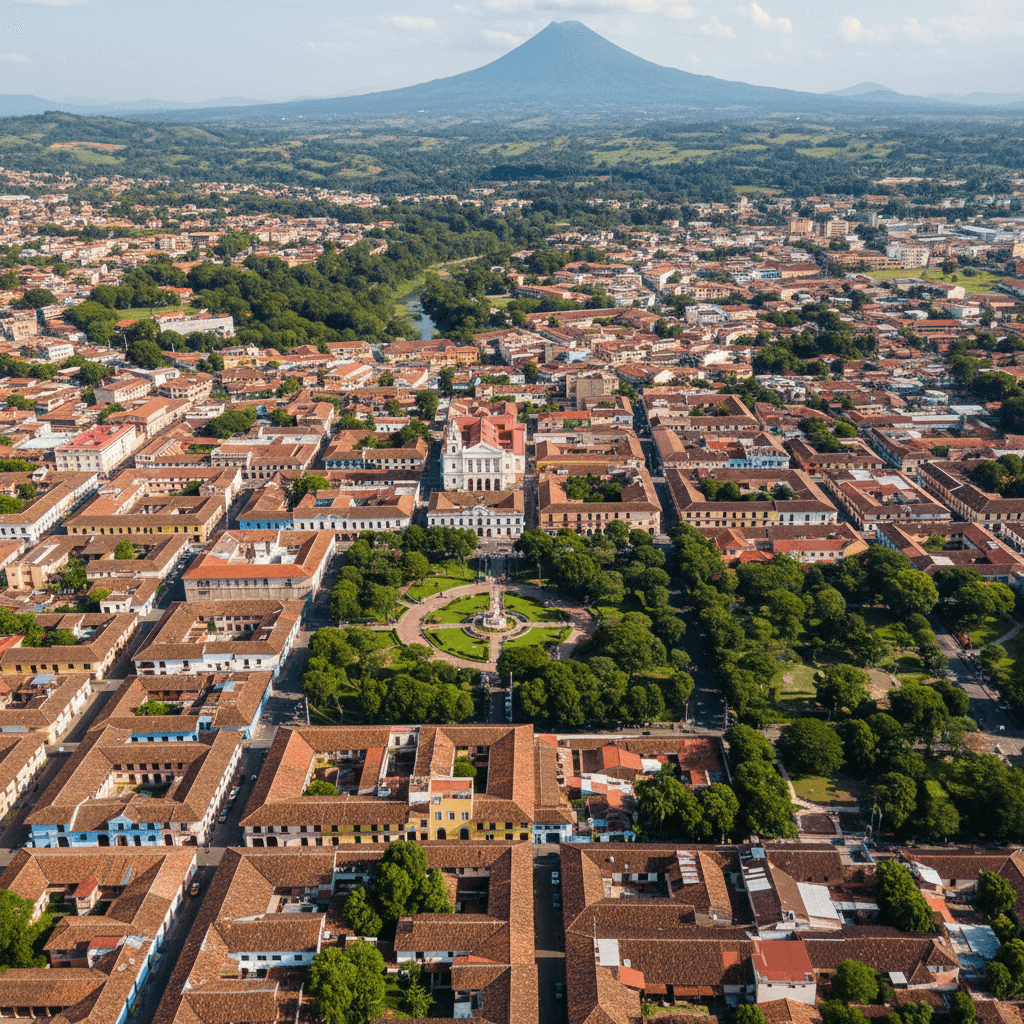
Quetzaltenango (Xela)
🇬🇹 Guatemala
The Highland Soul of Guatemala
If Antigua is Guatemala's polished, postcard-perfect showroom, Quetzaltenango, or Xela (pronounced shay-la), is its beating, unvarnished heart. Nestled 2,330 meters high in the western highlands, this isn't a place where you'll find rows of avocado toast spots or neon-lit beach clubs. Instead, you'll find a city of volcanic stone buildings, misty mornings, and a deep sense of K’iche’ Maya identity that refuses to cater to the typical tourist gaze.
The vibe here is studious and grounded. Most nomads who land in Xela come for the world-class Spanish schools, but they stay for the cost of living and the accessibility to the wild. You’ll spend your mornings working from a courtyard café and your afternoons hiking up Volcán Santa María or soaking in the sulfur baths at Fuentes Georginas. It’s a city for those who prefer wool sweaters and boots over flip-flops, and meaningful local connections over a revolving door of backpacker parties.
Cost of Living Breakdown
Xela is significantly easier on the wallet than Lake Atitlán or Antigua. Most solo nomads find they can live comfortably on $800 to $1,200 per month, while families usually spend between $1,800 and $2,500 for high-end housing and private services.
- Housing: A local studio in Zona 1 or 3 runs $300 to $500. If you want a furnished, modern apartment in a secure zone, expect to pay $700 to $1,000.
- Food: Street pupusas and market tortillas cost about $2 to $4. A meal at a mid-range café like Sabor de la India or Bajo la Luna usually lands between $6 and $12.
- Transportation: Microbuses are a bargain at $0.50, while an inDrive or taxi across town costs roughly $3 to $5.
The Neighborhood Scene
Xela doesn't have a dedicated "nomad district," but most remote workers gravitate toward a few specific pockets depending on their tolerance for noise and their need for speed.
Zona 1 (The Historic Center)
- Rent: $400 to $700
- The Vibe: This is the soul of the city, centered around Parque Centroamérica. It’s walkable, packed with neoclassical architecture, and home to the best coffee shops. It’s the best spot for solo travelers who want to be near the action, though the traffic can be loud and petty theft is a minor concern at night.
Zona 3 (The Commercial Hub)
- Rent: $300 to $500
- The Vibe: Home to the massive La Democracia market. It’s more chaotic and less "pretty" than Zona 1, but it’s where you’ll find the best deals on fresh produce and authentic local life. It’s a great choice for families or long-termers looking for lower rents and a real immersion experience.
Connectivity and Work Culture
The coworking scene in Xela is still in its infancy compared to Guatemala City. You won't find many dedicated "hot desk" offices, but the city’s café culture fills the gap. Most nomads treat Spanish schools as their de facto offices; many schools offer reliable Wi-Fi and quiet corners for students who work remotely. In the urban core, you can expect speeds of 10 to 20 Mbps, which is plenty for Zoom calls, though it gets patchier as you move toward the outskirts.
For mobile data, grab a Tigo or Claro SIM card. You can get roughly 20GB to 50GB of data for $15 to $20. It’s a smart backup because the city’s power grid occasionally takes a nap during the heavy rain season from May to October.
Safety and Daily Life
Xela feels safer and more communal than Guatemala City, but it’s still a place where you need to keep your wits about you. Locals recommend avoiding poorly lit areas in Zona 1 after dark and sticking to inDrive rather than hailing random taxis on the street. Healthcare is surprisingly accessible; private clinics near the language schools are affordable, and pharmacies like Farmacias Batres are on almost every corner.
The emotional payoff of living here is the lack of "tourist fatigue." When you greet someone with a "buenos días" in the market, they usually mean it back. You aren't just another face in a crowd of travelers; in Xela, you're part of a community that values its traditions as much as its future.
Living Large on a Highland Budget
Xela is where your dollar goes significantly further than in Antigua or Lake Atitlán. While those spots cater to the tourist crowd, Xela remains a working Guatemalan city. You can comfortably navigate life here on $800 to $1,200 USD per month if you're solo. Families usually find that $1,800 to $2,500 USD covers a high standard of living, including a larger furnished home and plenty of meals out.
The local economy revolves around the markets and Spanish schools. You'll find that your biggest savings come from food and local transport. A morning trip to the market for fresh produce costs a fraction of what you'd pay at a supermarket, and a quick lunch of pupusas on the street will only set you back about $2.
Monthly Cost Breakdown
- Budget Tier ($800–$1,000): Best for those happy in shared housing or local apartments in Zona 3. You'll eat primarily at markets and use public microbuses.
- Mid-Range ($1,200–$1,800): The sweet spot for most nomads. This covers a private one bedroom in the city center, frequent café visits for work, and weekend trips to the hot springs.
- Comfortable ($2,000+): This buys you a premium furnished colonial home, international fusion dining, and private transport like inDrive for every trip.
Housing and Neighborhoods
Xela doesn't have a gated expat "bubble," which is exactly why people love it. You'll be living alongside locals, but a few areas are particularly popular with the remote work crowd.
Central Xela (Parque Centroamérica)
- The Vibe: The heart of the action. You're steps away from the best coffee shops and language schools.
- Rent: $400 to $700 for a one bedroom.
- Pros: Totally walkable; high concentration of other nomads.
Zona 1 and 3
- The Vibe: Authentic and busy. These areas are near the major markets and offer a deeper look at daily life.
- Rent: $300 to $500.
- Pros: Cheapest grocery options and very affordable local housing.
Connectivity and Workspace
Internet in Xela is reliable enough for Zoom calls in the urban core, usually averaging 10 to 20 Mbps. If you head toward the outskirts or the mountains, speeds drop significantly. There isn't a massive corporate coworking scene here yet, so most nomads treat the city's coffee shops as their office.
Spanish schools are the secret weapon for remote workers. Many offer immersion packages that include workspace and reliable Wi-Fi. For mobile data, grab a SIM card from Tigo or Claro. You can get a 50GB plan for about $20, which serves as a great backup if your apartment Wi-Fi blinks during a tropical rainstorm.
Practical Spending and Logistics
Getting around is cheap if you're brave enough for the microbuses, which cost about $0.50 per ride. For more comfort, skip the street taxis and use inDrive. It's the preferred ride-hailing app here and usually costs between $3 and $7 for trips across town.
Banking is straightforward with Banco Industrial ATMs being the most reliable for foreign cards. If you're planning a long stay, look into the new temporary residence permit launched in October 2025 specifically for digital nomads. It allows you to stay beyond the standard 90-day visa-free entry, making it much easier to sign a long-term lease and truly settle into the highland rhythm.
Healthcare is surprisingly accessible. While you'll want to head to Guatemala City for major surgeries, local private clinics near the language schools are excellent for minor issues. Expats often visit Farmacias Batres for quick prescriptions, and a consultation at a private clinic is usually very affordable compared to North American or European prices.
For Nomads and Social Butterflies: Central Xela
If you want to be where the action is, look no further than the blocks surrounding Parque Centroamérica. This is the heart of the city, dominated by stunning neoclassical architecture and the highest concentration of laptop friendly spots. Most nomads settle here because it's the only part of town where you can walk to your Spanish lesson, a specialty coffee shop, and a local market within ten minutes.
- Rent: Expect to pay between $400 and $700 for a furnished one bedroom apartment.
- Vibe: High energy, walkable, and social. You'll run into the same faces at the park or the local bars.
- Workspace: Since dedicated coworking spaces are still popping up, most people work from local favorites like Sabe Pan or various Spanish schools that offer reliable Wi-Fi.
The trade off for being central is the noise. Xela's streets are narrow, and the sound of buses and bells carries. Safety is generally good during the day, but travelers recommend sticking to well lit paths and using inDrive for late night trips home to avoid petty theft risk in the quieter side streets.
For Expats and Long Termers: Zona 3
For those planning to stay through the 90 day visa period or applying for the new temporary residence permit, Zona 3 offers a more residential, "real world" feel. It's home to the Mercado Democracia, a massive sprawl where you can get fresh produce for pennies. This area feels less like a tourist hub and more like a functional city neighborhood.
- Rent: Budget around $300 to $500 for local style housing.
- Amenities: Close to Farmacias Batres and larger grocery stores.
- Pros: You get more space for your money and a deeper connection to the local community.
For Families and Culture Seekers: Zona 1 (South)
Families often prefer the southern edges of Zona 1 or the transition into Zona 3. It’s a bit quieter than the immediate park area but still close enough to enjoy the festivals and parades that Xela is famous for. Expats with kids appreciate the proximity to private clinics and the abundance of affordable local tutors.
- Cost of Living: A comfortable family lifestyle here usually runs between $1,800 and $2,500 per month.
- Activities: Easy access to the local textile markets and family run comedores where a full meal (almuerzo ejecutivo) costs about $5.
- Safety: Families often report a welcoming, community oriented vibe, though it's still smart to keep an eye on your belongings in crowded market areas.
For Solo Adventurers and Nature Lovers: The Outskirts
If you're in Xela specifically for the volcanoes and hot springs, you might consider staying on the western fringes or near the trails leading toward Fuentes Georginas. These areas are much quieter and offer stunning highland views, but they come with a "digital nomad lite" lifestyle.
- Transport: You'll rely on $0.50 microbus rides or taxis to get into the center.
- Internet: Connections can be spotty, often dropping below 10 Mbps, so a Tigo or Claro SIM card with a 20GB to 50GB data plan is a mandatory backup.
- Best for: People who prioritize hiking Laguna Chicabal over having a local coworking office.
Most travelers find that starting in a central guesthouse or an Airbnb near the park for the first week is the best way to get the lay of the land. From there, you can scout local Facebook groups like Xela Expats to find long term rentals that aren't listed on the major platforms.
Connectivity in the Highlands
Working from Xela requires a bit more flexibility than you might need in a tech hub like Mexico City or even Antigua. The internet in the city center typically ranges between 10 to 20 Mbps. While that's plenty for Zoom calls and standard workflows, it can get spotty if you head toward the rural outskirts or deep into the mountains where speeds often drop to 5 Mbps.
Most nomads rely on the city's robust café culture or their Spanish schools for a stable connection. If you're planning a long stay, pick up a local SIM card immediately. Tigo and Claro are the main players here. You can grab 20GB to 50GB of data for roughly $10 to $20 at any of the branded stores in Zona 1 or Zona 3. Having a hotspot as a backup is a smart move, especially during the rainy season from May to October when power flickers can occasionally happen during heavy afternoon storms.
Coworking and Shared Spaces
Xela doesn't have the massive, flashy coworking franchises you'll find in larger capitals. Instead, the scene is intimate and community driven. Many remote workers use Spanish immersion schools as their de facto offices. These schools often have reliable Wi-Fi, quiet courtyards, and a built-in community of fellow travelers and expats.
If you need a dedicated desk, the infrastructure is still emerging. While you won't find a local version of Antigua's Impact Hub just yet, many nomads find that the local price point makes up for the lack of amenities. Expect to pay around $5 to $10 for a day pass at smaller local hubs, or roughly $100 to $150 for a monthly arrangement if you negotiate a spot at a language center or a boutique hotel business center.
The Best Laptop-Friendly Cafés
Since dedicated coworking spaces are limited, the local cafés do the heavy lifting. The area around Parque Centroamérica is the sweet spot for finding a corner to work for a few hours. Travelers generally find the staff in Xela to be incredibly patient with laptop users, provided you keep the coffee and snacks flowing.
Bajo la Luna: Great for a more relaxed afternoon session; the ambiance is cozy and they have reliable enough Wi-Fi for non-video tasks.
Conexión: Often cited by expats as one of the better spots for a stable signal and a more "work-centric" vibe.
Practical Setup Tips
If you're staying for more than a few weeks, don't just rely on Airbnb Wi-Fi descriptions. It's common for "high speed" to mean something different in the highlands than it does back home. Ask hosts for a speed test screenshot before booking, especially if your job involves heavy video rendering or constant calls.
Power Protection: Surge protectors are a good investment here. The grid is generally fine, but mountain weather can be unpredictable.
Digital Nomad Visa: As of October 2025, Guatemala has introduced a new temporary residence permit specifically for remote workers staying longer than 90 days. It’s a game changer for those who want to call Xela home for a full year.
Banking: Use Wise or Revolut to manage your funds and stick to Banco Industrial ATMs for the most reliable withdrawals.
Overall, Xela is for the nomad who prioritizes "real life" over a polished office aesthetic. You might have to hunt a little harder for the perfect ergonomic chair, but working with a view of the Santa María volcano while paying $400 for a central apartment makes the extra effort worth it.
Staying Safe in the Highlands
Xela feels worlds away from the frantic energy of Guatemala City. It has a more grounded, community focused atmosphere that most nomads find refreshing. While it's generally safer than the capital, you still need to keep your wits about you. Petty theft is the most common issue, especially in crowded spots like Parque Centroamérica or the chaotic aisles of the local markets. Keep your phone tucked away and don't flash expensive camera gear while you're wandering the cobblestones.
The city's layout can be confusing after dark. Most expats recommend sticking to well lit central areas at night and avoiding solo walks in Zona 1 or the outskirts once the sun goes down. If you're heading home late from a bar or a late night study session, skip the street taxis. Instead, use inDrive or call a trusted radio taxi. It'll only cost you between $2 and $5, which is a small price for peace of mind.
If you're planning to hit the trails at Laguna Chicabal or trek up a nearby volcano, don't go alone. Local wisdom suggests joining a group or hiring a guide from one of the Spanish schools. It's not just about directions; it's about safety in numbers. In the rare event of an emergency, you can reach the police at 125 or call 122 for an ambulance or fire services.
Healthcare and Wellness
You'll find that healthcare in Xela is surprisingly accessible and much more affordable than in the US or Europe. For minor ailments, pharmacies like Farmacias Batres are everywhere. They're often your first stop for basic meds or advice. Many pharmacists can recommend over the counter treatments for common traveler issues like altitude sickness or stomach bugs.
For more serious concerns, the city has several reliable options:
- Hospital Regional de Occidente: The main public facility, though it can be crowded and slow.
- Private Clinics: Many expats prefer private clinics near the language schools in Zona 1. They're affordable and often have staff who speak some English.
- Dental Care: Xela is a popular spot for dental work because the quality is high and the prices are a fraction of what you'd pay back home.
If you need specialized care, you might find yourself heading to Guatemala City, but for 95% of what a nomad might need, Xela handles it just fine. Most private consultations will run you between $25 and $50, and lab tests are equally budget friendly. Travelers often mention that the personal care in these smaller clinics feels more attentive than the bureaucratic systems they're used to.
Staying Healthy in the Thin Air
Don't underestimate the altitude. Xela sits at over 2,300 meters, and the air is thin. Give yourself a few days to acclimate before attempting any heavy volcano hikes. Stay hydrated, take it easy on the Gallo beer for the first 48 hours, and keep a sweater handy. The temperature drops fast when the sun sets, and catching a cold is the easiest way to ruin a week of Spanish classes. Stick to bottled or filtered water, and you'll likely avoid the typical digestive hurdles.
The Layout of the Land
Xela is a city built for walking, at least within the historic core of Zona 1. The cobblestone streets around Parque Centroamérica are packed with everything you'll need: language schools, hidden courtyard cafés, and banks. Most nomads find they rarely need wheels if they're staying central. The city's grid can be a bit confusing at first because of the hilly terrain, but once you find your bearings, you'll likely prefer your own two feet over the chaotic local traffic.
While the center is walkable, biking isn't particularly popular or safe here. The combination of steep inclines, narrow streets, and aggressive bus drivers makes cycling a stressful endeavor rather than a relaxing commute. If you're heading further out to Zona 3 or the big shopping malls, you'll want to look at motorized options.
Public Transport: Microbuses and Chicken Buses
For the true local experience, the microbuses (minivans) are the lifeblood of the city. They follow set routes and cost about $0.50 per ride. You'll see the destination painted on the windshield or hear a conductor shouting it out the door. They're cramped and loud, but they're incredibly efficient for getting across town quickly.
If you're planning a day trip to the Fuentes Georginas hot springs or the Laguna Chicabal trailhead, you'll likely encounter the famous "chicken buses." These retired North American school buses are brightly painted and incredibly cheap, usually costing between $1 and $3 depending on the distance. They're great for the budget, but keep a close eye on your bags in the overhead racks.
Ride-Hailing and Taxis
Uber has a very limited presence in Xela, and you shouldn't count on it, especially late at night. Instead, most expats and locals rely on inDrive. It's an app where you negotiate the fare with the driver before they arrive. It's generally safer and more transparent than hailing a random taxi on the street.
- Standard Taxi: Expect to pay $2 to $5 for most trips within the city. Always agree on the price before getting in, as meters are rarely used.
- inDrive: Usually slightly cheaper than taxis, with rides starting around $2. It's the preferred way to get home after a late dinner.
- Radio Taxis: If you're heading to the airport or have a timed commitment, ask your language school or host to call a reputable radio taxi company.
Getting to Xela
Most nomads arrive via La Aurora International Airport (GUA) in Guatemala City. From there, you have a few choices for the four to five hour journey into the highlands. The most comfortable option is a shared shuttle, which costs roughly $25 to $35 and drops you off directly at your accommodation. It's a long, winding climb into the mountains, so bring some water and maybe some motion sickness tablets if you're sensitive to curves.
For a more premium experience, the Alamo or Cristóbal Colón bus lines offer "Pullman" style coaches with reclining seats and air conditioning for about $15 to $20. These are much safer and more relaxing than taking a series of chicken buses with all your luggage. Xela does have a small domestic airport, but flights are sporadic and often more expensive than the ground commute.
Practical Transport Tips
- Safety: Avoid walking alone in poorly lit areas of Zona 1 or the outskirts after dark. Stick to inDrive or a trusted taxi service after 9:00 PM.
- Rentals: You can find small shops renting scooters for about $5 to $10 a day, but unless you're experienced with mountain driving and potholes, it's usually better to stick to taxis.
- Walking: Wear sturdy shoes. The sidewalks are uneven, and the cobblestones can be slippery when the afternoon rains hit between May and October.
The Language Landscape
Xela is widely considered the Spanish learning capital of Central America. Unlike Antigua, where you can easily survive using English, Quetzaltenango demands a bit more effort. Spanish is the primary language for daily life, but you'll also hear the rhythmic sounds of K'iche' and Mam. These indigenous Mayan languages are spoken by a large portion of the population, especially in the markets and surrounding highland villages.
English proficiency is relatively low outside of the staff at language schools and a handful of upscale cafés around Parque Centroamérica. If you're heading to a local pharmacy like Farmacias Batres or grabbing a $2 pupusa from a street stall, you'll need the basics. Most nomads find that even a week or two of intensive study at a local school completely changes their experience here.
Immersive Learning
The city's reputation for language schools isn't just hype; it's the backbone of the expat community. Schools here often pair you with a local family for a homestay, which is the fastest way to gain fluency. Even if you prefer your own apartment in Zona 1, many schools offer social activities, volunteer placements, and group hikes to Laguna Chicabal that help you practice in the real world.
- Spanish Schools: Expect to pay between $150 and $250 per week for 20 hours of one on one instruction.
- Maya Languages: Some specialized schools offer introductory courses in K'iche' if you want to connect more deeply with the highland culture.
- Language Exchanges: Keep an eye on the bulletin boards in Bajo la Luna for informal "intercambio" nights.
Communication Essentials
While the physical language is Spanish, the digital language is WhatsApp. You'll use it for everything from ordering water delivery to messaging your inDrive driver. To stay connected, grab a Tigo or Claro SIM card as soon as you arrive. Tigo generally has the best coverage in the mountainous areas if you plan on hiking Volcán Santa María.
- SIM Card Cost: Roughly $10 to $20 for a generous data package of 20 to 50GB.
- Mobile Data: 4G is reliable in the city center, but it drops off quickly once you head toward the hot springs or rural outskirts.
- Translation Apps: Download the Spanish offline dictionary on Google Translate. It's a lifesaver when you're deep in the markets and the signal gets spotty.
Cultural Nuances
Politeness goes a long way in Xela. It's standard practice to greet people with a "Buenos días" or "Buenas tardes" when entering a shop or sitting down at a communal table. When asking for the price of something in the markets, use "¿A cuánto tiene...?" or "¿Cuánto cuesta?". Expats recommend learning the numbers up to one hundred early on, as market vendors move fast and prices are rarely marked. If you find yourself in a bind, the phrase "Ayuda, por favor" is understood by everyone and will usually bring a helpful local to your side.
Mountain Air and Microclimates
Living in Xela means embracing the highland chill. Sitting at over 2,300 meters, the city doesn't have the tropical heat many expect from Central America. Instead, you'll find a crisp, spring like climate where the sun is intense during the day but the temperature drops sharply once it sets. Most nomads find they need a solid jacket and a few layers, especially if they're staying in older colonial buildings that lack central heating.
The Best Time to Visit: November to April
The dry season is comfortably the best window to book your stay. From November through April, you can expect clear blue skies and reliable sunshine. This is peak season for hikers and outdoor enthusiasts. If you're planning to summit Volcán Santa María or trek to Laguna Chicabal, these months offer the best visibility and dry trails.
- November and December: These are the coolest months. Nighttime temperatures can dip toward 5°C (41°F), but the air is incredibly fresh and the festival energy in the city is high.
- January to March: This is the sweet spot for remote work. The weather is predictable, with daytime highs reaching a perfect 22°C (72°F). It's ideal for sitting in the courtyard of a Spanish school or working from a café terrace.
- April: The tail end of the dry season is the warmest time of year. It’s a great month for visiting the Fuentes Georginas hot springs before the afternoon rains begin to dominate the schedule.
The Rainy Season: May to October
While the rainy season doesn't mean constant storms, it does change the rhythm of the city. You'll usually wake up to clear skies, but heavy downpours are common starting around 2:00 PM or 3:00 PM. Travelers often say this is the best time for deep work; you get your errands done in the morning and settle into a cozy café or Sabor de la India for the afternoon while the rain clears the dust.
The "worst" months are typically June and September. During this time, the trails become muddy and slick, making volcano treks a bit more grueling. However, the surrounding mountains turn a brilliant, lush green that you won't see during the dusty dry season. If you don't mind the dampness, you'll also find that accommodation prices are slightly more negotiable during these months.
What to Pack for Xela's Weather
Because of the altitude, the sun is stronger than it feels. Even when it's cool, you'll want high SPF sunscreen for those long walks through Zona 1. Expats recommend bringing a high quality rain shell and at least one heavy fleece for the evenings. If you’re coming in December or January, don't forget a warm hat; those highland nights are no joke when you're in a room with high ceilings and tile floors.
Seasonal Events and Culture
Timing your visit can also depend on the local calendar. September is a massive month for Xela because of Ferias de Independencia. The city explodes with parades, concerts, and food stalls. It’s loud and crowded, but it's the best time to see the city's pride on full display. Alternatively, Semana Santa (Holy Week) in March or April offers a more traditional experience with intricate processions, though it's much more low key and authentic here than the massive tourist spectacle in Antigua.
Cost of Living
Xela is significantly easier on the wallet than Antigua or the Lake Atitlán villages. You can live a very comfortable life here for $1,200 to $1,800 USD per month, though solo nomads sticking to local markets and shared housing often get by on $800 to $1,000. If you're bringing a family, expect to spend between $1,800 and $2,500 for a furnished house in a secure area.
- Housing: A basic studio in a local neighborhood runs $300 to $400. For a furnished 1BR in the heart of Zona 1, prices jump to $400 to $600. High end, expat style rentals in gated zones can reach $1,000.
- Food: You'll find pupusas and tortillas at the markets for $2 to $4. A meal at a mid range café costs $5 to $10, while a high end international fusion dinner will be closer to $20.
- Transport: Local microbuses are a steal at $0.50 per ride. Private taxis across town usually cost $2 to $5.
Neighborhoods to Know
Central Xela (Zona 1) is the heartbeat of the city and where most nomads land. It's walkable, packed with Spanish schools, and surrounds the iconic Parque Centroamérica. You'll pay $400 to $700 for a decent apartment here. The downside is the noise and the occasional pickpocket in crowded spots.
Zona 3 is where you go for a more authentic, less "traveler" feel. It's near the major markets and offers lower rents, usually between $300 and $500. It's great for families who want to be near local festivals, though you'll find fewer English speakers here.
If you're here for the mountains, look at the Outskirts near the hiking trails. It's quiet and scenic, but the internet can be spotty and you'll rely heavily on taxis to get into town for supplies.
Internet and Remote Work
Don't expect lightning speeds. Urban Xela averages 10 to 20 Mbps, which is plenty for Zoom calls but might struggle with massive file uploads. Connections in the rural outskirts often drop to 5 Mbps. Most nomads work from cafés or their Spanish schools, as dedicated coworking spaces are still a new concept here. For a reliable mobile backup, grab a SIM card from Tigo or Claro. A 50GB plan costs about $20 and offers solid 4G coverage in the city center.
Safety and Healthcare
Xela is generally safer than Guatemala City, but you still need to keep your wits about you. Avoid walking alone in poorly lit parts of Zona 1 at night. Use the inDrive app rather than hailing random taxis off the street after dark. For medical needs, Hospital Regional de Occidente handles basics, but most expats prefer the private clinics near the language schools for faster service. Farmacias Batres is the go to for prescriptions. In an emergency, dial 125 for police or 122 for an ambulance.
Getting Around
The city core is very walkable, though the hills and chaotic traffic make cycling a challenge. For longer trips, the colorful "chicken buses" are an experience, costing just a few cents to reach nearby trailheads. Most travelers arrive via a 4 to 5 hour shuttle from La Aurora International Airport (GUA) in Guatemala City, which costs roughly $30. Once you're in town, walking and the occasional $3 Uber or taxi ride will cover 90% of your needs.
Visas and Logistics
Most travelers enter on a 90 day CA-4 visa, which covers Guatemala, Nicaragua, Honduras, and El Salvador. There's good news for long termers: a new temporary residence permit for digital nomads was announced for October 2025, allowing remote workers to stay well beyond the standard three months. When you need cash, stick to Banco Industrial ATMs for the best rates and use Wise or Revolut to minimize international transaction fees. Remember to greet locals with a "buenos días" and tip 10% at sit down restaurants.
Need visa and immigration info for Guatemala?
🇬🇹 View Guatemala Country GuideOff the Radar
Pioneer territory