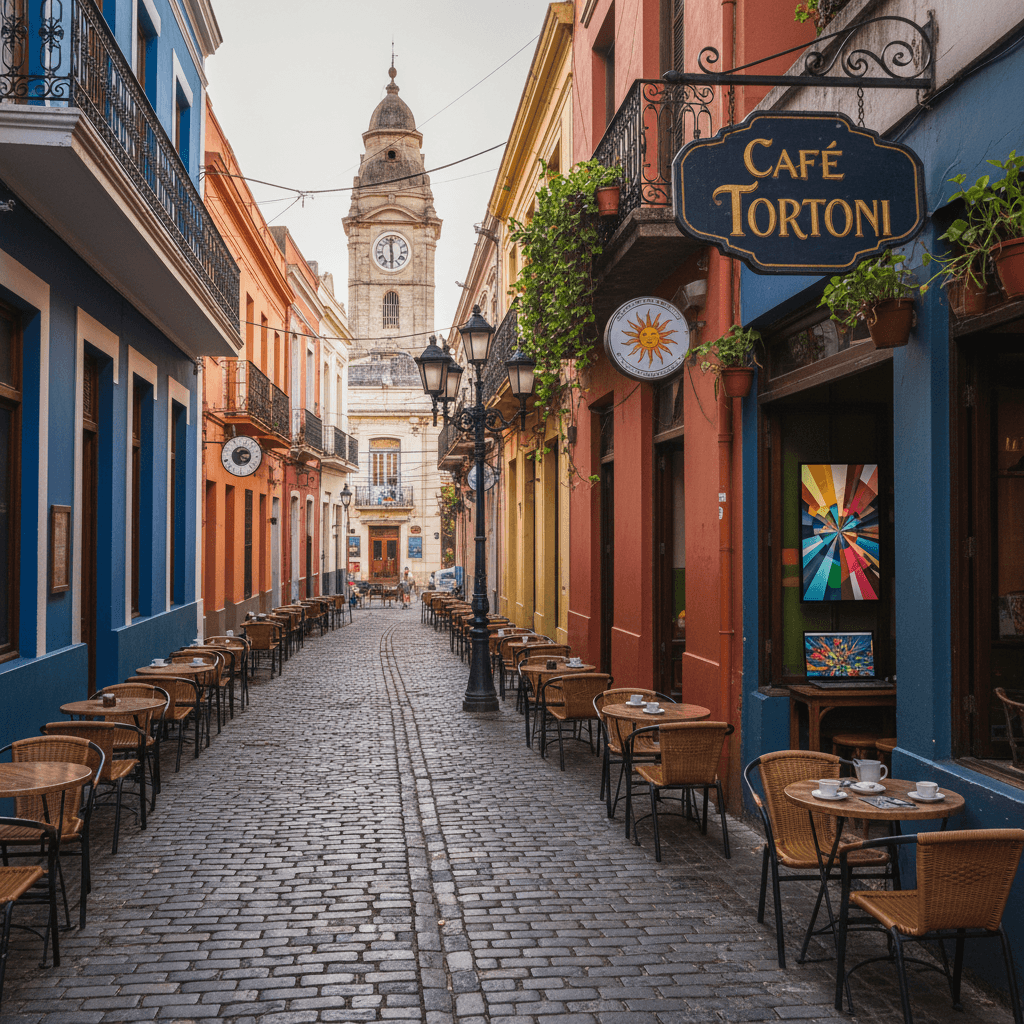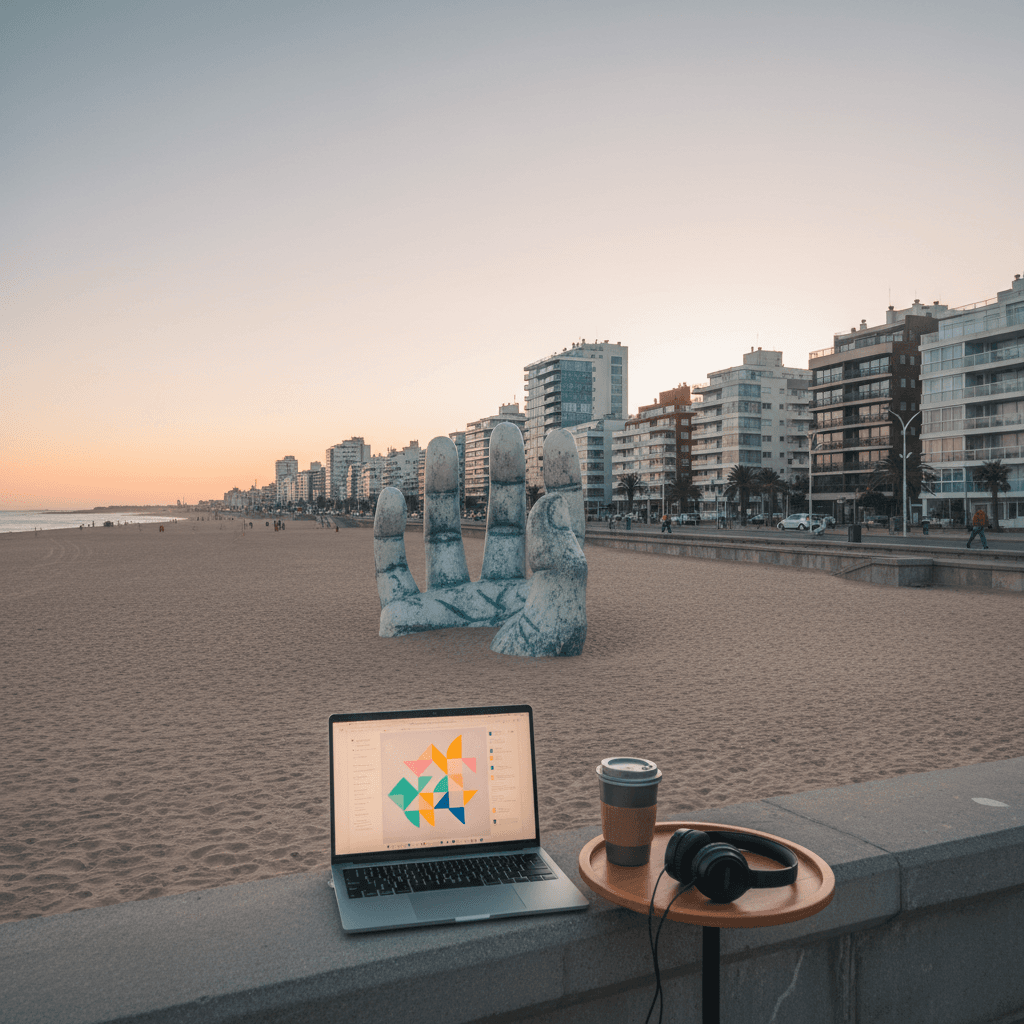
Punta del Este
🇺🇾 Uruguay
The Jet-Set Jekyll and Hyde
Punta del Este is a city of two distinct souls. For three months of the year, it's the playground of the South American elite, a high-octane mix of Miami glitz and Saint-Tropez sophistication. During the December to February peak, the Peninsula and La Barra transform into a parade of luxury SUVs, international models, and champagne-soaked beach parties. It's loud, expensive, and undeniably electric.
Then, the calendar flips to March, the crowds vanish, and the city exhales. This is when the digital nomad community truly takes over. The "bipolar" nature of the city is its greatest strength; you get world-class infrastructure, high-speed fiber internet, and safe, walkable streets without the frantic energy of a typical metropolis. It feels like having an exclusive resort all to yourself, where the only sounds are the Atlantic waves crashing against Playa Brava.
The Daily Grind and Coastal Flow
Living here means adopting a slower, more intentional pace. Most nomads start their day with a coffee at Café de la Concordia before heading to Selina or Punta Cowork. You'll find the internet surprisingly robust, often hitting 200Mbps, which puts many European hubs to shame. The work-life balance isn't just a buzzword here; it's enforced by the scenery. It's hard to stay stressed when you can close your laptop and be on a surfboard or a windswept dune in ten minutes.
The social scene shifts from mega-clubs to intimate wine bars and parrilla dinners as the seasons change. Expats often gather for weekly meetups organized through Facebook groups or at Lo de Tere for a high-end steak that still costs less than a mediocre meal in London or New York. There's a tangible sense of safety that's rare in South America. Travelers frequently mention the relief of walking home at 2:00 AM with a phone in hand and feeling completely at ease.
The Price of Paradise
Let's be clear: this isn't Medellin or Bali. Punta del Este is one of the most expensive corners of the continent, and your budget needs to reflect that. While a solo nomad can scrape by on $1,500 by living in a modest studio in La Barra and cooking at home, a comfortable mid-range lifestyle usually sits closer to $2,800 to $3,500. You're paying for the stability, the safety, and the sheer quality of life.
- The Peninsula: The heart of the action. It's walkable, packed with restaurants, and perfect for those who don't want to rent a car. Expect to pay $1,200 to $1,800 for a decent one-bedroom.
- Playa Mansa: The calmer side of the coast. It's favored by families and those who want sunset views and protected waters. Rents are slightly lower, ranging from $1,000 to $1,600.
- La Barra: The trendy, bohemian hub. It's where the surfers and younger nomads congregate. Studios can be found for $900 to $1,500, but traffic over the iconic undulating bridge can be a nightmare in January.
Why Nomads Stay
What sets "Punta" apart is the lack of friction. In other nomad hotspots, you're often battling noise, pollution, or safety concerns. Here, the biggest "problem" is that the vegan food scene is still catching up or that the city feels a bit too quiet in July. It's a place for focused work, deep breaths, and legendary sunsets at Casapueblo. It's a destination for the nomad who has graduated from the chaos of Southeast Asia and wants a sophisticated, secure base that feels like a well-kept secret.
If you are coming from Medellín or Bali expecting a bargain, Punta del Este will give you a bit of a reality check. Locals often describe it as the Saint-Tropez of South America, and the price tags generally match that reputation. While it is significantly more affordable than London or New York, you should budget for a lifestyle that feels more like coastal Spain or Italy.
The Monthly Breakdown
For a solo digital nomad living a mid-range lifestyle, expect to spend between $2,500 and $3,500 per month. This covers a modern one bedroom apartment in a walkable area like the Península, regular meals out, and a dedicated desk at a coworking space. If you are on a tighter budget, you can squeeze by on $1,500 to $2,000 by staying in La Barra studios and sticking to groceries and street food like chivitos, which usually run about $8.
High-end living here is easy to find but expensive. A luxury oceanfront apartment in Beverly Hills or a villa in José Ignacio can easily push a monthly budget past $4,000, especially when you factor in $50 steaks and high-end cocktail bars.
The Seasonal Price Swing
Timing is everything in Uruguay. Between December and February, prices for short-term rentals skyrocket as the jet-set crowd arrives from Buenos Aires and Brazil. Many nomads find that winter rent (May to October) drops by as much as 40%. This quiet period is the sweet spot for focused work, though keep in mind that many restaurants and shops close their doors during the off-season.
Housing Costs by Neighborhood
- Península (The Center): The most practical choice for solo travelers. You are looking at $1,200 to $1,800 for a one bedroom. It is walkable, close to the port, and keeps its energy year-round.
- La Barra: Trendy and popular with the surf crowd. Studios here range from $900 to $1,500. It is a bit more laid back, though the bridge traffic in January is legendary.
- Playa Mansa: Better for families or those wanting a quieter vibe. Expect to pay $1,000 to $1,600 for a decent apartment near the calmer waters.
- Beverly Hills & Punta Ballena: These are car-dependent luxury zones. Rents start around $1,800 and can climb to $3,000 or more for hillside views.
Daily Expenses and Lifestyle
Groceries will likely be your biggest surprise. Uruguay imports a lot, so your weekly shop might run $60 to $80 for one person. A coffee at a spot like Café de la Concordia costs about $3, while a local beer at a bar will set you back $4 or $5. Most nomads find that dining out is where the costs add up quickly. A mid-range dinner at a place like Lo de Tere averages $25 per person, while the famous La Huella in José Ignacio can easily top $60 for a full meal.
Transportation is manageable if you stay central. Local buses are cheap at about $1.50 a ride, and an Uber across town usually costs between $5 and $10. If you decide to rent a car to explore the coast, budget at least $200 a month for the vehicle plus gas, which is notoriously expensive in Uruguay.
Connectivity and Coworking
The infrastructure is some of the best in South America. Reliable fiber internet with speeds up to 300 Mbps is standard. For a professional setup, Selina Punta del Este in the Península is a favorite, offering day passes for $15 and monthly memberships for $200. If you need something more corporate, WeWork in La Barra offers flex desks for $250 a month. For mobile data, grabbing an Antel SIM card for $10 with a 50GB plan for $20 is the most cost-effective way to stay connected on the beach.
The Solo Nomad: Península
If you want to be in the middle of everything without needing a car, the Península is your best bet. It is the heart of the city where the Atlantic meets the Río de la Plata. You can walk to the beach for a morning swim and be at a desk by 9:00 AM. Most nomads gravitate toward Selina Punta del Este, which serves as the unofficial headquarters for the remote work scene. It has a solid coworking space for $15 a day and hosts regular social mixers.
Living here means you are steps away from Café de la Concordia, a favorite for its strong WiFi and $3 coffees. While the summer months bring crowds and noise, the Península stays active year round, unlike other neighborhoods that can feel like ghost towns in July. Expect to pay between $1,200 and $1,800 for a decent one bedroom apartment. It is the most walkable part of the city, making it perfect for those who want to avoid the $15 to $25 Uber rides from the outskirts.
The Socialite and Surfer: La Barra
La Barra is where the trendy crowd hangs out. It is famous for its undulating bridge and a more bohemian, upscale vibe than the downtown core. If you are here to surf in the morning and hit the clubs at night, this is your spot. The area is a hub for younger expats who prefer craft beer bars and boutiques over high rise condos.
Rent is slightly more accessible than the center, ranging from $900 to $1,500 for a studio or small apartment, though prices skyrocket during the December to February peak. Travelers often warn about the "bridge bottleneck" during mid summer, as traffic getting into the Península can be a nightmare.
The Relaxed Expat: Playa Mansa
For those planning a longer stay or who prefer a quieter pace, Playa Mansa offers a more residential feel. The water here is calmer and more protected than the "Brava" side, making it a favorite for swimmers. You will find plenty of modern apartment buildings with gym facilities and 24 hour security. Punta Cowork is the go to spot in this area, offering beach views and day passes for $10.
Expats recommend this area because it strikes a balance between being close to the action and having some breathing room. Rent typically falls between $1,000 and $1,600. It is safe, quiet, and has easy access to supermarkets like Tienda Inglesa. While the nightlife is thinner here, the sunsets are arguably the best in the city.
Families and Luxury Seekers: Beverly Hills and Punta Ballena
If budget is less of a concern and you value privacy, these areas are the gold standard. Beverly Hills is inland and filled with sprawling estates and manicured gardens. It feels more like a quiet suburb of Los Angeles than a South American beach town. Punta Ballena sits on a cliffside nearby, home to the iconic Casapueblo. You will definitely need a car here, as public transport is infrequent and the hills are steep.
- Beverly Hills Rent: Expect to pay $1,800 to $3,000 for high end rentals.
- Atmosphere: Extremely quiet, safe, and exclusive.
- Best For: Families who want space or expats looking for a permanent, high end home.
The High End Retreat: José Ignacio
Located about 30 minutes north of the city, José Ignacio is where the global elite hide out. It is a small fishing village turned ultra luxury enclave. During the off season, it is incredibly peaceful, but in the summer, it hosts some of the most expensive parties in South America. Nomads rarely stay here long term due to the $2,000+ price tags for small rentals and the lack of dedicated coworking spaces. However, it is a mandatory day trip for a $60 lunch at La Huella, which many travelers describe as a life changing dining experience.
Connectivity and Speed
Uruguay has invested heavily in its digital infrastructure, and Punta del Este is a primary beneficiary. You can expect fiber optic connections to be the standard in most apartments and workspaces. Average speeds typically range between 100 and 300 Mbps, which puts it ahead of many other South American nomad hubs. Power outages are rare, so you won't need to worry about your router dropping mid-call.
Most nomads find that the local provider, Antel, offers the most reliable service. If you're renting an Airbnb, always ask for a screenshot of a speed test before booking, especially if you're staying further out in areas like Punta Ballena where signal can occasionally vary. Generally, the internet here is fast enough for 4K streaming and heavy video conferencing without a hitch.
Top Coworking Spaces
The coworking scene is concentrated in the Peninsula and surrounding areas, offering a mix of community-focused hubs and professional environments. Prices have ticked up recently, so expect to pay a bit more than you would in neighboring Argentina.
- Selina Punta del Este (Peninsula): This is the undisputed social heart for digital nomads. It's located right in the center and features a pool, onsite cafe, and frequent networking events. A day pass costs $15, while a monthly spot goes for about $200. It's the best place to meet other travelers if you're arriving solo.
- Punta Cowork (Playa Mansa): For those who want to work with a view of the water, this space offers a quieter, more professional vibe. Day passes are affordable at $10, and a monthly membership is roughly $180.
Laptop-Friendly Cafes
While Punta del Este has a strong cafe culture, not every spot welcomes a four-hour laptop session, especially during the frantic summer months. Outside of the peak December to February window, staff are generally more relaxed about you staying a while.
Café de la Concordia in the Peninsula is a favorite for its strong WiFi and consistent coffee. You'll usually see a few other people working there throughout the afternoon. Expect to pay $3 to $4 for a quality latte. In La Barra, smaller boutique cafes offer great vibes but often have limited seating, so arrive early if you plan to camp out.
Mobile Data and SIM Cards
Getting connected as soon as you land is straightforward. You can pick up a physical SIM card from Antel or Claro at the airport or at various kiosks (called "kioscos") around town. A basic chip costs about $10, and you can load a 50GB data package for around $20 a month.
If your phone supports it, an eSIM is the most convenient route. Travelers often use Airalo, which provides 10GB of data for $15. While convenient, the local physical SIMs usually offer better speeds and higher data caps for a lower price. 5G coverage is excellent throughout the Peninsula and along the main beach strips.
The Seasonal Shift
It's important to keep the calendar in mind when planning your work setup. During the high season, coworking spaces can reach capacity, and cafes might implement "no laptop" policies during lunch hours to flip tables. In contrast, during the low season (May to October), some smaller cafes close entirely. The main coworking hubs stay open year-round, making them the most reliable bet for long-term stays.
Peace of Mind on the Atlantic
Punta del Este consistently ranks as one of the safest spots in South America, often drawing comparisons to high end European coastal towns. The Global Peace Index puts Uruguay in the top 20 globally, and that security is palpable when you're walking through the Península or Playa Mansa. Most nomads feel comfortable walking alone at night, and it's common to see locals leaving their belongings on the sand while they take a quick dip in the ocean.
That said, don't let the relaxed vibe make you careless. During the peak summer months of December through February, the influx of tourists brings a slight uptick in petty theft. Pickpockets sometimes target crowded beaches or busy transit hubs in the Península. Expats generally suggest keeping your phone tucked away in high traffic areas and avoiding the more isolated stretches of beach after dark. While there aren't specific "no go" zones, the outskirts of Punta Ballena can feel a bit rundown and are best avoided late at night if you aren't in a car.
Healthcare and Medical Services
The healthcare system here is excellent, with modern facilities that wouldn't look out of place in North America or Europe. If you're a nomad or expat, you'll likely be using the private system, which is efficient and well staffed. Many doctors speak English, especially at the larger clinics, though having a translation app handy for administrative staff is a smart move.
- Hospital Punta del Este: Located on Av. Artigas, this is the go to for most internationals. It's modern, handles emergencies 24/7, and has specialists for almost everything.
- Consultation Costs: Expect to pay between $50 and $100 for a private visit with a specialist if you don't have local insurance.
- Pharmacies: Farmashop is the major chain you'll see everywhere. Many locations stay open 24 hours and carry everything from high end skincare to prescription meds.
- Emergency Number: Dial 911 for any immediate police or medical emergencies.
Most travelers find that routine vaccinations like Hepatitis A are sufficient before arriving. The tap water is technically drinkable, but most expats and long term nomads stick to bottled or filtered water for the taste and to avoid any minor stomach upsets.
Practical Safety Tips for Nomads
If you're planning to stay for the long haul, consider these local insights to stay secure and healthy:
- Beach Security: If you're working from a beach club, don't leave your laptop unattended to go for a swim. Even in a safe city, an expensive MacBook is a tempting target.
- Insurance: While local care is great, having international health insurance that covers medical evacuation is standard practice for the nomad community here.
- Driving: If you rent a car to explore José Ignacio, be mindful of the "bipolar" traffic. Summer is chaotic with aggressive drivers, while winter is so quiet you might forget to watch for cross traffic.
- Home Safety: If you're renting a standalone villa in Beverly Hills or La Barra, ensure it has a working alarm system, a standard feature for most high end rentals in the area.
Travelers often say they feel a sense of relief landing here after spending time in more frantic South American hubs. You can focus on your work and enjoy the sunset without looking over your shoulder, which is exactly why the price tag is higher than elsewhere on the continent.
Navigating the Peninsula and Beyond
Punta del Este is surprisingly manageable once you understand the layout. If you're staying in the Península or Playa Mansa, your own two feet are often your best asset. These areas are highly walkable, and most nomads find they can handle daily errands, beach trips, and coworking commutes without ever touching a steering wheel.
When you need to venture further, like heading to the surf breaks in La Barra or the posh sands of José Ignacio, you'll need a plan. The city’s infrastructure is modern, but the experience changes drastically depending on the month you arrive.
Ride-Hailing and Taxis
Uber is the dominant force here and remains the most reliable way for expats to get around without a car. It's active year round, though wait times can creep up during the quiet winter months. Most city rides will cost you between $5 and $10.
- Uber: The go-to for most travelers. Expect to pay $15 to $25 for a ride from the airport.
- InDriver: A popular alternative where you can negotiate the fare with the driver. It's often cheaper for longer distances.
- DiDi: This service is emerging in the region and is worth having as a backup if Uber prices surge during a summer party weekend.
The Local Bus System
Uruguay’s public transit is safe and efficient, if a bit utilitarian. Local buses, operated by companies like COT or C3C, connect the main neighborhoods for about $1 to $2 per ride. They're great for a budget friendly commute between Maldonado and the Península.
Just keep in mind that schedules are seasonal. In the summer, buses run frequently to keep up with the crowds. From May to October, the frequency drops significantly. If you're relying on the bus in the low season, download the local transit apps to track timing so you aren't stuck waiting in the coastal wind.
Wheels for the Active Nomad
For those who want more freedom, the city is becoming increasingly bike friendly. The terrain is mostly flat, making it easy to cruise along the Rambla as the sun sets. Many nomads use the BiciGo app for quick rentals, which usually costs around $2 per hour. If you prefer something motorized, Grin e-scooters are scattered around the busier hubs during the high season, charging roughly $0.20 per minute.
Car Rentals and Traffic Realities
If you're living in Beverly Hills or Punta Ballena, a car isn't just a luxury; it's a requirement. Rental prices sit around $200 per week for a standard vehicle. While driving is generally stress free, La Barra becomes a notorious bottleneck in January. Travelers often complain about "bridge hell," where the iconic wavy bridge becomes a parking lot. If you're heading that way in mid summer, leave early or take a bike to bypass the gridlock.
Getting to the City
Most international travelers fly into Capitán Corbeta CA Curbelo (PDP), located about 20km from the center. Beyond Uber, you can hop on a shuttle bus for about $5. If you're coming from Montevideo, the two hour drive is a straight shot on well maintained highways. The bus terminal in the Península is a major hub, with luxury long distance coaches that make the trip from the capital feel like a breeze.
The Local Lingo
Spanish is the heartbeat of Punta del Este, but it comes with a distinct Rioplatense flair. If you have spent time in Buenos Aires, you will recognize the "sh" sound for double Ls and the use of "vos" instead of "tú." It is a melodic, rhythmic version of the language that feels right at home against the backdrop of the Atlantic.
While the city feels like a mini-Miami during the high season, do not expect everyone to be fluent in English. In high-end spots like La Huella in José Ignacio or luxury hotels in the Península, staff usually speak excellent English. However, once you step into a local farmacia or grab a chivito at a neighborhood joint, your interactions will likely be in Spanish. Most nomads find that a basic grasp of the language goes a long way, though locals are notoriously patient and helpful with those still learning.
Digital Connectivity
For remote work, the infrastructure here is among the best in South America. Fiber optic internet is the standard, and speeds of 100 to 300 Mbps are common in most modern apartments and coworking spaces. Unlike some coastal hubs where the sea air seems to mess with the signal, the connection here is rock solid. Expats often joke that the internet is more reliable than the bus schedule during the winter months.
When it comes to staying connected on the move, you have a few easy options:
- Antel or Claro: These are the heavy hitters for local SIM cards. You can pick up a chip for about $10 and load it with 50GB of data for roughly $20.
- eSIMs: If you want to hit the ground running, Airalo works well here. You can get 10GB for around $15, which is plenty for navigating and light browsing until you get a local SIM.
- Public WiFi: Many cafes in the Península and La Barra offer free WiFi, but it is hit or miss for video calls. Stick to dedicated workspaces if you have a heavy meeting schedule.
Coworking and Cafe Culture
The social side of work happens at spots like Selina Punta del Este. It is the primary hub for the nomad community, charging about $15 for a day pass or $200 for a monthly membership. It is where you will find the weekly meetups and the people who can tell you which beach has the best sunset views.
If you prefer a more corporate vibe, WeWork in La Barra is the go-to, though it is pricier at $250 for a flex desk. For those who like the "laptop and latte" lifestyle, Café de la Concordia is a favorite for its strong signal and $3 coffees. Just keep in mind that during the peak summer months of December to February, these spots get packed, so showing up early is a must.
Navigating Social Circles
Uruguayans are generally reserved but incredibly warm once you break the ice. The social scene revolves around the "merienda" (late afternoon snack) and late dinners. If you are looking to meet people, the Expats in Punta del Este Facebook group is surprisingly active and a great resource for everything from finding a mechanic to locating the best vegan spots.
In the low season, the community shrinks, but it also becomes much tighter. Many nomads find that this is the best time for deep work and meaningful networking. Life slows down, and the casual "mate" culture takes over. Do not be surprised if a neighbor offers you a sip of their tea; it is the ultimate local gesture of hospitality.
The Seasonal Split
Punta del Este lives two lives. From late December through February, the city transforms into a high energy playground. This is the Southern Hemisphere summer, and it is when the jet set arrives from Buenos Aires and São Paulo. Expect temperatures between 75°F and 85°F (24°C to 29°C), perfect beach weather, and a sun that doesn't set until nearly 9:00 PM. It is the best time for networking and parties, but you will pay a premium for the privilege.
The "Sweet Spot" for digital nomads is the shoulder season, specifically March, April, and November. The weather remains mild, usually hovering around 65°F to 72°F (18°C to 22°C), but the crowds vanish and rental prices start to dip. You can actually find a seat at Lo de Tere without a week's notice, and the beaches like Playa Mansa become peaceful spots for a sunset walk after work.
Winter: The Deep Chill
From May to September, Punta del Este enters a sleepy hibernation. Temperatures drop to an average of 50°F to 60°F (10°C to 15°C), and the Atlantic wind can feel biting. While it rarely freezes, the humidity makes the cold settle in your bones. Many restaurants and shops in La Barra close entirely during these months.
Expats who stay year round call this "the focused season." If you have a big project to finish, the solitude is unmatched. Just ensure your apartment has a good heating system or a wood burning stove, as many older buildings lack central heating. You can snag luxury oceanfront apartments for 40% less than summer rates during this window.
When to Visit: A Quick Guide
- Peak Season (December to February): Best for socializing, nightlife, and beach days. Expect $50 steaks and crowded coworking spaces like Selina.
- Shoulder Season (March to May, October to November): Best for nomads. Great weather, lower costs, and a community of long term expats.
- Low Season (June to September): Best for deep work and budget travelers. It is quiet, windy, and very affordable.
What to Pack
Uruguayan style is "casual chic." In the summer, you will want high quality swimwear and linen, but don't forget a light sweater for the evenings; the ocean breeze cools the city down quickly once the sun drops. If you are visiting in the winter, a windproof jacket is your best friend. Most nomads recommend bringing your own tech gear and specialized electronics, as import taxes make buying a new MacBook or high end headphones in Uruguay significantly more expensive than in the US or Europe.
Travelers often say the light in Punta del Este is different than anywhere else in South America. Whether it is the mid summer glare on the Península or the moody gray skies of July, the city is always photogenic. Just time your arrival based on whether you want to dance on tables in José Ignacio or write a novel in total silence.
Connectivity and Workspace
Internet speeds in Punta del Este are some of the most reliable in South America. Most apartments and cafes offer fiber connections ranging from 100 to 300 Mbps. If you're planning to stay long term, Antel or Cablevisión are the gold standards for home setups. Power outages are rare, making it a safe bet for those with back to back calls.
For a dedicated work environment, Selina Punta del Este in the Península is the primary nomad hub. It costs about $15 for a day pass or $200 a month, and the community vibe there makes it easy to meet people. If you prefer a view, Punta Cowork at Playa Mansa charges roughly $180 a month and overlooks the water.
When you need a change of scenery, Café de la Concordia has strong WiFi and $3 coffees. Most nomads find they can comfortably work from local cafes for four to six hours without being ushered out, provided they keep the caffeine flowing.
Money and Costs
Uruguay isn't a budget destination. It feels more like coastal Spain or Italy than its neighbors in South America. Expect to spend between $2,500 and $3,500 monthly for a mid range lifestyle. Prices fluctuate wildly between seasons; a studio that costs $900 in July can easily jump to $2,000 in January.
- Groceries: Budget around $250 a month. Shop at Tienda Inglesa for variety, though it's the priciest option.
- Dining out: A casual chivito (Uruguay’s famous steak sandwich) runs about $8. A mid range dinner at Lo de Tere will cost around $25, while a high end meal at La Huella can top $60.
- SIM Cards: Grab an Antel or Claro chip. You can get 50GB of data for about $20. Airalo eSIMs are also available for around $15 if you want to be connected the moment you land.
Getting Around
The Península is highly walkable, but you'll want wheels to explore further. Uber is the most reliable ride hailing app here, with a typical cross town trip costing between $5 and $10. During the peak summer months, InDriver is a popular alternative because it allows you to negotiate the fare when demand is high.
Buses like COT or C3C are cheap at $1 to $2 a ride and connect the main neighborhoods, though they run less frequently once the summer crowds leave in March. For short hops, use the BiciGo app to rent a bike for $2 an hour. If you're staying in Punta Ballena or Beverly Hills, you'll likely need to rent a car, which averages $200 a week.
Safety and Health
This is arguably the safest city in the region. Travelers often say they feel comfortable walking alone at any hour, even in the Península. Petty theft does tick up during the crowded summer months, so keep an eye on your bags at the beach. There are no major no go zones, though the outskirts of Punta Ballena can feel a bit isolated late at night.
For medical needs, Hospital Punta del Este on Avenida Artigas is modern and has many English speaking staff members. A private consultation usually costs between $50 and $100. Pharmacies like Farmashop are everywhere and many stay open 24 hours. You don't need specific vaccinations beyond the standard ones, but having travel insurance is always a smart move given the higher cost of private care here.
Social Life
The social scene is seasonal. From December to February, the city is a whirlwind of beach parties and polo matches. In the off season, it shifts to wine bars and home gatherings. Join the Expats in Punta del Este Facebook group to stay in the loop. For a more active way to meet people, surf schools in La Barra or beach volleyball games at Playa Brava are the go to spots for mingling with locals and other expats.
Need visa and immigration info for Uruguay?
🇺🇾 View Uruguay Country GuideEasy Landing
Settle in, no stress
Monthly Budget Estimates
More cities in Uruguay
Colonia del Sacramento
🇺🇾 Uruguay
Maldonado
🇺🇾 Uruguay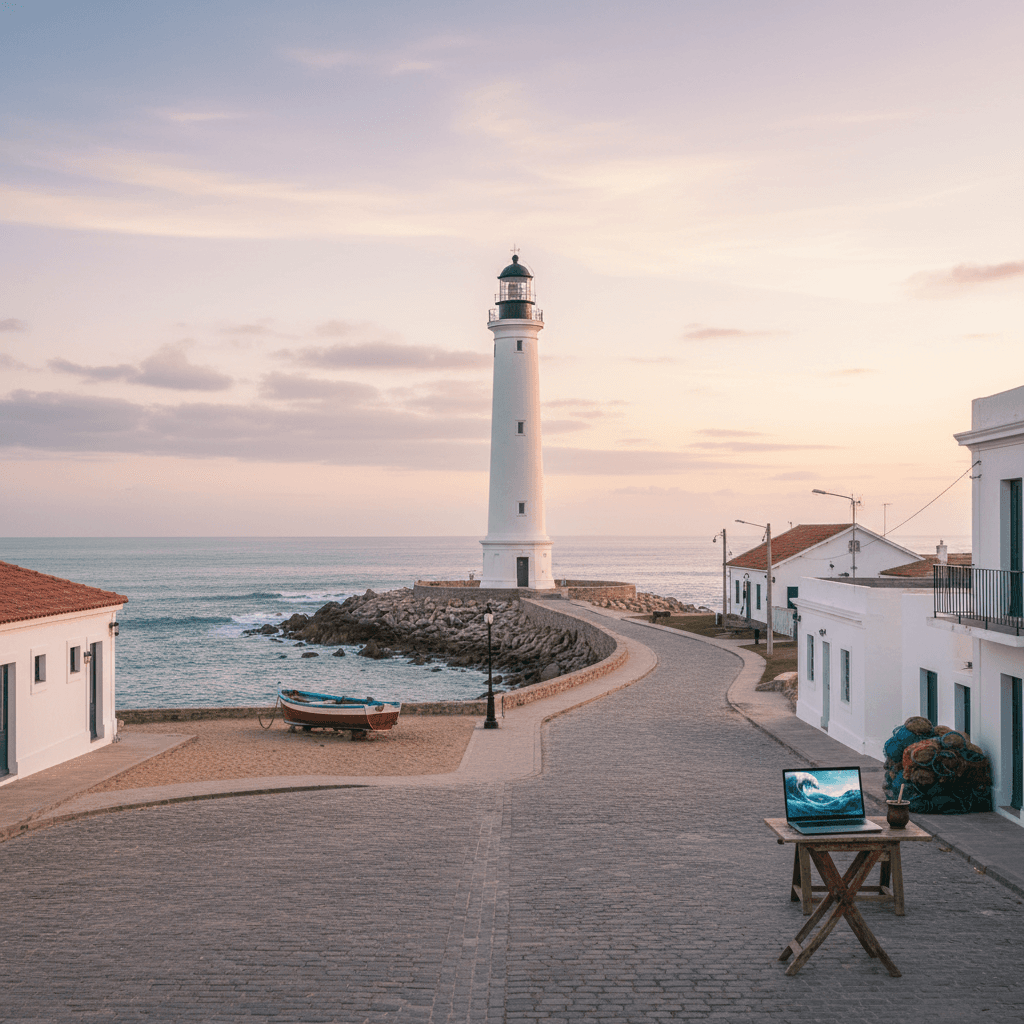
La Paloma
🇺🇾 Uruguay