Puerto Varas
🇨🇱 Chile
The City of Roses and Volcanoes
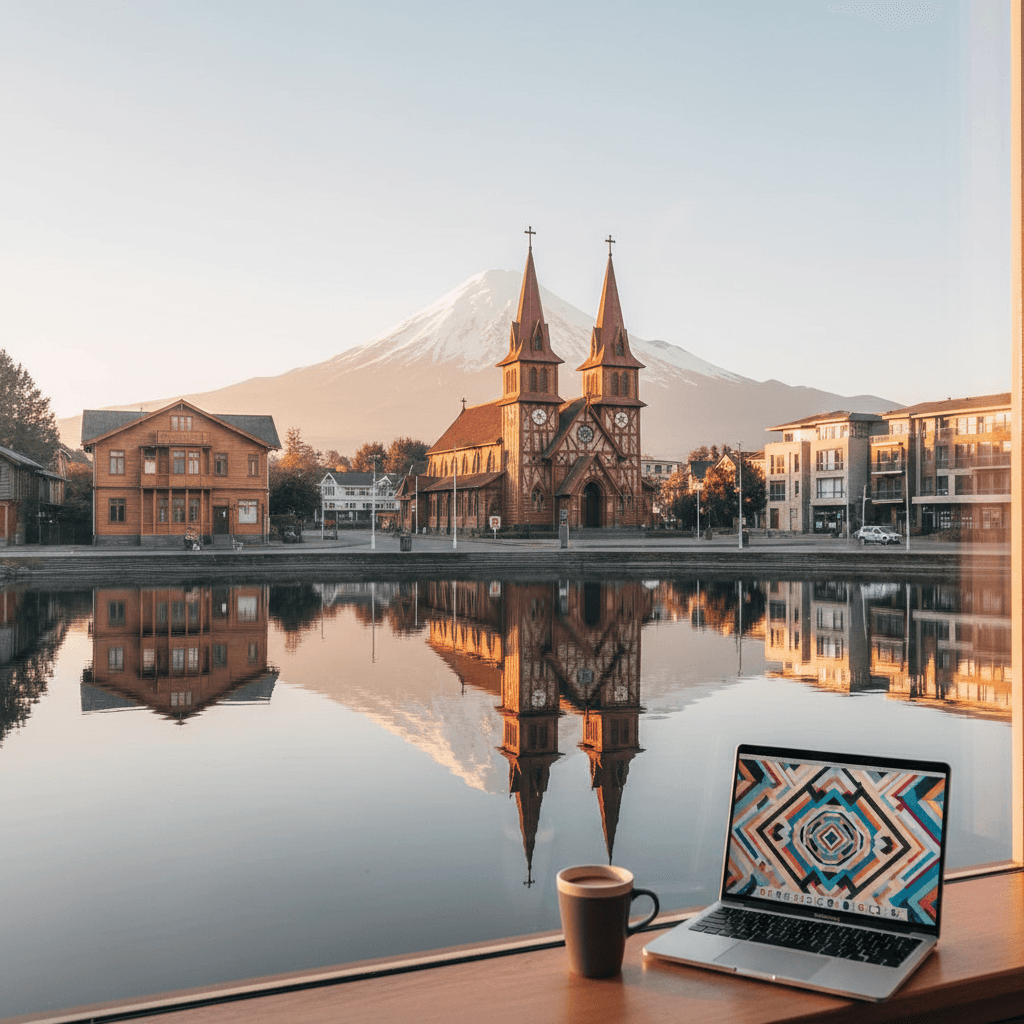
Puerto Varas feels like a piece of the Bavarian Alps was dropped into the heart of Northern Patagonia. It is a place where German architecture, complete with gabled roofs and shingle siding, sits against the backdrop of the massive, snow capped Volcán Osorno. Most nomads arrive expecting a rugged frontier town but find a sophisticated lakeside retreat instead. It is quiet, polished, and significantly safer than the larger northern hubs like Santiago or Valparaíso.
The vibe here is defined by a slow, intentional pace. You will see locals and expats alike walking the costanera at sunset, watching the light turn the lake a deep indigo. It is not the place for high energy nightlife or a frantic "hustle" culture. Instead, it attracts remote workers who want to start their mornings with a view of the water and spend their weekends kayaking on Lake Llanquihue or hiking through the Vicente Pérez Rosales National Park. It is a sanctuary for those who are burnt out on big city chaos.
A Gateway to the Wild
What sets Puerto Varas apart from other Chilean destinations is its role as a "safe gateway." You get the comforts of a modern town, fast fiber optic internet, and high end grocery stores, but you are only a short drive from some of the most dramatic landscapes on earth. Travelers often use the town as a base for exploring the Petrohué Falls or taking the bus to Frutillar to see the Teatro del Lago. For more adventurous nomads, the world class climbing and trekking of Cochamó, often called the Yosemite of South America, is within reach for a long weekend trip.
The local culture is a unique blend. You will find traditional Chilean "onces" (afternoon tea) served alongside authentic German kuchen. This heritage is visible everywhere, from the iconic red and white Iglesia del Sagrado Corazón to the local boutiques like Loica Liquidadora. While the town is small, with a population of around 45,000, it feels international because of the steady stream of travelers and the growing expat community who have traded the city for the fresh air of the Lake District.
Living the Lakeside Life
Life here is most comfortable if you stick to the walkable downtown core or the immediate lakeside areas. Most nomads find that staying central allows them to bypass the need for a car, as the local "micros" (buses) are reliable and cheap, usually costing between $1 and $2 for a ride. The town is exceptionally safe, even at night, which is a major draw for solo travelers and families alike.
However, it is important to manage expectations regarding the seasons. During the peak summer months of January and February, the town transforms. Prices for short term rentals can spike, and the quiet streets fill with domestic tourists. Conversely, the winter months from June to August are cold and rainy. If you don't mind the mist and the moody Patagonia clouds, it is a cozy time to hunkered down in a cafe with a laptop. If you need constant sunshine and a massive networking scene, this might feel a bit too sleepy.
Cost of Living Breakdown
While cheaper than North America or Western Europe, Puerto Varas is one of the pricier spots in Chile due to its status as a resort town. You should budget according to your desired comfort level:
- Budget Lifestyle: $900 to $1,100 per month. This usually involves staying in a hostel like MaPatagonia, eating at local "picadas" for $5 to $10, and using public transit.
- Mid Range Nomad: $1,100 to $1,300 per month. This covers a private one bedroom apartment or studio downtown for $400 to $700 and frequenting mid range cafes for lunch specials at $10 to $15.
- Comfortable/High End: $1,500+ per month. This allows for a modern lake view apartment, dining at upscale spots like those near Hotel AWA, and booking guided tours to the volcanoes or Chiloé Island.
The "Work/Cafe" culture is growing, with spots like Santander Work/Cafe providing a reliable place to sit for a few hours. Just keep in mind that nomad specific infrastructure is still catching up to places like Medellín or Mexico City. You are coming here for the scenery and the safety, not necessarily for a pre packaged digital nomad hub.
The Bottom Line
Puerto Varas isn't the cheapest corner of Chile, but it provides incredible value for those who want Patagonia views without the extreme price tag of Torres del Paine. You can expect a monthly burn rate between $900 and $1,300. If you're coming from a major US or European hub, your money goes further here, though you'll notice that "resort town" pricing creeps in during the peak summer months of January and February.
Monthly Budget Tiers
- The Budget Nomad ($900 to $1,100): This covers a bed in a spot like MaPatagonia Hostel or a shared house, sticking to local "picadas" for lunch specials, and using the local bus system to get around.
- The Mid-Range Resident ($1,100 to $1,300): Most expats fall here. It buys you a private one bedroom apartment downtown, a mix of cooking at home and eating out, and plenty of weekend trips to nearby Frutillar or Ensenada.
- The Comfortable Life ($1,500+): This gets you a modern apartment with a view of Volcán Osorno, frequent dinners at upscale lakeside spots, and a private car rental for exploring the harder to reach trailheads.
Housing and Rent
Your biggest expense will be rent. A decent studio or one bedroom apartment in the town center usually runs between $400 and $700 per month. If you want to wake up looking at Lake Llanquihue, expect to pay at the higher end of that range. Most nomads recommend staying central to keep everything walkable, as the outskirts get quiet and dark quickly after sunset.
Short term rentals are plentiful on Airbnb, but for stays longer than a month, it's smarter to check local Facebook expat groups. Be aware that heating costs can spike in the winter; southern Chile gets damp and cold, so ask if your "gastos comunes" (building fees) include heating before signing anything.
Food and Dining
Eating out is a tale of two price points. If you hit the local spots for a "menú del día" (lunch special), you'll pay about $10 to $15 for a solid two course meal. Street food or a quick empanada will only set you back $5 to $10.
When you head to the chic, glass fronted restaurants along the waterfront, prices jump. A nice dinner with a glass of Chilean wine will easily top $25. Groceries are reasonable, though imported goods are pricey. Stick to the local ferias (markets) for fresh produce to keep your kitchen budget under $300 a month.
Connectivity and Transport
Getting around is remarkably cheap. The local buses are the lifeblood of the region, costing about $1 or $2 per ride. They're reliable and go almost everywhere, including the 30 minute hop to Frutillar. Since there isn't a huge ride hailing presence like Uber yet, most people just walk or use these "micros."
For work, you'll want a solid data plan. An eSIM from a provider like ConnectPls or Holafly is the easiest way to stay tethered. Coworking at a place like La Cima is an option, but many nomads just work from cafes. Just budget about $5 for a coffee and a kuchen (the local German style cake) if you plan on camping out with your laptop for a few hours.
Practical Costs
- Gym Membership: $40 to $60 per month.
- Local SIM Card: $15 to $25 for a decent data package.
- Beer in a Bar: $4 to $6 for a local craft brew.
- Airport Transfer: $15 to $25 for a taxi from Puerto Montt (PMC).
The Central Hub (Centro)
Most digital nomads and solo travelers find that living in the Centro is the only way to go. It's a small, walkable core where you'll find the highest density of cafes, gear shops like Patagonia, and local thrift spots like Loica Liquidadora. Being near the tourist office means you're at the heartbeat of the bus network, making it easy to hop on a 30 minute ride to Frutillar or head out to Petrohué Falls without needing a car.
- Rent: Expect to pay between $400 and $700 USD for a one bedroom apartment or studio.
- Vibe: High energy during the summer peaks of January and February, but it settles into a cozy, rainy retreat during the winter.
- Best for: Nomads who want to be steps away from La Cima coworking or the Santander Work/Cafe.
The downside to the center is the noise. During the high season, the streets get packed with tourists, and the "resort town" feel can get a bit overwhelming. If you value silence over proximity to a flat white, you might want to look just a few blocks uphill.
Lakeside Luxury (Costanera)
Expats and travelers with a higher budget usually gravitate toward the Lakeside areas. This stretch along the water is home to high end stays like Hotel AWA and Cumbres Puerto Varas. It's significantly quieter than the downtown core and offers those iconic, unobstructed views of Volcán Osorno right from your window.
- Cost: Comfortable living here starts at $1,300 USD per month and can climb quickly.
- Dining: You're close to the more "chic" restaurants where a nice dinner will run you about $20 USD.
- Best for: Expats who want a peaceful environment and don't mind a 10 to 15 minute walk to reach the main grocery stores.
The Outskirts and Rural Routes
For families or long term expats who plan to stay for six months or more, the outskirts along the routes toward Ensenada or Frutillar offer much more space. You'll get a true Patagonia experience here, often with a yard and more privacy. However, you'll almost certainly need to rent or buy a vehicle, as the local buses are less frequent once you leave the main town limits.
- Rent: You can often find larger houses for the same price as a downtown studio, roughly $600 to $800 USD.
- Connectivity: While the town center has solid 50Mbps speeds, always double check the fiber connection in rural pockets before signing a lease.
- Best for: Families who want nature access and travelers who prefer a "slow life" pace over social convenience.
Budget Stays for Solo Travelers
If you're just passing through or testing the waters on a tight budget, the area around MaPatagonia Hostel is a favorite for the younger crowd. It's located in a historic house and serves as a social anchor for people looking to group up for trips to Cochamó or Chiloé Island. Staying in this pocket allows you to keep your monthly burn under $1,000 USD by utilizing shared kitchens and hitting local lunch specials that cost around $5 to $10 USD.
Safety is rarely a concern regardless of which neighborhood you pick. Puerto Varas remains one of the safest spots in Chile for 2025 and 2026. Most people find that as long as they stay within a mile of the lake shore, they have everything they need to work remotely while enjoying the volcano views.
Connectivity on the Lake
Puerto Varas might feel like a sleepy alpine village, but the infrastructure is surprisingly robust for remote work. Most nomads find the local fiber optic connections reliable enough for video calls and heavy uploads, with internet speeds often exceeding 100Mbps in cafes and rentals. It is a stable base for anyone looking to trade the noise of Santiago for views of Volcán Osorno.
For mobile data, don't rely on finding a physical shop immediately. Expats recommend setting up an eSIM before you arrive. Having a backup is smart if you plan on taking your laptop to the more remote parts of Ensenada or Petrohué, where signals can dip behind the mountains.
Coworking Spaces
The coworking scene here is intimate rather than expansive. You won't find the massive, multi floor hubs of larger capitals, but there are a few solid spots where you can get through a deep work session.
- La Cima: This is the primary dedicated workspace in town. It has a professional environment and decent desks, though it's always a good idea to message them on social media or check their website for their current seasonal hours.
- Santander Work/Cafe: Located right in the center, this is a free option that many nomads use for a quick hour of work. The coffee is good and the seating is comfortable, but be aware that their network sometimes blocks specific developer sites. It's better for admin tasks than heavy coding.
The Cafe Office Culture
If you prefer a more social atmosphere, the town has a growing cafe culture that is generally welcoming to laptop users. Most spots expect you to order a full meal or a few rounds of coffee if you're staying for more than an hour. Prices are mid range for Chile; expect to pay $10 to $15 for a good lunch special with a drink.
The best spots are clustered in the Centro area. Look for places with large windows facing the lake; the view helps when you're stuck in a long meeting. While many cafes have high speed WiFi, some of the older, more traditional German tea houses are better for reading than working, as they might not have power outlets readily available. Always check for a "WiFi" sign on the door or ask the staff before you get settled.
Practical Work Tips
- Power Plugs: Chile uses Type C and L plugs. You'll want a universal adapter, especially if your laptop charger has a ground pin that doesn't fit the local two prong sockets.
- Peak Season Noise: During January and February, the town fills up with tourists. Cafes get significantly louder and bandwidth can occasionally stretch thin in the most popular tourist hubs. During these months, a dedicated desk at a coworking space is worth the investment.
- The "Siesta" Factor: While many modern cafes stay open, some smaller local businesses might close for a few hours in the afternoon. Plan your errands and tech support needs for the morning hours to be safe.
Overall, Puerto Varas is a top choice for nomads who prioritize nature over a massive tech community. You'll have all the tools you need to stay productive, provided you don't mind a slightly slower pace of life and the occasional rainy afternoon spent working from a cozy wooden cafe.
A Haven of Peace in Patagonia
Puerto Varas is widely regarded as one of the safest spots in Chile for 2025. While Santiago deals with the typical growing pains of a major capital, this lakeside town maintains a sleepy, secure atmosphere that makes it a favorite for solo travelers and families alike. Most nomads feel perfectly comfortable walking through the downtown core or along the lakefront after sunset.
The local culture is built on a mix of Chilean warmth and disciplined German heritage, resulting in a community that respects personal space and public order. While you should still use common sense, like not leaving your laptop unattended in a cafe, the general anxiety level here is remarkably low. Expats often remark that the biggest "danger" in town is the unpredictable weather rather than the people.
Healthcare Infrastructure
For a town of around 45,000 people, the medical facilities are surprisingly robust. While Puerto Varas has local clinics and well-stocked pharmacies, the heavy lifting is done in nearby Puerto Montt, just a 20 minute drive away. This regional hub houses larger hospitals and specialized care facilities that meet high international standards.
- Pharmacies: You'll find plenty of "Farmacias" in the downtown area, particularly near the main square and the tourist office. They are reliable for standard prescriptions and over the counter needs.
- Private Clinics: Expats typically opt for private care, which is efficient and relatively affordable compared to North American prices. Many doctors in the private sector have trained abroad and speak some English.
- Emergency Services: In the event of a serious medical issue, dial 131 for an ambulance. For police assistance, the number is 133.
Staying Safe During Outdoor Adventures
Since the draw of Puerto Varas is the great outdoors, your primary safety concerns will likely be environmental. The weather changes fast in the Lake District. If you're heading out to Volcan Osorno or Petrohue Falls, always check the forecast and bring layers. The sun is also exceptionally strong this far south; high SPF sunscreen is a non-negotiable requirement even on overcast days.
For those planning to hike in more remote areas like Cochamo, nomads recommend registering your plans with the local Carabineros (police) or park rangers. Cell service can be spotty once you get deep into the mountains, so having an offline map and a physical backup is a smart move.
Practical Health Tips for Nomads
Tap water in Puerto Varas is generally considered safe to drink, though many long term expats prefer using a filter or buying bottled water to avoid the high mineral content. If you have a sensitive stomach, stick to bottled water for your first week while you adjust.
Regarding connectivity for safety, most travelers use eSIMs to ensure they have data for navigation and emergency calls the moment they arrive. Having a working phone is your best tool for navigating the town and staying in touch with the local expat community via Facebook groups, which are active and helpful for real time safety updates.
Emergency Contact Cheat Sheet
- Ambulance: 131
- Police (Carabineros): 133
- Fire Department (Bomberos): 132
- Nearest Major Hospital: Hospital de Puerto Montt (approx. 20 minutes away)
The Walkability Factor
Puerto Varas is a dream for anyone who prefers their own two feet to a steering wheel. The downtown core is compact and dense; you can walk from the iconic Iglesia del Sagrado Corazón to the lakefront in under ten minutes. Most nomads choose to live in the Centro area specifically because everything from the Loica Liquidadora thrift shop to the local supermarkets is within a few blocks.
The lakeside promenade is the town's main artery. It's perfectly paved for morning runs or a scenic stroll to the high end hotels like Hotel AWA. If you're staying further out in the residential hills, the walk back up can be a bit of a calf burner, but the views of Volcán Osorno usually make up for the effort.
Public Transit and Micros
For trips that go beyond the city limits, the local bus system, known as micros, is your best friend. These small buses are incredibly cheap, usually costing between $1 and $2 per ride. You'll find the main transit hub near the tourist office downtown.
- Frutillar: This charming German influenced town is just a 30 minute bus ride away. Buses run frequently throughout the day.
- Ensenada and Petrohué: If you're heading toward the falls or the base of the volcano, look for the buses labeled Ensenada. They're reliable, though they can get packed with hikers during the January and February peak season.
- Puerto Montt: Since this is the nearest major city and airport hub, buses run back and forth constantly. The trip takes about 20 to 25 minutes.
Arrival and Airport Transfers
You'll likely fly into El Tepual Airport (PMC) in Puerto Montt. While there isn't a direct train, getting to Puerto Varas is straightforward. A taxi or private transfer will set you back roughly $20 to $30 and takes about 20 minutes. If you're on a budget, you can take a shuttle from the airport to the Puerto Montt bus terminal and then hop on a local micro to Puerto Varas, though it's a bit of a hassle with heavy luggage.
Ride Hailing and Taxis
Unlike the frantic streets of Santiago, ride hailing apps haven't fully taken over here. Uber operates, but availability can be spotty, especially late at night or during the off season. Most locals and expats rely on colectivos, which are shared taxis that run on fixed routes. They look like regular sedans but have signs on the roof indicating their destination. They're slightly pricier than the bus but much faster and very common.
Cycling and Two Wheeled Travel
Puerto Varas is gaining traction as a cycling destination, but it's more for sport than daily commuting. You'll find several rental shops downtown that offer mountain bikes for $20 to $35 a day. These are great for riding the path toward Llanquihue or tackling the paved roads near the lake. Just keep in mind that the weather changes fast; if you're heading out for the day, bring a waterproof shell even if the sky looks clear.
Car Rentals for Explorers
If you plan on visiting Cochamó or driving the Carretera Austral, a rental car is a smart move. There are several agencies in the center of town and at the airport. Expect to pay around $50 to $70 per day for a basic manual vehicle. Having your own wheels is the only way to reach some of the more secluded trailheads or hidden beaches along Lake Llanquihue without relying on a rigid tour schedule.
Navigating the Local Lingo
In Puerto Varas, Spanish is the undisputed king of conversation. While the town has deep historical roots in German colonization, you won't hear much German on the streets today outside of some architectural names and the occasional family gathering. For daily life, you'll be speaking Spanish. The Chilean dialect is famously fast and full of local slang, often dropping the "s" at the end of words, so even intermediate speakers might need a few days to calibrate their ears.
If you're sticking to the tourist trail, you'll find a decent level of English. Staff at upscale hotels like Hotel AWA or the Cumbres Puerto Varas usually speak it well, and you'll find English speakers at popular nomad hangouts and gear shops like the Patagonia store downtown. However, once you step into a local feria (market) or hop on a bus toward Ensenada, English proficiency drops off quickly. Most expats recommend having a translation app ready on your phone for these daily interactions.
The Digital Toolkit
Relying on hotel WiFi isn't always enough when you're trying to explain a specific grocery item or negotiate a long term rental. Most nomads here use Google Translate with the Spanish pack downloaded for offline use. It's also helpful for reading menus at local spots that don't have English versions. For data, travelers generally skip the physical SIM card hunt and go with an eSIM. Holafly and other eSIM providers like Saily are common choices, providing reliable 4G or 5G coverage that keeps your translation apps and maps running even when you're out by the Petrohué Falls.
Communication Basics for Your Stay
Chileans are generally polite and appreciate it when you lead with a formal greeting. A simple "Hola, buenos días" goes a long way before jumping into a question. If you're looking to integrate, learning a few "Chilenismos" can help, though it's best to listen first before trying them out yourself. Here are the essentials you'll use every day:
- Greeting: "Hola" (Hello) or "Buenas tardes" (Good afternoon).
- Shopping: "¿Cuánto cuesta?" (How much does it cost?) is vital for the boutiques and thrift shops like Loica Liquidadora.
- Directions: "¿Dónde está...?" (Where is...?) for finding the bus stop to Frutillar or the Santander Work/Cafe.
- Politeness: "Por favor" (Please) and "Gracias" (Thank you) are expected in every interaction.
Social Connectivity
Since the nomad scene in Puerto Varas is smaller and more spread out than in Santiago, digital communication is how you'll find your community. Most expats and remote workers coordinate through Facebook Groups or InterNations. If you're looking to meet people in person, the Santander Work/Cafe downtown is a common hub, though be aware that their WiFi sometimes blocks developer sites like GitHub. For a more relaxed social vibe, head to the cafes near the Iglesia del Sagrado Corazón, where you'll often find other foreigners planning weekend trips to Cochamó or Chiloé Island.
Overall, while you can get by with zero Spanish, your experience will be much richer if you learn the basics. The locals are patient with learners, and being able to order your kuchen or ask for hiking advice in the local tongue will open doors that remain closed to the average tourist.
Embrace the Mist and the Sun
Puerto Varas doesn't do "dry." Located in the heart of Chile's Lake District, this town stays lush and green because it rains frequently throughout the year. Most nomads find the climate reminiscent of the Pacific Northwest or Ireland. It's cool, crisp, and incredibly fresh, though you'll need a solid waterproof shell if you plan on getting any work done outside of your apartment.
The seasons here are sharply defined. Summer runs from December to February, bringing the most reliable sunshine and temperatures hovering between 15°C and 25°C. This is when the town truly wakes up. You'll see the Osorno and Calbuco volcanoes reflected perfectly in Lake Llanquihue, and the outdoor cafes are packed with travelers fueling up for treks to Petrohué Falls.
The Best Time for Productivity
If you're looking for that sweet spot between great weather and manageable crowds, aim for the shoulder seasons. March and April or October and November are favorites among the expat community. The chaotic summer tourist rush dies down by March, making it much easier to snag a quiet table at Santander Work/Cafe or find a long term rental downtown without competing with vacationers.
Spring (October to November) is particularly stunning. The wildflowers are in bloom, and while you'll still get a few rainy afternoons, the air is energizing. It's the perfect time for weekend trips to Frutillar or Chiloé Island before the high season prices kick in.
Surviving the Winter Chill
Winter arrives in June and lasts through August. During these months, temperatures often dip between 5°C and 15°C. It's gray, it's wet, and the wind off the lake can be biting. For many digital nomads, this is the "slow season." You'll spend more time tucked away in cozy spots like La Cima coworking or local cafes drinking strong coffee and eating German style pastries.
Expats recommend checking your heating situation before signing a lease for the winter. Many older buildings rely on wood stoves or electric heaters, and electricity can get pricey if you're running heaters all day. However, if you enjoy a moody, "cabin in the woods" vibe and want to save money on accommodation, winter offers the lowest rates of the year.
Quick Seasonal Breakdown
- Peak Summer (Jan-Feb): Highs of 25°C. Busy, expensive, and sunny. Best for kayaking and volcano climbing.
- Autumn (Mar-May): Cooling down. Great for photographers and those seeking quiet. Expect more rain by May.
- Winter (Jun-Aug): Lows of 5°C. Very rainy. Ideal for deep focus work and avoiding crowds.
- Spring (Sep-Nov): Refreshing and green. Variable weather but perfect for hiking Cochamó before the trails get muddy.
No matter when you visit, the "onion layer" rule applies. Even in the height of summer, the temperature drops significantly the moment the sun goes down. Travelers often say you can experience three seasons in a single afternoon here, so always keep a light jacket in your daypack.
Connectivity and Gear
Staying connected in the Lake District is smoother than you might expect for being so far south. Most nomads skip the hassle of physical stores and grab an eSIM from ConnectPls or Holafly before they even land. You'll get reliable 4G or 5G coverage throughout the town center. If you prefer a local physical SIM, Entel generally has the best reach if you plan on trekking out toward Petrohué or the base of Volcán Osorno.
For your workstation, La Cima is the go-to coworking spot, though many remote workers prefer the Santander Work/Cafe. It is free and has great coffee, but be aware that their network sometimes blocks developer tools like GitHub. If you need to push code, stick to the WiFi at local cafes where speeds usually hover around 50Mbps. Just remember to pack a solid rain shell and a waterproof laptop sleeve. The weather here changes fast, and Patagonia rain is no joke.
Money and Budgeting
Puerto Varas isn't the cheapest corner of Chile, but it's manageable if you're earning USD or Euros. A comfortable mid-range life here costs between $1,200 and $1,300 per month. You can find a decent one-bedroom apartment downtown for $400 to $700, though prices spike during the January and February high season when half of Santiago flocks south.
- Daily Lunch Special (Menu del Día): Expect to pay $10 to $15 at most mid-range spots.
- Street Food: A quick empanada or local snack will run you $5 to $10.
- Transport: Local buses are a steal at $1 to $2 per ride.
- ATM Fees: Use Banco Santander or Banco de Chile machines. They're everywhere, but use a Wise or Revolut card to dodge the worst of the foreign transaction fees.
Getting Around
The town center is incredibly walkable. You can get from the historic Iglesia del Sagrado Corazón to the lakefront in about ten minutes on foot. For everything else, use the "micros" (small buses). They congregate near the tourist office and can whisk you away to Frutillar in 30 minutes or out to the emerald waters of Petrohué Falls.
If you're flying in, you'll land at El Tepual Airport in Puerto Montt. It's about a 20-minute taxi or shuttle ride into Puerto Varas. Don't bother looking for Uber or Cabify here; they aren't as established as they are in Santiago. Most people rely on official taxis or the highly efficient bus network.
Health and Safety
This is easily one of the safest towns in South America. You can walk the lakeside at night without looking over your shoulder. The biggest "danger" is usually just a slippery sidewalk after a heavy downpour. For medical needs, pharmacies are plentiful in the Centro area. In a serious pinch, dial 131 for an ambulance or 133 for the Carabineros (police). Most expats find the local clinics high-standard, though you'll want a translation app handy if your Spanish is rusty, as English proficiency is hit-or-miss outside of the luxury hotels.
Local Etiquette
People here are polite and move at a slower pace. A simple "Hola" goes a long way. The town prides itself on eco-tourism, so locals expect you to respect the trails and keep the lake clean. If you're planning a weekend trip to Cochamó to hike the "Yosemite of Chile," make sure you book your campsite weeks in advance. The area is strictly regulated to prevent overcrowding, and they will turn you away at the trailhead if you don't have a reservation.
Need visa and immigration info for Chile?
🇨🇱 View Chile Country GuideEasy Landing
Settle in, no stress
Monthly Budget Estimates
More cities in Chile
Concepción
🇨🇱 Chile
Pucón
🇨🇱 Chile
Valparaíso
🇨🇱 Chile