Puerto Ayora
🇪🇨 Ecuador
The Island Hub Experience
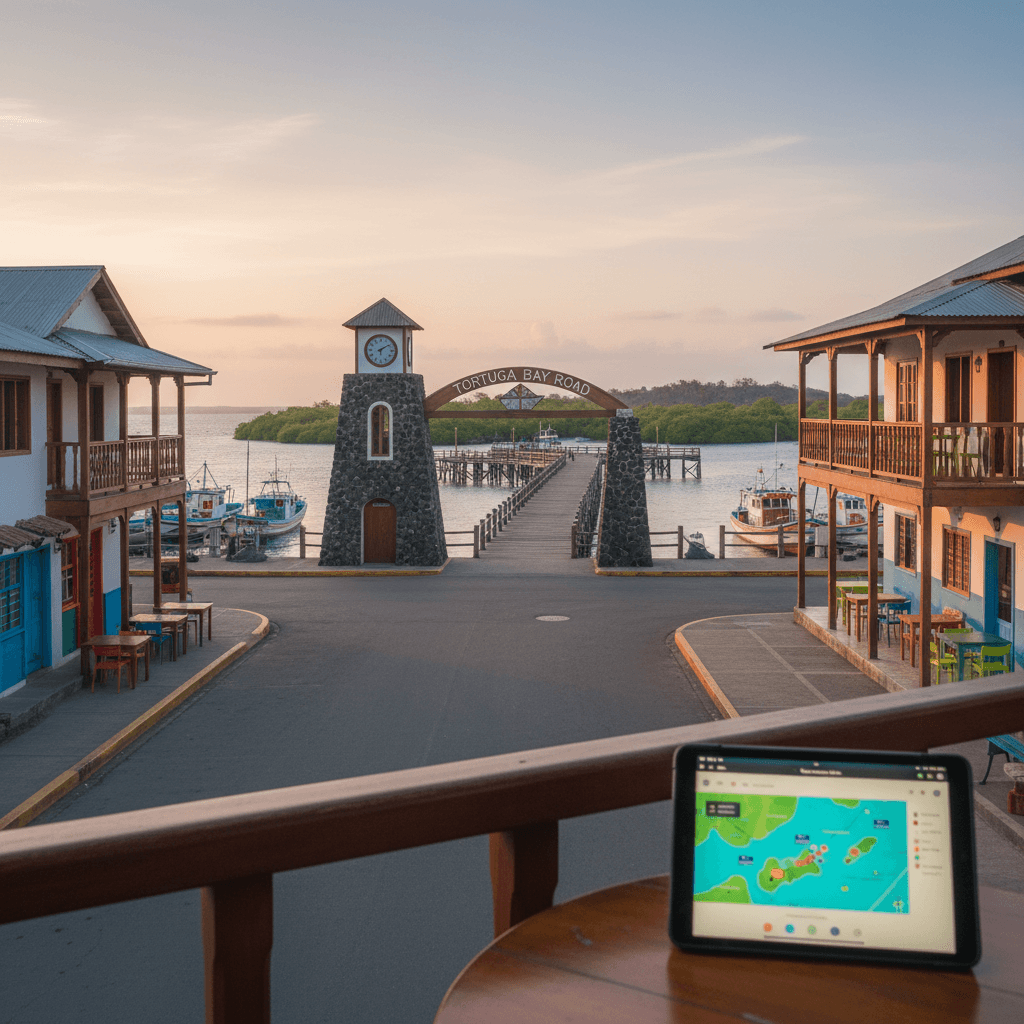
Puerto Ayora isn't your typical digital nomad sanctuary. It’s the beating heart of the Galapagos, a town where the raw power of nature crashes right into the morning commute. You’ll likely find yourself sharing a bench with a sunbathing sea lion at the Muelle Gus Angermeyer or dodging marine iguanas on your way to grab a coffee. It feels less like a city and more like a frontier outpost that accidentally got a great sushi restaurant and a craft beer bar.
The vibe is undeniably laid back, dictated by the rhythm of the tides and the arrival of the afternoon ferries. While it’s the most developed spot in the archipelago, it retains a rugged, remote energy. You aren't here for the high-speed infrastructure; you're here because you want to hike 3 km to the white sands of Tortuga Bay between Zoom calls, or watch pelicans fight for scraps at the fish market while you plan your week.
Living the Galapagos Pace
Most of the action stays centered around Charles Darwin Avenue. This waterfront strip is where the community gathers, blending a mix of salty locals, researchers, and travelers. By day, it’s all about the excursions to the highlands to see giant tortoises or snorkeling at Las Grietas. By night, the street transforms into a social hub where you can find everything from cheap street food to mid-range pizza joints.
For nomads, the emotional draw is the proximity to the wild. There's a specific kind of magic in finishing a project and immediately walking to the pier to see golden rays gliding through the water. However, the "remoteness" isn't just a feeling; it’s a reality. You’ll need to get comfortable with the idea of being slightly off the grid. It’s a place that rewards those who can work asynchronously and punishes anyone tethered to a high-bandwidth live stream.
Cost of Entry
Living here is a premium experience compared to mainland Ecuador. Since almost everything is shipped in, your daily burn rate will be higher. Most expats and long-termers suggest a tiered budget approach to keep things manageable:
- Budget Tier: $50 to $80 per day. This covers a bed in a decent hostel, eating at the local markets, and sticking to free activities like the walk to Tortuga Bay.
- Mid-Range: $100 to $150 per day. This gets you a private room in a basic hotel, regular cafe visits, and the occasional guided tour.
- Comfortable: $200+ per day. This is for those who want upscale dining, frequent boat tours to other islands, and the best available AC.
The Connectivity Reality Check
If your job depends on flawless 4K video conferencing, Puerto Ayora will test your patience. The WiFi is notoriously spotty across the island. Many hotels claim to have high-speed internet, but it often struggles with Netflix, let alone large file uploads. Most nomads rely heavily on a Claro prepaid SIM card or an Airalo eSIM to bridge the gaps. It’s the kind of place where you check the signal strength before you check the menu.
There aren't dedicated coworking spaces yet, so your "office" will likely be a breezy cafe along the boardwalk. It’s a trade-off: you lose the gigabit fiber, but you gain a view of the Pacific and a climate that stays warm year-round. It’s best suited for writers, developers, or creatives who can handle a bit of digital friction in exchange for a world-class backyard.
Getting Your Bearings
The town is incredibly compact and walkable. You can get almost anywhere in the main hub within 10 to 15 minutes on foot. If you’re heading further out or just carrying groceries, look for the white pickup trucks. These act as the local taxi fleet and charge a low flat rate for trips within the town limits. There are no ride-hailing apps here; you just flag them down with a wave.
Most newcomers spend their first few nights near the Muelle to stay close to the transport links and the best food. If you’re staying longer, you might look toward the Highlands for a quieter, more "jungle" feel, but you’ll sacrifice the convenience of being able to walk to the docks for a sunset beer. Puerto Ayora is safe, friendly, and deeply addictive for those who prefer wildlife over nightlife.
The Galapagos Premium
Living in Puerto Ayora isn't like living in mainland Ecuador. Because nearly everything has to be shipped in from the continent, you'll face a significant "island tax" on groceries, dining, and housing. Most nomads and expats find that their monthly burn rate here is roughly 30% to 50% higher than it would be in Quito or Cuenca. You're paying for the privilege of sharing your morning coffee with a sea lion, and for many, that trade-off is worth every cent.
The local currency is the US Dollar, which makes budgeting straightforward for many travelers. However, the economy is still very cash-heavy. While upscale restaurants and tour operators take cards, you'll want plenty of small bills for taxis and local markets. Expect to spend between $1,500 and $2,500 per month depending on how much you indulge in boat tours and fine dining.
Daily Budget Tiers
- Budget Tier ($50 to $80/day): This covers a bed in a hostel dorm, eating at the local fish market or "Los Kioskos" for dinner, and sticking to free activities like hiking to Tortuga Bay.
- Mid-Range ($100 to $150/day): You'll get a private room in a basic hotel or guesthouse, enjoy a mix of cafe breakfasts and sit-down dinners, and sprinkle in a few guided land tours.
- Comfortable ($200+/day): This tier allows for upscale waterfront dining, higher-end boutique hotels, and frequent boat excursions to neighboring islands like Floreana or Pinzon.
Housing and Utilities
Rent is the most variable expense. Most digital nomads book their first few nights online and then negotiate longer stays in person to get a better rate. Expect to pay between $700 and $1,200 for a decent one-bedroom apartment or a long-term hotel suite near the center. If you head further into the highlands, prices drop, but you'll lose the convenience of being near the docks.
Utilities are generally included in short-term rentals, but if you're signing a longer lease, keep an eye on electricity costs. Air conditioning can drive bills up quickly. Internet is often the biggest "hidden cost" in terms of productivity. Since the connection is spotty, many expats pay for a Claro prepaid SIM or an Airalo eSIM as a backup, which adds another $20 to $40 to the monthly budget.
Food and Dining
Puerto Ayora has a surprisingly diverse food scene for its size. You can find everything from $5 local lunch specials (almuerzos) to high-end sushi and pizza along Charles Darwin Avenue. The fish market is a nomad favorite for fresh, affordable seafood, though you'll be competing with pelicans for your seat.
- Local Almuerzo: $5 to $8
- Mid-range Dinner: $15 to $25 per person
- Beer at a Bar: $4 to $7
- Grocery Staples (Milk, Bread, Eggs): $15 to $20 per bag
Getting Around
Transportation is one area where you won't break the bank. Puerto Ayora is incredibly walkable, and most people get by on foot. When you need to go further, the town is full of white pickup truck taxis. They operate on a flat rate of about $1.50 to $2.00 for most trips within the town limits. If you're heading to the airport on Baltra, the journey involves a bus, a ferry, and another bus, costing roughly $10 to $15 in total for the various segments.
The "Experience" Costs
Don't forget the mandatory entry fees that aren't part of your daily living expenses. You'll need to pay $20 for the Transit Control Card at the airport on the mainland, plus the $200 (updated 2024) National Park entrance fee upon arrival. For local fun, self-guided tours like the lava tunnels are cheap at around $3.50, but any day trip involving a boat will likely start at $150.
The Central Hub (Muelle & Charles Darwin Avenue)
Most nomads and solo travelers gravitate toward the area surrounding the Muelle Gus Angermeyer dock. This is the heartbeat of Puerto Ayora, where the town's small-scale urban energy meets the Pacific. Living here means you're within a 15 minute walk of everything that matters: the fishing pier, the most reliable cafes, and the nightly food scene on Charles Darwin Avenue. It's the best place to base yourself if you want to meet people, as the docks and nearby bars serve as the unofficial living room for the island's transient community.
The trade-off for being in the center of the action is the noise and the price. You'll pay more for a room here than anywhere else on Santa Cruz. While it's the most developed part of the Galapagos, don't expect world-class infrastructure. Most nomads find the WiFi in this area barely passable for emails and light admin work. If you need to upload large files or hop on a high-stakes video call, you'll likely be testing every cafe along the boardwalk for a stable signal. Claro is the go-to for local SIM cards here, and many expats recommend having a backup eSIM like Airalo just in case.
The Highlands (Santa Cruz North)
If you're moving to the islands with a family or planning a long-term expat stint, the highlands offer a completely different pace. Located north of the main town near the lava tunnels and Twin Craters, this area is lush, quiet, and noticeably cooler than the coastal strip. It feels less like a tourist hub and more like a rural community. You'll be closer to the giant tortoise reserves and Garrapatero Beach, which is a favorite for those who want to escape the crowds at Tortuga Bay.
The main hurdle here is transportation. While the town center is entirely walkable, the highlands require a white pickup truck taxi to get anywhere. These taxis charge low flat rates for trips around town, but the costs add up if you're commuting daily. Expats here usually trade the convenience of the pier for a larger garden and a bit of privacy. It's a better fit if you've already established your remote work routine and don't mind a bit of isolation from the social scene down by the water.
Audience Recommendations
Digital Nomads
- Top Choice: Central Puerto Ayora near the Fishing Pier.
- Why: You're steps away from the fish market where sea lions and pelicans hang out, making for great "office" views. It's also where you'll find the few cafes that tolerate laptop use.
- Estimated Daily Budget: $100 to $150 for a mid-range lifestyle including cafes and basic tours.
- Pro Tip: Always message your host to ask for a speed test before booking; some hotels can't even stream Netflix.
Expats
- Top Choice: Residential fringes of Puerto Ayora or the Highlands.
- Why: Better value for long-term rentals and a break from the constant churn of tour groups. It's safer and quieter for those staying 3 months or longer.
- Rent Expectations: Prices are higher than mainland Ecuador, but you can find better deals by walking the streets and looking for "Se Arrienda" signs rather than booking online.
Families
- Top Choice: Neighborhoods near the road to Tortuga Bay.
- Why: You get easy access to the 4.5 mile hike to the beach, which is a daily staple for active families. It's slightly removed from the bars but still walkable to the markets.
- Safety: This is an incredibly safe town where kids often walk to the docks freely, though you should always keep an eye on the wildlife regulations.
Solo Travelers
- Top Choice: Hostels within three blocks of the Muelle dock.
- Why: Solo travelers often say this is the easiest place in Ecuador to meet people. You'll find everyone gathering at the pier in the mornings for ferries or at the fish market in the afternoons.
- Budget Tip: Stick to the local fish markets for affordable meals. You can find fresh catches for $10 to $15, which is a steal compared to the upscale sushi and pizza spots nearby.
Connectivity Realities
Working from Puerto Ayora requires a shift in expectations. You are on an archipelago 600 miles off the coast of South America, and the internet infrastructure reflects that isolation. While Santa Cruz is the most developed island in the Galapagos, the WiFi is generally spotty and unreliable for high stakes professional needs. Most hotels and rentals provide basic connections suitable for checking emails or sending Slack messages, but many fail the "Netflix test" or struggle with video calls and large file uploads.
Most nomads find that a dedicated backup plan is the only way to stay productive. If your job depends on stable bandwidth for Zoom or heavy design work, you might find the island frustrating for long term stays. It is common practice to message hosts ahead of time to ask for a speed test, though even then, local outages are frequent. Many travelers find themselves catching up on admin work during the day and saving the heavy lifting for when they return to mainland hubs like Quito or Guayaquil.
The SIM Card Strategy
Since you cannot rely on cafe or hotel WiFi, getting a local SIM card is your first priority upon arrival. It is your best bet for a stable hotspot, though even cellular signals have dead zones across the island. Claro is the undisputed king of coverage here; Movistar often struggles to maintain a signal once you leave the main pier area.
- Claro Prepaid: You can pick up a physical SIM at small shops along Charles Darwin Avenue. Expect to pay around $5 to $10 for a basic data package.
- Airalo eSIM: If your phone supports it, the Airalo "Choqui" plan roams on the Claro network and saves you the hassle of hunting down a physical store.
- Signal Strength: You will get the best 4G speeds near the Muelle Gus Angermeyer and the main tourist strip. Signal drops significantly as you head north toward the Highlands or out to Tortuga Bay.
Where to Work
Dedicated coworking spaces like MYCELIUM are now available, offering a more professional environment for those who need reliable infrastructure. Otherwise, you will be practicing the art of "cafe hopping." Most nomads congregate at spots along Charles Darwin Avenue where the breeze and the coffee are consistent, even if the upload speeds are not.
The outdoor tables near the Fishing Pier are great for casual laptop time if you don't mind the smell of fresh tuna and the occasional sea lion lounging nearby. For a more focused environment, look for mid range hotels with "business centers," which usually just means a slightly better router in the lobby. Be prepared to buy a few coffees or a meal if you plan to camp out for a few hours. Most cafe owners are relaxed about digital nomads as long as the place isn't packed with hungry tour groups.
Digital Nomad Essentials
- Power Stability: Power surges can happen. A basic surge protector or a high quality power bank is a smart addition to your kit.
- Offline Tools: Download your Google Maps, translation dictionaries, and Spotify playlists before you land. You don't want to waste your precious data on things that could have been cached.
- VPN: Use a reputable VPN to keep your data secure on public hotel networks, but keep in mind that a VPN can sometimes slow down an already sluggish connection.
Cost of Staying Connected
Budgeting for your "office" costs in Puerto Ayora looks a bit different than in a big city. You aren't paying for a desk membership; you are paying for data and lattes.
- Mobile Data: Budget $20 to $40 per month if you are tethering frequently for work.
- Cafe Spend: A typical coffee or fresh juice will run you $3 to $5, while a light lunch at a nomad friendly spot averages $10 to $15.
- Starlink: Starlink is now available at some hosts and coworking spaces in Puerto Ayora.
Personal Safety and the Local Vibe
Puerto Ayora is arguably one of the safest hubs in South America for solo travelers and nomads. The community is tight knit, and because the economy relies almost entirely on tourism, there is a collective effort to keep the streets secure. You can comfortably walk through the main center or along Charles Darwin Avenue late at night without the hyper vigilance required in mainland cities like Quito or Guayaquil.
The biggest "danger" here isn't crime, it's the wildlife. While it's tempting to get a selfie with a sea lion at the Fishing Pier, these are wild animals. Local regulations are strict about maintaining a two-meter distance. Most nomads find that as long as they respect the boundaries set by the National Park, the environment is incredibly welcoming. For transport, you can confidently flag down any of the ubiquitous white pickup truck taxis. They operate on low, flat rates for rides anywhere in town, and drivers are generally honest and helpful.
- Crime Level: Very low; petty theft is rare but keep an eye on bags at the docks.
- Solo Travel: Highly recommended; the Muelle Gus Angermeyer area is always active and well lit.
- Wildlife Safety: Follow the two-meter rule; fines for feeding or touching animals are steep.
Healthcare Facilities and Emergencies
Medical infrastructure on Santa Cruz is designed for basic care and stabilization. There are local pharmacies and small clinics in the town center that can handle minor ailments, infections, or scrapes from snorkeling. If you need specialized treatment or have a major emergency, you'll likely be evacuated to the mainland via a flight from Baltra Airport. This is a costly process, so expats always emphasize having high quality travel insurance that specifically covers medical airlifts.
For everyday health, the sun is your primary adversary. Being on the equator means the UV index is frequently extreme. Travelers often underestimate how quickly they'll burn, even on overcast days. Stock up on high SPF sunscreen before you arrive, as prices on the island are significantly marked up due to import costs.
Water and Food Safety
You cannot drink the tap water in Puerto Ayora. Most hotels and rentals provide large 20-liter jugs of purified water for guests. When you're out, stick to bottled water or refill your own at your base. Food hygiene is generally high, especially at the popular kiosks and the fish market, but it's still wise to be cautious with raw salads if you have a sensitive stomach.
Practical Health Tips
- Pharmacies: Several are located near the main pier; look for "Farmacia" signs for basics like antibiotics or seasickness meds.
- Insurance: Ensure your policy covers emergency evacuation to Quito or Guayaquil.
- Vaccinations: No specific shots are mandated for the Galapagos, but being up to date on Hepatitis A and Typhoid is standard advice for Ecuador.
- Sea Sickness: If you're taking the ferry to Isabela or San Cristobal, buy Dramamine locally before boarding; the two-hour rides can be notoriously rough.
While the island feels like a bubble, it's still remote. If you have specific prescription medications, bring enough to last your entire stay plus a two-week buffer. Supplies can be delayed by cargo ship schedules, and finding specific brand name drugs in a pinch is never guaranteed.
The Walkable Heart of Santa Cruz
Puerto Ayora is remarkably compact. Most nomads find they can reach almost everything they need within a 15 minute stroll of the Muelle Gus Angermeyer dock. The town is built around a few main arteries like Charles Darwin Avenue, where the sidewalks are often shared with sunbathing sea lions and marine iguanas. You won't need a car here; your own two feet are the most reliable way to get to the fish market, your favorite cafe, or the entrance to the Tortuga Bay trail.
For longer distances or when you're carrying groceries, the local taxi system is incredibly efficient. These aren't your typical yellow cabs; look for white pickup trucks. They cruise the streets constantly, and you can flag one down with a simple wave. Within the town limits, they operate on a flat rate of $1.50 to $2.00 per ride. It's a simple, cash-based system that works well for getting to the further edges of town or back to your rental after a long day of exploring.
Navigating the Island's Interior
If you're heading to the highlands to see the giant tortoises or the Twin Craters, you'll need to negotiate a rate with a taxi driver for a half-day or full-day excursion. Expect to pay around $40 to $60 for a private tour of the interior sites, including the lava tunnels. While there aren't ride-hailing apps like Uber or Cabify on the island, the white trucks are so plentiful that you'll rarely wait more than a minute for a ride.
Bicycles are a popular alternative for those who want a bit more freedom. You can rent a decent mountain bike from several shops along Charles Darwin Avenue for about $15 to $20 per day. It's a great way to reach the entrance of Tortuga Bay or even cycle up toward Bellavista if you have the leg strength for the uphill climb.
Getting to and from the Airport
Reaching Puerto Ayora from Baltra Airport (GPS) is a multi-stage journey, but it's well-organized. You can't just walk out and hop in a car to your hotel. The process usually looks like this:
- Take the airport shuttle bus from the terminal to the Itabaca Channel.
- Board a small ferry or water taxi to cross the channel to Santa Cruz Island; this costs about $1.00.
- On the other side, choose between a public bus (roughly $5.00) or a private taxi (around $25.00) for the drive south to Puerto Ayora.
Island Hopping by Sea
Since Puerto Ayora is the main hub for the archipelago, you'll likely spend some time at the main pier. Public speedboats, known as fletes, connect Santa Cruz to San Cristobal and Isabela. These ferries typically depart twice a day, once in the morning and once in the afternoon. Tickets usually cost between $30 and $35 each way. Be prepared for a bumpy ride; the crossing takes about 2 to 2.5 hours depending on the swells. Most expats recommend booking these a day or two in advance at the kiosks near the pier to ensure you get a seat.
When you arrive at the pier for your ferry, you'll need to pay a small fee (usually $1.00) for a water taxi to take you from the dock to the larger speedboat. It's a quirky local logistical quirk, so keep small change handy. Once you're on the water, the views of the coastline and the chance to spot dolphins make the transit feel like a tour in itself.
The Spanish Reality
In Puerto Ayora, Spanish is the undisputed king. While it's the most developed hub in the Galapagos, don't expect the high level of English proficiency you might find in Quito or Cuenca. Most locals working directly at the Muelle Gus Angermeyer dock or in high end boutiques along Charles Darwin Avenue can handle basic transactions in English, but the further you stray from the main tourist drag, the faster that safety net disappears.
Expats living here long term suggest that while you can survive with "Spanglish" and hand gestures, your experience will be significantly limited. If you're heading to the local fish market to grab the catch of the day or flagging down one of the white pickup truck taxis, knowing your numbers and basic greetings is expected. It isn't just about utility; the local community is tight knit, and making an effort in Spanish is the fastest way to transition from "temporary tourist" to "respected neighbor."
Digital Tools for the Island
Since the internet on Santa Cruz is notoriously fickle, you shouldn't rely on cloud based translation apps that require a constant high speed connection. Nomads frequently recommend downloading the Spanish offline dictionary on Google Translate or DeepL before you fly in from the mainland. It's common to lose signal entirely when you're exploring the highlands or hiking out to Tortuga Bay, so having those files saved locally on your phone is a lifesaver.
For those planning to stay for a month or more, consider these communication essentials:
- WhatsApp: This is the primary way to book tours, check table availability at restaurants, or message your landlord. Even the smallest local businesses use it.
- Claro SIM Cards: While you can grab an Airalo eSIM for convenience, most long termers head to a local shop in town to get a physical Claro prepaid SIM. It generally offers the most consistent coverage across the island.
- Voice Memos: Locals often prefer sending quick voice notes over WhatsApp rather than typing out long messages. It's a good way to practice your listening skills too.
Communication Nuances
The pace of life in Puerto Ayora is slow, and the communication style reflects that. People are generally warm and polite. A simple "Buenos días" when walking into a shop or boarding a water taxi goes a long way. If you're trying to coordinate remote work meetings, be upfront with your clients about the "island factor." Video calls often lag or drop, so many nomads find it easier to communicate via asynchronous text or email to avoid the frustration of the local bandwidth limits.
If you're looking to level up your Spanish while you're in town, keep an eye out for informal language exchanges at the cafes along the waterfront. While there aren't many formal language schools compared to the mainland, the expat community is small and helpful. You'll often find someone willing to trade English conversation for Spanish tips over a coffee or a beer near the fishing pier.
Key Phrases for Daily Life
You'll get by much easier if you keep these specific terms in your back pocket:
- Taxi flete: Use this when you want to hire a white pickup taxi for a specific trip or a set amount of time.
- Muelle: You'll use this constantly to refer to the main passenger dock.
- La cuenta, por favor: Necessary for when you're finished with your grilled brujo fish and ready to head back to your rental.
- ¿Hay WiFi?: The most common question you'll ask, though the answer is often "Yes, but it's slow."
The Two Seasons of Santa Cruz
Puerto Ayora doesn't follow the typical four season calendar. Instead, your experience here depends on whether you prefer the tropical heat or the cooler, misty air of the highlands. Because the town is the main hub for the Galapagos, the weather dictates everything from your snorkeling visibility to how much you'll spend on air conditioning.
The Warm Season runs from January to May. During these months, the sun is intense and the air is humid. You can expect daily highs to climb into the 80s or low 90s Fahrenheit. This is the time for afternoon rain showers, which are usually short but heavy. Nomads who enjoy swimming prefer this window because the water is significantly warmer and calmer, making spots like Tortuga Bay much more inviting for long swims.
The Dry Season, often called the Garua season, takes over from June to December. The weather shifts toward cooler, overcast days with a persistent light mist in the highlands. Temperatures usually hover between 65 and 75 degrees Fahrenheit. While the air is cooler, the ocean temperatures drop too. If you are planning to snorkel at Las Grietas during these months, you’ll likely want to rent a wetsuit from one of the shops on Charles Darwin Avenue.
Best Time for Nomads and Expats
If you are trying to balance work with island life, the shoulder months of May and November are your best bets. You avoid the peak holiday crowds that drive up prices at the local cafes and hotels, and the weather is temperate enough that you won't be sweating through your shirt during a Zoom call.
- For Wildlife Lovers: Visit between January and March to see giant tortoises hatching or land iguanas nesting.
- For Divers: The August to October window brings cooler currents that attract whale sharks and large schools of hammerheads, though the surface water can be choppy.
- For Budget Seekers: Aim for September and October. This is the low season when tour operators are more likely to offer last minute deals on day trips to nearby islands.
What to Pack for the Microclimates
Puerto Ayora is famous for its microclimates. You might be baking in the sun at the Fishing Pier while the highlands, just a 20 minute taxi ride away, are shrouded in fog and rain. Local expats recommend a "layer and protect" strategy rather than bringing a heavy wardrobe.
- High SPF Sunscreen: The equatorial sun is brutal even on cloudy days. Expect to pay $20 or more for a small bottle at local pharmacies, so bring your own.
- Lightweight Rain Shell: Essential for trips to the Twin Craters or the lava tunnels where the Garua mist can soak you through.
- Sturdy Sandals and Sneakers: You'll need more than just flip flops. The hike to Tortuga Bay is about 3 km (1.9 miles) round trip on a paved path.
- Dry Bag: If you're taking the water taxis (the small fiber boats) from the Gus Angermeyer dock, a dry bag is vital for keeping your laptop and electronics safe from salt spray.
Managing the Heat While Working
Since high speed internet is already a challenge in Puerto Ayora, don't let the heat make it worse. Many of the budget hostels and guesthouses only offer fans. If you're planning to stay for more than a week, most nomads recommend paying the premium for a room with reliable air conditioning. It's not just about comfort; the humidity can be hard on hardware, and having a cool, dry place to work is a sanity saver when the midday sun hits its peak.
Connectivity and the Nomad Reality
Puerto Ayora is the most developed hub in the Galapagos, but it hasn't quite caught up to mainland standards for high speed internet. Most nomads find the local WiFi passable for checking emails or casual browsing, but it often fails the Netflix test. If your job relies on heavy video calls or large uploads, you'll likely struggle. It's a smart move to message your host ahead of time to ask for a speed test, though even then, outages are common.
For a more reliable backup, grab a local Claro prepaid SIM card at a shop in town. Alternatively, Airalo eSIMs work well here by roaming on the Claro network. Even with a SIM, signal strength is spotty once you leave the main strip of Charles Darwin Avenue. There aren't dedicated coworking spaces yet, so most remote workers set up in cafes along the waterfront. Just keep your expectations low for bandwidth and your focus on the view.
Getting Around the Island
The town is incredibly compact and walkable. You can get from the main Muelle Gus Angermeyer dock to almost any central hotel or restaurant within 10 to 15 minutes on foot. If you're heading further out or carrying groceries, look for the white pickup trucks that serve as the local taxi fleet. They operate on low flat rates for trips within the town limits, and you can flag them down just about anywhere.
Getting to and from the airport on Baltra Island is a bit of a trek. You'll take a bus from the airport to the Itabaca Channel, hop on a quick water taxi, and then board another bus for a 45 minute ride south to Puerto Ayora. There are no ride hailing apps like Uber here, so rely on the pickups or your own two feet.
Budgeting for the Galapagos
While mainland Ecuador is quite affordable, the Galapagos carries a premium because almost everything is shipped in. You should plan your daily spend based on how much "adventure" you're packing in:
- Budget Tier: $50 to $80 per day. This covers a bed in a hostel, eating at the local fish market or street stalls, and sticking to free activities like the hike to Tortuga Bay.
- Mid-Range: $100 to $150 per day. This gets you a private room in a basic hotel, meals at sit down cafes, and the occasional guided excursion.
- Comfortable: $200+ per day. This is for those staying in upscale boutique hotels, dining on sushi or fresh lobster, and booking daily boat tours to neighboring islands.
Health and Safety Basics
Puerto Ayora is remarkably safe for solo travelers and expats. Violent crime is almost non existent, and the general vibe is relaxed and community oriented. Your biggest safety concern will likely be the wildlife. Sea lions and marine iguanas own the sidewalks and docks; local regulations require you to keep a respectful distance, and park rangers do enforce these rules.
Medical facilities are basic. There are pharmacies for minor ailments, but for anything serious, you'll likely be evacuated to the mainland. Ensure your travel insurance specifically covers medical evacuation from the islands. Also, remember that the sun at the equator is brutal. Even on cloudy days, you'll want high SPF sunscreen that is reef safe to protect both your skin and the marine ecosystem.
Practical Essentials
- Currency: The US Dollar is the official currency. Carry plenty of small bills, as many smaller shops and taxi drivers won't have change for a $20 or $50 note.
- Language: Spanish is the primary language. While people at the docks and high end restaurants speak some English, you'll have a much better experience if you have a translation app downloaded for offline use.
- Water: Do not drink the tap water. Most expats and long term travelers buy large 20 liter jugs (botellones) for their apartments.
- Wildlife Etiquette: Always give sea lions the right of way at the Fishing Pier. Watching the pelicans and sea lions compete for scraps at the fish market is free entertainment, but don't be tempted to feed them.
Need visa and immigration info for Ecuador?
🇪🇨 View Ecuador Country GuideWild Card
Expect the unexpected