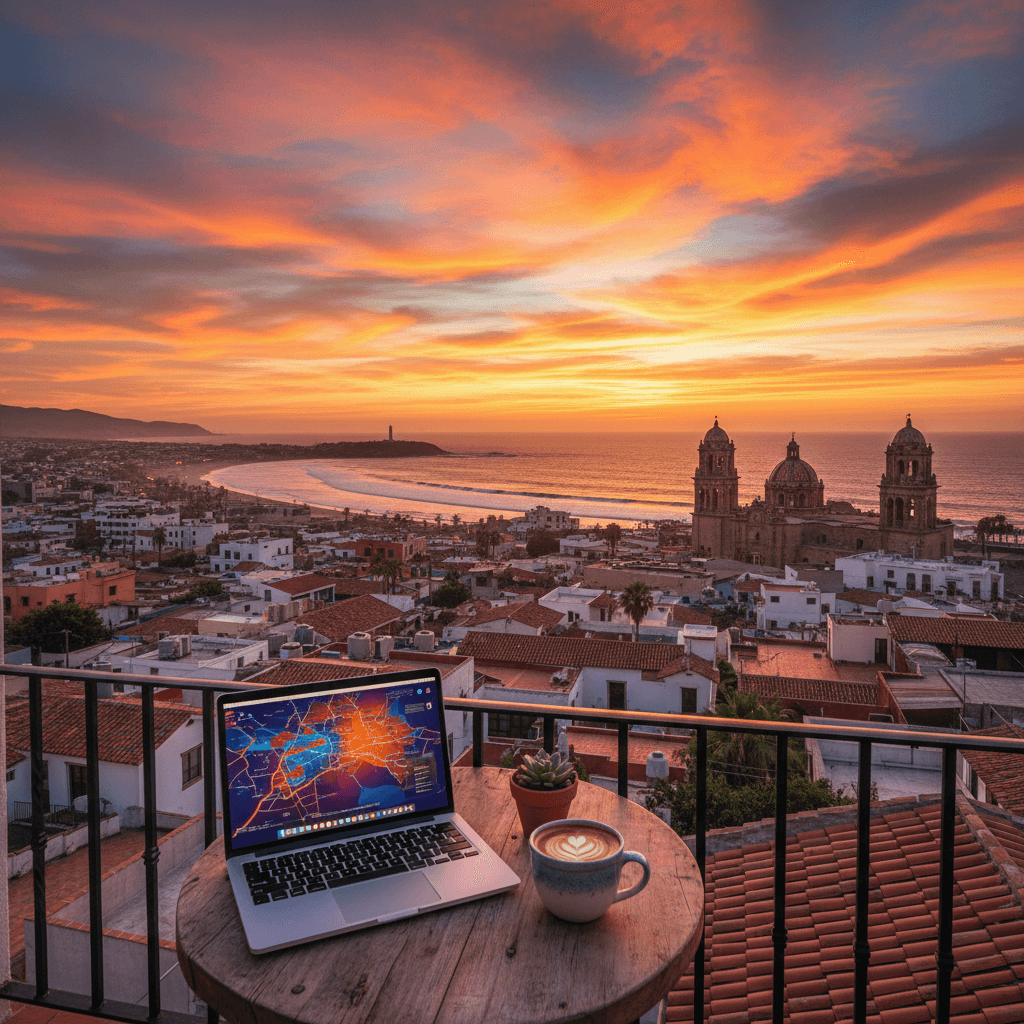
Puebla
🇲🇽 Mexico
The Vibe: Colonial Calm Meets Culinary Obsession
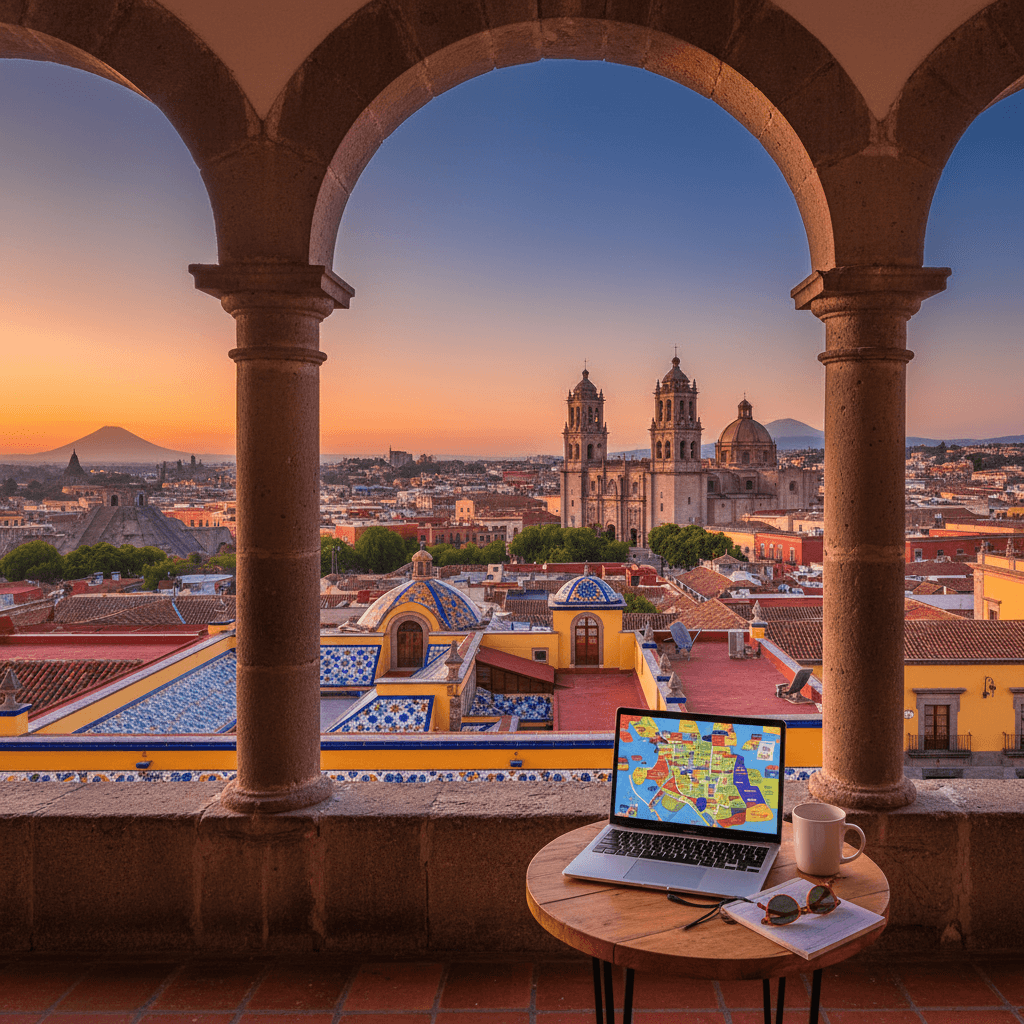
If Mexico City is the chaotic, high energy older sibling, Puebla is the refined, artistic cousin who knows exactly where to find the best mole in the country. It feels significantly more authentic and slower than the typical nomad hubs. You aren't here for beach clubs or neon nightlife; you're here for the Talavera-tiled facades, the shadow of the Popocatépetl volcano, and a pace of life that actually lets you breathe.
The city has a distinct "university town" intellectualism mixed with deep Catholic tradition. You'll spend your mornings working from a 17th century courtyard and your afternoons wandering through the Parian artisan market or the Los Sapos antique district. It’s a place where street performers in the Zócalo provide the soundtrack to your day, and the smell of roasting chilies follows you down every cobblestone alley.
Nomads who choose Puebla are usually looking for a "real" Mexican experience without the inflated prices of Roma Norte or Playa del Carmen. You'll trade lightning fast fiber optics for a lifestyle where a $2,335 monthly budget buys you a high end lifestyle. It’s a trade off. The community is smaller and more tight knit, so you won’t find a coworking space on every corner, but you will find a seat at Nails Club or a local cafe where the staff knows your name by day three.
Living Costs & Reality Check
Puebla is remarkably affordable for a UNESCO World Heritage city. While it’s possible to scrape by on $1,500 a month, most digital nomads find the sweet spot at around $2,000 to $2,300. This covers a beautiful apartment in the historic center, daily dining out, and plenty of Ubers.
- Studio in Centro Histórico: $400 to $600 per month.
- Upscale 1BR in Angelópolis: $700 to $1,000 per month.
- A plate of Mole Poblano at Casa del Mendrugo: $11.
- Street food (tacos or elotes): $1 to $3.
- Average Uber ride: $2 to $6.
The Neighborhood Breakdown
Where you stay determines your entire experience. Most solo travelers and nomads gravitate toward the Centro Histórico. It’s the heart of the action, entirely walkable, and puts you steps away from the Museo Amparo. The downside? It can get noisy with festivals and bells, and the internet in these thick walled colonial buildings can be temperamental, often averaging just 12 Mbps.
For a more modern, "Western" experience, there’s Angelópolis. It’s full of sleek high rises, luxury malls, and the city’s best hospitals. It’s much quieter and safer, but you’ll sacrifice the colonial charm and definitely need an Uber to get anywhere interesting. If you’re a creative, look at the Artist Quarter. It’s bohemian, slightly grittier, and filled with galleries and cheap coffee shops that are perfect for a few hours of deep work.
The Connectivity Catch
Let’s be honest about the work setup: Puebla isn't a tech hub yet. While you can find decent connection in modern apartments in Angelópolis, the historic center is a gamble. Average speeds hover around 12 to 25 Mbps. Many long term nomads invest in a Starlink setup or rely heavily on Telcel hotspots to get through Zoom calls. Coworking spaces are starting to pop up, with day rates usually landing between $10 and $20, but the "cafe as office" culture is still the dominant way to work here.
Ultimately, Puebla is for the traveler who wants to be enchanted rather than just "connected." It’s a city that rewards the slow traveler, the food lover, and anyone who prefers a view of a cathedral dome over a view of a skyscraper.
The Bottom Line on Budgeting
Puebla is a breath of fresh air for your bank account, especially if you're coming from Mexico City or Tulum. You can live a high quality life here for a fraction of the cost of more famous nomad hubs. Most solo nomads find that $2,335 per month covers a very comfortable lifestyle including a nice apartment in the historic center, daily cafe visits, and frequent dinners out. If you're on a tighter budget, you can easily get by on $1,500 per month by sticking to local markets and neighborhoods just outside the tourist core.
The city operates on three main price tiers. A budget tier of $1,200 to $1,500 covers the basics with a modest apartment and plenty of street food. A mid range budget of $1,800 to $2,200 allows for a better location, coworking fees, and more frequent Uber rides. For $2,800 to $3,000, you're looking at a luxury setup in the modern Angelópolis district with a high end gym membership and upscale dining.
Monthly Rent and Neighborhoods
Your biggest variable will be where you choose to drop your bags. Rent prices vary significantly between the colonial heart and the modern suburbs. Expats often recommend looking for short term stays in Centro Histórico first to get a feel for the city's rhythm before committing to a long term lease.
- Centro Histórico: This is the sweet spot for most nomads. You can find a studio or one bedroom apartment for $400 to $600. It's walkable, full of character, and puts you right next to the Zócalo.
- Angelópolis: If you want modern amenities, luxury malls, and a quieter vibe, expect to pay $700 to $1,000 for a high end apartment. You'll likely need a car or a healthy Uber budget here since it's not very walkable.
- Artist Quarter (Los Sapos): This area is perfect for creatives looking for a bohemian atmosphere. Prices are similar to Centro at $400 to $600, but the buildings often have more historical quirks.
- City Outskirts: For those really looking to save, apartments in the budget outskirts can drop as low as $300 to $450, though you'll be further from the action.
Eating and Drinking
Puebla is a culinary heavyweight, and luckily, eating well doesn't have to be expensive. You can grab quick street eats like elotes or tacos for $1 to $3. A mid range meal, like a plate of the city's famous mole poblano at Casa del Mendrugo, typically runs between $10 and $15. If you're celebrating at an upscale spot, expect to pay $20 to $30 per person including a drink.
Groceries are affordable if you shop at local markets like El Parian or smaller neighborhood tiendas. Most nomads spend around $300 to $400 per month on a mix of local markets and the occasional trip to a larger supermarket like Walmart or Chedraui Selecto.
Transport and Tech
Getting around is cheap and efficient. Uber is the gold standard for safety and convenience, with most rides across town costing between $2 and $6. If you're feeling adventurous, the local public buses are only $0.50. For digital nomads, a local SIM card from Telcel is a must. You can get a starter kit for about $6 and a monthly data plan with 10GB for around $28.
Coworking is still a growing scene here. You'll likely spend $10 to $20 for a day pass at local spots. Many nomads prefer working from cafes around the Zócalo, though you should always check the WiFi speed before ordering your coffee. Average speeds in the center hover around 12 to 25 Mbps, which is fine for emails but might struggle with heavy video calls.
Summary of Daily Costs
- Street Food Snack: $2
- Mid range Dinner: $12
- Liter of Milk: $1.20
- Short Uber Ride: $3
- Daily Coworking Pass: $15
- Draft Beer: $3 to $5
The Nomad Choice: Centro Histórico
If you want to step out of your door and be immediately surrounded by Talavera tiles and colonial architecture, the Centro Histórico is where you belong. It is the heart of the city, spanning about 1.5 square kilometers of walkable streets. Most nomads gravitate here because everything is within a 15 minute radius, from the Zócalo to the Museo Amparo.
- Rent: Expect to pay between $400 and $600 for a studio or one bedroom apartment.
- Vibe: High energy, historic, and undeniably Mexican. You will hear street performers and church bells throughout the day.
- Connectivity: This is the best spot for cafe hopping. While the city average is 12 Mbps, you can find better speeds at spots like Nails Club or the various cafes surrounding the main plaza.
- Pros: Maximum walkability and the lowest barrier to social interaction.
- Cons: It gets noisy at night and the tourist crowds can be thick on weekends.
The Creative Soul: Los Sapos and the Artist Quarter
Solo travelers and creative types usually end up in Los Sapos or the nearby Barrio del Artista. It is technically part of the historic center but feels distinct with its antique markets, bohemian galleries, and narrow alleys. It is the kind of place where you can grab a cheap bite for $5 and spend the afternoon sketching or writing in a courtyard.
- Rent: Similar to Centro, ranging from $400 to $550, though apartments here tend to be older with more character.
- Vibe: Artsy and laid back. It feels less like a tourist museum and more like a living workshop.
- Pros: Incredible aesthetics and a high concentration of artisan markets like El Parian.
- Cons: Streets can feel a bit deserted after dark, so you will want to keep your wits about you regarding petty theft.
The Expat Standard: Angelópolis
For those planning a longer stay or moving with a partner, Angelópolis offers a completely different world. It is the modern face of Puebla, filled with high rise luxury apartments, massive shopping malls, and wide boulevards. You won't find many cobblestones here, but you will find the city's best infrastructure and most reliable services.
- Rent: Upscale apartments generally start at $700 and can easily climb over $1,000.
- Vibe: Professional, polished, and suburban. It feels more like a modern American city than a colonial Mexican town.
- Pros: This is where the best hospitals and international gyms are located. It is arguably the safest area for evening walks.
- Cons: It is car dependent. You will be spending $2 to $6 on Ubers constantly to get anywhere interesting.
The Family Hub: La Paz and Surrounds
Families often look toward La Paz or the residential pockets near Angelópolis. These areas provide a middle ground between the chaos of downtown and the sterile feel of the mall districts. You get more square footage for your money and easier access to international schools without being completely isolated from the local culture.
- Rent: $600 to $900 for multi bedroom houses or larger flats.
- Vibe: Quiet, residential, and stable. You will see locals walking dogs and kids playing in small parks.
- Pros: Less noise pollution and better grocery store options like high end supermarkets.
- Cons: Not very "exciting" for someone looking for the quintessential Puebla experience.
The Practical Middle: Gonzalo Guerrero
For the nomad who wants a "local" life without the tourist prices of Centro or the high costs of Angelópolis, Gonzalo Guerrero is a solid alternative. It is compact and functional, offering a more authentic look at middle class life in Puebla. Travelers often choose this area when they want to settle in for a few months rather than just a few weeks.
- Rent: Budget friendly options often clock in between $350 and $500.
- Vibe: Unpretentious and busy. It is a neighborhood where people actually live and work.
- Pros: Very walkable with plenty of local "tiendas" and affordable gyms.
- Cons: Limited options for high end coworking or English speaking social groups.
The Connectivity Reality
If you are coming from Mexico City or Playa del Carmen, you need to adjust your expectations. Puebla is a colonial dream, but its digital infrastructure is still catching up. Internet speeds in the Centro Histórico typically hover around 12 to 25 Mbps. While that is plenty for emails and basic Slack messages, you might find video calls get choppy during peak afternoon hours when the tourist crowds hit the local networks.
Most nomads find that relying solely on Airbnb WiFi is a gamble. It is common for older colonial buildings with thick stone walls to have dead zones. If you are planning to stay for a month or more, expats often recommend looking for rentals that use Starlink or asking hosts for a speed test screenshot before you book. Having a backup is not just a good idea; it is a requirement here. Keep a local SIM card topped up for those moments when the cafe router decides to take a siesta.
Coworking Spaces and Laptop-Friendly Cafes
Puebla does not have a massive, dedicated coworking scene like Medellin or Lisbon, but the community is growing. You will find a few emerging spots, mostly in the modern Angelópolis district or tucked away in the Centro. Expect to pay between $10 and $20 for a day pass. These spaces are your best bet for high-speed fiber and a chair that won't kill your back.
For a more relaxed vibe, the cafe culture around the Zócalo is fantastic, though you should be strategic about where you set up. Many travelers gravitate toward the local coffee shops in the Artist Quarter. They are great for a couple of productive hours, but the seating is often designed for socializing rather than an eight-hour shift. If you need to get deep work done, look for spots like Nails Club, which has been cited by recent visitors as a surprisingly effective place to knock out a to-do list while enjoying the local atmosphere.
Mobile Data and SIM Cards
Getting connected on your phone is the easiest part of the process. You can grab a SIM card at any OXXO convenience store or right at the airport. Telcel generally offers the best coverage if you plan on taking day trips to Cholula or the surrounding mountains, while AT&T and Movistar are solid alternatives within the city limits.
- Starter Kits: Expect to pay between $5.50 and $16 for a basic SIM and initial credit.
- Monthly Data Plans: A standard 2GB to 10GB plan will run you between $11 and $28.
- eSIMs: If your phone supports it, apps like Airalo or Holafly work perfectly here and save you the hassle of hunting down a physical card.
Connectivity Checklist
- Average Speed: 12 to 25 Mbps is the standard; anything higher is a bonus.
- Best Neighborhood for WiFi: Centro Histórico for accessibility, Angelópolis for modern infrastructure.
- Power Stability: Generally reliable, though summer storms can cause brief flickers.
- Top Mobile Provider: Telcel for the most consistent 4G and 5G coverage.
The trade-off for the slightly slower speeds is the environment. Working from a rooftop terrace overlooking the tiled domes of the Cathedral or a quiet courtyard in Los Sapos makes the occasional lag much easier to stomach. Just make sure your hotspot is ready to go, and you will find Puebla to be a refreshing, affordable base for your remote work stint.
Safety in the City of Angels
Puebla generally feels much more relaxed than the frantic pace of Mexico City. Most nomads find that the Centro Histórico and Angelópolis are quite manageable for daily life, offering a vibe similar to the Roma or Condesa neighborhoods in the capital, but with significantly less stress. You'll see plenty of people out walking until late in the evening around the Zócalo, and recent travelers often mention feeling perfectly comfortable maintaining a normal routine of morning cafe runs and evening walks.
That said, it pays to stay sharp. While violent crime isn't the primary concern for visitors, petty theft can happen, especially in the Artist Quarter or Los Sapos where crowds gather. Expats recommend keeping your phone tucked away while walking and avoiding isolated outskirts after dark. If you're heading home late, stick to Uber rather than flagging a taxi on the street. It's affordable, usually costing between $2 and $6, and provides a digital trail that adds an extra layer of security.
Healthcare and Medical Services
If you need medical attention, you're in good hands. Puebla is a major urban hub with high quality healthcare facilities that rival those in the U.S. or Europe, often at a fraction of the cost. The most modern hospitals are clustered in the Angelópolis district, which is where most expats head for specialized care or emergencies. Facilities here are clean, well equipped, and often staffed by specialists who spent time training abroad.
For minor issues, you'll find pharmacies on almost every corner. Many are linked to OXXO or local chains like Farmacias del Ahorro, where you can often find a doctor on site for a quick, low cost consultation. These "consultorios" are perfect for treating a stomach bug or getting a prescription for basic meds without a long wait.
- Emergency Number: Dial 911 for immediate assistance.
- Top Hospitals: Hospital Angeles Puebla in Angelópolis.
- Pharmacy Costs: Basic consultations at a pharmacy clinic usually run under $5.
- Insurance: Most travelers use international nomad insurance, but local private clinics accept major credit cards if you need to pay out of pocket first.
Practical Tips for Staying Well
The most common health hurdle for newcomers isn't safety, it's the altitude and the water. Puebla sits at over 7,000 feet, so you might feel winded or get a headache during your first few days. Drink plenty of bottled water and take it easy on the tequila until you've adjusted. Never drink the tap water; even locals use garrafones (large 20 liter jugs) for drinking and cooking. You can pick these up at any small tienda or have them delivered to your apartment for a few dollars.
When it comes to food safety, the street food in Puebla is legendary for a reason. To avoid the dreaded "Montezuma's Revenge," look for stalls with a high turnover of local customers and vendors who use gloves or separate tongs for money and food. If you're worried about your stomach, stick to cooked dishes like mole poblano or pipian verde at established spots like Casa del Mendrugo before diving into the street taco scene.
The Walkability Factor
If you're staying in the Centro Histórico, your own two feet are your best asset. The colonial core is a compact 1.5 square kilometer grid that's incredibly easy to navigate. Most nomads find they can hit the Zócalo, grab a coffee at a cafe, and wander over to the Museo Amparo all within a 15 minute radius. The streets are lined with Talavera tiles and wide sidewalks, making it one of the most pedestrian friendly cities in Mexico.
Outside the historic center, things change. If you venture toward the modern Angelópolis district, you'll find wide boulevards and a layout designed for cars. It's not a place you'll want to walk between meetings. For these longer hauls, you'll need to rely on wheels.
Ride-Hailing and Taxis
Uber is the gold standard for getting around Puebla safely and affordably. It's the top choice for expats because it's cashless and provides a GPS record of the trip. Most rides within the city cost between $2 and $6, and wait times rarely exceed 10 minutes. It's significantly safer than hailing a random taxi on the street, especially after dark.
- Uber to Angelópolis: Usually $5 to $8 depending on traffic.
- Airport Transfer: A ride from Puebla International (PBC) to Centro typically runs $20 to $40.
- Reliability: Drivers are plentiful, and the app works just as well here as it does in Mexico City.
Public Transit and Buses
For those on a strict budget, the local bus system is extensive and incredibly cheap at roughly $0.50 per ride. These buses are efficient for moving through the urban core, but they can be intimidating for newcomers. They're often crowded, and the routes aren't always clearly marked on digital maps. If you're just starting out, stick to Uber until you've got your bearings.
Puebla doesn't have a metro system, so the roads can get congested during peak hours. If you have a meeting or a flight to catch, always buffer in an extra 20 minutes for the notorious mid afternoon traffic.
Getting to Puebla
Most travelers arrive via Mexico City (AICM) rather than flying directly into Puebla's smaller airport. The journey takes about 2 hours. You can book a private transfer or use the high end bus lines like ADO or Estrella Roja, which offer comfortable seating and WiFi for a fraction of the cost of a private car. These buses run frequently from the airport directly to the CAPU station or the Paseo Destino terminal in Puebla.
Cycling and Scooters
While you'll see some locals biking, Puebla hasn't quite embraced the bike share culture seen in CDMX. There aren't many dedicated lanes, and the cobblestones in the historic center can make for a bone-jarring ride. Unless you're an experienced urban cyclist, it's usually better to stick to walking or ride-hailing apps. Most nomads find that between the walkability of Centro and the low cost of Uber, there's very little need for a personal vehicle or a bike rental.
The Language Barrier
Unlike the tourist bubbles of Playa del Carmen or the international sprawl of Mexico City, Puebla remains a deeply traditional Mexican city. Spanish is the primary language for everything from ordering a $10.50 dinner at Casa del Mendrugo to negotiating rent in the Centro Histórico. While staff at upscale hotels in Angelópolis or high end galleries in Los Sapos often speak English, you shouldn't expect it in the local markets or when dealing with utility providers.
Most nomads find that a basic grasp of Spanish isn't just helpful; it's a requirement for a smooth experience. You'll need enough vocabulary to navigate the $0.50 bus system or communicate with an Uber driver. Locals are generally patient and appreciate any effort to speak the language, but you'll get much further if you can move beyond "hola" and "gracias."
Staying Connected
Internet reliability is the main hurdle for remote workers here. With an average speed of 12 to 25 Mbps in the colonial core, Puebla lags behind Mexico's major tech hubs. While this is fine for standard emails and social media, it can be a gamble for high stakes video calls or heavy data transfers. Expats often recommend having a solid backup plan to stay online.
- Mobile Data: Telcel is the gold standard for coverage, though AT&T and Movistar are viable alternatives. You can grab a starter SIM for $5 to $10 at any OXXO convenience store.
- Monthly Plans: Expect to pay between $11 and $28 for 2GB to 10GB of data.
- eSIMs: If you want to hit the ground running, Airalo or Holafly work well immediately upon landing at the airport.
- Starlink: For those planning a long term stay in a colonial apartment with thick stone walls, many nomads are now opting for Starlink to ensure a stable 2026-ready workspace.
Networking and Community
The nomad community in Puebla is smaller and more fragmented than in other Mexican cities. You won't find massive coworking spaces on every corner like you do in Roma Norte. Instead, the social scene revolves around "cafe proxies." Places like Nails Club or the various coffee shops around the Zócalo serve as informal offices where you'll likely spot other people with laptops.
To find your tribe, you'll need to be proactive. Expats suggest joining local Facebook groups or checking InterNations, especially if you're living in the more modern Angelópolis district. The vibe here is less about "networking events" and more about organic connections made over mole poblano or while exploring the artist quarters. It's a slower, more authentic way to build a network, which fits the city's overall pace.
Communication Essentials
Navigating daily life requires a few specific tools. Make sure your phone is loaded with these before you settle in:
- WhatsApp: This is the universal communication tool in Mexico. You'll use it to talk to landlords, book appointments, and even order water deliveries.
- Uber: Since street taxis can be hit or miss for non-Spanish speakers, Uber is the preferred way to get around. Rides usually cost between $2 and $6.
- Google Translate: Essential for deciphering menus at street stalls or reading signs in the Parian artisan market.
While the language gap and mediocre WiFi might seem like deterrents, they also act as a filter. The people who stick around Puebla are usually those looking for a deeper immersion into Mexican culture rather than a sanitized expat experience. If you can handle a bit of technological friction, the reward is a significantly lower cost of living and a more genuine connection to one of Mexico's most beautiful cities.
The Sweet Spot: Spring and Fall
Puebla sits at a high altitude of about 7,200 feet, which means it stays cooler than the tropical coasts of Mexico. For most nomads and long term travelers, the absolute best time to visit is from late February to early May. During these months, the days are sunny and warm, typically hitting the high 70s or low 80s, while the nights remain crisp and comfortable for walking around the Zócalo.
October and November are also fantastic choices. The summer rains have cleared out, leaving the surrounding mountains and volcanoes, like Popocatépetl, looking lush and green. This window also aligns with Día de los Muertos, which is a massive cultural experience in the nearby town of Cholula and throughout Puebla's historic center.
The Rainy Season: June to September
If you're planning to stay over the summer, pack a light rain jacket and an umbrella. Puebla's rainy season usually kicks off in June and lasts through September. It rarely rains all day; instead, you'll get bright, humid mornings followed by heavy afternoon downpours that clear out the heat. Expats often use these rainy afternoons to hunker down in cafes like Clemente Café or Café Al Andar to get deep work done while the streets get a wash.
Winter Chills: December to February
Winter in Puebla is dry and bright, but don't let the sun fool you. While daytime temperatures are pleasant, the mercury can drop into the 40s at night. Most apartments in the Centro Histórico are older colonial buildings with high ceilings and no central heating. If you're visiting during these months, you'll want to confirm your Airbnb provides a space heater or extra blankets. Many nomads find this the best time for hiking the nearby volcanoes, as the skies are at their clearest.
Key Events and Peak Pricing
Puebla doesn't see the same massive tourist spikes as Tulum or Playa del Carmen, but certain dates will drive up accommodation prices and make the city feel crowded. Locals and travelers alike flock to the city for these specific windows:
- Cinco de Mayo (May 5): This is Puebla's biggest claim to fame. Expect parades, battle reenactments, and fully booked hotels. If you want a quiet work week, this isn't it.
- Chile en Nogada Season (August to September): Foodies descend on the city to try this seasonal dish. Prices at iconic spots like Casa del Mendrugo stay steady, but you'll need reservations.
- Christmas and New Year: Many Mexican families vacation here during the holidays. Rent for short term stays in the Centro can jump by 20% to 30% during the last two weeks of December.
Monthly Climate Breakdown
- March to May: The warmest months. Highs of 82°F, lows of 52°F. Ideal for outdoor markets and rooftop drinks at Museo Amparo.
- June to September: The wet season. Highs of 75°F, lows of 55°F. Expect rain 15 to 20 days per month.
- October to November: The "Goldilocks" zone. Highs of 73°F, lows of 50°F. Clear skies and moderate prices.
- December to February: The dry, cold snap. Highs of 70°F, lows of 42°F. Very little rain but chilly evenings.
Most digital nomads find that a six month stay starting in October allows them to experience the best festivals, avoid the worst of the summer humidity, and enjoy the most consistent outdoor weather for exploring the 1.5 square kilometer UNESCO core.
Connectivity and the Digital Grind
If you're coming from Mexico City or Playa del Carmen, the internet in Puebla might feel like a step back. Average speeds hover around 12 to 25 Mbps in the Centro Histórico. While that's fine for emails and Slack, it can get dicey for heavy video calls or large uploads. Most nomads recommend having a backup plan like a local Telcel SIM or a Starlink setup if you're staying long term.
The coworking scene is still finding its feet. You won't find a massive hub on every corner, but spaces like those in Angelópolis or the creative cafes near Los Sapos fill the gap. Expect to pay between $10 and $20 for a day pass. For a more casual vibe, the cafes around the Zócalo are laptop friendly, though the WiFi reliability varies from one door to the next. Local favorites like Nails Club have gained a reputation among the remote crowd for being surprisingly productive spots.
Budgeting for the Puebla Lifestyle
Puebla is remarkably affordable, even by Mexican standards. A solo traveler can live comfortably on about $2,335 per month, though budget conscious nomads often pull it off for closer to $1,500. Your biggest variable will be housing and how often you trade street tacos for sit down mole dinners.
- Rent (Studio/1BR): $400 to $600 in Centro; $700 to $1,000 in upscale Angelópolis.
- Daily Meals: $1 to $3 for street elotes or tacos; $10 to $15 for a mid range dinner at Casa del Mendrugo.
- Transport: $2 to $6 for most Uber rides within the city.
- Data: $11 to $28 for a monthly mobile plan with 2 to 10GB of data.
Getting Around and Staying Safe
The historic center is a tight 1.5 square kilometer grid that is almost entirely walkable. For anything further out, Uber is the gold standard. It's reliable, usually arrives in under 10 minutes, and avoids the hassle of negotiating fares with street taxis. If you're coming from the airport, a transfer from Puebla International (PBC) or a bus from Mexico City usually costs between $20 and $40.
Safety in Puebla is generally high, especially in nomad heavy areas like Centro and Angelópolis. It feels similar to the safer pockets of Mexico City, like Roma or Condesa. You should still use common sense; don't wander into isolated outskirts after dark and keep an eye on your phone in crowded markets like Parian. For healthcare, the Angelópolis district houses modern hospitals that expats trust for everything from routine checkups to emergencies.
Data and Communication
Don't rely solely on your home country's roaming plan. Pick up a local SIM from Telcel or AT&T at any OXXO convenience store. They're cheap, and the 4G coverage is excellent throughout the city. If you prefer the digital route, Airalo or Holafly eSIMs work instantly and save you the trip to a physical store. Having a local number makes it much easier to coordinate with landlords or use local delivery apps.
Need visa and immigration info for Mexico?
🇲🇽 View Mexico Country GuideHidden Gem
Worth the effort
Monthly Budget Estimates
More cities in Mexico
Mazatlán
🇲🇽 Mexico
Querétaro
🇲🇽 Mexico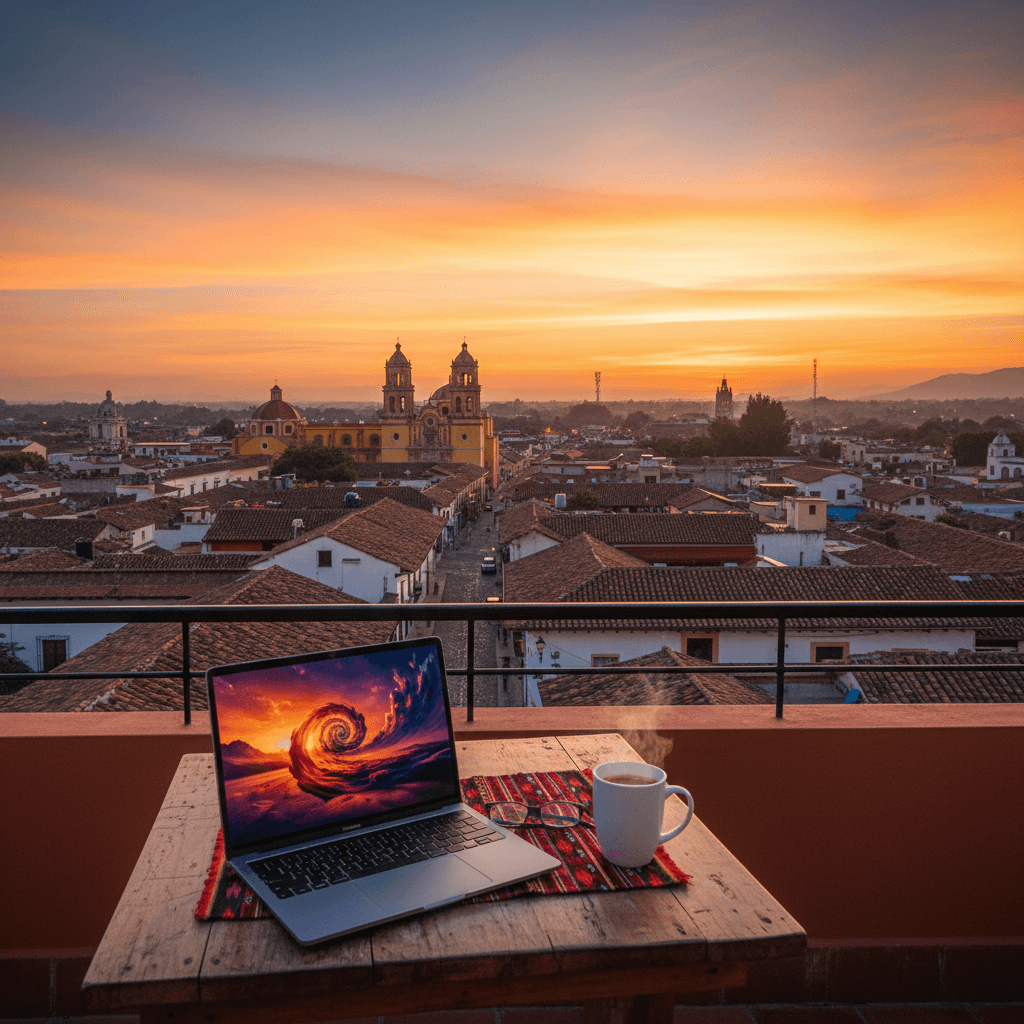
San Cristóbal de las Casas
🇲🇽 Mexico